Case Study: Analysis of Condition Monitoring in Automotive Final Drive
VerifiedAdded on 2023/04/23
|22
|1103
|150
Case Study
AI Summary
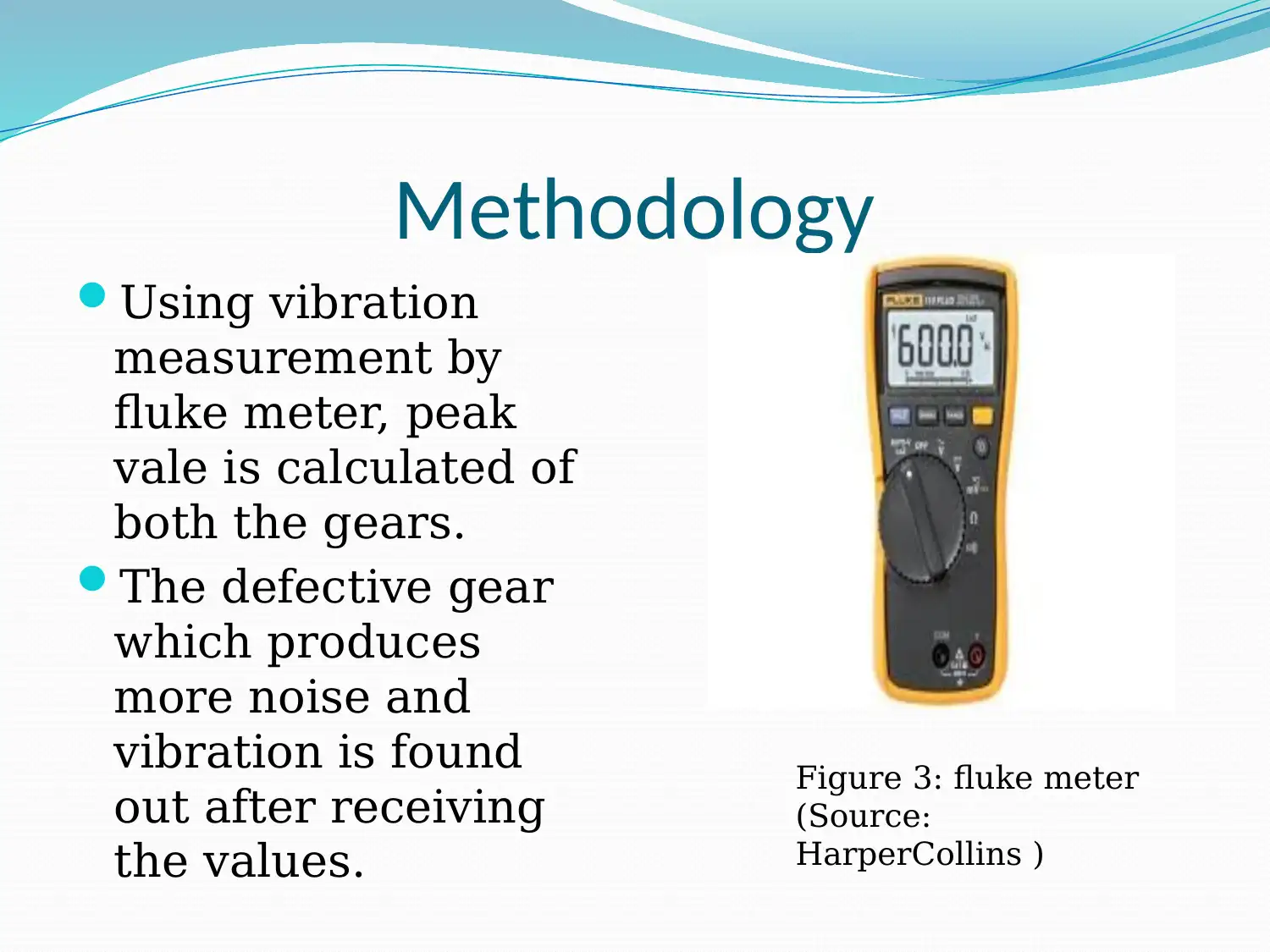
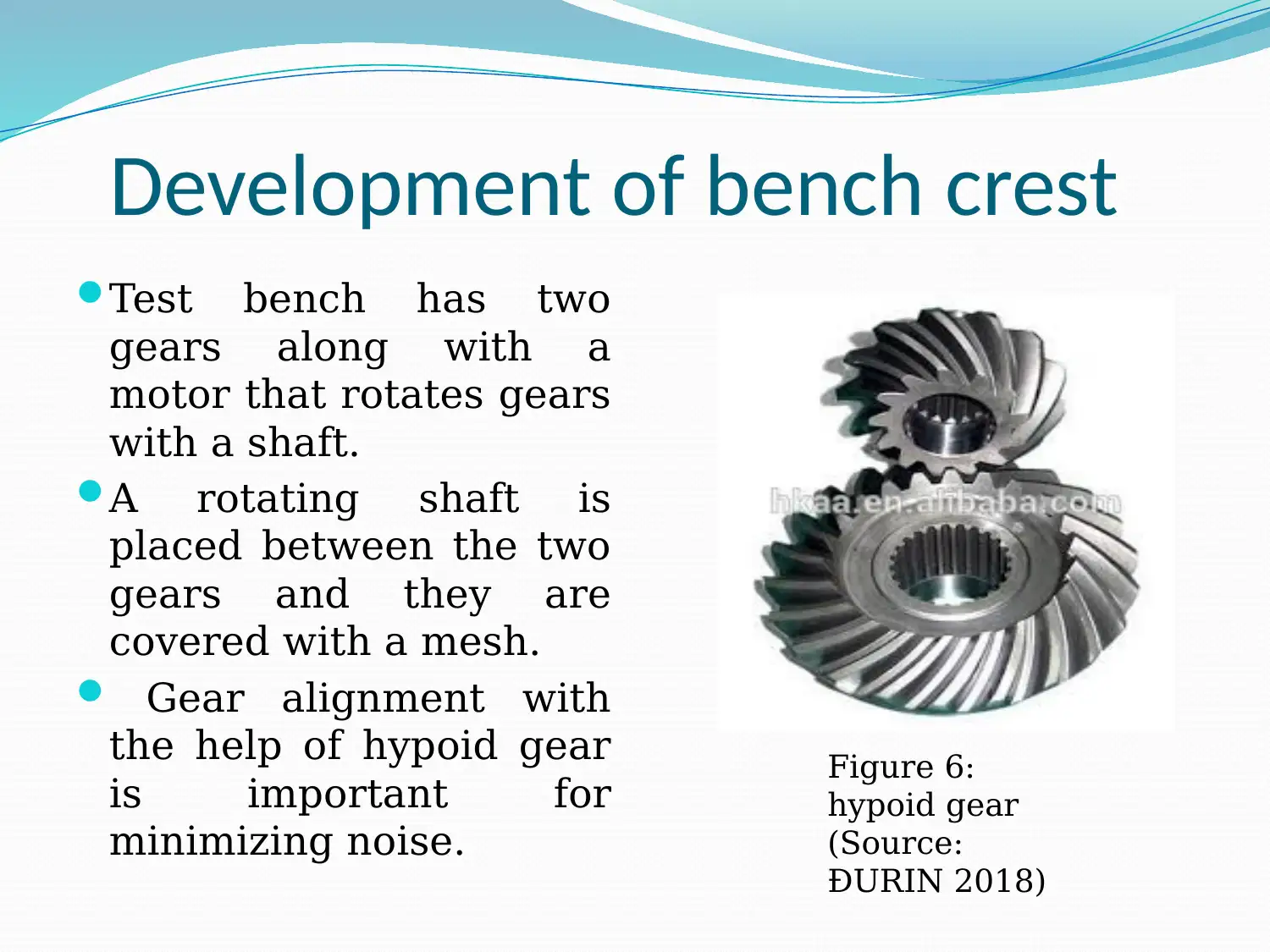
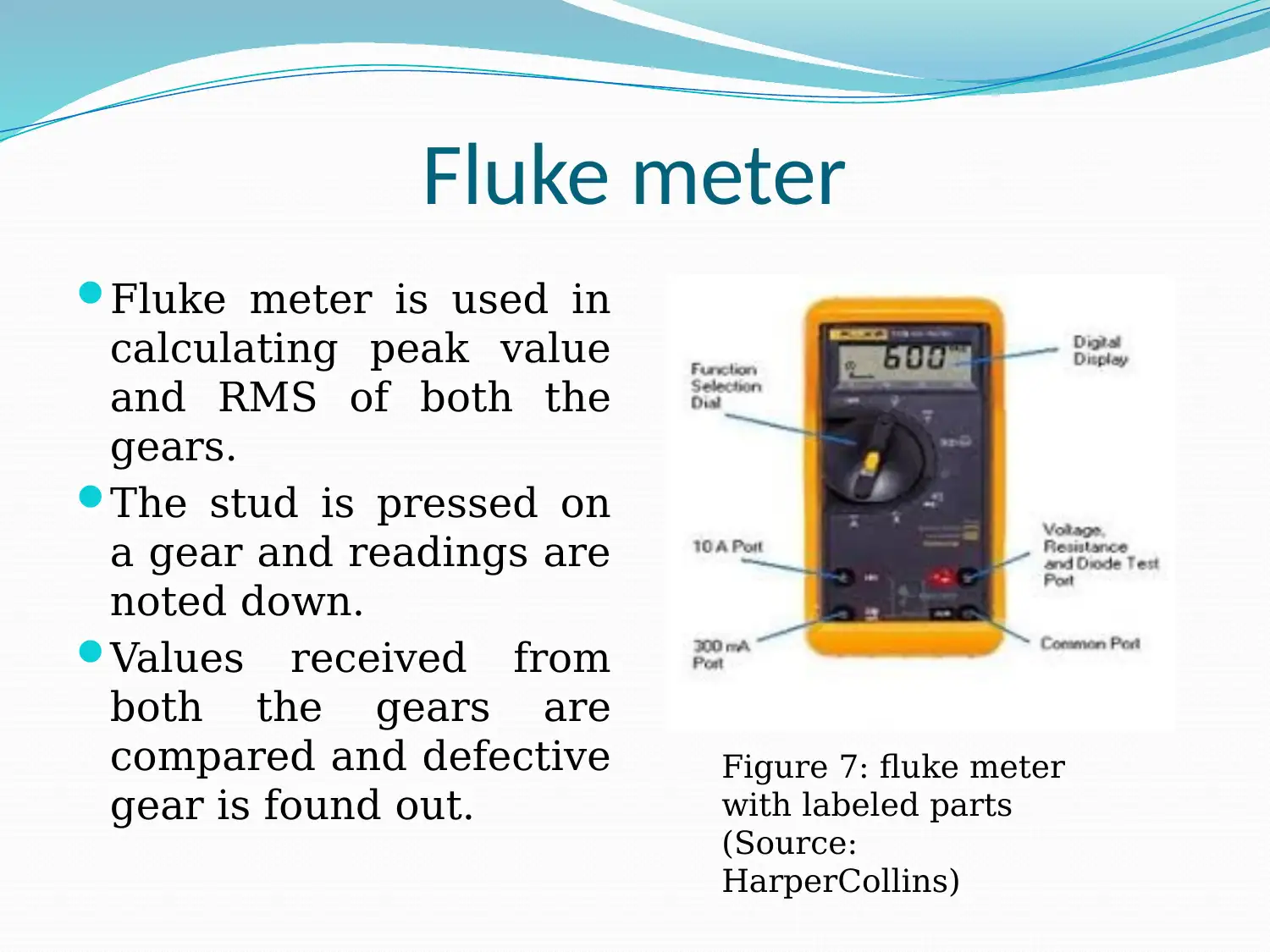
This case study focuses on condition monitoring of an automotive final drive using vibration analysis. The aim is to develop a specific action and technique for monitoring the final drive's condition, locate wear debris with lubricating oil, identify defective gears using sensors, and rectify problems using condition monitoring techniques. The methodology involves assessing gear meshing to avoid noise, checking sensory actuation systems, and repeating experiments at different temperatures and speeds. Resources include sensory actuation, vibrating systems, and measurement equipment. A test bench with gears, a motor, and a rotating shaft is used, with gear alignment being crucial for minimizing noise. A Fluke meter is used to calculate peak and RMS values, and vibration analysis is performed to identify defective gears. Practical experimental analysis involves running the motor, observing parameters like noise, vibration, and temperature, and using the Fluke meter for vibration analysis. Recorded values for both gears at different RPMs are presented, and results indicate changes in peak value with increased speed and temperature. The study concludes with the importance of maintenance activities and provides relevant references.




1 out of 22


Your All-in-One AI-Powered Toolkit for Academic Success.
+13062052269
info@desklib.com
Available 24*7 on WhatsApp / Email
![[object Object]](/_next/static/media/star-bottom.7253800d.svg)
Copyright © 2020–2026 A2Z Services. All Rights Reserved. Developed and managed by ZUCOL.