Critical Chain Project Management: Theory, Stages, and Benefits
VerifiedAdded on 2023/06/08
|17
|3879
|361
Report
AI Summary
This report provides an overview of Critical Chain Project Management (CCPM), highlighting its principles, stages, benefits, and differences from traditional project management approaches. It begins by introducing CCPM as a method that emphasizes resource conditions and dependencies, contrasting it with traditional methods like CPM and PERT. The report delves into the Theory of Constraints (TOC), a key principle of CCPM, and discusses the three stages of CCPM: planning, execution, and reviewing. Specific steps within CCPM, such as time estimation reduction and buffer implementation, are outlined. The benefits of CCPM, including increased team focus, prevention of Student Syndrome, and efficient resource management, are also examined. Finally, the report includes a decision tree for implementing an online information system, providing a practical application of CCPM principles.
Running head: CRITICAL CHAIN PROJECT MANAGEMENT
CRITICAL CHAIN PROJECT MANAGEMENT
Name of the Student
Name of the University
Author Note
CRITICAL CHAIN PROJECT MANAGEMENT
Name of the Student
Name of the University
Author Note

Paraphrase This Document
Need a fresh take? Get an instant paraphrase of this document with our AI Paraphraser
1CRITICAL CHAIN PROJECT MANAGEMENT
Table of Contents
Introduction................................................................................................................................3
Literature review........................................................................................................................3
CCPM.....................................................................................................................................4
TOC: Principle of CCPM.......................................................................................................5
CCPM Stages.........................................................................................................................5
Specific steps..........................................................................................................................7
Benefits of CCPM..................................................................................................................8
CCPM vs traditional project management approaches..........................................................9
Discussion................................................................................................................................12
Conclusion................................................................................................................................13
Decision-Tree...........................................................................................................................14
Table of Contents
Introduction................................................................................................................................3
Literature review........................................................................................................................3
CCPM.....................................................................................................................................4
TOC: Principle of CCPM.......................................................................................................5
CCPM Stages.........................................................................................................................5
Specific steps..........................................................................................................................7
Benefits of CCPM..................................................................................................................8
CCPM vs traditional project management approaches..........................................................9
Discussion................................................................................................................................12
Conclusion................................................................................................................................13
Decision-Tree...........................................................................................................................14
2CRITICAL CHAIN PROJECT MANAGEMENT
..................................................................................................................................................14
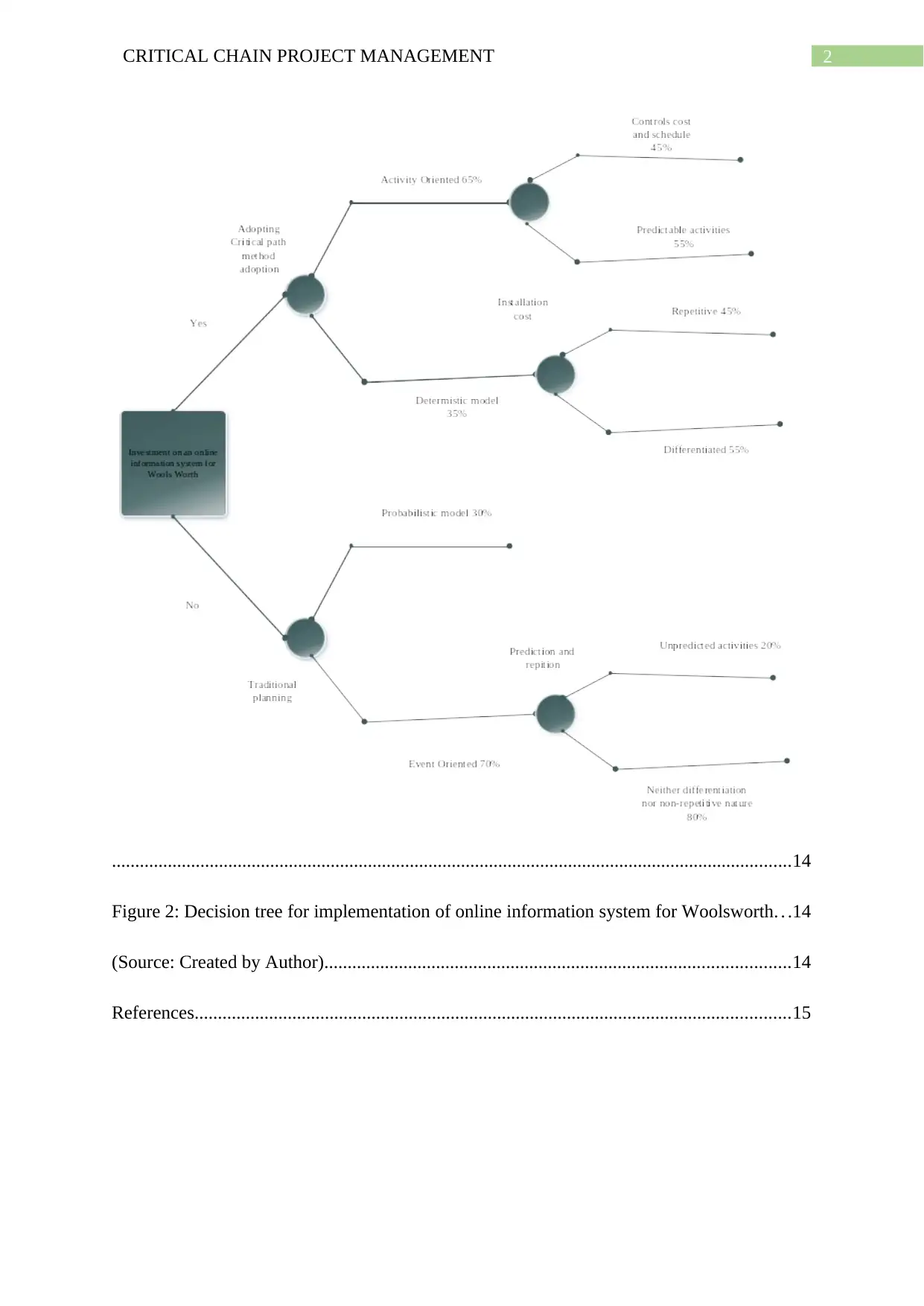
Figure 2: Decision tree for implementation of online information system for Woolsworth. . .14
(Source: Created by Author)....................................................................................................14
References................................................................................................................................15
..................................................................................................................................................14
Figure 2: Decision tree for implementation of online information system for Woolsworth. . .14
(Source: Created by Author)....................................................................................................14
References................................................................................................................................15
⊘ This is a preview!⊘
Do you want full access?
Subscribe today to unlock all pages.

Trusted by 1+ million students worldwide
3CRITICAL CHAIN PROJECT MANAGEMENT
Introduction
The purpose of this study is to throw light on the aspects related to the critical chain
method and highlight the beneficial aspects in the delivery of an effective and efficient
project management delivery. It can also be used as the substitute of the traditional project
management approaches and allow the project manager to manage the constraints of the
project in far better and efficient way. Many researchers have highlighted these aspects and
the attempt will be driven to analyze the CCPM (Critical Chain Project Management)
fundamentals and principles. Critical chain is unique from the basic way which emphasizes
on the asset conditions and the resources dependencies (Leach 2014). With the help of the
CCPM, the task plan turns out to be better through ensuring that it is conceivable and
shielded from sensible predominant reason limits. It can be done through joining
vulnerability or uncertainties with the buffers toward the complete of the project growth and
development. The project buffer secures the delivery of the project on the critical chain path
and nourishing buffer shields the critical chain from crossing the same path. This process is
helpful in enhancing the decision-making and measurement for project control. (Goto and
Yokoyama 2015) discusses the facts related to the traditional approaches and the newly
proposed critical chain project management. They explained the difference between the
CCPM and CPM or PERT analysis is that these methods do not consider the human factors
Literature review
Literature review on a subject is done to identify the current status of knowledge that
is available of a particular subject. Hence, the aim of the discussed section is to identify the
current status of knowledge that is available on the critical chain project management. The
scholarly work that had been assessed on the subject has been reviewed to gain the current
Introduction
The purpose of this study is to throw light on the aspects related to the critical chain
method and highlight the beneficial aspects in the delivery of an effective and efficient
project management delivery. It can also be used as the substitute of the traditional project
management approaches and allow the project manager to manage the constraints of the
project in far better and efficient way. Many researchers have highlighted these aspects and
the attempt will be driven to analyze the CCPM (Critical Chain Project Management)
fundamentals and principles. Critical chain is unique from the basic way which emphasizes
on the asset conditions and the resources dependencies (Leach 2014). With the help of the
CCPM, the task plan turns out to be better through ensuring that it is conceivable and
shielded from sensible predominant reason limits. It can be done through joining
vulnerability or uncertainties with the buffers toward the complete of the project growth and
development. The project buffer secures the delivery of the project on the critical chain path
and nourishing buffer shields the critical chain from crossing the same path. This process is
helpful in enhancing the decision-making and measurement for project control. (Goto and
Yokoyama 2015) discusses the facts related to the traditional approaches and the newly
proposed critical chain project management. They explained the difference between the
CCPM and CPM or PERT analysis is that these methods do not consider the human factors
Literature review
Literature review on a subject is done to identify the current status of knowledge that
is available of a particular subject. Hence, the aim of the discussed section is to identify the
current status of knowledge that is available on the critical chain project management. The
scholarly work that had been assessed on the subject has been reviewed to gain the current
Paraphrase This Document
Need a fresh take? Get an instant paraphrase of this document with our AI Paraphraser
4CRITICAL CHAIN PROJECT MANAGEMENT
status of knowledge that is available on the subject. The sub-sections below offer an insight
into the knowledge that is available about the subject and its components.
CCPM
According to Jo, Lee and Pyo (2018), CCPM is a disruptive management technique
that emphasises on the resource rather than scheduling and task order which has dominated
the traditional management techniques. The resources here are not limited to the raw material
or inventory but extends to human, financial, information and other resources of the
organisation. The management technique in discussion was first introduced by Eliyahu M.
Goldratt and pursues the TOC (theory of constraints) to address the management challenges
such as delivery issues and project task (Leach 2014). Other prominent management needs
such as the project timing, performance, increase cost and under delivery are also offered
with adequate attention. According to Seymour and Hussein (2014), CCPM is capable of
enhancing the management processes and in the process delivery time of the offering with a
high quality. The delivery time of the project gets a buff by 10 to 50% post adoption of the
management technique in discussion (Su, Lucko and Thompson 2016). The management
techniques in discussion considers three stages to complete a project that are planning,
execution and reviewing. The technique has now been digitalised and is available as software
and web-applications making it easier for the project team to understand and use the
technique. Therefore, it would be justified to state that CCPM is a disruptive management
technique that is proving to be dominant over traditional management techniques such as
PERT and critical path (Anantatmula and Webb 2014).
The review of the scholarly article has offered a great insight into the subject and has
enhanced the understanding of the author. Furthermore, it will also act as a source of
understanding for the readers who can vitalise it to adopt the discussed management
status of knowledge that is available on the subject. The sub-sections below offer an insight
into the knowledge that is available about the subject and its components.
CCPM
According to Jo, Lee and Pyo (2018), CCPM is a disruptive management technique
that emphasises on the resource rather than scheduling and task order which has dominated
the traditional management techniques. The resources here are not limited to the raw material
or inventory but extends to human, financial, information and other resources of the
organisation. The management technique in discussion was first introduced by Eliyahu M.
Goldratt and pursues the TOC (theory of constraints) to address the management challenges
such as delivery issues and project task (Leach 2014). Other prominent management needs
such as the project timing, performance, increase cost and under delivery are also offered
with adequate attention. According to Seymour and Hussein (2014), CCPM is capable of
enhancing the management processes and in the process delivery time of the offering with a
high quality. The delivery time of the project gets a buff by 10 to 50% post adoption of the
management technique in discussion (Su, Lucko and Thompson 2016). The management
techniques in discussion considers three stages to complete a project that are planning,
execution and reviewing. The technique has now been digitalised and is available as software
and web-applications making it easier for the project team to understand and use the
technique. Therefore, it would be justified to state that CCPM is a disruptive management
technique that is proving to be dominant over traditional management techniques such as
PERT and critical path (Anantatmula and Webb 2014).
The review of the scholarly article has offered a great insight into the subject and has
enhanced the understanding of the author. Furthermore, it will also act as a source of
understanding for the readers who can vitalise it to adopt the discussed management
5CRITICAL CHAIN PROJECT MANAGEMENT
technique in real-world scenario to enhance the performance of their project or the projects
that they are associated with.
TOC: Principle of CCPM
One of the most prominent components of CCPM that has been identified in the
section above is Theory of Constraints that is the source of inspiration for the subject. Hence,
it is one of the most needed topic that needed to be assessed and Rand (2016) in his paper has
focused on the same. Introduced by Dr. Eliyahu M. Goldratt, it is one of the most widely
adopted management technique. The theory believes that all the sophisticated processes is a
chain of multiple sub-processes and even if one of the sub-process is inadequate in nature, it
will disrupt the whole process (Bhowmik, Gangwar and Ray 2018). To support the
hypothesis and to attain its objective of gaining profit, the theory has also recommended tools
& techniques that could assist in attaining the goal. The tools & techniques in discussion are
the thinking processes that assists in analysing and resolving of the problems, five focusing
steps that is aimed at identifying and eliminating the constraints and throughput accounting
that is aimed offering its assistance in measuring the performance along with guiding with the
management decision.
The discussion on the principle of CCPM that is the theory of constraints, the author
has earned an insight into the working of the management technique which will be utilised in
the future actions that will be undertaken by the author. The readers will also gain an
enhanced understanding of the management technique and it will assist them on deciding the
adoption of the CCPM.
CCPM Stages
The review about the CCPM showed that the management technique works in three
stages and they are planning, execution and review. Izamoliv, Korneva and Kozhemiakin
technique in real-world scenario to enhance the performance of their project or the projects
that they are associated with.
TOC: Principle of CCPM
One of the most prominent components of CCPM that has been identified in the
section above is Theory of Constraints that is the source of inspiration for the subject. Hence,
it is one of the most needed topic that needed to be assessed and Rand (2016) in his paper has
focused on the same. Introduced by Dr. Eliyahu M. Goldratt, it is one of the most widely
adopted management technique. The theory believes that all the sophisticated processes is a
chain of multiple sub-processes and even if one of the sub-process is inadequate in nature, it
will disrupt the whole process (Bhowmik, Gangwar and Ray 2018). To support the
hypothesis and to attain its objective of gaining profit, the theory has also recommended tools
& techniques that could assist in attaining the goal. The tools & techniques in discussion are
the thinking processes that assists in analysing and resolving of the problems, five focusing
steps that is aimed at identifying and eliminating the constraints and throughput accounting
that is aimed offering its assistance in measuring the performance along with guiding with the
management decision.
The discussion on the principle of CCPM that is the theory of constraints, the author
has earned an insight into the working of the management technique which will be utilised in
the future actions that will be undertaken by the author. The readers will also gain an
enhanced understanding of the management technique and it will assist them on deciding the
adoption of the CCPM.
CCPM Stages
The review about the CCPM showed that the management technique works in three
stages and they are planning, execution and review. Izamoliv, Korneva and Kozhemiakin
⊘ This is a preview!⊘
Do you want full access?
Subscribe today to unlock all pages.
Trusted by 1+ million students worldwide
6CRITICAL CHAIN PROJECT MANAGEMENT
(2016), in their article has stated that the understanding of the discussed phases is of great
importance because it directly impacts that outcome of the project.
i. Planning is the first phase where a WBS (work breakdown structure) or project plan
that is based on the principles of critical path. The plan pursues a backward pattern
where completion date acts as a reference and each task is deemed to start as late as
possible (Huang et al. 2013). Other potential measures are taken to ensure that the
planning if effective and will save the time and resources during the execution phase.
The main purpose of this phase is to define critical path that comprises of safety,
reduction in task estimated and detailing critical task.
ii. Execution is the next stage which is dependent on the planning stage. The results
from the planning stage are assessed and based on that necessary actions are taken
with regard to the resources. The discussed phase is also aimed at overcoming the
challenges posed by the Parkinson’s Law and Student Syndrome. It also forces the
project associates to move at a rapid speed even if the deadline is far distant. The
discussed stage brings the difference between the traditional project management
techniques and CCPM and also is responsible for the time and resource saving.
iii. Reviewing or monitoring is the final stage that deems special attention from the
CCPM. To determine the success rate of the earlier stages in the discussed stage,
buffer management is implemented. The implementation is aimed at assessing each
task. Buffer and its consumption ratio serves as the torch point reflector for the project
and its associated tasks.
The discussion on the crucial stages of CCPM, has enabled the author to understand
the crucial importance of the management technique along with the steps that it equips to
attain the objective of resource and time-saving. The readers of the paper will also earn an
insight into the subject’s internal operations which will assist them to understand the concept
(2016), in their article has stated that the understanding of the discussed phases is of great
importance because it directly impacts that outcome of the project.
i. Planning is the first phase where a WBS (work breakdown structure) or project plan
that is based on the principles of critical path. The plan pursues a backward pattern
where completion date acts as a reference and each task is deemed to start as late as
possible (Huang et al. 2013). Other potential measures are taken to ensure that the
planning if effective and will save the time and resources during the execution phase.
The main purpose of this phase is to define critical path that comprises of safety,
reduction in task estimated and detailing critical task.
ii. Execution is the next stage which is dependent on the planning stage. The results
from the planning stage are assessed and based on that necessary actions are taken
with regard to the resources. The discussed phase is also aimed at overcoming the
challenges posed by the Parkinson’s Law and Student Syndrome. It also forces the
project associates to move at a rapid speed even if the deadline is far distant. The
discussed stage brings the difference between the traditional project management
techniques and CCPM and also is responsible for the time and resource saving.
iii. Reviewing or monitoring is the final stage that deems special attention from the
CCPM. To determine the success rate of the earlier stages in the discussed stage,
buffer management is implemented. The implementation is aimed at assessing each
task. Buffer and its consumption ratio serves as the torch point reflector for the project
and its associated tasks.
The discussion on the crucial stages of CCPM, has enabled the author to understand
the crucial importance of the management technique along with the steps that it equips to
attain the objective of resource and time-saving. The readers of the paper will also earn an
insight into the subject’s internal operations which will assist them to understand the concept
Paraphrase This Document
Need a fresh take? Get an instant paraphrase of this document with our AI Paraphraser
7CRITICAL CHAIN PROJECT MANAGEMENT
and will ultimately help them to make a decision over the adoption of the management
technique.
Specific steps
Apart from the stages discussed in the section above, there are certain steps that are
considered crucial part of the management technique. According to Nasseri, et al. (2013),
assessing the discussed steps adequately ensures that the management technique is citing the
results that is expected of it. The first major step that is undertaken as part of the management
technique is reduction of all the estimated time by 50% and is carried in the planning stage.
Levelling of the project plan while removing the resource retentions which assists in
conversion of the critical path to critical chain. The time estimates that had been reduced
during the planning stage is then added to the project buffer and inserted at the concluding
phase of the project which is then succeeded by insertion of the feeding buffers at the
junctions where the critical and non-critical chain paths meet. Furthermore, resource buffers
at added at the necessary points for protecting the critical chain from suffering due to
unavailability of resources. Another notable step undertaken is the insertion of the capacity
buffers at the much needed points and scheduling of tasks to the last possible situation that
enables prevention of multitasking. One of the motivations that is cited by the management
technique in discussion is to ensure that the approach adopted by the team is aggressive and
they aim to complete the scheduled task as early as possible.
The discussion above has enabled to understand how the management techniques
avoid failing of the project due to unavailability of resources through different steps that are
undertaken as part of the process. The conversion of the critical path to critical chain and
other prominent steps that are considered for the development of a realistic project plan has
also been discussed that are part of the CCPM. Hence, it would be justified to state that the
discussed reviews have offered an insight into the techniques that are the initial requirement
and will ultimately help them to make a decision over the adoption of the management
technique.
Specific steps
Apart from the stages discussed in the section above, there are certain steps that are
considered crucial part of the management technique. According to Nasseri, et al. (2013),
assessing the discussed steps adequately ensures that the management technique is citing the
results that is expected of it. The first major step that is undertaken as part of the management
technique is reduction of all the estimated time by 50% and is carried in the planning stage.
Levelling of the project plan while removing the resource retentions which assists in
conversion of the critical path to critical chain. The time estimates that had been reduced
during the planning stage is then added to the project buffer and inserted at the concluding
phase of the project which is then succeeded by insertion of the feeding buffers at the
junctions where the critical and non-critical chain paths meet. Furthermore, resource buffers
at added at the necessary points for protecting the critical chain from suffering due to
unavailability of resources. Another notable step undertaken is the insertion of the capacity
buffers at the much needed points and scheduling of tasks to the last possible situation that
enables prevention of multitasking. One of the motivations that is cited by the management
technique in discussion is to ensure that the approach adopted by the team is aggressive and
they aim to complete the scheduled task as early as possible.
The discussion above has enabled to understand how the management techniques
avoid failing of the project due to unavailability of resources through different steps that are
undertaken as part of the process. The conversion of the critical path to critical chain and
other prominent steps that are considered for the development of a realistic project plan has
also been discussed that are part of the CCPM. Hence, it would be justified to state that the
discussed reviews have offered an insight into the techniques that are the initial requirement
8CRITICAL CHAIN PROJECT MANAGEMENT
of the management technique in discussion and the need for adopting those steps. It would
assist both the reader and author to consider the CCPM with appropriate attention.
Benefits of CCPM
The discussions above have cited that CCPM is one of the massively adopted
management technique and hence it becomes of great prominence to discuss the benefits of
the considered technique. Mirzaei et al. (2015), in their paper attempted to offer an insight
into the benefits that is offered by the management technique in discussion. The most
prominent benefit that was identified through the review of the scholarly work states that the
discussed management technique enables the project team to cite more focus on the tasks that
had been designated to them. The focus on the tasks enables the team to connect with each
other and enhance the quality of the delivery, in the process upgrading the team efficiency
and productivity. Another notable benefit offered by the discussed management technique is
preventing the development of the Student Syndrome phenomena. Further, the
mismanagement of the floats is also one of the notable benefits that is offered by the CCPM.
Furthermore, it is evident from the discussions above that it considers minimal possible time
for the completion of a task that ensures that the delivery is on or before time which gains
trust for the project team in context to the project owner. Along with the trust of the project
owner the project completion time is also accelerated that saves time-sensitive resources of
the organisation. The pre-deadline completion and saving of the organisational resource in
the process saves the financial resources which is one of the most desired actions of a project.
Similarly, multiple other benefits of the discussed management technique have been
identified, however, the most prominent of them has been discussed in this section.
Hence, it would be justified to state that the discussion above has made it evident that
CCPM is capable of offering significant benefits to a project. The identification of the
benefits will also enable the readers to offer adequate attention that CCPM deserves.
of the management technique in discussion and the need for adopting those steps. It would
assist both the reader and author to consider the CCPM with appropriate attention.
Benefits of CCPM
The discussions above have cited that CCPM is one of the massively adopted
management technique and hence it becomes of great prominence to discuss the benefits of
the considered technique. Mirzaei et al. (2015), in their paper attempted to offer an insight
into the benefits that is offered by the management technique in discussion. The most
prominent benefit that was identified through the review of the scholarly work states that the
discussed management technique enables the project team to cite more focus on the tasks that
had been designated to them. The focus on the tasks enables the team to connect with each
other and enhance the quality of the delivery, in the process upgrading the team efficiency
and productivity. Another notable benefit offered by the discussed management technique is
preventing the development of the Student Syndrome phenomena. Further, the
mismanagement of the floats is also one of the notable benefits that is offered by the CCPM.
Furthermore, it is evident from the discussions above that it considers minimal possible time
for the completion of a task that ensures that the delivery is on or before time which gains
trust for the project team in context to the project owner. Along with the trust of the project
owner the project completion time is also accelerated that saves time-sensitive resources of
the organisation. The pre-deadline completion and saving of the organisational resource in
the process saves the financial resources which is one of the most desired actions of a project.
Similarly, multiple other benefits of the discussed management technique have been
identified, however, the most prominent of them has been discussed in this section.
Hence, it would be justified to state that the discussion above has made it evident that
CCPM is capable of offering significant benefits to a project. The identification of the
benefits will also enable the readers to offer adequate attention that CCPM deserves.
⊘ This is a preview!⊘
Do you want full access?
Subscribe today to unlock all pages.
Trusted by 1+ million students worldwide
9CRITICAL CHAIN PROJECT MANAGEMENT
Furthermore, the author of the paper also earned an insight into the need of discussion over
the subject which will assist in pursuing future works.
CCPM vs traditional project management approaches
According to Mirzaei, Mabin and Sheffield (2015), CCPM is the most efficient
project management approach and is dominant over other traditional project management
approach and has cited evidence to validate their perspective. The table attached below
discusses the advantage of the CCPM that it has over its traditional counterparts. Different
sources has been reviewed to develop the table and has been referenced.
Sl No. Traditional Project
Management
Approach
CCPM (Critical
Chain Project
Management)
Benefits offered by CCPM
1. Worst-case task
durations are
scheduled
Average task
duration is scheduled
The task durations are equally
distributed among all the task. Risk,
effort and stress are also distributed
among all resources and tasks. It
changes the approach of the team
and its associates which enables
them to go at a faster pace with less
stress. It breaks the ineffective
hierarchy that
2. Protection of the
individual activities
along with the safety
time
Projection of entire
project completion
along with the
buffers
The safety time has not been
hoarded by the people and the
individual activities however, it has
been shared by ever individual. The
safety time has been used and
Furthermore, the author of the paper also earned an insight into the need of discussion over
the subject which will assist in pursuing future works.
CCPM vs traditional project management approaches
According to Mirzaei, Mabin and Sheffield (2015), CCPM is the most efficient
project management approach and is dominant over other traditional project management
approach and has cited evidence to validate their perspective. The table attached below
discusses the advantage of the CCPM that it has over its traditional counterparts. Different
sources has been reviewed to develop the table and has been referenced.
Sl No. Traditional Project
Management
Approach
CCPM (Critical
Chain Project
Management)
Benefits offered by CCPM
1. Worst-case task
durations are
scheduled
Average task
duration is scheduled
The task durations are equally
distributed among all the task. Risk,
effort and stress are also distributed
among all resources and tasks. It
changes the approach of the team
and its associates which enables
them to go at a faster pace with less
stress. It breaks the ineffective
hierarchy that
2. Protection of the
individual activities
along with the safety
time
Projection of entire
project completion
along with the
buffers
The safety time has not been
hoarded by the people and the
individual activities however, it has
been shared by ever individual. The
safety time has been used and
Paraphrase This Document
Need a fresh take? Get an instant paraphrase of this document with our AI Paraphraser
10CRITICAL CHAIN PROJECT MANAGEMENT
conserved mostly throughout the
entire project. The focus has been
transferred on the most important
concerns related to the consumers
and the deliveries being made to
them.
3. Forces on the progress
of the project tasks
Forces on the
progress of the
project
This new era believes in avoiding
the micro-management and the
consistent outlook throughout the
entire project. The events slowing
down the project have been
constantly on the spotlight and
highlighted in manner to
manipulate and change them
according to the focused problems.
This will be helpful in identifying
the problems much faster and solve
them as quick as possible.
4. It initializes gating
tasks as soon as
possible
It initializes the tasks
when there is need to
start it
The limited and critical resources
have not been plugged-up with the
non-critical activities and thus, the
activities will be completed after
the initiation as per the scheduled
plan. The activities need to be
completed and started only when
conserved mostly throughout the
entire project. The focus has been
transferred on the most important
concerns related to the consumers
and the deliveries being made to
them.
3. Forces on the progress
of the project tasks
Forces on the
progress of the
project
This new era believes in avoiding
the micro-management and the
consistent outlook throughout the
entire project. The events slowing
down the project have been
constantly on the spotlight and
highlighted in manner to
manipulate and change them
according to the focused problems.
This will be helpful in identifying
the problems much faster and solve
them as quick as possible.
4. It initializes gating
tasks as soon as
possible
It initializes the tasks
when there is need to
start it
The limited and critical resources
have not been plugged-up with the
non-critical activities and thus, the
activities will be completed after
the initiation as per the scheduled
plan. The activities need to be
completed and started only when
11CRITICAL CHAIN PROJECT MANAGEMENT
there is the need of the project.
5. Initializes and ends
tasks at scheduled
initiation and end
times
Ends task as soon as
possible and starts
the tasks as
predecessors are
done
This implies that every activity is
being completed and thus, every
activity of the project is being
completed and monitored in an
effective and efficient way without
altering the overall output and
performance of the project.
6. Makes multi-tasking a
project management
Minimize the multi-
tasking through
developing priorities
The terrible cost of multi-tasking is
exposed. All personnel are trained
on "bad multi-tasking". People
hunt down & eliminate their own
multi-tasking, multi-tasking forced
on them by others, and multi-
tasking done by others. This alone
can cut project schedules elapsed
time by up to 40%.
7. Contributes in making
constraint and linkage
reflect habitual
scheduling and ad hoc
decisions
Contributes in
making constraints
and linkage reflect
only on the physical
scheduling
requirements
"Sacred cows" like "we've always
done it that way" get challenged.
People innovate. Opportunities are
identified automatically. Historical
systems are re-designed & changed
to take advantage of theoretical
opportunities; making these
opportunities reality. Rate of
there is the need of the project.
5. Initializes and ends
tasks at scheduled
initiation and end
times
Ends task as soon as
possible and starts
the tasks as
predecessors are
done
This implies that every activity is
being completed and thus, every
activity of the project is being
completed and monitored in an
effective and efficient way without
altering the overall output and
performance of the project.
6. Makes multi-tasking a
project management
Minimize the multi-
tasking through
developing priorities
The terrible cost of multi-tasking is
exposed. All personnel are trained
on "bad multi-tasking". People
hunt down & eliminate their own
multi-tasking, multi-tasking forced
on them by others, and multi-
tasking done by others. This alone
can cut project schedules elapsed
time by up to 40%.
7. Contributes in making
constraint and linkage
reflect habitual
scheduling and ad hoc
decisions
Contributes in
making constraints
and linkage reflect
only on the physical
scheduling
requirements
"Sacred cows" like "we've always
done it that way" get challenged.
People innovate. Opportunities are
identified automatically. Historical
systems are re-designed & changed
to take advantage of theoretical
opportunities; making these
opportunities reality. Rate of
⊘ This is a preview!⊘
Do you want full access?
Subscribe today to unlock all pages.
Trusted by 1+ million students worldwide

1 out of 17


Related Documents


Your All-in-One AI-Powered Toolkit for Academic Success.
+13062052269
info@desklib.com
Available 24*7 on WhatsApp / Email
![[object Object]](/_next/static/media/star-bottom.7253800d.svg)
Unlock your academic potential
Copyright © 2020–2026 A2Z Services. All Rights Reserved. Developed and managed by ZUCOL.