Background Research Report: Enabling Convenient E-waste Returns
VerifiedAdded on 2023/06/10
|15
|3255
|245
Report
AI Summary
This report provides a comprehensive background analysis of the e-waste problem, focusing on enabling end-users to conveniently return e-waste to manufacturers. It describes the problem, its causes, and its effects on human health and the environment, referencing academic journals, government reports, and other primary and secondary sources. The report also discusses existing remedies and provides recommendations for improving e-waste management, including reducing consumption, donating or recycling electronics, and government investment in recycling infrastructure. Figures and statistics are presented to illustrate the scale of the e-waste issue globally, highlighting the contributions of various countries and types of electronic equipment to the waste stream. The document is available on Desklib, a platform offering a variety of study tools for students.
Running head: BUSINESS RESEARCH DESIGN
BUSINESS RESEARCH DESIGN
Name of the Student
Name of the University
Author Notes
BUSINESS RESEARCH DESIGN
Name of the Student
Name of the University
Author Notes

Paraphrase This Document
Need a fresh take? Get an instant paraphrase of this document with our AI Paraphraser
1
BUSINESS RESEARCH DESIGN
Abstract
E-waste or electronic waste is one of the major problems in the modern world. With the
increase in the uses of the electrical appliances and their unregulated use and discard, the
whole problem is mounting to a whole new level. Both the developing and the developed
countries are a part of this issue making it a global phenomenon. The aim of the report is to
find out the major E-waste issues in the world and to gather primary and secondary relevant
information regarding the same. The sources, remedies and recommendations are also
suggested catering to the problem.
BUSINESS RESEARCH DESIGN
Abstract
E-waste or electronic waste is one of the major problems in the modern world. With the
increase in the uses of the electrical appliances and their unregulated use and discard, the
whole problem is mounting to a whole new level. Both the developing and the developed
countries are a part of this issue making it a global phenomenon. The aim of the report is to
find out the major E-waste issues in the world and to gather primary and secondary relevant
information regarding the same. The sources, remedies and recommendations are also
suggested catering to the problem.
2
BUSINESS RESEARCH DESIGN
Table of Contents
1. Introduction............................................................................................................................3
2. Background Analysis.............................................................................................................3
2.1 Description of the Problem..............................................................................................3
2.2 Remedies that are being implemented.............................................................................4
2.3 Recommendations of the remedies that can be implemented..........................................5
2.4 Primary Sources...............................................................................................................6
2.5 Secondary Sources.........................................................................................................10
3. Conclusion............................................................................................................................11
4. Recommendation..................................................................................................................11
5. Reference..............................................................................................................................13
BUSINESS RESEARCH DESIGN
Table of Contents
1. Introduction............................................................................................................................3
2. Background Analysis.............................................................................................................3
2.1 Description of the Problem..............................................................................................3
2.2 Remedies that are being implemented.............................................................................4
2.3 Recommendations of the remedies that can be implemented..........................................5
2.4 Primary Sources...............................................................................................................6
2.5 Secondary Sources.........................................................................................................10
3. Conclusion............................................................................................................................11
4. Recommendation..................................................................................................................11
5. Reference..............................................................................................................................13
⊘ This is a preview!⊘
Do you want full access?
Subscribe today to unlock all pages.

Trusted by 1+ million students worldwide
3
BUSINESS RESEARCH DESIGN
1. Introduction
E-waste or Electronic Waste is defined as the electrical and electronic devices that are
discarded by the owners and are given for the process of resale, reuse and recycling process.
The whole process of generating and disposal of E-waste is done by the people to whom the
waste belongs but this can result in a number of problems affecting both human health and
environmental pollution (Zhang, Schnoor and Zeng 2012). The whole process of unorganised
system of waste creation and their disposal is done by the developing countries and the
underdeveloped countries of the world who do not have the required amount of resources and
technological advancements to renew and rehabilitate the waste products that can result in
serious and hazardous damage. The whole affair of creating the waste is done by the
companies and the end users in the under developed country. It became a problem at the time
when there were more number of technical users and the disposal of the end product was not
done in a proper way (Wang et al. 2012). The people who were mostly affected by the
problem are the inhabitants of the country in which the waste and the disposal is not done in a
proper manner and the methods meant to be followed are not done in the process.
2. Background Analysis
2.1 Description of the Problem
The accumulation and the formation of E-waste is one of the rising problems on the
global circuit due to the more number of technologies that is being used in the process.
Moreover, the non-regulatory ways in which the waste is being disposed and the
circumstances that has led to the formation of such type of wastes has made the problem quite
severe in the overall circuit. The electronic goods are generally formed of a number of metals
which make the parts of the good really expensive and hard to find (Sthiannopkao and Wong
2013). The disposal of these types of metals and the goods included in the parts make the
BUSINESS RESEARCH DESIGN
1. Introduction
E-waste or Electronic Waste is defined as the electrical and electronic devices that are
discarded by the owners and are given for the process of resale, reuse and recycling process.
The whole process of generating and disposal of E-waste is done by the people to whom the
waste belongs but this can result in a number of problems affecting both human health and
environmental pollution (Zhang, Schnoor and Zeng 2012). The whole process of unorganised
system of waste creation and their disposal is done by the developing countries and the
underdeveloped countries of the world who do not have the required amount of resources and
technological advancements to renew and rehabilitate the waste products that can result in
serious and hazardous damage. The whole affair of creating the waste is done by the
companies and the end users in the under developed country. It became a problem at the time
when there were more number of technical users and the disposal of the end product was not
done in a proper way (Wang et al. 2012). The people who were mostly affected by the
problem are the inhabitants of the country in which the waste and the disposal is not done in a
proper manner and the methods meant to be followed are not done in the process.
2. Background Analysis
2.1 Description of the Problem
The accumulation and the formation of E-waste is one of the rising problems on the
global circuit due to the more number of technologies that is being used in the process.
Moreover, the non-regulatory ways in which the waste is being disposed and the
circumstances that has led to the formation of such type of wastes has made the problem quite
severe in the overall circuit. The electronic goods are generally formed of a number of metals
which make the parts of the good really expensive and hard to find (Sthiannopkao and Wong
2013). The disposal of these types of metals and the goods included in the parts make the
Paraphrase This Document
Need a fresh take? Get an instant paraphrase of this document with our AI Paraphraser
4
BUSINESS RESEARCH DESIGN
whole process really harmful and toxic to the materials if not done in a proper manner. The
whole conduction of the parts and the unregulatory control of the waste make the process
harmful and have a number of side effects for the women and children in general (Ma et al.
2016).
There are a number of health and environmental impacts that are being done in the
process which hamper the overall sustainability of the resources. The problem has a number
of side effects in the matter namely the health and the environmental problems caused by the
heavy and harmful metals in the overall manner (Kahhat and Williams 2012). In terms of the
environmental matter, one of the major problems is the contamination with the water and
other type of resources whereas in the land with the soil making the soil toxic and prone to
diseases. The environment is prone to problems which lead to the mixture of the crops and
other type of problems in the matter making the contamination one of the most important and
less anticipated things in the matter. There are more over 20 million approximately tonnes of
E-waste in the world which lead to the disposal of cadmium and mercury in the matter
leading a number of health hazards (Singh, Li and Zeng 2016). The whole waste matter
makes sure that the world is turning into a dumping ground that needs to be maintained and
made aware of.
2.2 Remedies that are being implemented
One of the primary remedies that is being assessed to control E-waste is to control the
amount of materials that are being purchased by the users. If less amount of technical things
are being purchased by the users, then there is a possibility that the amount of E-waste
generated is comparatively less (Tietenberg and Lewis 2016).
Another remedies is to donate the technical goods that are being used in the process
and also to recycle it for some other goods in times of sales and other ways. In this way, it
BUSINESS RESEARCH DESIGN
whole process really harmful and toxic to the materials if not done in a proper manner. The
whole conduction of the parts and the unregulatory control of the waste make the process
harmful and have a number of side effects for the women and children in general (Ma et al.
2016).
There are a number of health and environmental impacts that are being done in the
process which hamper the overall sustainability of the resources. The problem has a number
of side effects in the matter namely the health and the environmental problems caused by the
heavy and harmful metals in the overall manner (Kahhat and Williams 2012). In terms of the
environmental matter, one of the major problems is the contamination with the water and
other type of resources whereas in the land with the soil making the soil toxic and prone to
diseases. The environment is prone to problems which lead to the mixture of the crops and
other type of problems in the matter making the contamination one of the most important and
less anticipated things in the matter. There are more over 20 million approximately tonnes of
E-waste in the world which lead to the disposal of cadmium and mercury in the matter
leading a number of health hazards (Singh, Li and Zeng 2016). The whole waste matter
makes sure that the world is turning into a dumping ground that needs to be maintained and
made aware of.
2.2 Remedies that are being implemented
One of the primary remedies that is being assessed to control E-waste is to control the
amount of materials that are being purchased by the users. If less amount of technical things
are being purchased by the users, then there is a possibility that the amount of E-waste
generated is comparatively less (Tietenberg and Lewis 2016).
Another remedies is to donate the technical goods that are being used in the process
and also to recycle it for some other goods in times of sales and other ways. In this way, it
5
BUSINESS RESEARCH DESIGN
becomes possible for the customer to get another way to get rid of the E-waste that has been
accumulated over time.
Extending the life of the electrical device is another way to reduce the amount of E-
waste that is being generated in the process. The longevity of the electronic device can be
increased by making proper use of the device as stated and also to implement proper
measures (Kiddee, Naidu and Wong 2013).
Donating the technical goods to the other people is also one of the chief measures that
are being applied by people to reduce the E-waste created by them in the countries where the
technological goods waste is surging high.
Another chief remedy that is being applied by the people as well as the organization is
to recycle the goods and make them use in a different manner (Zeng et al. 2017). This makes
sure that the goods have a better usage even after being used by some other person in the
longer period.
2.3 Recommendations of the remedies that can be implemented
Other than the implemented methods for the control of E-waste in the global circle, a
number of other recommendations cam be used for the reduction of the E-waste for the same.
The recommendations are as follows –
To buy the technical goods and gadgets that are only required by the person and not to
waste the goods in any way.
To give or donate the goods to some of the under privileged people who need the
goods and can derive the benefits from them.
The government of the countries should invest in various recycling machines and
methods to make sure to get the E-waste of the country is getting recycled in the
process and also to make amendments to reduce the toxic waste
BUSINESS RESEARCH DESIGN
becomes possible for the customer to get another way to get rid of the E-waste that has been
accumulated over time.
Extending the life of the electrical device is another way to reduce the amount of E-
waste that is being generated in the process. The longevity of the electronic device can be
increased by making proper use of the device as stated and also to implement proper
measures (Kiddee, Naidu and Wong 2013).
Donating the technical goods to the other people is also one of the chief measures that
are being applied by people to reduce the E-waste created by them in the countries where the
technological goods waste is surging high.
Another chief remedy that is being applied by the people as well as the organization is
to recycle the goods and make them use in a different manner (Zeng et al. 2017). This makes
sure that the goods have a better usage even after being used by some other person in the
longer period.
2.3 Recommendations of the remedies that can be implemented
Other than the implemented methods for the control of E-waste in the global circle, a
number of other recommendations cam be used for the reduction of the E-waste for the same.
The recommendations are as follows –
To buy the technical goods and gadgets that are only required by the person and not to
waste the goods in any way.
To give or donate the goods to some of the under privileged people who need the
goods and can derive the benefits from them.
The government of the countries should invest in various recycling machines and
methods to make sure to get the E-waste of the country is getting recycled in the
process and also to make amendments to reduce the toxic waste
⊘ This is a preview!⊘
Do you want full access?
Subscribe today to unlock all pages.
Trusted by 1+ million students worldwide
6
BUSINESS RESEARCH DESIGN
The toxicity of the waste should be reduced to minimum so that the problems and the
conditions of the E-waste can get at the minimum level. The toxic materials of the
waste can be one of the most detrimental cause of the many diseases that are there in
the diseases causing problems and situations.
2.4 Primary Sources
Primary Sources refers to the first-hand information that can be obtained on any of the
topics out of the many sources of primary resources. The primary sources of E-waste are
mainly the academic journals, government reports and the interviews of the concerned
authorities. The government reports and academic journal figures are one of the pivotal
sources for the contribution of E-waste in the matter.
As stated the main portion of the E-waste is being generated in the developing and
under developed countries of the world where there are no proper evidence of the
technological advancements that is being used (Li, He and Zeng 2017). The main evidence of
the technological waste is being generated from the under developed provinces and even in
developed countries where there are limited amount of technical advancements from both the
private and the public sector for making the E-waste turn into more sustainable process. The
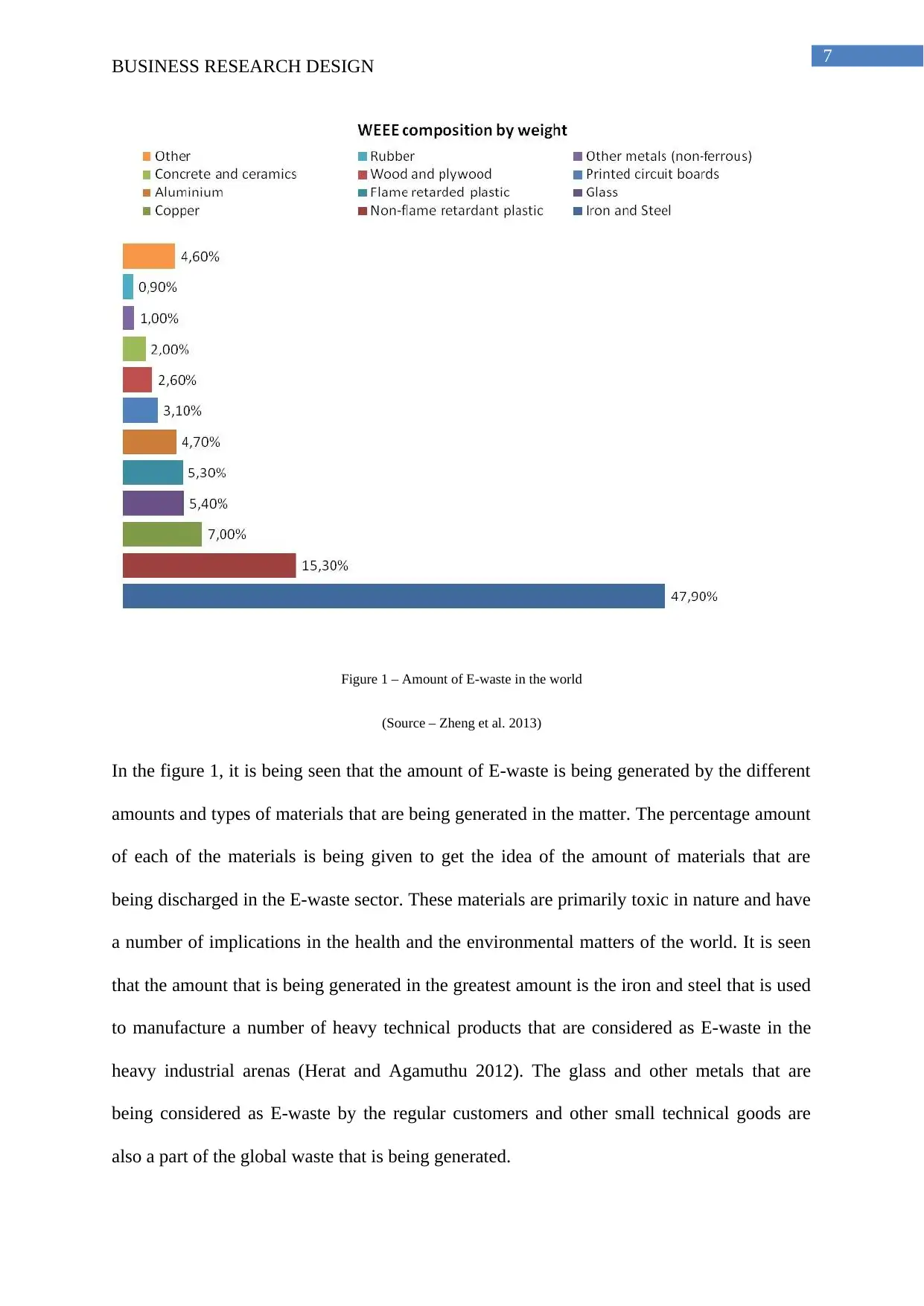
E-waste amount can be seen in the following –
BUSINESS RESEARCH DESIGN
The toxicity of the waste should be reduced to minimum so that the problems and the
conditions of the E-waste can get at the minimum level. The toxic materials of the
waste can be one of the most detrimental cause of the many diseases that are there in
the diseases causing problems and situations.
2.4 Primary Sources
Primary Sources refers to the first-hand information that can be obtained on any of the
topics out of the many sources of primary resources. The primary sources of E-waste are
mainly the academic journals, government reports and the interviews of the concerned
authorities. The government reports and academic journal figures are one of the pivotal
sources for the contribution of E-waste in the matter.
As stated the main portion of the E-waste is being generated in the developing and
under developed countries of the world where there are no proper evidence of the
technological advancements that is being used (Li, He and Zeng 2017). The main evidence of
the technological waste is being generated from the under developed provinces and even in
developed countries where there are limited amount of technical advancements from both the
private and the public sector for making the E-waste turn into more sustainable process. The
E-waste amount can be seen in the following –
Paraphrase This Document
Need a fresh take? Get an instant paraphrase of this document with our AI Paraphraser
7
BUSINESS RESEARCH DESIGN
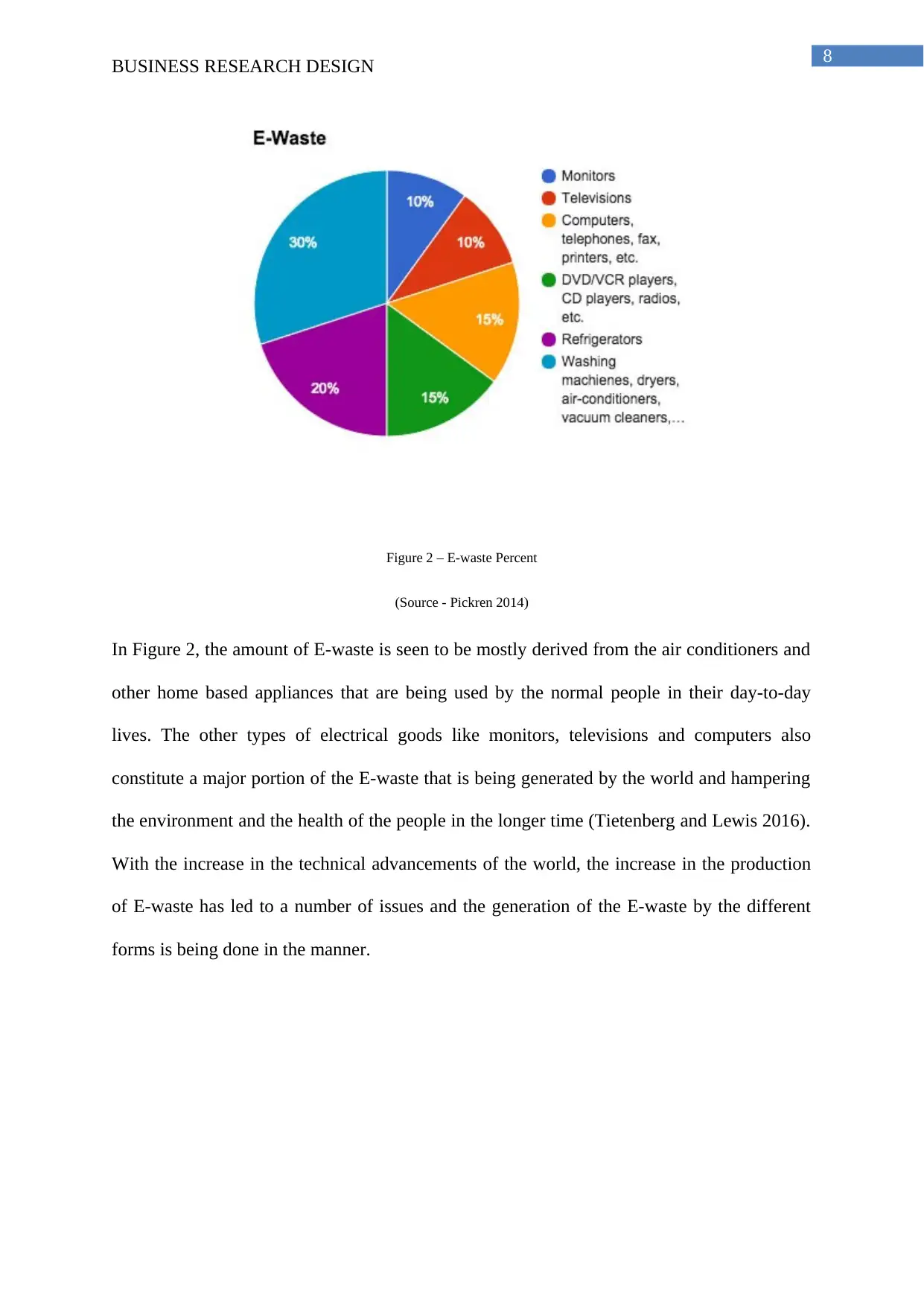
Figure 1 – Amount of E-waste in the world
(Source – Zheng et al. 2013)
In the figure 1, it is being seen that the amount of E-waste is being generated by the different
amounts and types of materials that are being generated in the matter. The percentage amount
of each of the materials is being given to get the idea of the amount of materials that are
being discharged in the E-waste sector. These materials are primarily toxic in nature and have
a number of implications in the health and the environmental matters of the world. It is seen
that the amount that is being generated in the greatest amount is the iron and steel that is used
to manufacture a number of heavy technical products that are considered as E-waste in the
heavy industrial arenas (Herat and Agamuthu 2012). The glass and other metals that are
being considered as E-waste by the regular customers and other small technical goods are
also a part of the global waste that is being generated.
BUSINESS RESEARCH DESIGN
Figure 1 – Amount of E-waste in the world
(Source – Zheng et al. 2013)
In the figure 1, it is being seen that the amount of E-waste is being generated by the different
amounts and types of materials that are being generated in the matter. The percentage amount
of each of the materials is being given to get the idea of the amount of materials that are
being discharged in the E-waste sector. These materials are primarily toxic in nature and have
a number of implications in the health and the environmental matters of the world. It is seen
that the amount that is being generated in the greatest amount is the iron and steel that is used
to manufacture a number of heavy technical products that are considered as E-waste in the
heavy industrial arenas (Herat and Agamuthu 2012). The glass and other metals that are
being considered as E-waste by the regular customers and other small technical goods are
also a part of the global waste that is being generated.
8
BUSINESS RESEARCH DESIGN
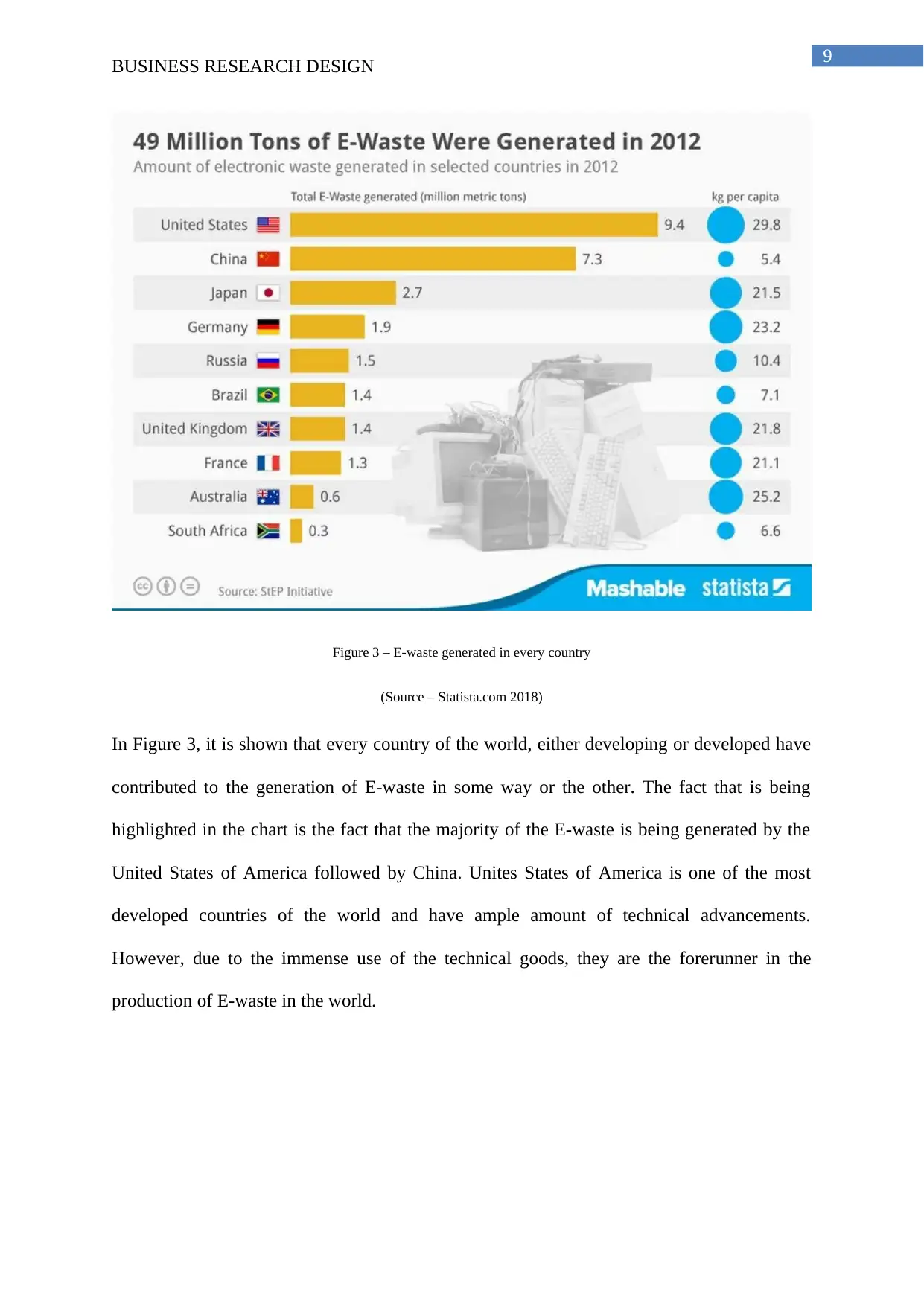
Figure 2 – E-waste Percent
(Source - Pickren 2014)
In Figure 2, the amount of E-waste is seen to be mostly derived from the air conditioners and
other home based appliances that are being used by the normal people in their day-to-day
lives. The other types of electrical goods like monitors, televisions and computers also
constitute a major portion of the E-waste that is being generated by the world and hampering
the environment and the health of the people in the longer time (Tietenberg and Lewis 2016).
With the increase in the technical advancements of the world, the increase in the production
of E-waste has led to a number of issues and the generation of the E-waste by the different
forms is being done in the manner.
BUSINESS RESEARCH DESIGN
Figure 2 – E-waste Percent
(Source - Pickren 2014)
In Figure 2, the amount of E-waste is seen to be mostly derived from the air conditioners and
other home based appliances that are being used by the normal people in their day-to-day
lives. The other types of electrical goods like monitors, televisions and computers also
constitute a major portion of the E-waste that is being generated by the world and hampering
the environment and the health of the people in the longer time (Tietenberg and Lewis 2016).
With the increase in the technical advancements of the world, the increase in the production
of E-waste has led to a number of issues and the generation of the E-waste by the different
forms is being done in the manner.
⊘ This is a preview!⊘
Do you want full access?
Subscribe today to unlock all pages.
Trusted by 1+ million students worldwide
9
BUSINESS RESEARCH DESIGN
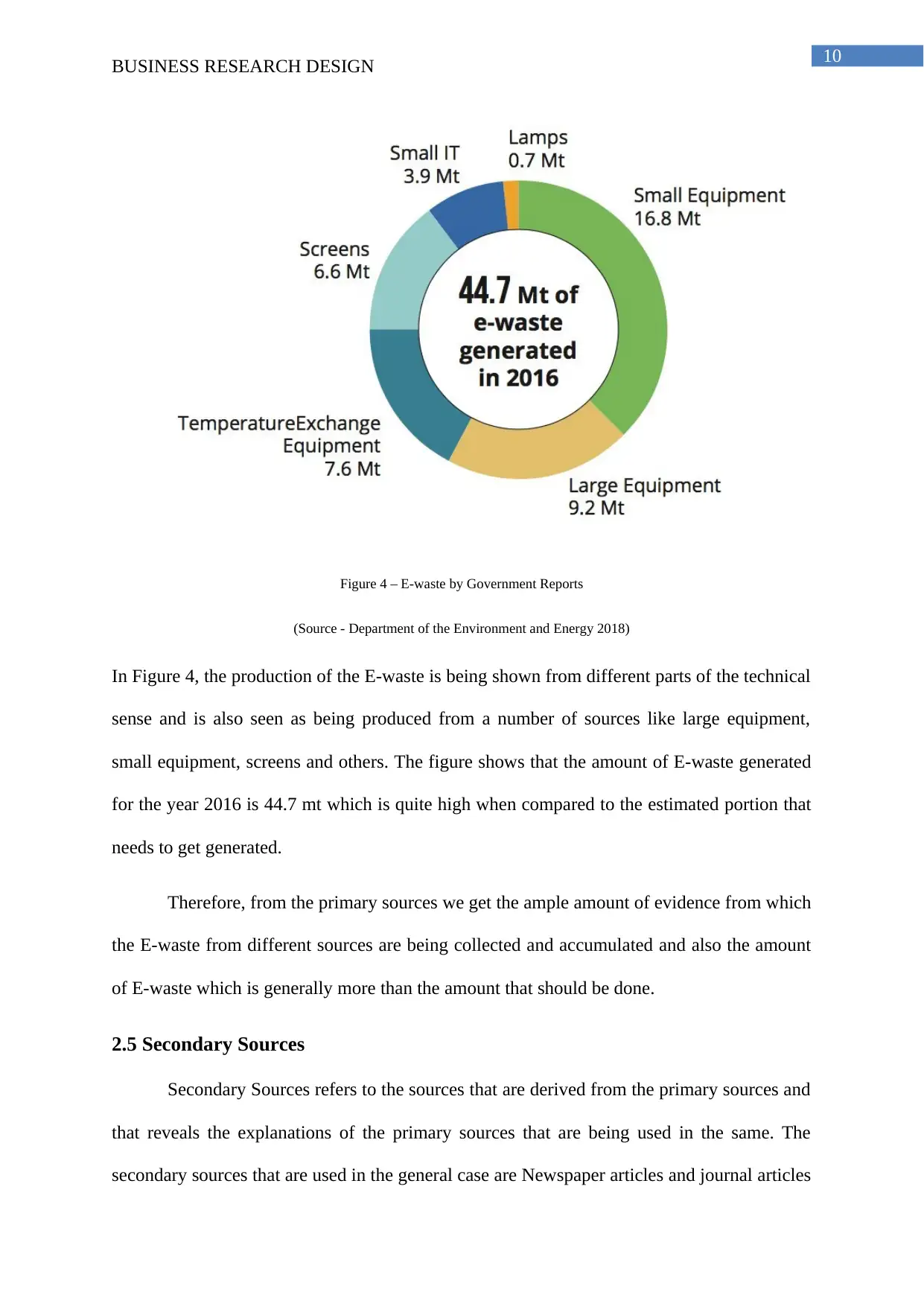
Figure 3 – E-waste generated in every country
(Source – Statista.com 2018)
In Figure 3, it is shown that every country of the world, either developing or developed have
contributed to the generation of E-waste in some way or the other. The fact that is being
highlighted in the chart is the fact that the majority of the E-waste is being generated by the
United States of America followed by China. Unites States of America is one of the most
developed countries of the world and have ample amount of technical advancements.
However, due to the immense use of the technical goods, they are the forerunner in the
production of E-waste in the world.
BUSINESS RESEARCH DESIGN
Figure 3 – E-waste generated in every country
(Source – Statista.com 2018)
In Figure 3, it is shown that every country of the world, either developing or developed have
contributed to the generation of E-waste in some way or the other. The fact that is being
highlighted in the chart is the fact that the majority of the E-waste is being generated by the
United States of America followed by China. Unites States of America is one of the most
developed countries of the world and have ample amount of technical advancements.
However, due to the immense use of the technical goods, they are the forerunner in the
production of E-waste in the world.
Paraphrase This Document
Need a fresh take? Get an instant paraphrase of this document with our AI Paraphraser
10
BUSINESS RESEARCH DESIGN
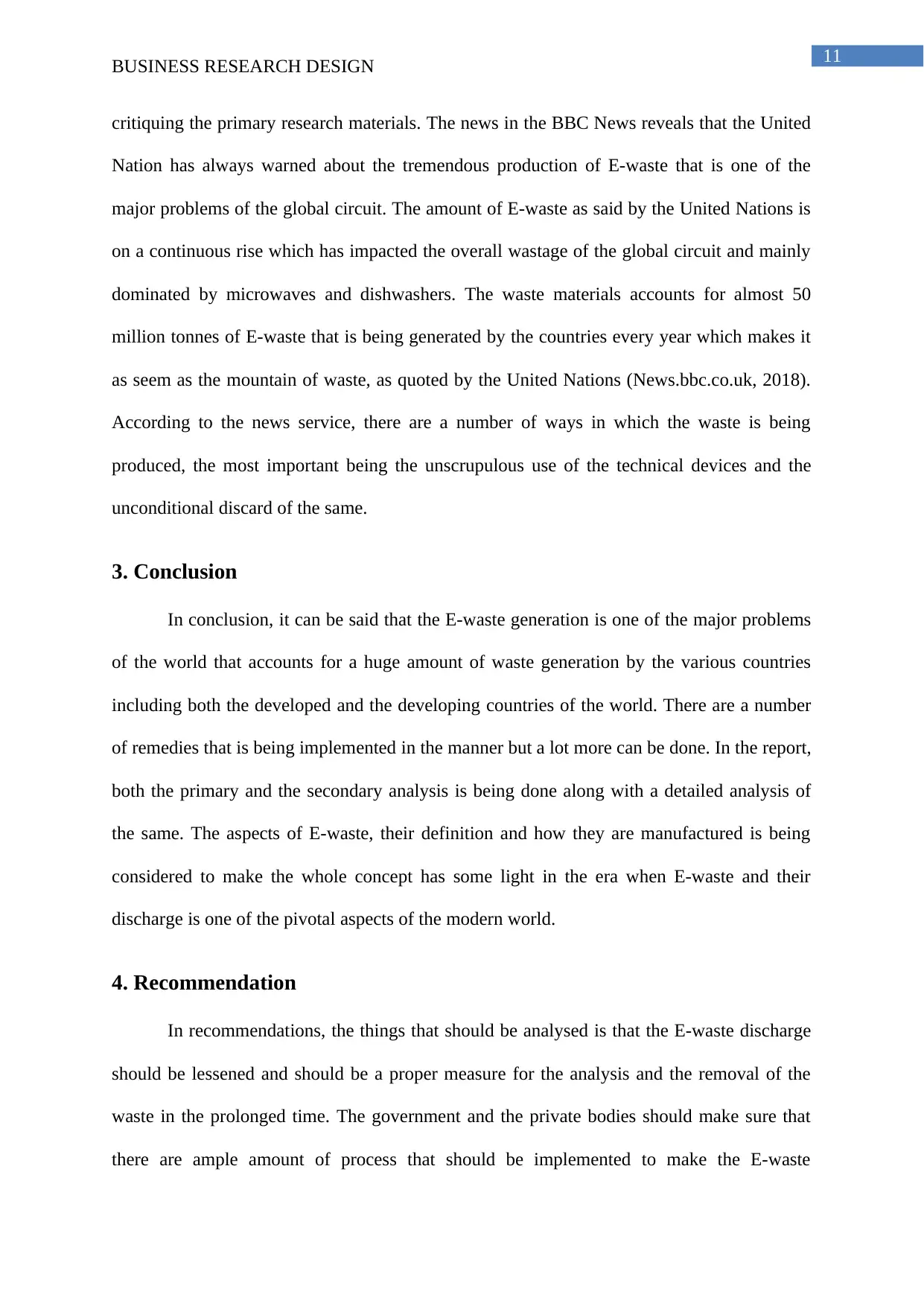
Figure 4 – E-waste by Government Reports
(Source - Department of the Environment and Energy 2018)
In Figure 4, the production of the E-waste is being shown from different parts of the technical
sense and is also seen as being produced from a number of sources like large equipment,
small equipment, screens and others. The figure shows that the amount of E-waste generated
for the year 2016 is 44.7 mt which is quite high when compared to the estimated portion that
needs to get generated.
Therefore, from the primary sources we get the ample amount of evidence from which
the E-waste from different sources are being collected and accumulated and also the amount
of E-waste which is generally more than the amount that should be done.
2.5 Secondary Sources
Secondary Sources refers to the sources that are derived from the primary sources and
that reveals the explanations of the primary sources that are being used in the same. The
secondary sources that are used in the general case are Newspaper articles and journal articles
BUSINESS RESEARCH DESIGN
Figure 4 – E-waste by Government Reports
(Source - Department of the Environment and Energy 2018)
In Figure 4, the production of the E-waste is being shown from different parts of the technical
sense and is also seen as being produced from a number of sources like large equipment,
small equipment, screens and others. The figure shows that the amount of E-waste generated
for the year 2016 is 44.7 mt which is quite high when compared to the estimated portion that
needs to get generated.
Therefore, from the primary sources we get the ample amount of evidence from which
the E-waste from different sources are being collected and accumulated and also the amount
of E-waste which is generally more than the amount that should be done.
2.5 Secondary Sources
Secondary Sources refers to the sources that are derived from the primary sources and
that reveals the explanations of the primary sources that are being used in the same. The
secondary sources that are used in the general case are Newspaper articles and journal articles
11
BUSINESS RESEARCH DESIGN
critiquing the primary research materials. The news in the BBC News reveals that the United
Nation has always warned about the tremendous production of E-waste that is one of the
major problems of the global circuit. The amount of E-waste as said by the United Nations is
on a continuous rise which has impacted the overall wastage of the global circuit and mainly
dominated by microwaves and dishwashers. The waste materials accounts for almost 50
million tonnes of E-waste that is being generated by the countries every year which makes it
as seem as the mountain of waste, as quoted by the United Nations (News.bbc.co.uk, 2018).
According to the news service, there are a number of ways in which the waste is being
produced, the most important being the unscrupulous use of the technical devices and the
unconditional discard of the same.
3. Conclusion
In conclusion, it can be said that the E-waste generation is one of the major problems
of the world that accounts for a huge amount of waste generation by the various countries
including both the developed and the developing countries of the world. There are a number
of remedies that is being implemented in the manner but a lot more can be done. In the report,
both the primary and the secondary analysis is being done along with a detailed analysis of
the same. The aspects of E-waste, their definition and how they are manufactured is being
considered to make the whole concept has some light in the era when E-waste and their
discharge is one of the pivotal aspects of the modern world.
4. Recommendation
In recommendations, the things that should be analysed is that the E-waste discharge
should be lessened and should be a proper measure for the analysis and the removal of the
waste in the prolonged time. The government and the private bodies should make sure that
there are ample amount of process that should be implemented to make the E-waste
BUSINESS RESEARCH DESIGN
critiquing the primary research materials. The news in the BBC News reveals that the United
Nation has always warned about the tremendous production of E-waste that is one of the
major problems of the global circuit. The amount of E-waste as said by the United Nations is
on a continuous rise which has impacted the overall wastage of the global circuit and mainly
dominated by microwaves and dishwashers. The waste materials accounts for almost 50
million tonnes of E-waste that is being generated by the countries every year which makes it
as seem as the mountain of waste, as quoted by the United Nations (News.bbc.co.uk, 2018).
According to the news service, there are a number of ways in which the waste is being
produced, the most important being the unscrupulous use of the technical devices and the
unconditional discard of the same.
3. Conclusion
In conclusion, it can be said that the E-waste generation is one of the major problems
of the world that accounts for a huge amount of waste generation by the various countries
including both the developed and the developing countries of the world. There are a number
of remedies that is being implemented in the manner but a lot more can be done. In the report,
both the primary and the secondary analysis is being done along with a detailed analysis of
the same. The aspects of E-waste, their definition and how they are manufactured is being
considered to make the whole concept has some light in the era when E-waste and their
discharge is one of the pivotal aspects of the modern world.
4. Recommendation
In recommendations, the things that should be analysed is that the E-waste discharge
should be lessened and should be a proper measure for the analysis and the removal of the
waste in the prolonged time. The government and the private bodies should make sure that
there are ample amount of process that should be implemented to make the E-waste
⊘ This is a preview!⊘
Do you want full access?
Subscribe today to unlock all pages.
Trusted by 1+ million students worldwide

1 out of 15


Related Documents


Your All-in-One AI-Powered Toolkit for Academic Success.
+13062052269
info@desklib.com
Available 24*7 on WhatsApp / Email
![[object Object]](/_next/static/media/star-bottom.7253800d.svg)
Unlock your academic potential
Copyright © 2020–2026 A2Z Services. All Rights Reserved. Developed and managed by ZUCOL.