Entrepreneurship: Small Business, UK Economy, and Brexit Impact
VerifiedAdded on 2024/05/17
|18
|5038
|260
Essay
AI Summary
This essay provides a comprehensive analysis of entrepreneurship and small business management, with a specific focus on the UK economy and the potential impacts of Brexit. It begins by defining different types of entrepreneurship, including corporate, private, social, public, female, and serial entrepreneurship, and compares social and public entrepreneurship, as well as serial entrepreneurship and lifestyle ventures. The essay further examines the crucial role of small business enterprises in the UK's economic development, highlighting their contribution to job creation, GDP growth, and social development. It also addresses the challenges faced by small-scale industries and proposes solutions for overcoming them. Additionally, the essay explores the importance of small-scale businesses in the growth of the social economy, emphasizing community development, improved living standards, employment generation, and regional development. It also includes a brief research on Peter Jones and Richard Branson, aiming to determine the skills, characteristics and traits.
Entrepreneurship and Small Business
Management
Management

Paraphrase This Document
Need a fresh take? Get an instant paraphrase of this document with our AI Paraphraser
Table of Contents
Introduction......................................................................................................................................3
Task 1...............................................................................................................................................3
P1.....................................................................................................................................................3
P2.....................................................................................................................................................5
TASK 2............................................................................................................................................7
P3-....................................................................................................................................................7
P4-....................................................................................................................................................8
Task – 3..........................................................................................................................................10
P5...................................................................................................................................................10
P6 –................................................................................................................................................11
Task – 4..........................................................................................................................................14
P7...................................................................................................................................................14
Conclusion.....................................................................................................................................15
References......................................................................................................................................17
Introduction......................................................................................................................................3
Task 1...............................................................................................................................................3
P1.....................................................................................................................................................3
P2.....................................................................................................................................................5
TASK 2............................................................................................................................................7
P3-....................................................................................................................................................7
P4-....................................................................................................................................................8
Task – 3..........................................................................................................................................10
P5...................................................................................................................................................10
P6 –................................................................................................................................................11
Task – 4..........................................................................................................................................14
P7...................................................................................................................................................14
Conclusion.....................................................................................................................................15
References......................................................................................................................................17
Introduction
The understanding of business environment is of utmost importance. It is dynamic and diverse
natured and affects the expansion of the business in the long run. Especially, the aspects of
political, social, environmental and legal grounds have to be understood properly. Based on
different categories of business ventures the following assignment is made. For the country’s
economy, the medium and small-scale industries play a pivotal role. There is a scope of
employment, demand for raw materials, marketing and sales, production and purchases and other
largely impactful aspects affect a country’s industry. The small-scale businesses are making
significant contribution to the UK’s economy, so the government has initiated plans for the
expansion of these small firms (Storey, 2016). These enterprises have also helped in the
development socially through their expansion. The policy of import and export will face changes
after Brexit is initiated, where a quantitative workforce will leave EU and thus, UK may face a
deficit of workers which will lead to the increment of government taxes. So, for the small-scale
business enterprises in UK, there will be some consequences after Brexit.
Task 1
P1.
Different types of entrepreneurship –
Corporate Entrepreneurship: an individual group or an individual himself forms these
types of entrepreneurship. The eligibility of being provided with non-financial as well as
financial helps depend upon its initiation of new services and products.
Private Entrepreneurship: an individual group or an individual himself also forms this
entrepreneurship. These may vary from large to small sizes. The objective focus of these
entrepreneurships is to earn high-level profits. Four types of private organizations can be
considered. Namely, Multinational companies, International companies, Transitional
companies and Global organizations.
The understanding of business environment is of utmost importance. It is dynamic and diverse
natured and affects the expansion of the business in the long run. Especially, the aspects of
political, social, environmental and legal grounds have to be understood properly. Based on
different categories of business ventures the following assignment is made. For the country’s
economy, the medium and small-scale industries play a pivotal role. There is a scope of
employment, demand for raw materials, marketing and sales, production and purchases and other
largely impactful aspects affect a country’s industry. The small-scale businesses are making
significant contribution to the UK’s economy, so the government has initiated plans for the
expansion of these small firms (Storey, 2016). These enterprises have also helped in the
development socially through their expansion. The policy of import and export will face changes
after Brexit is initiated, where a quantitative workforce will leave EU and thus, UK may face a
deficit of workers which will lead to the increment of government taxes. So, for the small-scale
business enterprises in UK, there will be some consequences after Brexit.
Task 1
P1.
Different types of entrepreneurship –
Corporate Entrepreneurship: an individual group or an individual himself forms these
types of entrepreneurship. The eligibility of being provided with non-financial as well as
financial helps depend upon its initiation of new services and products.
Private Entrepreneurship: an individual group or an individual himself also forms this
entrepreneurship. These may vary from large to small sizes. The objective focus of these
entrepreneurships is to earn high-level profits. Four types of private organizations can be
considered. Namely, Multinational companies, International companies, Transitional
companies and Global organizations.
⊘ This is a preview!⊘
Do you want full access?
Subscribe today to unlock all pages.

Trusted by 1+ million students worldwide
Social Entrepreneurship: The non-profit making organizations that intend on social
welfare are called Social Entrepreneurship. These are government-aided organizations
and are also provided by helps from other sources as well. These aids and help are used
with the intention of public help. Some examples of these organizations are medical
establishments, organizations related to health care, etc. These can be termed as “third
organizations” too.
Public Entrepreneurship: The organizations where the government shareholding is
maximum are called Public Entrepreneurship. The state government or central
government handles the overall operations of the companies. These firms look after the
services provided to the country’s citizens and not making profits. Some example of
these types of firms is water supply, railways, transport services, educational institutions,
health services, electricity supply, etc.
Female Entrepreneur: According to recent times, the females are no less than men in the
business areas. The country’s National Income is increased by the participation female
entrepreneurship in the economy. By the production of new services and products, the
female entrepreneurs participate with the aim of earning profits. However, the female
entrepreneurs face a lot of hardships while business conduction.
Serial Entrepreneur: Serial entrepreneurs are associated with start up businesses with the
invention of new products. Related to the usefulness in business units, these
entrepreneurs are responsible for bringing out innovations in products and services.
Types of entrepreneurship ventures
Survival Ventures: These ventures are formed to meet the entrepreneurs’ requirements
are mostly dealt in cash.
Managed ventures: With the intention to increase the growth of the firm, a certain
business module is followed. These ventures bring out new services and products in
order to increase its market shareholding. For the increment of business prospects, there
are expansion to new locations.
Lifestyle ventures: There is no maintenance of business expansion and growth. In order
to maintain its market competition, the entrepreneurs reinvest. These ventures are
welfare are called Social Entrepreneurship. These are government-aided organizations
and are also provided by helps from other sources as well. These aids and help are used
with the intention of public help. Some examples of these organizations are medical
establishments, organizations related to health care, etc. These can be termed as “third
organizations” too.
Public Entrepreneurship: The organizations where the government shareholding is
maximum are called Public Entrepreneurship. The state government or central
government handles the overall operations of the companies. These firms look after the
services provided to the country’s citizens and not making profits. Some example of
these types of firms is water supply, railways, transport services, educational institutions,
health services, electricity supply, etc.
Female Entrepreneur: According to recent times, the females are no less than men in the
business areas. The country’s National Income is increased by the participation female
entrepreneurship in the economy. By the production of new services and products, the
female entrepreneurs participate with the aim of earning profits. However, the female
entrepreneurs face a lot of hardships while business conduction.
Serial Entrepreneur: Serial entrepreneurs are associated with start up businesses with the
invention of new products. Related to the usefulness in business units, these
entrepreneurs are responsible for bringing out innovations in products and services.
Types of entrepreneurship ventures
Survival Ventures: These ventures are formed to meet the entrepreneurs’ requirements
are mostly dealt in cash.
Managed ventures: With the intention to increase the growth of the firm, a certain
business module is followed. These ventures bring out new services and products in
order to increase its market shareholding. For the increment of business prospects, there
are expansion to new locations.
Lifestyle ventures: There is no maintenance of business expansion and growth. In order
to maintain its market competition, the entrepreneurs reinvest. These ventures are
Paraphrase This Document
Need a fresh take? Get an instant paraphrase of this document with our AI Paraphraser
location and workforce specific and the ‘limited’ companies serve as an example for
these ventures.
P2
Comparison between social and public entrepreneurship
Similarities: The two entrepreneurship types that are taken into consideration are social
and public entrepreneurship. Firstly, both of organizations are non-profit making and
thus have the similarity of intentions. Secondly, Both the organizations focus on the
public welfare aspect of the country bases on the services they provide. Thirdly, the
public welfare intention is kept in mind o=while using the revenues and aids.
Dissimilarities: firstly, in the case of Public organization, the role of the government is
intense, whereas, Social organizations are non-governmental. Secondly, there is no
shareholding of the government in social entrepreneurships but public entrepreneurships
are based on shares held by the government.
Comparison between Serial Entrepreneurships and Lifestyle Ventures
Similarities: Firstly, there is quite a level of competition between the two ventures, and
thus, new innovations have to be made in order to compete with its competitors and
rivals. Secondly, both of the business ventures have a common policy of business.
Thirdly, there is stability of income for both the entrepreneurs.
Dissimilarity: As the lifestyle venture runs according to the already existing module, the
flow of the business is quite average, whereas, serial entrepreneurship, in the process of
market making, comes up with new services and products.
The typologies are useful to identify the factors fueling the entrepreneurial abilities of the
individuals, based on motivations, learning and energy, which gets ultimately reflected in their
selection of activities and relations that they establish. The most commonly used criteria to
develop different types of entrepreneurial typologies are given in the figure below
these ventures.
P2
Comparison between social and public entrepreneurship
Similarities: The two entrepreneurship types that are taken into consideration are social
and public entrepreneurship. Firstly, both of organizations are non-profit making and
thus have the similarity of intentions. Secondly, Both the organizations focus on the
public welfare aspect of the country bases on the services they provide. Thirdly, the
public welfare intention is kept in mind o=while using the revenues and aids.
Dissimilarities: firstly, in the case of Public organization, the role of the government is
intense, whereas, Social organizations are non-governmental. Secondly, there is no
shareholding of the government in social entrepreneurships but public entrepreneurships
are based on shares held by the government.
Comparison between Serial Entrepreneurships and Lifestyle Ventures
Similarities: Firstly, there is quite a level of competition between the two ventures, and
thus, new innovations have to be made in order to compete with its competitors and
rivals. Secondly, both of the business ventures have a common policy of business.
Thirdly, there is stability of income for both the entrepreneurs.
Dissimilarity: As the lifestyle venture runs according to the already existing module, the
flow of the business is quite average, whereas, serial entrepreneurship, in the process of
market making, comes up with new services and products.
The typologies are useful to identify the factors fueling the entrepreneurial abilities of the
individuals, based on motivations, learning and energy, which gets ultimately reflected in their
selection of activities and relations that they establish. The most commonly used criteria to
develop different types of entrepreneurial typologies are given in the figure below
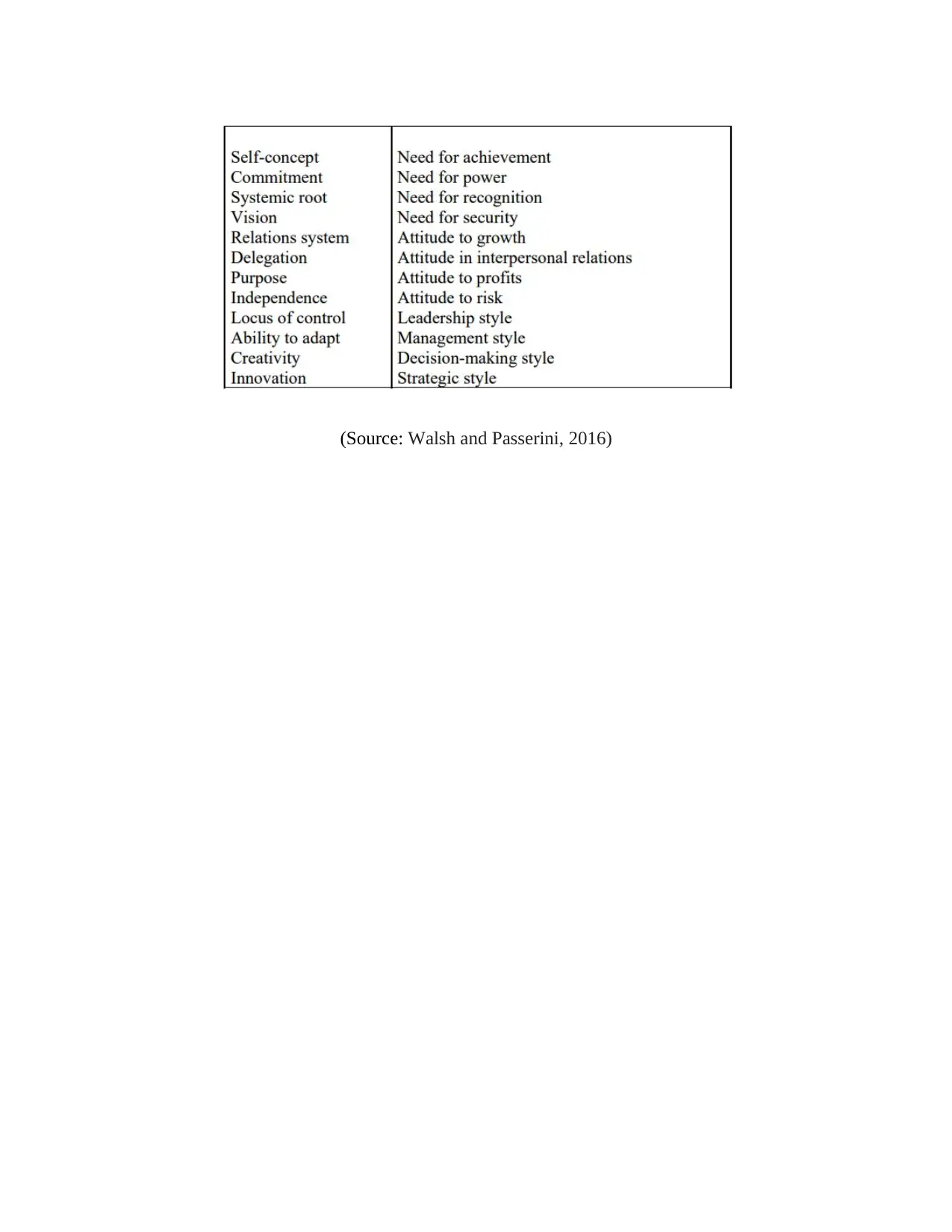
(Source: Walsh and Passerini, 2016)
⊘ This is a preview!⊘
Do you want full access?
Subscribe today to unlock all pages.
Trusted by 1+ million students worldwide
TASK 2
P3-
Small business enterprises are the crucial sector in the development of the economy of United
Kingdom as it encourages startups, entrepreneurship qualities are enhanced. It provides for
continuous growth in the sector simultaneously. It generates employment opportunities in the
market. It acts as a source of livelihood for the people living in the urban areas. The ratio of the
private sector in the organization is the United States accounts for majority portion of the
population. More than 95 percent of the population is engaged in the small-scale industry. Small
scale industries provide for the zone where creativity can be ignited. The role of the small-scale
industries in the UK economy is growing at a rapid pace. Small scale industries create a
vigorous environment in terms of competition and provides a new platform to prosper (Gough,
2016).
There are multiple challenges in the small-scale industry which is encountered on a regular
basis. The challenges are lack of financial support, intervention of UK government rules and
regulations, land for starting the business so and so forth. These are the major challenges which
are of a concern in the small-scale industry. The challenges can be met by the extension of
financial support on the part of the government along with the industrial heads in the same
manner. The problems encountered can be raised at the public forum to resort to solutions.
In the preceding year the growth in this field was around 5.5 million and 95% was from the
small-scale industry. Small scale industry does play a major role in the enhancement of economy
in UK simultaneously. Government of UK is concerned and directed towards the development
of the small-scale industries as it contributes towards the GDP growth of the country. According
to the report of the Centre for Economic and Business Research, contribution by the small-scale
industry in the UK economy accounts for 11% and the current contribution of business is $196
billion in the economy of UK from 2015-2020. London is the hub of small scale business. The
forecasting provides that the contribution by the small-scale industry would increase from 149
billion in 2015 to 164 billion by the year 2020. The increase in the GDP in the current scenario
P3-
Small business enterprises are the crucial sector in the development of the economy of United
Kingdom as it encourages startups, entrepreneurship qualities are enhanced. It provides for
continuous growth in the sector simultaneously. It generates employment opportunities in the
market. It acts as a source of livelihood for the people living in the urban areas. The ratio of the
private sector in the organization is the United States accounts for majority portion of the
population. More than 95 percent of the population is engaged in the small-scale industry. Small
scale industries provide for the zone where creativity can be ignited. The role of the small-scale
industries in the UK economy is growing at a rapid pace. Small scale industries create a
vigorous environment in terms of competition and provides a new platform to prosper (Gough,
2016).
There are multiple challenges in the small-scale industry which is encountered on a regular
basis. The challenges are lack of financial support, intervention of UK government rules and
regulations, land for starting the business so and so forth. These are the major challenges which
are of a concern in the small-scale industry. The challenges can be met by the extension of
financial support on the part of the government along with the industrial heads in the same
manner. The problems encountered can be raised at the public forum to resort to solutions.
In the preceding year the growth in this field was around 5.5 million and 95% was from the
small-scale industry. Small scale industry does play a major role in the enhancement of economy
in UK simultaneously. Government of UK is concerned and directed towards the development
of the small-scale industries as it contributes towards the GDP growth of the country. According
to the report of the Centre for Economic and Business Research, contribution by the small-scale
industry in the UK economy accounts for 11% and the current contribution of business is $196
billion in the economy of UK from 2015-2020. London is the hub of small scale business. The
forecasting provides that the contribution by the small-scale industry would increase from 149
billion in 2015 to 164 billion by the year 2020. The increase in the GDP in the current scenario
Paraphrase This Document
Need a fresh take? Get an instant paraphrase of this document with our AI Paraphraser
has increased from 59-72% over a number of decades. The annual turnover of the small-scale
industry in the country’s GDP was 1.9 trillion and it was 55% of the turnover of private sector.
In the beginning of 2017 the total economy of the accounted for 99% of the small-scale
industries. The current data provides about 50% of the working capital of the United Kingdom
of the small and medium enterprises in United Kingdom (Gough, 2016).
In the year 2014, total business was about 505 million and 99% of the small-scale business
enterprises. Government of UK is focusing on the development of the small-scale industry on a
larger scale. The inclusion of the EIS and VCT in UK economy has been 11.5 billion of the
equity investment. In the year 2011 government of UK has provide 76 billion to the banks that
led to the small-scale industries, for an overall increase of 16% growth as compared to 2010.
Government has provided financial support for the extension of the small-scale business
enterprise (KIN, 2016).
P4-
Social economy is considered as one of the vibrant aspects in the field of mixed economy under
private economy and public economy. It is the cooperative cooperation rather than the profit-
making perception. A rich economy is the collaboration of the developing the business
organization for the betterment of the whole society. Social enterprises provide for the
development in the field of employment, social development. In European Union nearly 15
million people are engaged in the small-scale industries. Small scale industries bear great
importance in the European Union. Business organization encourages the small-scale industry
on a larger prospect simultaneously (European Union, 2013). The importance of small scale
business in the growth of social economy is provided hereunder:
Community and Social Development- Community of a country does add to the development
of a country. Brexit led to the tax reform of the government which led to the decrease in the
income of the country. Workforce well equipped, developing infrastructure, educational
developments all reflect to the social development of the country simultaneously. Proper and
effective guidance should be provided by the social enterprises along with adequate education
would help in the upliftment of the country’s economy.
industry in the country’s GDP was 1.9 trillion and it was 55% of the turnover of private sector.
In the beginning of 2017 the total economy of the accounted for 99% of the small-scale
industries. The current data provides about 50% of the working capital of the United Kingdom
of the small and medium enterprises in United Kingdom (Gough, 2016).
In the year 2014, total business was about 505 million and 99% of the small-scale business
enterprises. Government of UK is focusing on the development of the small-scale industry on a
larger scale. The inclusion of the EIS and VCT in UK economy has been 11.5 billion of the
equity investment. In the year 2011 government of UK has provide 76 billion to the banks that
led to the small-scale industries, for an overall increase of 16% growth as compared to 2010.
Government has provided financial support for the extension of the small-scale business
enterprise (KIN, 2016).
P4-
Social economy is considered as one of the vibrant aspects in the field of mixed economy under
private economy and public economy. It is the cooperative cooperation rather than the profit-
making perception. A rich economy is the collaboration of the developing the business
organization for the betterment of the whole society. Social enterprises provide for the
development in the field of employment, social development. In European Union nearly 15
million people are engaged in the small-scale industries. Small scale industries bear great
importance in the European Union. Business organization encourages the small-scale industry
on a larger prospect simultaneously (European Union, 2013). The importance of small scale
business in the growth of social economy is provided hereunder:
Community and Social Development- Community of a country does add to the development
of a country. Brexit led to the tax reform of the government which led to the decrease in the
income of the country. Workforce well equipped, developing infrastructure, educational
developments all reflect to the social development of the country simultaneously. Proper and
effective guidance should be provided by the social enterprises along with adequate education
would help in the upliftment of the country’s economy.
Standard of living- Skilled and efficient workers would help in the enhancement of the
industry simultaneously. About 11% of the people are engaged in the small-scale development.
This leads to the increase in the per capita income of the country simultaneously. It helps in the
up- gradation of the economic sector simultaneously (OECD, 2017).
Employment generation- Small scale industry adds to the escalation in the employment
simultaneously. Creating employment will help in the development of the society
simultaneously. They occupy around 90% of the provincial and national business of United
Kingdom. After the Brexit Visa was not provided to the citizens of UK so the inclusion of the
small-scale business led to the enhancement of the employment opportunities in the country
simultaneously (OECD, 2017).
Regional development- Small scale business starts with minimum capital spread over
provincial areas. Small business deals in the handicrafts and their ancillary. They relate to the
development of the provincial and local market of the country significantly (Ehrenberg and
Smith, 2016). This helps in the enhancement of the provincial market. In the small-scale
industry, the scope of innovation is immense and it encourages employment simultaneously. In
order to develop both rural and urban areas must progress parallel. This would encourage in the
increase of the country’s GDP which would help the economy of the country simultaneously.
Although the element of risk is prevalent in the small-scale business but the risk can be curtailed
with effective implementation of the policies and encouraging employment simultaneously.
Government plays a significant role in financing the small-scale enterprises and schemes should
be initiated by the government time and again to promote small scale industries simultaneously.
Investors should initiate the proceedings along with the government to promote small scale
industries on a broader scale. The collaboration of the former would help in the development of
the economy simultaneously. Small scale industry adds to the development of the economy
simultaneously.
industry simultaneously. About 11% of the people are engaged in the small-scale development.
This leads to the increase in the per capita income of the country simultaneously. It helps in the
up- gradation of the economic sector simultaneously (OECD, 2017).
Employment generation- Small scale industry adds to the escalation in the employment
simultaneously. Creating employment will help in the development of the society
simultaneously. They occupy around 90% of the provincial and national business of United
Kingdom. After the Brexit Visa was not provided to the citizens of UK so the inclusion of the
small-scale business led to the enhancement of the employment opportunities in the country
simultaneously (OECD, 2017).
Regional development- Small scale business starts with minimum capital spread over
provincial areas. Small business deals in the handicrafts and their ancillary. They relate to the
development of the provincial and local market of the country significantly (Ehrenberg and
Smith, 2016). This helps in the enhancement of the provincial market. In the small-scale
industry, the scope of innovation is immense and it encourages employment simultaneously. In
order to develop both rural and urban areas must progress parallel. This would encourage in the
increase of the country’s GDP which would help the economy of the country simultaneously.
Although the element of risk is prevalent in the small-scale business but the risk can be curtailed
with effective implementation of the policies and encouraging employment simultaneously.
Government plays a significant role in financing the small-scale enterprises and schemes should
be initiated by the government time and again to promote small scale industries simultaneously.
Investors should initiate the proceedings along with the government to promote small scale
industries on a broader scale. The collaboration of the former would help in the development of
the economy simultaneously. Small scale industry adds to the development of the economy
simultaneously.
⊘ This is a preview!⊘
Do you want full access?
Subscribe today to unlock all pages.
Trusted by 1+ million students worldwide
Task – 3
P5
With the objective of determining the skills, characteristics and trait, there has been a conduction
of a small research on Peter Jones and Richard Branson.
Peter Jones: Having great interest in internet, television, mobile, property and leisure, Peter
Jones is a British Entrepreneur and business person (Harris, 2015). ‘Dragon’s Den’ and
‘American Inventor’ were the last original investor television shows that BBC aired was by
Peter Jones. Initially there was a computer business that Jones came up with where personal
computers were being manufactured which he personally named. All the more, from an
inspiration from the movie “Cocktail by Tom Cruise”, he put up a cocktail bar in the 1920s, in
Windsor. But, later he decided that he should sell the bar as he was incurring great losses. In
2009, the Peter Jones Enterprise Academy was built which Jones himself established. This was
set up with the focus on tutoring abilities regarding entrepreneurship abilities in the UK. It has
its campuses in various places in the United Kingdom, which includes Sheffield, Oxford and
Manchester. He also has a Television Production Company. He is the owner and Chief
Executive of ‘Jessons’ and he also has investments in various properties. He has achieved a lot
of positivity in a very short span of time. It is a proven fact that he is a disciplined and hard-
working entrepreneur and has thus taken him into the list of the Top 10 entrepreneurs of the
United Kingdom. He is very adaptable and flexible which is a very important characteristic
required in a successful entrepreneur. His vision is clear about his determinations. He also
identifies his strength and weaknesses and researches about the ways in which he can fill up the
negativities with positivity. He also believes in having confidence in his own idea so that others
can rely upon his confidence on work. These develop through knowledge, experience and skill.
When a decision is made in order to reach the desired aim, he should commit to it. This is also a
rule that he abides by (Ruthven, 2014). Working hard and making sacrifices is an integral part.
He believes in committing in himself in order to reach his goal. The aspect of understanding the
perfecting time to enter a market is extremely essential.
P5
With the objective of determining the skills, characteristics and trait, there has been a conduction
of a small research on Peter Jones and Richard Branson.
Peter Jones: Having great interest in internet, television, mobile, property and leisure, Peter
Jones is a British Entrepreneur and business person (Harris, 2015). ‘Dragon’s Den’ and
‘American Inventor’ were the last original investor television shows that BBC aired was by
Peter Jones. Initially there was a computer business that Jones came up with where personal
computers were being manufactured which he personally named. All the more, from an
inspiration from the movie “Cocktail by Tom Cruise”, he put up a cocktail bar in the 1920s, in
Windsor. But, later he decided that he should sell the bar as he was incurring great losses. In
2009, the Peter Jones Enterprise Academy was built which Jones himself established. This was
set up with the focus on tutoring abilities regarding entrepreneurship abilities in the UK. It has
its campuses in various places in the United Kingdom, which includes Sheffield, Oxford and
Manchester. He also has a Television Production Company. He is the owner and Chief
Executive of ‘Jessons’ and he also has investments in various properties. He has achieved a lot
of positivity in a very short span of time. It is a proven fact that he is a disciplined and hard-
working entrepreneur and has thus taken him into the list of the Top 10 entrepreneurs of the
United Kingdom. He is very adaptable and flexible which is a very important characteristic
required in a successful entrepreneur. His vision is clear about his determinations. He also
identifies his strength and weaknesses and researches about the ways in which he can fill up the
negativities with positivity. He also believes in having confidence in his own idea so that others
can rely upon his confidence on work. These develop through knowledge, experience and skill.
When a decision is made in order to reach the desired aim, he should commit to it. This is also a
rule that he abides by (Ruthven, 2014). Working hard and making sacrifices is an integral part.
He believes in committing in himself in order to reach his goal. The aspect of understanding the
perfecting time to enter a market is extremely essential.
Paraphrase This Document
Need a fresh take? Get an instant paraphrase of this document with our AI Paraphraser
Richard Branson: Born on 18th July, 1950, Sir Richard Charles Nicholas Branson is a English
businessman, philanthropist and investor. Richard Branson believes firmly in mentoring. No
one is born with a perfect understanding about logic and life. We need to be directed perfectly in
order to successfully live and move ahead in life. Branson firmly believes in the mentorship
process. He is always forward in asking about any aspect in which he is doubtful. He also
believes in innovation. In the competitive market, one has to be always aware of the new trends
that are emerging, no matter how successful he is. Richard Branson, being the owner of Virgin
Company, innovative skill is one of the aspects that he abides by. He is also committed to his
family. The existence of fame and money in one’s life is in no way related to the satisfaction one
gets from his family (Elkins, 2017). He is prominent enough in portraying about his thoughts,
plan of action and his feelings regarding any matter. “Screw it, let’s do it” is one of his famous
sayings as he believes in it. He believes in positivity in life and work that brings about
satisfaction and happiness in his life. Not believing in comfort zone is one of his trait beliefs. If
one wants innovation, he must come out of his shell and explore the diversity. His success is
primarily based on his adjustments with uncomfortable zones that bring him immense success in
his life. Although there have been considerable financial losses, but it successfully recovered
from the loss in the long run. Richard Branson looks for fresh and new talent. The enthusiasm at
work and the love for work should be influence the other employees about being positive in
workplace (Butler, 2010).
P6 –
There are many developmental factors to determine and increase the personality development of
an entrepreneur. The qualities are as follows:
Agreeableness: One must be cooperative with the individuals involved in the business.
There should not be any suspicion about him. He should be sympathetic enough about
his co-workers in order to reach the goals and objectives if the business. He should
consider himself senior and being egoistic about the fact. He should work in pace with
his employees for the smooth functioning of the firm.
businessman, philanthropist and investor. Richard Branson believes firmly in mentoring. No
one is born with a perfect understanding about logic and life. We need to be directed perfectly in
order to successfully live and move ahead in life. Branson firmly believes in the mentorship
process. He is always forward in asking about any aspect in which he is doubtful. He also
believes in innovation. In the competitive market, one has to be always aware of the new trends
that are emerging, no matter how successful he is. Richard Branson, being the owner of Virgin
Company, innovative skill is one of the aspects that he abides by. He is also committed to his
family. The existence of fame and money in one’s life is in no way related to the satisfaction one
gets from his family (Elkins, 2017). He is prominent enough in portraying about his thoughts,
plan of action and his feelings regarding any matter. “Screw it, let’s do it” is one of his famous
sayings as he believes in it. He believes in positivity in life and work that brings about
satisfaction and happiness in his life. Not believing in comfort zone is one of his trait beliefs. If
one wants innovation, he must come out of his shell and explore the diversity. His success is
primarily based on his adjustments with uncomfortable zones that bring him immense success in
his life. Although there have been considerable financial losses, but it successfully recovered
from the loss in the long run. Richard Branson looks for fresh and new talent. The enthusiasm at
work and the love for work should be influence the other employees about being positive in
workplace (Butler, 2010).
P6 –
There are many developmental factors to determine and increase the personality development of
an entrepreneur. The qualities are as follows:
Agreeableness: One must be cooperative with the individuals involved in the business.
There should not be any suspicion about him. He should be sympathetic enough about
his co-workers in order to reach the goals and objectives if the business. He should
consider himself senior and being egoistic about the fact. He should work in pace with
his employees for the smooth functioning of the firm.
Neuroticism: The entrepreneur should be confident enough about his business. Risks are
a part of a business an individual should be confident while making decisions to tactfully
avoid these risks. He should not get afraid or tensed if the company faces risks while
operating. He should look for immediate solutions to overcome the drawbacks.
Extraversion: The prevalence of risk is quite obvious in a business. Thus, an
entrepreneur must not bring negativity while dealing with risks. A business can be
affected anytime due to these risks but the entrepreneur needs to be capable enough to
handle these risks. The mindset always need to be positive and motivate other too to have
a positive outlook towards work.
Openness: The entrepreneur should be open to bring about new ideas while avoiding
risks and developing business developing issues. The positive acceptance about modern
perspectives to deal with business affairs for the expansion of the firm itself if it is
profitable enough, rather than following primitive methods (Mukherjee, 2016).
Flexibility and Adaptability: One must be flexible and passionate enough about his
business. It is a tricky task to manage business. Therefore, an entrepreneur, while dealing
with clients and situations, should be flexible along with being organizational. The
business policies might have to be customized according to the different demands of the
clients at the initial stage.
Conscientiousness: Responsibility is a key trait of an entrepreneur. He should be capable
to focus on the objectives and aims for reaching the goals set by the business. He must
always be helpful towards his employees when in need. He also must know the ways that
would bring about the best of his employees’ capabilities. However, at the same time, he
should take care about his politeness and kindness in the process.
Proper Planning: An organization has many organizational resources. They include
material resources, human resources and other types of resources. Proper planning is
required to handle these resources. An entrepreneur must plan properly which leads to
the path for the success of the business. A business can never be successful without
proper planning.
Product and marketing knowledge: Product is the key to earn profits as the customers
pay price for the product or commodity. For the sale and handling of a product in a
market, the entrepreneur must have knowledge about the product. He will not be able to
a part of a business an individual should be confident while making decisions to tactfully
avoid these risks. He should not get afraid or tensed if the company faces risks while
operating. He should look for immediate solutions to overcome the drawbacks.
Extraversion: The prevalence of risk is quite obvious in a business. Thus, an
entrepreneur must not bring negativity while dealing with risks. A business can be
affected anytime due to these risks but the entrepreneur needs to be capable enough to
handle these risks. The mindset always need to be positive and motivate other too to have
a positive outlook towards work.
Openness: The entrepreneur should be open to bring about new ideas while avoiding
risks and developing business developing issues. The positive acceptance about modern
perspectives to deal with business affairs for the expansion of the firm itself if it is
profitable enough, rather than following primitive methods (Mukherjee, 2016).
Flexibility and Adaptability: One must be flexible and passionate enough about his
business. It is a tricky task to manage business. Therefore, an entrepreneur, while dealing
with clients and situations, should be flexible along with being organizational. The
business policies might have to be customized according to the different demands of the
clients at the initial stage.
Conscientiousness: Responsibility is a key trait of an entrepreneur. He should be capable
to focus on the objectives and aims for reaching the goals set by the business. He must
always be helpful towards his employees when in need. He also must know the ways that
would bring about the best of his employees’ capabilities. However, at the same time, he
should take care about his politeness and kindness in the process.
Proper Planning: An organization has many organizational resources. They include
material resources, human resources and other types of resources. Proper planning is
required to handle these resources. An entrepreneur must plan properly which leads to
the path for the success of the business. A business can never be successful without
proper planning.
Product and marketing knowledge: Product is the key to earn profits as the customers
pay price for the product or commodity. For the sale and handling of a product in a
market, the entrepreneur must have knowledge about the product. He will not be able to
⊘ This is a preview!⊘
Do you want full access?
Subscribe today to unlock all pages.
Trusted by 1+ million students worldwide

1 out of 18


Related Documents


Your All-in-One AI-Powered Toolkit for Academic Success.
+13062052269
info@desklib.com
Available 24*7 on WhatsApp / Email
![[object Object]](/_next/static/media/star-bottom.7253800d.svg)
Unlock your academic potential
Copyright © 2020–2026 A2Z Services. All Rights Reserved. Developed and managed by ZUCOL.