Financial Management: Concept, Financial Statements & Performance
VerifiedAdded on 2023/06/15
|15
|2438
|110
Report
AI Summary
This report provides a comprehensive overview of financial management, emphasizing its importance in business operations and success. It covers key concepts such as financial planning, resource allocation, and cost optimization, highlighting how effective financial management can prevent business failures and improve access to finance. The report also examines financial statements, including income statements, balance sheets, and cash flow statements, along with the use of ratios for assessing profitability, liquidity, and efficiency. A business performance review is presented, analyzing profitability and liquidity using specific data. Finally, the report suggests ways to improve financial performance, such as maintaining an appropriate balance of debt and equity and managing the debt cycle effectively. Desklib offers a variety of resources, including past papers and solved assignments, to support students in their studies.
Importance of Financial
Management
Management

Paraphrase This Document
Need a fresh take? Get an instant paraphrase of this document with our AI Paraphraser
Table of Contents
INTRODUCTION...........................................................................................................................3
MAIN BODY...................................................................................................................................3
SECTION 1......................................................................................................................................3
Concept and importance of financial management.....................................................................3
SECTION 2......................................................................................................................................5
Financial statements and use of ratios.........................................................................................5
SECTOR 3.......................................................................................................................................7
Business performance review.....................................................................................................7
SECTION 4......................................................................................................................................7
Ways to improve financial performance of the company...........................................................7
CONCLUSION................................................................................................................................7
REFERENCES................................................................................................................................9
APPENDIX....................................................................................................................................10
INTRODUCTION...........................................................................................................................3
MAIN BODY...................................................................................................................................3
SECTION 1......................................................................................................................................3
Concept and importance of financial management.....................................................................3
SECTION 2......................................................................................................................................5
Financial statements and use of ratios.........................................................................................5
SECTOR 3.......................................................................................................................................7
Business performance review.....................................................................................................7
SECTION 4......................................................................................................................................7
Ways to improve financial performance of the company...........................................................7
CONCLUSION................................................................................................................................7
REFERENCES................................................................................................................................9
APPENDIX....................................................................................................................................10
INTRODUCTION
Business finance refers to the funds which are used by the owners of business in the
commencement of business, to obtain the funds, to make the purchase of capital assets and to
also deal with the situations in which the requirements of funds becomes important. Without
funds it would be impossible for the business to conduct their daily operations because the daily
activities also requires the use of finance(Parrado-Martínez and Sánchez-Andújar, 2020).
Business finance is the funds that is used by the business in their operations, activities and
functions so that the organisation can achieve its objectives. Finance is treated as blood of the
organisation as it helps in running the business smoothly. The business finance is all about the
raising and management of funds which is used by each level of organisations whether is the
small business or the large business. The business owners will make the development of idea of
starting the business only when they will know that they will be having sufficient funds to raise
and grow the business. This report will cover importance of financial management, main
financial statements with the explanation of ratios and the processes which will be used by the
business to improve their financial performance.
MAIN BODY
SECTION 1
Concept and importance of financial management
Financial management refers to the planning, organising and directing and controlling of the
financial activities which will be helpful for the organisations to procure and utilize the funds in
an appropriate way. Financial management is considered to be the most important aspect of the
of the business in which to even start a business the knowledge of financial management is very
important(Li and et. al., 2020). The financial management means the application of
management principles to the financial assets of the company in which also contributing towards
the fiscal management. The financial management is related with the financial planning as the
funds needs to be planned in an effective way so that the management of the organisation can
identify as to how and where they have to make the investment.
The importance of financial management has been discussed below-
Business finance refers to the funds which are used by the owners of business in the
commencement of business, to obtain the funds, to make the purchase of capital assets and to
also deal with the situations in which the requirements of funds becomes important. Without
funds it would be impossible for the business to conduct their daily operations because the daily
activities also requires the use of finance(Parrado-Martínez and Sánchez-Andújar, 2020).
Business finance is the funds that is used by the business in their operations, activities and
functions so that the organisation can achieve its objectives. Finance is treated as blood of the
organisation as it helps in running the business smoothly. The business finance is all about the
raising and management of funds which is used by each level of organisations whether is the
small business or the large business. The business owners will make the development of idea of
starting the business only when they will know that they will be having sufficient funds to raise
and grow the business. This report will cover importance of financial management, main
financial statements with the explanation of ratios and the processes which will be used by the
business to improve their financial performance.
MAIN BODY
SECTION 1
Concept and importance of financial management
Financial management refers to the planning, organising and directing and controlling of the
financial activities which will be helpful for the organisations to procure and utilize the funds in
an appropriate way. Financial management is considered to be the most important aspect of the
of the business in which to even start a business the knowledge of financial management is very
important(Li and et. al., 2020). The financial management means the application of
management principles to the financial assets of the company in which also contributing towards
the fiscal management. The financial management is related with the financial planning as the
funds needs to be planned in an effective way so that the management of the organisation can
identify as to how and where they have to make the investment.
The importance of financial management has been discussed below-
⊘ This is a preview!⊘
Do you want full access?
Subscribe today to unlock all pages.

Trusted by 1+ million students worldwide
Business are likely to fail without proper financial planning- The main reason because
of which businesses are likely to get failed is because the management is not able to make
the proper utilisation of funds. This creates the difficulty because when the finance
department of the organisation would not know that where they have to make the
investment then they will be using those funds in that activity which is not giving them
enough return. The unavailability of accurate financial plan can create some financial
mistakes which will lead to negative cash flow. Thus, the use of financial management is
very important so that the organisation can make the identification of financial
opportunities and the risk which is included in it so that the management can be
informed.
Improves business to access finance- The main responsibility of financial management
is that process to identify the safe, secure and the investment which is profitable so that
the regularity of funds can be made(Kells, 2020). The company have to make the
effective financial plan so that the investors and lenders who are going to make the
investment in the company project can do so without neglecting it. Financial planning
provides the ways as how the company would be making its investment and in which
way they will be making the allocation of different areas of the business. If the business
will be having the definite business plan then with this it will be helpful to them in
improving their business reputation and will give the investors insights about how their
money will be invested and how the company will be raising the capital.
Financial management lowers the cost of business- Every successful business does not
always focus on procuring the funds but their another focus is in optimizing the expenses
which the business has to achieve which covers achieving the sales targets, making the
investment and to develop the ways by which the taxes can be avoided. The productive
way by which the optimization of funds can be made is that to make the development of
clear understanding about the finance and also the visibility of the finance so that the
right solution for the effective use of finance can be made(Ayadi, 2019).
Allocation of funds- Financial management is related with the proper planning and use
of finance so that the operational proficiency of the business can be made. Financial
management is related with the planning of finance and if this element will not be
undertaken then in this stage the finance of funds cannot be made in a proper way. The
of which businesses are likely to get failed is because the management is not able to make
the proper utilisation of funds. This creates the difficulty because when the finance
department of the organisation would not know that where they have to make the
investment then they will be using those funds in that activity which is not giving them
enough return. The unavailability of accurate financial plan can create some financial
mistakes which will lead to negative cash flow. Thus, the use of financial management is
very important so that the organisation can make the identification of financial
opportunities and the risk which is included in it so that the management can be
informed.
Improves business to access finance- The main responsibility of financial management
is that process to identify the safe, secure and the investment which is profitable so that
the regularity of funds can be made(Kells, 2020). The company have to make the
effective financial plan so that the investors and lenders who are going to make the
investment in the company project can do so without neglecting it. Financial planning
provides the ways as how the company would be making its investment and in which
way they will be making the allocation of different areas of the business. If the business
will be having the definite business plan then with this it will be helpful to them in
improving their business reputation and will give the investors insights about how their
money will be invested and how the company will be raising the capital.
Financial management lowers the cost of business- Every successful business does not
always focus on procuring the funds but their another focus is in optimizing the expenses
which the business has to achieve which covers achieving the sales targets, making the
investment and to develop the ways by which the taxes can be avoided. The productive
way by which the optimization of funds can be made is that to make the development of
clear understanding about the finance and also the visibility of the finance so that the
right solution for the effective use of finance can be made(Ayadi, 2019).
Allocation of funds- Financial management is related with the proper planning and use
of finance so that the operational proficiency of the business can be made. Financial
management is related with the planning of finance and if this element will not be
undertaken then in this stage the finance of funds cannot be made in a proper way. The
Paraphrase This Document
Need a fresh take? Get an instant paraphrase of this document with our AI Paraphraser
company would not be able to make the effective utilisation of finance which will make
an impact on the achievement of business objectives.
Increases the market understanding for business- Financial management is helpful in
improving and providing the information about the market trends which is useful by the
management to develop the knowledge in this area (Costa, Carvalho and Moreira, 2019).
For this, it is important that the business executives must be having the full knowledge
about the high performing and the market which is low performing so that the financial
management can help the business in making the identification of the patterns and
changes which happens in the market.
SECTION 2
Financial statements and use of ratios
Financial statements refers to the formal record that the company maintain of the
financial aspects. These are produced by the organisation to ensure that everyone associated with
the company can get the information about the financial position of the business. There are
several types of financial statements that are made by the organisation, few of them are discussed
below:
Income statement: This statement is prepared by the organisation so that the company can
analyse the expenditure and income that they have registered in the particular financial year. This
statement is essential for the business as it helps the company is ascertaining the profit or loss
that they have reported. All the incomes of the business in the particular financial year was
credited and all the expenses are debited . If the total of the income is greater than the expenses
then the business will have profit of the difference amount. If the expenses of the company is
higher than the income then the business will report loss in that particular year (Menifield,
2020).
Balance sheet: This statement is prepared by the company so that the organisation can evaluate
the assets, liabilities and the shareholder's fund that the company have. The financial condition
of organisation is evaluated by this account as the net worth of the organisation is realised by this
account. This statement is a brief of assets, shareholder's fund and liabilities. The Asset column
consists of the long term assets and the short term assets that the business hold. The balance
an impact on the achievement of business objectives.
Increases the market understanding for business- Financial management is helpful in
improving and providing the information about the market trends which is useful by the
management to develop the knowledge in this area (Costa, Carvalho and Moreira, 2019).
For this, it is important that the business executives must be having the full knowledge
about the high performing and the market which is low performing so that the financial
management can help the business in making the identification of the patterns and
changes which happens in the market.
SECTION 2
Financial statements and use of ratios
Financial statements refers to the formal record that the company maintain of the
financial aspects. These are produced by the organisation to ensure that everyone associated with
the company can get the information about the financial position of the business. There are
several types of financial statements that are made by the organisation, few of them are discussed
below:
Income statement: This statement is prepared by the organisation so that the company can
analyse the expenditure and income that they have registered in the particular financial year. This
statement is essential for the business as it helps the company is ascertaining the profit or loss
that they have reported. All the incomes of the business in the particular financial year was
credited and all the expenses are debited . If the total of the income is greater than the expenses
then the business will have profit of the difference amount. If the expenses of the company is
higher than the income then the business will report loss in that particular year (Menifield,
2020).
Balance sheet: This statement is prepared by the company so that the organisation can evaluate
the assets, liabilities and the shareholder's fund that the company have. The financial condition
of organisation is evaluated by this account as the net worth of the organisation is realised by this
account. This statement is a brief of assets, shareholder's fund and liabilities. The Asset column
consists of the long term assets and the short term assets that the business hold. The balance
sheet of the company is matched at the end of the financial year where the total of the assets
must match with the combined total of liabilities and shareholder's fund.
Assets= Liabilities + Shareholder's fund
Cash flow statement- This statement is produced by the company to record the cash inflow and
outflow in different types of activities that the firm conduct. The inflow and outflow of the cash
are further classified in three activities that is financing, investing and operating. Operational
activities of the company include the day to day transactions due to which the inflow and outflow
of cash happens in the organisation. Investing activities refers to all those activities that include
cash generation from the investments that the business have made. Further all the investing
activities are recorded under this subhead in the cash flow statement of the business. The final
section in the cash flow statement is of the financial activities which records the share capital,
debentures and all such financing activities of the business. After writing all of three activities of
the business, they calculate the net inflow and outflow of the cash in the business during a
financial year.
Uses of ratios in the financial management
Ratios is one of the major tool that is used by the organisation in managing the finance,
this helps the organisation in getting an insight on financial abilities. Ratios are of several types,
each type covers the different aspect of the finance. Further the ratios are grouped under three
headings, which is also considered as the uses of the ratios in the financial management of the
company: Profitability- Measuring the profitability is essential for business, ratios helps the
organisation in determining the ability of the business in generating profit as compared to
the total revenue, operating cost and the balance sheet. Liquidity- These ratios are helpful for the business as it ascertains the ability of the
business to pay off their debts by liquidating the assets of the organisation. Current and
quick ratios are the most common type of ratio, current ratio is used by the company to
ascertain the ability of the business to pay off its liabilities using the current assets. An
organisation should have a good liquidity ratio as they are more likely to sustain in the
environment.
must match with the combined total of liabilities and shareholder's fund.
Assets= Liabilities + Shareholder's fund
Cash flow statement- This statement is produced by the company to record the cash inflow and
outflow in different types of activities that the firm conduct. The inflow and outflow of the cash
are further classified in three activities that is financing, investing and operating. Operational
activities of the company include the day to day transactions due to which the inflow and outflow
of cash happens in the organisation. Investing activities refers to all those activities that include
cash generation from the investments that the business have made. Further all the investing
activities are recorded under this subhead in the cash flow statement of the business. The final
section in the cash flow statement is of the financial activities which records the share capital,
debentures and all such financing activities of the business. After writing all of three activities of
the business, they calculate the net inflow and outflow of the cash in the business during a
financial year.
Uses of ratios in the financial management
Ratios is one of the major tool that is used by the organisation in managing the finance,
this helps the organisation in getting an insight on financial abilities. Ratios are of several types,
each type covers the different aspect of the finance. Further the ratios are grouped under three
headings, which is also considered as the uses of the ratios in the financial management of the
company: Profitability- Measuring the profitability is essential for business, ratios helps the
organisation in determining the ability of the business in generating profit as compared to
the total revenue, operating cost and the balance sheet. Liquidity- These ratios are helpful for the business as it ascertains the ability of the
business to pay off their debts by liquidating the assets of the organisation. Current and
quick ratios are the most common type of ratio, current ratio is used by the company to
ascertain the ability of the business to pay off its liabilities using the current assets. An
organisation should have a good liquidity ratio as they are more likely to sustain in the
environment.
⊘ This is a preview!⊘
Do you want full access?
Subscribe today to unlock all pages.
Trusted by 1+ million students worldwide
Efficiency- These ratios are calculated to determine the ability of the business to generate
good returns on the investment. Efficiency ratios are of different types in which the assets
turnover, receivables turnover etc are calculated(Hartikayanti and et. al., 2018).
SECTOR 3
Business performance review
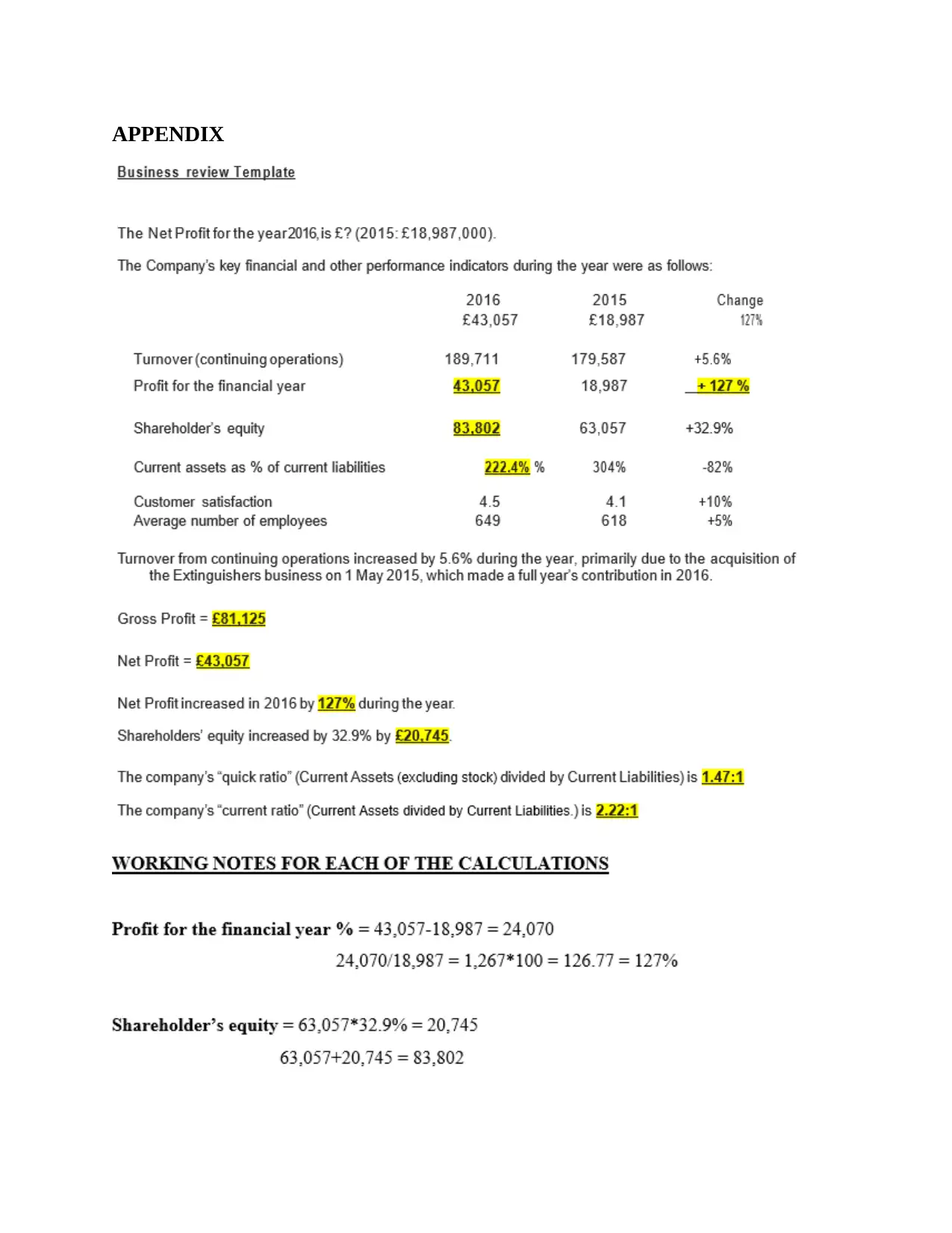
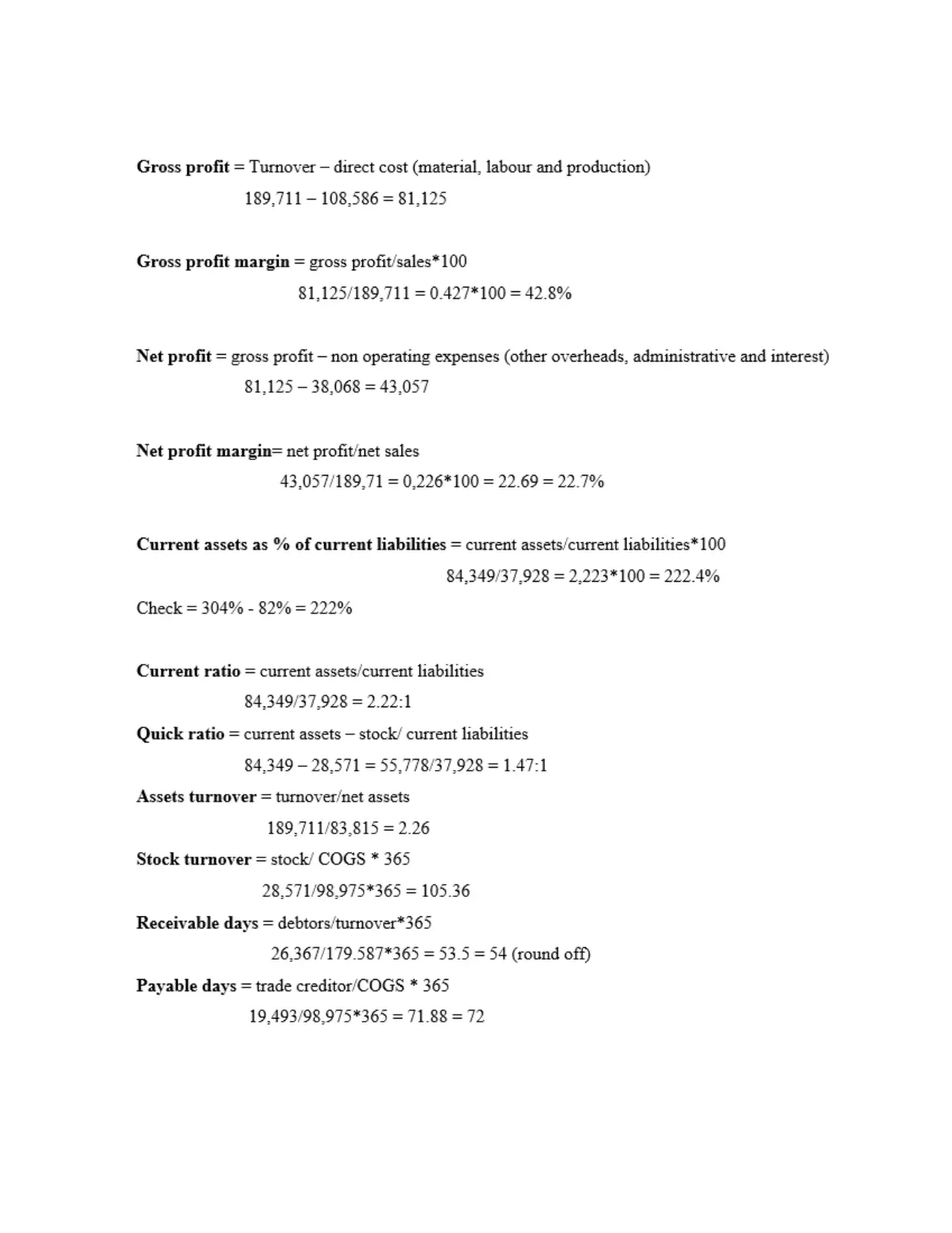
Business profitability: In the year 2015, the profit that was reported in the business was
18,987 and in the next year the organisation reported a profit of 43,057. The above data suggests
that the business is growing at an immense rate as in just one year the growth percentage of the
organisation was 127 percent. Gross profit margin of the company in the current year is 42.8%
and the net profit margin of the business is 22.7 percent. Business generated a good amount of
profit in the current year as for every 100 euros of sale, the organisation was able to generate a
gross profit of 42.8 euros (See the appendix for more info).
Business liquidity: From the analysis of ratios and the other findings its analysed that the
organisation was able to meet the obligations by a good margin. The solvency ratio of 2.22 times
is considered as a very good ratio as the company have that much amount of more assets as
compared to the liabilities (See the appendix for more info).
SECTION 4
Ways to improve financial performance of the company
The most common way through which the financial performance can be enhanced is by
maintaining an appropriate amount of borrowed and share capital in the business. This
will assist the business in all types of financial activities in which the company rights are
not that much diluted.
Maintenance of the debt cycle is essential as the business must not increase their debt
limit as it directly impacts the financial position of the business.
CONCLUSION
From the above report it can be concluded that business finance is an important element
to run and grow the business. It is because without it, the business would not be able to carry out
their daily operations and would not be able to achieve its business objectives. When the
good returns on the investment. Efficiency ratios are of different types in which the assets
turnover, receivables turnover etc are calculated(Hartikayanti and et. al., 2018).
SECTOR 3
Business performance review
Business profitability: In the year 2015, the profit that was reported in the business was
18,987 and in the next year the organisation reported a profit of 43,057. The above data suggests
that the business is growing at an immense rate as in just one year the growth percentage of the
organisation was 127 percent. Gross profit margin of the company in the current year is 42.8%
and the net profit margin of the business is 22.7 percent. Business generated a good amount of
profit in the current year as for every 100 euros of sale, the organisation was able to generate a
gross profit of 42.8 euros (See the appendix for more info).
Business liquidity: From the analysis of ratios and the other findings its analysed that the
organisation was able to meet the obligations by a good margin. The solvency ratio of 2.22 times
is considered as a very good ratio as the company have that much amount of more assets as
compared to the liabilities (See the appendix for more info).
SECTION 4
Ways to improve financial performance of the company
The most common way through which the financial performance can be enhanced is by
maintaining an appropriate amount of borrowed and share capital in the business. This
will assist the business in all types of financial activities in which the company rights are
not that much diluted.
Maintenance of the debt cycle is essential as the business must not increase their debt
limit as it directly impacts the financial position of the business.
CONCLUSION
From the above report it can be concluded that business finance is an important element
to run and grow the business. It is because without it, the business would not be able to carry out
their daily operations and would not be able to achieve its business objectives. When the
Paraphrase This Document
Need a fresh take? Get an instant paraphrase of this document with our AI Paraphraser

business is doing good then they want to make the expansion of their business, so in that duration
also the requirement of funds becomes very important. Funds are required in every function and
activity of the business and hence it is necessary for the organisation to well manage these funds
so that the overall profitability can be increased. Finance management is helpful for the business
in terms of growth prospects and expansion. It a true fact that without finance the management of
the company would not be able to think about developing the strategies.
also the requirement of funds becomes very important. Funds are required in every function and
activity of the business and hence it is necessary for the organisation to well manage these funds
so that the overall profitability can be increased. Finance management is helpful for the business
in terms of growth prospects and expansion. It a true fact that without finance the management of
the company would not be able to think about developing the strategies.
REFERENCES
Books and Journals
Ayadi, R., 2019. Bank Business Models and Financial Stability Assessment. In Banking
Business Models (pp. 57-66). Palgrave Macmillan, Cham.
Costa, D.F., Carvalho, F.D.M. and Moreira, B.C.D.M., 2019. Behavioral economics and
behavioral finance: a bibliometric analysis of the scientific fields. Journal of Economic
Surveys, 33(1), pp.3-24.
Hartikayanti, H.N., and et. al., 2018. Factors affecting the effectiveness of financial management
information system. International Journal of Engineering and Technology, 7(2), pp.755-
758.
Kells, S., 2020. Impacts of COVID-19 on corporate governance and assurance, international
finance and economics, and non-fiction book publishing: some personal reflections.
Journal of Accounting & Organizational Change.
Li, M. and et. al., 2020. Blockchain-enabled logistics finance execution platform for capital-
constrained E-commerce retail. Robotics and Computer-Integrated Manufacturing, 65,
p.101962.
Menifield, C.E., 2020. The basics of public budgeting and financial management: A handbook
for academics and practitioners. Hamilton Books.
Parrado-Martínez, P. and Sánchez-Andújar, S., 2020. Development of competences in
postgraduate studies of finance: A project-based learning (PBL) case study.
International Review of Economics Education, 35, p.100192.
Books and Journals
Ayadi, R., 2019. Bank Business Models and Financial Stability Assessment. In Banking
Business Models (pp. 57-66). Palgrave Macmillan, Cham.
Costa, D.F., Carvalho, F.D.M. and Moreira, B.C.D.M., 2019. Behavioral economics and
behavioral finance: a bibliometric analysis of the scientific fields. Journal of Economic
Surveys, 33(1), pp.3-24.
Hartikayanti, H.N., and et. al., 2018. Factors affecting the effectiveness of financial management
information system. International Journal of Engineering and Technology, 7(2), pp.755-
758.
Kells, S., 2020. Impacts of COVID-19 on corporate governance and assurance, international
finance and economics, and non-fiction book publishing: some personal reflections.
Journal of Accounting & Organizational Change.
Li, M. and et. al., 2020. Blockchain-enabled logistics finance execution platform for capital-
constrained E-commerce retail. Robotics and Computer-Integrated Manufacturing, 65,
p.101962.
Menifield, C.E., 2020. The basics of public budgeting and financial management: A handbook
for academics and practitioners. Hamilton Books.
Parrado-Martínez, P. and Sánchez-Andújar, S., 2020. Development of competences in
postgraduate studies of finance: A project-based learning (PBL) case study.
International Review of Economics Education, 35, p.100192.
⊘ This is a preview!⊘
Do you want full access?
Subscribe today to unlock all pages.
Trusted by 1+ million students worldwide
APPENDIX
Paraphrase This Document
Need a fresh take? Get an instant paraphrase of this document with our AI Paraphraser
⊘ This is a preview!⊘
Do you want full access?
Subscribe today to unlock all pages.
Trusted by 1+ million students worldwide

1 out of 15


Related Documents


Your All-in-One AI-Powered Toolkit for Academic Success.
+13062052269
info@desklib.com
Available 24*7 on WhatsApp / Email
![[object Object]](/_next/static/media/star-bottom.7253800d.svg)
Unlock your academic potential
Copyright © 2020–2026 A2Z Services. All Rights Reserved. Developed and managed by ZUCOL.