In-Depth Analysis: Julius Caesar - Exploring Political Themes
VerifiedAdded on 2023/06/13
|8
|2099
|341
Project
AI Summary
This project provides an in-depth analysis of William Shakespeare's play 'Julius Caesar,' focusing on its political themes, character analysis, and relevance to the contemporary world. It explores the play's historical context within the Elizabethan era, highlighting elements such as the use of soliloquies, prevailing beliefs, and character dynamics. The project argues that Julius Caesar remains the central figure of the play, even after his death, and examines the play's portrayal of political power, conspiracies, and the roles of women. A reflection paper details the learning experience, the project's goals, and potential improvements, emphasizing the play's enduring significance and Desklib provides access to similar solved assignments for students.
Running head: JULIUS CAESAR
Julius Caesar
Name of the student
Name of the university
Author note
Julius Caesar
Name of the student
Name of the university
Author note

Paraphrase This Document
Need a fresh take? Get an instant paraphrase of this document with our AI Paraphraser
1JULIUS CAESAR
1. Proposal
The play that has been selected in this particular project is Julius Caesar. The play has
been composed by William Shakespeare. The play faced a controversy from the beginning
regarding the title. The play is named after Julius Ceaser whereas he is killed in the second
act itself. The play no more finds his presence in the entire play but only finds him in the
form of a spirit or a ghost. The play rather concentrates more on Brutus in the later half.
Julius caesar was assassinated and the writer intended to gather sympathy for him from the
audience. Brutus was a controversial character and he was portrayed as a villain under the
title of ‘noble man’. The reason of naming the play as Julius Caesar is that, Caesar hailed
even after his death and he was present in the play even after his death. On the other hand
Brutus was alive in the whole play yet he did not gain any sympathy from the audience and
could not be the hero of the play. Caesar remained the hero of the play till the end of the play.
The project intends to bring out the shades related to the character of Julius Caesar. It
further concentrates on the impact of the drama on the contemporary world. The play still
holds a huge impact in the present world. The intention of the project is to put forward the
idea of the relevance of Shakespeare’s plays in the contemporary world. The design and the
construction process is a matter of concern in the play. This has been intelligently presented
in the play. Many arguments have been presented regarding the title of the play. In the recent
arguments the justification of the characters of both Julius Caesar and Brutus has been
presented in the essay. The drama has certain typical features of the Elizabethan era. The
essay intends to highlight those technical aspects and it intends to bring forth the essence of
the era. One of the most important technical aspects is the use of soliloque in the play. The
other technical things included the thoughts and the beliefs that prevailed during the
Elizabethan era, the setting that prevailed in the play and most importantly the characters in
the play and the nature of the characters. The play is relevant in the present world. It is
1. Proposal
The play that has been selected in this particular project is Julius Caesar. The play has
been composed by William Shakespeare. The play faced a controversy from the beginning
regarding the title. The play is named after Julius Ceaser whereas he is killed in the second
act itself. The play no more finds his presence in the entire play but only finds him in the
form of a spirit or a ghost. The play rather concentrates more on Brutus in the later half.
Julius caesar was assassinated and the writer intended to gather sympathy for him from the
audience. Brutus was a controversial character and he was portrayed as a villain under the
title of ‘noble man’. The reason of naming the play as Julius Caesar is that, Caesar hailed
even after his death and he was present in the play even after his death. On the other hand
Brutus was alive in the whole play yet he did not gain any sympathy from the audience and
could not be the hero of the play. Caesar remained the hero of the play till the end of the play.
The project intends to bring out the shades related to the character of Julius Caesar. It
further concentrates on the impact of the drama on the contemporary world. The play still
holds a huge impact in the present world. The intention of the project is to put forward the
idea of the relevance of Shakespeare’s plays in the contemporary world. The design and the
construction process is a matter of concern in the play. This has been intelligently presented
in the play. Many arguments have been presented regarding the title of the play. In the recent
arguments the justification of the characters of both Julius Caesar and Brutus has been
presented in the essay. The drama has certain typical features of the Elizabethan era. The
essay intends to highlight those technical aspects and it intends to bring forth the essence of
the era. One of the most important technical aspects is the use of soliloque in the play. The
other technical things included the thoughts and the beliefs that prevailed during the
Elizabethan era, the setting that prevailed in the play and most importantly the characters in
the play and the nature of the characters. The play is relevant in the present world. It is
2JULIUS CAESAR
relevant at least in the political sphere of the nation. The project includes a reflection towards
the end that states the purpose of reading the play (Brandl, 2016).
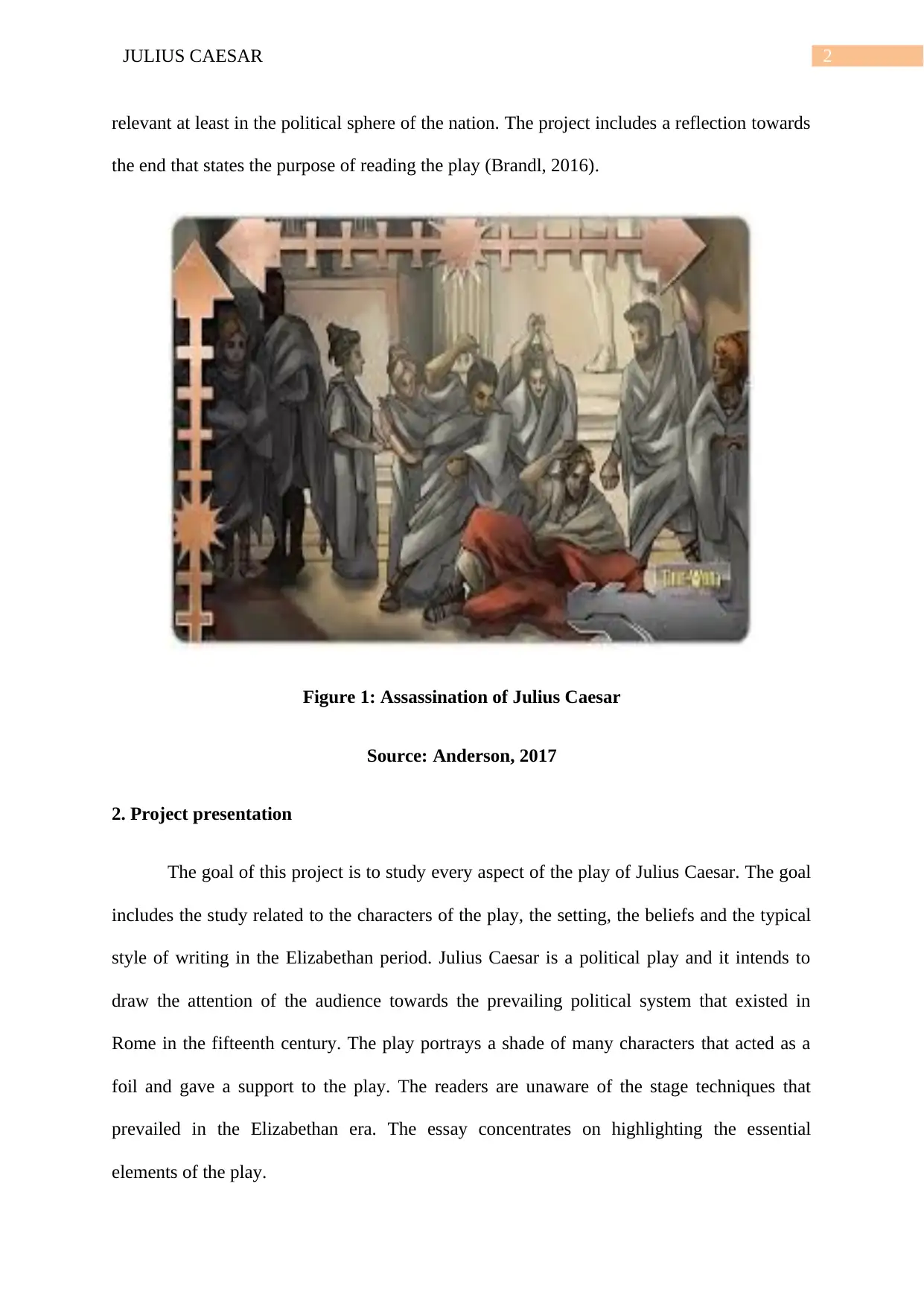
Figure 1: Assassination of Julius Caesar
Source: Anderson, 2017
2. Project presentation
The goal of this project is to study every aspect of the play of Julius Caesar. The goal
includes the study related to the characters of the play, the setting, the beliefs and the typical
style of writing in the Elizabethan period. Julius Caesar is a political play and it intends to
draw the attention of the audience towards the prevailing political system that existed in
Rome in the fifteenth century. The play portrays a shade of many characters that acted as a
foil and gave a support to the play. The readers are unaware of the stage techniques that
prevailed in the Elizabethan era. The essay concentrates on highlighting the essential
elements of the play.
relevant at least in the political sphere of the nation. The project includes a reflection towards
the end that states the purpose of reading the play (Brandl, 2016).
Figure 1: Assassination of Julius Caesar
Source: Anderson, 2017
2. Project presentation
The goal of this project is to study every aspect of the play of Julius Caesar. The goal
includes the study related to the characters of the play, the setting, the beliefs and the typical
style of writing in the Elizabethan period. Julius Caesar is a political play and it intends to
draw the attention of the audience towards the prevailing political system that existed in
Rome in the fifteenth century. The play portrays a shade of many characters that acted as a
foil and gave a support to the play. The readers are unaware of the stage techniques that
prevailed in the Elizabethan era. The essay concentrates on highlighting the essential
elements of the play.
⊘ This is a preview!⊘
Do you want full access?
Subscribe today to unlock all pages.

Trusted by 1+ million students worldwide
3JULIUS CAESAR
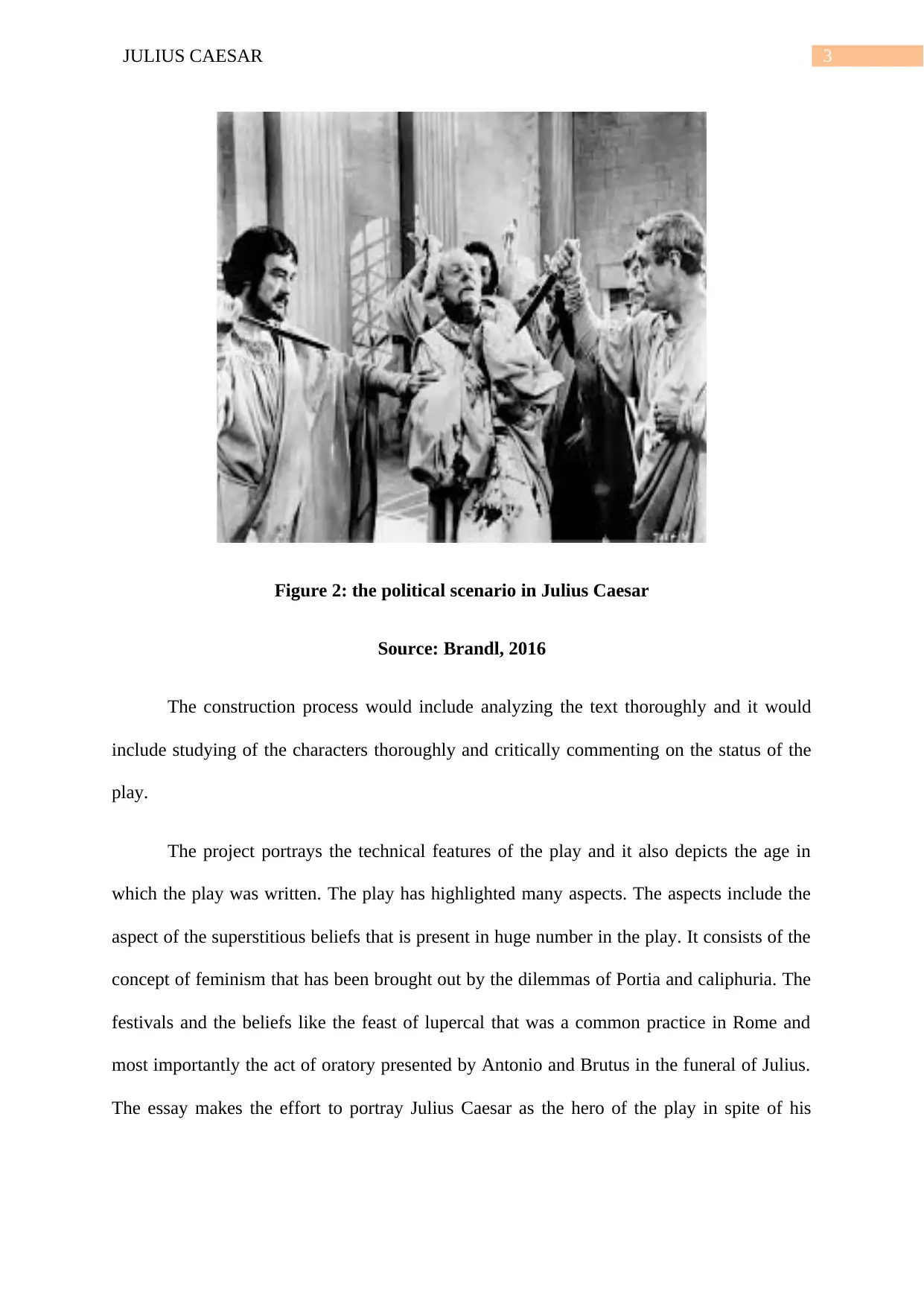
Figure 2: the political scenario in Julius Caesar
Source: Brandl, 2016
The construction process would include analyzing the text thoroughly and it would
include studying of the characters thoroughly and critically commenting on the status of the
play.
The project portrays the technical features of the play and it also depicts the age in
which the play was written. The play has highlighted many aspects. The aspects include the
aspect of the superstitious beliefs that is present in huge number in the play. It consists of the
concept of feminism that has been brought out by the dilemmas of Portia and caliphuria. The
festivals and the beliefs like the feast of lupercal that was a common practice in Rome and
most importantly the act of oratory presented by Antonio and Brutus in the funeral of Julius.
The essay makes the effort to portray Julius Caesar as the hero of the play in spite of his
Figure 2: the political scenario in Julius Caesar
Source: Brandl, 2016
The construction process would include analyzing the text thoroughly and it would
include studying of the characters thoroughly and critically commenting on the status of the
play.
The project portrays the technical features of the play and it also depicts the age in
which the play was written. The play has highlighted many aspects. The aspects include the
aspect of the superstitious beliefs that is present in huge number in the play. It consists of the
concept of feminism that has been brought out by the dilemmas of Portia and caliphuria. The
festivals and the beliefs like the feast of lupercal that was a common practice in Rome and
most importantly the act of oratory presented by Antonio and Brutus in the funeral of Julius.
The essay makes the effort to portray Julius Caesar as the hero of the play in spite of his
Paraphrase This Document
Need a fresh take? Get an instant paraphrase of this document with our AI Paraphraser
4JULIUS CAESAR
physical as well as mental weaknesses. The act is a mark of intelligence of William
Shakespeare (Peters & Anderson, 2015).
In the present world the political scenario is relevant to the play. The central theme of
the play is acquiring the political power and establishment of the rule. In order to acquire the
political power lot of conspiracies were held against Caesar. Finally Caesar was assassinated
by his most trusted official, Brutus. This signified the fact that in order to acquire the political
power it was possible to reach out at any extent. This is evident even in the contemporary
scenario. The root of the contemporary scenario is the political system. Apart from this the
position of the women in the Elizabethan period is different from the contemporary world.
The characters like Portia, Calpurnia were submissive to their husbands. They were bound to
obey their husbands. They wanted to even unsex them at times. It was evident from the
speech of Portia. In order to know the truth form her Brutus she wanted to unsex herself. In
the contemporary world the scenario has changed. The women has created an identity for
themselves. However instead of all this the society is called a male-dominated society (King,
2016).
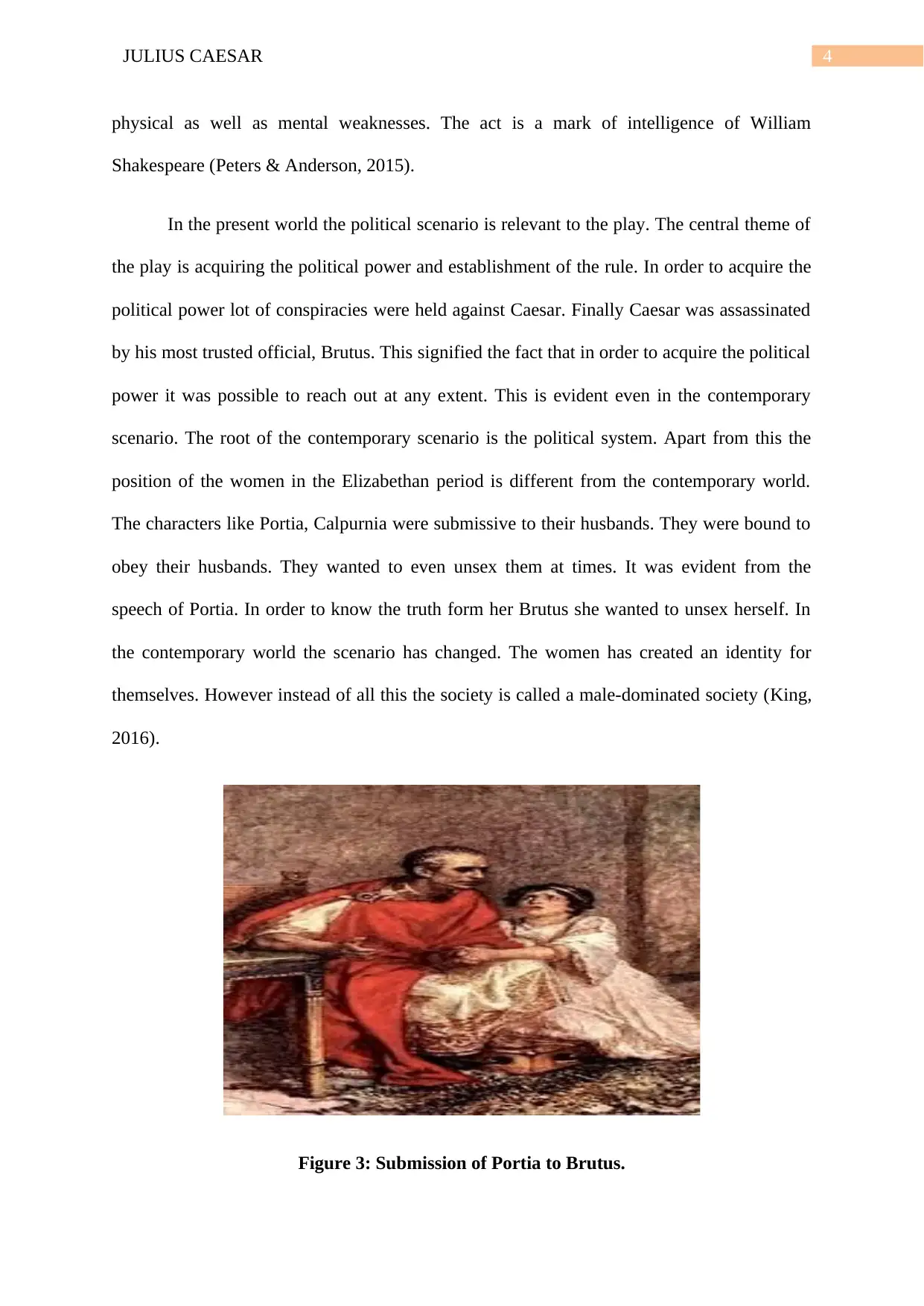
Figure 3: Submission of Portia to Brutus.
physical as well as mental weaknesses. The act is a mark of intelligence of William
Shakespeare (Peters & Anderson, 2015).
In the present world the political scenario is relevant to the play. The central theme of
the play is acquiring the political power and establishment of the rule. In order to acquire the
political power lot of conspiracies were held against Caesar. Finally Caesar was assassinated
by his most trusted official, Brutus. This signified the fact that in order to acquire the political
power it was possible to reach out at any extent. This is evident even in the contemporary
scenario. The root of the contemporary scenario is the political system. Apart from this the
position of the women in the Elizabethan period is different from the contemporary world.
The characters like Portia, Calpurnia were submissive to their husbands. They were bound to
obey their husbands. They wanted to even unsex them at times. It was evident from the
speech of Portia. In order to know the truth form her Brutus she wanted to unsex herself. In
the contemporary world the scenario has changed. The women has created an identity for
themselves. However instead of all this the society is called a male-dominated society (King,
2016).
Figure 3: Submission of Portia to Brutus.
5JULIUS CAESAR
Source: Davis, 2016
3. Reflection paper:
1. From creating this project I have learned many new things. I have learned how to make an
effective research in order to make a good assignment. I was not aware of the academic style
of writing. By making the assignment I learned how to make creative academic assignments.
Apart from this I learned about the unknown aspects of the play. I learned to analyze the play
from the contemporary point of view. I learned to explore the contemporary angle of the play
and the significance of the play from the contemporary angle. I further understood the
relevance of the female characters in the play and further learned them to relate them with the
contemporary scenario.
2. The goal of the project was to demonstrate mu knowledge on the presentation of the play
of Shakespeare. For this I have chosen the play named ‘Julius Caesar’. The other objective is
to enhance one’s ability to present the analysis in a creative manner. The purpose of the
assignment is to convey the main ideas of the play to the audience. The most important goal
is to access the play from the contemporary perspective. According to me I have been able to
fulfill the goals. I have tried to explore the unrecognized angle of the play. This made me to
achieve the goal of the assignment.
3. the project analyses the angle of politics that is prevalent in the play. This angle addresses
the question of the relevance of Shakespeare in the twenty-first century. Apart from this the
contrasting characters of the woman in the twentieth century identifies the play with the
contemporary scenario. The political scenario of the contemporary world is as complicated as
during the Elizabethan period, which is the setting of the play. The complicated nature of the
relationships between the characters of the play is similar to that of the twenty-first century.
Source: Davis, 2016
3. Reflection paper:
1. From creating this project I have learned many new things. I have learned how to make an
effective research in order to make a good assignment. I was not aware of the academic style
of writing. By making the assignment I learned how to make creative academic assignments.
Apart from this I learned about the unknown aspects of the play. I learned to analyze the play
from the contemporary point of view. I learned to explore the contemporary angle of the play
and the significance of the play from the contemporary angle. I further understood the
relevance of the female characters in the play and further learned them to relate them with the
contemporary scenario.
2. The goal of the project was to demonstrate mu knowledge on the presentation of the play
of Shakespeare. For this I have chosen the play named ‘Julius Caesar’. The other objective is
to enhance one’s ability to present the analysis in a creative manner. The purpose of the
assignment is to convey the main ideas of the play to the audience. The most important goal
is to access the play from the contemporary perspective. According to me I have been able to
fulfill the goals. I have tried to explore the unrecognized angle of the play. This made me to
achieve the goal of the assignment.
3. the project analyses the angle of politics that is prevalent in the play. This angle addresses
the question of the relevance of Shakespeare in the twenty-first century. Apart from this the
contrasting characters of the woman in the twentieth century identifies the play with the
contemporary scenario. The political scenario of the contemporary world is as complicated as
during the Elizabethan period, which is the setting of the play. The complicated nature of the
relationships between the characters of the play is similar to that of the twenty-first century.
⊘ This is a preview!⊘
Do you want full access?
Subscribe today to unlock all pages.
Trusted by 1+ million students worldwide
6JULIUS CAESAR
4. If I had more time to work on this project, I would read through the other plays of
Shakespeare that had the same setting and would compare and contrast the settings of the
plays. I would make it more attractive and would make a video representation of the play. I
would explore the other angles of the play like the use of superstition in the play and the
techniques like the soliloquy, the Elizabethan setting of the play. I would explore the
contrasting nature of the characters in the play and would analyze the typical nature of the
writings of Shakespeare.
5. I could have done better if I had more opportunity and scope. I had to work on one single
project and this is the reason I could not explore much about the play. I had to answer certain
set of questions and could not write more than the questions. I could do better if I was given
the choice and the opportunity to analyze the play and to present the play with my own
choice of questions. I tried my best to fair well by answering the questions that were
provided.
6. The other project that I found interesting was the comparison contrast power point
presentation on the women characters of William Shakespeare. The student has presented the
play by making a sharp contrast of the women characters of ‘The Midsummer Night’s
Dreams’. The presentation consists of the details of the nature of all the women characters of
the play like, Hermia, Helena and Titania. The student has taken the other plays like, ‘the
taming of the shrew’, ‘tempest’, ‘othello’, ‘hamlet’, ‘merchant of venice’ and the other plays
of Shakespeare. The student has made a contrast of the nature of each female characters of
the plays. It has been done in a creative manner and in a lengthy way by explaining the
positive as well as the negative shades of all the women characters of the play.
4. If I had more time to work on this project, I would read through the other plays of
Shakespeare that had the same setting and would compare and contrast the settings of the
plays. I would make it more attractive and would make a video representation of the play. I
would explore the other angles of the play like the use of superstition in the play and the
techniques like the soliloquy, the Elizabethan setting of the play. I would explore the
contrasting nature of the characters in the play and would analyze the typical nature of the
writings of Shakespeare.
5. I could have done better if I had more opportunity and scope. I had to work on one single
project and this is the reason I could not explore much about the play. I had to answer certain
set of questions and could not write more than the questions. I could do better if I was given
the choice and the opportunity to analyze the play and to present the play with my own
choice of questions. I tried my best to fair well by answering the questions that were
provided.
6. The other project that I found interesting was the comparison contrast power point
presentation on the women characters of William Shakespeare. The student has presented the
play by making a sharp contrast of the women characters of ‘The Midsummer Night’s
Dreams’. The presentation consists of the details of the nature of all the women characters of
the play like, Hermia, Helena and Titania. The student has taken the other plays like, ‘the
taming of the shrew’, ‘tempest’, ‘othello’, ‘hamlet’, ‘merchant of venice’ and the other plays
of Shakespeare. The student has made a contrast of the nature of each female characters of
the plays. It has been done in a creative manner and in a lengthy way by explaining the
positive as well as the negative shades of all the women characters of the play.
Paraphrase This Document
Need a fresh take? Get an instant paraphrase of this document with our AI Paraphraser
7JULIUS CAESAR
References and bibliography
Anderson, S. (2017). Review of Shakespeare's Julius Caesar (directed by Robert Hastie for
Sheffield Theatres) at the Crucible, 31 May 2017. Shakespeare, 13(4), 353-355.
Brandl, S. (2016). Revenge in Shakespeare’s" Julius Caesar"," Henry IV (Part One)" and"
Titus Andronicus": A Multi-Perspective Study On Its Various Manifestations Within
the Plays. GRIN Verlag.
Bremner, R. H. (2017). Giving: Charity and philanthropy in history. Routledge.
Davis, L. (2016). Body Language in Julius Caesar. LiNQ (Literature in North
Queensland), 22(1).
Gale, C. L. (2015). A Study Guide for William Shakespeare's Julius Caesar. Gale, Cengage
Learning.
Gray, P. (2016). Caesar as Comic Antichrist: Shakespeare's Julius Caesar and the Medieval
English Stage Tyrant. Comparative Drama, 50(1), 1-31.
King, R. (2016). " A lean and hungry look": sight; ekphrasis; irony; in Julius Caesar and
Henry V. Shakespeare Survey, 69, 1-25.
OJIMA, C. (2014). The Dramatisation of the Two Conspirators' Suicides in Julius Caesar.
Peters, C. L., & Anderson, P. (2015). ‘The Tragedy of Marcus Brutus?’: An Inquiry into the
Intrigues of William Shakespeare’s adaptation of Plutarch’s Lives into Julius Caesar.
Shosky, J. (2016). Rome and Rhetoric: Shakespeare’s Julius Caesar.
Wilson, J. (2017). Rome's Revolution: Death of the Republic and Birth of the Empire by
Richard Alston. Classical World, 110(3), 429-430.
References and bibliography
Anderson, S. (2017). Review of Shakespeare's Julius Caesar (directed by Robert Hastie for
Sheffield Theatres) at the Crucible, 31 May 2017. Shakespeare, 13(4), 353-355.
Brandl, S. (2016). Revenge in Shakespeare’s" Julius Caesar"," Henry IV (Part One)" and"
Titus Andronicus": A Multi-Perspective Study On Its Various Manifestations Within
the Plays. GRIN Verlag.
Bremner, R. H. (2017). Giving: Charity and philanthropy in history. Routledge.
Davis, L. (2016). Body Language in Julius Caesar. LiNQ (Literature in North
Queensland), 22(1).
Gale, C. L. (2015). A Study Guide for William Shakespeare's Julius Caesar. Gale, Cengage
Learning.
Gray, P. (2016). Caesar as Comic Antichrist: Shakespeare's Julius Caesar and the Medieval
English Stage Tyrant. Comparative Drama, 50(1), 1-31.
King, R. (2016). " A lean and hungry look": sight; ekphrasis; irony; in Julius Caesar and
Henry V. Shakespeare Survey, 69, 1-25.
OJIMA, C. (2014). The Dramatisation of the Two Conspirators' Suicides in Julius Caesar.
Peters, C. L., & Anderson, P. (2015). ‘The Tragedy of Marcus Brutus?’: An Inquiry into the
Intrigues of William Shakespeare’s adaptation of Plutarch’s Lives into Julius Caesar.
Shosky, J. (2016). Rome and Rhetoric: Shakespeare’s Julius Caesar.
Wilson, J. (2017). Rome's Revolution: Death of the Republic and Birth of the Empire by
Richard Alston. Classical World, 110(3), 429-430.

1 out of 8


Your All-in-One AI-Powered Toolkit for Academic Success.
+13062052269
info@desklib.com
Available 24*7 on WhatsApp / Email
![[object Object]](/_next/static/media/star-bottom.7253800d.svg)
Unlock your academic potential
Copyright © 2020–2026 A2Z Services. All Rights Reserved. Developed and managed by ZUCOL.