Environmental Economic Appraisal of Beijing Air Quality Management
VerifiedAdded on 2021/06/17
|12
|4078
|31
Case Study
AI Summary
This case study report provides an environmental economic appraisal of the regulatory and policy framework surrounding air quality management in Beijing. It begins with an introduction to the problem of air pollution, followed by an assessment of the current status of environmental resources and the threats they face, including high AQI levels and economic growth pressures. An ecosystem service analysis evaluates the impacts on provisional, regulating, supporting, and cultural services. The report then appraises current management mechanisms, such as command and control strategies, cross-regional authorities, and awareness programs, highlighting their limitations. The study emphasizes the need for effective strategies to reduce air pollution and protect the environment in Beijing, considering factors like population growth, topography, and seasonal variations. The report concludes with suggestions for improving air quality management and protecting the environment.
Page 1 of 12
7401ENV ENVIRONMENTAL ECONOMICS – CASE STUDY
REPORT
TITLE
AN ENVIRONMENTAL ECONOMIC APPRAISAL OF THE
REGULATORY AND POLICY FRAMEWORK
SURROUNDING AIR QUALITY MANAGEMENT IN BEIJING
7401ENV ENVIRONMENTAL ECONOMICS – CASE STUDY
REPORT
TITLE
AN ENVIRONMENTAL ECONOMIC APPRAISAL OF THE
REGULATORY AND POLICY FRAMEWORK
SURROUNDING AIR QUALITY MANAGEMENT IN BEIJING

Paraphrase This Document
Need a fresh take? Get an instant paraphrase of this document with our AI Paraphraser
Page 2 of 12
Table of contents
1.0 Introduction..........................................................................................................................3
2.0 Current status of the environmental resource and the threats..............................................3
3.0 Ecosystem service analysis..................................................................................................5
4.0 Appraisal of the current management mechanisms.............................................................6
5.0 Suggestion to the management mechanism.........................................................................8
6.0 Conclusions..........................................................................................................................8
Reference....................................................................................................................................9
Table of contents
1.0 Introduction..........................................................................................................................3
2.0 Current status of the environmental resource and the threats..............................................3
3.0 Ecosystem service analysis..................................................................................................5
4.0 Appraisal of the current management mechanisms.............................................................6
5.0 Suggestion to the management mechanism.........................................................................8
6.0 Conclusions..........................................................................................................................8
Reference....................................................................................................................................9
Page 3 of 12
1.0 Introduction
One of the basic needs of any forms of life on earth is oxygen that is available in the air.
However, the air pollution is very common for most of the cities of the world. This can be
due to many of the reasons such as an increase in the population of the world,
industrialization and many more. However, this is not the main focus of this study; rather,
this study sheds light on management mechanisms that govern the air quality in Beijing. The
air quality is measured using the Air Quality Index (AQI) which measures the particulate
matter in the air. In the year 2013, the particulate matter in the air of the city rose to 370
leading to a death of 2563 people (Xu et al. 2016). After that, there have been more a number
of cases that resulted in the death of the citizens. Not only the deteriorating air quality is bad
for the environment and the lives of the people, it also drains the money of the local authority
as well. In addition to that, the beauty of the city or the natural value deteriorates over time
due to the increasing pollution in the air.
2.0 Current status of the environmental resource and the threats
The current state of the air quality of the city is stable upon the serious and regular action
taken by the authority of the city. However, Zhang et al. (2016) noted that there is no
improvement in the air quality over the years, rather the intent of the government is limited to
maintaining the particulate matter of the air at a steady level in order to avoid death. The
current level of AQI index in Beijing is 172 which are considered to be unhealthy (Su et al.
2016).
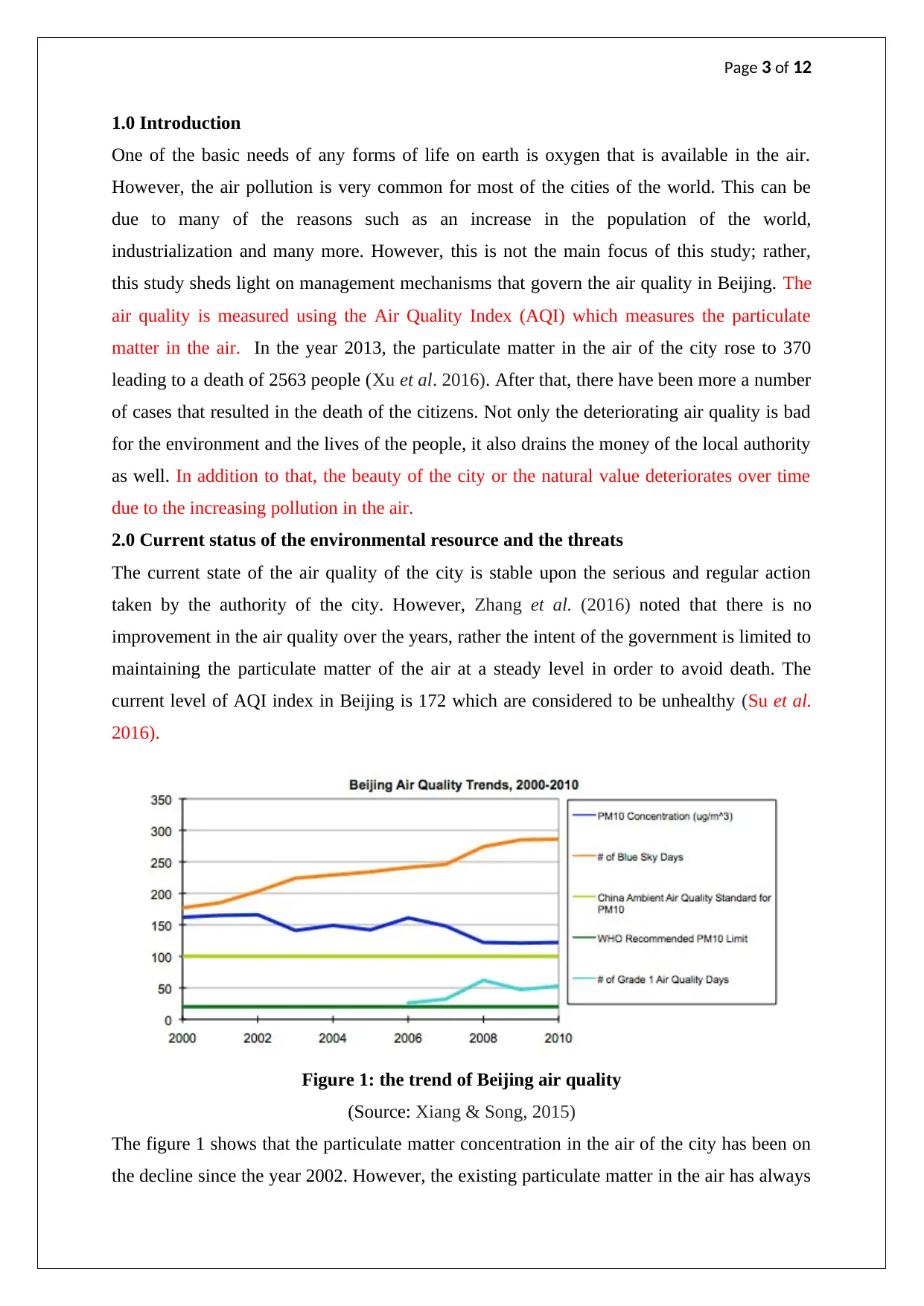
Figure 1: the trend of Beijing air quality
(Source: Xiang & Song, 2015)
The figure 1 shows that the particulate matter concentration in the air of the city has been on
the decline since the year 2002. However, the existing particulate matter in the air has always
1.0 Introduction
One of the basic needs of any forms of life on earth is oxygen that is available in the air.
However, the air pollution is very common for most of the cities of the world. This can be
due to many of the reasons such as an increase in the population of the world,
industrialization and many more. However, this is not the main focus of this study; rather,
this study sheds light on management mechanisms that govern the air quality in Beijing. The
air quality is measured using the Air Quality Index (AQI) which measures the particulate
matter in the air. In the year 2013, the particulate matter in the air of the city rose to 370
leading to a death of 2563 people (Xu et al. 2016). After that, there have been more a number
of cases that resulted in the death of the citizens. Not only the deteriorating air quality is bad
for the environment and the lives of the people, it also drains the money of the local authority
as well. In addition to that, the beauty of the city or the natural value deteriorates over time
due to the increasing pollution in the air.
2.0 Current status of the environmental resource and the threats
The current state of the air quality of the city is stable upon the serious and regular action
taken by the authority of the city. However, Zhang et al. (2016) noted that there is no
improvement in the air quality over the years, rather the intent of the government is limited to
maintaining the particulate matter of the air at a steady level in order to avoid death. The
current level of AQI index in Beijing is 172 which are considered to be unhealthy (Su et al.
2016).
Figure 1: the trend of Beijing air quality
(Source: Xiang & Song, 2015)
The figure 1 shows that the particulate matter concentration in the air of the city has been on
the decline since the year 2002. However, the existing particulate matter in the air has always
⊘ This is a preview!⊘
Do you want full access?
Subscribe today to unlock all pages.

Trusted by 1+ million students worldwide
Page 4 of 12
been more than the level recommended by World health organization. While the
recommended AQI level is fixed at 100, the level in case of Beijing has always been more
than that (Wu et al. 2016). This information coupled up with the current level of AQI index
clearly shows that efforts from the side of the authority is ineffective and is not meeting the
goals.
The pressure on the level of air pollution in the air of Beijing remains very high due to the
high economic growth rate of the country. The economic growth rate of china as per the data
of 2016 is 6.5% which is high compared to the other countries of the world (Zhang et al.
2016). China is the manufacture dependent economy and hence any further growth rate in
the economic production has the chance to increase the air pollution in Beijing as well (He,
Fan & Zhou, 2016). Given the manufacturing sector of the country is still growing the risk of
higher deterioration in the air quality in Beijing remains (Sanchez-Guerra et al. 2015).
Another factor that creates pressure on the air pollution level of the city is the increased
population.
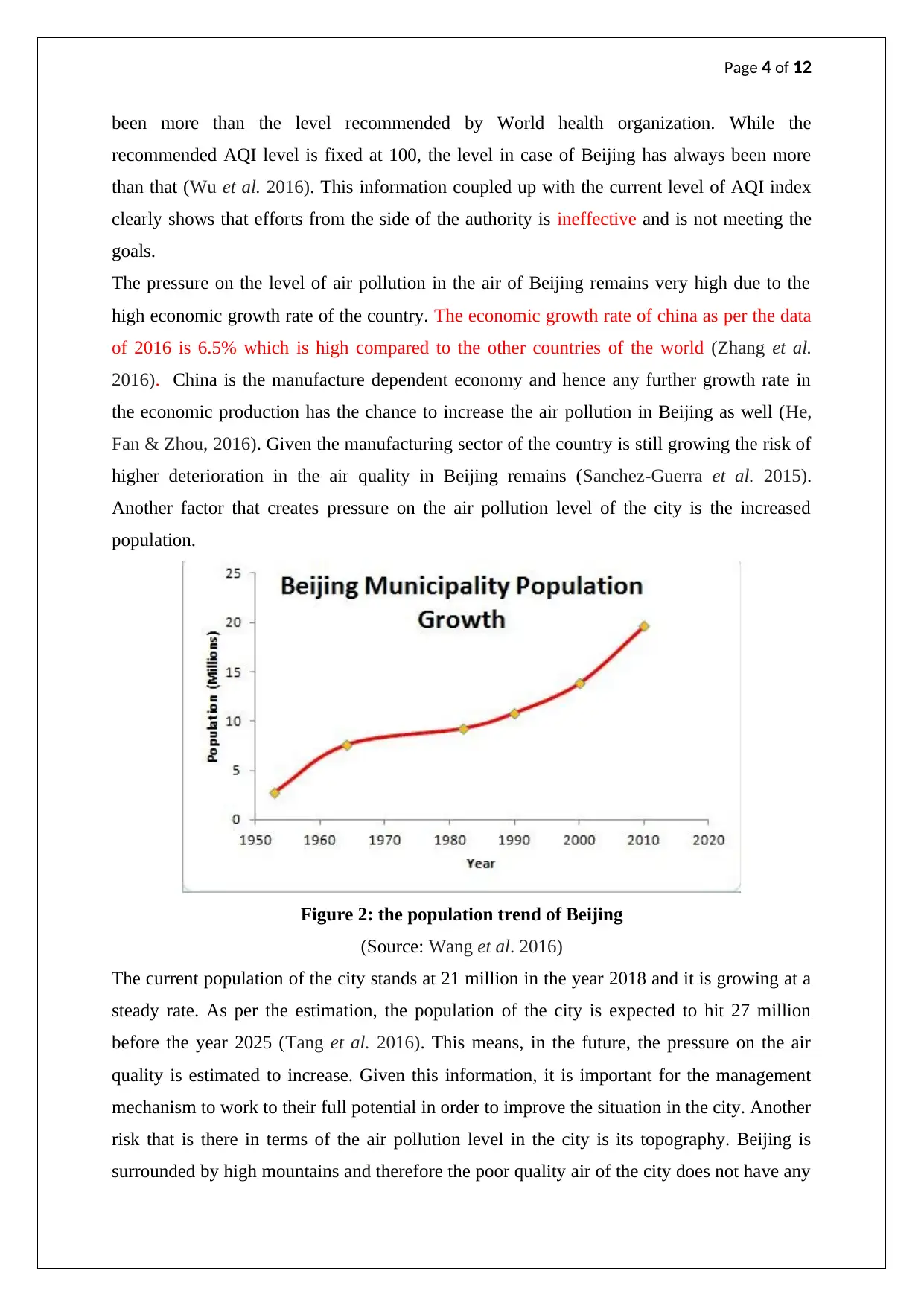
Figure 2: the population trend of Beijing
(Source: Wang et al. 2016)
The current population of the city stands at 21 million in the year 2018 and it is growing at a
steady rate. As per the estimation, the population of the city is expected to hit 27 million
before the year 2025 (Tang et al. 2016). This means, in the future, the pressure on the air
quality is estimated to increase. Given this information, it is important for the management
mechanism to work to their full potential in order to improve the situation in the city. Another
risk that is there in terms of the air pollution level in the city is its topography. Beijing is
surrounded by high mountains and therefore the poor quality air of the city does not have any
been more than the level recommended by World health organization. While the
recommended AQI level is fixed at 100, the level in case of Beijing has always been more
than that (Wu et al. 2016). This information coupled up with the current level of AQI index
clearly shows that efforts from the side of the authority is ineffective and is not meeting the
goals.
The pressure on the level of air pollution in the air of Beijing remains very high due to the
high economic growth rate of the country. The economic growth rate of china as per the data
of 2016 is 6.5% which is high compared to the other countries of the world (Zhang et al.
2016). China is the manufacture dependent economy and hence any further growth rate in
the economic production has the chance to increase the air pollution in Beijing as well (He,
Fan & Zhou, 2016). Given the manufacturing sector of the country is still growing the risk of
higher deterioration in the air quality in Beijing remains (Sanchez-Guerra et al. 2015).
Another factor that creates pressure on the air pollution level of the city is the increased
population.
Figure 2: the population trend of Beijing
(Source: Wang et al. 2016)
The current population of the city stands at 21 million in the year 2018 and it is growing at a
steady rate. As per the estimation, the population of the city is expected to hit 27 million
before the year 2025 (Tang et al. 2016). This means, in the future, the pressure on the air
quality is estimated to increase. Given this information, it is important for the management
mechanism to work to their full potential in order to improve the situation in the city. Another
risk that is there in terms of the air pollution level in the city is its topography. Beijing is
surrounded by high mountains and therefore the poor quality air of the city does not have any
Paraphrase This Document
Need a fresh take? Get an instant paraphrase of this document with our AI Paraphraser
Page 5 of 12
scope to go away through ventilation mechanisms. Therefore, particulate matters of the air
above Beijing hovers around and increase in number eventually increasing the pollution to an
alarming rate. Su et al. (2016) highlighted that the risk and the pressure on the air quality in
Beijing depends on the season and the humidity level. During the summer season, the high
humidity level carries the harmful pollutant particle and creates smog in the city.
3.0 Ecosystem service analysis
Ecosystem service is referred to as the benefits that are provided by the natural environment
of the world to the lives surviving on earth (Rohde & Muller, 2015). The service of the
ecosystem towards the lives on earth can be categorized into four groups which involve the
provisional services, the regulating services, cultural services and the supporting services.
The provisional services provided by the ecosystem include the provisions that the
environment extends towards the lives. Regulating services are the regulating resources
which are provided by the environment (Sanchez-Guerra et al. 2015). Cultural services are
spiritual impacts, cognitive development and many more. Lastly, the supporting services are
the contribution of the ecosystem towards the sustenance of the environment and the support
towards other environmental resources of the world. The ecosystem service analysis
measures the value of the services of the ecosystem so that their values can be incorporated in
economic and political decision making thereby keeping the ecosystem safe.
The ecosystem service analysis for the case of Beijing is provided below:
Provisional services
The provisional services provided by air are highly affected by the air pollution in Beijing.
One of the main provisional services is the oxygen that helps in the breathing of the lives on
earth. However, with the rise in the particulate matter in the air along with the nitrogen oxide
level, the oxygen level has gone down. Rohde & Muller (2015) pointed out that, since the
year 2010, the oxygen level in Beijing has dropped more than 50%.
Regulating services
The regulating services of the air include the temperature management and climate change.
However, with the increase in the dust particle in the air, regulating services have been highly
affected. Rich et al. (2015) highlighted that the temperature in the country as a whole has
increased in most part. Another problem with the increasing air pollution is that it hampers
the regulating services of air which immunes’ lives on earth from different diseases. The
number of patients with lung disease has increased in Beijing following the pollution in the
air of the city.
Supporting services
scope to go away through ventilation mechanisms. Therefore, particulate matters of the air
above Beijing hovers around and increase in number eventually increasing the pollution to an
alarming rate. Su et al. (2016) highlighted that the risk and the pressure on the air quality in
Beijing depends on the season and the humidity level. During the summer season, the high
humidity level carries the harmful pollutant particle and creates smog in the city.
3.0 Ecosystem service analysis
Ecosystem service is referred to as the benefits that are provided by the natural environment
of the world to the lives surviving on earth (Rohde & Muller, 2015). The service of the
ecosystem towards the lives on earth can be categorized into four groups which involve the
provisional services, the regulating services, cultural services and the supporting services.
The provisional services provided by the ecosystem include the provisions that the
environment extends towards the lives. Regulating services are the regulating resources
which are provided by the environment (Sanchez-Guerra et al. 2015). Cultural services are
spiritual impacts, cognitive development and many more. Lastly, the supporting services are
the contribution of the ecosystem towards the sustenance of the environment and the support
towards other environmental resources of the world. The ecosystem service analysis
measures the value of the services of the ecosystem so that their values can be incorporated in
economic and political decision making thereby keeping the ecosystem safe.
The ecosystem service analysis for the case of Beijing is provided below:
Provisional services
The provisional services provided by air are highly affected by the air pollution in Beijing.
One of the main provisional services is the oxygen that helps in the breathing of the lives on
earth. However, with the rise in the particulate matter in the air along with the nitrogen oxide
level, the oxygen level has gone down. Rohde & Muller (2015) pointed out that, since the
year 2010, the oxygen level in Beijing has dropped more than 50%.
Regulating services
The regulating services of the air include the temperature management and climate change.
However, with the increase in the dust particle in the air, regulating services have been highly
affected. Rich et al. (2015) highlighted that the temperature in the country as a whole has
increased in most part. Another problem with the increasing air pollution is that it hampers
the regulating services of air which immunes’ lives on earth from different diseases. The
number of patients with lung disease has increased in Beijing following the pollution in the
air of the city.
Supporting services
Page 6 of 12
The supporting services of the environment are referred to as the service that it provides for
the support of the lives in the ecosystem. For example the soil formation, air cleaning which
helps the lives of the other animals in the ecosystem better. Peckham et al. (2015) highlighted
that the high level of air pollution in Beijing also have resulted in the loss of lives for some of
the exotic birds of the country. This reduction in the birds also has affected the natural value
of the ecosystem and its balance. This is due to the fact that supporting services of the
environment has fallen apart and hence it is important for the government to take action in
order to replenish the supporting services of the environment.
Cultural services
The clear sky enables the citizen of the Beijing to experience the wonderful sky at night. For
any city in the world, the night sky is an important part they enhance the beauty even more.
The high level of pollution makes it unable for the citizen to gaze star. (Liu et al. 2016)
commented that, even the moon sometimes go in the haze behind the thick smog of the city.
Property rights
The property rights of the air of the city belongs the environment and the city has a whole.
Therefore the fact that production houses destroy the quality of air for their profit is a
violation of rights which the government needs to take care of. Jiang et al. (2015) pointed out
that some part of the right towards the air also goes to the other animals and creatures of the
ecosystem and hence the output decisions of the production units needs to include the
property rights of the important environmental resources such as the air.
4.0 Appraisal of the current management mechanisms
The current management mechanism of the government in china is mostly command and
control wherein they tend to monitor the results and command the companies to take actions
against it. The goals or the target which lie in front of the Beijing air pollution control
authority is very tough to achieve given the reason of deteriorating air quality and the
external pressures that are there on the quality of air of the city. In order to mitigate the
widespread negative impacts of the air pollution in many of the cities of the country including
Beijing, the government has developed a cross-regional authority. The objective of the
authority is to monitor the air pollution level of different cities of the country especially
Beijing. However, Lin et al. (2015) noted that the decisions and the policies undertaken by
the authority is mostly defensive that leads to the ineffectiveness. The mechanism has failed
to reduce the level of air pollution in most of the Chinese cities including Beijing. Apart from
that, a separate mechanism has also been undertaken by the president of the country under
which the pollution level in the cities such as Beijing is monitored. Li et al. (2015) pointed
The supporting services of the environment are referred to as the service that it provides for
the support of the lives in the ecosystem. For example the soil formation, air cleaning which
helps the lives of the other animals in the ecosystem better. Peckham et al. (2015) highlighted
that the high level of air pollution in Beijing also have resulted in the loss of lives for some of
the exotic birds of the country. This reduction in the birds also has affected the natural value
of the ecosystem and its balance. This is due to the fact that supporting services of the
environment has fallen apart and hence it is important for the government to take action in
order to replenish the supporting services of the environment.
Cultural services
The clear sky enables the citizen of the Beijing to experience the wonderful sky at night. For
any city in the world, the night sky is an important part they enhance the beauty even more.
The high level of pollution makes it unable for the citizen to gaze star. (Liu et al. 2016)
commented that, even the moon sometimes go in the haze behind the thick smog of the city.
Property rights
The property rights of the air of the city belongs the environment and the city has a whole.
Therefore the fact that production houses destroy the quality of air for their profit is a
violation of rights which the government needs to take care of. Jiang et al. (2015) pointed out
that some part of the right towards the air also goes to the other animals and creatures of the
ecosystem and hence the output decisions of the production units needs to include the
property rights of the important environmental resources such as the air.
4.0 Appraisal of the current management mechanisms
The current management mechanism of the government in china is mostly command and
control wherein they tend to monitor the results and command the companies to take actions
against it. The goals or the target which lie in front of the Beijing air pollution control
authority is very tough to achieve given the reason of deteriorating air quality and the
external pressures that are there on the quality of air of the city. In order to mitigate the
widespread negative impacts of the air pollution in many of the cities of the country including
Beijing, the government has developed a cross-regional authority. The objective of the
authority is to monitor the air pollution level of different cities of the country especially
Beijing. However, Lin et al. (2015) noted that the decisions and the policies undertaken by
the authority is mostly defensive that leads to the ineffectiveness. The mechanism has failed
to reduce the level of air pollution in most of the Chinese cities including Beijing. Apart from
that, a separate mechanism has also been undertaken by the president of the country under
which the pollution level in the cities such as Beijing is monitored. Li et al. (2015) pointed
⊘ This is a preview!⊘
Do you want full access?
Subscribe today to unlock all pages.
Trusted by 1+ million students worldwide
Page 7 of 12
out that the problem with this mechanism is that it does not have the autonomy to undertake
decisions based on the result and hence negative effects of the air pollutions harm the citizen
of Beijing before something is done from the side of the authority. However, one of the most
important advantages of this mechanism is that it quantifies the air quality level in Beijing
providing accurate details to the central government of the country. One of the inclusive
features of the mechanism is the penalty system that fines organizations with high pollution
levels (Brook et al. 2015). Critics also have commented in this case saying that lobbying is
commonplace in these cases leading to negotiation between these organisations and
government. In addition to that there has been an absence of economic incentive which has
better effect on the pollution emission rather than the command and control process (Lin et
al. 2015).
Furthermore, the mechanism in order to manage the air quality of the cities of the country
including Beijing also includes the awareness programmes wherein the government put
across regular message towards the organisations and the general people regarding the use of
coal. Lelieveld et al. (2015) pointed out that burning coal is the major source of the air
pollution in case of Beijing that comes from the different industries. Apart from that, most of
the electric generating grids also use the coals which lead to increase in the particulate matter
in the air of the city. The management mechanisms for the control of the air pollution in
Beijing mainly categorises the different type of pollutants that come from different sources of
the environment. These involve the sulphur oxide and the nitrogen oxide which mainly comes
from the operation of the organisation in the economy. In this context, the Chinese research
academy of environmental sciences has said that this, for the sake of the economy, is hard to
curb and hence the government should look for other ways to mitigate the problem. The
objective of the government needs to be to reduce the free riding problems such that
emissions at each of the units go down in the economy. Furthermore, the authority of Beijing
also follows a strict car control mechanism for the new licensing of the cars and other
automobiles. In this context, Hou et al. (2016) stated that the authority of the city has failed
miserably till now in controlling the pollution from the production of the private goods.
Therefore, it is important to introduce private good from the side of the government in order
to improve the quality of air in Beijing.
5.0 Opportunities available and the recommendations for efficient mechanism
Given the existing mechanism that is available for the management of the air quality if the
city relative to the problem that the city is facing, there exists a lot of opportunity for the
management. The regional cross country authority that currently only monitors the AQI
out that the problem with this mechanism is that it does not have the autonomy to undertake
decisions based on the result and hence negative effects of the air pollutions harm the citizen
of Beijing before something is done from the side of the authority. However, one of the most
important advantages of this mechanism is that it quantifies the air quality level in Beijing
providing accurate details to the central government of the country. One of the inclusive
features of the mechanism is the penalty system that fines organizations with high pollution
levels (Brook et al. 2015). Critics also have commented in this case saying that lobbying is
commonplace in these cases leading to negotiation between these organisations and
government. In addition to that there has been an absence of economic incentive which has
better effect on the pollution emission rather than the command and control process (Lin et
al. 2015).
Furthermore, the mechanism in order to manage the air quality of the cities of the country
including Beijing also includes the awareness programmes wherein the government put
across regular message towards the organisations and the general people regarding the use of
coal. Lelieveld et al. (2015) pointed out that burning coal is the major source of the air
pollution in case of Beijing that comes from the different industries. Apart from that, most of
the electric generating grids also use the coals which lead to increase in the particulate matter
in the air of the city. The management mechanisms for the control of the air pollution in
Beijing mainly categorises the different type of pollutants that come from different sources of
the environment. These involve the sulphur oxide and the nitrogen oxide which mainly comes
from the operation of the organisation in the economy. In this context, the Chinese research
academy of environmental sciences has said that this, for the sake of the economy, is hard to
curb and hence the government should look for other ways to mitigate the problem. The
objective of the government needs to be to reduce the free riding problems such that
emissions at each of the units go down in the economy. Furthermore, the authority of Beijing
also follows a strict car control mechanism for the new licensing of the cars and other
automobiles. In this context, Hou et al. (2016) stated that the authority of the city has failed
miserably till now in controlling the pollution from the production of the private goods.
Therefore, it is important to introduce private good from the side of the government in order
to improve the quality of air in Beijing.
5.0 Opportunities available and the recommendations for efficient mechanism
Given the existing mechanism that is available for the management of the air quality if the
city relative to the problem that the city is facing, there exists a lot of opportunity for the
management. The regional cross country authority that currently only monitors the AQI
Paraphrase This Document
Need a fresh take? Get an instant paraphrase of this document with our AI Paraphraser
Page 8 of 12
readings can have the autonomy to undertake and execute decisions. Guo et al. (2016) noted
that, with the improvement in the technology, the opportunity for the management to increase
the efficiency of the mechanism is also there.
Based on the study of the topic and the gathered knowledge it is recommended to the
management that, it strictly bans the production units in Beijing that do not adheres to the
environment norms of the city. In addition to that, the management can also levy a pollution
tax on the firms that cross the limit. It is kind of a CO2 emission tax where the government
should collect taxes from the market players if their emission level crosses a predefined level.
This kind of economic taxation is better than command and control or polluting rights due to
the fact that it directly influences the cost of the company. In other words, the violations of
the property rights through negative externality of production can be easily be mitigated
through this process. This mechanism is the best for reducing any kind of point source
pollution in the environment.
There are some of the production units which are important for the economy of the city;
however, their production process emits pollution particles in the environment. This tax will
be beneficial in managing these situations. In addition to that, the study also shows that the
main footprint of the Chinese economy is the manufacturing which contributes to the air
pollution with the economic growth as well. In this case, it is recommended to the authority
to use transferable polluting rights to the manufacturing units so that the overall pollution in
the environment can be controlled through trade.
Another important recommendation regarding the mechanism for the management of the air
quality in Beijing is to provide autonomy to the cross country authorities that monitor the air
qualities in different parts of the country. This will enable them to undertake instant actions
upon the sudden increase in the particulate matter in the air and hence the deaths can be
avoided easily.
6.0 Conclusions
Therefore the pollution level in Beijing has reached an alarming level which is negatively
impacting on the lives of the people of the city. The air quality level of the city is further
under the risk of increasing economic performance and the pollution of the city which has a
direct impact on the level of pollution. Although the government and the concerned
authorities have been active in reducing the pollution level in order to improve the air quality,
their efforts have not been enough. The actions and the policies of the government have fallen
apart due to the due to the existence of lobbying and corruption. Given that most of the
services of the ecosystem have been hampered, it is important for the government and the
readings can have the autonomy to undertake and execute decisions. Guo et al. (2016) noted
that, with the improvement in the technology, the opportunity for the management to increase
the efficiency of the mechanism is also there.
Based on the study of the topic and the gathered knowledge it is recommended to the
management that, it strictly bans the production units in Beijing that do not adheres to the
environment norms of the city. In addition to that, the management can also levy a pollution
tax on the firms that cross the limit. It is kind of a CO2 emission tax where the government
should collect taxes from the market players if their emission level crosses a predefined level.
This kind of economic taxation is better than command and control or polluting rights due to
the fact that it directly influences the cost of the company. In other words, the violations of
the property rights through negative externality of production can be easily be mitigated
through this process. This mechanism is the best for reducing any kind of point source
pollution in the environment.
There are some of the production units which are important for the economy of the city;
however, their production process emits pollution particles in the environment. This tax will
be beneficial in managing these situations. In addition to that, the study also shows that the
main footprint of the Chinese economy is the manufacturing which contributes to the air
pollution with the economic growth as well. In this case, it is recommended to the authority
to use transferable polluting rights to the manufacturing units so that the overall pollution in
the environment can be controlled through trade.
Another important recommendation regarding the mechanism for the management of the air
quality in Beijing is to provide autonomy to the cross country authorities that monitor the air
qualities in different parts of the country. This will enable them to undertake instant actions
upon the sudden increase in the particulate matter in the air and hence the deaths can be
avoided easily.
6.0 Conclusions
Therefore the pollution level in Beijing has reached an alarming level which is negatively
impacting on the lives of the people of the city. The air quality level of the city is further
under the risk of increasing economic performance and the pollution of the city which has a
direct impact on the level of pollution. Although the government and the concerned
authorities have been active in reducing the pollution level in order to improve the air quality,
their efforts have not been enough. The actions and the policies of the government have fallen
apart due to the due to the existence of lobbying and corruption. Given that most of the
services of the ecosystem have been hampered, it is important for the government and the
Page 9 of 12
concerned authority to provide more autonomy to the cross country authorities which
currently only monitors the situation and waits for the centre to take an action on the poor
quality of air of Beijing.
concerned authority to provide more autonomy to the cross country authorities which
currently only monitors the situation and waits for the centre to take an action on the poor
quality of air of Beijing.
⊘ This is a preview!⊘
Do you want full access?
Subscribe today to unlock all pages.
Trusted by 1+ million students worldwide
Page 10 of 12
Reference
Brook, R. D., Sun, Z., Brook, J. R., Zhao, X., Ruan, Y., Yan, J., ... & Liang, R. (2015).
Extreme air pollution conditions adversely affect blood pressure and insulin
resistance: the air pollution and cardiometabolic disease study. Hypertension,
HYPERTENSIONAHA-115.
Guo, J., He, J., Liu, H., Miao, Y., Liu, H., & Zhai, P. (2016). Impact of various emission
control schemes on air quality using WRF-Chem during APEC China 2014.
Atmospheric Environment, 140, 311-319.
He, G., Fan, M., & Zhou, M. (2016). The effect of air pollution on mortality in China:
Evidence from the 2008 Beijing Olympic Games. Journal of Environmental
Economics and Management, 79, 18-39.
Hou, L., Barupal, J., Zhang, W., Zheng, Y., Liu, L., Zhang, X., ... & Sanchez-Guerra, M.
(2016). Particulate air pollution exposure and expression of viral and human
microRNAs in blood: the Beijing truck driver air pollution study. Environmental
health perspectives, 124(3), 344.
Jiang, X., Hong, C., Zheng, Y., Zheng, B., Guan, D., Gouldson, A., ... & He, K. (2015). To
what extent can China’s near-term air pollution control policy protect air quality and
human health? A case study of the Pearl River Delta region. Environmental Research
Letters, 10(10), 104006.
Lelieveld, J., Evans, J. S., Fnais, M., Giannadaki, D., & Pozzer, A. (2015). The contribution
of outdoor air pollution sources to premature mortality on a global
scale. Nature, 525(7569), 367.
Li, P., Xin, J., Wang, Y., Li, G., Pan, X., Wang, S., ... & Liu, Z. (2015). Association between
particulate matter and its chemical constituents of urban air pollution and daily
mortality or morbidity in Beijing City. Environmental Science and Pollution
Research, 22(1), 358-368.
Lin, W., Zhu, T., Xue, T., Peng, W., Brunekreef, B., Gehring, U., ... & Tang, X. (2015).
Association between changes in exposure to air pollution and biomarkers of oxidative
Reference
Brook, R. D., Sun, Z., Brook, J. R., Zhao, X., Ruan, Y., Yan, J., ... & Liang, R. (2015).
Extreme air pollution conditions adversely affect blood pressure and insulin
resistance: the air pollution and cardiometabolic disease study. Hypertension,
HYPERTENSIONAHA-115.
Guo, J., He, J., Liu, H., Miao, Y., Liu, H., & Zhai, P. (2016). Impact of various emission
control schemes on air quality using WRF-Chem during APEC China 2014.
Atmospheric Environment, 140, 311-319.
He, G., Fan, M., & Zhou, M. (2016). The effect of air pollution on mortality in China:
Evidence from the 2008 Beijing Olympic Games. Journal of Environmental
Economics and Management, 79, 18-39.
Hou, L., Barupal, J., Zhang, W., Zheng, Y., Liu, L., Zhang, X., ... & Sanchez-Guerra, M.
(2016). Particulate air pollution exposure and expression of viral and human
microRNAs in blood: the Beijing truck driver air pollution study. Environmental
health perspectives, 124(3), 344.
Jiang, X., Hong, C., Zheng, Y., Zheng, B., Guan, D., Gouldson, A., ... & He, K. (2015). To
what extent can China’s near-term air pollution control policy protect air quality and
human health? A case study of the Pearl River Delta region. Environmental Research
Letters, 10(10), 104006.
Lelieveld, J., Evans, J. S., Fnais, M., Giannadaki, D., & Pozzer, A. (2015). The contribution
of outdoor air pollution sources to premature mortality on a global
scale. Nature, 525(7569), 367.
Li, P., Xin, J., Wang, Y., Li, G., Pan, X., Wang, S., ... & Liu, Z. (2015). Association between
particulate matter and its chemical constituents of urban air pollution and daily
mortality or morbidity in Beijing City. Environmental Science and Pollution
Research, 22(1), 358-368.
Lin, W., Zhu, T., Xue, T., Peng, W., Brunekreef, B., Gehring, U., ... & Tang, X. (2015).
Association between changes in exposure to air pollution and biomarkers of oxidative
Paraphrase This Document
Need a fresh take? Get an instant paraphrase of this document with our AI Paraphraser
Page 11 of 12
stress in children before and during the Beijing Olympics. American journal of
epidemiology, 181(8), 575-583.
Liu, Q., Baumgartner, J., Zhang, Y., & Schauer, J. J. (2016). Source apportionment of Beijing
air pollution during a severe winter haze event and associated pro-inflammatory
responses in lung epithelial cells. Atmospheric Environment, 126, 28-35.
Peckham, S., Grell, G., Xie, Y., & Wu, J. B. (2015, April). Evaluating the aerosol indirect
effect in WRF-Chem simulations of the January 2013 Beijing air pollution event.
In EGU General Assembly Conference Abstracts (Vol. 17).
Rich, D. Q., Liu, K., Zhang, J., Thurston, S. W., Stevens, T. P., Pan, Y., ... & Duan, X.
(2015). Differences in birth weight associated with the 2008 Beijing Olympics air
pollution reduction: results from a natural experiment. Environmental health
perspectives, 123(9), 880.
Rohde, R. A., & Muller, R. A. (2015). Air pollution in China: mapping of concentrations and
sources. PloS one, 10(8), e0135749.
Sanchez-Guerra, M., Zheng, Y., Osorio-Yanez, C., Zhong, J., Chervona, Y., Wang, S., ... &
Koutrakis, P. (2015). Effects of particulate matter exposure on blood 5-
hydroxymethylation: results from the Beijing truck driver air pollution
study. Epigenetics, 10(7), 633-642.
Su, C., Breitner, S., Schneider, A., Liu, L., Franck, U., Peters, A., & Pan, X. (2016). Short-
term effects of fine particulate air pollution on cardiovascular hospital emergency
room visits: a time-series study in Beijing, China. International archives of
occupational and environmental health, 89(4), 641-657.
Tang, G., Zhang, J., Zhu, X., Song, T., Münkel, C., Hu, B., ... & Xin, J. (2016). Mixing layer
height and its implications for air pollution over Beijing, China. Atmospheric
Chemistry and Physics, 16(4), 2459-2475.
Wang, Y., Zhang, Y., Schauer, J. J., de Foy, B., Guo, B., & Zhang, Y. (2016). Relative
impact of emissions controls and meteorology on air pollution mitigation associated
with the Asia-Pacific Economic Cooperation (APEC) conference in Beijing,
China. The science of the Total Environment, 571, 1467-1476.
stress in children before and during the Beijing Olympics. American journal of
epidemiology, 181(8), 575-583.
Liu, Q., Baumgartner, J., Zhang, Y., & Schauer, J. J. (2016). Source apportionment of Beijing
air pollution during a severe winter haze event and associated pro-inflammatory
responses in lung epithelial cells. Atmospheric Environment, 126, 28-35.
Peckham, S., Grell, G., Xie, Y., & Wu, J. B. (2015, April). Evaluating the aerosol indirect
effect in WRF-Chem simulations of the January 2013 Beijing air pollution event.
In EGU General Assembly Conference Abstracts (Vol. 17).
Rich, D. Q., Liu, K., Zhang, J., Thurston, S. W., Stevens, T. P., Pan, Y., ... & Duan, X.
(2015). Differences in birth weight associated with the 2008 Beijing Olympics air
pollution reduction: results from a natural experiment. Environmental health
perspectives, 123(9), 880.
Rohde, R. A., & Muller, R. A. (2015). Air pollution in China: mapping of concentrations and
sources. PloS one, 10(8), e0135749.
Sanchez-Guerra, M., Zheng, Y., Osorio-Yanez, C., Zhong, J., Chervona, Y., Wang, S., ... &
Koutrakis, P. (2015). Effects of particulate matter exposure on blood 5-
hydroxymethylation: results from the Beijing truck driver air pollution
study. Epigenetics, 10(7), 633-642.
Su, C., Breitner, S., Schneider, A., Liu, L., Franck, U., Peters, A., & Pan, X. (2016). Short-
term effects of fine particulate air pollution on cardiovascular hospital emergency
room visits: a time-series study in Beijing, China. International archives of
occupational and environmental health, 89(4), 641-657.
Tang, G., Zhang, J., Zhu, X., Song, T., Münkel, C., Hu, B., ... & Xin, J. (2016). Mixing layer
height and its implications for air pollution over Beijing, China. Atmospheric
Chemistry and Physics, 16(4), 2459-2475.
Wang, Y., Zhang, Y., Schauer, J. J., de Foy, B., Guo, B., & Zhang, Y. (2016). Relative
impact of emissions controls and meteorology on air pollution mitigation associated
with the Asia-Pacific Economic Cooperation (APEC) conference in Beijing,
China. The science of the Total Environment, 571, 1467-1476.
Page 12 of 12
Wu, S., Ni, Y., Li, H., Pan, L., Yang, D., Baccarelli, A. A., ... & Guo, X. (2016). Short-term
exposure to high ambient air pollution increases airway inflammation and respiratory
symptoms in chronic obstructive pulmonary disease patients in Beijing,
China. Environment international, 94, 76-82.
Xiang, K., & Song, D. Y. (2015). Spatial Analysis of China’s PM 2.5 pollution at the
provincial level. China Popul. Resour. Environ, 25, 19.
Xu, Q., Li, X., Wang, S., Wang, C., Huang, F., Gao, Q., ... & Guo, X. (2016). Fine particulate
air pollution and hospital emergency room visit for respiratory disease in urban areas
in Beijing, China, in 2013. PLoS One, 11(4), e0153099.
Zhang, H., Wang, S., Hao, J., Wang, X., Wang, S., Chai, F., & Li, M. (2016). Air pollution
and control action in Beijing. Journal of Cleaner Production, 112, 1519-1527.
Wu, S., Ni, Y., Li, H., Pan, L., Yang, D., Baccarelli, A. A., ... & Guo, X. (2016). Short-term
exposure to high ambient air pollution increases airway inflammation and respiratory
symptoms in chronic obstructive pulmonary disease patients in Beijing,
China. Environment international, 94, 76-82.
Xiang, K., & Song, D. Y. (2015). Spatial Analysis of China’s PM 2.5 pollution at the
provincial level. China Popul. Resour. Environ, 25, 19.
Xu, Q., Li, X., Wang, S., Wang, C., Huang, F., Gao, Q., ... & Guo, X. (2016). Fine particulate
air pollution and hospital emergency room visit for respiratory disease in urban areas
in Beijing, China, in 2013. PLoS One, 11(4), e0153099.
Zhang, H., Wang, S., Hao, J., Wang, X., Wang, S., Chai, F., & Li, M. (2016). Air pollution
and control action in Beijing. Journal of Cleaner Production, 112, 1519-1527.
⊘ This is a preview!⊘
Do you want full access?
Subscribe today to unlock all pages.
Trusted by 1+ million students worldwide

1 out of 12


Related Documents


Your All-in-One AI-Powered Toolkit for Academic Success.
+13062052269
info@desklib.com
Available 24*7 on WhatsApp / Email
![[object Object]](/_next/static/media/star-bottom.7253800d.svg)
Unlock your academic potential
Copyright © 2020–2026 A2Z Services. All Rights Reserved. Developed and managed by ZUCOL.