HC3075 - Strategies for Preventing Drug Errors During Anesthesia

Verified

Added on  2023/06/15

|22
|1619
|208
Presentation
AI Summary
This presentation addresses the critical issue of preventing drug administration errors during anesthesia. It begins by defining medication errors, categorizing them as active failures and latent conditions, and identifying common causes such as inadequate staff experience, unfamiliarity with equipment, carelessness, staff shortages, poor communication, and fatigue. The presentation highlights drugs frequently involved in medication errors, like Pentothal Sodium, narcotics, and anticholinergics, and discusses the adverse outcomes, including harm to patients and loss of confidence in healthcare organizations. Key prevention strategies include simplifying complex systems, standardizing procedures, thoroughly checking ampoules and equipment, and maintaining vigilance during drug administration. It emphasizes the importance of carefully reading drug labels, optimizing label content, properly labeling syringes, maintaining organized workspaces, removing dangerous drugs, and utilizing double-checks or bar code readers. The presentation also covers the "Five Rights" of medication administration (Right Patient, Right Medication, Right Dose, Right Time, Right Route) and addresses the Vulnerable System Syndrome, which attributes errors to organizational pathologies rather than solely blaming frontline workers. Furthermore, it outlines measures like standardized drug labels with bar codes and color codes, bar code readers for drug verification, and integration of scanned information into anesthesia records. The presentation also references recommendations from AAGBI, WHO, and the Royal College of Anaesthetists, focusing on policy implementation, local scrutiny of practices, patient information, communication of drug errors, drug labeling, standardization, and staff competency. The presentation concludes by stressing the importance of quality processes, risk management, and continuous monitoring to ensure patient safety during anesthesia.
Document Page
PREVENTING DRUG ADMINISTRATION ERROR DURING ANAESTHESIA
Name of the student
Name of the University
Author note
tabler-icon-diamond-filled.svg

Paraphrase This Document

Need a fresh take? Get an instant paraphrase of this document with our AI Paraphraser
Document Page
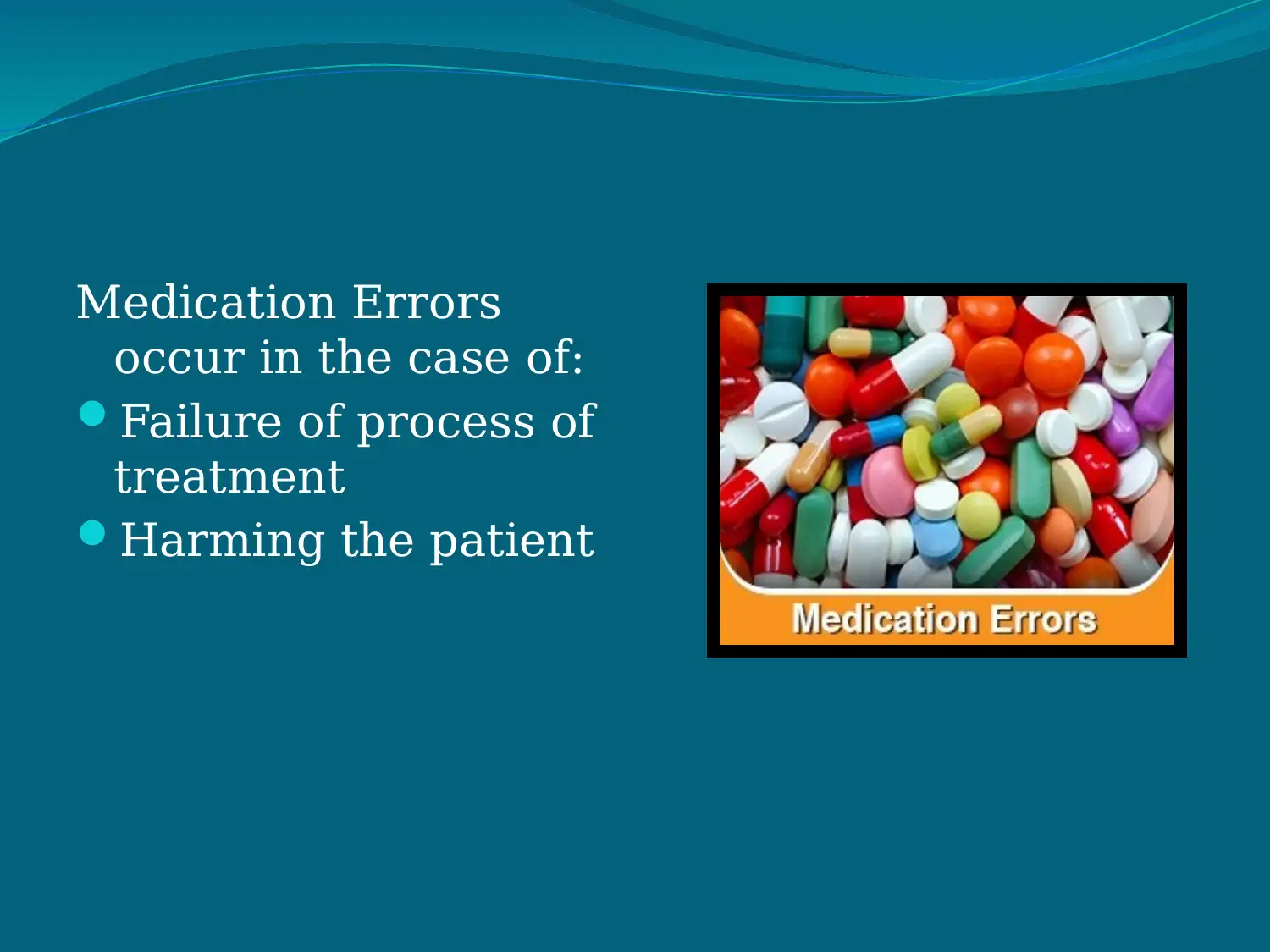
Medication Errors
occur in the case of:
Failure of process of
treatment
Harming the patient
Document Page
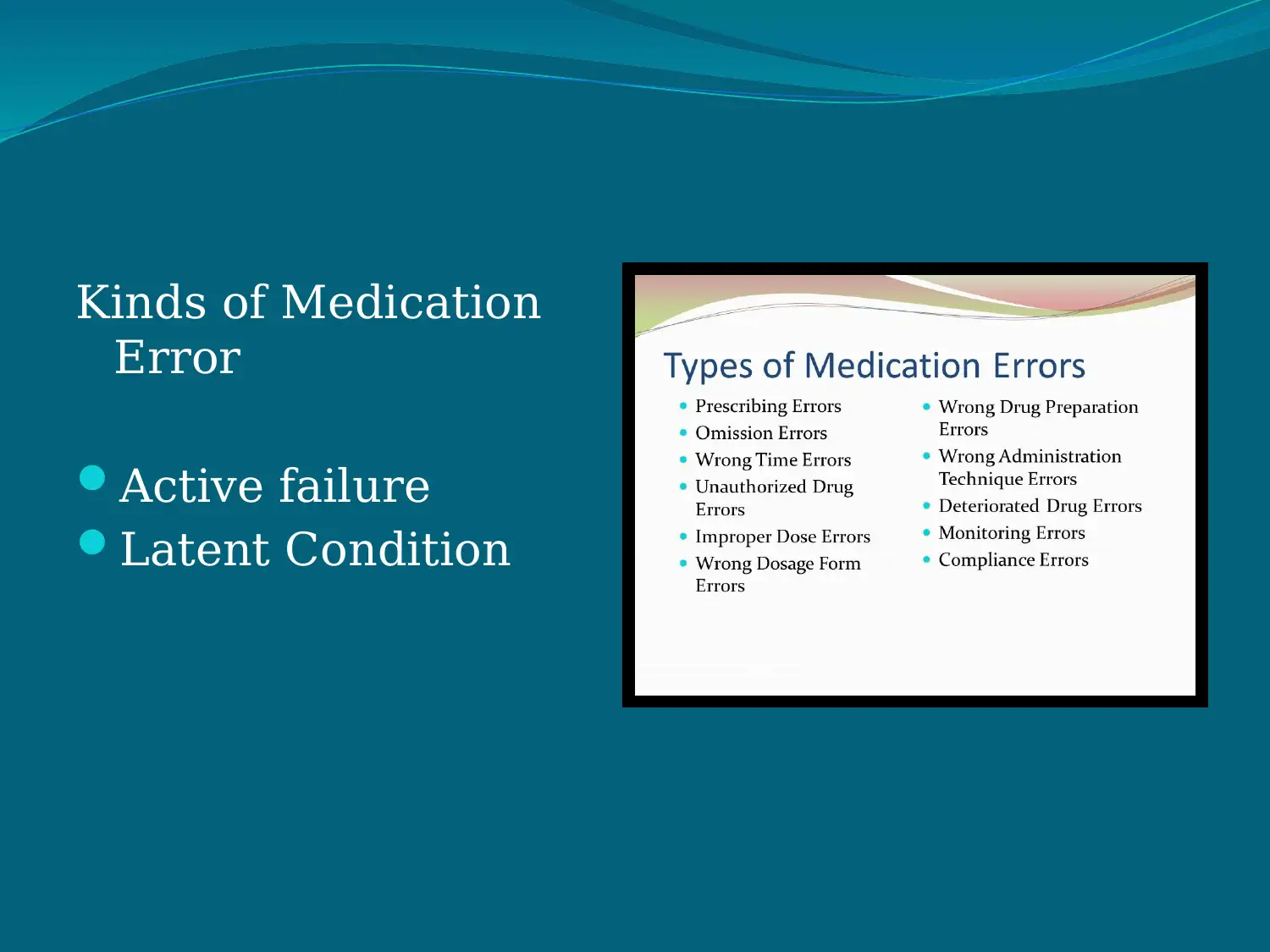
Kinds of Medication
Error
Active failure
Latent Condition
Document Page
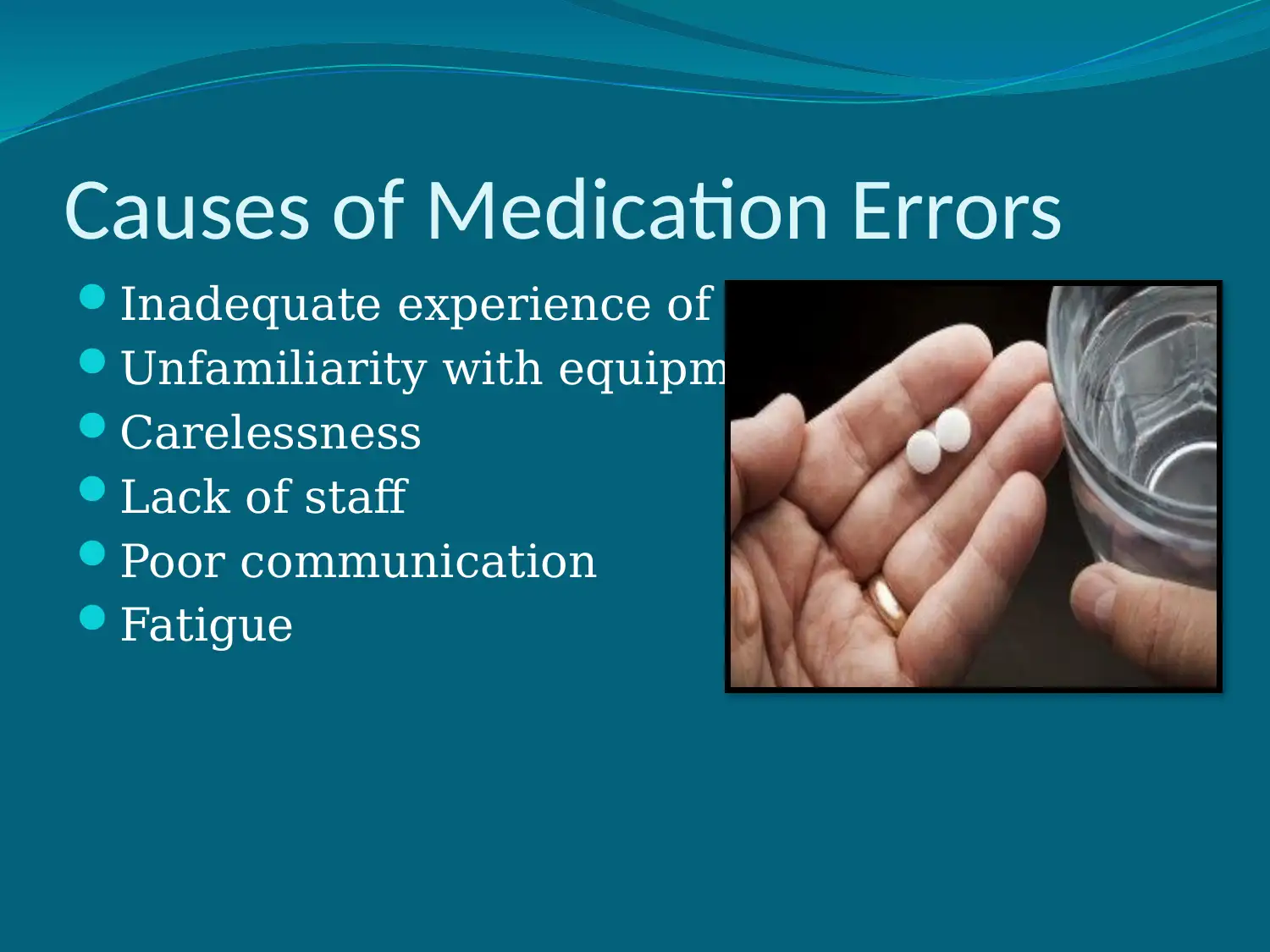
Causes of Medication Errors
Inadequate experience of staff
Unfamiliarity with equipment
Carelessness
Lack of staff
Poor communication
Fatigue
tabler-icon-diamond-filled.svg

Paraphrase This Document

Need a fresh take? Get an instant paraphrase of this document with our AI Paraphraser
Document Page
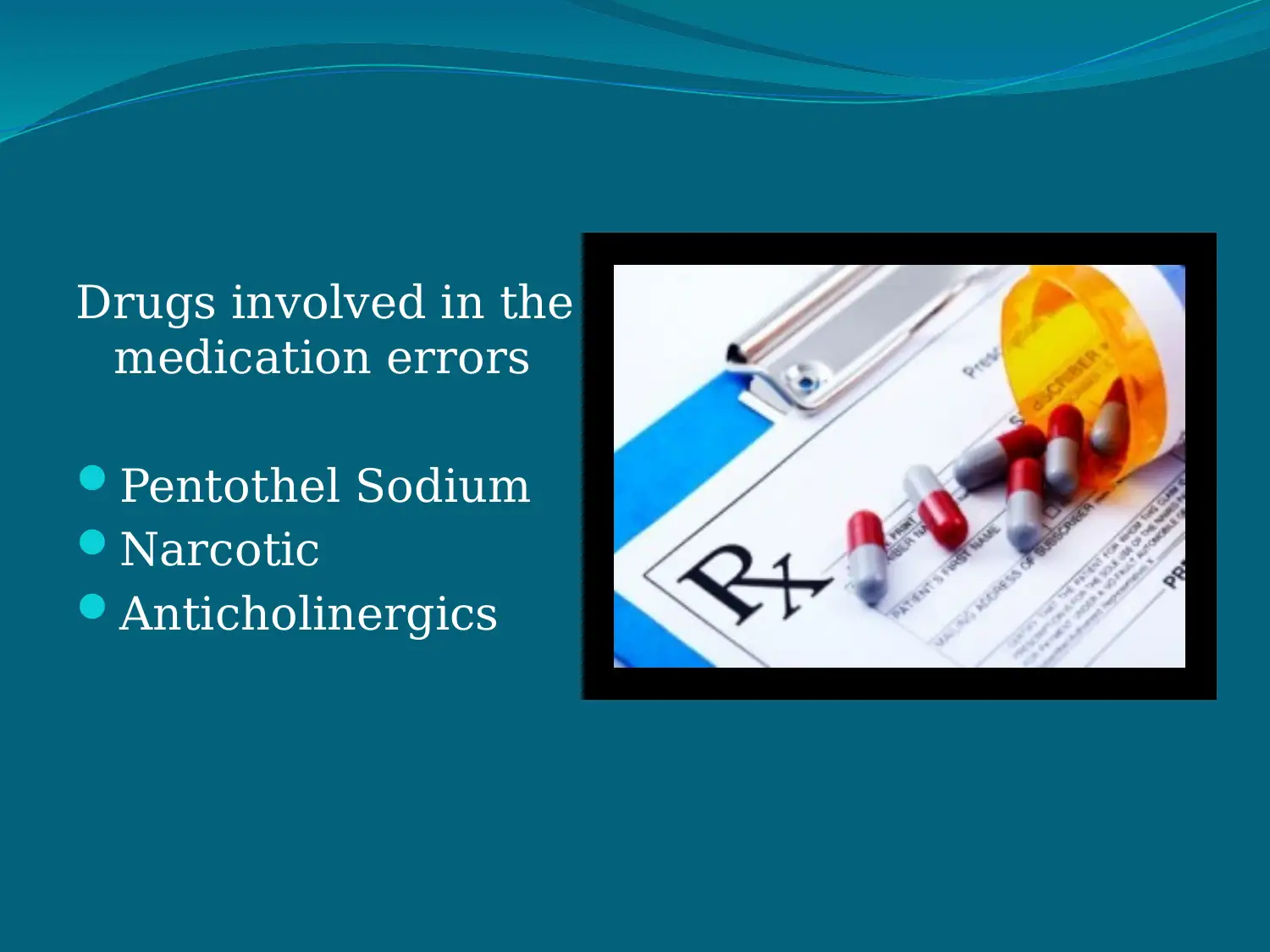
Drugs involved in the
medication errors
Pentothel Sodium
Narcotic
Anticholinergics
Document Page
Results of Medication Errors
Harm the health of that of the patient
Family loses confidence in the health care
organisation
The bad memories can haunt the patient
Document Page
Prevention of the medical errors in Anaesthesia
Accidents of
medication error not
reported owing to
Fear of being
blamed of
carelessness( Schiff
et al. 2015).
One will be deemed
as forgetful
tabler-icon-diamond-filled.svg

Paraphrase This Document

Need a fresh take? Get an instant paraphrase of this document with our AI Paraphraser
Document Page
Strategies for preventing drug
administration error in
operation room
Reduction of complex system to a
simple form that can help in
enhancing the factor of safety
(Koutkias et al. 2014)
Standardisation can be a basic
principle that can help in
designing a safe system
Thorough checking of that of the
ampoules and that of equipments
before the starting of the
procedure.
Vigilance during administration
of drug can be of great help
Document Page
The following strategies can play a pivotal role
in preventing medication errors (Wittich,
Burkle and Lanier 2014):
1.The label on that of the drug ampoule should
be read carefully before the injection of a drug
2.The contents of the labels on that of ampoules
along with that of syringes should be properly
optimized on the basis of agreed standard
pertaining to font, size and information
(Hutchinson et al. 2015).
3.The labelling of the syringes is an absolute
necessity
Document Page
4.Formal organisation in relation to the drug
drawers along with that of work space should
be given proper attention to in terms of tidiness
5.Dangerous drugs should be removed from that
of the operation system
6.The labels should be given proper attention to
and checked by taking recourse to a second
person or a device like that of bar code reader
7.The errors made during administration should
be subject to the process of reviewing
tabler-icon-diamond-filled.svg

Paraphrase This Document

Need a fresh take? Get an instant paraphrase of this document with our AI Paraphraser
Document Page
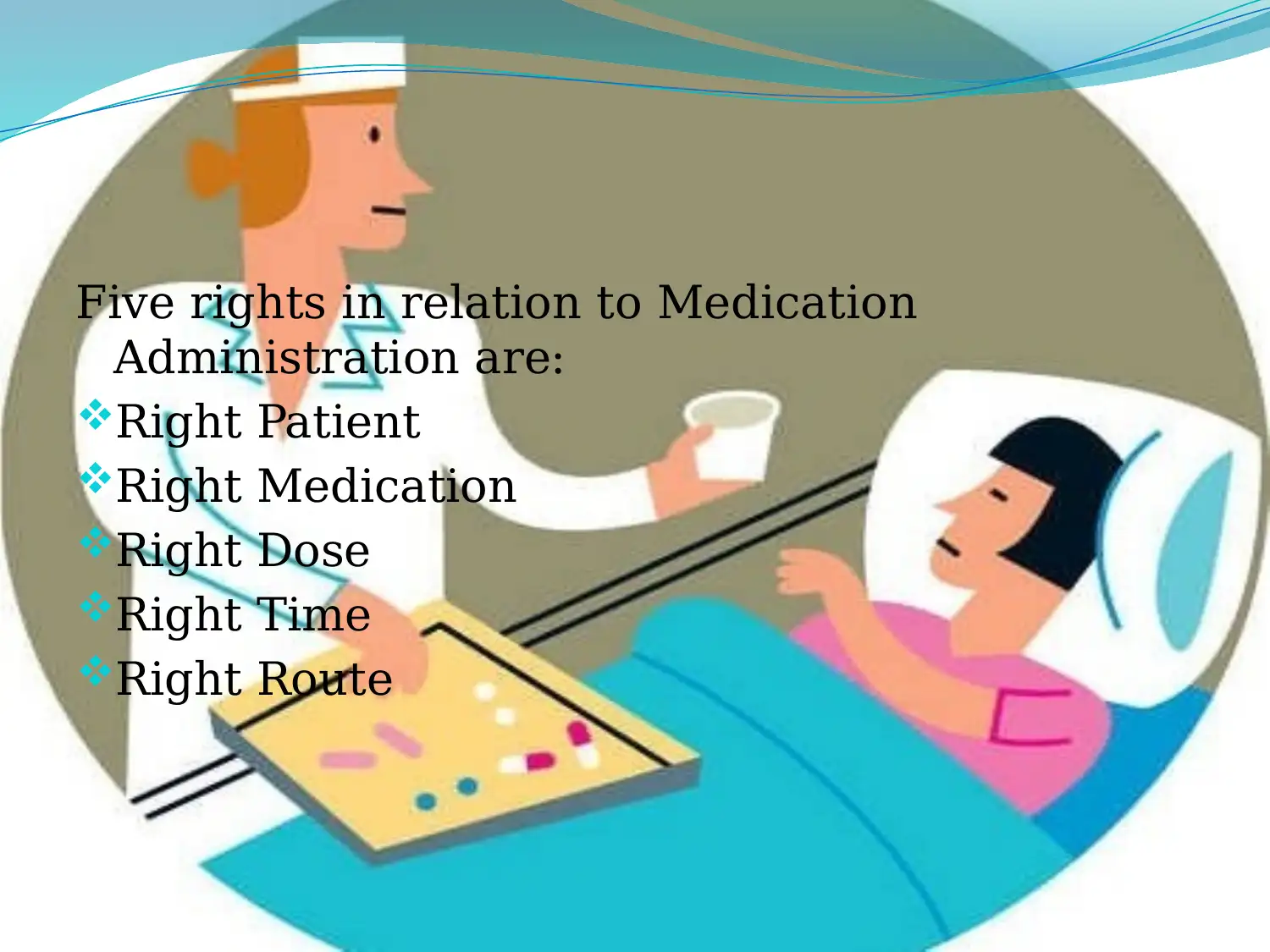
Five rights in relation to Medication
Administration are:
Right Patient
Right Medication
Right Dose
Right Time
Right Route
Document Page
Vulnerable System Syndrome:-
Organizational pathologies is responsible for
making each system prone to the errors
Tendency of blaming front line workers
Denying the existence of problematic
conditions
chevron_up_icon
1 out of 22
circle_padding
hide_on_mobile
zoom_out_icon
[object Object]