A Detailed Literature Review on Obesity and Public Health Promotion
VerifiedAdded on  2023/06/15
|22
|5539
|340
Literature Review
AI Summary
This literature review examines the public health issue of obesity, presenting a compilation of synopses and analyses from various sources. It includes summaries of two books addressing the ill effects of obesity, particularly on pregnant women, and strategies for diagnosis, prevention, and treatment. Five journal articles are reviewed, covering topics such as the link between decreased physical activity and obesity in the UK, the rise in childhood obesity, the effectiveness of family-based behavioral treatment, the relationship between obesity and gallbladder diseases, and the impact of taxation on sugar-sweetened beverages. Additionally, the review includes summaries of two websites, the National Obesity Forum and the National Health Service, highlighting their roles in raising awareness and providing information on obesity. Two electronic databases, one focusing on sedentary behavior and obesity studies and the other providing global BMI data, are also reviewed. The review further includes information on two organizations, the British Obesity Society and the World Health Organization, detailing their efforts to improve the lives of people affected by obesity and promote healthy lifestyles. Finally, statistical data is presented in the form of graphs illustrating the prevalence of obesity in adults and children, as well as the relationship between physical activity and obesity. This comprehensive review provides a broad overview of the multifaceted aspects of obesity and public health promotion.

Running head: PUBLIC HEALTH
Public Health Promotion on Obesity
Name of the Student:
Name of the University:
Author Note:
Public Health Promotion on Obesity
Name of the Student:
Name of the University:
Author Note:
Paraphrase This Document
Need a fresh take? Get an instant paraphrase of this document with our AI Paraphraser

1PUBLIC HEALTH
PART A
Book 1:
According to the Author, the ill effects of obesity has spread all over the world and
pregnant women who are especially obese are more vulnerable. Obsessive pregnant women
experience reduced fertility, however if they become pregnant then the ill effects of obesity are
transferred to both the mother and the child. Statistics reveal that 23% of the pregnant women in
Southern England are considered as obese. Obese pregnant women develop clinical
complications like gestational diabetes which poses problems in obstetric care.
Reference: Gillman, M.W. and Poston, L. eds., 2012. Maternal obesity. Cambridge University
Press.
Book 2:
The book presents a detailed account on the diagnosis, prevention and treatment of obesity.
According to the author, obesity is a global issue which poses as a threat to the different health
care systems that exist in several countries. Next issue that gets highlighted in this context is that
patient evaluation is vital for designing a therapy plan. Medication causes both the weight loss
and weight gain. Thus, the Author says that the proper medication is necessary to deal the weight
loss in the obese people. The worse part of obesity is that children are the worst affected by the
increased incidence of obesity and the possible reasons are bad eating habits and less physical
activities.
Reference: Bagchi, D. and Preuss, H.G. eds., 2012. Obesity: epidemiology, pathophysiology,
and prevention. CRC press.
PART A
Book 1:
According to the Author, the ill effects of obesity has spread all over the world and
pregnant women who are especially obese are more vulnerable. Obsessive pregnant women
experience reduced fertility, however if they become pregnant then the ill effects of obesity are
transferred to both the mother and the child. Statistics reveal that 23% of the pregnant women in
Southern England are considered as obese. Obese pregnant women develop clinical
complications like gestational diabetes which poses problems in obstetric care.
Reference: Gillman, M.W. and Poston, L. eds., 2012. Maternal obesity. Cambridge University
Press.
Book 2:
The book presents a detailed account on the diagnosis, prevention and treatment of obesity.
According to the author, obesity is a global issue which poses as a threat to the different health
care systems that exist in several countries. Next issue that gets highlighted in this context is that
patient evaluation is vital for designing a therapy plan. Medication causes both the weight loss
and weight gain. Thus, the Author says that the proper medication is necessary to deal the weight
loss in the obese people. The worse part of obesity is that children are the worst affected by the
increased incidence of obesity and the possible reasons are bad eating habits and less physical
activities.
Reference: Bagchi, D. and Preuss, H.G. eds., 2012. Obesity: epidemiology, pathophysiology,
and prevention. CRC press.

2PUBLIC HEALTH
Journal 1:
According to the Author, the increased incidence of obesity in UK can be attributed to the
decrease in physical activity and bad eating habits. The other causes are the decline in the
awareness of good diet and effective exercise strategies. The Author performed a doubly-labelled
water study based on the energy expenditure. The study highlighted that excessive food intake
which have high calorific value, has led to increased level of obesity and less physical activity
aggravated the health condition. Author also did a data analysis from the year 1955 till the year
2013 and it revealed that although the intake of high calorie food has reduced between 20% to
30% along with the fall in physical activity.
Reference: Millward, D.J., 2013. Energy balance and obesity: a UK perspective on the gluttony
v. sloth debate. Nutrition research reviews, 26(2), pp.89-109.
Journal 2:
According to the Author, the incidence of childhood obesity has increased significantly
within a single generation. Data from developed countries reveal that, the average weight of the
children has increased by 5kg within the time period of thirty years. Even the same is reported
from the less developed countries that have the issues related to under nutrition. Author also
suggests that better nutritional strategies must be framed so that children will be able to receive
good nutritious food at home and the overconsumption of less nutritious food must be prevented.
The promotion of energy rich nutritious food must be prevented because this will deteriorate the
health conditions of the children severely.
Journal 1:
According to the Author, the increased incidence of obesity in UK can be attributed to the
decrease in physical activity and bad eating habits. The other causes are the decline in the
awareness of good diet and effective exercise strategies. The Author performed a doubly-labelled
water study based on the energy expenditure. The study highlighted that excessive food intake
which have high calorific value, has led to increased level of obesity and less physical activity
aggravated the health condition. Author also did a data analysis from the year 1955 till the year
2013 and it revealed that although the intake of high calorie food has reduced between 20% to
30% along with the fall in physical activity.
Reference: Millward, D.J., 2013. Energy balance and obesity: a UK perspective on the gluttony
v. sloth debate. Nutrition research reviews, 26(2), pp.89-109.
Journal 2:
According to the Author, the incidence of childhood obesity has increased significantly
within a single generation. Data from developed countries reveal that, the average weight of the
children has increased by 5kg within the time period of thirty years. Even the same is reported
from the less developed countries that have the issues related to under nutrition. Author also
suggests that better nutritional strategies must be framed so that children will be able to receive
good nutritious food at home and the overconsumption of less nutritious food must be prevented.
The promotion of energy rich nutritious food must be prevented because this will deteriorate the
health conditions of the children severely.
⊘ This is a preview!⊘
Do you want full access?
Subscribe today to unlock all pages.

Trusted by 1+ million students worldwide

3PUBLIC HEALTH
Reference: Lobstein, T., Jackson-Leach, R., Moodie, M.L., Hall, K.D., Gortmaker, S.L.,
Swinburn, B.A., James, W.P.T., Wang, Y. and McPherson, K., 2015. Child and adolescent
obesity: part of a bigger picture. The Lancet, 385(9986), pp.2510-2520.
Journal 3:
Through a randomized control trial, the effectiveness and acceptability of the family
based behavioral treatment for the assessment of childhood obesity in a community of socially
diverse families. In this trial 72 obese children were taken for the sample study. The data were
collected based on the parameters like BMI, weight, height, waist and their respective SDSs. The
FFM index and FM index along blood pressure are also considered for the study. Results
indicated that the treatment group showed reduction in systolic blood pressure and improvements
in eating attitudes and quality of life. However, no positive changes were found in the control
group.
Reference: Croker, H., Viner, R.M., Nicholls, D., Haroun, D., Chadwick, P., Edwards, C.,
Wells, J.C. and Wardle, J., 2012. Family-based behavioural treatment of childhood obesity in a
UK National Health Service setting: randomized controlled trial. International Journal of
Obesity, 36(1), pp.16-26.
Journal 4:
Obesity is considered as the major health problem in world over, and at the obesity can
lead to several complications in health. The diseases that arise due to the incidence of obesity are
the cardiovascular diseases, diabetes, metabolic syndrome. Due to obesity, fat gets infiltrated in
to blood vessels and the several organs of the body. Fat gets deposited in to the adipose tissue
and due to this cytokine are produced which act as an important risk factor for the development
Reference: Lobstein, T., Jackson-Leach, R., Moodie, M.L., Hall, K.D., Gortmaker, S.L.,
Swinburn, B.A., James, W.P.T., Wang, Y. and McPherson, K., 2015. Child and adolescent
obesity: part of a bigger picture. The Lancet, 385(9986), pp.2510-2520.
Journal 3:
Through a randomized control trial, the effectiveness and acceptability of the family
based behavioral treatment for the assessment of childhood obesity in a community of socially
diverse families. In this trial 72 obese children were taken for the sample study. The data were
collected based on the parameters like BMI, weight, height, waist and their respective SDSs. The
FFM index and FM index along blood pressure are also considered for the study. Results
indicated that the treatment group showed reduction in systolic blood pressure and improvements
in eating attitudes and quality of life. However, no positive changes were found in the control
group.
Reference: Croker, H., Viner, R.M., Nicholls, D., Haroun, D., Chadwick, P., Edwards, C.,
Wells, J.C. and Wardle, J., 2012. Family-based behavioural treatment of childhood obesity in a
UK National Health Service setting: randomized controlled trial. International Journal of
Obesity, 36(1), pp.16-26.
Journal 4:
Obesity is considered as the major health problem in world over, and at the obesity can
lead to several complications in health. The diseases that arise due to the incidence of obesity are
the cardiovascular diseases, diabetes, metabolic syndrome. Due to obesity, fat gets infiltrated in
to blood vessels and the several organs of the body. Fat gets deposited in to the adipose tissue
and due to this cytokine are produced which act as an important risk factor for the development
Paraphrase This Document
Need a fresh take? Get an instant paraphrase of this document with our AI Paraphraser

4PUBLIC HEALTH
of gall stones. Studies reveal that metabolic syndrome, insulin resistance, obesity,
hyperinsulinemia are all related to the development of all bladder diseases and the gall bladder
stones.
Reference: Jeong, S.U. and Lee, S.K., 2012. Obesity and gallbladder diseases. The Korean
Journal of Gastroenterology, 59(1), pp.27-34.
Journal 5:
The Author performed a comparative and econometric risk assessment study based on the
effect of 20% taxation on the sugar sweetened beverages and its relation with the obesity in
United Kingdom. The population considered for the study included the adults who are aged 16
and over. The results of the study revealed that 20% taxation on the sugar sweetened beverages
effectively reduced the number of obese adults by 1.3% and among the people who are
overweight, by 0.9%. The positive effects are noticed majorly in the adults, however it showed
no big difference among the income groups.
References: Briggs, A.D., Mytton, O.T., Kehlbacher, A., Tiffin, R., Rayner, M. and
Scarborough, P., 2013. Overall and income specific effect on prevalence of overweight and
obesity of 20% sugar sweetened drink tax in UK: econometric and comparative risk assessment
modelling study. Bmj, 347, p.f6189.
Website 1:
National Obesity forum (NOF) is formed in the year 2000 and it is a charity that works to
increase the awareness among the UK citizens and promotes ways through which obesity can be
prevented effectively. The several ways that NOF undertakes includes initiatives like public
facing, providing training to the health care professionals and the clinicians on how to manage
of gall stones. Studies reveal that metabolic syndrome, insulin resistance, obesity,
hyperinsulinemia are all related to the development of all bladder diseases and the gall bladder
stones.
Reference: Jeong, S.U. and Lee, S.K., 2012. Obesity and gallbladder diseases. The Korean
Journal of Gastroenterology, 59(1), pp.27-34.
Journal 5:
The Author performed a comparative and econometric risk assessment study based on the
effect of 20% taxation on the sugar sweetened beverages and its relation with the obesity in
United Kingdom. The population considered for the study included the adults who are aged 16
and over. The results of the study revealed that 20% taxation on the sugar sweetened beverages
effectively reduced the number of obese adults by 1.3% and among the people who are
overweight, by 0.9%. The positive effects are noticed majorly in the adults, however it showed
no big difference among the income groups.
References: Briggs, A.D., Mytton, O.T., Kehlbacher, A., Tiffin, R., Rayner, M. and
Scarborough, P., 2013. Overall and income specific effect on prevalence of overweight and
obesity of 20% sugar sweetened drink tax in UK: econometric and comparative risk assessment
modelling study. Bmj, 347, p.f6189.
Website 1:
National Obesity forum (NOF) is formed in the year 2000 and it is a charity that works to
increase the awareness among the UK citizens and promotes ways through which obesity can be
prevented effectively. The several ways that NOF undertakes includes initiatives like public
facing, providing training to the health care professionals and the clinicians on how to manage

5PUBLIC HEALTH
obesity and weight management issues. The National Obesity Forum organizes campaign that
spreads awareness among the citizens of United Kingdom regarding the obesity control through
life style changes that are manageable and achievable.
Reference: Nationalobesityforum.org.uk (2017). National Obesity Forum - About the NOF.
[online] Nationalobesityforum.org.uk. Available at:
http://www.nationalobesityforum.org.uk/index.php/about-the-nof.html [Accessed 16 Dec. 2017].
Website 2:
National Health Service was launched in 1948 and is a publicly funded healthcare
provider of England. According to the site, BMI or body mass index is widely used to quantify a
person’s health in relation to their weight. BMI gives a measure of whether a person is having
right body weight as per their height. Maintaining a healthy lifestyle to tackle to risks of obesity
is the best measure. However, the risk posed by the obesity ranges from coronary heart disease,
type 2 diabetes, stroke and breast cancer. Obesity is a potential health disruptor and it affects a
person psychologically which leads to low self-esteem and depression.
Reference: NHS.uk (2017). Obesity. [online] NHS.uk. Available at:
https://www.nhs.uk/conditions/obesity/#defining-obesity [Accessed 16 Dec. 2017].
Electronic Database 1:
The database is provided on the sedentary behaviour and obesity studies, the data
provided are unique and aims to bring out a positive relationship between the obesity and
sedentary behaviour. The database consists of 326 studies from around the world. The reviews
are specifically assessed and coded that helps to keep a track of the variables that are present in
the study. The data are keyworded systematically like study location, gender, age and the
obesity and weight management issues. The National Obesity Forum organizes campaign that
spreads awareness among the citizens of United Kingdom regarding the obesity control through
life style changes that are manageable and achievable.
Reference: Nationalobesityforum.org.uk (2017). National Obesity Forum - About the NOF.
[online] Nationalobesityforum.org.uk. Available at:
http://www.nationalobesityforum.org.uk/index.php/about-the-nof.html [Accessed 16 Dec. 2017].
Website 2:
National Health Service was launched in 1948 and is a publicly funded healthcare
provider of England. According to the site, BMI or body mass index is widely used to quantify a
person’s health in relation to their weight. BMI gives a measure of whether a person is having
right body weight as per their height. Maintaining a healthy lifestyle to tackle to risks of obesity
is the best measure. However, the risk posed by the obesity ranges from coronary heart disease,
type 2 diabetes, stroke and breast cancer. Obesity is a potential health disruptor and it affects a
person psychologically which leads to low self-esteem and depression.
Reference: NHS.uk (2017). Obesity. [online] NHS.uk. Available at:
https://www.nhs.uk/conditions/obesity/#defining-obesity [Accessed 16 Dec. 2017].
Electronic Database 1:
The database is provided on the sedentary behaviour and obesity studies, the data
provided are unique and aims to bring out a positive relationship between the obesity and
sedentary behaviour. The database consists of 326 studies from around the world. The reviews
are specifically assessed and coded that helps to keep a track of the variables that are present in
the study. The data are keyworded systematically like study location, gender, age and the
⊘ This is a preview!⊘
Do you want full access?
Subscribe today to unlock all pages.

Trusted by 1+ million students worldwide

6PUBLIC HEALTH
direction of the relationship of the study groups. The reports generated from the database are
represented through visuals mapping and proper advice is provided.
Reference: Eppi.ioe.ac.uk (2017). Database introduction. [online] Eppi.ioe.ac.uk. Available at:
http://eppi.ioe.ac.uk/webdatabases/intro.aspx?ID=16 [Accessed 16 Dec. 2017].
Electronic database 2:
This database is available in the WHO global website, it gives access to global database
on the Body Mass Index (BMI) that provides both national and regional obesity prevalence
among the adults that are overweight and underweight. The data are also found based on the year
of the survey, country and gender. The information is well represented through interactive
graphs, charts, tables and also provide downloadable documents. The BMI indexes are based on
the age of both the genders. The risks associated with the increased BMI among the both men
and women varies from one population to another.
Reference: Apps.who.int (2017). WHO :: Global Database on Body Mass Index. [online]
Apps.who.int. Available at: http://apps.who.int/bmi/index.jsp [Accessed 16 Dec. 2017].
Organization 1:
British Obesity Society (BOS) is British charity that work for improving the life of the
people that are working and living with the issues of obesity. The organization works in
improving the health services and strives to develop a healthy community in United Kingdom.
The organization help the UK citizens who lives are disrupted by obesity. The organization have
the experience of several years in the field of obesity. The works of the organization involve
advancing the public knowledge related to obesity and promoting an understanding of health
direction of the relationship of the study groups. The reports generated from the database are
represented through visuals mapping and proper advice is provided.
Reference: Eppi.ioe.ac.uk (2017). Database introduction. [online] Eppi.ioe.ac.uk. Available at:
http://eppi.ioe.ac.uk/webdatabases/intro.aspx?ID=16 [Accessed 16 Dec. 2017].
Electronic database 2:
This database is available in the WHO global website, it gives access to global database
on the Body Mass Index (BMI) that provides both national and regional obesity prevalence
among the adults that are overweight and underweight. The data are also found based on the year
of the survey, country and gender. The information is well represented through interactive
graphs, charts, tables and also provide downloadable documents. The BMI indexes are based on
the age of both the genders. The risks associated with the increased BMI among the both men
and women varies from one population to another.
Reference: Apps.who.int (2017). WHO :: Global Database on Body Mass Index. [online]
Apps.who.int. Available at: http://apps.who.int/bmi/index.jsp [Accessed 16 Dec. 2017].
Organization 1:
British Obesity Society (BOS) is British charity that work for improving the life of the
people that are working and living with the issues of obesity. The organization works in
improving the health services and strives to develop a healthy community in United Kingdom.
The organization help the UK citizens who lives are disrupted by obesity. The organization have
the experience of several years in the field of obesity. The works of the organization involve
advancing the public knowledge related to obesity and promoting an understanding of health
Paraphrase This Document
Need a fresh take? Get an instant paraphrase of this document with our AI Paraphraser

7PUBLIC HEALTH
lifestyle and weight. The organization also supports and helps other organizations and
communities that work in the field of obesity.
Address:
British Obesity Society
Foxbourne Business Centre
Heath Mill Close
Wolverhampton
WV5 8EX
Reference: Britishobesitysoc (2017). britishobesitysoc. [online] britishobesitysoc. Available at:
https://www.britishobesitysociety.org/who-we-are [Accessed 16 Dec. 2017].
Organization 2:
World Health Organization (WHO) have the goal of building a healthy future for all the
global citizens. The offices of WHO are located in over 150 countries through which with the
qualified workers. WHO works along with the government of the respective countries and other
health organizations in order to attain a healthy for the people worldwide. According to this
organization, overweight and obesity are designated as a condition in which excessive
accumulation of fat is termed to be presenting risk to health. Body Mass Index or BMI is
quantified to measure the obesity of a person. Both overweigh and obesity are the causal agents
of several chronic diseases that leads to the development of other diseases like cardiovascular
diseases, cancer and diabetes.
lifestyle and weight. The organization also supports and helps other organizations and
communities that work in the field of obesity.
Address:
British Obesity Society
Foxbourne Business Centre
Heath Mill Close
Wolverhampton
WV5 8EX
Reference: Britishobesitysoc (2017). britishobesitysoc. [online] britishobesitysoc. Available at:
https://www.britishobesitysociety.org/who-we-are [Accessed 16 Dec. 2017].
Organization 2:
World Health Organization (WHO) have the goal of building a healthy future for all the
global citizens. The offices of WHO are located in over 150 countries through which with the
qualified workers. WHO works along with the government of the respective countries and other
health organizations in order to attain a healthy for the people worldwide. According to this
organization, overweight and obesity are designated as a condition in which excessive
accumulation of fat is termed to be presenting risk to health. Body Mass Index or BMI is
quantified to measure the obesity of a person. Both overweigh and obesity are the causal agents
of several chronic diseases that leads to the development of other diseases like cardiovascular
diseases, cancer and diabetes.

8PUBLIC HEALTH
Address:
WHO Headquarters in Geneva
Avenue Appia 20
1202 Geneva
Telephone: +41-22-7912111
Reference: Who.int (2017). WHO | Obesity. [online] Who.int. Available at:
http://www.who.int/topics/obesity/en/ [Accessed 16 Dec. 2017].
Statistical Data:
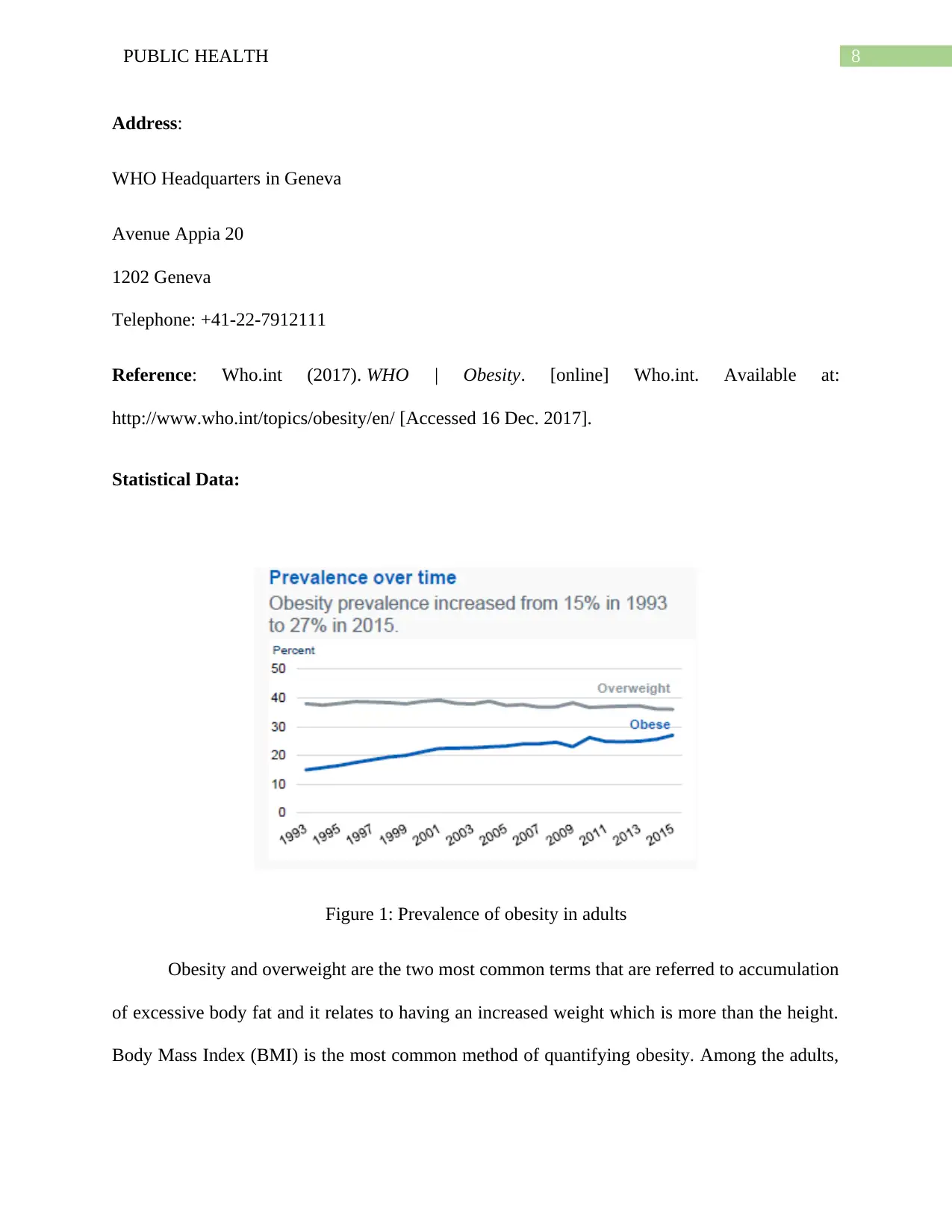
Figure 1: Prevalence of obesity in adults
Obesity and overweight are the two most common terms that are referred to accumulation
of excessive body fat and it relates to having an increased weight which is more than the height.
Body Mass Index (BMI) is the most common method of quantifying obesity. Among the adults,
Address:
WHO Headquarters in Geneva
Avenue Appia 20
1202 Geneva
Telephone: +41-22-7912111
Reference: Who.int (2017). WHO | Obesity. [online] Who.int. Available at:
http://www.who.int/topics/obesity/en/ [Accessed 16 Dec. 2017].
Statistical Data:
Figure 1: Prevalence of obesity in adults
Obesity and overweight are the two most common terms that are referred to accumulation
of excessive body fat and it relates to having an increased weight which is more than the height.
Body Mass Index (BMI) is the most common method of quantifying obesity. Among the adults,
⊘ This is a preview!⊘
Do you want full access?
Subscribe today to unlock all pages.

Trusted by 1+ million students worldwide

9PUBLIC HEALTH
a BMI measure of 25 to 29kg/m2 is considered as overweight. While a score of 30kg/m2 or more
is considered as obese.
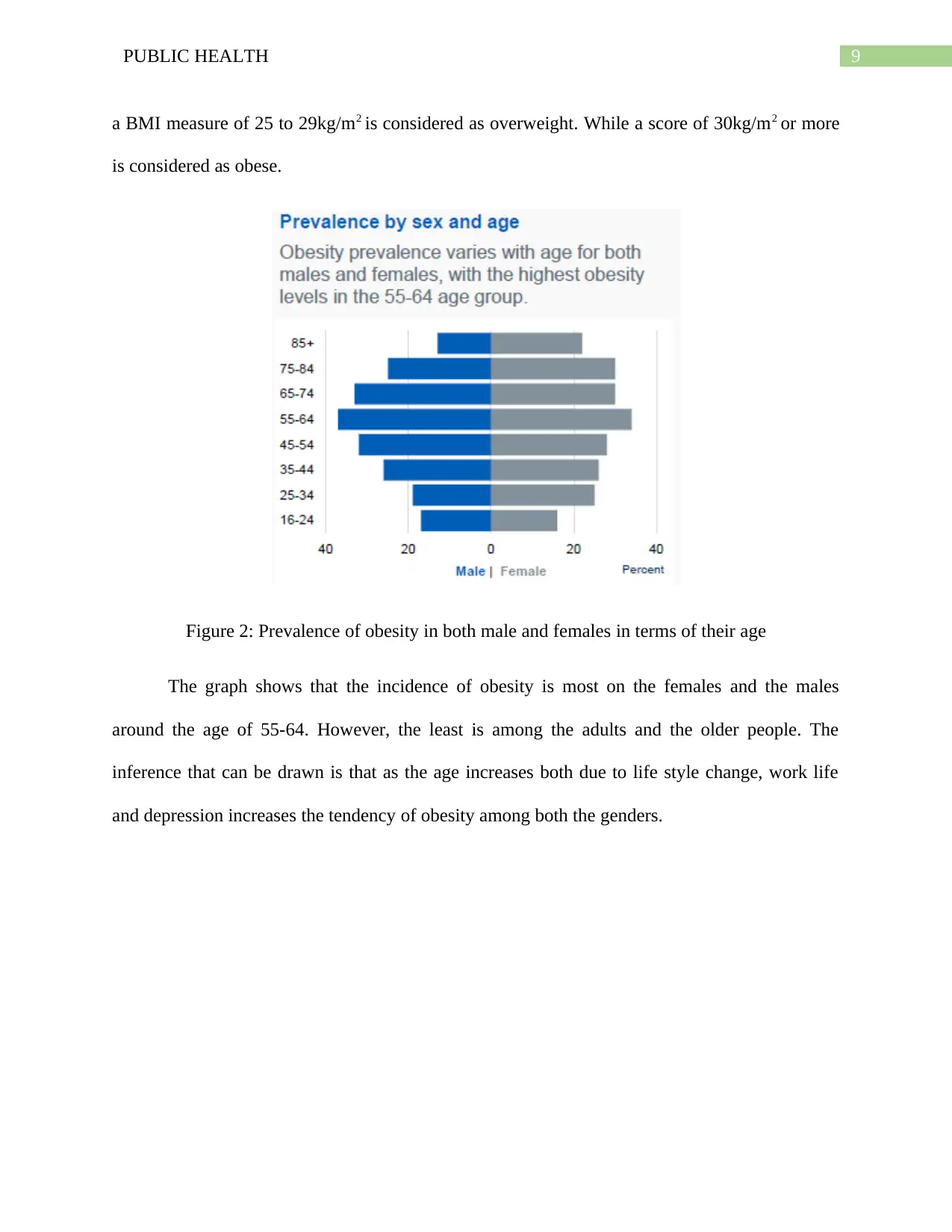
Figure 2: Prevalence of obesity in both male and females in terms of their age
The graph shows that the incidence of obesity is most on the females and the males
around the age of 55-64. However, the least is among the adults and the older people. The
inference that can be drawn is that as the age increases both due to life style change, work life
and depression increases the tendency of obesity among both the genders.
a BMI measure of 25 to 29kg/m2 is considered as overweight. While a score of 30kg/m2 or more
is considered as obese.
Figure 2: Prevalence of obesity in both male and females in terms of their age
The graph shows that the incidence of obesity is most on the females and the males
around the age of 55-64. However, the least is among the adults and the older people. The
inference that can be drawn is that as the age increases both due to life style change, work life
and depression increases the tendency of obesity among both the genders.
Paraphrase This Document
Need a fresh take? Get an instant paraphrase of this document with our AI Paraphraser

10PUBLIC HEALTH
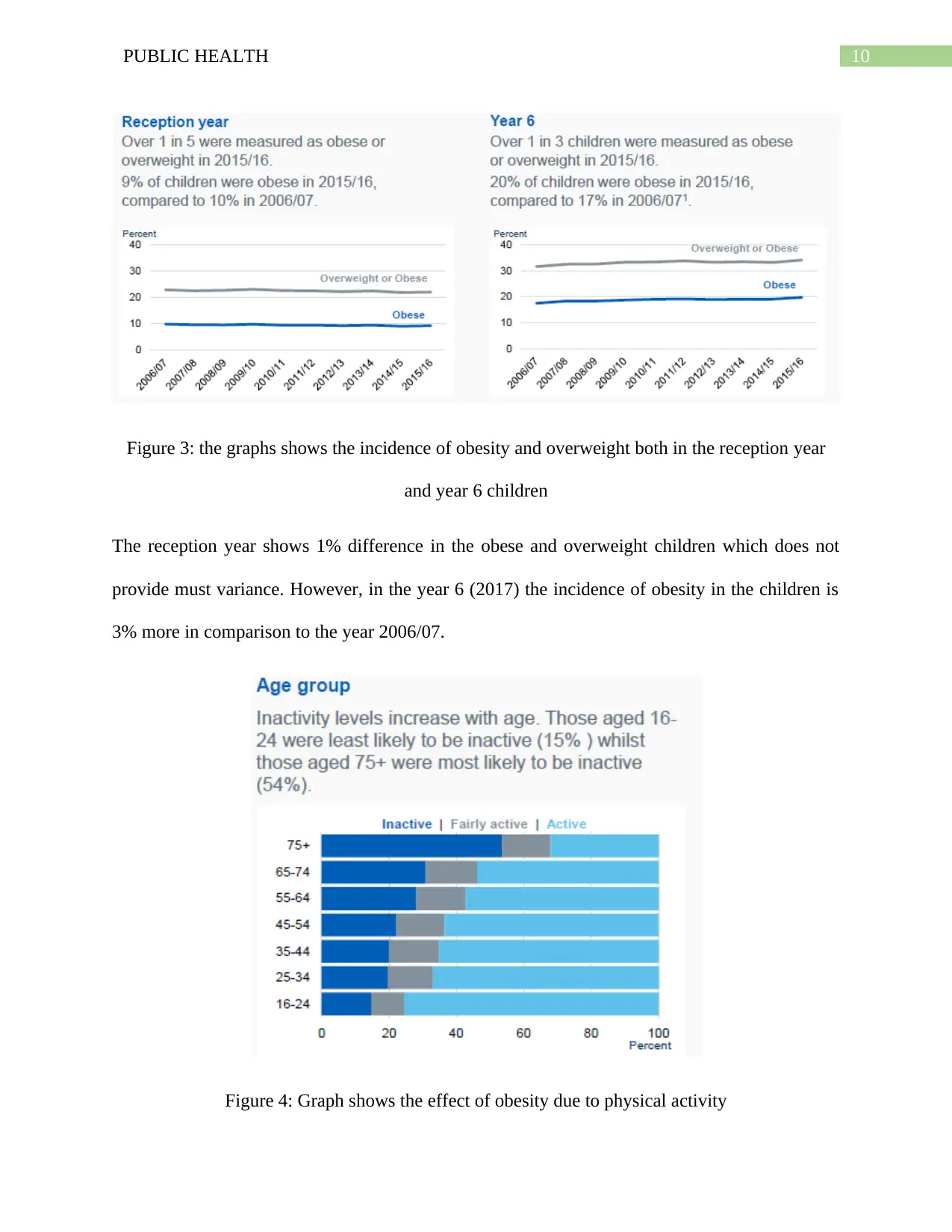
Figure 3: the graphs shows the incidence of obesity and overweight both in the reception year
and year 6 children
The reception year shows 1% difference in the obese and overweight children which does not
provide must variance. However, in the year 6 (2017) the incidence of obesity in the children is
3% more in comparison to the year 2006/07.
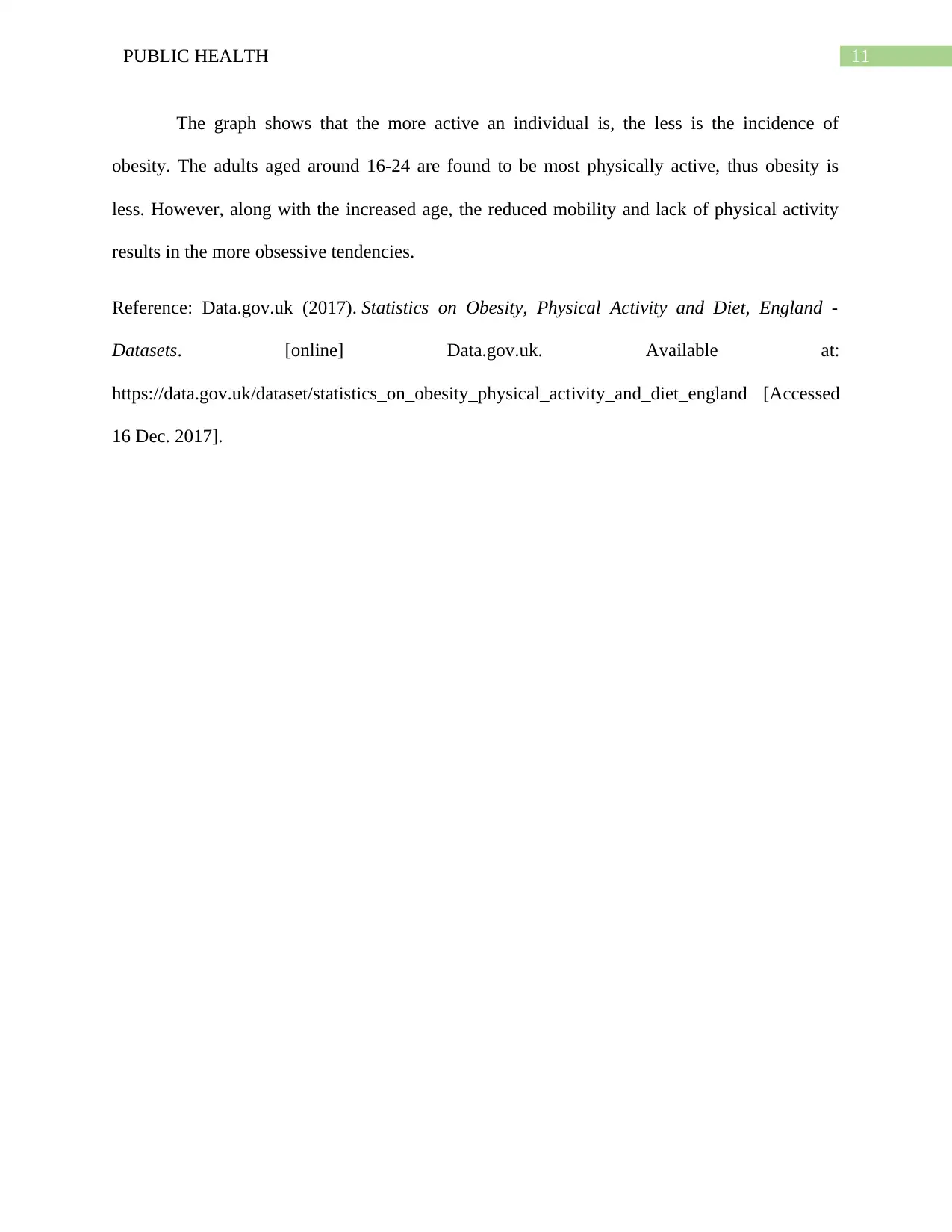
Figure 4: Graph shows the effect of obesity due to physical activity
Figure 3: the graphs shows the incidence of obesity and overweight both in the reception year
and year 6 children
The reception year shows 1% difference in the obese and overweight children which does not
provide must variance. However, in the year 6 (2017) the incidence of obesity in the children is
3% more in comparison to the year 2006/07.
Figure 4: Graph shows the effect of obesity due to physical activity

11PUBLIC HEALTH
The graph shows that the more active an individual is, the less is the incidence of
obesity. The adults aged around 16-24 are found to be most physically active, thus obesity is
less. However, along with the increased age, the reduced mobility and lack of physical activity
results in the more obsessive tendencies.
Reference: Data.gov.uk (2017). Statistics on Obesity, Physical Activity and Diet, England -
Datasets. [online] Data.gov.uk. Available at:
https://data.gov.uk/dataset/statistics_on_obesity_physical_activity_and_diet_england [Accessed
16 Dec. 2017].
The graph shows that the more active an individual is, the less is the incidence of
obesity. The adults aged around 16-24 are found to be most physically active, thus obesity is
less. However, along with the increased age, the reduced mobility and lack of physical activity
results in the more obsessive tendencies.
Reference: Data.gov.uk (2017). Statistics on Obesity, Physical Activity and Diet, England -
Datasets. [online] Data.gov.uk. Available at:
https://data.gov.uk/dataset/statistics_on_obesity_physical_activity_and_diet_england [Accessed
16 Dec. 2017].
⊘ This is a preview!⊘
Do you want full access?
Subscribe today to unlock all pages.

Trusted by 1+ million students worldwide
1 out of 22
Related Documents
Your All-in-One AI-Powered Toolkit for Academic Success.
 +13062052269
info@desklib.com
Available 24*7 on WhatsApp / Email
Unlock your academic potential
Copyright © 2020–2026 A2Z Services. All Rights Reserved. Developed and managed by ZUCOL.