A Comprehensive Analysis of Qualitative Interviews and Observation
VerifiedAdded on 2023/06/11
|11
|2503
|137
Report
AI Summary
This report delves into qualitative interview techniques, highlighting essential factors for interviewers such as designing clear, unbiased questions, active listening, and avoiding leading questions or distractions. It analyzes a video interview, assessing the interviewer's approach in building rapport and eliciting detailed responses. The report also examines participant observation, differentiating between overt and covert methods, and discussing their respective strengths and limitations in ethnographic research. It emphasizes the dual role of the sociologist as both a participant and an observer, aiming to provide a comprehensive understanding of a group's values and beliefs. The document concludes by referencing relevant books and journals, and it is available on Desklib, a platform offering a wide range of study tools and solved assignments for students.

Interview

Paraphrase This Document
Need a fresh take? Get an instant paraphrase of this document with our AI Paraphraser
Table of Contents
a)......................................................................................................................................................3
b)......................................................................................................................................................4
C).....................................................................................................................................................5
REFERENCES................................................................................................................................8
Mind maps.......................................................................................................................................9
a)......................................................................................................................................................3
b)......................................................................................................................................................4
C).....................................................................................................................................................5
REFERENCES................................................................................................................................8
Mind maps.......................................................................................................................................9
a)
Qualitative research interviews are in-depth interviews in which feedback is generated from
Leeds or customers. There are certain factors that an interviewer must keep in mind while they
are collecting data through a qualitative interview. Below mentioned are various factors that an
interviewer should keep in mind while conducting an interview:
The interview questions must be designed keeping in mind the plan structure. It is required by
interviewer to make sure that most of the question hour close ended questions. The questions
should avoid leading and it should be clear and easy for a respondent to understand the question.
The questions design should also be aligned with data analysis goals and data collection goals.
The interviewer must make sure that they include first get to know interviewerquestions in order
to make sure that the participants are put at ease while they give the interview.
Active listening is one of the key point while taking an interview and the interviewer is required
to pay attention to everything that respondent is saying while giving the interview.
Body language cues provided by the respondent during an interview is an important factor that is
to be considered by an interviewer along with acknowledging the emotions and avoiding any
interrogation during the interview.
After the interview ends the interviewer must also ask respondents about any subjects or
information they need to add in the interview. It will allow the researcher to further get
information about the topic and also gain insight from the respondents about the research topic.
The interviewer must make constant eye contact with the respondent along with using a lean in
body language to show that they are listening. They should not get distracted during the
interview and also use verbal affirmations. Paraphrasing the answer and referencing earlier
answers will allow them to show that they are listening to what the respondent is saying.
There are certain factors which must be avoided by an interviewer while they are taking an
interview. Below mentioned are some of such factors:
An interviewer must avoid leading the participant in asking yes no questions during the
interview. It will allow them to get authentic information from the respondents.
It is necessary that an interviewer avoid creating an environment that is socially biased for the
respondent.
Interrupting the respondents while their answering any questions should be avoided by the
interviewer.
Qualitative research interviews are in-depth interviews in which feedback is generated from
Leeds or customers. There are certain factors that an interviewer must keep in mind while they
are collecting data through a qualitative interview. Below mentioned are various factors that an
interviewer should keep in mind while conducting an interview:
The interview questions must be designed keeping in mind the plan structure. It is required by
interviewer to make sure that most of the question hour close ended questions. The questions
should avoid leading and it should be clear and easy for a respondent to understand the question.
The questions design should also be aligned with data analysis goals and data collection goals.
The interviewer must make sure that they include first get to know interviewerquestions in order
to make sure that the participants are put at ease while they give the interview.
Active listening is one of the key point while taking an interview and the interviewer is required
to pay attention to everything that respondent is saying while giving the interview.
Body language cues provided by the respondent during an interview is an important factor that is
to be considered by an interviewer along with acknowledging the emotions and avoiding any
interrogation during the interview.
After the interview ends the interviewer must also ask respondents about any subjects or
information they need to add in the interview. It will allow the researcher to further get
information about the topic and also gain insight from the respondents about the research topic.
The interviewer must make constant eye contact with the respondent along with using a lean in
body language to show that they are listening. They should not get distracted during the
interview and also use verbal affirmations. Paraphrasing the answer and referencing earlier
answers will allow them to show that they are listening to what the respondent is saying.
There are certain factors which must be avoided by an interviewer while they are taking an
interview. Below mentioned are some of such factors:
An interviewer must avoid leading the participant in asking yes no questions during the
interview. It will allow them to get authentic information from the respondents.
It is necessary that an interviewer avoid creating an environment that is socially biased for the
respondent.
Interrupting the respondents while their answering any questions should be avoided by the
interviewer.
⊘ This is a preview!⊘
Do you want full access?
Subscribe today to unlock all pages.

Trusted by 1+ million students worldwide
An interviewer must avoid getting distracted or using unnecessary questions during the
interview. It is required by the interviewer to make sure that they are not forgetting any required
questions and focusing upon every question while they take the interview.
The interviewer should also avoid asking any double-barreled questions which might confuse the
respondent.
Not doing any research beforehand the interview upon the subject regarding which the
interviews been taken can lead to ineffective data collection for a researcher.
The researcher is also yeah not allowed to use multiple people for coding the data along with
reviewing the results with the participants that might hamper the data which is collected.
b)
The interviewer in this video introduced the topic to the interviewee in very happy manner. This
is the best way to introduce the interview topic before starting any conversation. She introduced
herself first and asked about name of the interviewee. In a qualitative interview, it is very
important to make the interaction interactive
The speed of the interviewer was normal which is the best type of pitch that a person can have
while taking the interview. Her behaviour was very nice. She made the interview comfortable by
asking her what is her profession and what is her name. Her body language was also fine. The
approach used for building the rapid with the interview was very positive. She gets into her
personal stuff so that she gets to know what are the major factors of the nurse which is the
interview. She asked her about the training process and what were the difficulties faced by her.
The interviewer was very respectful. She listened to the interview in every manner and supported
her with the statement provided. The way in which he was asking the questions were very good.
The questions were objectively asked and explained to the interview way Which helped in
knowing the interview in a better manner. This also helped in managing the conduction of
interviewing almost prominent manner. The interview was open-ended an interviewee was
allowed freedom to provide her answers in a most effective manual.
The interviewer was explaining agent every detail of the question to the interviewees so that she
did not hesitate and have fear of providing any type of problems faced. This interview was about
the training provided to nurses and in such case there are some confidential activities which were
faced by the nose. She was provided full freedom to talk about it and interviewer helped her to
take up positive approach for solving her problem.
interview. It is required by the interviewer to make sure that they are not forgetting any required
questions and focusing upon every question while they take the interview.
The interviewer should also avoid asking any double-barreled questions which might confuse the
respondent.
Not doing any research beforehand the interview upon the subject regarding which the
interviews been taken can lead to ineffective data collection for a researcher.
The researcher is also yeah not allowed to use multiple people for coding the data along with
reviewing the results with the participants that might hamper the data which is collected.
b)
The interviewer in this video introduced the topic to the interviewee in very happy manner. This
is the best way to introduce the interview topic before starting any conversation. She introduced
herself first and asked about name of the interviewee. In a qualitative interview, it is very
important to make the interaction interactive
The speed of the interviewer was normal which is the best type of pitch that a person can have
while taking the interview. Her behaviour was very nice. She made the interview comfortable by
asking her what is her profession and what is her name. Her body language was also fine. The
approach used for building the rapid with the interview was very positive. She gets into her
personal stuff so that she gets to know what are the major factors of the nurse which is the
interview. She asked her about the training process and what were the difficulties faced by her.
The interviewer was very respectful. She listened to the interview in every manner and supported
her with the statement provided. The way in which he was asking the questions were very good.
The questions were objectively asked and explained to the interview way Which helped in
knowing the interview in a better manner. This also helped in managing the conduction of
interviewing almost prominent manner. The interview was open-ended an interviewee was
allowed freedom to provide her answers in a most effective manual.
The interviewer was explaining agent every detail of the question to the interviewees so that she
did not hesitate and have fear of providing any type of problems faced. This interview was about
the training provided to nurses and in such case there are some confidential activities which were
faced by the nose. She was provided full freedom to talk about it and interviewer helped her to
take up positive approach for solving her problem.
Paraphrase This Document
Need a fresh take? Get an instant paraphrase of this document with our AI Paraphraser
There are following points which are evaluated by this interview. Following are the steps to be
taken in mind while taking a good qualitative interview –
Open-minded and curious. When speaking with others, always probe deeper. As fresh
lines of investigation become available, pursue them. Don't let your present knowledge
prevent the interviewer from learning something new; it's often preferable to act as if
interviewer doesn’t know anything at all.
Ethical. Don't be afraid to push them to go further, but don't make them feel
uncomfortable or force them to do something they don't want to do. It is sometimes
acceptable to conceal certain details temporarily in order to avoid misleading participants,
and in a corporate environment, you will frequently be required to conceal the true
purpose of research, the client, and other commercially sensitive information — this is
usually not permitted in academic research.
Using a variety of research approaches. To unearth the un-obvious insights, tailor them to
the individual characteristics of your participants and the study issue, especially when
and where the interviewer aren’t interviewing someone in person. Plan ahead of time to
ensure that prices and timelines do not restrict interviewer from adopting the strategies
that interviewer know will produce the best outcomes.
Patient and empathetic. For effective communication, interviewer must be able to connect
and bond with a variety of personalities. Make each participant feel important by
listening to them and demonstrating that they are being heard via the way the interviewer
connect with them.
C)
Participant observation is a type of data collection which is used by a number of researchers in
ethnography and qualitative research. It is a methodology that is employed in a number of
disciplines specially for communication studies, sociology, social psychology and human
geography. It is a qualitative method for data collection which helps in providing descriptive
information through human behaviours and also experiences regarding a particular context.
Through this approach a researcher is unable to participate within a social group and also
observe people along with their environment. It includes an effort from the investigator who tries
to gain entrants into social acceptance towards a foreign culture or a alien group so that they can
attain a comprehensive understanding of the structure which is internal to that society.
taken in mind while taking a good qualitative interview –
Open-minded and curious. When speaking with others, always probe deeper. As fresh
lines of investigation become available, pursue them. Don't let your present knowledge
prevent the interviewer from learning something new; it's often preferable to act as if
interviewer doesn’t know anything at all.
Ethical. Don't be afraid to push them to go further, but don't make them feel
uncomfortable or force them to do something they don't want to do. It is sometimes
acceptable to conceal certain details temporarily in order to avoid misleading participants,
and in a corporate environment, you will frequently be required to conceal the true
purpose of research, the client, and other commercially sensitive information — this is
usually not permitted in academic research.
Using a variety of research approaches. To unearth the un-obvious insights, tailor them to
the individual characteristics of your participants and the study issue, especially when
and where the interviewer aren’t interviewing someone in person. Plan ahead of time to
ensure that prices and timelines do not restrict interviewer from adopting the strategies
that interviewer know will produce the best outcomes.
Patient and empathetic. For effective communication, interviewer must be able to connect
and bond with a variety of personalities. Make each participant feel important by
listening to them and demonstrating that they are being heard via the way the interviewer
connect with them.
C)
Participant observation is a type of data collection which is used by a number of researchers in
ethnography and qualitative research. It is a methodology that is employed in a number of
disciplines specially for communication studies, sociology, social psychology and human
geography. It is a qualitative method for data collection which helps in providing descriptive
information through human behaviours and also experiences regarding a particular context.
Through this approach a researcher is unable to participate within a social group and also
observe people along with their environment. It includes an effort from the investigator who tries
to gain entrants into social acceptance towards a foreign culture or a alien group so that they can
attain a comprehensive understanding of the structure which is internal to that society.
Participant observation provides the researcher with a better understanding about what is
happening in the culture and also lends the credence to interpretations of observation which have
been taken by the researcher. It enables the researcher to collect qualitative as well as
quantitative data using interviews and surveys. It helps the researcher to understand and see
people and comparing their actions and words.
There are basically two different types of observation overt
and covert observation. Overt observation is where a group is studied by a researcher and the
group is aware of the fact that they are being observed. Whereas in covert observation the group
which is being studied do not have the knowledge that they are being observed by any
researcher. This research goes under cover. There are various strengths and limitations to both
the observation methods. Overt research is more ethical as there is no deception and it also
allows the researcher to ask questions to the respondents and the respondents are aware that the
observation is going on. Whereas in covert research the only way through which the researcher
can gain access to deviant groups is that they gain full immersion in the host culture however
there is deception involved in this kind of observation and it is also not ethical. This observation
can often be stressful for the researcher as well. Overt Observation however often can be
hampered as the observants are known of the fact that they are being observed. It might not allow
the researcher with insight of the knowledge of observant and they can act as they desire while
they are already known of the fact that they are been observed in the social environment.
Overt observation can also be combined through various in-depth interviews in order to debrief
and also learn various perspective or hidden agendas of people while the researcher is attending a
meeting with them. However when Overt observation includes nonparticipant observation it can
be biased as people often seek to improve aspect of their behaviour because they are aware of the
fact that they are being observed. Covert observation is a study where the subjects are not aware
of the fact that they are being observed and researcher also pretend to be a passerby or customer
in this observation. It minimises the risk where people are being affected due to the presence of
interviewer or researcher. It also sets aside various ethical concerns and often in this method of
observation people are unwilling to participate in the research. It is suggested by researchers that
overt participation observation is biased whereas covert observation is non-biased due to the
unawareness amongst observants. Both the observation methods can be successfully used by the
researcher as they have different advantages and disadvantages. It is required by a researcher to
happening in the culture and also lends the credence to interpretations of observation which have
been taken by the researcher. It enables the researcher to collect qualitative as well as
quantitative data using interviews and surveys. It helps the researcher to understand and see
people and comparing their actions and words.
There are basically two different types of observation overt
and covert observation. Overt observation is where a group is studied by a researcher and the
group is aware of the fact that they are being observed. Whereas in covert observation the group
which is being studied do not have the knowledge that they are being observed by any
researcher. This research goes under cover. There are various strengths and limitations to both
the observation methods. Overt research is more ethical as there is no deception and it also
allows the researcher to ask questions to the respondents and the respondents are aware that the
observation is going on. Whereas in covert research the only way through which the researcher
can gain access to deviant groups is that they gain full immersion in the host culture however
there is deception involved in this kind of observation and it is also not ethical. This observation
can often be stressful for the researcher as well. Overt Observation however often can be
hampered as the observants are known of the fact that they are being observed. It might not allow
the researcher with insight of the knowledge of observant and they can act as they desire while
they are already known of the fact that they are been observed in the social environment.
Overt observation can also be combined through various in-depth interviews in order to debrief
and also learn various perspective or hidden agendas of people while the researcher is attending a
meeting with them. However when Overt observation includes nonparticipant observation it can
be biased as people often seek to improve aspect of their behaviour because they are aware of the
fact that they are being observed. Covert observation is a study where the subjects are not aware
of the fact that they are being observed and researcher also pretend to be a passerby or customer
in this observation. It minimises the risk where people are being affected due to the presence of
interviewer or researcher. It also sets aside various ethical concerns and often in this method of
observation people are unwilling to participate in the research. It is suggested by researchers that
overt participation observation is biased whereas covert observation is non-biased due to the
unawareness amongst observants. Both the observation methods can be successfully used by the
researcher as they have different advantages and disadvantages. It is required by a researcher to
⊘ This is a preview!⊘
Do you want full access?
Subscribe today to unlock all pages.
Trusted by 1+ million students worldwide
understand the topic of the research and take decisions upon which observation method should
be chosen based upon objectives and requirements of the research.
When a sociologist uses the participant observation method, also known as ethnographic
research, he or she becomes a member of the group being studied in order to collect data and
better understand a social phenomenon or problem. The researcher must simultaneously play two
roles during participant observation: subjective participant and objective observer. The group is
sometimes, but not always, aware that the sociologist is observing them. The purpose of
participant observation is to get a comprehensive insight of a group of people, their values,
beliefs, and way of life. Frequently, the target group is a subculture of a larger society, such as a
religious, occupational, or community group. To do participant observation, the researcher
frequently lives within the group, becomes a part of it, and lives as a group member for an
extended length of time, giving them access to the group's and community's most intimate details
and goings-on. In order to connect with and acquire additional access to the group, the researcher
must be a subjective participant in the sense that they must employ knowledge gained from
personal involvement with the study subjects. This component adds a layer of detail to survey
data that is otherwise missing.
be chosen based upon objectives and requirements of the research.
When a sociologist uses the participant observation method, also known as ethnographic
research, he or she becomes a member of the group being studied in order to collect data and
better understand a social phenomenon or problem. The researcher must simultaneously play two
roles during participant observation: subjective participant and objective observer. The group is
sometimes, but not always, aware that the sociologist is observing them. The purpose of
participant observation is to get a comprehensive insight of a group of people, their values,
beliefs, and way of life. Frequently, the target group is a subculture of a larger society, such as a
religious, occupational, or community group. To do participant observation, the researcher
frequently lives within the group, becomes a part of it, and lives as a group member for an
extended length of time, giving them access to the group's and community's most intimate details
and goings-on. In order to connect with and acquire additional access to the group, the researcher
must be a subjective participant in the sense that they must employ knowledge gained from
personal involvement with the study subjects. This component adds a layer of detail to survey
data that is otherwise missing.
Paraphrase This Document
Need a fresh take? Get an instant paraphrase of this document with our AI Paraphraser
REFERENCES
Books and Journals
Aughterson, H., McKinlay, A.R., Fancourt, D. and Burton, A., 2021. Psychosocial impact on
frontline health and social care professionals in the UK during the COVID-19 pandemic: a
qualitative interview study. BMJ open, 11(2), p.e047353.
Gillard, S., Dare, C., Hardy, J., Nyikavaranda, P., Rowan Olive, R., Shah, P., Birken, M., Foye,
U., Ocloo, J., Pearce, E. and Stefanidou, T., 2021. Experiences of living with mental health
problems during the COVID-19 pandemic in the UK: a coproduced, participatory qualitative
interview study. Social psychiatry and psychiatric epidemiology, 56(8), pp.1447-1457.
Krouwel, M., Jolly, K. and Greenfield, S., 2019. Comparing Skype (video calling) and in-person
qualitative interview modes in a study of people with irritable bowel syndrome–an exploratory
comparative analysis. BMC medical research methodology, 19(1), pp.1-9.
Verhoeven, V., Tsakitzidis, G., Philips, H. and Van Royen, P., 2020. Impact of the COVID-19
pandemic on the core functions of primary care: will the cure be worse than the disease? A
qualitative interview study in Flemish GPs. BMJ open, 10(6), p.e039674.
Wemrell, M., Stjernlöf, S., Aenishänslin, J., Lila, M., Gracia, E. and Ivert, A.K., 2019. Towards
understanding the Nordic paradox: A review of qualitative interview studies on intimate partner
violence against women (IPVAW) in Sweden. Sociology Compass, 13(6), p.e12699.
Books and Journals
Aughterson, H., McKinlay, A.R., Fancourt, D. and Burton, A., 2021. Psychosocial impact on
frontline health and social care professionals in the UK during the COVID-19 pandemic: a
qualitative interview study. BMJ open, 11(2), p.e047353.
Gillard, S., Dare, C., Hardy, J., Nyikavaranda, P., Rowan Olive, R., Shah, P., Birken, M., Foye,
U., Ocloo, J., Pearce, E. and Stefanidou, T., 2021. Experiences of living with mental health
problems during the COVID-19 pandemic in the UK: a coproduced, participatory qualitative
interview study. Social psychiatry and psychiatric epidemiology, 56(8), pp.1447-1457.
Krouwel, M., Jolly, K. and Greenfield, S., 2019. Comparing Skype (video calling) and in-person
qualitative interview modes in a study of people with irritable bowel syndrome–an exploratory
comparative analysis. BMC medical research methodology, 19(1), pp.1-9.
Verhoeven, V., Tsakitzidis, G., Philips, H. and Van Royen, P., 2020. Impact of the COVID-19
pandemic on the core functions of primary care: will the cure be worse than the disease? A
qualitative interview study in Flemish GPs. BMJ open, 10(6), p.e039674.
Wemrell, M., Stjernlöf, S., Aenishänslin, J., Lila, M., Gracia, E. and Ivert, A.K., 2019. Towards
understanding the Nordic paradox: A review of qualitative interview studies on intimate partner
violence against women (IPVAW) in Sweden. Sociology Compass, 13(6), p.e12699.

⊘ This is a preview!⊘
Do you want full access?
Subscribe today to unlock all pages.
Trusted by 1+ million students worldwide
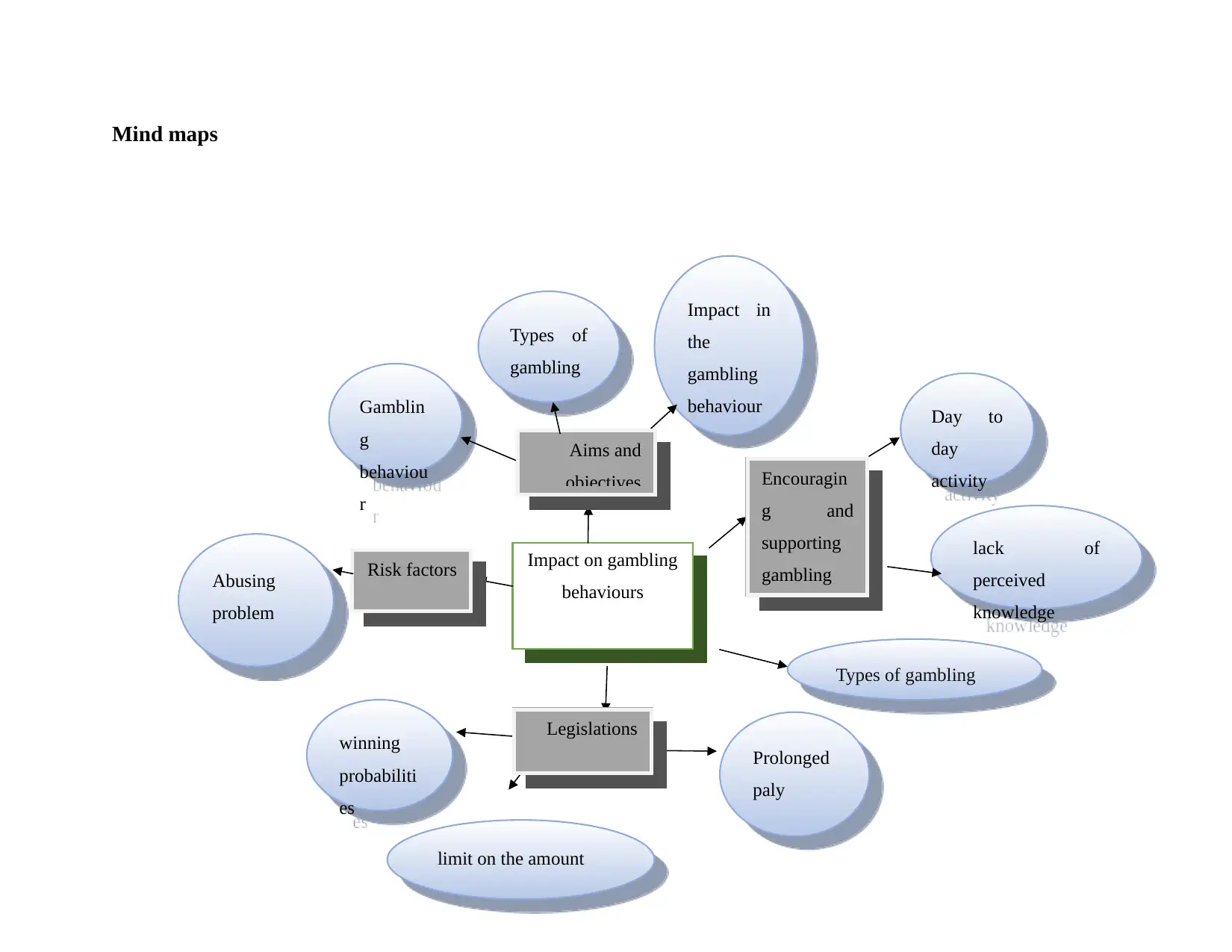
Mind maps
Impact on gambling
behaviours
Types of
gambling
Day to
day
activity
Types of gambling
Prolonged
paly
limit on the amount
winning
probabiliti
es
Gamblin
g
behaviou
r
Impact in
the
gambling
behaviour
Abusing
problem
Encouragin
g and
supporting
gambling
Aims and
objectives
Legislations
Risk factors
lack of
perceived
knowledge
Impact on gambling
behaviours
Types of
gambling
Day to
day
activity
Types of gambling
Prolonged
paly
limit on the amount
winning
probabiliti
es
Gamblin
g
behaviou
r
Impact in
the
gambling
behaviour
Abusing
problem
Encouragin
g and
supporting
gambling
Aims and
objectives
Legislations
Risk factors
lack of
perceived
knowledge
Paraphrase This Document
Need a fresh take? Get an instant paraphrase of this document with our AI Paraphraser
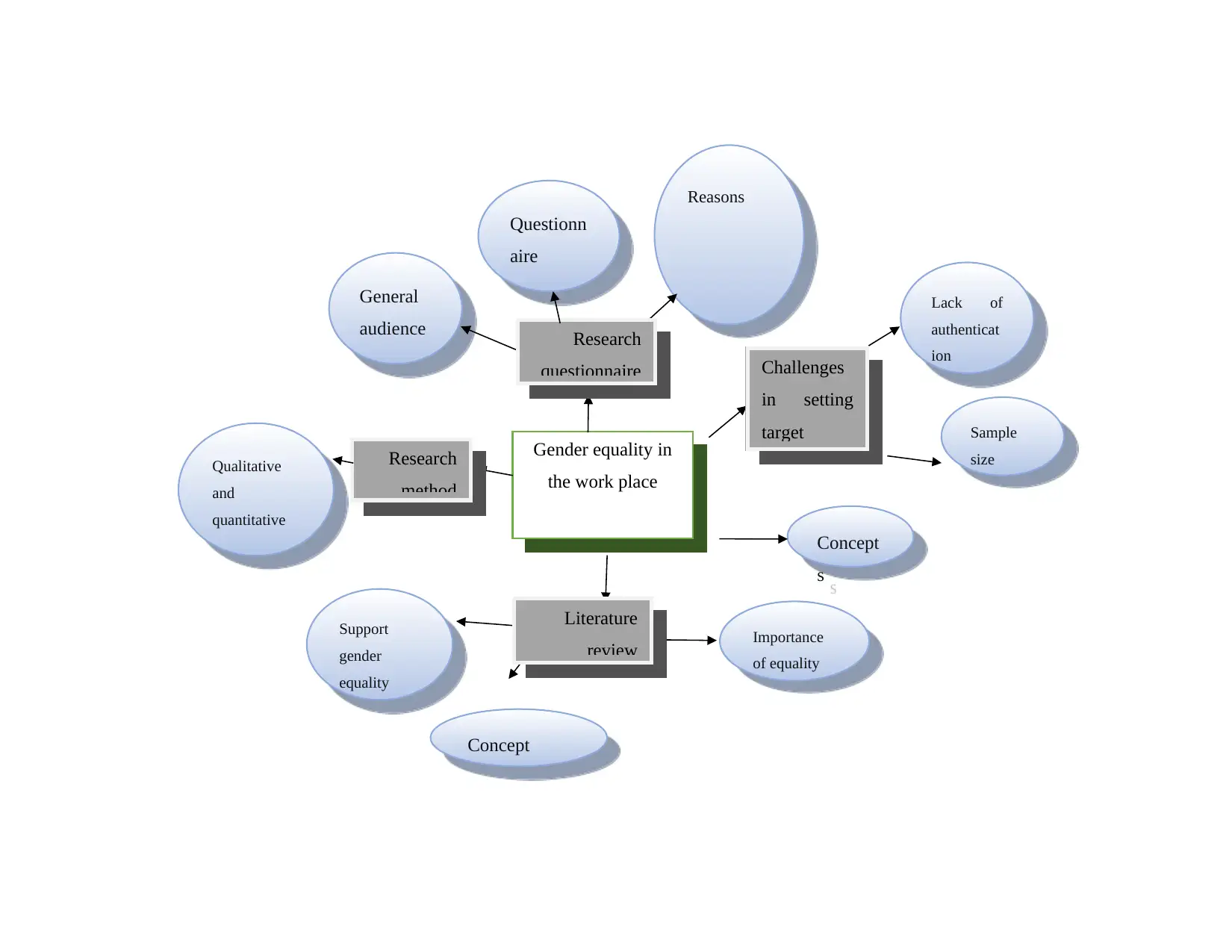
Gender equality in
the work place
Questionn
aire
Lack of
authenticat
ion
Concept
s
Importance
of equality
Concept
Support
gender
equality
General
audience
Reasons
Qualitative
and
quantitative
Challenges
in setting
target
Research
questionnaire
Literature
review
Research
method
Sample
size
the work place
Questionn
aire
Lack of
authenticat
ion
Concept
s
Importance
of equality
Concept
Support
gender
equality
General
audience
Reasons
Qualitative
and
quantitative
Challenges
in setting
target
Research
questionnaire
Literature
review
Research
method
Sample
size

1 out of 11


Related Documents


Your All-in-One AI-Powered Toolkit for Academic Success.
+13062052269
info@desklib.com
Available 24*7 on WhatsApp / Email
![[object Object]](/_next/static/media/star-bottom.7253800d.svg)
Unlock your academic potential
Copyright © 2020–2026 A2Z Services. All Rights Reserved. Developed and managed by ZUCOL.