Analysis of Travel and Tourism Sector: Thomas Cook Group Report
VerifiedAdded on 2020/02/05
|16
|4738
|38
Report
AI Summary
This report provides a comprehensive analysis of the travel and tourism sector, focusing on the Thomas Cook Group as a case study. It begins by outlining the key differences between travel and tourism organizations, differentiating them based on defining characteristics, size, value, legal status, and structure. The report then assesses the responsibilities of tourism businesses towards various stakeholders, including employees, customers, shareholders, the environment, and the government. Furthermore, it explores the strategic analysis employed by tourism businesses, detailing strategies such as human resource policies, environmental strategies, financial policies, and equal opportunities policies. The report also examines the impact of national economic factors, including changes in the economy, size, and growth, on the travel and tourism sector. It then analyzes the influence of government measurements, such as monetary policy, interest rates, competition policy, and environmental policy, on the industry. Finally, the report discusses the economic and social benefits of tourism in developing countries and the impact of political unrest, natural disasters, and accidents on the travel and tourism sector, providing a well-rounded overview of the industry's dynamics and challenges.

TRAVEL AND
TOURISM
ORGANIZATION IN
GLOBAL CONTEXT
TOURISM
ORGANIZATION IN
GLOBAL CONTEXT

Paraphrase This Document
Need a fresh take? Get an instant paraphrase of this document with our AI Paraphraser
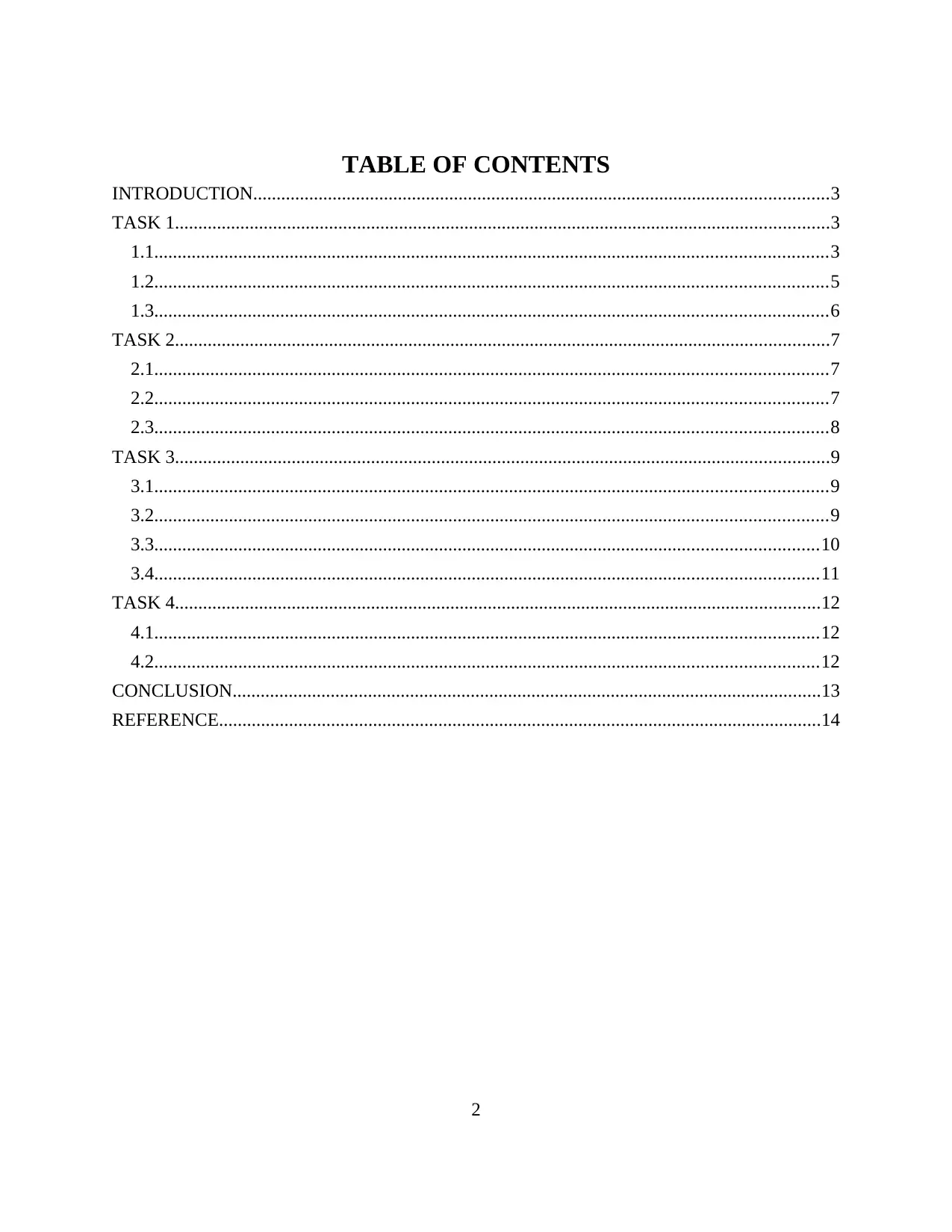
TABLE OF CONTENTS
INTRODUCTION...........................................................................................................................3
TASK 1............................................................................................................................................3
1.1................................................................................................................................................3
1.2................................................................................................................................................5
1.3................................................................................................................................................6
TASK 2............................................................................................................................................7
2.1................................................................................................................................................7
2.2................................................................................................................................................7
2.3................................................................................................................................................8
TASK 3............................................................................................................................................9
3.1................................................................................................................................................9
3.2................................................................................................................................................9
3.3..............................................................................................................................................10
3.4..............................................................................................................................................11
TASK 4..........................................................................................................................................12
4.1..............................................................................................................................................12
4.2..............................................................................................................................................12
CONCLUSION..............................................................................................................................13
REFERENCE.................................................................................................................................14
2
INTRODUCTION...........................................................................................................................3
TASK 1............................................................................................................................................3
1.1................................................................................................................................................3
1.2................................................................................................................................................5
1.3................................................................................................................................................6
TASK 2............................................................................................................................................7
2.1................................................................................................................................................7
2.2................................................................................................................................................7
2.3................................................................................................................................................8
TASK 3............................................................................................................................................9
3.1................................................................................................................................................9
3.2................................................................................................................................................9
3.3..............................................................................................................................................10
3.4..............................................................................................................................................11
TASK 4..........................................................................................................................................12
4.1..............................................................................................................................................12
4.2..............................................................................................................................................12
CONCLUSION..............................................................................................................................13
REFERENCE.................................................................................................................................14
2

INTRODUCTION
Travel and tourism industry plays an important role in growth of the economy of country.
It promotes the country through three ways such as employment, foreign currency and
infrastructure development (Lyons, Hanley and Neil, 2012). It helps to attract visitors by giving
them various facilities and benefits. Present report is based on Thomas Cook Group which
provides travel and tourism services to their customers according to their need and wants
(Thomas Cook Group, 2015). Along with this, they can also give online booking services such as
tickets, hotel and venues etc. Present report covers key differences between travel and tourism
organizations. Furthermore, it evaluates the strategies employed by travel and tourism business
for maintaining global operations. Moreover, it covers implications of global integration on the
tourism organizations. In addition to this, it includes strategies to address issues which affect the
cited firm.
TASK 1
1.1
Travelling purpose and need is not same for all people. Following are the key difference
between travel and tourism organization:
Table 1: Difference between travel and tourism on the basis of overview of the sector
Basis Travel sector Tourism sector
Defining Travel sector consist of transportation,
hospitality and entertainment services
such as cruise ships, airlines,
accommodation in hotels and resorts.
Tourism sector is defined as the
activities of person who travel for any
reasons such as meetings, business,
family/friends and holidays etc. In this
context, it includes transportation,
accommodation, food & beverage and
other services.
Size Travel sector consist of wide area in
the whole world.
Tourism sector consists of small area
within the country. For example
3
Travel and tourism industry plays an important role in growth of the economy of country.
It promotes the country through three ways such as employment, foreign currency and
infrastructure development (Lyons, Hanley and Neil, 2012). It helps to attract visitors by giving
them various facilities and benefits. Present report is based on Thomas Cook Group which
provides travel and tourism services to their customers according to their need and wants
(Thomas Cook Group, 2015). Along with this, they can also give online booking services such as
tickets, hotel and venues etc. Present report covers key differences between travel and tourism
organizations. Furthermore, it evaluates the strategies employed by travel and tourism business
for maintaining global operations. Moreover, it covers implications of global integration on the
tourism organizations. In addition to this, it includes strategies to address issues which affect the
cited firm.
TASK 1
1.1
Travelling purpose and need is not same for all people. Following are the key difference
between travel and tourism organization:
Table 1: Difference between travel and tourism on the basis of overview of the sector
Basis Travel sector Tourism sector
Defining Travel sector consist of transportation,
hospitality and entertainment services
such as cruise ships, airlines,
accommodation in hotels and resorts.
Tourism sector is defined as the
activities of person who travel for any
reasons such as meetings, business,
family/friends and holidays etc. In this
context, it includes transportation,
accommodation, food & beverage and
other services.
Size Travel sector consist of wide area in
the whole world.
Tourism sector consists of small area
within the country. For example
3
⊘ This is a preview!⊘
Do you want full access?
Subscribe today to unlock all pages.

Trusted by 1+ million students worldwide

organization offer guide man for
tourists or visitors.
Value Values of travel sectors are very wide
such as personal, family, social-
cultural, material, spiritual and moral
values.
Tourism sector consists of only
social-cultural values within the
organization such as generosity,
tolerance and kindness, etc.
Number of
organization
Every country has large number of
travel sectors is very high. For
example they
In a country, tourism sectors is
comparative low than the travel sector
because they are operates their
operation in the country only
Number of
employees
In travel sector, there is high number
of employees working within the
organization.
Tourism sector number of employee
has comparative low than the travel
industry.
Table 2: Basis of legal status/ownership
Basis Travel sector Tourism sector
Sole trader In travel sector, sole trader are the
people who keep the books and provide
information regarding finance.
In tourism sector, there are person
who provide guidance regarding
tourist place.
Partnership Travel sector has more partners in
worldwide where they are operates their
operations.
In tourism sector there are very few
partners because they are operates
their functions within the country.
Offer Travel sector offer product and services
as well (Spencer, A. J., Buhalis and
Moital, 2012). For example travel
agency support the hotel facilities and
tickets booking.
However, tourism sector only offer
services to their customers. They
provide guidance for the related area
etc.
4
tourists or visitors.
Value Values of travel sectors are very wide
such as personal, family, social-
cultural, material, spiritual and moral
values.
Tourism sector consists of only
social-cultural values within the
organization such as generosity,
tolerance and kindness, etc.
Number of
organization
Every country has large number of
travel sectors is very high. For
example they
In a country, tourism sectors is
comparative low than the travel sector
because they are operates their
operation in the country only
Number of
employees
In travel sector, there is high number
of employees working within the
organization.
Tourism sector number of employee
has comparative low than the travel
industry.
Table 2: Basis of legal status/ownership
Basis Travel sector Tourism sector
Sole trader In travel sector, sole trader are the
people who keep the books and provide
information regarding finance.
In tourism sector, there are person
who provide guidance regarding
tourist place.
Partnership Travel sector has more partners in
worldwide where they are operates their
operations.
In tourism sector there are very few
partners because they are operates
their functions within the country.
Offer Travel sector offer product and services
as well (Spencer, A. J., Buhalis and
Moital, 2012). For example travel
agency support the hotel facilities and
tickets booking.
However, tourism sector only offer
services to their customers. They
provide guidance for the related area
etc.
4
Paraphrase This Document
Need a fresh take? Get an instant paraphrase of this document with our AI Paraphraser

Structure Travel industry adopt hierarchical
structure which help to divide work at
different types of level. For example it
includes different types of level for
doing their work (Dredge, D.,
Benckendorff and Whitelaw, 2012).
Tourism industry generally adopt flat
structure. It creates burden on one
level. This is because, all employees
are working at one place
(Ambagtsheer, Zaitch and Weimar,
2013).
1.2
Tourism business operates their functions within different place of country. It assesses
different types of responsibilities towards the people which are as follows: For employees: No business can succeed without cooperation of employees. Thus,
tourism industry has responsibilities towards employees to provide them with proper
training, promotion, fair wages and safety, etc. along with this they have to offer
incentives for raising their performance and providing high quality services to the
customers (Lee, Song and Han, 2012). Beside this, if organization looks for the welfare
of employees, they will efficiently work with the business. For customers: Responsibilities of tourism industry towards the consumer is that they
have to provide quality product and according to their taste and preferences. They should
avoid misleading marketing of product or services and provide proper advertisement
with accurate information. Apart from it, they need to give information regarding
adverse effect, risks and care to be taken when using their products. Along with this,
organization should provide rights of consumers which protect the interest of them
(Boukas and Ziakas, 2013). For shareholders: Shareholders are the person who invests their money for growth of
the business. Thus, organization has responsibilities to give correct information about the
company. It enables to provide them with true and fair picture of company for deciding
about future investments. Further, tourism business should provide fair return on the
investments which are made by shareholders. If they do not get proper dividend then
they will not invest their additional money in the business (Dwyer, Cvelbar and Mihalic,
2012).
5
structure which help to divide work at
different types of level. For example it
includes different types of level for
doing their work (Dredge, D.,
Benckendorff and Whitelaw, 2012).
Tourism industry generally adopt flat
structure. It creates burden on one
level. This is because, all employees
are working at one place
(Ambagtsheer, Zaitch and Weimar,
2013).
1.2
Tourism business operates their functions within different place of country. It assesses
different types of responsibilities towards the people which are as follows: For employees: No business can succeed without cooperation of employees. Thus,
tourism industry has responsibilities towards employees to provide them with proper
training, promotion, fair wages and safety, etc. along with this they have to offer
incentives for raising their performance and providing high quality services to the
customers (Lee, Song and Han, 2012). Beside this, if organization looks for the welfare
of employees, they will efficiently work with the business. For customers: Responsibilities of tourism industry towards the consumer is that they
have to provide quality product and according to their taste and preferences. They should
avoid misleading marketing of product or services and provide proper advertisement
with accurate information. Apart from it, they need to give information regarding
adverse effect, risks and care to be taken when using their products. Along with this,
organization should provide rights of consumers which protect the interest of them
(Boukas and Ziakas, 2013). For shareholders: Shareholders are the person who invests their money for growth of
the business. Thus, organization has responsibilities to give correct information about the
company. It enables to provide them with true and fair picture of company for deciding
about future investments. Further, tourism business should provide fair return on the
investments which are made by shareholders. If they do not get proper dividend then
they will not invest their additional money in the business (Dwyer, Cvelbar and Mihalic,
2012).
5

For environment: Tourism business has responsibilities towards the environment to
control excess pollution. They should prevent environmental condition to protect the
environment through growing more trees and reduce noise pollution etc.. They can carry
out recycling if possible to minimise impurity. For example, excessive noise and auto
mobile exhaust etc. needs to be checked every time (Hall, Scott and Gössling, 2013).
For government: Various numbers of legislatives are formed by the government for
proper regulation and control of business. Tourism industry has the responsibility to
follow all rules and laws which are made by government. They should execute
government contract, pay taxes honestly at time and enact with the new laws for the
business. It helps the government in collecting fund by getting various taxes through
organization (Chand, 2016).
1.3
Strategic analysis helps to gather information which helps in making important decisions
about travel and tourism sector organization. There are different types of strategies employed by
the tourism business. In this context, such are as follows:
Human resource policy: Human resource policy is designed to provide access relevant
resources which are necessary for successful employment. It helps to surrogate the
communication among staff members. It also assists to develop HR practices and
resources of the tourism industry. This policy is divided in different sections such as
recruitment, hiring and transferring (de Grosbois, 2012). Other sections are diversity &
institutional equity, staff development, benefits, workplace health & safety and payroll
for employees.
Environmental strategy: This strategy is made to protect environment problem through
various wide ranges disciplines. This is done by environmental professionals to solve the
challenges of the tourism industry. This strategy provides theoretical and practical
knowledge for evaluating the technical, social, economic and organizational elements of
the environmental problems (Gössling, Scott and Dubois, 2012).
Financial policy: For every organization, financial policies are valuable practices and
rules whether they are small or large. It clarifies the roles, authority and responsibilities
which are essential for the travel and tourism sector for taking decisions (Hartman, E.,
6
control excess pollution. They should prevent environmental condition to protect the
environment through growing more trees and reduce noise pollution etc.. They can carry
out recycling if possible to minimise impurity. For example, excessive noise and auto
mobile exhaust etc. needs to be checked every time (Hall, Scott and Gössling, 2013).
For government: Various numbers of legislatives are formed by the government for
proper regulation and control of business. Tourism industry has the responsibility to
follow all rules and laws which are made by government. They should execute
government contract, pay taxes honestly at time and enact with the new laws for the
business. It helps the government in collecting fund by getting various taxes through
organization (Chand, 2016).
1.3
Strategic analysis helps to gather information which helps in making important decisions
about travel and tourism sector organization. There are different types of strategies employed by
the tourism business. In this context, such are as follows:
Human resource policy: Human resource policy is designed to provide access relevant
resources which are necessary for successful employment. It helps to surrogate the
communication among staff members. It also assists to develop HR practices and
resources of the tourism industry. This policy is divided in different sections such as
recruitment, hiring and transferring (de Grosbois, 2012). Other sections are diversity &
institutional equity, staff development, benefits, workplace health & safety and payroll
for employees.
Environmental strategy: This strategy is made to protect environment problem through
various wide ranges disciplines. This is done by environmental professionals to solve the
challenges of the tourism industry. This strategy provides theoretical and practical
knowledge for evaluating the technical, social, economic and organizational elements of
the environmental problems (Gössling, Scott and Dubois, 2012).
Financial policy: For every organization, financial policies are valuable practices and
rules whether they are small or large. It clarifies the roles, authority and responsibilities
which are essential for the travel and tourism sector for taking decisions (Hartman, E.,
6
⊘ This is a preview!⊘
Do you want full access?
Subscribe today to unlock all pages.
Trusted by 1+ million students worldwide

Paris and Blache-Cohen, 2014). It generally includes bank accounts, expense recognition,
financial system access and accounting for leases, etc.
Equal opportunities' policy: Every company has to follow policy of equal opportunities.
It includes making the best use of whole workforce and avoiding unlawful discrimination
(Li and Cai, 2012). It assists to improve recruitment and retention of tourism sectors.
Further, it helps to take actions against those people who are bound equal opportunities
principles.
TASK 2
2.1
Following are the performance of national economic impact on the activities of travel and
tourism sector:
Changes in national economy: Sometime changes in economy also affects to the travel
and tourism business. For example, income tax affect to the long-term economic growth.
If government achieve more tax rate it helps ti enhance growth of country's economy.
Thus, the organization attract more customers it assists to achieve more revenue and tax
as well (McGehee, 2012).
Size: Size means population, labour market, education and training level, etc. These
aspect affects to the business for their operations. For example organization has large
number of labour in market who are highly educated, it helps to them in growth of the
business. If employees are qualified and educated it will help to give better services to the
customers. Thus, size of population help to grow the business as well as economy of
country (Mowforth and Munt, 2015).
Growth/wealth: Growth of the economy is also affects to the business because growth of
GDP help to increase per capita income and individual growth. Thus, this create impact
on the employees and other person of tourism sector.
2.2
Following are the measurement taken by the government which influences the activities of travel
and tourism sectors:
Monetary policy: Monetary policy manage liquidity to generate revenue and growth to
the business. It includes credit, cash, loans, bonds, mortgages, checks and money market.
7
financial system access and accounting for leases, etc.
Equal opportunities' policy: Every company has to follow policy of equal opportunities.
It includes making the best use of whole workforce and avoiding unlawful discrimination
(Li and Cai, 2012). It assists to improve recruitment and retention of tourism sectors.
Further, it helps to take actions against those people who are bound equal opportunities
principles.
TASK 2
2.1
Following are the performance of national economic impact on the activities of travel and
tourism sector:
Changes in national economy: Sometime changes in economy also affects to the travel
and tourism business. For example, income tax affect to the long-term economic growth.
If government achieve more tax rate it helps ti enhance growth of country's economy.
Thus, the organization attract more customers it assists to achieve more revenue and tax
as well (McGehee, 2012).
Size: Size means population, labour market, education and training level, etc. These
aspect affects to the business for their operations. For example organization has large
number of labour in market who are highly educated, it helps to them in growth of the
business. If employees are qualified and educated it will help to give better services to the
customers. Thus, size of population help to grow the business as well as economy of
country (Mowforth and Munt, 2015).
Growth/wealth: Growth of the economy is also affects to the business because growth of
GDP help to increase per capita income and individual growth. Thus, this create impact
on the employees and other person of tourism sector.
2.2
Following are the measurement taken by the government which influences the activities of travel
and tourism sectors:
Monetary policy: Monetary policy manage liquidity to generate revenue and growth to
the business. It includes credit, cash, loans, bonds, mortgages, checks and money market.
7
Paraphrase This Document
Need a fresh take? Get an instant paraphrase of this document with our AI Paraphraser

Different country of government take different monetary policy towards the nation. It
affects to the business of travel and tourism sectors through their operation because it
attracts the new customers of different counties (Evans, Stonehouse and Campbell, 2012).
Interest rates: Changes in interest rates can have both positive and negative impact on
the tourism sectors. This is a cost that bank charge to borrow money which is owned by
federal reserve banks. Many times' tourism industry borrow money for expansion of
business. Thus, this rate impact on that they have to pay money with interest.
Competition policy: Main aim of competition policy are to promote competition, make
market work better and contribute towards the efficiency which help to enhance
competitiveness of tourism sector in UK business (Baladacchino, 2013). They impact the
suppliers through effective price competition. It prevents merger and acquisition which
create monopoly in the market.
Environmental policy: Environmental policy includes green technologies' innovation
which promote the environment of organization. Environmental regulations help develop
profits of the firm which are essential for the environment of business. This impact on the
tourism business that they have to follow rules and regulations which are essential for
development of their business such clean workplace, promote for increase tress and so on
(Telfer and Sharpley, 2015).
2.3
Tourism brings many economic and social benefits in many areas of developing
countries. In some time economy has also creates negative effects on the tourism sector due to
tax rate, interest rate and many more things. Following are the impact of economy on the travel
or tourism organization:
Political unrest: Political unrest have an important impact on the travel or tourism
organization. Through this many international tourists decline because they are unable to
serve their needs and wants due to insecurity (Mok, Sparks and Kadampully, 2013).
Natural disasters: Tourist always bring new opportunities and economic development
in the country. There are several factors which affect to the country both positively or
negatively. For example climate change that occur at place unexpectedly. On the positive
side some time natural disasters have increase tourism in some place. Similar, this are
8
affects to the business of travel and tourism sectors through their operation because it
attracts the new customers of different counties (Evans, Stonehouse and Campbell, 2012).
Interest rates: Changes in interest rates can have both positive and negative impact on
the tourism sectors. This is a cost that bank charge to borrow money which is owned by
federal reserve banks. Many times' tourism industry borrow money for expansion of
business. Thus, this rate impact on that they have to pay money with interest.
Competition policy: Main aim of competition policy are to promote competition, make
market work better and contribute towards the efficiency which help to enhance
competitiveness of tourism sector in UK business (Baladacchino, 2013). They impact the
suppliers through effective price competition. It prevents merger and acquisition which
create monopoly in the market.
Environmental policy: Environmental policy includes green technologies' innovation
which promote the environment of organization. Environmental regulations help develop
profits of the firm which are essential for the environment of business. This impact on the
tourism business that they have to follow rules and regulations which are essential for
development of their business such clean workplace, promote for increase tress and so on
(Telfer and Sharpley, 2015).
2.3
Tourism brings many economic and social benefits in many areas of developing
countries. In some time economy has also creates negative effects on the tourism sector due to
tax rate, interest rate and many more things. Following are the impact of economy on the travel
or tourism organization:
Political unrest: Political unrest have an important impact on the travel or tourism
organization. Through this many international tourists decline because they are unable to
serve their needs and wants due to insecurity (Mok, Sparks and Kadampully, 2013).
Natural disasters: Tourist always bring new opportunities and economic development
in the country. There are several factors which affect to the country both positively or
negatively. For example climate change that occur at place unexpectedly. On the positive
side some time natural disasters have increase tourism in some place. Similar, this are
8

uncontrollable factors so that it create negative impact at the time of tsunami and earth
quake etc. (Knox and Marston, 2013).
Accident and disasters caused by human error: Accidents caused by multiple factors
such as human error, improper equipments design, environment factors etc. it creates
negative impact on the tourists that they are travelling from various ships, aeroplane etc.
if organization is failed to supporting it, gives results of accidents (Salazar, 2013).
TASK 3
3.1
Following are the implication of global integration on tourism organizations: Trading blocs: There are four major trade blocs in current times that make the significant
impact on international business process. Travel and tourism sector operates their
operation different types of countries so that it includes members group which doing
functions for different purposes (Lyons, Hanley and Neil, 2012). It helps to achieve major
goals of business. Major trade bloc includes ASEAN, EU, MERCOSUR and NEFTA.
Trade bloc help to relocate the operations with cost reduction of travel and tourism
sectors. World bank: International tare is a key to reduce poverty and boosting the share
prosperity. World bank help to country for development of travel and tourism sector
market and enhance their participation. World bank also assist to improve the efficiency
of trade which reduce the poverty of country. They make rules which are support to
business development. It works with developing country to access the international
market and strength the competitiveness of their firm (Spencer, Buhalis and Moital,
2012).
International monetary fund (IMF): International monetary fund promote the travel and
tourism sector by cooperating with other institutions. It facilitates the expansion and
balanced growth of international trade which contribute promotion and maintenance of
travel or tourism sector.
3.2
Globalization of market is major development of the country. In involve the growing of
travel and tourism industry among the different country as well as domestic market (Dredge,
9
quake etc. (Knox and Marston, 2013).
Accident and disasters caused by human error: Accidents caused by multiple factors
such as human error, improper equipments design, environment factors etc. it creates
negative impact on the tourists that they are travelling from various ships, aeroplane etc.
if organization is failed to supporting it, gives results of accidents (Salazar, 2013).
TASK 3
3.1
Following are the implication of global integration on tourism organizations: Trading blocs: There are four major trade blocs in current times that make the significant
impact on international business process. Travel and tourism sector operates their
operation different types of countries so that it includes members group which doing
functions for different purposes (Lyons, Hanley and Neil, 2012). It helps to achieve major
goals of business. Major trade bloc includes ASEAN, EU, MERCOSUR and NEFTA.
Trade bloc help to relocate the operations with cost reduction of travel and tourism
sectors. World bank: International tare is a key to reduce poverty and boosting the share
prosperity. World bank help to country for development of travel and tourism sector
market and enhance their participation. World bank also assist to improve the efficiency
of trade which reduce the poverty of country. They make rules which are support to
business development. It works with developing country to access the international
market and strength the competitiveness of their firm (Spencer, Buhalis and Moital,
2012).
International monetary fund (IMF): International monetary fund promote the travel and
tourism sector by cooperating with other institutions. It facilitates the expansion and
balanced growth of international trade which contribute promotion and maintenance of
travel or tourism sector.
3.2
Globalization of market is major development of the country. In involve the growing of
travel and tourism industry among the different country as well as domestic market (Dredge,
9
⊘ This is a preview!⊘
Do you want full access?
Subscribe today to unlock all pages.
Trusted by 1+ million students worldwide
Benckendorff and Whitelaw, 2012). This is because it creates major issues when organization
operates their operations in another country such as culture difference, etc. Thus, international
tourism affect to the business because different country has impact on the domestic market in
indirectly. Following are the impact of international tourism on domestic tourism: Opportunities: International trade affect to the domestic business, because it operates
their operations within the country as well as outside the country. In this context, includes
expansion of market, new things and new destinations. It helps to generate new
opportunities for the business, which help to grow business (Boukas and Ziakas, 2013). Trade duties and tariffs: International tourism also affect to the domestic market through
generate new duties and tariffs for the country. Through this new people come in the
country so it creates more tax revenue, travel and general taxes. It assists to enhance more
growth of economy (Dwyer, Cvelbar and Mihalic, 2012).
Increased competition: When new organization come to the country it creates more
competition. This create negative impact on the business. Through this organization can
attract more customers offer them better services. It impacts to the organization that their
market share is expanded into another country.
3.3
Travel is the most important aspect of human life. There are various reasons for travelling
such as recreation, business, sports, education, health and family & friends etc. Travelling
considered within or outside the boundary (Hall, Scott and Gössling, 2013). Following are the
impact of global economy on travel and tourism organization: Increased competition: When domestic market expand with the international market it
generally covers other area of country. Thus, it creates competition towards the other
business. For example if Thomas Cook Group expand their market outside the country,
then it will get more market share through outside the countries which is beneficial for
business. Similar, it can compete with the business which provides same services as them
so it creates more competition outside the countries (Grosbois, 2012). Increased customers choice: From the expansion of tourism business, customers get
more choices of products. It helps to attract more customers towards the organization. It
creates positive impact on the domestic market as they can expand their business in other
10
operates their operations in another country such as culture difference, etc. Thus, international
tourism affect to the business because different country has impact on the domestic market in
indirectly. Following are the impact of international tourism on domestic tourism: Opportunities: International trade affect to the domestic business, because it operates
their operations within the country as well as outside the country. In this context, includes
expansion of market, new things and new destinations. It helps to generate new
opportunities for the business, which help to grow business (Boukas and Ziakas, 2013). Trade duties and tariffs: International tourism also affect to the domestic market through
generate new duties and tariffs for the country. Through this new people come in the
country so it creates more tax revenue, travel and general taxes. It assists to enhance more
growth of economy (Dwyer, Cvelbar and Mihalic, 2012).
Increased competition: When new organization come to the country it creates more
competition. This create negative impact on the business. Through this organization can
attract more customers offer them better services. It impacts to the organization that their
market share is expanded into another country.
3.3
Travel is the most important aspect of human life. There are various reasons for travelling
such as recreation, business, sports, education, health and family & friends etc. Travelling
considered within or outside the boundary (Hall, Scott and Gössling, 2013). Following are the
impact of global economy on travel and tourism organization: Increased competition: When domestic market expand with the international market it
generally covers other area of country. Thus, it creates competition towards the other
business. For example if Thomas Cook Group expand their market outside the country,
then it will get more market share through outside the countries which is beneficial for
business. Similar, it can compete with the business which provides same services as them
so it creates more competition outside the countries (Grosbois, 2012). Increased customers choice: From the expansion of tourism business, customers get
more choices of products. It helps to attract more customers towards the organization. It
creates positive impact on the domestic market as they can expand their business in other
10
Paraphrase This Document
Need a fresh take? Get an instant paraphrase of this document with our AI Paraphraser
countries as well. This is because, if travel or tourism sector grow their business in other
country they get potential customers. It creates negative impact on their competitors as
their shares price can be reduce from the business (Gössling, Scott and Dubois, 2012).
Economic downturn and upturn: Through entering international market country may be
either in downturn or upturn. When travel or tourism sector is downturn situation,
country has very low economic growth, occur unemployment and falls in their assets
price. Beside this, when activities of economy is rising such as GDP, it impacts on
country growth. It means an improvement in economic conditions or trend of economic
(Oliveira and Panyik, 2015).
3.4
Global economic integration play very important to upgrade new technology which
facilitate the business. New technologies which are as follows: Remote workforce: Remote workforce is design in many ways. It includes working from
home office for employees in imaginable environment such as hotel, travelling area etc.
This promote to the travel organization through follow some steps such as worker
retention, increased HR capacity, increased productivity or growth and saved money
(Gössling, Scott and Hall, 2013). Role of the internet in tourism: Internet is very essential element of tourism sector. It
enhances the facilities through customers can access their services from the organization.
Every business should increase their internet facilities which help to enhance their market
share and growth of firm. From the help of this they can easily attract the customers and
get potential new ones which promote the profits of business (Oliveira and Panyik, 2015).
Easy communication: For the growth of travel and tourism sector, organization have to
promote their communication which help to make better understanding between
customers and employees. For making better communication organization should
emphasize on listening the customers, express themselves and resolve the conflicts.
These aspects help to make their communication effective and it helps to update new
technology (Collinwood, 2016).
11
country they get potential customers. It creates negative impact on their competitors as
their shares price can be reduce from the business (Gössling, Scott and Dubois, 2012).
Economic downturn and upturn: Through entering international market country may be
either in downturn or upturn. When travel or tourism sector is downturn situation,
country has very low economic growth, occur unemployment and falls in their assets
price. Beside this, when activities of economy is rising such as GDP, it impacts on
country growth. It means an improvement in economic conditions or trend of economic
(Oliveira and Panyik, 2015).
3.4
Global economic integration play very important to upgrade new technology which
facilitate the business. New technologies which are as follows: Remote workforce: Remote workforce is design in many ways. It includes working from
home office for employees in imaginable environment such as hotel, travelling area etc.
This promote to the travel organization through follow some steps such as worker
retention, increased HR capacity, increased productivity or growth and saved money
(Gössling, Scott and Hall, 2013). Role of the internet in tourism: Internet is very essential element of tourism sector. It
enhances the facilities through customers can access their services from the organization.
Every business should increase their internet facilities which help to enhance their market
share and growth of firm. From the help of this they can easily attract the customers and
get potential new ones which promote the profits of business (Oliveira and Panyik, 2015).
Easy communication: For the growth of travel and tourism sector, organization have to
promote their communication which help to make better understanding between
customers and employees. For making better communication organization should
emphasize on listening the customers, express themselves and resolve the conflicts.
These aspects help to make their communication effective and it helps to update new
technology (Collinwood, 2016).
11
TASK 4
4.1
Review of the global environment in Thomas Cook Group: Domestic tourism market: Thomas Cook Group is a leading integrated travel and tourism
entity that helps the country to get benefits like foreign exchange, corporate travel and
leisure travel etc. Global tourism market: Thomas Cook Group operate their functions in global market
and recover growth in every year. It helps to increase GDP growth of the business. Domestic and global policies: The organization use various policies related with global
or domestic market such as sustainability, ethical tourism and government support etc.
These policies effect on the market of business as financial sector, owing to the potential
customers, assets price, interest price and credit availability, etc. (Li and Cai, 2012).
Global factors: The business environment is greatly affected by the global forces and
trends such as policies, laws and regulation, etc. It helps to define the interaction with
customers and organization. In these includes focus on sustainability, advance
technology, emerging market and cultural and religious ideology etc.
4.2
Strategies to address issues which affect to the Thomas Cook group: New market: Entering into new market can help to reduce the issues of business. It
attracts the new customers so organization can easily remove their issues. It gives greater
results to the business as they can enhance their market in new areas (McGehee, 2012). New destination: Travel and tourism sector is a major source of income for most of the
countries. Thomas Cook Group provide directly or indirectly services to the customers.
New destination help to them start their business in new areas as well. Thus, it helps to
reduce issues of the business because new market assists to achieve growth of the
economy. Hence, the entity should develop packages for new and different destinations.
New technologies: New technologies help to overcome the problems of business. This is
because it assists to offer new services to customers. It helps to provide better services to
customers and attract potential customers as well (Mowforth and Munt, 2015).
12
4.1
Review of the global environment in Thomas Cook Group: Domestic tourism market: Thomas Cook Group is a leading integrated travel and tourism
entity that helps the country to get benefits like foreign exchange, corporate travel and
leisure travel etc. Global tourism market: Thomas Cook Group operate their functions in global market
and recover growth in every year. It helps to increase GDP growth of the business. Domestic and global policies: The organization use various policies related with global
or domestic market such as sustainability, ethical tourism and government support etc.
These policies effect on the market of business as financial sector, owing to the potential
customers, assets price, interest price and credit availability, etc. (Li and Cai, 2012).
Global factors: The business environment is greatly affected by the global forces and
trends such as policies, laws and regulation, etc. It helps to define the interaction with
customers and organization. In these includes focus on sustainability, advance
technology, emerging market and cultural and religious ideology etc.
4.2
Strategies to address issues which affect to the Thomas Cook group: New market: Entering into new market can help to reduce the issues of business. It
attracts the new customers so organization can easily remove their issues. It gives greater
results to the business as they can enhance their market in new areas (McGehee, 2012). New destination: Travel and tourism sector is a major source of income for most of the
countries. Thomas Cook Group provide directly or indirectly services to the customers.
New destination help to them start their business in new areas as well. Thus, it helps to
reduce issues of the business because new market assists to achieve growth of the
economy. Hence, the entity should develop packages for new and different destinations.
New technologies: New technologies help to overcome the problems of business. This is
because it assists to offer new services to customers. It helps to provide better services to
customers and attract potential customers as well (Mowforth and Munt, 2015).
12
⊘ This is a preview!⊘
Do you want full access?
Subscribe today to unlock all pages.
Trusted by 1+ million students worldwide

1 out of 16


Related Documents


Your All-in-One AI-Powered Toolkit for Academic Success.
+13062052269
info@desklib.com
Available 24*7 on WhatsApp / Email
![[object Object]](/_next/static/media/star-bottom.7253800d.svg)
Unlock your academic potential
Copyright © 2020–2026 A2Z Services. All Rights Reserved. Developed and managed by ZUCOL.