University Student Opinions: Problem-Based and Activity-Based Learning
VerifiedAdded on 2020/05/28
|11
|2192
|331
Report
AI Summary
This report presents an analysis of student opinions regarding problem-based and activity-based learning methodologies. A survey was conducted among 12 students to gather data on their preferences and experiences with different learning approaches, contrasting them with traditional methods. The survey explored various aspects, including the students' prior experiences with mathematics, chemistry, and art, and their perceptions of the effectiveness and efficiency of problem-based learning. The results, presented through tables and figures, highlight a mixed appraisal of the two learning styles, with some students favoring problem-based learning for its promotion of creativity and active participation, while others expressed concerns about its efficiency and suitability for all learners. The report concludes that both problem-based and traditional learning have their merits and drawbacks, and the most effective approach may depend on the subject matter and the individual learner's needs and preferences. The study also includes references to relevant literature that supports the findings.

Opinions on Problem Based and Activity Based Learning
Name of the Student:
Name of the University:
Author’s Note:
Name of the Student:
Name of the University:
Author’s Note:

Paraphrase This Document
Need a fresh take? Get an instant paraphrase of this document with our AI Paraphraser
Abstract
This work highlights about traditional learning and problem-based and
activity based learning thereby, determining the opinion on problem-based and
activity based learning. 12 students were surveyed in order to collect data and
analyze the opinion of the students in terms of the effectiveness of problem-based
learning and activity-based learning.
Keywords: activity based learning, problem based learning, traditional learning,
problem-based learning types.
Introduction
Learning is a continuous process that can hardly be restricted by age,
gender and economic status of the individuals. The 20th century learning practices
were confined within classrooms and books that eventually restricted the knowledge
expansion of the individuals (Savery 2015). However, 21st century learning practice
highlights problem based and activity based learning styles that allows the
individuals to dive in the ocean of knowledge without any restriction (Padmavathy
and Mareesh 2013). However, people have varied opinions in terms of activity based
and problem based learning, as the practice of learning in classroom is still preferred
by some individuals.
Background work section
As commented by Sangestani and Khatiban (2013), the concept of
problem-based learning highlights the opportunity of allowing the student to be in
the driver’s seat and find solution to the encountered problems by themselves. As a
result, the students learn from the experiences of solving the problems in small
groups. However, as argued by Shin and Kim (2013), the concept of activity based
learning highlights that learning is based on hands-on activities. Thus, active
participation of the students helps in better learning, as the students are
comparatively more active. Types of activity-based learning include indoor and
outdoor activities that are further classified into activities such as field trips, drama,
field visits and discovery learning.
Study
In order to determine the opinions about problem based and activity
learning, the students were surveyed. The participants of the survey were selected by
implementing random probability sampling technique. This provided an equal
opportunity for all the students within the particular population to participate in the
survey without any biasness. Out of the the entire population, 12 students were
selected as participants for determining the opinion on problem based and opinion
based learning.
This work highlights about traditional learning and problem-based and
activity based learning thereby, determining the opinion on problem-based and
activity based learning. 12 students were surveyed in order to collect data and
analyze the opinion of the students in terms of the effectiveness of problem-based
learning and activity-based learning.
Keywords: activity based learning, problem based learning, traditional learning,
problem-based learning types.
Introduction
Learning is a continuous process that can hardly be restricted by age,
gender and economic status of the individuals. The 20th century learning practices
were confined within classrooms and books that eventually restricted the knowledge
expansion of the individuals (Savery 2015). However, 21st century learning practice
highlights problem based and activity based learning styles that allows the
individuals to dive in the ocean of knowledge without any restriction (Padmavathy
and Mareesh 2013). However, people have varied opinions in terms of activity based
and problem based learning, as the practice of learning in classroom is still preferred
by some individuals.
Background work section
As commented by Sangestani and Khatiban (2013), the concept of
problem-based learning highlights the opportunity of allowing the student to be in
the driver’s seat and find solution to the encountered problems by themselves. As a
result, the students learn from the experiences of solving the problems in small
groups. However, as argued by Shin and Kim (2013), the concept of activity based
learning highlights that learning is based on hands-on activities. Thus, active
participation of the students helps in better learning, as the students are
comparatively more active. Types of activity-based learning include indoor and
outdoor activities that are further classified into activities such as field trips, drama,
field visits and discovery learning.
Study
In order to determine the opinions about problem based and activity
learning, the students were surveyed. The participants of the survey were selected by
implementing random probability sampling technique. This provided an equal
opportunity for all the students within the particular population to participate in the
survey without any biasness. Out of the the entire population, 12 students were
selected as participants for determining the opinion on problem based and opinion
based learning.
Results
Q1) Please indicate your age
Table 1: Age
Options Percentage (%) No. of respondents Total number of
respondents
<20 16.67% 2 12
20-40 75% 9 12
>40 8.33% 1 12
(Source: As created by Author)
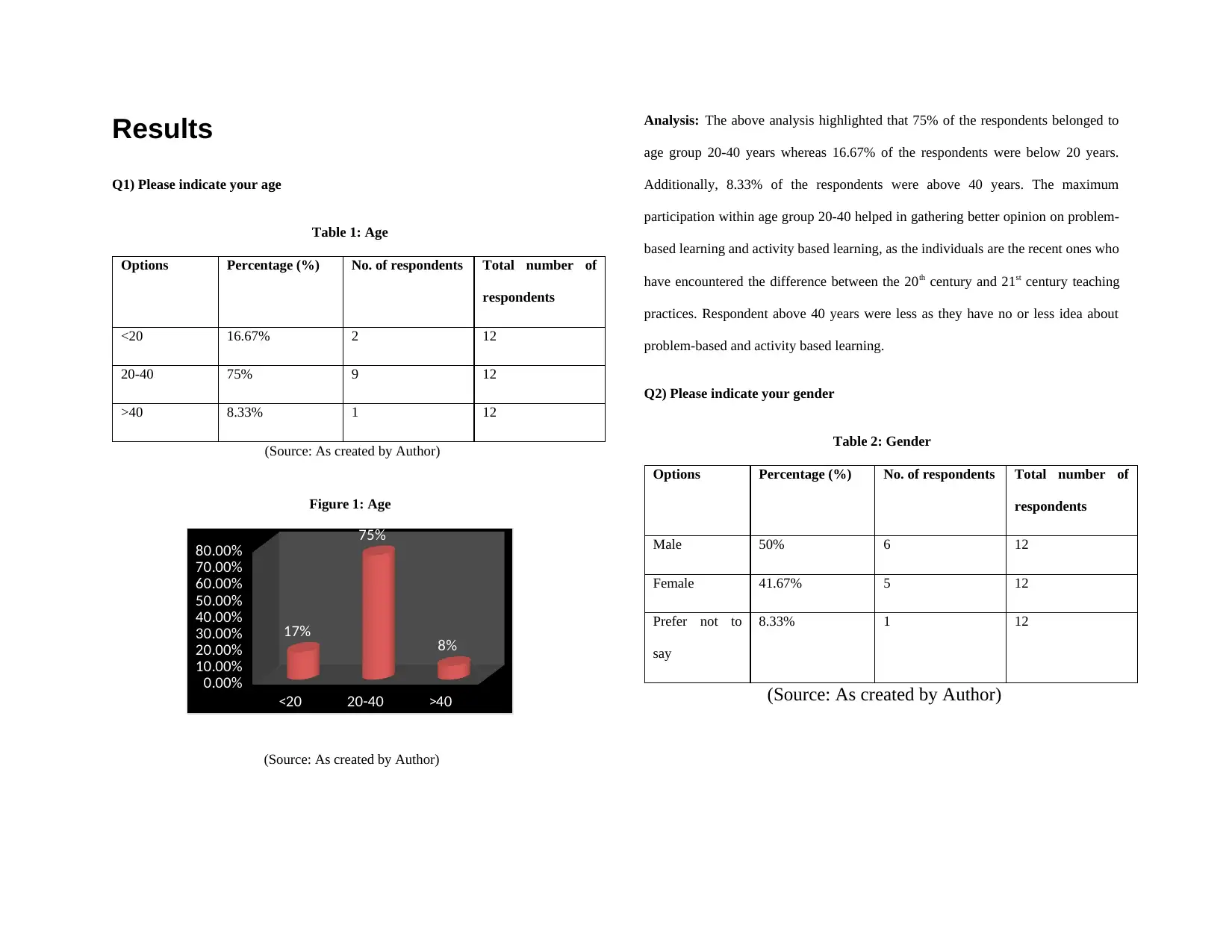
Figure 1: Age
<20 20-40 >40
0.00%
10.00%
20.00%
30.00%
40.00%
50.00%
60.00%
70.00%
80.00%
17%
75%
8%
(Source: As created by Author)
Analysis: The above analysis highlighted that 75% of the respondents belonged to
age group 20-40 years whereas 16.67% of the respondents were below 20 years.
Additionally, 8.33% of the respondents were above 40 years. The maximum
participation within age group 20-40 helped in gathering better opinion on problem-
based learning and activity based learning, as the individuals are the recent ones who
have encountered the difference between the 20th century and 21st century teaching
practices. Respondent above 40 years were less as they have no or less idea about
problem-based and activity based learning.
Q2) Please indicate your gender
Table 2: Gender
Options Percentage (%) No. of respondents Total number of
respondents
Male 50% 6 12
Female 41.67% 5 12
Prefer not to
say
8.33% 1 12
(Source: As created by Author)
Q1) Please indicate your age
Table 1: Age
Options Percentage (%) No. of respondents Total number of
respondents
<20 16.67% 2 12
20-40 75% 9 12
>40 8.33% 1 12
(Source: As created by Author)
Figure 1: Age
<20 20-40 >40
0.00%
10.00%
20.00%
30.00%
40.00%
50.00%
60.00%
70.00%
80.00%
17%
75%
8%
(Source: As created by Author)
Analysis: The above analysis highlighted that 75% of the respondents belonged to
age group 20-40 years whereas 16.67% of the respondents were below 20 years.
Additionally, 8.33% of the respondents were above 40 years. The maximum
participation within age group 20-40 helped in gathering better opinion on problem-
based learning and activity based learning, as the individuals are the recent ones who
have encountered the difference between the 20th century and 21st century teaching
practices. Respondent above 40 years were less as they have no or less idea about
problem-based and activity based learning.
Q2) Please indicate your gender
Table 2: Gender
Options Percentage (%) No. of respondents Total number of
respondents
Male 50% 6 12
Female 41.67% 5 12
Prefer not to
say
8.33% 1 12
(Source: As created by Author)
⊘ This is a preview!⊘
Do you want full access?
Subscribe today to unlock all pages.

Trusted by 1+ million students worldwide
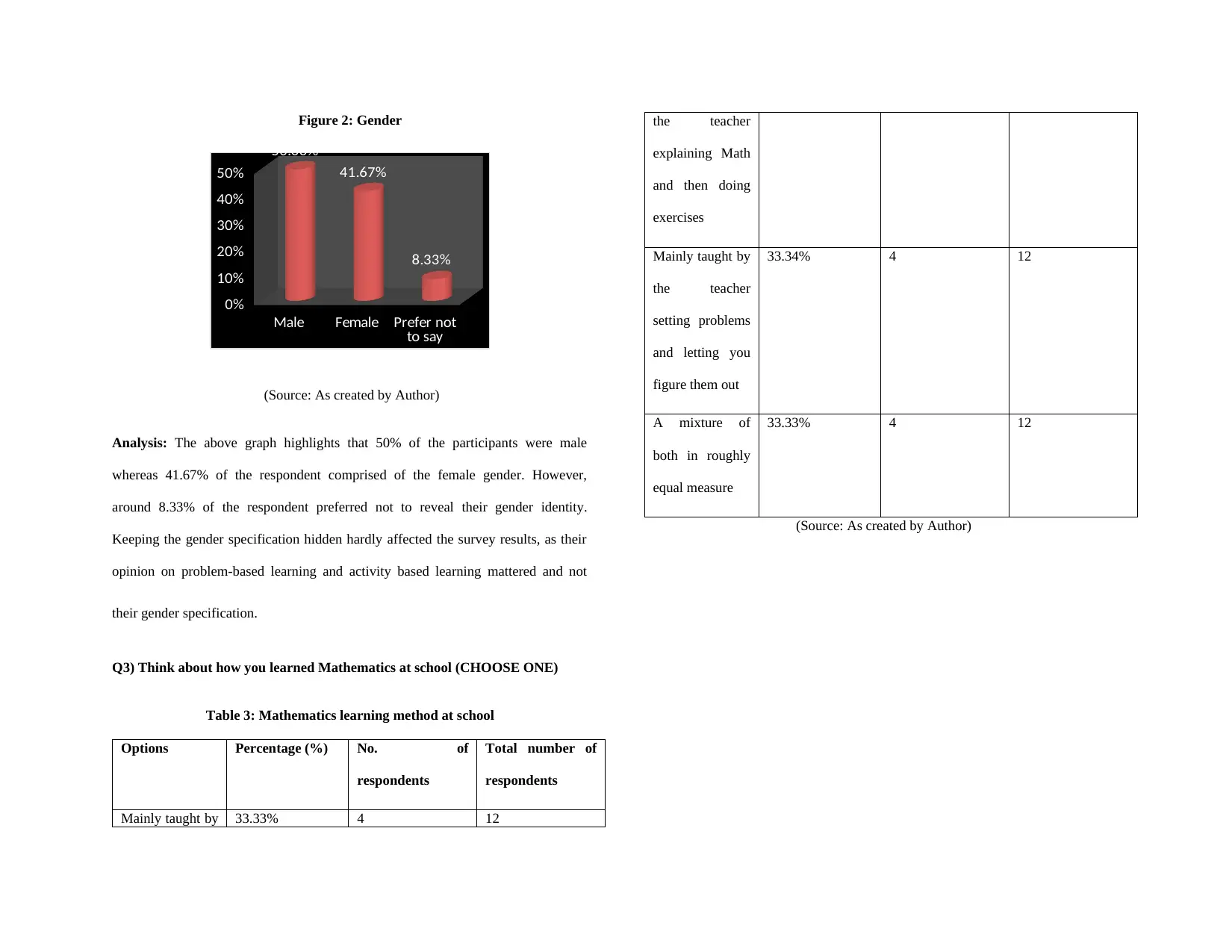
Figure 2: Gender
Male Female Prefer not
to say
0%
10%
20%
30%
40%
50%
50.00%
41.67%
8.33%
(Source: As created by Author)
Analysis: The above graph highlights that 50% of the participants were male
whereas 41.67% of the respondent comprised of the female gender. However,
around 8.33% of the respondent preferred not to reveal their gender identity.
Keeping the gender specification hidden hardly affected the survey results, as their
opinion on problem-based learning and activity based learning mattered and not
their gender specification.
Q3) Think about how you learned Mathematics at school (CHOOSE ONE)
Table 3: Mathematics learning method at school
Options Percentage (%) No. of
respondents
Total number of
respondents
Mainly taught by 33.33% 4 12
the teacher
explaining Math
and then doing
exercises
Mainly taught by
the teacher
setting problems
and letting you
figure them out
33.34% 4 12
A mixture of
both in roughly
equal measure
33.33% 4 12
(Source: As created by Author)
Male Female Prefer not
to say
0%
10%
20%
30%
40%
50%
50.00%
41.67%
8.33%
(Source: As created by Author)
Analysis: The above graph highlights that 50% of the participants were male
whereas 41.67% of the respondent comprised of the female gender. However,
around 8.33% of the respondent preferred not to reveal their gender identity.
Keeping the gender specification hidden hardly affected the survey results, as their
opinion on problem-based learning and activity based learning mattered and not
their gender specification.
Q3) Think about how you learned Mathematics at school (CHOOSE ONE)
Table 3: Mathematics learning method at school
Options Percentage (%) No. of
respondents
Total number of
respondents
Mainly taught by 33.33% 4 12
the teacher
explaining Math
and then doing
exercises
Mainly taught by
the teacher
setting problems
and letting you
figure them out
33.34% 4 12
A mixture of
both in roughly
equal measure
33.33% 4 12
(Source: As created by Author)
Paraphrase This Document
Need a fresh take? Get an instant paraphrase of this document with our AI Paraphraser
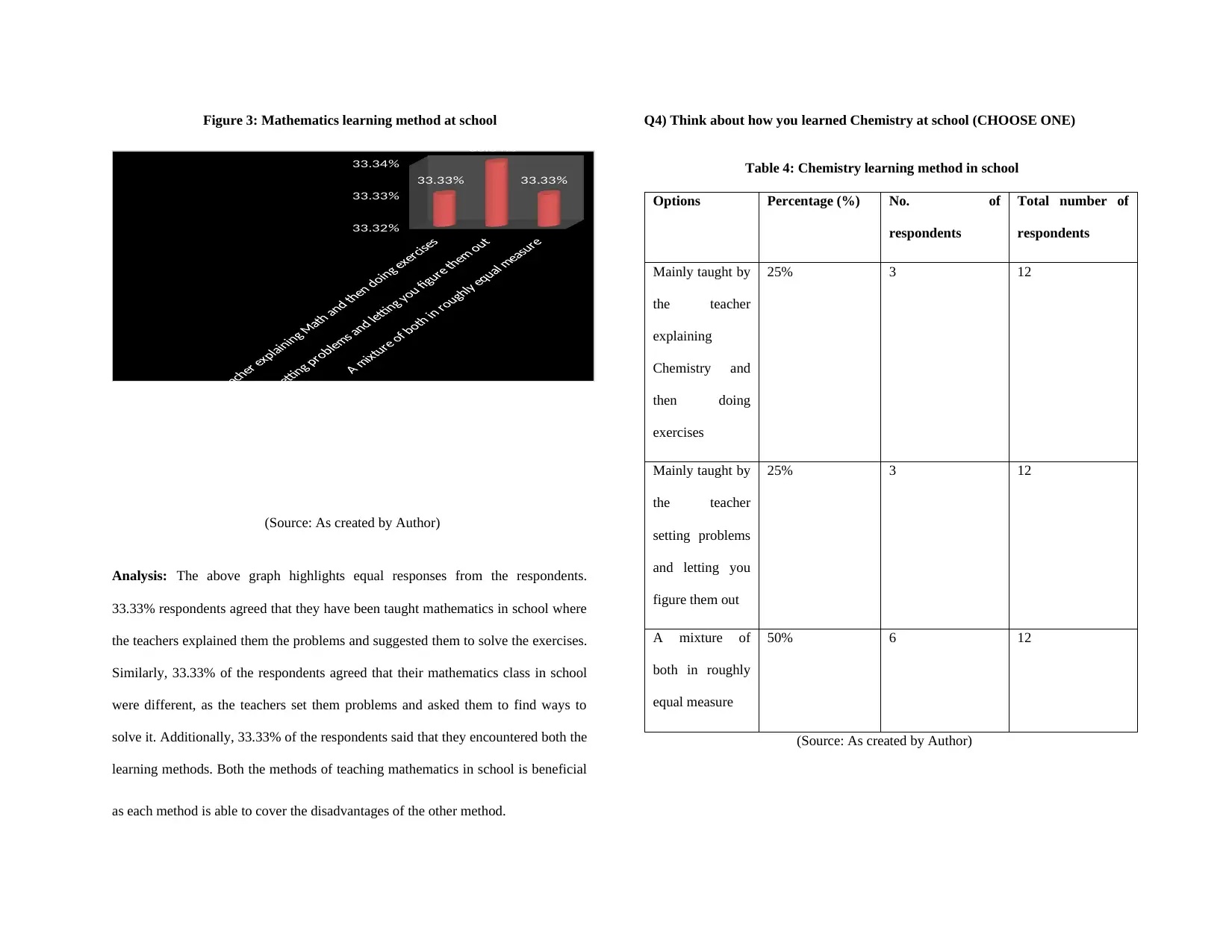
Figure 3: Mathematics learning method at school
33.32%
33.33%
33.34%
33.33%
33.34%
33.33%
(Source: As created by Author)
Analysis: The above graph highlights equal responses from the respondents.
33.33% respondents agreed that they have been taught mathematics in school where
the teachers explained them the problems and suggested them to solve the exercises.
Similarly, 33.33% of the respondents agreed that their mathematics class in school
were different, as the teachers set them problems and asked them to find ways to
solve it. Additionally, 33.33% of the respondents said that they encountered both the
learning methods. Both the methods of teaching mathematics in school is beneficial
as each method is able to cover the disadvantages of the other method.
Q4) Think about how you learned Chemistry at school (CHOOSE ONE)
Table 4: Chemistry learning method in school
Options Percentage (%) No. of
respondents
Total number of
respondents
Mainly taught by
the teacher
explaining
Chemistry and
then doing
exercises
25% 3 12
Mainly taught by
the teacher
setting problems
and letting you
figure them out
25% 3 12
A mixture of
both in roughly
equal measure
50% 6 12
(Source: As created by Author)
33.32%
33.33%
33.34%
33.33%
33.34%
33.33%
(Source: As created by Author)
Analysis: The above graph highlights equal responses from the respondents.
33.33% respondents agreed that they have been taught mathematics in school where
the teachers explained them the problems and suggested them to solve the exercises.
Similarly, 33.33% of the respondents agreed that their mathematics class in school
were different, as the teachers set them problems and asked them to find ways to
solve it. Additionally, 33.33% of the respondents said that they encountered both the
learning methods. Both the methods of teaching mathematics in school is beneficial
as each method is able to cover the disadvantages of the other method.
Q4) Think about how you learned Chemistry at school (CHOOSE ONE)
Table 4: Chemistry learning method in school
Options Percentage (%) No. of
respondents
Total number of
respondents
Mainly taught by
the teacher
explaining
Chemistry and
then doing
exercises
25% 3 12
Mainly taught by
the teacher
setting problems
and letting you
figure them out
25% 3 12
A mixture of
both in roughly
equal measure
50% 6 12
(Source: As created by Author)
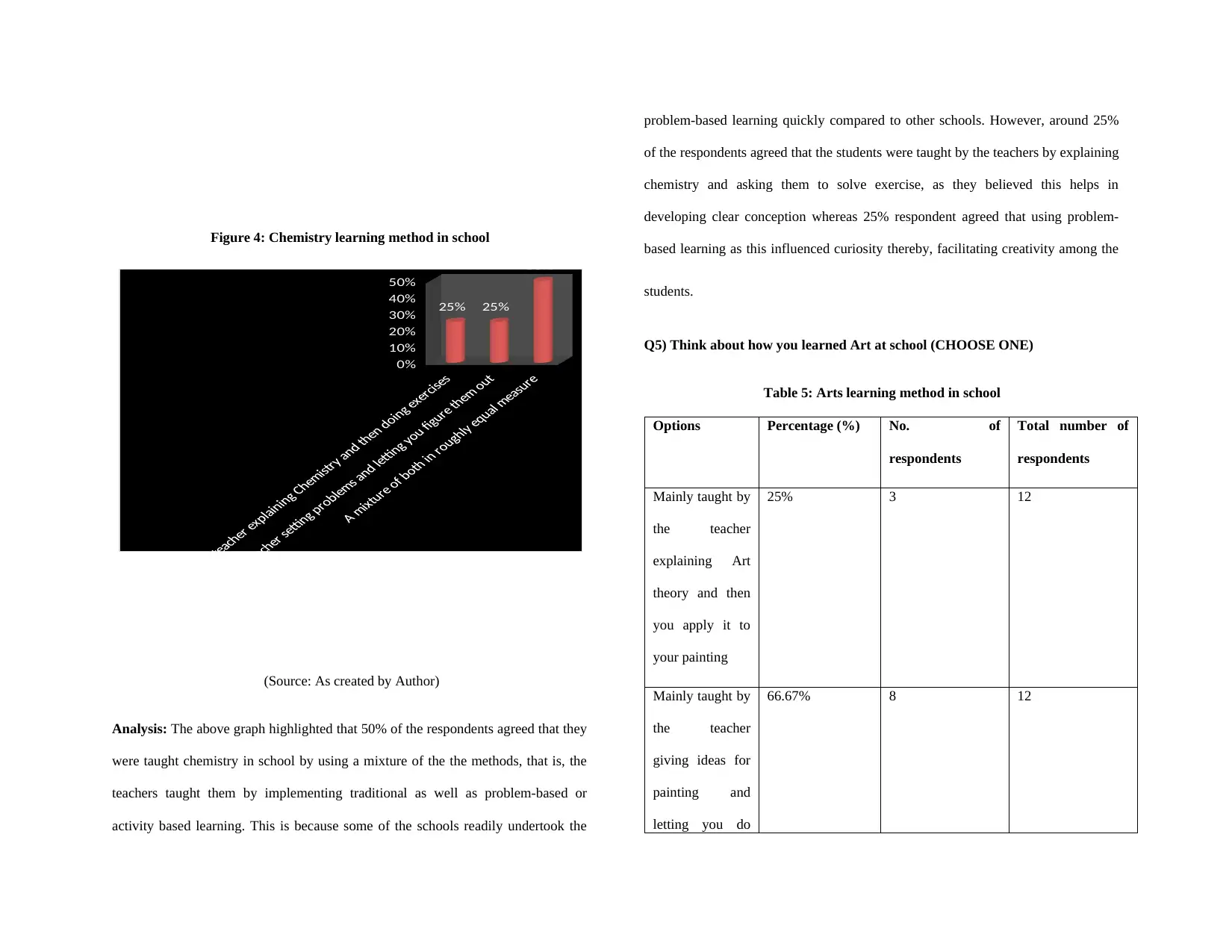
Figure 4: Chemistry learning method in school
0%
10%
20%
30%
40%
50%
25% 25%
50%
(Source: As created by Author)
Analysis: The above graph highlighted that 50% of the respondents agreed that they
were taught chemistry in school by using a mixture of the the methods, that is, the
teachers taught them by implementing traditional as well as problem-based or
activity based learning. This is because some of the schools readily undertook the
problem-based learning quickly compared to other schools. However, around 25%
of the respondents agreed that the students were taught by the teachers by explaining
chemistry and asking them to solve exercise, as they believed this helps in
developing clear conception whereas 25% respondent agreed that using problem-
based learning as this influenced curiosity thereby, facilitating creativity among the
students.
Q5) Think about how you learned Art at school (CHOOSE ONE)
Table 5: Arts learning method in school
Options Percentage (%) No. of
respondents
Total number of
respondents
Mainly taught by
the teacher
explaining Art
theory and then
you apply it to
your painting
25% 3 12
Mainly taught by
the teacher
giving ideas for
painting and
letting you do
66.67% 8 12
0%
10%
20%
30%
40%
50%
25% 25%
50%
(Source: As created by Author)
Analysis: The above graph highlighted that 50% of the respondents agreed that they
were taught chemistry in school by using a mixture of the the methods, that is, the
teachers taught them by implementing traditional as well as problem-based or
activity based learning. This is because some of the schools readily undertook the
problem-based learning quickly compared to other schools. However, around 25%
of the respondents agreed that the students were taught by the teachers by explaining
chemistry and asking them to solve exercise, as they believed this helps in
developing clear conception whereas 25% respondent agreed that using problem-
based learning as this influenced curiosity thereby, facilitating creativity among the
students.
Q5) Think about how you learned Art at school (CHOOSE ONE)
Table 5: Arts learning method in school
Options Percentage (%) No. of
respondents
Total number of
respondents
Mainly taught by
the teacher
explaining Art
theory and then
you apply it to
your painting
25% 3 12
Mainly taught by
the teacher
giving ideas for
painting and
letting you do
66.67% 8 12
⊘ This is a preview!⊘
Do you want full access?
Subscribe today to unlock all pages.
Trusted by 1+ million students worldwide
your own thing
A mixture of
both in roughly
equal measure
8.33% 1 12
(Source: As created by Author)
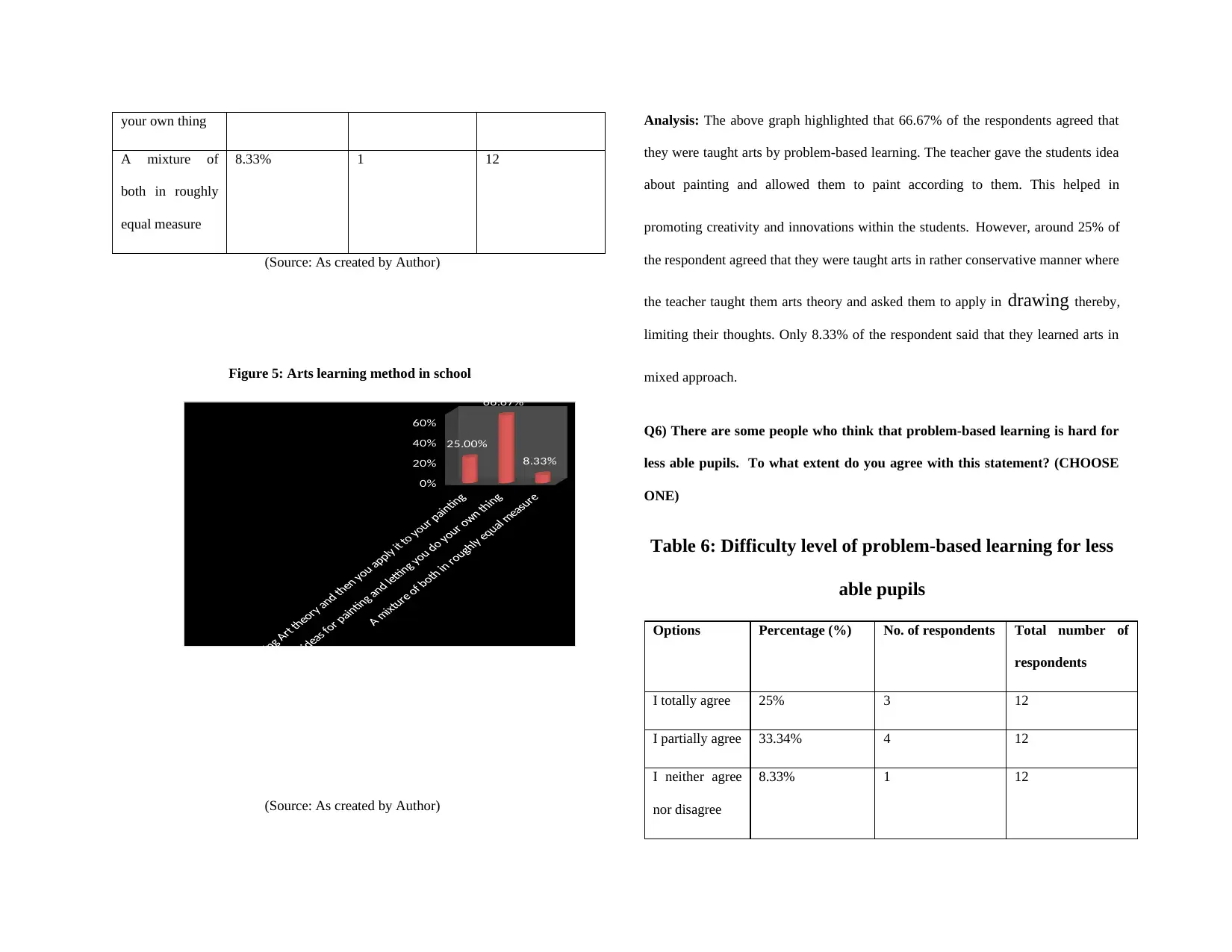
Figure 5: Arts learning method in school
0%
20%
40%
60%
25.00%
66.67%
8.33%
(Source: As created by Author)
Analysis: The above graph highlighted that 66.67% of the respondents agreed that
they were taught arts by problem-based learning. The teacher gave the students idea
about painting and allowed them to paint according to them. This helped in
promoting creativity and innovations within the students. However, around 25% of
the respondent agreed that they were taught arts in rather conservative manner where
the teacher taught them arts theory and asked them to apply in drawing thereby,
limiting their thoughts. Only 8.33% of the respondent said that they learned arts in
mixed approach.
Q6) There are some people who think that problem-based learning is hard for
less able pupils. To what extent do you agree with this statement? (CHOOSE
ONE)
Table 6: Difficulty level of problem-based learning for less
able pupils
Options Percentage (%) No. of respondents Total number of
respondents
I totally agree 25% 3 12
I partially agree 33.34% 4 12
I neither agree
nor disagree
8.33% 1 12
A mixture of
both in roughly
equal measure
8.33% 1 12
(Source: As created by Author)
Figure 5: Arts learning method in school
0%
20%
40%
60%
25.00%
66.67%
8.33%
(Source: As created by Author)
Analysis: The above graph highlighted that 66.67% of the respondents agreed that
they were taught arts by problem-based learning. The teacher gave the students idea
about painting and allowed them to paint according to them. This helped in
promoting creativity and innovations within the students. However, around 25% of
the respondent agreed that they were taught arts in rather conservative manner where
the teacher taught them arts theory and asked them to apply in drawing thereby,
limiting their thoughts. Only 8.33% of the respondent said that they learned arts in
mixed approach.
Q6) There are some people who think that problem-based learning is hard for
less able pupils. To what extent do you agree with this statement? (CHOOSE
ONE)
Table 6: Difficulty level of problem-based learning for less
able pupils
Options Percentage (%) No. of respondents Total number of
respondents
I totally agree 25% 3 12
I partially agree 33.34% 4 12
I neither agree
nor disagree
8.33% 1 12
Paraphrase This Document
Need a fresh take? Get an instant paraphrase of this document with our AI Paraphraser
I partially
disagree
25% 3 12
I totally
disagree
8.33% 1 12
(Source: As created by Author)
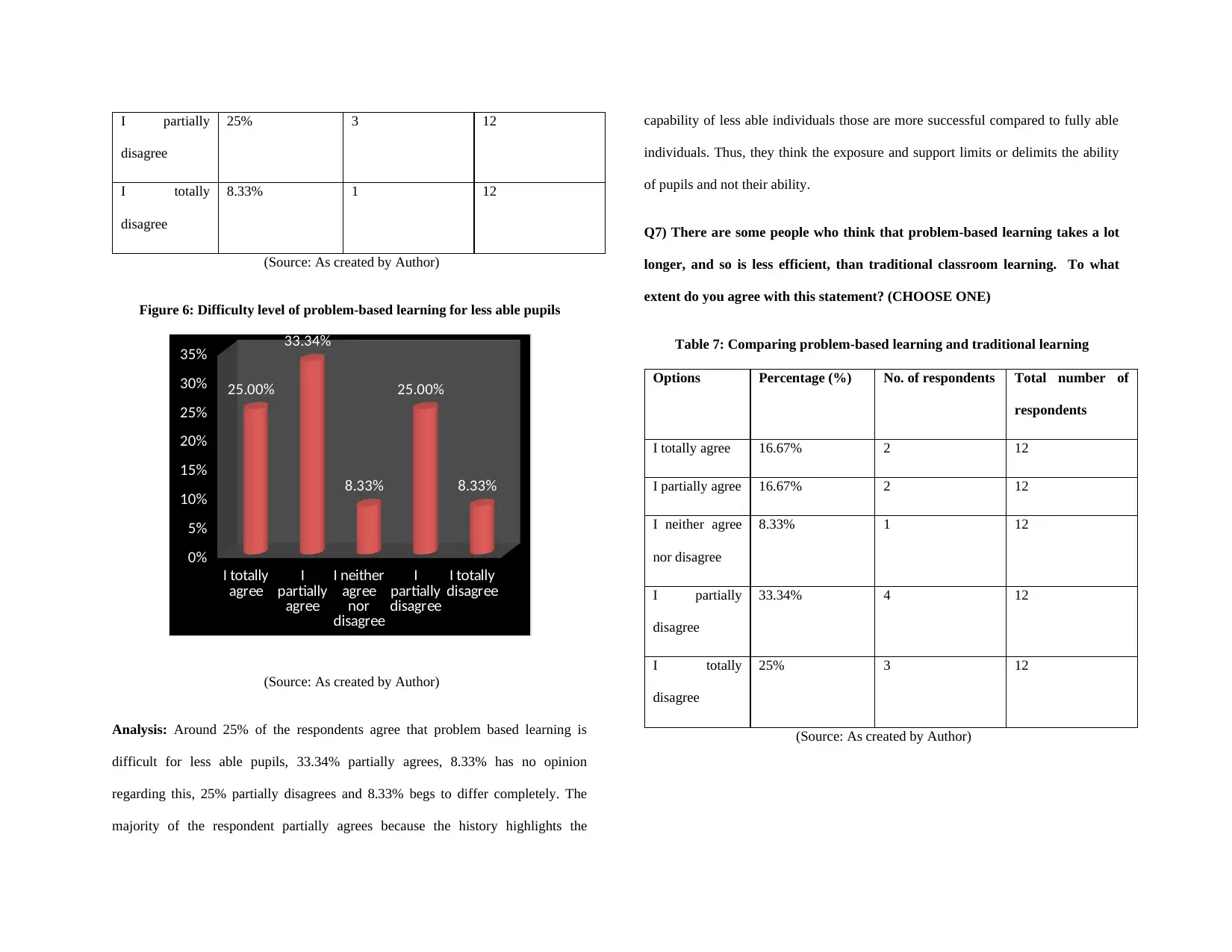
Figure 6: Difficulty level of problem-based learning for less able pupils
I totally
agree I
partially
agree
I neither
agree
nor
disagree
I
partially
disagree
I totally
disagree
0%
5%
10%
15%
20%
25%
30%
35%
25.00%
33.34%
8.33%
25.00%
8.33%
(Source: As created by Author)
Analysis: Around 25% of the respondents agree that problem based learning is
difficult for less able pupils, 33.34% partially agrees, 8.33% has no opinion
regarding this, 25% partially disagrees and 8.33% begs to differ completely. The
majority of the respondent partially agrees because the history highlights the
capability of less able individuals those are more successful compared to fully able
individuals. Thus, they think the exposure and support limits or delimits the ability
of pupils and not their ability.
Q7) There are some people who think that problem-based learning takes a lot
longer, and so is less efficient, than traditional classroom learning. To what
extent do you agree with this statement? (CHOOSE ONE)
Table 7: Comparing problem-based learning and traditional learning
Options Percentage (%) No. of respondents Total number of
respondents
I totally agree 16.67% 2 12
I partially agree 16.67% 2 12
I neither agree
nor disagree
8.33% 1 12
I partially
disagree
33.34% 4 12
I totally
disagree
25% 3 12
(Source: As created by Author)
disagree
25% 3 12
I totally
disagree
8.33% 1 12
(Source: As created by Author)
Figure 6: Difficulty level of problem-based learning for less able pupils
I totally
agree I
partially
agree
I neither
agree
nor
disagree
I
partially
disagree
I totally
disagree
0%
5%
10%
15%
20%
25%
30%
35%
25.00%
33.34%
8.33%
25.00%
8.33%
(Source: As created by Author)
Analysis: Around 25% of the respondents agree that problem based learning is
difficult for less able pupils, 33.34% partially agrees, 8.33% has no opinion
regarding this, 25% partially disagrees and 8.33% begs to differ completely. The
majority of the respondent partially agrees because the history highlights the
capability of less able individuals those are more successful compared to fully able
individuals. Thus, they think the exposure and support limits or delimits the ability
of pupils and not their ability.
Q7) There are some people who think that problem-based learning takes a lot
longer, and so is less efficient, than traditional classroom learning. To what
extent do you agree with this statement? (CHOOSE ONE)
Table 7: Comparing problem-based learning and traditional learning
Options Percentage (%) No. of respondents Total number of
respondents
I totally agree 16.67% 2 12
I partially agree 16.67% 2 12
I neither agree
nor disagree
8.33% 1 12
I partially
disagree
33.34% 4 12
I totally
disagree
25% 3 12
(Source: As created by Author)
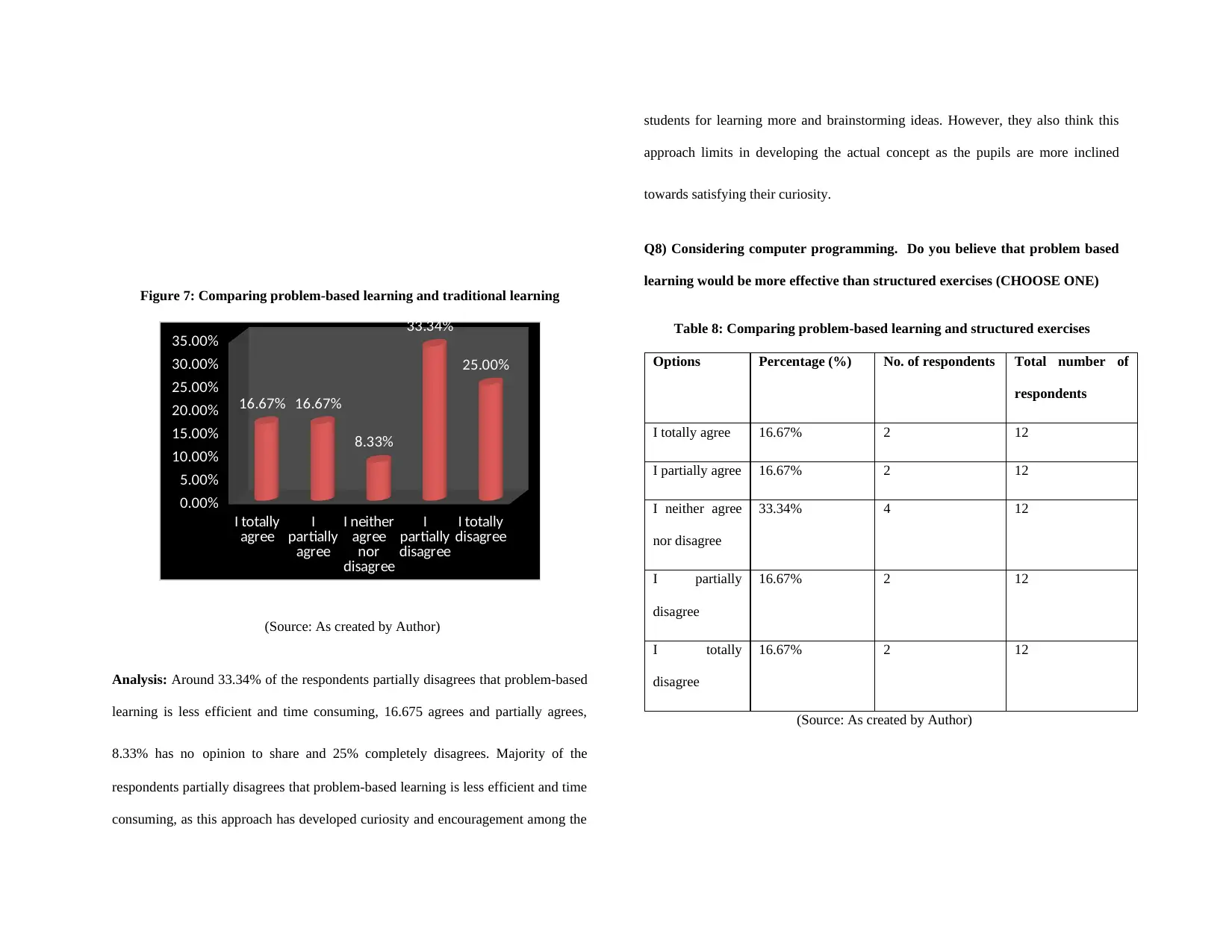
Figure 7: Comparing problem-based learning and traditional learning
I totally
agree I
partially
agree
I neither
agree
nor
disagree
I
partially
disagree
I totally
disagree
0.00%
5.00%
10.00%
15.00%
20.00%
25.00%
30.00%
35.00%
16.67% 16.67%
8.33%
33.34%
25.00%
(Source: As created by Author)
Analysis: Around 33.34% of the respondents partially disagrees that problem-based
learning is less efficient and time consuming, 16.675 agrees and partially agrees,
8.33% has no opinion to share and 25% completely disagrees. Majority of the
respondents partially disagrees that problem-based learning is less efficient and time
consuming, as this approach has developed curiosity and encouragement among the
students for learning more and brainstorming ideas. However, they also think this
approach limits in developing the actual concept as the pupils are more inclined
towards satisfying their curiosity.
Q8) Considering computer programming. Do you believe that problem based
learning would be more effective than structured exercises (CHOOSE ONE)
Table 8: Comparing problem-based learning and structured exercises
Options Percentage (%) No. of respondents Total number of
respondents
I totally agree 16.67% 2 12
I partially agree 16.67% 2 12
I neither agree
nor disagree
33.34% 4 12
I partially
disagree
16.67% 2 12
I totally
disagree
16.67% 2 12
(Source: As created by Author)
I totally
agree I
partially
agree
I neither
agree
nor
disagree
I
partially
disagree
I totally
disagree
0.00%
5.00%
10.00%
15.00%
20.00%
25.00%
30.00%
35.00%
16.67% 16.67%
8.33%
33.34%
25.00%
(Source: As created by Author)
Analysis: Around 33.34% of the respondents partially disagrees that problem-based
learning is less efficient and time consuming, 16.675 agrees and partially agrees,
8.33% has no opinion to share and 25% completely disagrees. Majority of the
respondents partially disagrees that problem-based learning is less efficient and time
consuming, as this approach has developed curiosity and encouragement among the
students for learning more and brainstorming ideas. However, they also think this
approach limits in developing the actual concept as the pupils are more inclined
towards satisfying their curiosity.
Q8) Considering computer programming. Do you believe that problem based
learning would be more effective than structured exercises (CHOOSE ONE)
Table 8: Comparing problem-based learning and structured exercises
Options Percentage (%) No. of respondents Total number of
respondents
I totally agree 16.67% 2 12
I partially agree 16.67% 2 12
I neither agree
nor disagree
33.34% 4 12
I partially
disagree
16.67% 2 12
I totally
disagree
16.67% 2 12
(Source: As created by Author)
⊘ This is a preview!⊘
Do you want full access?
Subscribe today to unlock all pages.
Trusted by 1+ million students worldwide
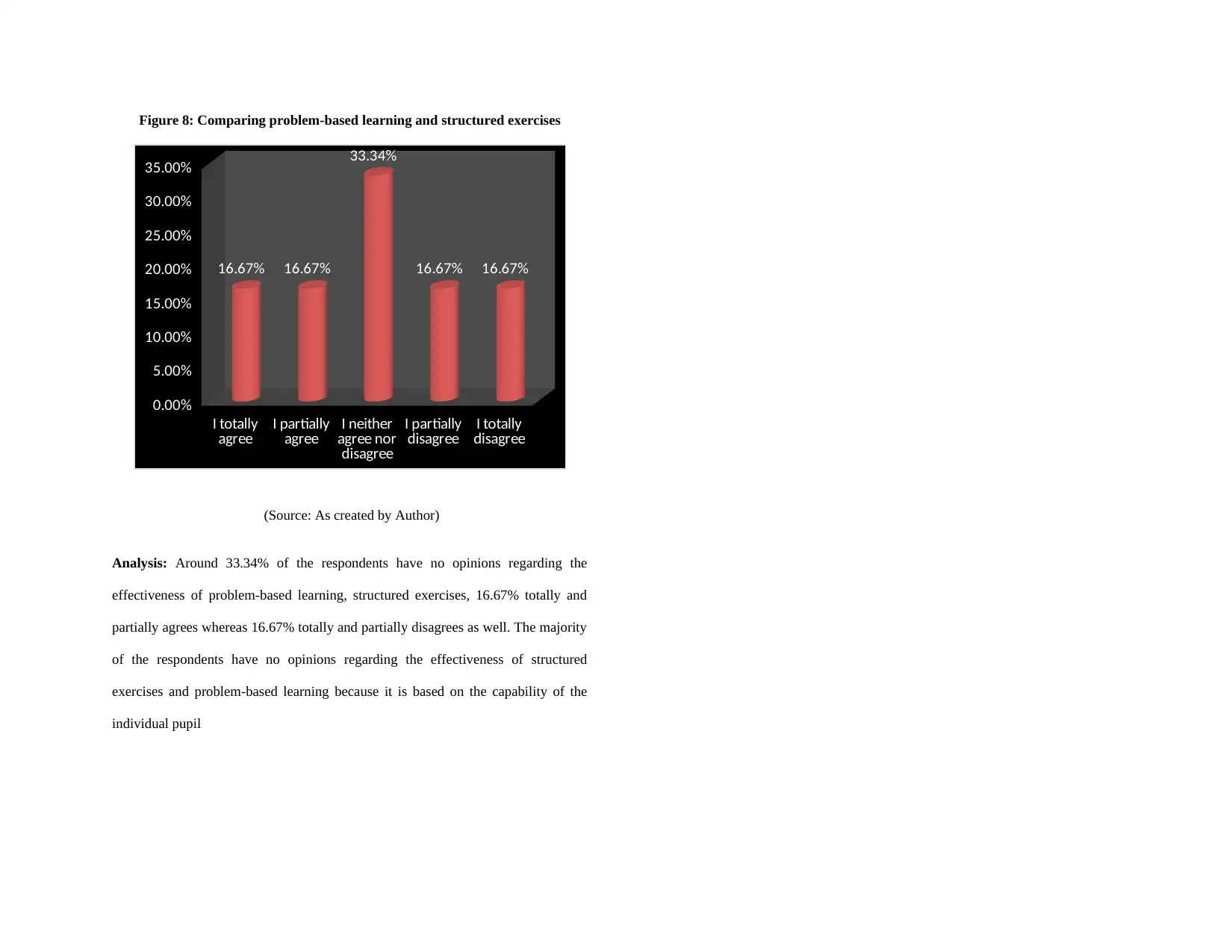
Figure 8: Comparing problem-based learning and structured exercises
I totally
agree I partially
agree I neither
agree nor
disagree
I partially
disagree I totally
disagree
0.00%
5.00%
10.00%
15.00%
20.00%
25.00%
30.00%
35.00%
16.67% 16.67%
33.34%
16.67% 16.67%
(Source: As created by Author)
Analysis: Around 33.34% of the respondents have no opinions regarding the
effectiveness of problem-based learning, structured exercises, 16.67% totally and
partially agrees whereas 16.67% totally and partially disagrees as well. The majority
of the respondents have no opinions regarding the effectiveness of structured
exercises and problem-based learning because it is based on the capability of the
individual pupil
I totally
agree I partially
agree I neither
agree nor
disagree
I partially
disagree I totally
disagree
0.00%
5.00%
10.00%
15.00%
20.00%
25.00%
30.00%
35.00%
16.67% 16.67%
33.34%
16.67% 16.67%
(Source: As created by Author)
Analysis: Around 33.34% of the respondents have no opinions regarding the
effectiveness of problem-based learning, structured exercises, 16.67% totally and
partially agrees whereas 16.67% totally and partially disagrees as well. The majority
of the respondents have no opinions regarding the effectiveness of structured
exercises and problem-based learning because it is based on the capability of the
individual pupil
Paraphrase This Document
Need a fresh take? Get an instant paraphrase of this document with our AI Paraphraser

Conclusion
From the findings, it can be concluded that problem-based and activity-
based learning have received mixed appraisal from the students. While some of the
students prefer and facilitate problem-based learning, some of the students think
traditional learning is necessary for the students in order to develop the concept and
deeper understanding before aiming towards satisfying their thirst for curiosity.
From the findings, it can be concluded that problem-based and activity-
based learning have received mixed appraisal from the students. While some of the
students prefer and facilitate problem-based learning, some of the students think
traditional learning is necessary for the students in order to develop the concept and
deeper understanding before aiming towards satisfying their thirst for curiosity.

1 out of 11


Your All-in-One AI-Powered Toolkit for Academic Success.
+13062052269
info@desklib.com
Available 24*7 on WhatsApp / Email
![[object Object]](/_next/static/media/star-bottom.7253800d.svg)
Unlock your academic potential
Copyright © 2020–2026 A2Z Services. All Rights Reserved. Developed and managed by ZUCOL.