Advertising, Profit, and Market Structures: Business Studies Analysis
VerifiedAdded on 2020/04/15
|17
|3147
|91
Report
AI Summary
This report delves into the critical role of marketing and advertising within business organizations, emphasizing their impact on demand elasticity. It examines how advertising influences price elasticity and the implications for price-output equilibrium. The report analyzes the relationship between advertising expenditure and both short-run and long-run profits, exploring profit-maximizing positions for price-making firms using total revenue-total cost and marginal revenue-marginal cost methods. Furthermore, it investigates the structure of the advertising industry and provides a detailed analysis of the key features of perfect competition, monopolistic competition, oligopoly, and monopoly. The report also discusses how companies establish advertising budgets and allocate resources to maximize profit, providing valuable insights into the strategic aspects of marketing and market structures.
Running head: BUSINESS STUDIES
BUSINESS STUDIES
Name of the Student
Name of the University
Author’s Note
BUSINESS STUDIES
Name of the Student
Name of the University
Author’s Note

Paraphrase This Document
Need a fresh take? Get an instant paraphrase of this document with our AI Paraphraser
1BUSINESS STUDIES
Table of Contents
Introduction......................................................................................................................................3
Part A...............................................................................................................................................3
Question 1........................................................................................................................................3
Question 2........................................................................................................................................5
Question 3......................................................................................................................................10
Conclusion.....................................................................................................................................15
References......................................................................................................................................16
Table of Contents
Introduction......................................................................................................................................3
Part A...............................................................................................................................................3
Question 1........................................................................................................................................3
Question 2........................................................................................................................................5
Question 3......................................................................................................................................10
Conclusion.....................................................................................................................................15
References......................................................................................................................................16
2BUSINESS STUDIES
Introduction
This assignment focuses on the important aspects of marketing and its significance in
business organizations. Marketing refers to the process by which the good or service is promoted
and introduced to the potential customers (Baker and Saren 2016). One of the vital components
of the marketing process is advertising. Advertising mainly works on the basis of statistics. It
builds awareness, trust and credibility among the customers. This study elucidates on impact of
advertisement and marketing on the elasticity of demand. The relationship between advertising
and short run as well as long run profit is also illustrated in this paper. The methods reflecting
profit-maximizing position for the price making firm is also explained in this study. The
usefulness of marginal revenue and marginal cost in establishment of advertising budget is also
discussed in this assignment. The structure of advertising industry and the main features of four
market structure are also analyzed in this paper.
Part A
Question 1
The elasticity of demand also known as price elasticity of demand, usually measures
responsiveness of change in quantity demanded of the product due to alteration in its price.
Theoretically, the total revenue of the organization is maximized when the elasticity of demand
for the product becomes equals to one (Bauer 2014). Advertising being an important component
of marketing affects the elasticity of demand of a product. This means that price elasticity of
demand changes owing to advertisement expenditure, which in turn have noteworthy
implications for the price-output equilibrium. Owing to increase in advertising expenditure, the
Introduction
This assignment focuses on the important aspects of marketing and its significance in
business organizations. Marketing refers to the process by which the good or service is promoted
and introduced to the potential customers (Baker and Saren 2016). One of the vital components
of the marketing process is advertising. Advertising mainly works on the basis of statistics. It
builds awareness, trust and credibility among the customers. This study elucidates on impact of
advertisement and marketing on the elasticity of demand. The relationship between advertising
and short run as well as long run profit is also illustrated in this paper. The methods reflecting
profit-maximizing position for the price making firm is also explained in this study. The
usefulness of marginal revenue and marginal cost in establishment of advertising budget is also
discussed in this assignment. The structure of advertising industry and the main features of four
market structure are also analyzed in this paper.
Part A
Question 1
The elasticity of demand also known as price elasticity of demand, usually measures
responsiveness of change in quantity demanded of the product due to alteration in its price.
Theoretically, the total revenue of the organization is maximized when the elasticity of demand
for the product becomes equals to one (Bauer 2014). Advertising being an important component
of marketing affects the elasticity of demand of a product. This means that price elasticity of
demand changes owing to advertisement expenditure, which in turn have noteworthy
implications for the price-output equilibrium. Owing to increase in advertising expenditure, the
⊘ This is a preview!⊘
Do you want full access?
Subscribe today to unlock all pages.

Trusted by 1+ million students worldwide
3BUSINESS STUDIES
demand for the commodity increases leading to shift in demand curve to right. In context to this,
the elasticity of demand remains either same, increases or decreases when the demand for the
product increases. The main intention of the manufacturer advertising particular brand is to
differentiate it from the perspective of consumers and their rivalries. In fact, higher level of
differentiation of the brand from other rivalries and decline in elasticity of substitution causes fall
in price elasticity of demand for the good at each price owing to rightward shift of demand curve
under influence of advertisement (Moriarty et al. 2014). Therefore, elasticity estimating rise or
fall in advertising in the competitive market is also referred to as advertising elasticity of demand
(AED). Thus, the AED must signify positive value because higher the value, larger the
sensitivity of products demand to change in advertising. It also indicates higher the sales of
products produced by the organization. The hub of marketing is to predict the consumer’s
response to various forms of stimulus. The organizations’ pricing strategy and proper marketing
foundation affects the price elasticity of demand (Shefrin and Statman 2013). Few companies
mainly strategizes to offer more inelastic good through the process of marketing as well as
product development in order to increase its demand in the competitive market.
The optimal strategy of each organization is to increase short –run profit. When the
organizations strategizes their advertising decisions in the short run, there are several conditions
that should be taken into account in order to maximize profit. There is a positive relationship
between valuation and advertisement. Newbold, Carlson and Thorne (2012) opines that, effective
advertisement helps the companies in creating sales profitably. Apart from this, effective
advertisement can decline profit margin in the short run because advertising budget refers to
direct spending against present revenue (Rios, M.C., McConnell, C.R. and Brue 2013).
Additionally, the mechanism of advertisement is also analyzed in long run if its effect exists
demand for the commodity increases leading to shift in demand curve to right. In context to this,
the elasticity of demand remains either same, increases or decreases when the demand for the
product increases. The main intention of the manufacturer advertising particular brand is to
differentiate it from the perspective of consumers and their rivalries. In fact, higher level of
differentiation of the brand from other rivalries and decline in elasticity of substitution causes fall
in price elasticity of demand for the good at each price owing to rightward shift of demand curve
under influence of advertisement (Moriarty et al. 2014). Therefore, elasticity estimating rise or
fall in advertising in the competitive market is also referred to as advertising elasticity of demand
(AED). Thus, the AED must signify positive value because higher the value, larger the
sensitivity of products demand to change in advertising. It also indicates higher the sales of
products produced by the organization. The hub of marketing is to predict the consumer’s
response to various forms of stimulus. The organizations’ pricing strategy and proper marketing
foundation affects the price elasticity of demand (Shefrin and Statman 2013). Few companies
mainly strategizes to offer more inelastic good through the process of marketing as well as
product development in order to increase its demand in the competitive market.
The optimal strategy of each organization is to increase short –run profit. When the
organizations strategizes their advertising decisions in the short run, there are several conditions
that should be taken into account in order to maximize profit. There is a positive relationship
between valuation and advertisement. Newbold, Carlson and Thorne (2012) opines that, effective
advertisement helps the companies in creating sales profitably. Apart from this, effective
advertisement can decline profit margin in the short run because advertising budget refers to
direct spending against present revenue (Rios, M.C., McConnell, C.R. and Brue 2013).
Additionally, the mechanism of advertisement is also analyzed in long run if its effect exists
Paraphrase This Document
Need a fresh take? Get an instant paraphrase of this document with our AI Paraphraser
4BUSINESS STUDIES
beyond the time frame in which total advertising has been spent. In fact, higher level of profit in
one time period in an organization might lead to rise in advertising budget. This in turn helps the
companies in boosting sales as well as future profit.
Business case study on advertising
In UK, the marketing agency for TV from the Ebiquity theory evaluates the performance
of advertisement and its impact for different brands. It has been seen from previous records that
more than about 2000 advertising campaigns in various categories impacts on the short term
profit. It has been found by the Ebiquity theory that the advertisements in TV outperform other
investments in media. Therefore, it delivers highest volume of short term as well as total
advertisement generating profit. Thus, TV has been considered better and efficient form of
advertising technique as it generates highest ROI (return on investment).
Question 2
The two main approaches for explaining profit maximizing position of price making company
includes-
Total revenue (TR) and Total cost (TC) method
Marginal Revenue (MR) and Marginal cost (MC) method
TR-TC method
The figure given below reflects that TR representing total revenue curve and TC
signifying total cost curve. The TR curve beginning from the origin indicates that if no output
has been produced, the TR becomes zero. However, increase in output leads to increase in TR at
equal rate. The main reason behind this is that price making company working under any
beyond the time frame in which total advertising has been spent. In fact, higher level of profit in
one time period in an organization might lead to rise in advertising budget. This in turn helps the
companies in boosting sales as well as future profit.
Business case study on advertising
In UK, the marketing agency for TV from the Ebiquity theory evaluates the performance
of advertisement and its impact for different brands. It has been seen from previous records that
more than about 2000 advertising campaigns in various categories impacts on the short term
profit. It has been found by the Ebiquity theory that the advertisements in TV outperform other
investments in media. Therefore, it delivers highest volume of short term as well as total
advertisement generating profit. Thus, TV has been considered better and efficient form of
advertising technique as it generates highest ROI (return on investment).
Question 2
The two main approaches for explaining profit maximizing position of price making company
includes-
Total revenue (TR) and Total cost (TC) method
Marginal Revenue (MR) and Marginal cost (MC) method
TR-TC method
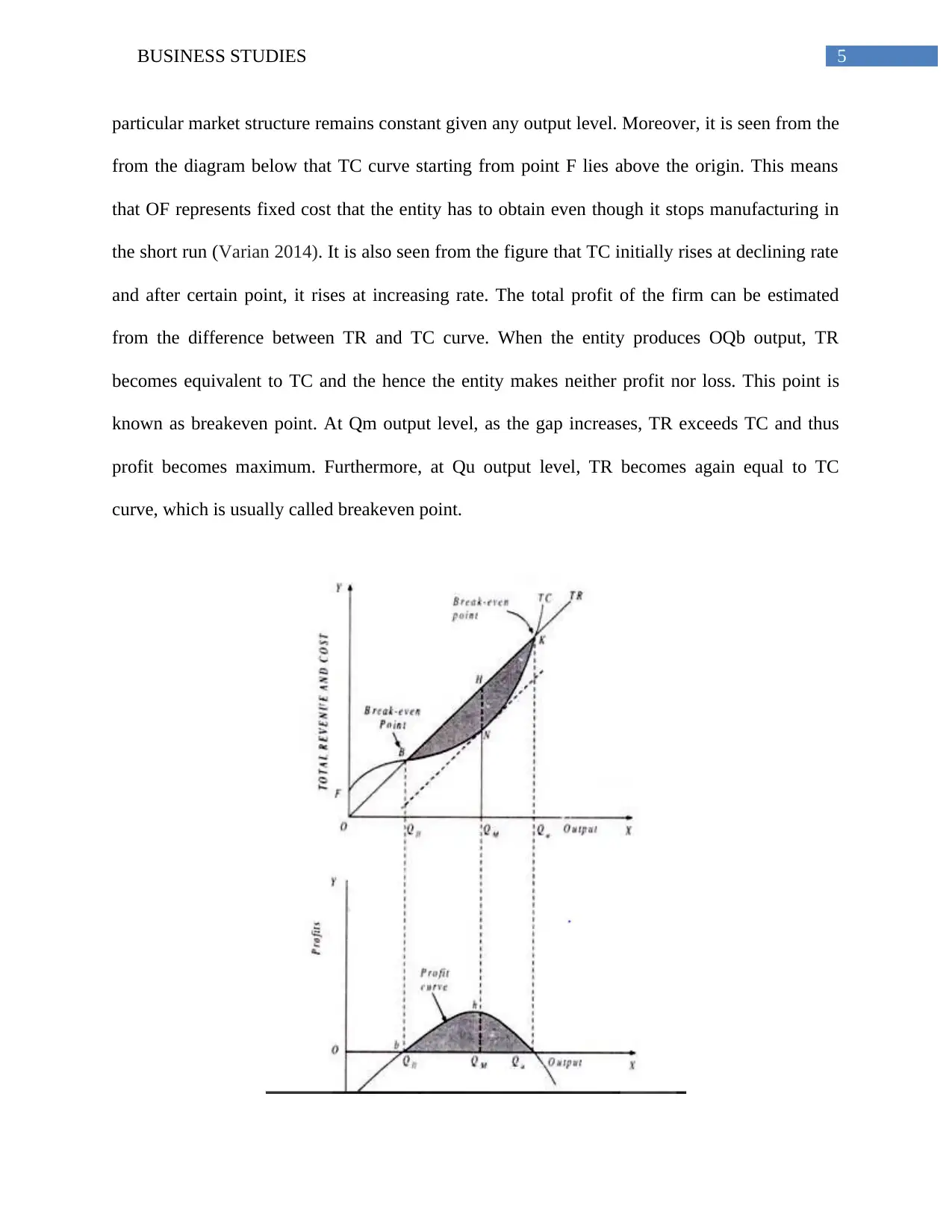
The figure given below reflects that TR representing total revenue curve and TC
signifying total cost curve. The TR curve beginning from the origin indicates that if no output
has been produced, the TR becomes zero. However, increase in output leads to increase in TR at
equal rate. The main reason behind this is that price making company working under any
5BUSINESS STUDIES
particular market structure remains constant given any output level. Moreover, it is seen from the
from the diagram below that TC curve starting from point F lies above the origin. This means
that OF represents fixed cost that the entity has to obtain even though it stops manufacturing in
the short run (Varian 2014). It is also seen from the figure that TC initially rises at declining rate
and after certain point, it rises at increasing rate. The total profit of the firm can be estimated
from the difference between TR and TC curve. When the entity produces OQb output, TR
becomes equivalent to TC and the hence the entity makes neither profit nor loss. This point is
known as breakeven point. At Qm output level, as the gap increases, TR exceeds TC and thus
profit becomes maximum. Furthermore, at Qu output level, TR becomes again equal to TC
curve, which is usually called breakeven point.
particular market structure remains constant given any output level. Moreover, it is seen from the
from the diagram below that TC curve starting from point F lies above the origin. This means
that OF represents fixed cost that the entity has to obtain even though it stops manufacturing in
the short run (Varian 2014). It is also seen from the figure that TC initially rises at declining rate
and after certain point, it rises at increasing rate. The total profit of the firm can be estimated
from the difference between TR and TC curve. When the entity produces OQb output, TR
becomes equivalent to TC and the hence the entity makes neither profit nor loss. This point is
known as breakeven point. At Qm output level, as the gap increases, TR exceeds TC and thus
profit becomes maximum. Furthermore, at Qu output level, TR becomes again equal to TC
curve, which is usually called breakeven point.
⊘ This is a preview!⊘
Do you want full access?
Subscribe today to unlock all pages.
Trusted by 1+ million students worldwide
6BUSINESS STUDIES
Figure 1; profit maximization : TR-TC method
Source: (Shefrin and Statman 2013)
MR-MC method
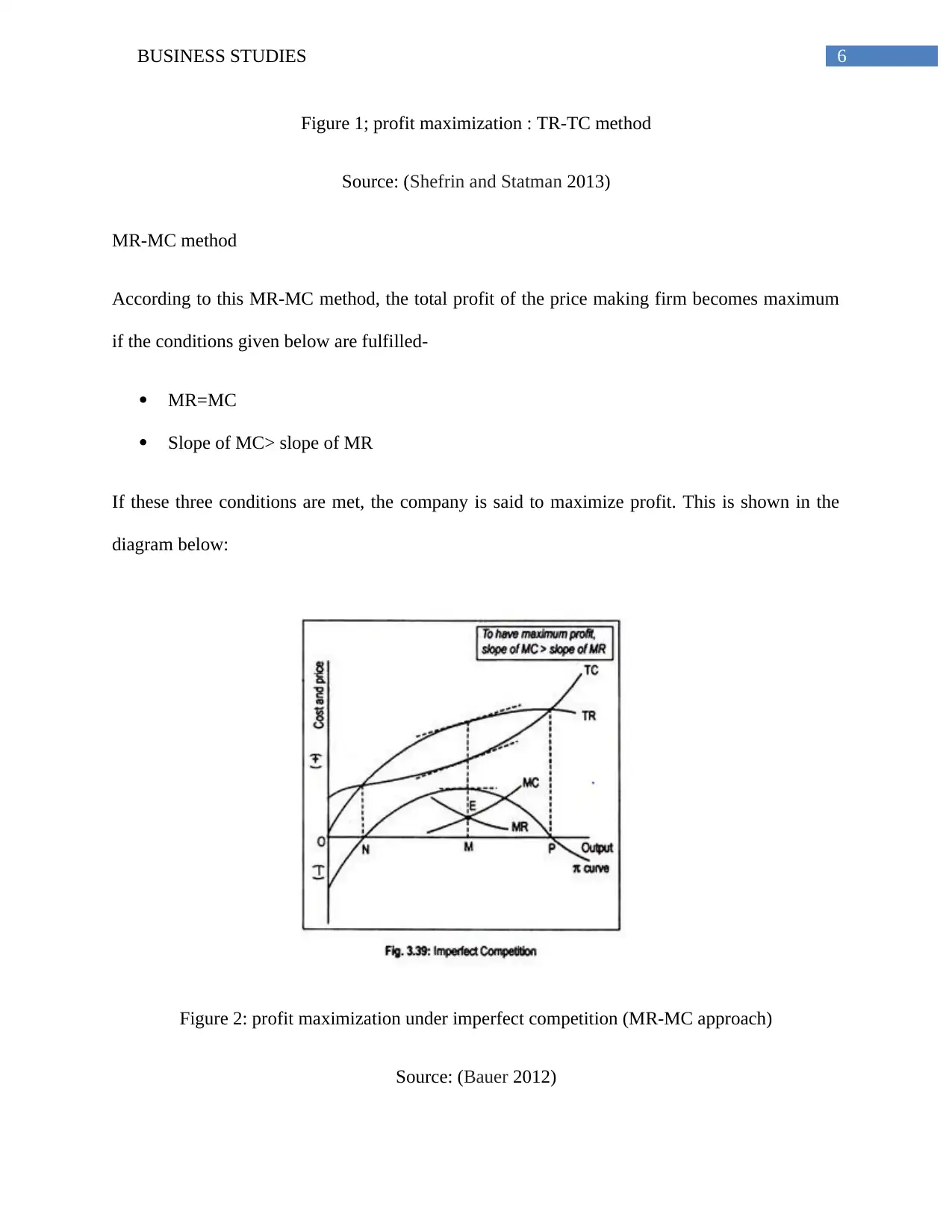
According to this MR-MC method, the total profit of the price making firm becomes maximum
if the conditions given below are fulfilled-
MR=MC
Slope of MC> slope of MR
If these three conditions are met, the company is said to maximize profit. This is shown in the
diagram below:
Figure 2: profit maximization under imperfect competition (MR-MC approach)
Source: (Bauer 2012)
Figure 1; profit maximization : TR-TC method
Source: (Shefrin and Statman 2013)
MR-MC method
According to this MR-MC method, the total profit of the price making firm becomes maximum
if the conditions given below are fulfilled-
MR=MC
Slope of MC> slope of MR
If these three conditions are met, the company is said to maximize profit. This is shown in the
diagram below:
Figure 2: profit maximization under imperfect competition (MR-MC approach)
Source: (Bauer 2012)
Paraphrase This Document
Need a fresh take? Get an instant paraphrase of this document with our AI Paraphraser
7BUSINESS STUDIES
In the figure given above, it is seen that at point E, both the first order and second order
condition is satisfied. At OM output level, profit is maximized as the difference between TC and
TR curve is greatest. However, at ON and at OP output level, the profit becomes equal to zero as
at this level, TR becomes equal to TC.
Short run and long run in monopolistic competition
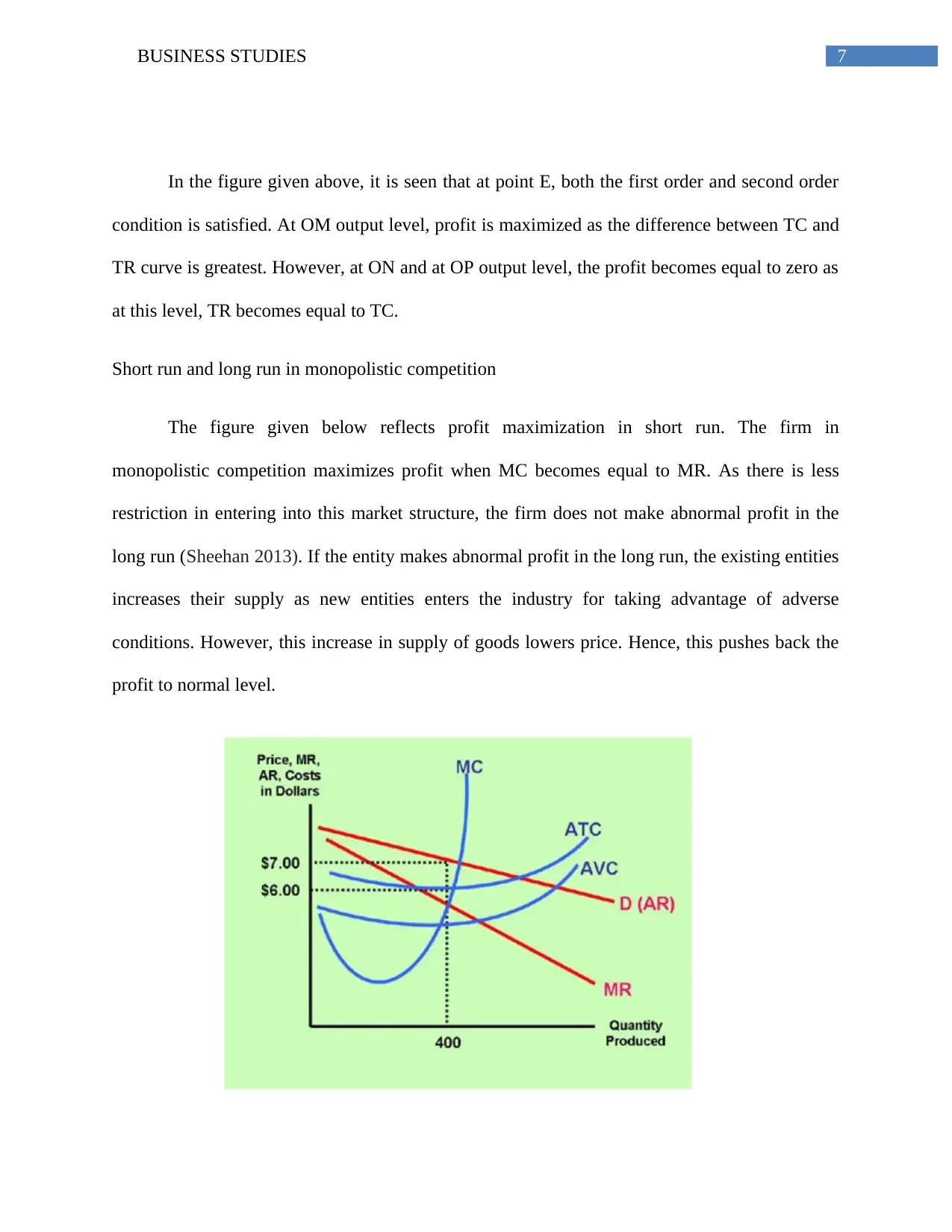
The figure given below reflects profit maximization in short run. The firm in
monopolistic competition maximizes profit when MC becomes equal to MR. As there is less
restriction in entering into this market structure, the firm does not make abnormal profit in the
long run (Sheehan 2013). If the entity makes abnormal profit in the long run, the existing entities
increases their supply as new entities enters the industry for taking advantage of adverse
conditions. However, this increase in supply of goods lowers price. Hence, this pushes back the
profit to normal level.
In the figure given above, it is seen that at point E, both the first order and second order
condition is satisfied. At OM output level, profit is maximized as the difference between TC and
TR curve is greatest. However, at ON and at OP output level, the profit becomes equal to zero as
at this level, TR becomes equal to TC.
Short run and long run in monopolistic competition
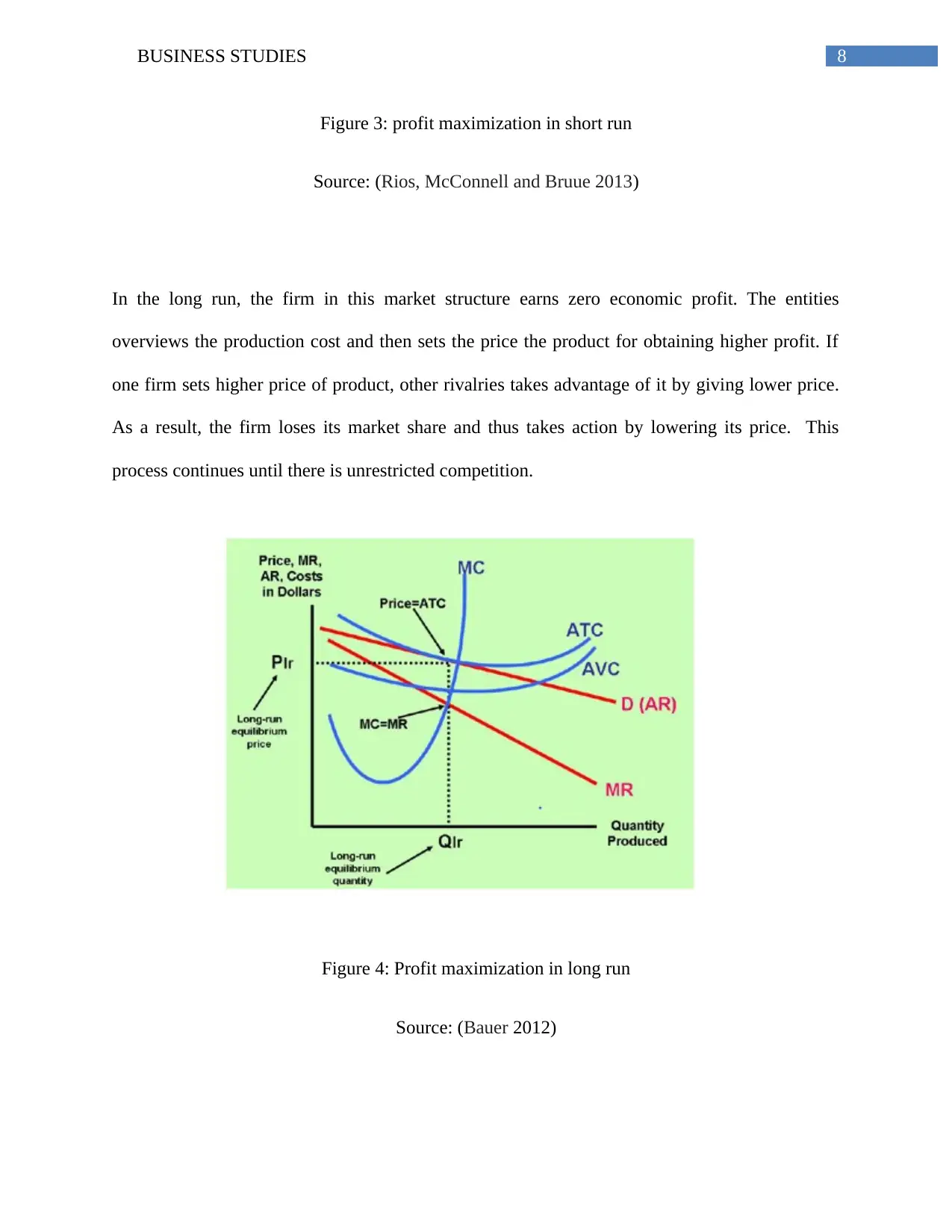
The figure given below reflects profit maximization in short run. The firm in
monopolistic competition maximizes profit when MC becomes equal to MR. As there is less
restriction in entering into this market structure, the firm does not make abnormal profit in the
long run (Sheehan 2013). If the entity makes abnormal profit in the long run, the existing entities
increases their supply as new entities enters the industry for taking advantage of adverse
conditions. However, this increase in supply of goods lowers price. Hence, this pushes back the
profit to normal level.
8BUSINESS STUDIES
Figure 3: profit maximization in short run
Source: (Rios, McConnell and Bruue 2013)
In the long run, the firm in this market structure earns zero economic profit. The entities
overviews the production cost and then sets the price the product for obtaining higher profit. If
one firm sets higher price of product, other rivalries takes advantage of it by giving lower price.
As a result, the firm loses its market share and thus takes action by lowering its price. This
process continues until there is unrestricted competition.
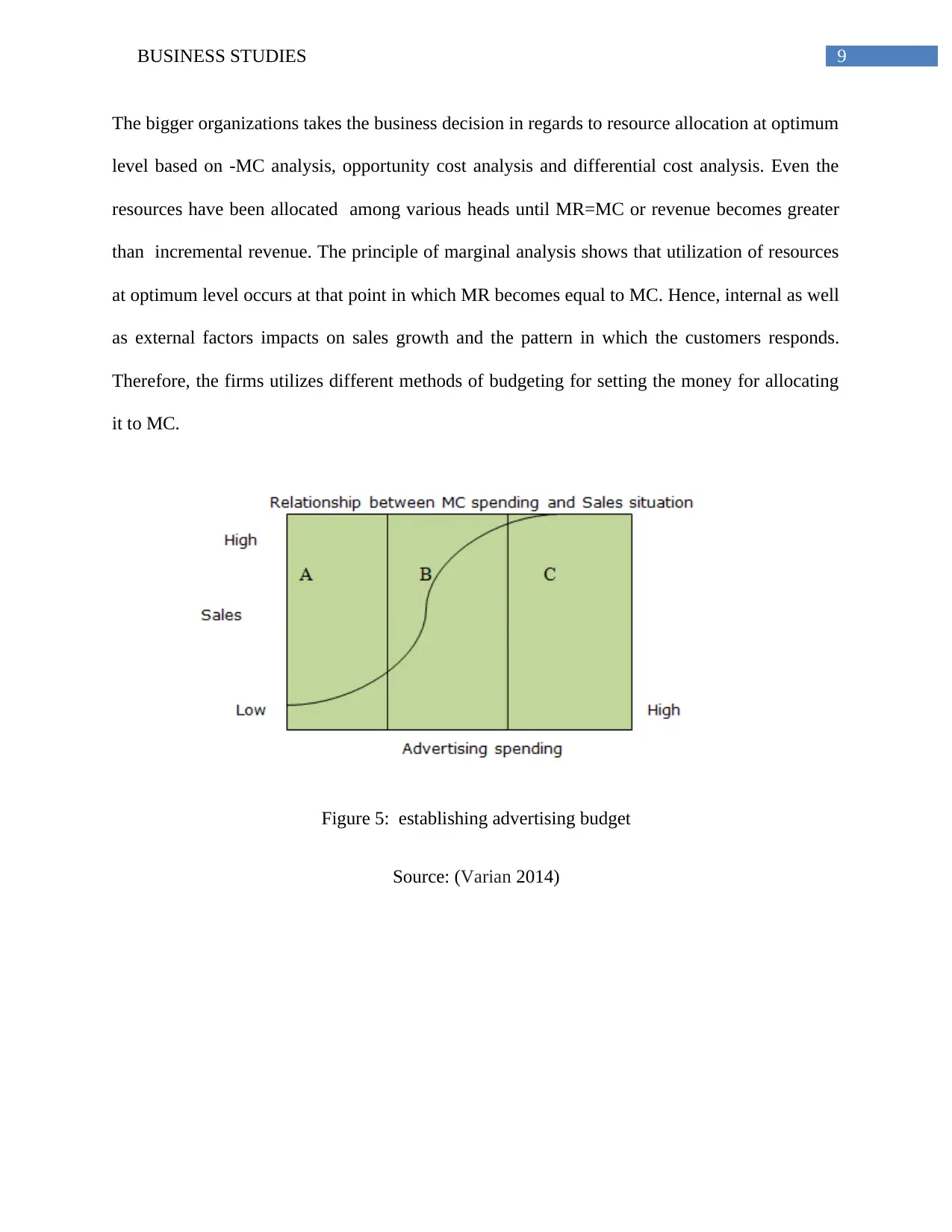
Figure 4: Profit maximization in long run
Source: (Bauer 2012)
Figure 3: profit maximization in short run
Source: (Rios, McConnell and Bruue 2013)
In the long run, the firm in this market structure earns zero economic profit. The entities
overviews the production cost and then sets the price the product for obtaining higher profit. If
one firm sets higher price of product, other rivalries takes advantage of it by giving lower price.
As a result, the firm loses its market share and thus takes action by lowering its price. This
process continues until there is unrestricted competition.
Figure 4: Profit maximization in long run
Source: (Bauer 2012)
⊘ This is a preview!⊘
Do you want full access?
Subscribe today to unlock all pages.
Trusted by 1+ million students worldwide
9BUSINESS STUDIES
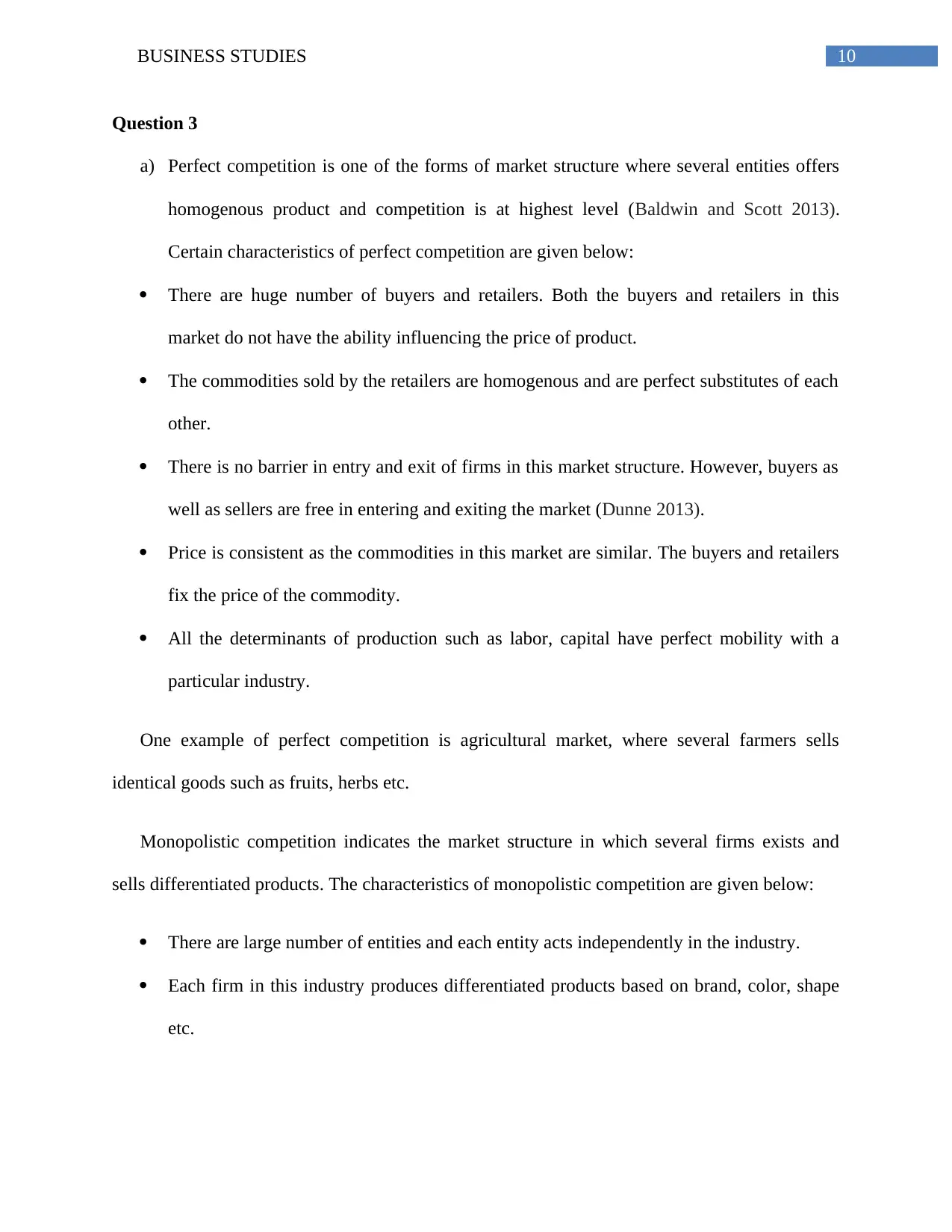
The bigger organizations takes the business decision in regards to resource allocation at optimum
level based on -MC analysis, opportunity cost analysis and differential cost analysis. Even the
resources have been allocated among various heads until MR=MC or revenue becomes greater
than incremental revenue. The principle of marginal analysis shows that utilization of resources
at optimum level occurs at that point in which MR becomes equal to MC. Hence, internal as well
as external factors impacts on sales growth and the pattern in which the customers responds.
Therefore, the firms utilizes different methods of budgeting for setting the money for allocating
it to MC.
Figure 5: establishing advertising budget
Source: (Varian 2014)
The bigger organizations takes the business decision in regards to resource allocation at optimum
level based on -MC analysis, opportunity cost analysis and differential cost analysis. Even the
resources have been allocated among various heads until MR=MC or revenue becomes greater
than incremental revenue. The principle of marginal analysis shows that utilization of resources
at optimum level occurs at that point in which MR becomes equal to MC. Hence, internal as well
as external factors impacts on sales growth and the pattern in which the customers responds.
Therefore, the firms utilizes different methods of budgeting for setting the money for allocating
it to MC.
Figure 5: establishing advertising budget
Source: (Varian 2014)
Paraphrase This Document
Need a fresh take? Get an instant paraphrase of this document with our AI Paraphraser
10BUSINESS STUDIES
Question 3
a) Perfect competition is one of the forms of market structure where several entities offers
homogenous product and competition is at highest level (Baldwin and Scott 2013).
Certain characteristics of perfect competition are given below:
There are huge number of buyers and retailers. Both the buyers and retailers in this
market do not have the ability influencing the price of product.
The commodities sold by the retailers are homogenous and are perfect substitutes of each
other.
There is no barrier in entry and exit of firms in this market structure. However, buyers as
well as sellers are free in entering and exiting the market (Dunne 2013).
Price is consistent as the commodities in this market are similar. The buyers and retailers
fix the price of the commodity.
All the determinants of production such as labor, capital have perfect mobility with a
particular industry.
One example of perfect competition is agricultural market, where several farmers sells
identical goods such as fruits, herbs etc.
Monopolistic competition indicates the market structure in which several firms exists and
sells differentiated products. The characteristics of monopolistic competition are given below:
There are large number of entities and each entity acts independently in the industry.
Each firm in this industry produces differentiated products based on brand, color, shape
etc.
Question 3
a) Perfect competition is one of the forms of market structure where several entities offers
homogenous product and competition is at highest level (Baldwin and Scott 2013).
Certain characteristics of perfect competition are given below:
There are huge number of buyers and retailers. Both the buyers and retailers in this
market do not have the ability influencing the price of product.
The commodities sold by the retailers are homogenous and are perfect substitutes of each
other.
There is no barrier in entry and exit of firms in this market structure. However, buyers as
well as sellers are free in entering and exiting the market (Dunne 2013).
Price is consistent as the commodities in this market are similar. The buyers and retailers
fix the price of the commodity.
All the determinants of production such as labor, capital have perfect mobility with a
particular industry.
One example of perfect competition is agricultural market, where several farmers sells
identical goods such as fruits, herbs etc.
Monopolistic competition indicates the market structure in which several firms exists and
sells differentiated products. The characteristics of monopolistic competition are given below:
There are large number of entities and each entity acts independently in the industry.
Each firm in this industry produces differentiated products based on brand, color, shape
etc.
11BUSINESS STUDIES
The entities in monopolistically competitive market are free in entering or exiting the
industry.
Both the buyers and retailers have lack of ideal knowledge about present condition in the
market.
Non-price competition exists in this market structure.
Examples of monopolistic competition are restaurants, stores in high-street etc. Each
restaurants offers different and unique items as all competes for same consumers.
Oligopoly refers to the market condition in which few sellers exits and produces either
identical or differentiated commodity. The characteristics of oligopoly are given below:
There are very less entities in this market structure and each one manufactures
important portion of output.
The entities are interdependent under oligopoly, which means actions of one entity
influences actions of other entities.
The firms in this industry influences price of product and hence follows price rigidity
policy.
There is restriction in entry of entities in this market structure.
Monopoly signifies that market structure where single seller exists but the total number of
buyers are large for the specific good or service. The features of monopoly are illustrated below:
There is only one retailer or producer who sells the commodity or service in the market
There is restriction to entry which means it creates difficulty for other firms in entering
the industry
There is absence of close substitutes
The entities in monopolistically competitive market are free in entering or exiting the
industry.
Both the buyers and retailers have lack of ideal knowledge about present condition in the
market.
Non-price competition exists in this market structure.
Examples of monopolistic competition are restaurants, stores in high-street etc. Each
restaurants offers different and unique items as all competes for same consumers.
Oligopoly refers to the market condition in which few sellers exits and produces either
identical or differentiated commodity. The characteristics of oligopoly are given below:
There are very less entities in this market structure and each one manufactures
important portion of output.
The entities are interdependent under oligopoly, which means actions of one entity
influences actions of other entities.
The firms in this industry influences price of product and hence follows price rigidity
policy.
There is restriction in entry of entities in this market structure.
Monopoly signifies that market structure where single seller exists but the total number of
buyers are large for the specific good or service. The features of monopoly are illustrated below:
There is only one retailer or producer who sells the commodity or service in the market
There is restriction to entry which means it creates difficulty for other firms in entering
the industry
There is absence of close substitutes
⊘ This is a preview!⊘
Do you want full access?
Subscribe today to unlock all pages.
Trusted by 1+ million students worldwide

1 out of 17


Related Documents


Your All-in-One AI-Powered Toolkit for Academic Success.
+13062052269
info@desklib.com
Available 24*7 on WhatsApp / Email
![[object Object]](/_next/static/media/star-bottom.7253800d.svg)
Unlock your academic potential
Copyright © 2020–2026 A2Z Services. All Rights Reserved. Developed and managed by ZUCOL.