Developing an AI Expert System for Animal Identification
VerifiedAdded on 2023/05/30
|22
|3062
|362
Project
AI Summary
This project report details the development of an animal identification expert system using artificial intelligence (AI) and Prolog. It begins by defining AI and blockchain, highlighting their potential synergy in creating expert systems. The report explores three implementation approaches: direct implementation, implementation through a domain-specific language (DSL), and using a different DSL to represent a decision tree. The direct implementation faced challenges with redundant questions, which were addressed by the DSL approach. The DSL approach allowed for greater flexibility and the incorporation of memory to avoid repeated queries. A final approach used a decision tree representation for animal identification. The project uses SWISH for Prolog and aims to identify animals based on a predetermined knowledge base, demonstrating the use of AI and Prolog in creating a functional expert system. The project is available on Desklib, where students can find other solved assignments and study resources.
ANIMAL IDENTIFICATION
Institution
ANIMAL IDENTIFICATION (EXPERT SYSTEM)
by
Student’s First Name Middle Initial Last Name (Student ID)
Student’s First Name Middle Initial Last Name (Student ID)
Student’s First Name Middle Initial Last Name (Student ID)
Supervised by
{Month Year}
Institution
ANIMAL IDENTIFICATION (EXPERT SYSTEM)
by
Student’s First Name Middle Initial Last Name (Student ID)
Student’s First Name Middle Initial Last Name (Student ID)
Student’s First Name Middle Initial Last Name (Student ID)
Supervised by
{Month Year}

Paraphrase This Document
Need a fresh take? Get an instant paraphrase of this document with our AI Paraphraser
ANIMAL IDENTIFICATION 2
Table of Contents
LIST OF FIGURES..........................................................................................................................................3
Introduction.................................................................................................................................................4
Defining Artificial Intelligence..................................................................................................................5
Defining Block Chain................................................................................................................................5
Background..................................................................................................................................................7
Solution.......................................................................................................................................................8
Direct Implementation............................................................................................................................8
Implementation through domain-specific language................................................................................9
Third Approach – Using a different DSL.................................................................................................12
References.................................................................................................................................................16
Table of Contents
LIST OF FIGURES..........................................................................................................................................3
Introduction.................................................................................................................................................4
Defining Artificial Intelligence..................................................................................................................5
Defining Block Chain................................................................................................................................5
Background..................................................................................................................................................7
Solution.......................................................................................................................................................8
Direct Implementation............................................................................................................................8
Implementation through domain-specific language................................................................................9
Third Approach – Using a different DSL.................................................................................................12
References.................................................................................................................................................16
ANIMAL IDENTIFICATION 3
LIST OF FIGURES
Figure 1 Direct Implementation.......................................................................................................8
Figure 2 Challenge in Approach......................................................................................................9
Figure 3 Implementation using domain-specific language............................................................11
Figure 4 Alternative to same approach..........................................................................................11
Figure 5 Challenge in approach....................................................................................................11
Figure 6 Memory implementation in selected approach...............................................................12
Figure 7 Alternative technique in approach...................................................................................13
Figure 8 Upside of technique; lacking redundancy.......................................................................13
Figure 9 Decision Tree Approach..................................................................................................14
Figure 10 Advanced Representation of Decision Tree..................................................................15
Figure 11 User Question Implementation......................................................................................15
Figure 12 Result to Asked Questions............................................................................................16
LIST OF FIGURES
Figure 1 Direct Implementation.......................................................................................................8
Figure 2 Challenge in Approach......................................................................................................9
Figure 3 Implementation using domain-specific language............................................................11
Figure 4 Alternative to same approach..........................................................................................11
Figure 5 Challenge in approach....................................................................................................11
Figure 6 Memory implementation in selected approach...............................................................12
Figure 7 Alternative technique in approach...................................................................................13
Figure 8 Upside of technique; lacking redundancy.......................................................................13
Figure 9 Decision Tree Approach..................................................................................................14
Figure 10 Advanced Representation of Decision Tree..................................................................15
Figure 11 User Question Implementation......................................................................................15
Figure 12 Result to Asked Questions............................................................................................16
⊘ This is a preview!⊘
Do you want full access?
Subscribe today to unlock all pages.

Trusted by 1+ million students worldwide
ANIMAL IDENTIFICATION 4
Introduction
Today, it is hard to brush off some of the critical roles under artificial intelligence (AI) as well as
block chain. The former facets are beguiled in the series of fourth industrial revolution (4IR), with AI’s
incorporation into DNA. On the other hand, block chain contributes by transforming the economic
framework’s entire architecture. Verily, the combination of the two technologies is expected to conduct
an in-depth and vast detail for this report on 4IR. The dynamic between AI and block chain is sought in
this report as a solution to emulate expert systems (Marwala, & Xing, 2018). The problem by human
experts to make decisions in various applications including: Large Scale Data Management and Open
Market for Data. Since the emergence of knowledge society block chain in the industry, it has been
termed most potent and contemporary instrument in making the internet surrounding dependable and
authentic. In the past, standard designs were being embraced across the manufacturing industry,
compared to custom productions which were deemed inefficient. Therefore, this report depicts a
developed solution under expert system using Prolog as an elementary inference engine (Marr, 2018).
The theory proven manages to make conclusions from predetermined instructions in identifying animals.
The aforesaid is implemented by block chain administered framework founded on machine learning.
Defining Artificial Intelligence
So as to examine the cooperative energy of AI and block chain, it is vital to comprehend what AI
and block chain are in beginning of this report. Intelligence is the capacity to comprehend data past the
self-evident. There are two kinds of insight in nature and these are singular knowledge and gathering
insight. As the name infers, AI is made out of two words, artificial and intelligence. Subsequently, it is
insight that is misleadingly made (Sharma, 2018). Different kinds of man-made brainpower methods
have been proposed and these incorporate neural systems, bolster vector machines and fluffy rationale
popular as fuzzy logic. These procedures have been effectively utilized for missing information
Introduction
Today, it is hard to brush off some of the critical roles under artificial intelligence (AI) as well as
block chain. The former facets are beguiled in the series of fourth industrial revolution (4IR), with AI’s
incorporation into DNA. On the other hand, block chain contributes by transforming the economic
framework’s entire architecture. Verily, the combination of the two technologies is expected to conduct
an in-depth and vast detail for this report on 4IR. The dynamic between AI and block chain is sought in
this report as a solution to emulate expert systems (Marwala, & Xing, 2018). The problem by human
experts to make decisions in various applications including: Large Scale Data Management and Open
Market for Data. Since the emergence of knowledge society block chain in the industry, it has been
termed most potent and contemporary instrument in making the internet surrounding dependable and
authentic. In the past, standard designs were being embraced across the manufacturing industry,
compared to custom productions which were deemed inefficient. Therefore, this report depicts a
developed solution under expert system using Prolog as an elementary inference engine (Marr, 2018).
The theory proven manages to make conclusions from predetermined instructions in identifying animals.
The aforesaid is implemented by block chain administered framework founded on machine learning.
Defining Artificial Intelligence
So as to examine the cooperative energy of AI and block chain, it is vital to comprehend what AI
and block chain are in beginning of this report. Intelligence is the capacity to comprehend data past the
self-evident. There are two kinds of insight in nature and these are singular knowledge and gathering
insight. As the name infers, AI is made out of two words, artificial and intelligence. Subsequently, it is
insight that is misleadingly made (Sharma, 2018). Different kinds of man-made brainpower methods
have been proposed and these incorporate neural systems, bolster vector machines and fluffy rationale
popular as fuzzy logic. These procedures have been effectively utilized for missing information
Paraphrase This Document
Need a fresh take? Get an instant paraphrase of this document with our AI Paraphraser
ANIMAL IDENTIFICATION 5
estimation, limited component models, demonstrating interstate clash, financial matters and in mechanical
autonomy.
Defining Block Chain
Block chain is another transcription system for computerized data, hence storing information in
an encoded, distributed enter design. Because information is scrambled and allowed crosswise reaching
numerous scales of clients, empowering the creation of certain, and substantial databases which can be
perused and refreshed just by those with authorization. In the least complex term, blockchain signifies an
unalterable advanced database system (Brytskyi, 2018). One remarkable component of blockchain
innovation is its disseminated usage way. It at first began from Bitcoin, which has now exhibited its
potential in various spaces. The security embedded distribution across databases are enhanced to share in
the connection, recording transaction information either in two sets. An on-chain facilitates basic
principles or an off-chain having additional resources.
estimation, limited component models, demonstrating interstate clash, financial matters and in mechanical
autonomy.
Defining Block Chain
Block chain is another transcription system for computerized data, hence storing information in
an encoded, distributed enter design. Because information is scrambled and allowed crosswise reaching
numerous scales of clients, empowering the creation of certain, and substantial databases which can be
perused and refreshed just by those with authorization. In the least complex term, blockchain signifies an
unalterable advanced database system (Brytskyi, 2018). One remarkable component of blockchain
innovation is its disseminated usage way. It at first began from Bitcoin, which has now exhibited its
potential in various spaces. The security embedded distribution across databases are enhanced to share in
the connection, recording transaction information either in two sets. An on-chain facilitates basic
principles or an off-chain having additional resources.
ANIMAL IDENTIFICATION 6
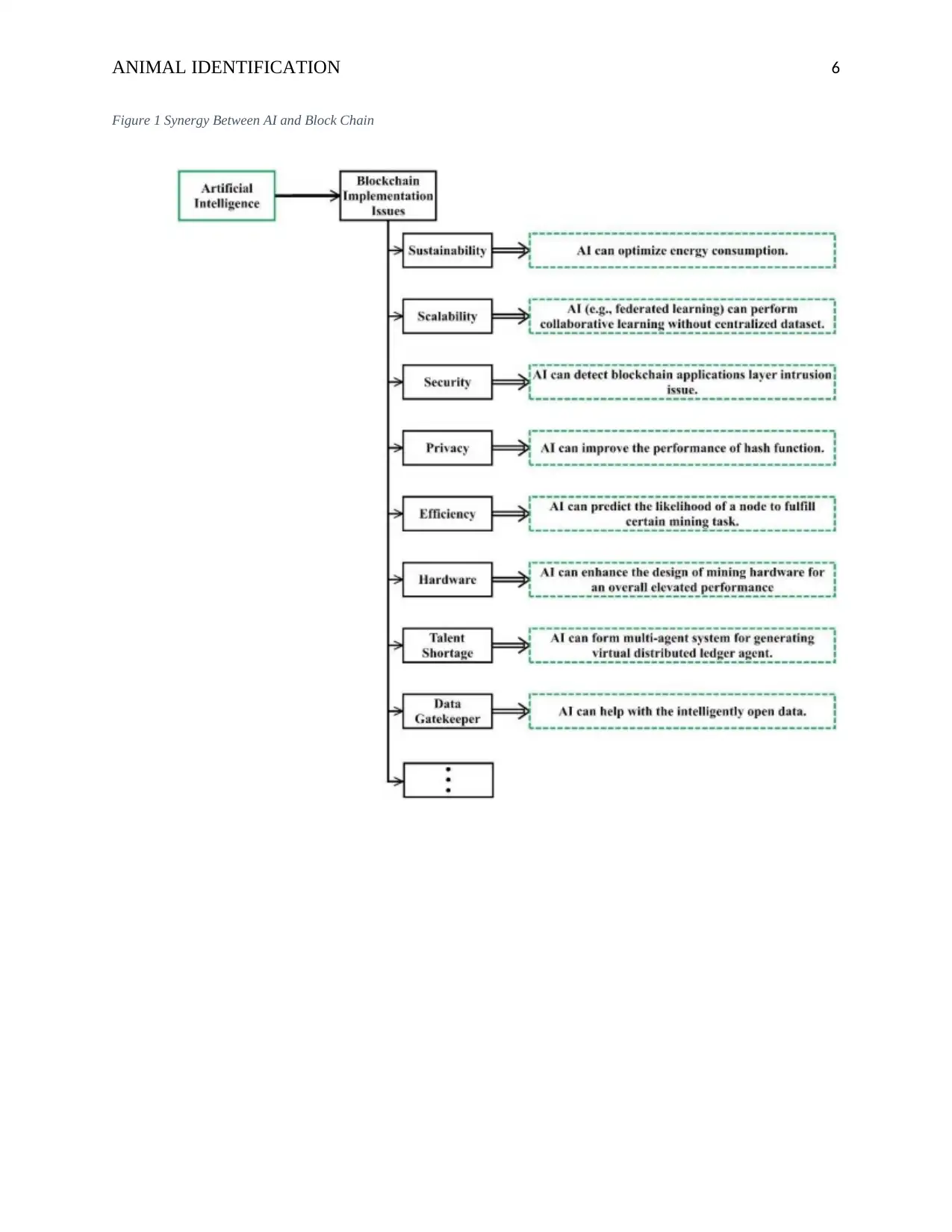
Figure 1 Synergy Between AI and Block Chain
Figure 1 Synergy Between AI and Block Chain
⊘ This is a preview!⊘
Do you want full access?
Subscribe today to unlock all pages.
Trusted by 1+ million students worldwide
ANIMAL IDENTIFICATION 7
Background
Block chain is radically changing the manner in which innovation and information are created in
the learning society, having an effect of supernatural greatness, not just in this field, yet additionally in
the rebuilding of the manner by which society and the economy are composed to deliver products and
ventures (Malhotra, 2018). So much has been said of the new mechanical unrest from various
perspectives, in the fields identified with the Information Technologies, (IT): Internet of things, the
semantic web and in the field of the economy: the best approach to exchange monetary forms and in the
field of society: the effect that in present moment is required to adjust the way items and administrations
are made. In such situation another modern unrest is going to be encountered, this runs lined up with
computerized reasoning and ES (expert frameworks), consequently, adjusting the method for creation,
moving from large scale manufacturing to altered generation, towards an exceptional effect by step by
step adjusting the method for gathering in the public eye for this reason, which will subsidiary in a de-
concentrated economy.
The reason behind using prolog to implement the Animal Identification expert system was based on three
reasons. First, Prolog is a language structure that is simple since it derives endings from basic
conventions. Therefore, the expert system was entirely built by Prolog’s in-built techniques as well as
backtracking. Secondly, Prolog’s data construction is reckoned for flexibility and convenience in the
representation of rule-established frameworks. As in the case of many applications that entail merging of
AI and blockchain, Prolog complies with functionalities for probabilistic thinking. Lastly, meta-
interpreters are easily written in Prolog in implementing custom-made valuation schemes of formulas.
The objective of the software’s solution is based on identifying animals from a predetermined array of
knowledge about animals, hence the inferred rules. As such, the following is a glimpse of the rules sought
to be implemented in an animal identification expert system. If the object contains a fur as well as reads
woof, therefore the animal equals to a dog. If the object contains a fur as well as reads meow, therefore
the animal equals to a cat. Lastly, if the object contains feathers as well as reads quack, therefore then
Background
Block chain is radically changing the manner in which innovation and information are created in
the learning society, having an effect of supernatural greatness, not just in this field, yet additionally in
the rebuilding of the manner by which society and the economy are composed to deliver products and
ventures (Malhotra, 2018). So much has been said of the new mechanical unrest from various
perspectives, in the fields identified with the Information Technologies, (IT): Internet of things, the
semantic web and in the field of the economy: the best approach to exchange monetary forms and in the
field of society: the effect that in present moment is required to adjust the way items and administrations
are made. In such situation another modern unrest is going to be encountered, this runs lined up with
computerized reasoning and ES (expert frameworks), consequently, adjusting the method for creation,
moving from large scale manufacturing to altered generation, towards an exceptional effect by step by
step adjusting the method for gathering in the public eye for this reason, which will subsidiary in a de-
concentrated economy.
The reason behind using prolog to implement the Animal Identification expert system was based on three
reasons. First, Prolog is a language structure that is simple since it derives endings from basic
conventions. Therefore, the expert system was entirely built by Prolog’s in-built techniques as well as
backtracking. Secondly, Prolog’s data construction is reckoned for flexibility and convenience in the
representation of rule-established frameworks. As in the case of many applications that entail merging of
AI and blockchain, Prolog complies with functionalities for probabilistic thinking. Lastly, meta-
interpreters are easily written in Prolog in implementing custom-made valuation schemes of formulas.
The objective of the software’s solution is based on identifying animals from a predetermined array of
knowledge about animals, hence the inferred rules. As such, the following is a glimpse of the rules sought
to be implemented in an animal identification expert system. If the object contains a fur as well as reads
woof, therefore the animal equals to a dog. If the object contains a fur as well as reads meow, therefore
the animal equals to a cat. Lastly, if the object contains feathers as well as reads quack, therefore then
Paraphrase This Document
Need a fresh take? Get an instant paraphrase of this document with our AI Paraphraser
ANIMAL IDENTIFICATION 8
animal equals to a duck. The aforementioned rules are not thorough but demonstrate minor degrees about
the expert system as portrayed the next section.
Solution
Using the developed sassy automated software, the expert system is designed to function using an
uttermost learning machine. Similarly, it emerges as a shell to acquire whatsoever adept framework using
fast learning. The system’s entire representation is made using a sassy contract bridge using a scope
associated to the expert system’s esteem (Prolog, 2018). Designed using SWISH for Prolog, the central
theme of the system is in deriving important fresh information established on a user-furnished input
(Prolog, 2018). The software was implemented using three approaches as enabled in Prolog.
Direct Implementation
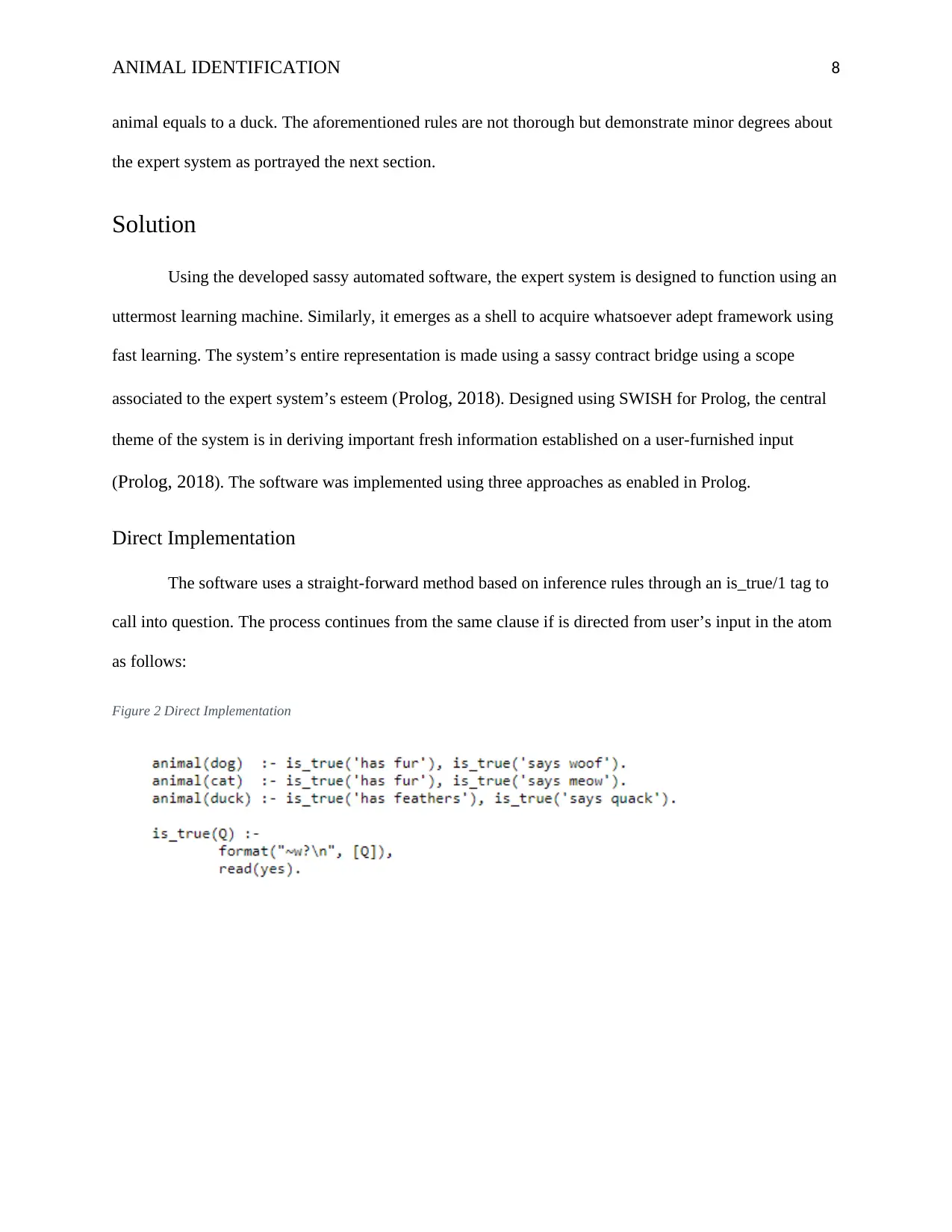
The software uses a straight-forward method based on inference rules through an is_true/1 tag to
call into question. The process continues from the same clause if is directed from user’s input in the atom
as follows:
Figure 2 Direct Implementation
animal equals to a duck. The aforementioned rules are not thorough but demonstrate minor degrees about
the expert system as portrayed the next section.
Solution
Using the developed sassy automated software, the expert system is designed to function using an
uttermost learning machine. Similarly, it emerges as a shell to acquire whatsoever adept framework using
fast learning. The system’s entire representation is made using a sassy contract bridge using a scope
associated to the expert system’s esteem (Prolog, 2018). Designed using SWISH for Prolog, the central
theme of the system is in deriving important fresh information established on a user-furnished input
(Prolog, 2018). The software was implemented using three approaches as enabled in Prolog.
Direct Implementation
The software uses a straight-forward method based on inference rules through an is_true/1 tag to
call into question. The process continues from the same clause if is directed from user’s input in the atom
as follows:
Figure 2 Direct Implementation
ANIMAL IDENTIFICATION 9
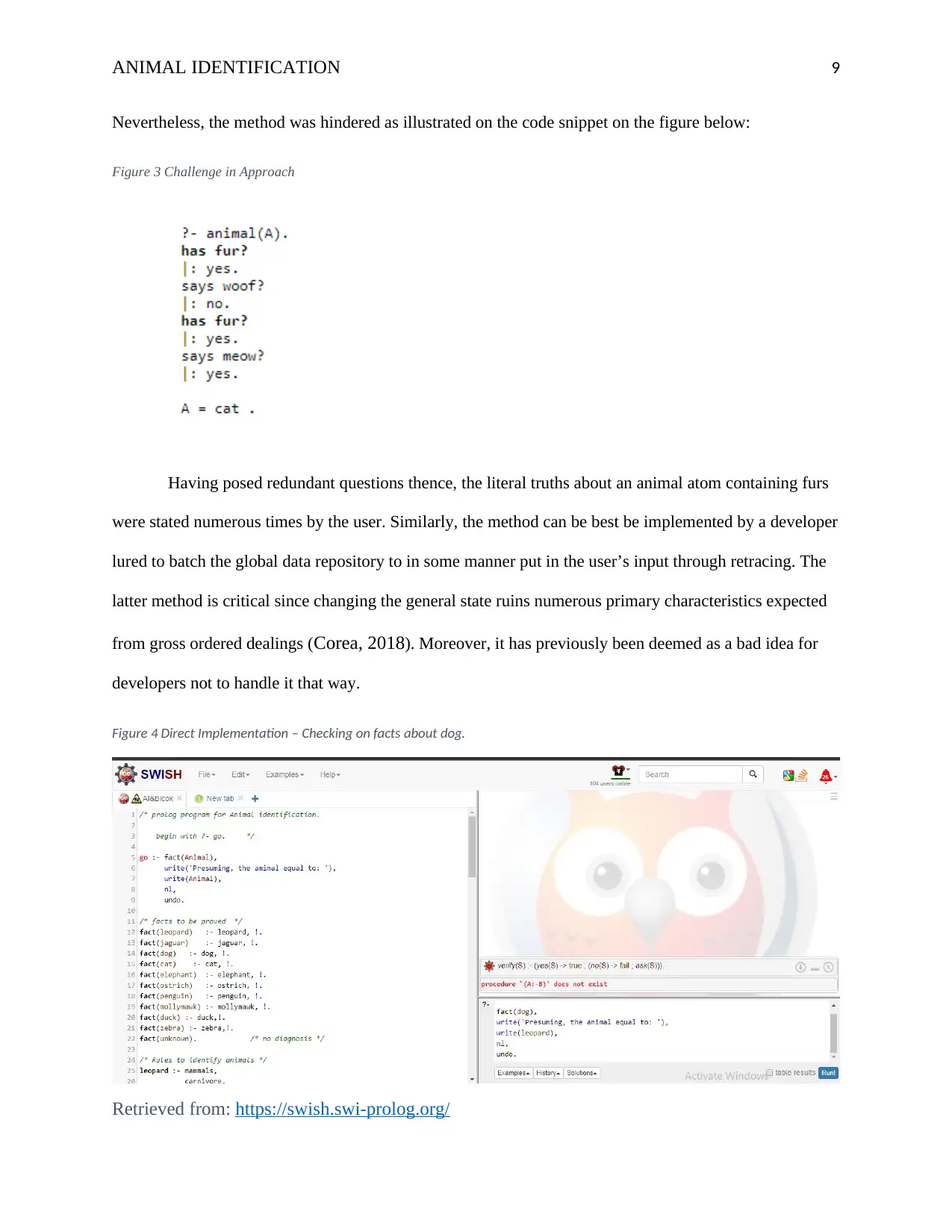
Nevertheless, the method was hindered as illustrated on the code snippet on the figure below:
Figure 3 Challenge in Approach
Having posed redundant questions thence, the literal truths about an animal atom containing furs
were stated numerous times by the user. Similarly, the method can be best be implemented by a developer
lured to batch the global data repository to in some manner put in the user’s input through retracing. The
latter method is critical since changing the general state ruins numerous primary characteristics expected
from gross ordered dealings (Corea, 2018). Moreover, it has previously been deemed as a bad idea for
developers not to handle it that way.
Figure 4 Direct Implementation – Checking on facts about dog.
Retrieved from: https://swish.swi-prolog.org/
Nevertheless, the method was hindered as illustrated on the code snippet on the figure below:
Figure 3 Challenge in Approach
Having posed redundant questions thence, the literal truths about an animal atom containing furs
were stated numerous times by the user. Similarly, the method can be best be implemented by a developer
lured to batch the global data repository to in some manner put in the user’s input through retracing. The
latter method is critical since changing the general state ruins numerous primary characteristics expected
from gross ordered dealings (Corea, 2018). Moreover, it has previously been deemed as a bad idea for
developers not to handle it that way.
Figure 4 Direct Implementation – Checking on facts about dog.
Retrieved from: https://swish.swi-prolog.org/
⊘ This is a preview!⊘
Do you want full access?
Subscribe today to unlock all pages.
Trusted by 1+ million students worldwide
ANIMAL IDENTIFICATION 10
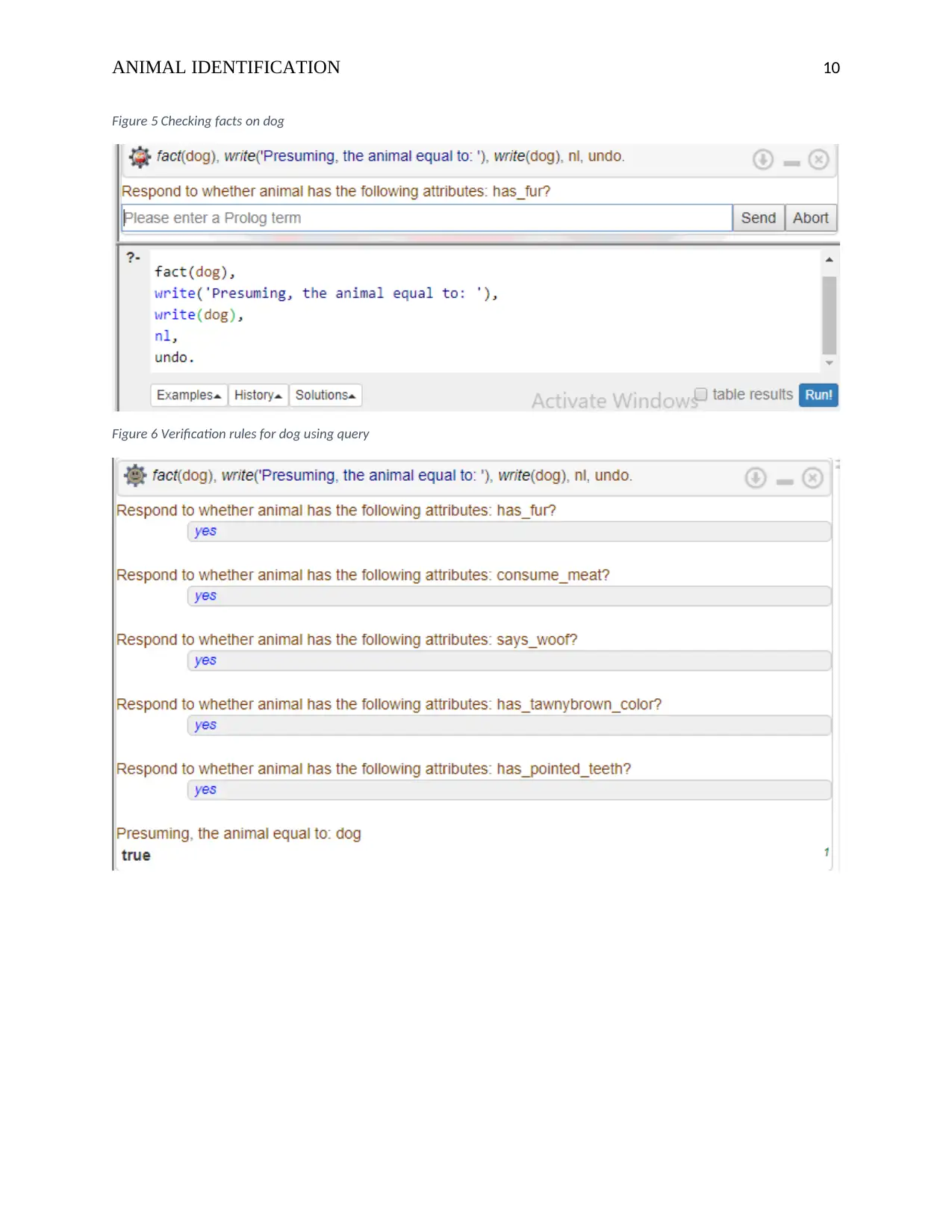
Figure 5 Checking facts on dog
Figure 6 Verification rules for dog using query
Figure 5 Checking facts on dog
Figure 6 Verification rules for dog using query
Paraphrase This Document
Need a fresh take? Get an instant paraphrase of this document with our AI Paraphraser
ANIMAL IDENTIFICATION 11
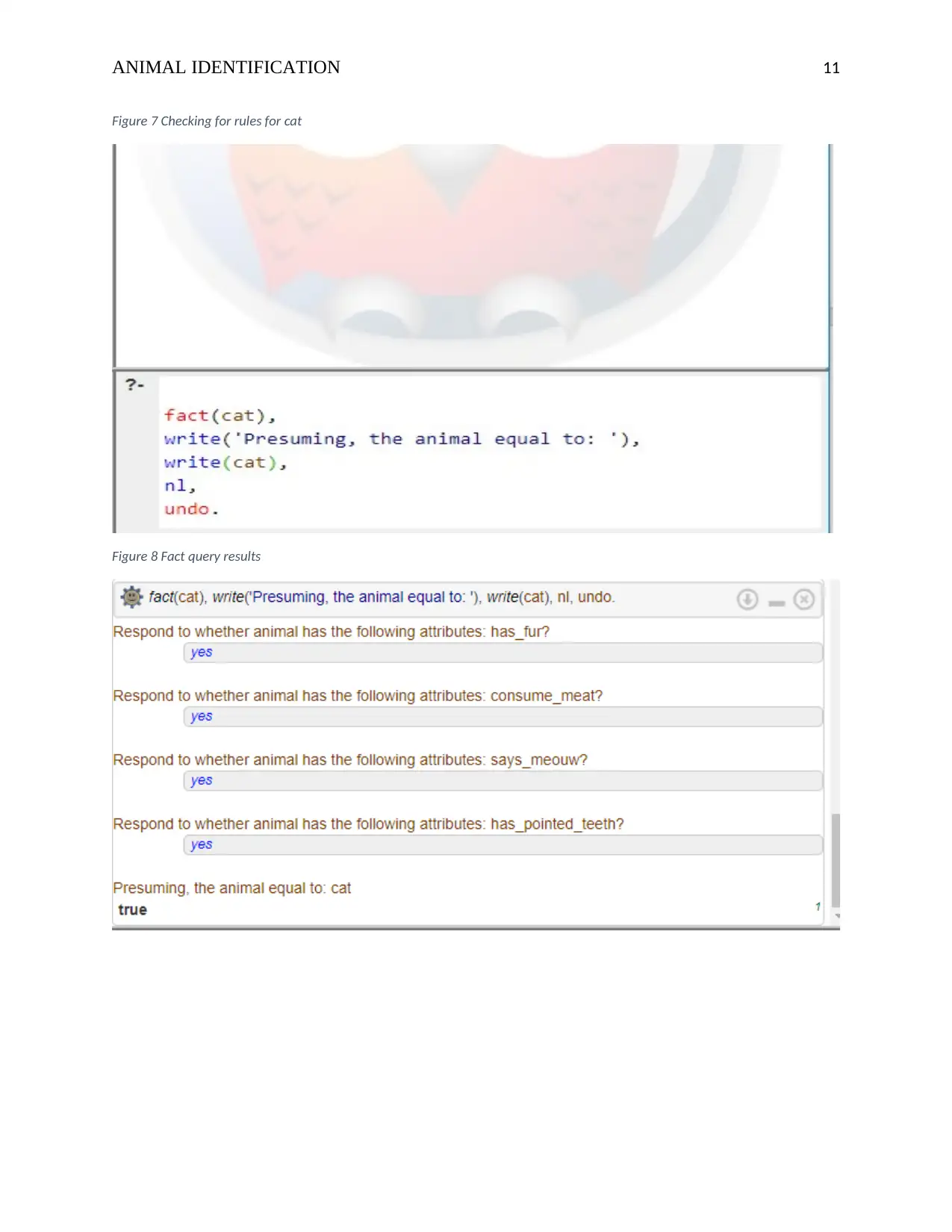
Figure 7 Checking for rules for cat
Figure 8 Fact query results
Figure 7 Checking for rules for cat
Figure 8 Fact query results
ANIMAL IDENTIFICATION 12
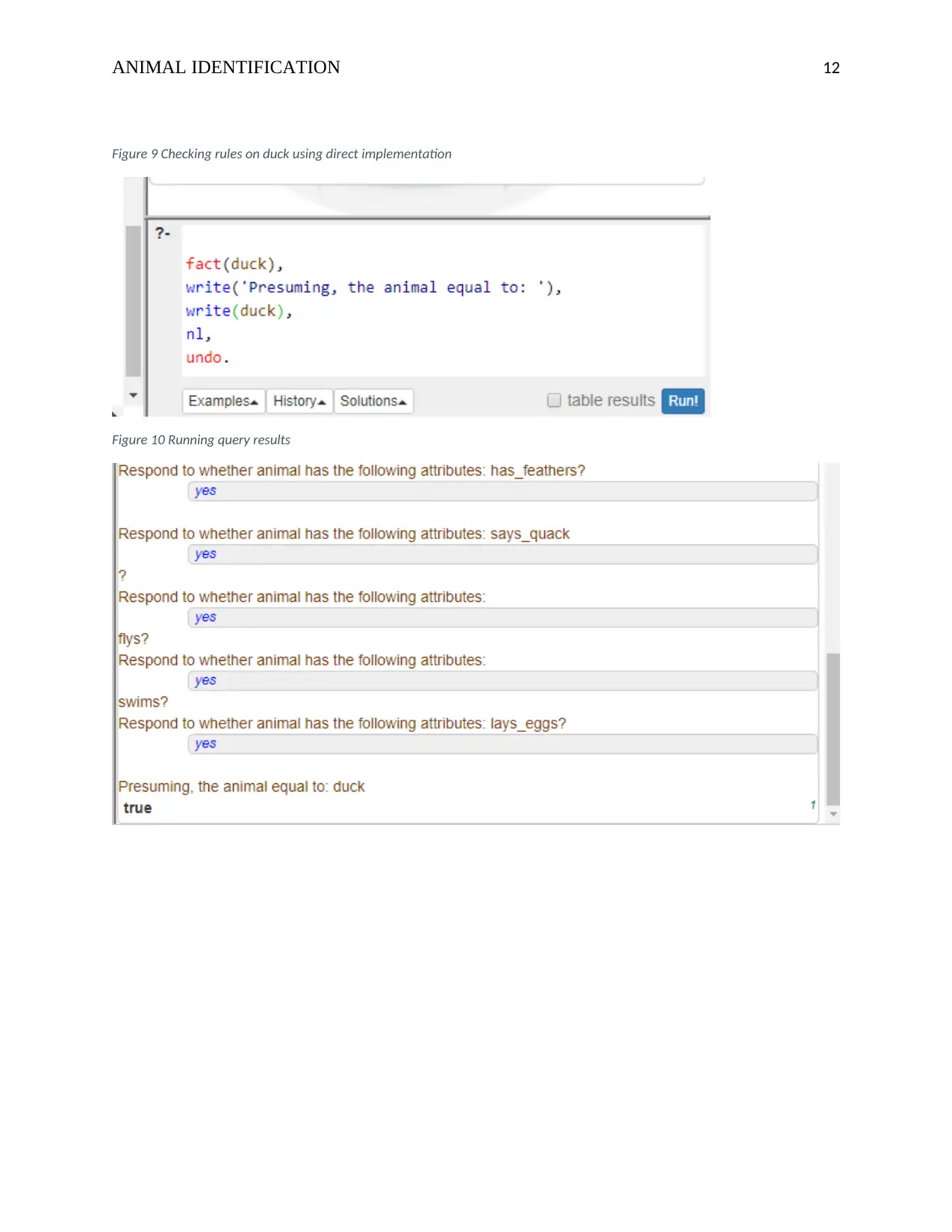
Figure 9 Checking rules on duck using direct implementation
Figure 10 Running query results
Figure 9 Checking rules on duck using direct implementation
Figure 10 Running query results
⊘ This is a preview!⊘
Do you want full access?
Subscribe today to unlock all pages.
Trusted by 1+ million students worldwide

1 out of 22


Your All-in-One AI-Powered Toolkit for Academic Success.
+13062052269
info@desklib.com
Available 24*7 on WhatsApp / Email
![[object Object]](/_next/static/media/star-bottom.7253800d.svg)
Unlock your academic potential
Copyright © 2020–2026 A2Z Services. All Rights Reserved. Developed and managed by ZUCOL.