Comprehensive Report on Aircraft Stability and Control Analysis
VerifiedAdded on 2023/04/21
|18
|4721
|432
Report
AI Summary
This report provides a comprehensive analysis of aircraft stability and control, focusing on the mechanics of flight. It covers essential concepts such as static and dynamic stability, longitudinal, lateral, and directional stability, and the effects of static margin on aircraft behavior. The report includes sketches illustrating the body axes of an airplane, aerodynamic forces, angles of attack and sideslip, and discusses modes like spiral and Dutch roll. Furthermore, it examines the role of control surfaces in maintaining stability and controllability, highlighting the importance of understanding these factors for ensuring flight safety. The document is available on Desklib, a platform offering a range of AI-based study tools and solved assignments to support student learning.
Safety and Control of an Aircraft 1
SAFETY AND CONTROL OF AN AIRCRAFT
Name
Course
Professor
University
City/state
Date
SAFETY AND CONTROL OF AN AIRCRAFT
Name
Course
Professor
University
City/state
Date

Paraphrase This Document
Need a fresh take? Get an instant paraphrase of this document with our AI Paraphraser
Safety and Control of an Aircraft 2
Abstract
This report presents an analysis of different aspects about the stability and control of airplanes.
These are very essential factors that influence the safety of airplanes hence their analysis is
worthwhile. From answering the questions in these tasks, it is evident that safety of an airplane is
very important and can be accomplished through different approaches. An airplane has three
main axes and four main aerodynamic forces acting on it. These forces create moments along the
axes, which must balance for the airplane to fly safely and at equilibrium conditions. Some of the
various terms and parameters that must be analyzed and understood when investigating safety of
an airplane are: static and dynamic stability, longitudinal, lateral and directional stability, static
margin, spiral mode, Dutch roll mode, stability and controllability, and control surfaces of an
airplane. It is very fascinating to learn how pilots use control inputs to control airplanes and
make them stable, and also the use of automated computer systems in flying airplanes.
Table of Contents
Abstract
This report presents an analysis of different aspects about the stability and control of airplanes.
These are very essential factors that influence the safety of airplanes hence their analysis is
worthwhile. From answering the questions in these tasks, it is evident that safety of an airplane is
very important and can be accomplished through different approaches. An airplane has three
main axes and four main aerodynamic forces acting on it. These forces create moments along the
axes, which must balance for the airplane to fly safely and at equilibrium conditions. Some of the
various terms and parameters that must be analyzed and understood when investigating safety of
an airplane are: static and dynamic stability, longitudinal, lateral and directional stability, static
margin, spiral mode, Dutch roll mode, stability and controllability, and control surfaces of an
airplane. It is very fascinating to learn how pilots use control inputs to control airplanes and
make them stable, and also the use of automated computer systems in flying airplanes.
Table of Contents
Safety and Control of an Aircraft 3
Abstract......................................................................................................................................................2
1. Introduction.......................................................................................................................................4
2. Task 1.................................................................................................................................................4
2.1. Sketch of body axes of an airplane...........................................................................................4
2.2. Static and dynamic stability, and longitudinal, lateral and directional stabilities of an
airplane...................................................................................................................................................7
2.3. Static margin and its effect on aircraft stability and control................................................10
2.4. Spiral mode and Dutch roll mode...........................................................................................11
2.5. Experimental data for three aircraft models.........................................................................12
3. Task 2...............................................................................................................................................13
3.1. Stability and controllability....................................................................................................13
3.2. Control surfaces.......................................................................................................................15
4. Conclusion........................................................................................................................................17
Bibliography..............................................................................................................................................18
Abstract......................................................................................................................................................2
1. Introduction.......................................................................................................................................4
2. Task 1.................................................................................................................................................4
2.1. Sketch of body axes of an airplane...........................................................................................4
2.2. Static and dynamic stability, and longitudinal, lateral and directional stabilities of an
airplane...................................................................................................................................................7
2.3. Static margin and its effect on aircraft stability and control................................................10
2.4. Spiral mode and Dutch roll mode...........................................................................................11
2.5. Experimental data for three aircraft models.........................................................................12
3. Task 2...............................................................................................................................................13
3.1. Stability and controllability....................................................................................................13
3.2. Control surfaces.......................................................................................................................15
4. Conclusion........................................................................................................................................17
Bibliography..............................................................................................................................................18
⊘ This is a preview!⊘
Do you want full access?
Subscribe today to unlock all pages.

Trusted by 1+ million students worldwide
Safety and Control of an Aircraft 4
1. Introduction
As a team member in a reputable aviation company, the main task in this report is to
conduct research on fundamentals of mechanics of flight. The fundamentals of mechanics of
airplane flight comprises of flight stability and control. These are very essential issues for all
types of airplanes. Stability of an airplane deals with the ability of a pilot to maintain the airplane
in the desired flight attitude whereas control of an airplane deals with the ability of the pilot to
change the airplane’s attitude and flight direction. An airplane must be designed to have good
handling qualities so that the pilot can control and maintain the desired stability more easily.
Control of an aircraft s accomplished through power and control surfaces/components
including ailerons, rudder, elevators, throttle, flaps, spoilers, flaperons, elevons and spoilerons,
among others. There are also numerous equations used to analyze stability of an airplane. Some
of these equations are those used for calculating various moments affecting the stability and
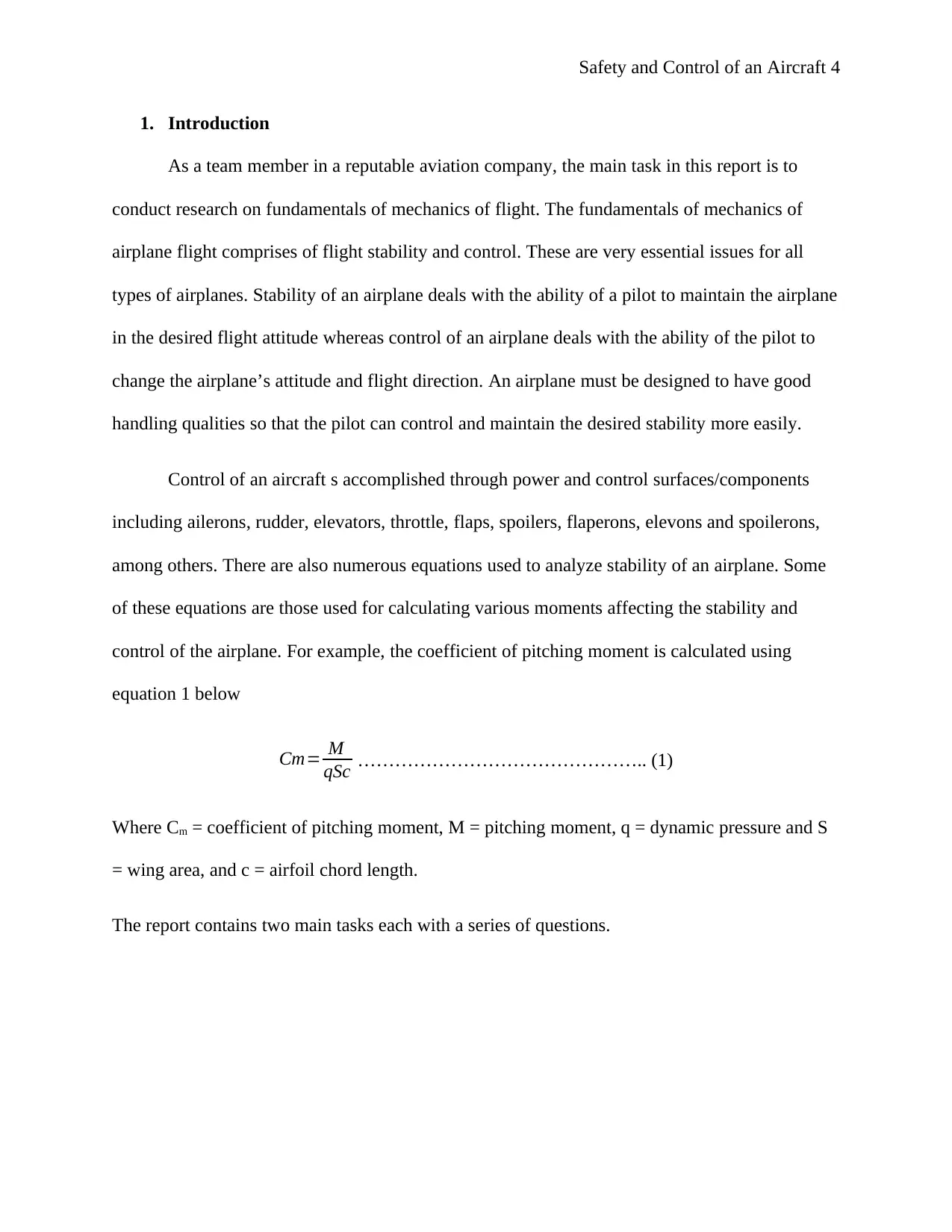
control of the airplane. For example, the coefficient of pitching moment is calculated using
equation 1 below
Cm= M
qSc ……………………………………….. (1)
Where Cm = coefficient of pitching moment, M = pitching moment, q = dynamic pressure and S
= wing area, and c = airfoil chord length.
The report contains two main tasks each with a series of questions.
1. Introduction
As a team member in a reputable aviation company, the main task in this report is to
conduct research on fundamentals of mechanics of flight. The fundamentals of mechanics of
airplane flight comprises of flight stability and control. These are very essential issues for all
types of airplanes. Stability of an airplane deals with the ability of a pilot to maintain the airplane
in the desired flight attitude whereas control of an airplane deals with the ability of the pilot to
change the airplane’s attitude and flight direction. An airplane must be designed to have good
handling qualities so that the pilot can control and maintain the desired stability more easily.
Control of an aircraft s accomplished through power and control surfaces/components
including ailerons, rudder, elevators, throttle, flaps, spoilers, flaperons, elevons and spoilerons,
among others. There are also numerous equations used to analyze stability of an airplane. Some
of these equations are those used for calculating various moments affecting the stability and
control of the airplane. For example, the coefficient of pitching moment is calculated using
equation 1 below
Cm= M
qSc ……………………………………….. (1)
Where Cm = coefficient of pitching moment, M = pitching moment, q = dynamic pressure and S
= wing area, and c = airfoil chord length.
The report contains two main tasks each with a series of questions.
Paraphrase This Document
Need a fresh take? Get an instant paraphrase of this document with our AI Paraphraser
Safety and Control of an Aircraft 5
2. Task 1
2.1. Sketch of body axes of an airplane
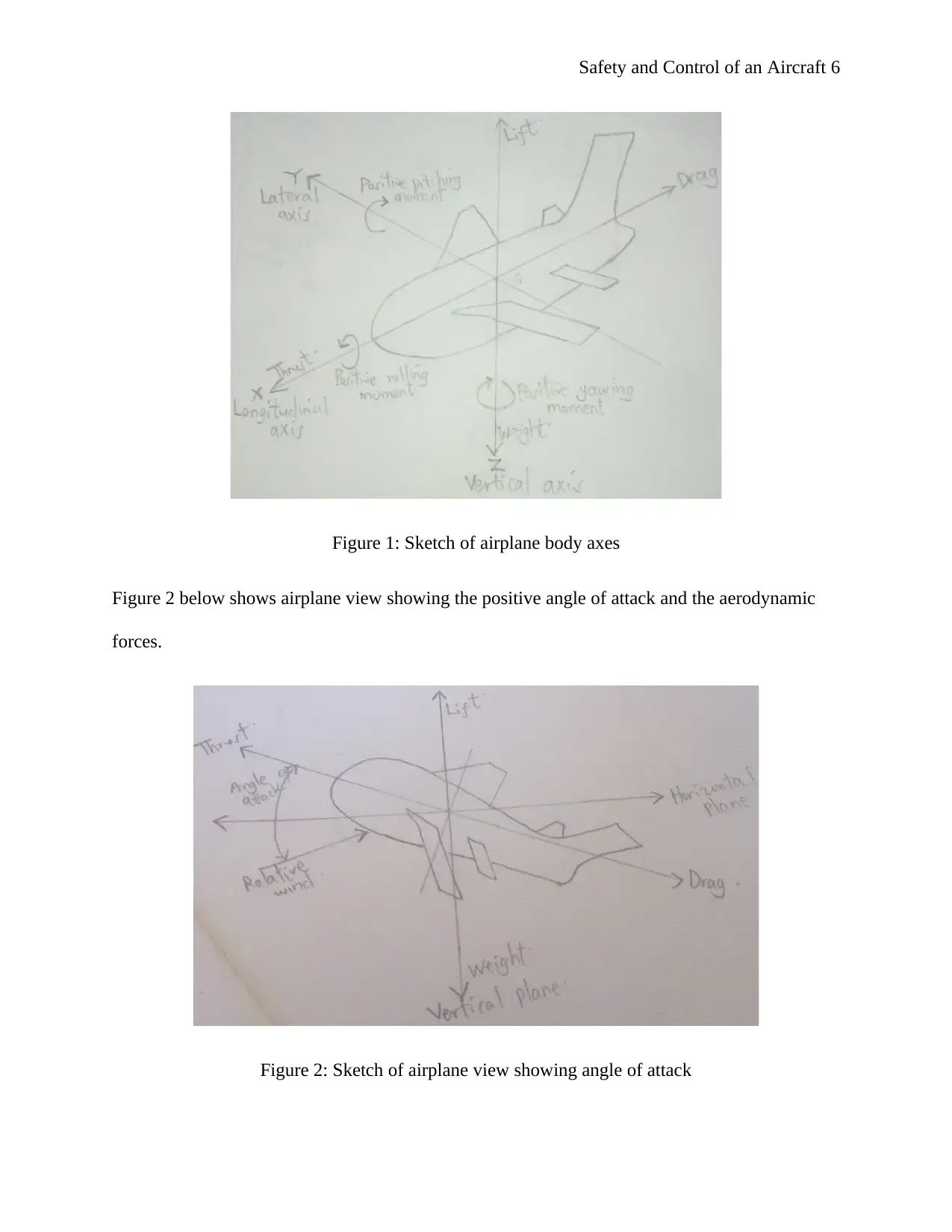
Figure 1 below shows the three body axes of an airplane, and the aerodynamic forces and
moments about these axes. The three body axes are: longitudinal axis, vertical axis and lateral or
transverse axis. The four main aerodynamic forces acting on the airplane are: thrust, drag, lift
and weight. All the body axes and aerodynamic forces act through the centre of gravity of the
airplane. Thrust is the aerodynamic force moving or pushing the airplane in the direction of
motion (it acts along and in the direction of the longitudinal axis direction). Drag is the
aerodynamic force that pushes the airplane in the opposite direction to the direction of motion (it
acts along but opposite to the longitudinal axis direction). Lift is the aerodynamic force holding
the airplane in the air and it acts upwards (along but opposite to the vertical axis direction).
Weight is the aerodynamic force that is as a result of gravity (it acts along and in the direction of
the vertical axis direction)1.
1Hall, Nancy, Four Forces on an Airplane, May 2015 (accessed December 31, 2018); available from
https://www.grc.nasa.gov/www/k-12/airplane/forces.html.
2. Task 1
2.1. Sketch of body axes of an airplane
Figure 1 below shows the three body axes of an airplane, and the aerodynamic forces and
moments about these axes. The three body axes are: longitudinal axis, vertical axis and lateral or
transverse axis. The four main aerodynamic forces acting on the airplane are: thrust, drag, lift
and weight. All the body axes and aerodynamic forces act through the centre of gravity of the
airplane. Thrust is the aerodynamic force moving or pushing the airplane in the direction of
motion (it acts along and in the direction of the longitudinal axis direction). Drag is the
aerodynamic force that pushes the airplane in the opposite direction to the direction of motion (it
acts along but opposite to the longitudinal axis direction). Lift is the aerodynamic force holding
the airplane in the air and it acts upwards (along but opposite to the vertical axis direction).
Weight is the aerodynamic force that is as a result of gravity (it acts along and in the direction of
the vertical axis direction)1.
1Hall, Nancy, Four Forces on an Airplane, May 2015 (accessed December 31, 2018); available from
https://www.grc.nasa.gov/www/k-12/airplane/forces.html.
Safety and Control of an Aircraft 6
Figure 1: Sketch of airplane body axes
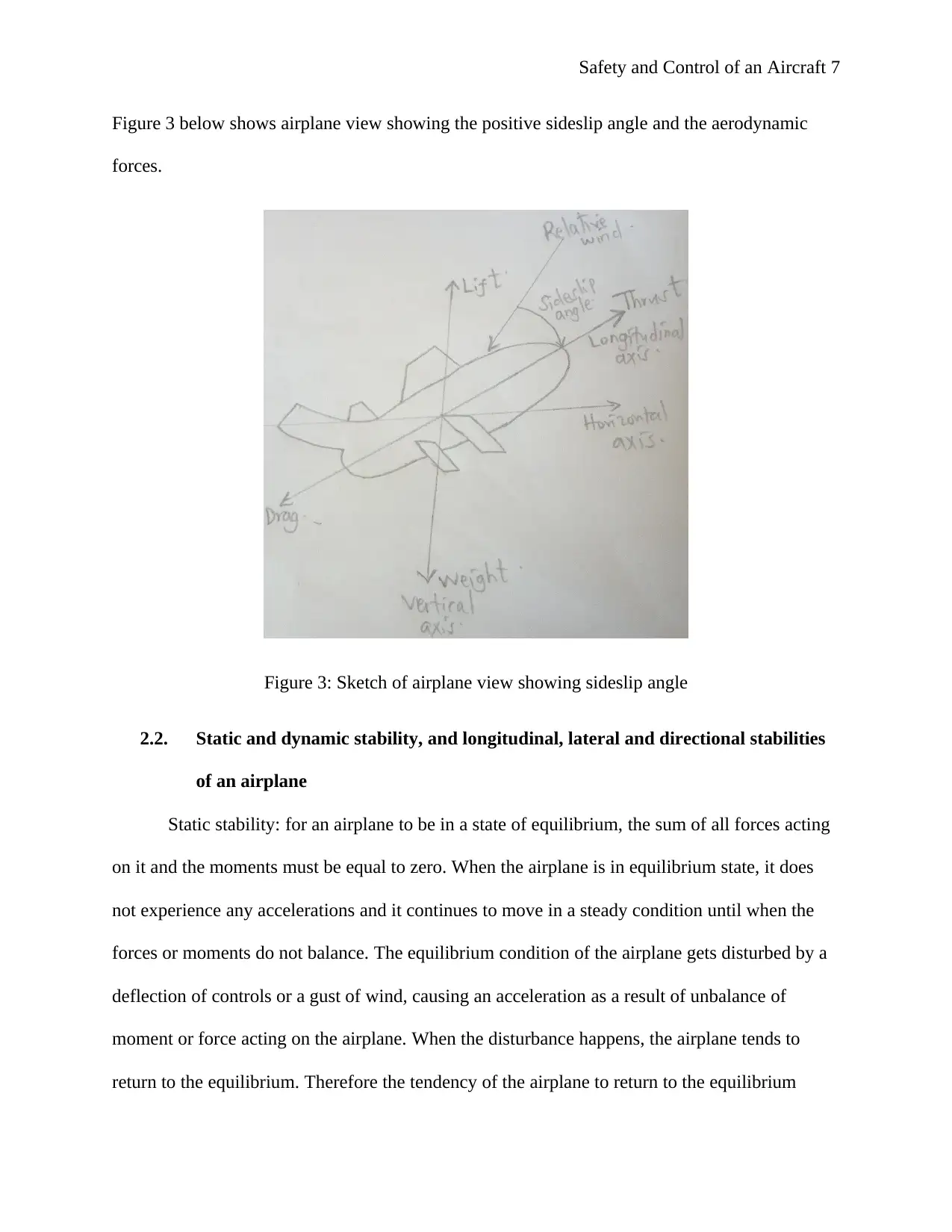
Figure 2 below shows airplane view showing the positive angle of attack and the aerodynamic
forces.
Figure 2: Sketch of airplane view showing angle of attack
Figure 1: Sketch of airplane body axes
Figure 2 below shows airplane view showing the positive angle of attack and the aerodynamic
forces.
Figure 2: Sketch of airplane view showing angle of attack
⊘ This is a preview!⊘
Do you want full access?
Subscribe today to unlock all pages.
Trusted by 1+ million students worldwide
Safety and Control of an Aircraft 7
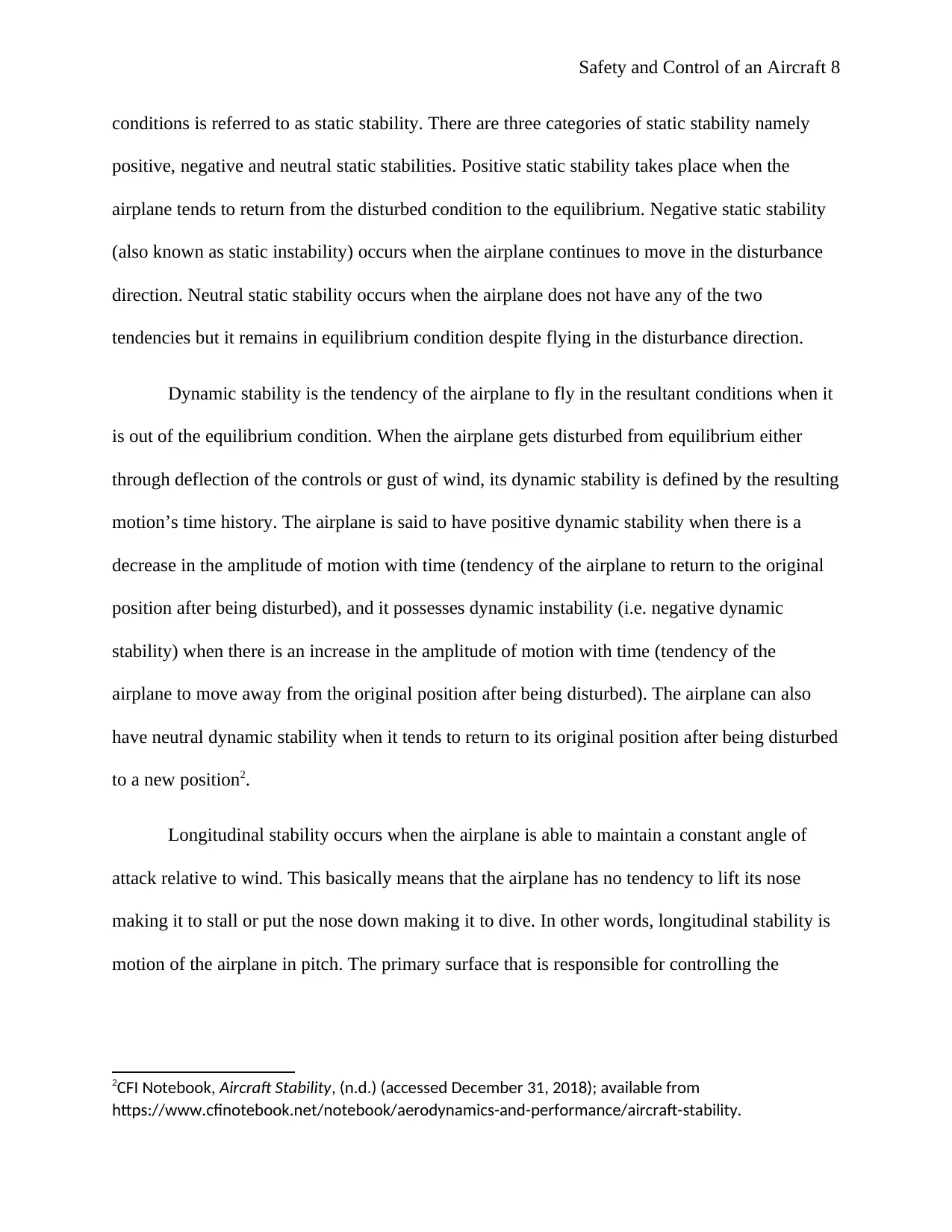
Figure 3 below shows airplane view showing the positive sideslip angle and the aerodynamic
forces.
Figure 3: Sketch of airplane view showing sideslip angle
2.2. Static and dynamic stability, and longitudinal, lateral and directional stabilities
of an airplane
Static stability: for an airplane to be in a state of equilibrium, the sum of all forces acting
on it and the moments must be equal to zero. When the airplane is in equilibrium state, it does
not experience any accelerations and it continues to move in a steady condition until when the
forces or moments do not balance. The equilibrium condition of the airplane gets disturbed by a
deflection of controls or a gust of wind, causing an acceleration as a result of unbalance of
moment or force acting on the airplane. When the disturbance happens, the airplane tends to
return to the equilibrium. Therefore the tendency of the airplane to return to the equilibrium
Figure 3 below shows airplane view showing the positive sideslip angle and the aerodynamic
forces.
Figure 3: Sketch of airplane view showing sideslip angle
2.2. Static and dynamic stability, and longitudinal, lateral and directional stabilities
of an airplane
Static stability: for an airplane to be in a state of equilibrium, the sum of all forces acting
on it and the moments must be equal to zero. When the airplane is in equilibrium state, it does
not experience any accelerations and it continues to move in a steady condition until when the
forces or moments do not balance. The equilibrium condition of the airplane gets disturbed by a
deflection of controls or a gust of wind, causing an acceleration as a result of unbalance of
moment or force acting on the airplane. When the disturbance happens, the airplane tends to
return to the equilibrium. Therefore the tendency of the airplane to return to the equilibrium
Paraphrase This Document
Need a fresh take? Get an instant paraphrase of this document with our AI Paraphraser
Safety and Control of an Aircraft 8
conditions is referred to as static stability. There are three categories of static stability namely
positive, negative and neutral static stabilities. Positive static stability takes place when the
airplane tends to return from the disturbed condition to the equilibrium. Negative static stability
(also known as static instability) occurs when the airplane continues to move in the disturbance
direction. Neutral static stability occurs when the airplane does not have any of the two
tendencies but it remains in equilibrium condition despite flying in the disturbance direction.
Dynamic stability is the tendency of the airplane to fly in the resultant conditions when it
is out of the equilibrium condition. When the airplane gets disturbed from equilibrium either
through deflection of the controls or gust of wind, its dynamic stability is defined by the resulting
motion’s time history. The airplane is said to have positive dynamic stability when there is a
decrease in the amplitude of motion with time (tendency of the airplane to return to the original
position after being disturbed), and it possesses dynamic instability (i.e. negative dynamic
stability) when there is an increase in the amplitude of motion with time (tendency of the
airplane to move away from the original position after being disturbed). The airplane can also
have neutral dynamic stability when it tends to return to its original position after being disturbed
to a new position2.
Longitudinal stability occurs when the airplane is able to maintain a constant angle of
attack relative to wind. This basically means that the airplane has no tendency to lift its nose
making it to stall or put the nose down making it to dive. In other words, longitudinal stability is
motion of the airplane in pitch. The primary surface that is responsible for controlling the
2CFI Notebook, Aircraft Stability, (n.d.) (accessed December 31, 2018); available from
https://www.cfinotebook.net/notebook/aerodynamics-and-performance/aircraft-stability.
conditions is referred to as static stability. There are three categories of static stability namely
positive, negative and neutral static stabilities. Positive static stability takes place when the
airplane tends to return from the disturbed condition to the equilibrium. Negative static stability
(also known as static instability) occurs when the airplane continues to move in the disturbance
direction. Neutral static stability occurs when the airplane does not have any of the two
tendencies but it remains in equilibrium condition despite flying in the disturbance direction.
Dynamic stability is the tendency of the airplane to fly in the resultant conditions when it
is out of the equilibrium condition. When the airplane gets disturbed from equilibrium either
through deflection of the controls or gust of wind, its dynamic stability is defined by the resulting
motion’s time history. The airplane is said to have positive dynamic stability when there is a
decrease in the amplitude of motion with time (tendency of the airplane to return to the original
position after being disturbed), and it possesses dynamic instability (i.e. negative dynamic
stability) when there is an increase in the amplitude of motion with time (tendency of the
airplane to move away from the original position after being disturbed). The airplane can also
have neutral dynamic stability when it tends to return to its original position after being disturbed
to a new position2.
Longitudinal stability occurs when the airplane is able to maintain a constant angle of
attack relative to wind. This basically means that the airplane has no tendency to lift its nose
making it to stall or put the nose down making it to dive. In other words, longitudinal stability is
motion of the airplane in pitch. The primary surface that is responsible for controlling the
2CFI Notebook, Aircraft Stability, (n.d.) (accessed December 31, 2018); available from
https://www.cfinotebook.net/notebook/aerodynamics-and-performance/aircraft-stability.
Safety and Control of an Aircraft 9
longitudinal stability is the horizontal stabilizer. The stabilizer’s action depends mainly on the
angle of attack and speed of the airplane3.
Lateral stability: lateral motion (also known as rolling motion) is the motion about the
longitudinal axis of the airplane. Lateral stability is the tendency of the airplane to return to the
original attitude from lateral motion. This is the stability of the airplane when rolling one wing
up and the other one down, and vice versa. When the airplane is rolling and the wings are not
perpendicular to the gravitational acceleration’s direction, it means that the lift is also not parallel
with gravity. This means that rolling creates both a component of horizontal side load and a
vertical lift component thus causing the airplane to sideslip. When the sideslip load helps the
airplane to return to its original configuration then the airplane is said to be laterally stable. The
lateral stability is usually achieved using two methods: upward-inclined wings and swept back
wings4.
Directional stability is the stability of an airplane about the vertical axis. An airplane
must be designed in such a way that it has the tendency to remain in a straight-and-level flight
path even when the plot takes his/her feet and hands off the controls. If an airplane experiences a
skid and recovers automatically from it, that airplane is said to have been designed appropriately
for directional balance. The primary surface that is responsible for controlling the directional
stability is the vertical stabilizer. The design of directional stability can also be accomplished by
use of a large dorsal fin, sweptback wings and a long fuselage.
3Flight Mechanic, Stability and Control, 2017 (accessed December 31, 2018); available from
http://www.flight-mechanic.com/stability-and-control/.
4Aerospace Engineering, Control and Stability of Aircraft, 2016 (accessed December 31, 2018); available
from https://aerospaceengineeringblog.com/control-and-stability-of-aircraft/.
longitudinal stability is the horizontal stabilizer. The stabilizer’s action depends mainly on the
angle of attack and speed of the airplane3.
Lateral stability: lateral motion (also known as rolling motion) is the motion about the
longitudinal axis of the airplane. Lateral stability is the tendency of the airplane to return to the
original attitude from lateral motion. This is the stability of the airplane when rolling one wing
up and the other one down, and vice versa. When the airplane is rolling and the wings are not
perpendicular to the gravitational acceleration’s direction, it means that the lift is also not parallel
with gravity. This means that rolling creates both a component of horizontal side load and a
vertical lift component thus causing the airplane to sideslip. When the sideslip load helps the
airplane to return to its original configuration then the airplane is said to be laterally stable. The
lateral stability is usually achieved using two methods: upward-inclined wings and swept back
wings4.
Directional stability is the stability of an airplane about the vertical axis. An airplane
must be designed in such a way that it has the tendency to remain in a straight-and-level flight
path even when the plot takes his/her feet and hands off the controls. If an airplane experiences a
skid and recovers automatically from it, that airplane is said to have been designed appropriately
for directional balance. The primary surface that is responsible for controlling the directional
stability is the vertical stabilizer. The design of directional stability can also be accomplished by
use of a large dorsal fin, sweptback wings and a long fuselage.
3Flight Mechanic, Stability and Control, 2017 (accessed December 31, 2018); available from
http://www.flight-mechanic.com/stability-and-control/.
4Aerospace Engineering, Control and Stability of Aircraft, 2016 (accessed December 31, 2018); available
from https://aerospaceengineeringblog.com/control-and-stability-of-aircraft/.
⊘ This is a preview!⊘
Do you want full access?
Subscribe today to unlock all pages.
Trusted by 1+ million students worldwide
Safety and Control of an Aircraft 10
2.3. Static margin and its effect on aircraft stability and control
Static margin refers the distance from the centre of mass of an aircraft to the neutral point
or aerodynamic centre, and it is usually expressed as a percentage of mean aerodynamic chord.
The static margin measures static longitudinal stability of the aircraft. The neutral point of the
aircraft is at a fixed point and for an aircraft to attain longitudinal static stability, the centre of
gravity is always supposed to be forward of the neutral point. The typical static margin values
ranges between 5% and 40%. One way of making the aircraft more stable is by moving the
centre of gravity forward or by moving the wing back. It is also worth noting that the stability of
an aircraft is directly proportional to static margin meaning that the aircraft is more stable when
the static margin is larger, and vice versa.
In case the centre of gravity of the aircraft is behind the neutral point, that aircraft is said
to be longitudinally unstable (i.e. its static margin is negative). To achieve and maintain stable
flight, there is need for control surfaces’ inputs. Therefore the position of the aircraft’s centre of
gravity relative to the neutral point is an essential determining factor for stability of the aircraft,
control forces and the aircraft’s controllability.
When the aircraft has a large static margin, it is very stable but will have slow response to
the control inputs of the pilot, and vice versa. Therefore the amount of static margin is a key
parameter in determining the aircraft’s handling qualities5. In general, the pilot can use
appropriate control surfaces to change the position of centre of gravity of the aircraft so as to
achieve the desired static margin. This means that static margin influences the controllability and
stability of the aircraft.
5Michael, Carley, Some notes on aircraft and spacecraft stability and control (Oxfordshire, England:
Cranfield Univerity, 2012).
2.3. Static margin and its effect on aircraft stability and control
Static margin refers the distance from the centre of mass of an aircraft to the neutral point
or aerodynamic centre, and it is usually expressed as a percentage of mean aerodynamic chord.
The static margin measures static longitudinal stability of the aircraft. The neutral point of the
aircraft is at a fixed point and for an aircraft to attain longitudinal static stability, the centre of
gravity is always supposed to be forward of the neutral point. The typical static margin values
ranges between 5% and 40%. One way of making the aircraft more stable is by moving the
centre of gravity forward or by moving the wing back. It is also worth noting that the stability of
an aircraft is directly proportional to static margin meaning that the aircraft is more stable when
the static margin is larger, and vice versa.
In case the centre of gravity of the aircraft is behind the neutral point, that aircraft is said
to be longitudinally unstable (i.e. its static margin is negative). To achieve and maintain stable
flight, there is need for control surfaces’ inputs. Therefore the position of the aircraft’s centre of
gravity relative to the neutral point is an essential determining factor for stability of the aircraft,
control forces and the aircraft’s controllability.
When the aircraft has a large static margin, it is very stable but will have slow response to
the control inputs of the pilot, and vice versa. Therefore the amount of static margin is a key
parameter in determining the aircraft’s handling qualities5. In general, the pilot can use
appropriate control surfaces to change the position of centre of gravity of the aircraft so as to
achieve the desired static margin. This means that static margin influences the controllability and
stability of the aircraft.
5Michael, Carley, Some notes on aircraft and spacecraft stability and control (Oxfordshire, England:
Cranfield Univerity, 2012).
Paraphrase This Document
Need a fresh take? Get an instant paraphrase of this document with our AI Paraphraser
Safety and Control of an Aircraft 11
2.4. Spiral mode and Dutch roll mode
Spiral mode is a non-oscillatory mode that can be stable or unstable. It is typically a yaw
movement with minimal roll and has large time constant. The spiral mode is quite visible and its
typical half-life is in the order of a minute. Stopping of the spiral mode is usually done by an
input of the corrective control. Spiral mode can be fatal thus should be controlled immediately it
occurs because if the pilot fails to intervene immediately, it can cause structural failure of the
airframe. At the start of a spiral mode, there is usually very little indication of its occurrence. The
pilot can correct the condition automatically by use of true horizon6. But with the time, the
aircraft continues rolling off the true vertical until when the lift is no longer adequate to support
the aircraft. As a result, the speed increases and the node drops, causing the start of spiral dive.
When the aircraft is in spiral mode, it possesses more kinetic energy hence the excess energy
should be gotten rid of through control surfaces.
Dutch roll mode occurs when yaw and roll angles oscillate while centre of gravity
remains along a straight trajectory7. During this mode, the yaw velocity is usually very low and
the roll velocity oscillates. Damping of Dutch roll is directly proportional to airspeed whereas
Dutch roll period starts by increasing with airspeed then starts decreasing with airspeed. A Dutch
roll’s typical period is in the order of 5-10 seconds. Dutch roll mode occurs when the aircraft’s
dihedral effects are greater than its directional stability8. The Dutch roll can happen naturally,
performed intentionally by the pilot or happen accidentally. It is mainly characterized by a
serious of aircraft turns that are out of phase, where the aircraft is rolling in one direction and
6 S Bogos and Ion Stroe, "Similarity Criteria for "Full" and "Scale" Aircraft on the Lateral Stability
Analysis," UPB Scientific Bulletin, Series D 74, no. 4 (2012): 1-14.
7 Michael, Cook, Flight Dynamics Principles, 3rd ed. (Amsterdam: Elsevier, 2013).
8 Snorri, Gudmundsson, General Aviation Aircraft Design (Amsterdam: Elsevier, 2014).
2.4. Spiral mode and Dutch roll mode
Spiral mode is a non-oscillatory mode that can be stable or unstable. It is typically a yaw
movement with minimal roll and has large time constant. The spiral mode is quite visible and its
typical half-life is in the order of a minute. Stopping of the spiral mode is usually done by an
input of the corrective control. Spiral mode can be fatal thus should be controlled immediately it
occurs because if the pilot fails to intervene immediately, it can cause structural failure of the
airframe. At the start of a spiral mode, there is usually very little indication of its occurrence. The
pilot can correct the condition automatically by use of true horizon6. But with the time, the
aircraft continues rolling off the true vertical until when the lift is no longer adequate to support
the aircraft. As a result, the speed increases and the node drops, causing the start of spiral dive.
When the aircraft is in spiral mode, it possesses more kinetic energy hence the excess energy
should be gotten rid of through control surfaces.
Dutch roll mode occurs when yaw and roll angles oscillate while centre of gravity
remains along a straight trajectory7. During this mode, the yaw velocity is usually very low and
the roll velocity oscillates. Damping of Dutch roll is directly proportional to airspeed whereas
Dutch roll period starts by increasing with airspeed then starts decreasing with airspeed. A Dutch
roll’s typical period is in the order of 5-10 seconds. Dutch roll mode occurs when the aircraft’s
dihedral effects are greater than its directional stability8. The Dutch roll can happen naturally,
performed intentionally by the pilot or happen accidentally. It is mainly characterized by a
serious of aircraft turns that are out of phase, where the aircraft is rolling in one direction and
6 S Bogos and Ion Stroe, "Similarity Criteria for "Full" and "Scale" Aircraft on the Lateral Stability
Analysis," UPB Scientific Bulletin, Series D 74, no. 4 (2012): 1-14.
7 Michael, Cook, Flight Dynamics Principles, 3rd ed. (Amsterdam: Elsevier, 2013).
8 Snorri, Gudmundsson, General Aviation Aircraft Design (Amsterdam: Elsevier, 2014).
Safety and Control of an Aircraft 12
yawing in another direction. The name Dutch roll came from a typical Dutch skating technique9.
The Dutch roll can be prevented or overcome by right sideslip, dihedral effect (pulling the nose
to the right), and left sideslip.
2.5. Experimental data for three aircraft models
The models have longitudinal, lateral and directional stability because of the
experimental data obtained for the pitching moment coefficient, yawing moment coefficient and
rolling moment coefficient. Each of the three models has a coefficient of pitching moment,
coefficient of yawing moment and coefficient of rolling moment. Coefficient of pitching moment
and the angle of attack values are a demonstration that the model was being analyzed for and had
longitudinal stability. The coefficient of yawning moment and the sideslip angle values are a
demonstration that the aircraft models were being analyzed and had lateral stability. The
coefficient of rolling moment and the yaw angle values are a demonstration that the aircraft
models were being analyzed and had directional stability10. The coefficient of rolling moment
shows that the leeward side of the aircraft’s wheel track was overloaded thus affecting the
directional stability of the aircraft11. Most importantly is that the Cm vs. alpha graph, Cn vs. beta
graph and Ct vs. beta graph for the models gives straight-line curves meaning that the aircrafts
have longitudinal, lateral and directional stability respectively.
9Aleks, Udris, What Is Dutch Roll, And How Do You Prevent It? July 2015 (accessed December 31, 2018);
available from https://www.boldmethod.com/learn-to-fly/aerodynamics/dutch-roll/.
10Firdaus Mohamad, Wirachman Wisnoe, Rizal Nasir E and Norhisyam Jenal, "Yaw stability analysis for
UiTM's BWB baseline-ii UAV E- 4," Applied Mechanics and Materials 393, no. 1 (2013): 323-328.
11 Mulugeta Asress, Aleksandar Simonovic, Jelena Svorcan and Slobodan Stupar, "Aerodynamic
characteristics of high speed train under turbulent cross Winds: A numerical investigation using
unsteady-RANS method," FME Transactions 42, no. 1 (2014): 10-18.
yawing in another direction. The name Dutch roll came from a typical Dutch skating technique9.
The Dutch roll can be prevented or overcome by right sideslip, dihedral effect (pulling the nose
to the right), and left sideslip.
2.5. Experimental data for three aircraft models
The models have longitudinal, lateral and directional stability because of the
experimental data obtained for the pitching moment coefficient, yawing moment coefficient and
rolling moment coefficient. Each of the three models has a coefficient of pitching moment,
coefficient of yawing moment and coefficient of rolling moment. Coefficient of pitching moment
and the angle of attack values are a demonstration that the model was being analyzed for and had
longitudinal stability. The coefficient of yawning moment and the sideslip angle values are a
demonstration that the aircraft models were being analyzed and had lateral stability. The
coefficient of rolling moment and the yaw angle values are a demonstration that the aircraft
models were being analyzed and had directional stability10. The coefficient of rolling moment
shows that the leeward side of the aircraft’s wheel track was overloaded thus affecting the
directional stability of the aircraft11. Most importantly is that the Cm vs. alpha graph, Cn vs. beta
graph and Ct vs. beta graph for the models gives straight-line curves meaning that the aircrafts
have longitudinal, lateral and directional stability respectively.
9Aleks, Udris, What Is Dutch Roll, And How Do You Prevent It? July 2015 (accessed December 31, 2018);
available from https://www.boldmethod.com/learn-to-fly/aerodynamics/dutch-roll/.
10Firdaus Mohamad, Wirachman Wisnoe, Rizal Nasir E and Norhisyam Jenal, "Yaw stability analysis for
UiTM's BWB baseline-ii UAV E- 4," Applied Mechanics and Materials 393, no. 1 (2013): 323-328.
11 Mulugeta Asress, Aleksandar Simonovic, Jelena Svorcan and Slobodan Stupar, "Aerodynamic
characteristics of high speed train under turbulent cross Winds: A numerical investigation using
unsteady-RANS method," FME Transactions 42, no. 1 (2014): 10-18.
⊘ This is a preview!⊘
Do you want full access?
Subscribe today to unlock all pages.
Trusted by 1+ million students worldwide

1 out of 18


Your All-in-One AI-Powered Toolkit for Academic Success.
+13062052269
info@desklib.com
Available 24*7 on WhatsApp / Email
![[object Object]](/_next/static/media/star-bottom.7253800d.svg)
Unlock your academic potential
Copyright © 2020–2026 A2Z Services. All Rights Reserved. Developed and managed by ZUCOL.