Analysis of Alkali-Silica Reaction in Prestressed Concrete Systems
VerifiedAdded on 2022/11/17
|53
|13202
|437
Report
AI Summary
This report provides a comprehensive analysis of the Alkali-Silica Reaction (ASR) and its impact on prestressed concrete structures. It begins with an introduction to ASR, explaining its mechanism, key components (reactive silica, sufficient alkalis, and moisture), and the chemical reactions involved in gel formation. The report details the detrimental effects of ASR, including expansion, cracking, pop-outs, and gel exudation, and explores how these issues affect prestressed concrete. A literature survey examines the effects and mitigation strategies of ASR, discussing how expansion impacts concrete's mechanical properties and the formation of fissures. The report also covers methods for testing aggregate susceptibility to ASR expansion, including traditional mortar and concrete prism tests. The report provides a detailed study of ASR and its impacts, offering valuable insights for civil engineering students and professionals. This assignment is available on Desklib, a platform offering study resources for students.
Table of Contents
Abstract......................................................................................................................................3
1.Introduction...........................................................................................................................4
1.1 Key components of ASR......................................................................................................6
2 The alkali - silica reaction.....................................................................................................6
2.1.0The mechanism alkali silica reaction..............................................................................7
2.1.2 Reactive Silica...................................................................................................................8
2.1.3 Sufficient Alkalis..............................................................................................................9
2.2.4 Sufficient Moisture..........................................................................................................10
3.Chemical reaction of Alkali Silica........................................................................................11
2.2.5 Chemical reactions which happen during the formation of gel......................................18
2.1.6 The factors responsible for the alkali-silica reaction.................................................19
2.1.7 Amount of reactive silica.................................................................................................20
2.1.8 Amount of alkalies in the concrete..................................................................................21
2.1.9 Effect of Moisture............................................................................................................23
2.1.10 The properties of the reactive silica..............................................................................24
2.1.11 The size of the particles of the reactive silica...............................................................25
2.1.12 Effect of temperature.....................................................................................................25
3.1.0 The detrimental effects of alkali-silica reaction.........................................................27
3.2.0 Expansion.......................................................................................................................27
3.3.0 Cracks............................................................................................................................28
3.3.1 The mechanism of the crack............................................................................................29
3.4.0 Pop outs...........................................................................................................................31
3.5.0 Gel exudation..................................................................................................................31
4.1.0 Prestressed concrete......................................................................................................31
5.1 Literature survey on the effects and mitigation of alkali -silica reaction..........................34
5.3 How expansion affects the concrete mechanical properties............................................43
5.4 Fissures within concrete caused by ASR expansion..........................................................44
5.0.3 Micro-fissures.................................................................................................................44
5.4.1 Macrofissures.................................................................................................................45
6.0 Testing the susceptibility of aggregates to ASR expansion...............................................45
6.0.1 Testing aggregates overview for ASR.............................................................................45
6.2 Traditional motor tests.......................................................................................................46
6.2.1 Mortar bar expansion test................................................................................................46
6. 2.2. Concrete Prism Test......................................................................................................46
6.2.3 Chemical test methods....................................................................................................47
7 Conclusion............................................................................................................................48
References................................................................................................................................50
Table of figures
Figure 1: i.Alkali-silica reaction, ii. The generation of swelling and non-swelling gel,
iii.Cracking due to alkali-silica reaction. (Rahimi- Aghdam & Bazant 2017)...........................4
Figure 2:A photomicrograph of a thin section (Page & Page 2007)..........................................6
Figure 3: Formation of the gel. i. Initial stage of diffusion, ii. Final stage of diffusion, iii.
Ideal state of spherical diffusion (Rahimi- Aghdam & Bazant 2017).....................................11
1
Abstract......................................................................................................................................3
1.Introduction...........................................................................................................................4
1.1 Key components of ASR......................................................................................................6
2 The alkali - silica reaction.....................................................................................................6
2.1.0The mechanism alkali silica reaction..............................................................................7
2.1.2 Reactive Silica...................................................................................................................8
2.1.3 Sufficient Alkalis..............................................................................................................9
2.2.4 Sufficient Moisture..........................................................................................................10
3.Chemical reaction of Alkali Silica........................................................................................11
2.2.5 Chemical reactions which happen during the formation of gel......................................18
2.1.6 The factors responsible for the alkali-silica reaction.................................................19
2.1.7 Amount of reactive silica.................................................................................................20
2.1.8 Amount of alkalies in the concrete..................................................................................21
2.1.9 Effect of Moisture............................................................................................................23
2.1.10 The properties of the reactive silica..............................................................................24
2.1.11 The size of the particles of the reactive silica...............................................................25
2.1.12 Effect of temperature.....................................................................................................25
3.1.0 The detrimental effects of alkali-silica reaction.........................................................27
3.2.0 Expansion.......................................................................................................................27
3.3.0 Cracks............................................................................................................................28
3.3.1 The mechanism of the crack............................................................................................29
3.4.0 Pop outs...........................................................................................................................31
3.5.0 Gel exudation..................................................................................................................31
4.1.0 Prestressed concrete......................................................................................................31
5.1 Literature survey on the effects and mitigation of alkali -silica reaction..........................34
5.3 How expansion affects the concrete mechanical properties............................................43
5.4 Fissures within concrete caused by ASR expansion..........................................................44
5.0.3 Micro-fissures.................................................................................................................44
5.4.1 Macrofissures.................................................................................................................45
6.0 Testing the susceptibility of aggregates to ASR expansion...............................................45
6.0.1 Testing aggregates overview for ASR.............................................................................45
6.2 Traditional motor tests.......................................................................................................46
6.2.1 Mortar bar expansion test................................................................................................46
6. 2.2. Concrete Prism Test......................................................................................................46
6.2.3 Chemical test methods....................................................................................................47
7 Conclusion............................................................................................................................48
References................................................................................................................................50
Table of figures
Figure 1: i.Alkali-silica reaction, ii. The generation of swelling and non-swelling gel,
iii.Cracking due to alkali-silica reaction. (Rahimi- Aghdam & Bazant 2017)...........................4
Figure 2:A photomicrograph of a thin section (Page & Page 2007)..........................................6
Figure 3: Formation of the gel. i. Initial stage of diffusion, ii. Final stage of diffusion, iii.
Ideal state of spherical diffusion (Rahimi- Aghdam & Bazant 2017).....................................11
1

Paraphrase This Document
Need a fresh take? Get an instant paraphrase of this document with our AI Paraphraser
Figure 4: A graph depicting the amount of reactant present in different rocks (Blanks &
Kennedy 1955).........................................................................................................................24
Figure 5:Larive equation (Larive 1997)...................................................................................27
Figure 6:Map cracking (Cullu et al. 2010)...............................................................................27
Figure 7:A schematic representation of unreinforced concrete prism (Blight & Alexander,
2011)........................................................................................................................................28
Figure 8: Prestressed beam (Nawy 2003)................................................................................32
Figure 9:A schematic representation of the experimental set-up (Ju et al 2019).....................34
Figure 10: Analysis by DRI which shows the petrographic aspects........................................37
Figure 11:A SEM picture of alkaline –calcium gel which is encompassing the crack (Owsiak
et al 2015)................................................................................................................................40
Figure 12:Structure of the gel formed a seen through SEM (Prabhakar et al 2015)...............41
List of tables
Table 1: Amount of reactive silica components found in aggregates......................................11
Table 2: The natural reactive silica found in rocks (Swamy, 1992)........................................16
Abstract
The effect of alkali- silica reaction on prestressing concrete
The alkali-silica reaction (ASR) is a degradation process of the concretes. The reaction takes
place between the alkali present in the cement as well as the reactive silica in the aggregates.
The reaction exhibits negative impact on the concrete durability. The reaction initiates the
expansion of the concrete with developing of cracks as the final outcome. The processes like
thawing and freezing are also affected by this specific reaction. The concrete structures face
the danger of failing due to this reaction. Thus there should be preventive measures for
overcoming this problem.
The report comprises a literature review on the alkali-silica reaction on different types of
concrete. The effects of the reaction on the concrete and preventive measures studied till date
has been taken into account.
2
Kennedy 1955).........................................................................................................................24
Figure 5:Larive equation (Larive 1997)...................................................................................27
Figure 6:Map cracking (Cullu et al. 2010)...............................................................................27
Figure 7:A schematic representation of unreinforced concrete prism (Blight & Alexander,
2011)........................................................................................................................................28
Figure 8: Prestressed beam (Nawy 2003)................................................................................32
Figure 9:A schematic representation of the experimental set-up (Ju et al 2019).....................34
Figure 10: Analysis by DRI which shows the petrographic aspects........................................37
Figure 11:A SEM picture of alkaline –calcium gel which is encompassing the crack (Owsiak
et al 2015)................................................................................................................................40
Figure 12:Structure of the gel formed a seen through SEM (Prabhakar et al 2015)...............41
List of tables
Table 1: Amount of reactive silica components found in aggregates......................................11
Table 2: The natural reactive silica found in rocks (Swamy, 1992)........................................16
Abstract
The effect of alkali- silica reaction on prestressing concrete
The alkali-silica reaction (ASR) is a degradation process of the concretes. The reaction takes
place between the alkali present in the cement as well as the reactive silica in the aggregates.
The reaction exhibits negative impact on the concrete durability. The reaction initiates the
expansion of the concrete with developing of cracks as the final outcome. The processes like
thawing and freezing are also affected by this specific reaction. The concrete structures face
the danger of failing due to this reaction. Thus there should be preventive measures for
overcoming this problem.
The report comprises a literature review on the alkali-silica reaction on different types of
concrete. The effects of the reaction on the concrete and preventive measures studied till date
has been taken into account.
2
1. Introduction
Concrete is the foundation of all constructions in our modern day society. The
chemical and physical reaction between the alkali and the silica minerals present in the
concrete as well as in the aggregates and water is termed as alkali- silica reaction (ASR)
(Wigum et al. 2006). The reaction takes place when the concrete constitutes of silica
embedded in an imperfect manner. The calcium hydroxide present within the concrete
provides the required alkaline environment for the reaction. A hydroscopic gel is formed as
the product of the reaction (Fournier & Berube, 2000). The volume of the gel increases due to
water absorption, which in turn leads to enhancement of the internal pressure within the
concrete in due course of time. Figure 1
3
Concrete is the foundation of all constructions in our modern day society. The
chemical and physical reaction between the alkali and the silica minerals present in the
concrete as well as in the aggregates and water is termed as alkali- silica reaction (ASR)
(Wigum et al. 2006). The reaction takes place when the concrete constitutes of silica
embedded in an imperfect manner. The calcium hydroxide present within the concrete
provides the required alkaline environment for the reaction. A hydroscopic gel is formed as
the product of the reaction (Fournier & Berube, 2000). The volume of the gel increases due to
water absorption, which in turn leads to enhancement of the internal pressure within the
concrete in due course of time. Figure 1
3
⊘ This is a preview!⊘
Do you want full access?
Subscribe today to unlock all pages.

Trusted by 1+ million students worldwide
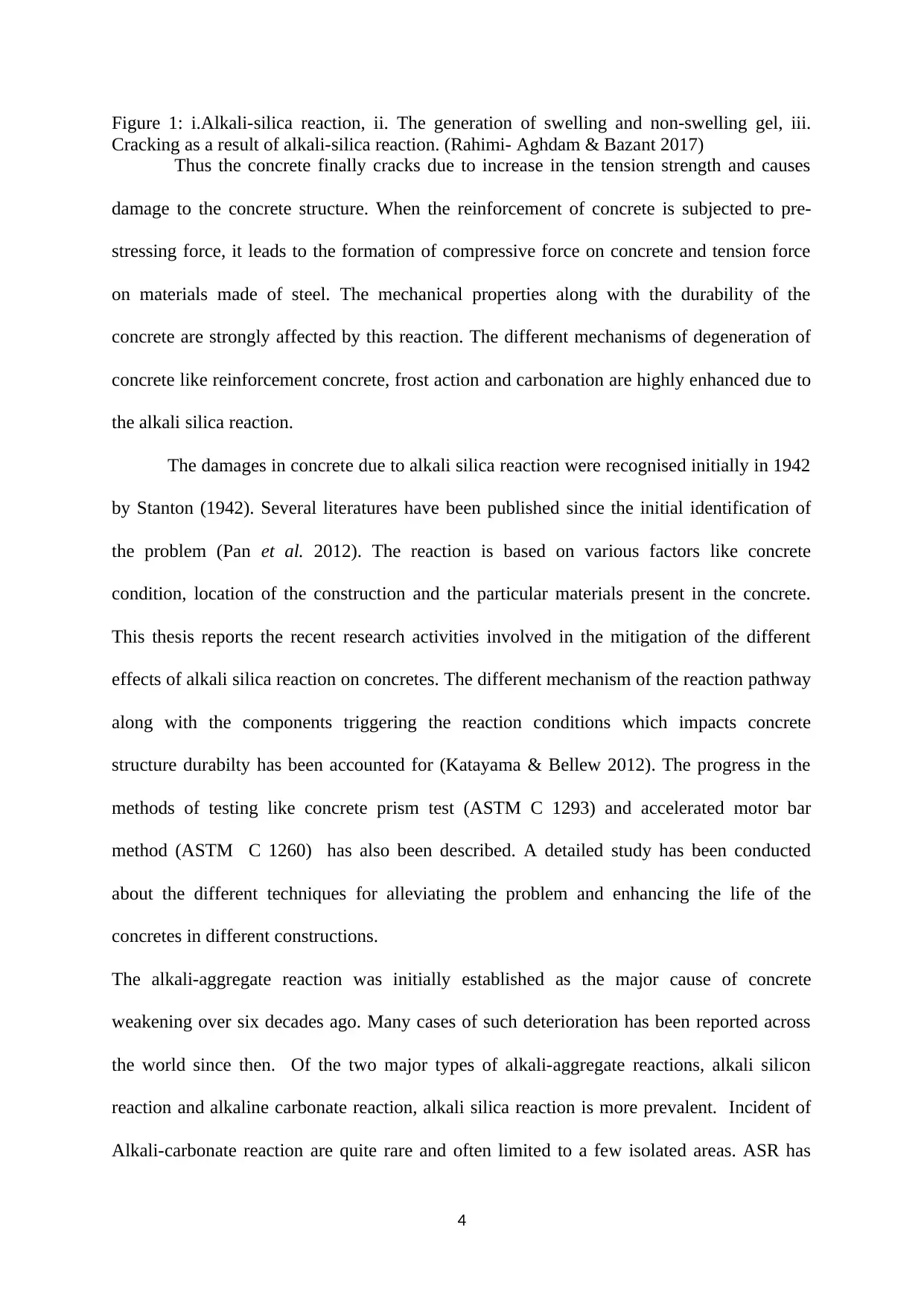
Figure 1: i.Alkali-silica reaction, ii. The generation of swelling and non-swelling gel, iii.
Cracking as a result of alkali-silica reaction. (Rahimi- Aghdam & Bazant 2017)
Thus the concrete finally cracks due to increase in the tension strength and causes
damage to the concrete structure. When the reinforcement of concrete is subjected to pre-
stressing force, it leads to the formation of compressive force on concrete and tension force
on materials made of steel. The mechanical properties along with the durability of the
concrete are strongly affected by this reaction. The different mechanisms of degeneration of
concrete like reinforcement concrete, frost action and carbonation are highly enhanced due to
the alkali silica reaction.
The damages in concrete due to alkali silica reaction were recognised initially in 1942
by Stanton (1942). Several literatures have been published since the initial identification of
the problem (Pan et al. 2012). The reaction is based on various factors like concrete
condition, location of the construction and the particular materials present in the concrete.
This thesis reports the recent research activities involved in the mitigation of the different
effects of alkali silica reaction on concretes. The different mechanism of the reaction pathway
along with the components triggering the reaction conditions which impacts concrete
structure durabilty has been accounted for (Katayama & Bellew 2012). The progress in the
methods of testing like concrete prism test (ASTM C 1293) and accelerated motor bar
method (ASTM C 1260) has also been described. A detailed study has been conducted
about the different techniques for alleviating the problem and enhancing the life of the
concretes in different constructions.
The alkali-aggregate reaction was initially established as the major cause of concrete
weakening over six decades ago. Many cases of such deterioration has been reported across
the world since then. Of the two major types of alkali-aggregate reactions, alkali silicon
reaction and alkaline carbonate reaction, alkali silica reaction is more prevalent. Incident of
Alkali-carbonate reaction are quite rare and often limited to a few isolated areas. ASR has
4
Cracking as a result of alkali-silica reaction. (Rahimi- Aghdam & Bazant 2017)
Thus the concrete finally cracks due to increase in the tension strength and causes
damage to the concrete structure. When the reinforcement of concrete is subjected to pre-
stressing force, it leads to the formation of compressive force on concrete and tension force
on materials made of steel. The mechanical properties along with the durability of the
concrete are strongly affected by this reaction. The different mechanisms of degeneration of
concrete like reinforcement concrete, frost action and carbonation are highly enhanced due to
the alkali silica reaction.
The damages in concrete due to alkali silica reaction were recognised initially in 1942
by Stanton (1942). Several literatures have been published since the initial identification of
the problem (Pan et al. 2012). The reaction is based on various factors like concrete
condition, location of the construction and the particular materials present in the concrete.
This thesis reports the recent research activities involved in the mitigation of the different
effects of alkali silica reaction on concretes. The different mechanism of the reaction pathway
along with the components triggering the reaction conditions which impacts concrete
structure durabilty has been accounted for (Katayama & Bellew 2012). The progress in the
methods of testing like concrete prism test (ASTM C 1293) and accelerated motor bar
method (ASTM C 1260) has also been described. A detailed study has been conducted
about the different techniques for alleviating the problem and enhancing the life of the
concretes in different constructions.
The alkali-aggregate reaction was initially established as the major cause of concrete
weakening over six decades ago. Many cases of such deterioration has been reported across
the world since then. Of the two major types of alkali-aggregate reactions, alkali silicon
reaction and alkaline carbonate reaction, alkali silica reaction is more prevalent. Incident of
Alkali-carbonate reaction are quite rare and often limited to a few isolated areas. ASR has
4
Paraphrase This Document
Need a fresh take? Get an instant paraphrase of this document with our AI Paraphraser
been described as the main cause of weakening of a wide range of structures made of
concrete such as bridges, pavements, dams, and others. The effect of ASR in the structure
field is usually best understand through its basic mechanisms as presented below.
1.1 Key components of ASR
The processes that governs ASR expansion are often complex; besides, there are
multiple theories on which mechanisms are most importance in the structures field. This
section begins with accepted basics of ASR as well as goes on with a mechanistic explanation
of the process.
2. The alkali - silica reaction
The alkali-silica reaction is a type of alkali-aggregate reaction, where a chemical
reaction occurs between the reactive silica materials present in the aggregates and alkali
hydroxides present in the solution of pores in concrete (Page & Page 2007). The reaction
takes place at a slow pace and the detrimental effects in the concrete are visible within a time
span of 5-12 years from the commencement of the reaction. Thus appropriate prevention
technologies should be applied for long duration of the concrete (Popovics 1992). The
components which contain alkali reactive silica are cristobalite, opal, volcanic glasses and
tridymite (Blight & Alexander, 2011). The product of this reaction is the formation of
hydrophilic alkali silica gel which swells and exerts pressure to about 11 MPa thereby
causing cracks (Bektas, 2002). A minute reactive particle is shown in the aggregate portion in
figure 2 The formation of the gel due to the silica-alkali reaction generates a crack which
proceeds to the cement matrix which remains hydrated. The hydrated cement matrix gets
engulfed by the gel as depicted in the figure 2.
5
concrete such as bridges, pavements, dams, and others. The effect of ASR in the structure
field is usually best understand through its basic mechanisms as presented below.
1.1 Key components of ASR
The processes that governs ASR expansion are often complex; besides, there are
multiple theories on which mechanisms are most importance in the structures field. This
section begins with accepted basics of ASR as well as goes on with a mechanistic explanation
of the process.
2. The alkali - silica reaction
The alkali-silica reaction is a type of alkali-aggregate reaction, where a chemical
reaction occurs between the reactive silica materials present in the aggregates and alkali
hydroxides present in the solution of pores in concrete (Page & Page 2007). The reaction
takes place at a slow pace and the detrimental effects in the concrete are visible within a time
span of 5-12 years from the commencement of the reaction. Thus appropriate prevention
technologies should be applied for long duration of the concrete (Popovics 1992). The
components which contain alkali reactive silica are cristobalite, opal, volcanic glasses and
tridymite (Blight & Alexander, 2011). The product of this reaction is the formation of
hydrophilic alkali silica gel which swells and exerts pressure to about 11 MPa thereby
causing cracks (Bektas, 2002). A minute reactive particle is shown in the aggregate portion in
figure 2 The formation of the gel due to the silica-alkali reaction generates a crack which
proceeds to the cement matrix which remains hydrated. The hydrated cement matrix gets
engulfed by the gel as depicted in the figure 2.
5
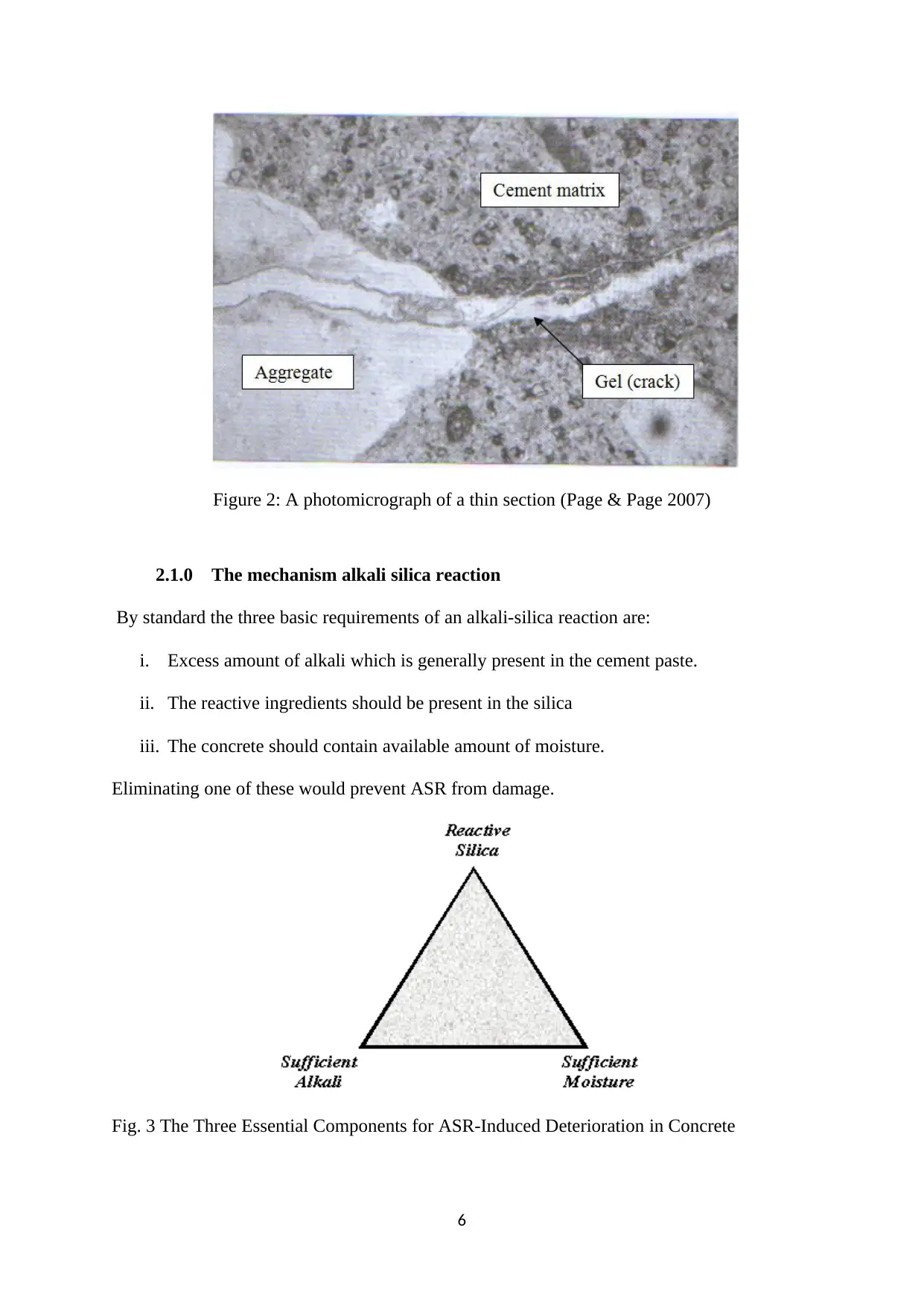
Figure 2: A photomicrograph of a thin section (Page & Page 2007)
2.1.0 The mechanism alkali silica reaction
By standard the three basic requirements of an alkali-silica reaction are:
i. Excess amount of alkali which is generally present in the cement paste.
ii. The reactive ingredients should be present in the silica
iii. The concrete should contain available amount of moisture.
Eliminating one of these would prevent ASR from damage.
Fig. 3 The Three Essential Components for ASR-Induced Deterioration in Concrete
6
2.1.0 The mechanism alkali silica reaction
By standard the three basic requirements of an alkali-silica reaction are:
i. Excess amount of alkali which is generally present in the cement paste.
ii. The reactive ingredients should be present in the silica
iii. The concrete should contain available amount of moisture.
Eliminating one of these would prevent ASR from damage.
Fig. 3 The Three Essential Components for ASR-Induced Deterioration in Concrete
6
⊘ This is a preview!⊘
Do you want full access?
Subscribe today to unlock all pages.
Trusted by 1+ million students worldwide
Types of Rocks Reactive Minerals
Arenite Crisobalite
Chert Volcanic glass
Argillite Cryptocrystalline) quartz opal
Arkose Strained quartz tridymite
Siltstone
Greywacke
Flint
Granite
Gneiss
Sandstone
Quartz-arenite
Hornfels
Silicified carbonate
Quartzite
Shale
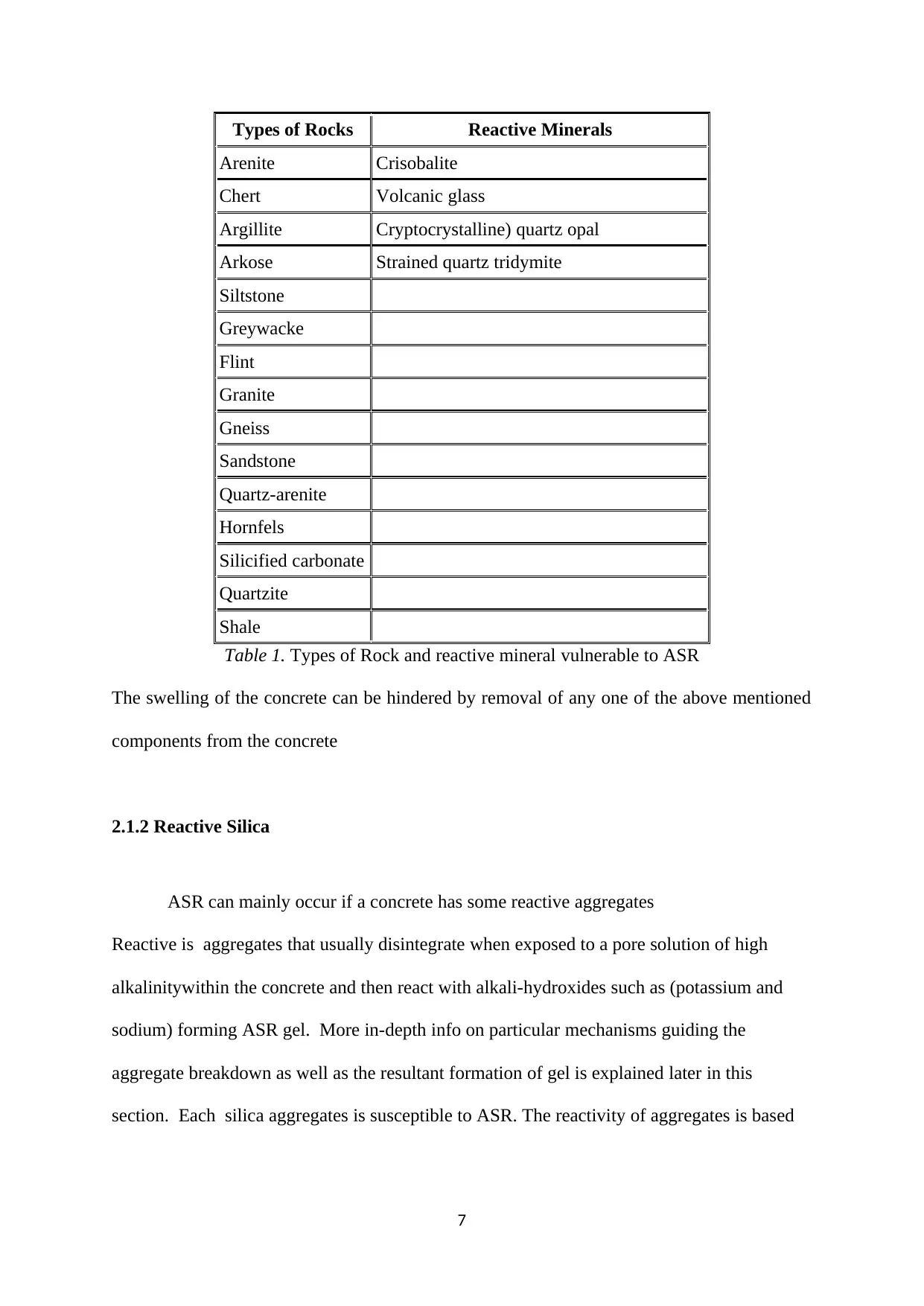
Table 1. Types of Rock and reactive mineral vulnerable to ASR
The swelling of the concrete can be hindered by removal of any one of the above mentioned
components from the concrete
2.1.2 Reactive Silica
ASR can mainly occur if a concrete has some reactive aggregates
Reactive is aggregates that usually disintegrate when exposed to a pore solution of high
alkalinitywithin the concrete and then react with alkali-hydroxides such as (potassium and
sodium) forming ASR gel. More in-depth info on particular mechanisms guiding the
aggregate breakdown as well as the resultant formation of gel is explained later in this
section. Each silica aggregates is susceptible to ASR. The reactivity of aggregates is based
7
Arenite Crisobalite
Chert Volcanic glass
Argillite Cryptocrystalline) quartz opal
Arkose Strained quartz tridymite
Siltstone
Greywacke
Flint
Granite
Gneiss
Sandstone
Quartz-arenite
Hornfels
Silicified carbonate
Quartzite
Shale
Table 1. Types of Rock and reactive mineral vulnerable to ASR
The swelling of the concrete can be hindered by removal of any one of the above mentioned
components from the concrete
2.1.2 Reactive Silica
ASR can mainly occur if a concrete has some reactive aggregates
Reactive is aggregates that usually disintegrate when exposed to a pore solution of high
alkalinitywithin the concrete and then react with alkali-hydroxides such as (potassium and
sodium) forming ASR gel. More in-depth info on particular mechanisms guiding the
aggregate breakdown as well as the resultant formation of gel is explained later in this
section. Each silica aggregates is susceptible to ASR. The reactivity of aggregates is based
7
Paraphrase This Document
Need a fresh take? Get an instant paraphrase of this document with our AI Paraphraser
on many factors such as cristallinity level, aggregate mineralogy, as well as silica solubility in
pore solution.
2.1.3 Sufficient Alkalis
Enough alkalis also contributes to ASR. The alkalis source can include wash water,
chemical admixtures, aggregates, supplementary cementing materials, Portland cement, and
external sources such as deicing salts and seawater. Of the listed materials, the main
contributor of alkalis is portalnd cement. The alkalis found in Portland cement are (sodium
oxide and potassium oxide. The alkalis quantity in Portland cement is expressed as :
Na2Oe = Na2O + 0.658K2O
Where Na2O = is the percentage content of sodium oxide
K2O = is the percentage content of potassium oxide
Na2Oe = amount of sodium oxide in %
Even though there is low percentage of alkalis in Portland cement (0.2-1.1%), as compared to
other compounds or oxides, most of the alkalis are within concrete pore solution and is the
associated concentration of hydroxyl required to ensure balance of charge that produces the
high pH in the pore solution (that is 13 -14.0). Based on the early work of Santon (1940), for
decades it has been proposed that expansion caused by ASR reaction cannot occur when the
cement is lower than 0.6% Na2Oe. This thumb rule has been used and reference in a number
specification limits as well as was embraced as part of global bodies for the testing of
materials. Nonetheless, other studies have noted that controlling just the amount of alkali is
not actually the best as well as effective strategy to stop ASR induced damage since the
strategy fail to limit the overall alkali quantity in the concrete mixture. Hence, limiting the
maximum percentage of alkali in the concrete is most appropriate when specifying the levels
8
pore solution.
2.1.3 Sufficient Alkalis
Enough alkalis also contributes to ASR. The alkalis source can include wash water,
chemical admixtures, aggregates, supplementary cementing materials, Portland cement, and
external sources such as deicing salts and seawater. Of the listed materials, the main
contributor of alkalis is portalnd cement. The alkalis found in Portland cement are (sodium
oxide and potassium oxide. The alkalis quantity in Portland cement is expressed as :
Na2Oe = Na2O + 0.658K2O
Where Na2O = is the percentage content of sodium oxide
K2O = is the percentage content of potassium oxide
Na2Oe = amount of sodium oxide in %
Even though there is low percentage of alkalis in Portland cement (0.2-1.1%), as compared to
other compounds or oxides, most of the alkalis are within concrete pore solution and is the
associated concentration of hydroxyl required to ensure balance of charge that produces the
high pH in the pore solution (that is 13 -14.0). Based on the early work of Santon (1940), for
decades it has been proposed that expansion caused by ASR reaction cannot occur when the
cement is lower than 0.6% Na2Oe. This thumb rule has been used and reference in a number
specification limits as well as was embraced as part of global bodies for the testing of
materials. Nonetheless, other studies have noted that controlling just the amount of alkali is
not actually the best as well as effective strategy to stop ASR induced damage since the
strategy fail to limit the overall alkali quantity in the concrete mixture. Hence, limiting the
maximum percentage of alkali in the concrete is most appropriate when specifying the levels
8
of alkali. The maximum permissible alkali percentage recommended by many country is
2.5-4.5 kg/m3. Na2Oe with the content of alkali varying based on the reactivity of aggregate.
2.2.4 Adequate Moisture
Existing moisture is critical in the evaluation of the possible ASR-induced
deterioration in the field structures. In some very dry environment, concrete mixtures with
high alkali cements and highly reactive aggregates have reported no or little expansion.
Similarly, difference in the amount of moisture in the similar structure is associated with
quite different performance in the said structure. The structure parts and areas exposed to
high moisture amount have been linked to higher ASR induced damage than those areas the
structures not exposed to high level of moisture, dry, have exhibited no or little damage.
Hence, the conditions of exposures of structures, moisture availability, play key role in the
field structures durability.
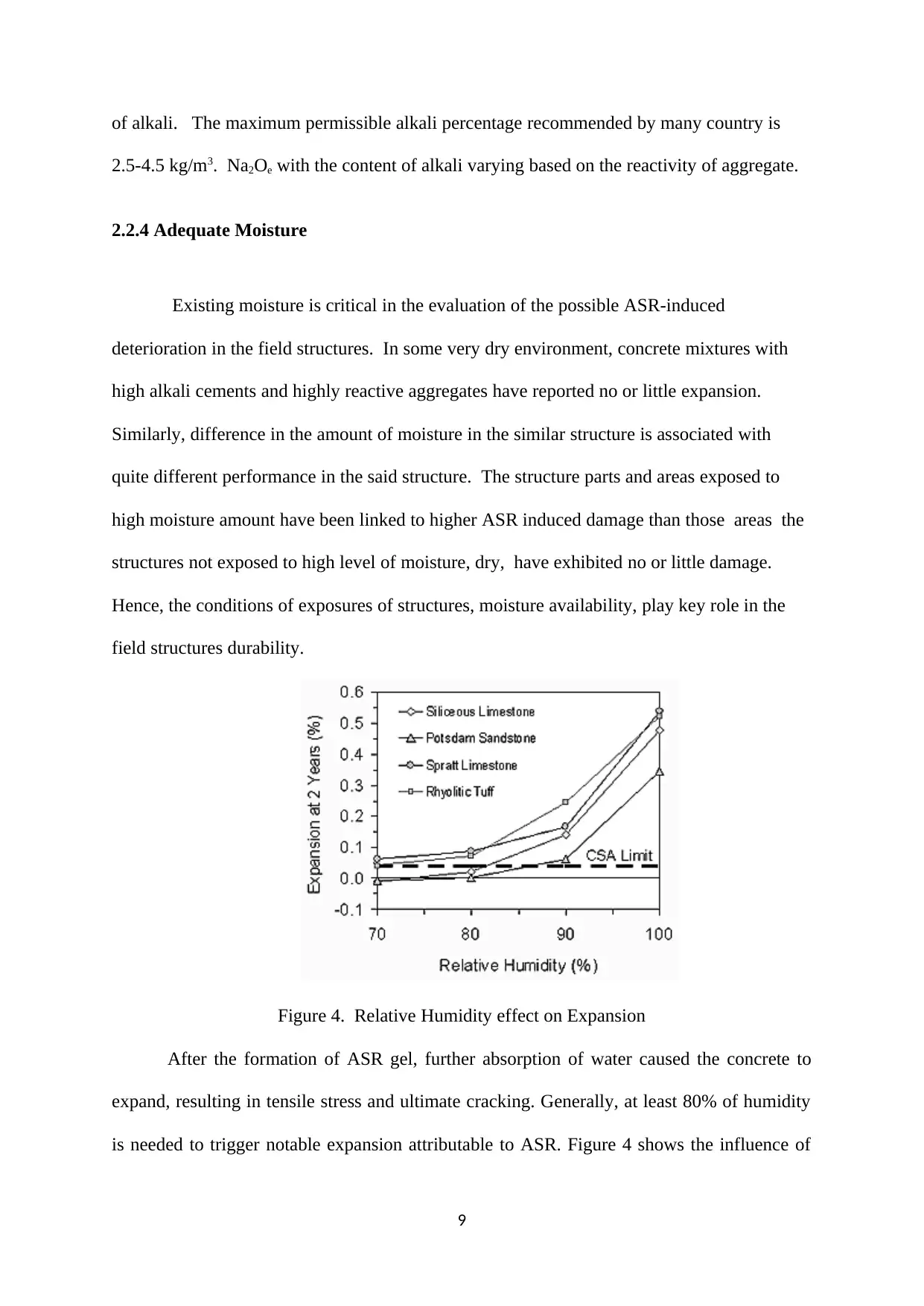
Figure 4. Relative Humidity effect on Expansion
After the formation of ASR gel, further absorption of water caused the concrete to
expand, resulting in tensile stress and ultimate cracking. Generally, at least 80% of humidity
is needed to trigger notable expansion attributable to ASR. Figure 4 shows the influence of
9
2.5-4.5 kg/m3. Na2Oe with the content of alkali varying based on the reactivity of aggregate.
2.2.4 Adequate Moisture
Existing moisture is critical in the evaluation of the possible ASR-induced
deterioration in the field structures. In some very dry environment, concrete mixtures with
high alkali cements and highly reactive aggregates have reported no or little expansion.
Similarly, difference in the amount of moisture in the similar structure is associated with
quite different performance in the said structure. The structure parts and areas exposed to
high moisture amount have been linked to higher ASR induced damage than those areas the
structures not exposed to high level of moisture, dry, have exhibited no or little damage.
Hence, the conditions of exposures of structures, moisture availability, play key role in the
field structures durability.
Figure 4. Relative Humidity effect on Expansion
After the formation of ASR gel, further absorption of water caused the concrete to
expand, resulting in tensile stress and ultimate cracking. Generally, at least 80% of humidity
is needed to trigger notable expansion attributable to ASR. Figure 4 shows the influence of
9
⊘ This is a preview!⊘
Do you want full access?
Subscribe today to unlock all pages.
Trusted by 1+ million students worldwide
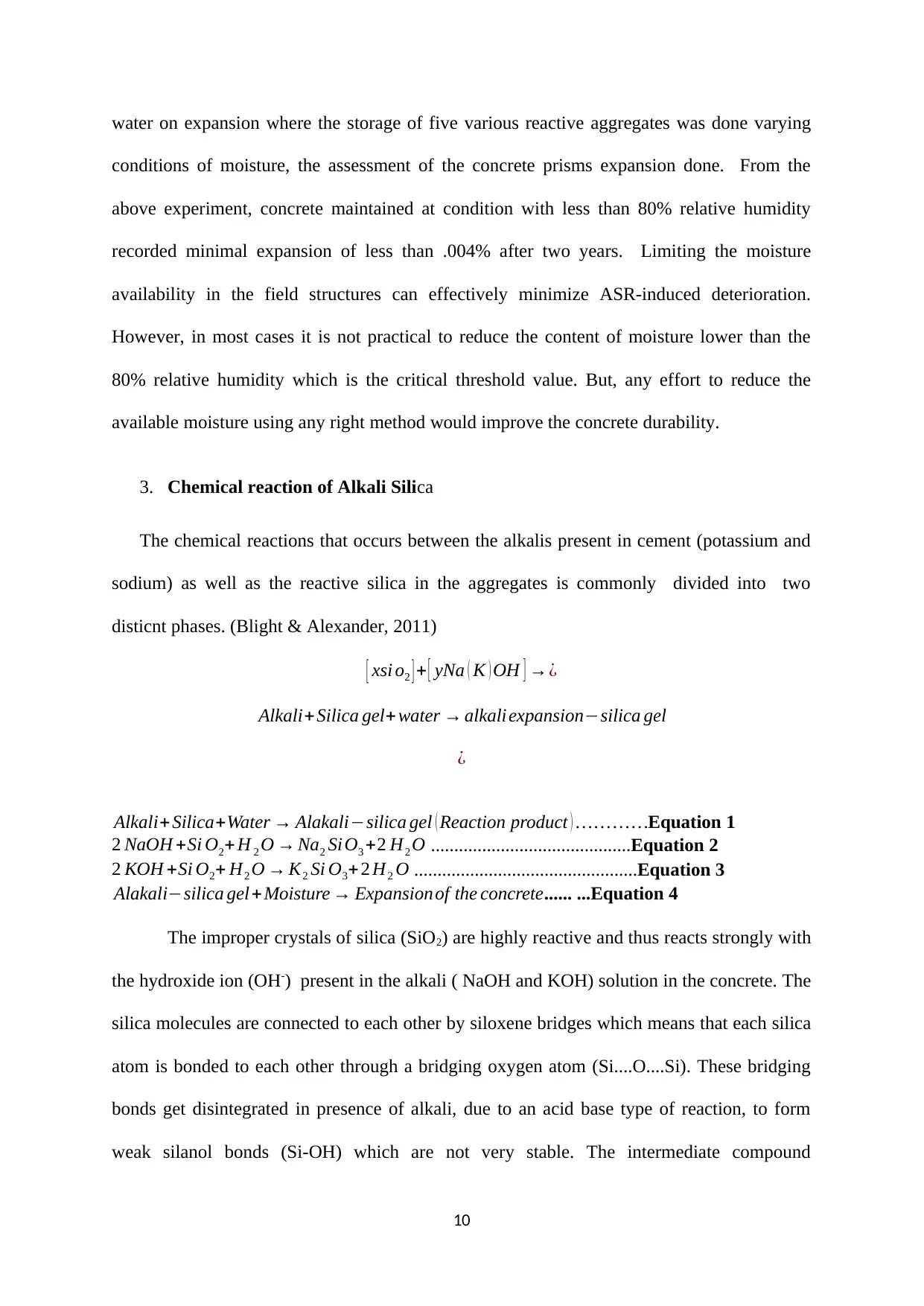
water on expansion where the storage of five various reactive aggregates was done varying
conditions of moisture, the assessment of the concrete prisms expansion done. From the
above experiment, concrete maintained at condition with less than 80% relative humidity
recorded minimal expansion of less than .004% after two years. Limiting the moisture
availability in the field structures can effectively minimize ASR-induced deterioration.
However, in most cases it is not practical to reduce the content of moisture lower than the
80% relative humidity which is the critical threshold value. But, any effort to reduce the
available moisture using any right method would improve the concrete durability.
3. Chemical reaction of Alkali Silica
The chemical reactions that occurs between the alkalis present in cement (potassium and
sodium) as well as the reactive silica in the aggregates is commonly divided into two
disticnt phases. (Blight & Alexander, 2011)
[ xsi o2 ] + [ yNa ( K ) OH ] →¿
Alkali+ Silica gel+water → alkaliexpansion−silica gel
¿
Alkali+Silica+Water → Alakali−silica gel ( Reaction product ) …… … …Equation 1
2 NaOH +Si O2+ H 2 O → Na2 SiO3 +2 H2 O ...........................................Equation 2
2 KOH +Si O2+ H2 O → K2 Si O3+ 2 H2 O ................................................Equation 3
Alakali−silica gel+Moisture → Expansionof the concrete...... ...Equation 4
The improper crystals of silica (SiO2) are highly reactive and thus reacts strongly with
the hydroxide ion (OH-) present in the alkali ( NaOH and KOH) solution in the concrete. The
silica molecules are connected to each other by siloxene bridges which means that each silica
atom is bonded to each other through a bridging oxygen atom (Si....O....Si). These bridging
bonds get disintegrated in presence of alkali, due to an acid base type of reaction, to form
weak silanol bonds (Si-OH) which are not very stable. The intermediate compound
10
conditions of moisture, the assessment of the concrete prisms expansion done. From the
above experiment, concrete maintained at condition with less than 80% relative humidity
recorded minimal expansion of less than .004% after two years. Limiting the moisture
availability in the field structures can effectively minimize ASR-induced deterioration.
However, in most cases it is not practical to reduce the content of moisture lower than the
80% relative humidity which is the critical threshold value. But, any effort to reduce the
available moisture using any right method would improve the concrete durability.
3. Chemical reaction of Alkali Silica
The chemical reactions that occurs between the alkalis present in cement (potassium and
sodium) as well as the reactive silica in the aggregates is commonly divided into two
disticnt phases. (Blight & Alexander, 2011)
[ xsi o2 ] + [ yNa ( K ) OH ] →¿
Alkali+ Silica gel+water → alkaliexpansion−silica gel
¿
Alkali+Silica+Water → Alakali−silica gel ( Reaction product ) …… … …Equation 1
2 NaOH +Si O2+ H 2 O → Na2 SiO3 +2 H2 O ...........................................Equation 2
2 KOH +Si O2+ H2 O → K2 Si O3+ 2 H2 O ................................................Equation 3
Alakali−silica gel+Moisture → Expansionof the concrete...... ...Equation 4
The improper crystals of silica (SiO2) are highly reactive and thus reacts strongly with
the hydroxide ion (OH-) present in the alkali ( NaOH and KOH) solution in the concrete. The
silica molecules are connected to each other by siloxene bridges which means that each silica
atom is bonded to each other through a bridging oxygen atom (Si....O....Si). These bridging
bonds get disintegrated in presence of alkali, due to an acid base type of reaction, to form
weak silanol bonds (Si-OH) which are not very stable. The intermediate compound
10
Paraphrase This Document
Need a fresh take? Get an instant paraphrase of this document with our AI Paraphraser
undergoes further hydroxylation reaction due to its instability as shown in Equation 5-6
(Bektas 2002). The alkali cations (Na+ and K+) combine with the anions (SiO-) on the surface
of the silicate and thereby form the alkali-silica gel.
Si−O−Si+H 2 O → Si−OH ….. OH−Si..........Equation 5
Si−OH +OH−¿→ Si−O−¿+ H 2O ¿ ¿.....................Equation 6
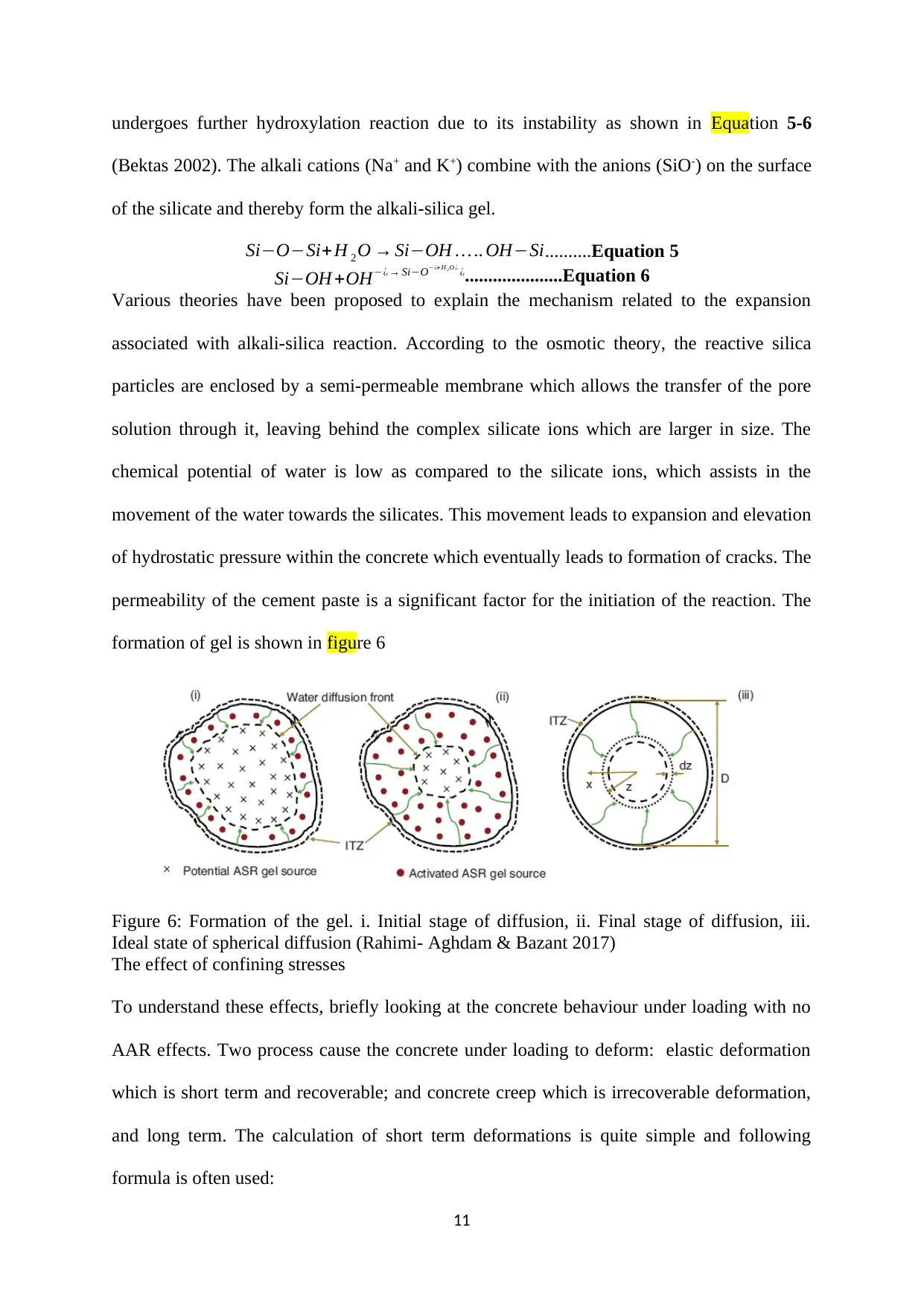
Various theories have been proposed to explain the mechanism related to the expansion
associated with alkali-silica reaction. According to the osmotic theory, the reactive silica
particles are enclosed by a semi-permeable membrane which allows the transfer of the pore
solution through it, leaving behind the complex silicate ions which are larger in size. The
chemical potential of water is low as compared to the silicate ions, which assists in the
movement of the water towards the silicates. This movement leads to expansion and elevation
of hydrostatic pressure within the concrete which eventually leads to formation of cracks. The
permeability of the cement paste is a significant factor for the initiation of the reaction. The
formation of gel is shown in figure 6
Figure 6: Formation of the gel. i. Initial stage of diffusion, ii. Final stage of diffusion, iii.
Ideal state of spherical diffusion (Rahimi- Aghdam & Bazant 2017)
The effect of confining stresses
To understand these effects, briefly looking at the concrete behaviour under loading with no
AAR effects. Two process cause the concrete under loading to deform: elastic deformation
which is short term and recoverable; and concrete creep which is irrecoverable deformation,
and long term. The calculation of short term deformations is quite simple and following
formula is often used:
11
(Bektas 2002). The alkali cations (Na+ and K+) combine with the anions (SiO-) on the surface
of the silicate and thereby form the alkali-silica gel.
Si−O−Si+H 2 O → Si−OH ….. OH−Si..........Equation 5
Si−OH +OH−¿→ Si−O−¿+ H 2O ¿ ¿.....................Equation 6
Various theories have been proposed to explain the mechanism related to the expansion
associated with alkali-silica reaction. According to the osmotic theory, the reactive silica
particles are enclosed by a semi-permeable membrane which allows the transfer of the pore
solution through it, leaving behind the complex silicate ions which are larger in size. The
chemical potential of water is low as compared to the silicate ions, which assists in the
movement of the water towards the silicates. This movement leads to expansion and elevation
of hydrostatic pressure within the concrete which eventually leads to formation of cracks. The
permeability of the cement paste is a significant factor for the initiation of the reaction. The
formation of gel is shown in figure 6
Figure 6: Formation of the gel. i. Initial stage of diffusion, ii. Final stage of diffusion, iii.
Ideal state of spherical diffusion (Rahimi- Aghdam & Bazant 2017)
The effect of confining stresses
To understand these effects, briefly looking at the concrete behaviour under loading with no
AAR effects. Two process cause the concrete under loading to deform: elastic deformation
which is short term and recoverable; and concrete creep which is irrecoverable deformation,
and long term. The calculation of short term deformations is quite simple and following
formula is often used:
11
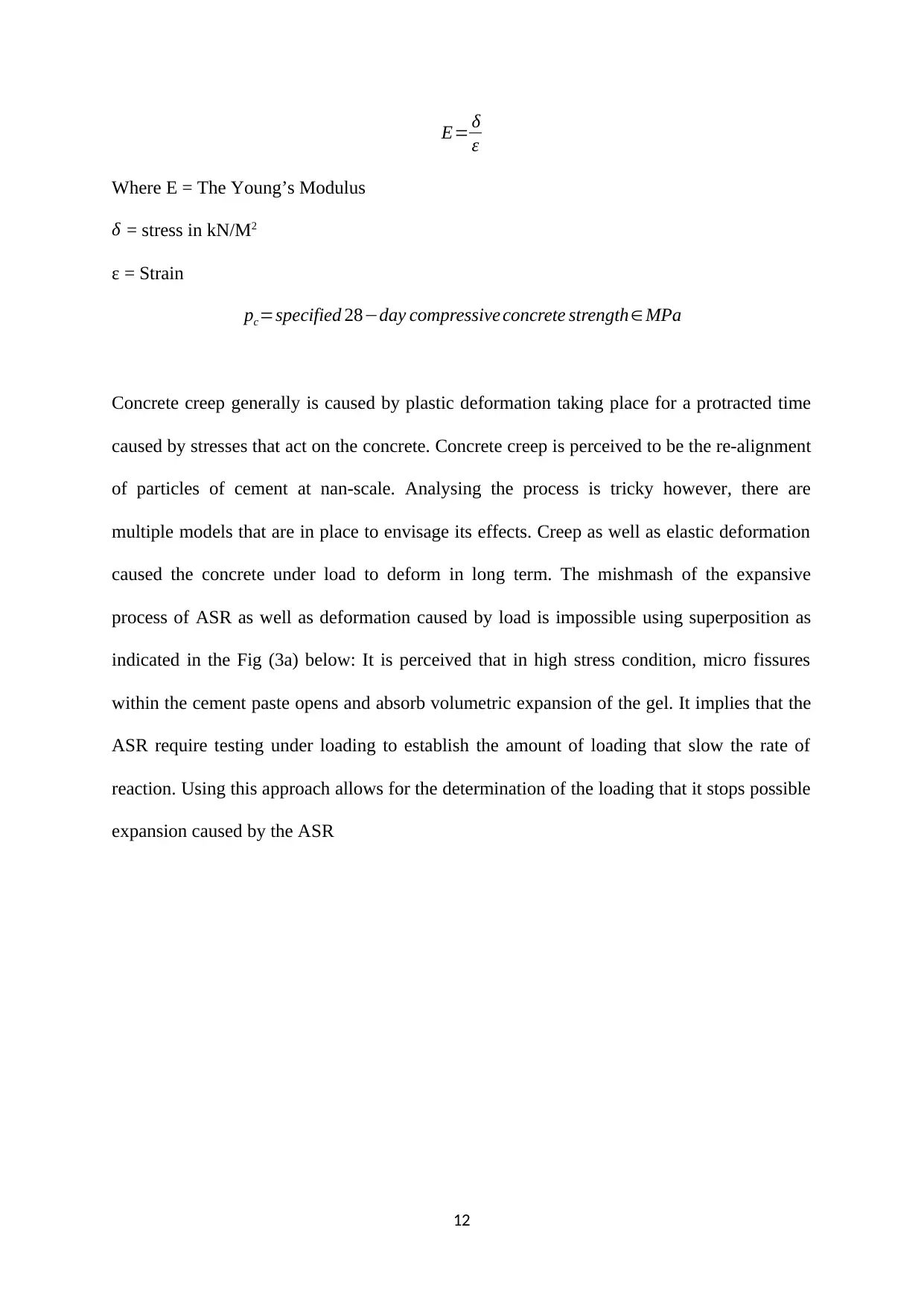
E= δ
ε
Where E = The Young’s Modulus
δ = stress in kN/M2
ε = Strain
pc=specified 28−day compressive concrete strength∈MPa
Concrete creep generally is caused by plastic deformation taking place for a protracted time
caused by stresses that act on the concrete. Concrete creep is perceived to be the re-alignment
of particles of cement at nan-scale. Analysing the process is tricky however, there are
multiple models that are in place to envisage its effects. Creep as well as elastic deformation
caused the concrete under load to deform in long term. The mishmash of the expansive
process of ASR as well as deformation caused by load is impossible using superposition as
indicated in the Fig (3a) below: It is perceived that in high stress condition, micro fissures
within the cement paste opens and absorb volumetric expansion of the gel. It implies that the
ASR require testing under loading to establish the amount of loading that slow the rate of
reaction. Using this approach allows for the determination of the loading that it stops possible
expansion caused by the ASR
12
ε
Where E = The Young’s Modulus
δ = stress in kN/M2
ε = Strain
pc=specified 28−day compressive concrete strength∈MPa
Concrete creep generally is caused by plastic deformation taking place for a protracted time
caused by stresses that act on the concrete. Concrete creep is perceived to be the re-alignment
of particles of cement at nan-scale. Analysing the process is tricky however, there are
multiple models that are in place to envisage its effects. Creep as well as elastic deformation
caused the concrete under load to deform in long term. The mishmash of the expansive
process of ASR as well as deformation caused by load is impossible using superposition as
indicated in the Fig (3a) below: It is perceived that in high stress condition, micro fissures
within the cement paste opens and absorb volumetric expansion of the gel. It implies that the
ASR require testing under loading to establish the amount of loading that slow the rate of
reaction. Using this approach allows for the determination of the loading that it stops possible
expansion caused by the ASR
12
⊘ This is a preview!⊘
Do you want full access?
Subscribe today to unlock all pages.
Trusted by 1+ million students worldwide

1 out of 53


Your All-in-One AI-Powered Toolkit for Academic Success.
+13062052269
info@desklib.com
Available 24*7 on WhatsApp / Email
![[object Object]](/_next/static/media/star-bottom.7253800d.svg)
Unlock your academic potential
Copyright © 2020–2026 A2Z Services. All Rights Reserved. Developed and managed by ZUCOL.