A Comprehensive Analysis of the Chilean Riots and Their Implications
VerifiedAdded on 2022/09/11
|12
|3562
|12
Report
AI Summary
This report provides a detailed analysis of the 2019 Chilean riots, examining the origin of the protests, which were primarily fueled by economic inequality, the rising cost of living, and the impact of neoliberal policies implemented in Chile. The report delves into the economic and business systems that contributed to the social unrest, including issues such as income disparity, privatization of essential services, and the structure of the pension system. It assesses the positive and negative outcomes of the riots, including the damage to infrastructure and the potential for social and political change. The report also discusses the impact on different regions within Chile and suggests potential remedial measures for the Chilean economy. The analysis includes a discussion of the protests' impact on the Santiago Metro network and the broader implications for the country's political and economic future.
Running head: CHILEAN RIOTS
Chilean Riots
Name of the Student
Name of the University
Author note
Chilean Riots
Name of the Student
Name of the University
Author note

Paraphrase This Document
Need a fresh take? Get an instant paraphrase of this document with our AI Paraphraser
1CHILEAN RIOTS
EXECUTIVE SUMMARY
This paper intends to analyse the origin, future of neoliberalism and outcome of the Chilean
protests. Various protests against the neoliberal economic system had evolved in the country.
The recent riots of October 2019 was the most severe one. This paper discusses the faults in
economic system and business system, which caused the emergence of the Chilean riots. This
paper also assesses the negative and positive side of the riots. It also suggests some remedial
measure for the Chilean economy.
EXECUTIVE SUMMARY
This paper intends to analyse the origin, future of neoliberalism and outcome of the Chilean
protests. Various protests against the neoliberal economic system had evolved in the country.
The recent riots of October 2019 was the most severe one. This paper discusses the faults in
economic system and business system, which caused the emergence of the Chilean riots. This
paper also assesses the negative and positive side of the riots. It also suggests some remedial
measure for the Chilean economy.
2CHILEAN RIOTS
Table of Contents
Introduction......................................................................................................................................3
Chilean Riots...................................................................................................................................3
The origin of institutions that form the basis of the current institutions.....................................3
The aspects of the economies that facilitate the current situation...............................................5
The aspects of the business system that influence the current economy and produce the
outcomes......................................................................................................................................6
Comparisons between states........................................................................................................7
Positives and negatives................................................................................................................7
The expected outcome and the factors that would improve the current situation.......................8
Conclusion.......................................................................................................................................9
References......................................................................................................................................10
Table of Contents
Introduction......................................................................................................................................3
Chilean Riots...................................................................................................................................3
The origin of institutions that form the basis of the current institutions.....................................3
The aspects of the economies that facilitate the current situation...............................................5
The aspects of the business system that influence the current economy and produce the
outcomes......................................................................................................................................6
Comparisons between states........................................................................................................7
Positives and negatives................................................................................................................7
The expected outcome and the factors that would improve the current situation.......................8
Conclusion.......................................................................................................................................9
References......................................................................................................................................10
⊘ This is a preview!⊘
Do you want full access?
Subscribe today to unlock all pages.

Trusted by 1+ million students worldwide
3CHILEAN RIOTS
Introduction
The republic of Chile is country from South America (Gob.cl, 2019). One of the major
economies of South America, Chile is well known for its agricultural resources and population.
The country registered significant territorial and economic growth from the 19th century. The
name of the largest and capital city of the country is Santiago (Bloomberg.com, 2019). The
current government, which is ruling the country unitary presidential constitutional republic.
Moreover, the mane of the president is Sebastian Pinerra. According to the census of 2017, the
population of the country was 17,574,003. Though, the country is one of the most socially and
economically prosperous and stable economies of South America. It also enriches by high living
standard and high income economy.
One of the major protests among Latin American countries evolved in the Chile. It is
known as the Chilean protests of October 2019. The main cause of the riots and protests were
inequality and privilege. The social and economic issues generated from the adoption of
neoliberal economic system by the government of Chile (Perelló, 2019). This paper discusses the
origin, outcome and future of the neoliberalism in Chile. It emphasizes on the origin of the
Chilean protests. In addition, it also tries to find out the economic issues that caused the violence
in the country. Other than economic system, there was also fault in business system of the
country. Therefore, analysis of political system of the country determines root cause of the
agitation. The impacts of riots on different states of the country also discussed. It assesses the
positive and negative aspect of the Chilean protests. Furthermore, this paper also suggests
measures to control the violence emerged in the country.
Chilean Riots
The origin of institutions that form the basis of the current institutions
The Chilean riots are ongoing civil protests throughout the country. It is also known as
the 2019 Chilean protests. The main reasons behind this protest in Chile are increase in the
subway metro fare of Santiago metro, inequality in income, increased cost of living and
privatization prevalent in the country. The Chilean riots started on 14th October 2019. It began in
capital city of Chile, Santiago (McGowan, 2019). The student of the secondary school started a
fare evasion campaign, which led to huge protests in the main train station of the city. Moreover,
Introduction
The republic of Chile is country from South America (Gob.cl, 2019). One of the major
economies of South America, Chile is well known for its agricultural resources and population.
The country registered significant territorial and economic growth from the 19th century. The
name of the largest and capital city of the country is Santiago (Bloomberg.com, 2019). The
current government, which is ruling the country unitary presidential constitutional republic.
Moreover, the mane of the president is Sebastian Pinerra. According to the census of 2017, the
population of the country was 17,574,003. Though, the country is one of the most socially and
economically prosperous and stable economies of South America. It also enriches by high living
standard and high income economy.
One of the major protests among Latin American countries evolved in the Chile. It is
known as the Chilean protests of October 2019. The main cause of the riots and protests were
inequality and privilege. The social and economic issues generated from the adoption of
neoliberal economic system by the government of Chile (Perelló, 2019). This paper discusses the
origin, outcome and future of the neoliberalism in Chile. It emphasizes on the origin of the
Chilean protests. In addition, it also tries to find out the economic issues that caused the violence
in the country. Other than economic system, there was also fault in business system of the
country. Therefore, analysis of political system of the country determines root cause of the
agitation. The impacts of riots on different states of the country also discussed. It assesses the
positive and negative aspect of the Chilean protests. Furthermore, this paper also suggests
measures to control the violence emerged in the country.
Chilean Riots
The origin of institutions that form the basis of the current institutions
The Chilean riots are ongoing civil protests throughout the country. It is also known as
the 2019 Chilean protests. The main reasons behind this protest in Chile are increase in the
subway metro fare of Santiago metro, inequality in income, increased cost of living and
privatization prevalent in the country. The Chilean riots started on 14th October 2019. It began in
capital city of Chile, Santiago (McGowan, 2019). The student of the secondary school started a
fare evasion campaign, which led to huge protests in the main train station of the city. Moreover,
Paraphrase This Document
Need a fresh take? Get an instant paraphrase of this document with our AI Paraphraser
4CHILEAN RIOTS
the confrontation between the national militarized police force, the Carabineros de Chile and
students escalated. As a wide range of issues caused dissatisfaction among the citizen of the
country. It led to this social explosion of October 2019 in Chile.
The economic condition in the Chile worsened in recent years, which forced millions of
people to demand for a change. Though, there was various causes of protests, the entire
population of the country were united against privilege and inequality. Previously, the market
oriented reform took place in Chile was praised by the international organizations and
economists. Even the political institution and system of the country was also stable. The major
problem that was prevalent in the country was inequality, which led this huge protests by the
mass of the country.
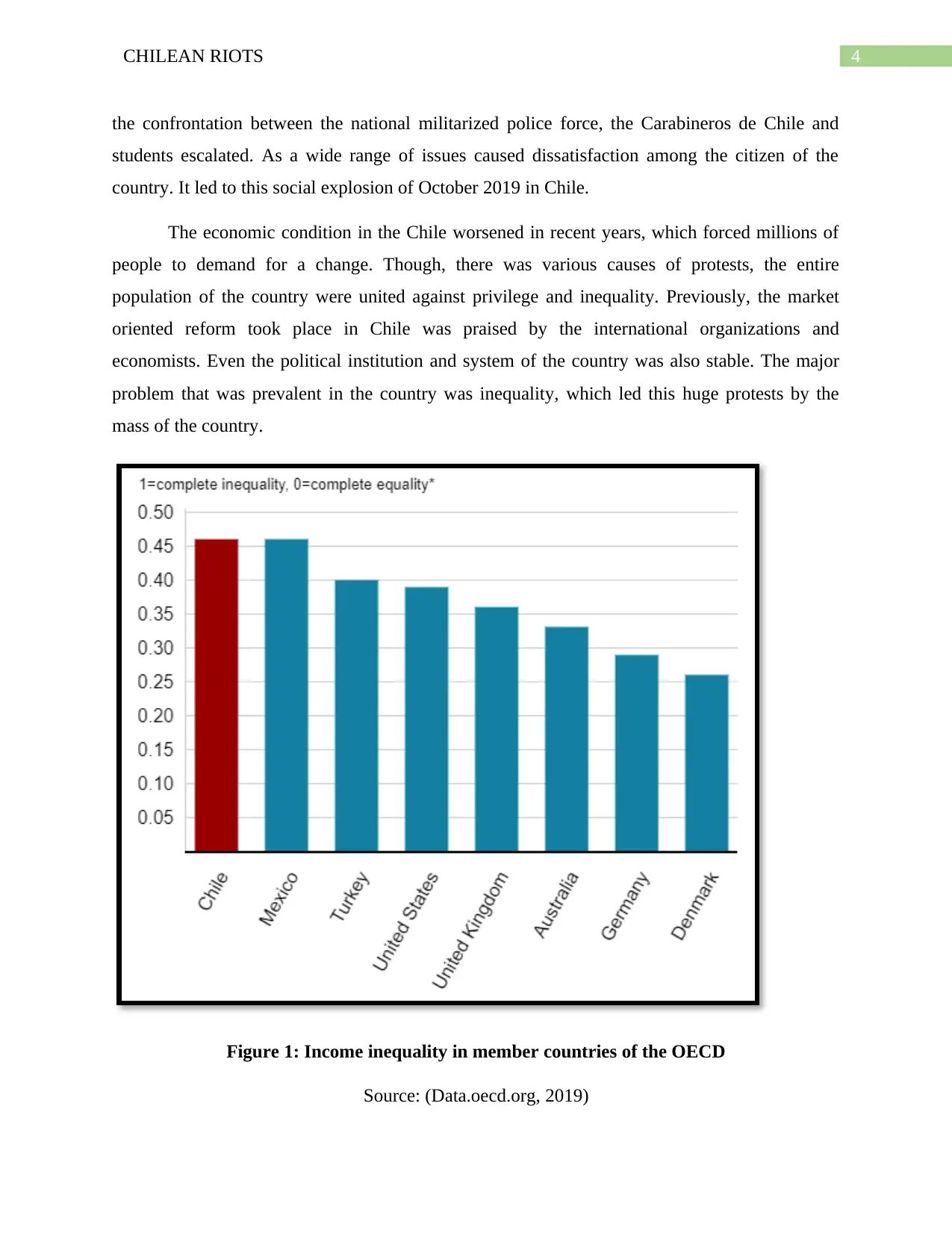
Figure 1: Income inequality in member countries of the OECD
Source: (Data.oecd.org, 2019)
the confrontation between the national militarized police force, the Carabineros de Chile and
students escalated. As a wide range of issues caused dissatisfaction among the citizen of the
country. It led to this social explosion of October 2019 in Chile.
The economic condition in the Chile worsened in recent years, which forced millions of
people to demand for a change. Though, there was various causes of protests, the entire
population of the country were united against privilege and inequality. Previously, the market
oriented reform took place in Chile was praised by the international organizations and
economists. Even the political institution and system of the country was also stable. The major
problem that was prevalent in the country was inequality, which led this huge protests by the
mass of the country.
Figure 1: Income inequality in member countries of the OECD
Source: (Data.oecd.org, 2019)
5CHILEAN RIOTS
Figure 1 represents income inequality in member countries of the OECD. Chile ranked as
one of the worst performer among OECD member countries in terms of income inequality.
According to the Organization for Economic Co-operation and Development (OECD), the GDP
per capita of the country was one of the highest among OECD member countries. In addition, the
performance of the country was also considerable in the field of social development (Franklin,
2019). However, GDP per capita declined dramatically over the past two decades. Even the
country also witnessed significant rise in cost of living and inequality, which resulted in the
Chilean riots of October 2019.
The aspects of the economies that facilitate the current situation
The current crisis in the Chile started due to economic problems within the country. Chile
was considered as one of the fastest growing economies of the Latin America. It also took
various initiatives in order to reduce inequality in the country since 2000 (Gammage,
Alburquerque & Durán, 2014). The social progress in the country also resulted in improvement
in Human Development Index of the country. Though, these economic data and indexes
portrayed a different story about the country. The conventional indicators of the nation showed
that the inequality has increased significantly in the country. The rise in inequality was the main
reason of the protests among the Chilean protestors. Other economic problems that aggravated
the condition of the country. The fare of the public transport was high, which increased the cost
of living.
The protests started immediately after hike in subway fare of Santiago metro by 3%.
Moreover, 33% of total wealth of the Chile is earned by the 1% population of the Chile. Thus, it
remained a most unequal country among the OECD member countries (Data.oecd.org, 2019).
Several protestors demanded for a change in existing constitution and replaced it with a new
constitution. The constitution was written during the reign of August Pinochet in 1980. It created
the legal basis of the market-driven economy. As a result, it has privatized education, pension
and health. Therefore, the cost of these sectors of the economy scaled up drastically (Bbc.com,
2019). It created an additional pressure on the citizens of the countries as cost of living got
higher. The main agenda of the Chilean riots was reforms in healthcare, pension and education
systems of the country. There are several other economic problems such as lower wages and
inequality in income. Many protestors demanded for surge in minimum wage and better wages.
Figure 1 represents income inequality in member countries of the OECD. Chile ranked as
one of the worst performer among OECD member countries in terms of income inequality.
According to the Organization for Economic Co-operation and Development (OECD), the GDP
per capita of the country was one of the highest among OECD member countries. In addition, the
performance of the country was also considerable in the field of social development (Franklin,
2019). However, GDP per capita declined dramatically over the past two decades. Even the
country also witnessed significant rise in cost of living and inequality, which resulted in the
Chilean riots of October 2019.
The aspects of the economies that facilitate the current situation
The current crisis in the Chile started due to economic problems within the country. Chile
was considered as one of the fastest growing economies of the Latin America. It also took
various initiatives in order to reduce inequality in the country since 2000 (Gammage,
Alburquerque & Durán, 2014). The social progress in the country also resulted in improvement
in Human Development Index of the country. Though, these economic data and indexes
portrayed a different story about the country. The conventional indicators of the nation showed
that the inequality has increased significantly in the country. The rise in inequality was the main
reason of the protests among the Chilean protestors. Other economic problems that aggravated
the condition of the country. The fare of the public transport was high, which increased the cost
of living.
The protests started immediately after hike in subway fare of Santiago metro by 3%.
Moreover, 33% of total wealth of the Chile is earned by the 1% population of the Chile. Thus, it
remained a most unequal country among the OECD member countries (Data.oecd.org, 2019).
Several protestors demanded for a change in existing constitution and replaced it with a new
constitution. The constitution was written during the reign of August Pinochet in 1980. It created
the legal basis of the market-driven economy. As a result, it has privatized education, pension
and health. Therefore, the cost of these sectors of the economy scaled up drastically (Bbc.com,
2019). It created an additional pressure on the citizens of the countries as cost of living got
higher. The main agenda of the Chilean riots was reforms in healthcare, pension and education
systems of the country. There are several other economic problems such as lower wages and
inequality in income. Many protestors demanded for surge in minimum wage and better wages.
⊘ This is a preview!⊘
Do you want full access?
Subscribe today to unlock all pages.
Trusted by 1+ million students worldwide
6CHILEAN RIOTS
According to the National Institute of Statistics (INE) of the Chile, the monthly mean net income
of workers of Chile was around $800. In addition, there was modest to null incomes for the
retirees under the private pension system of the country. Therefore, the middle class population
of the country were burdened with heavy household spending. Hence, the economic system of
the country created greater trouble for the middle class population, which was one of the main
reason for the agitation among Chilean protestors (Rotarou & Sakellariou, 2017).
The aspects of the business system that influence the current economy and produce the
outcomes
A series of unfortunate decisions taken by the government of Chile led to mass protest in
Chile. The decisions of government, which agitated the Chilean population were low pension,
segregation of school, low quality education, highway tolls and poor public health services. The
country witnessed worst unrest within the nation, which demanded for drastic change in political
system. The majority of the population lost their in political system of the country and blamed
the government of Chile for increased inequality in the country (Fuentes-Nieva & Galasso,
2014). Though, the president of the Chile, Sebastian Pinera, took some emergency measures in
order to negate the adverse effect of the riots. These were higher taxes on wealthy Chilean
population and a small hike in the minimum wage of the country. The movement of the
government was unable to reduce the protest, which is based on deep rooted disillusionment over
inequality. Various protestors demanded for resignation of the president of the country.
They also wanted a new constitution for the country by replacing the old one, which is
based on market driven economy. The protestors were against the neoliberalism. Under this
political approach, government favors reduction in government spending, deregulation and free-
market capitalism. The rise of neoliberalism also brought huge protests among students of the
Chile due to rise in education costs. Thus, the business system of the Chile based on
neoliberalism created political and social issues (Fernández, Manuel-Navarrete & Torres-Salinas,
2016). A revolt against neoliberalism escalated in the Chilean protests. The majority of the
population were against the implementation of the neoliberal system of the government led by
Sebastian Pinera. According to the protestors, the economic policies based on neoliberal system
for the decades scaled up the cost of living, disenfranchised and marginalized the population. It
resulted in greater economic and social inequality. As per OECD, the country ranked at the lower
According to the National Institute of Statistics (INE) of the Chile, the monthly mean net income
of workers of Chile was around $800. In addition, there was modest to null incomes for the
retirees under the private pension system of the country. Therefore, the middle class population
of the country were burdened with heavy household spending. Hence, the economic system of
the country created greater trouble for the middle class population, which was one of the main
reason for the agitation among Chilean protestors (Rotarou & Sakellariou, 2017).
The aspects of the business system that influence the current economy and produce the
outcomes
A series of unfortunate decisions taken by the government of Chile led to mass protest in
Chile. The decisions of government, which agitated the Chilean population were low pension,
segregation of school, low quality education, highway tolls and poor public health services. The
country witnessed worst unrest within the nation, which demanded for drastic change in political
system. The majority of the population lost their in political system of the country and blamed
the government of Chile for increased inequality in the country (Fuentes-Nieva & Galasso,
2014). Though, the president of the Chile, Sebastian Pinera, took some emergency measures in
order to negate the adverse effect of the riots. These were higher taxes on wealthy Chilean
population and a small hike in the minimum wage of the country. The movement of the
government was unable to reduce the protest, which is based on deep rooted disillusionment over
inequality. Various protestors demanded for resignation of the president of the country.
They also wanted a new constitution for the country by replacing the old one, which is
based on market driven economy. The protestors were against the neoliberalism. Under this
political approach, government favors reduction in government spending, deregulation and free-
market capitalism. The rise of neoliberalism also brought huge protests among students of the
Chile due to rise in education costs. Thus, the business system of the Chile based on
neoliberalism created political and social issues (Fernández, Manuel-Navarrete & Torres-Salinas,
2016). A revolt against neoliberalism escalated in the Chilean protests. The majority of the
population were against the implementation of the neoliberal system of the government led by
Sebastian Pinera. According to the protestors, the economic policies based on neoliberal system
for the decades scaled up the cost of living, disenfranchised and marginalized the population. It
resulted in greater economic and social inequality. As per OECD, the country ranked at the lower
Paraphrase This Document
Need a fresh take? Get an instant paraphrase of this document with our AI Paraphraser
7CHILEAN RIOTS
in terms of social spending. It was 10.9% of GDP in 2017, as government spending was less due
to neoliberal system.
Comparisons between states
The protests was initiated from the capital city of the country, Santiago. The students
those who began the protests took over the main train station of the city. Later, the flame of the
protests spread into various cities of the country (Paredes, Iturra & Lufin, 2016). As the main
agitation was started just after rise in fare of the subway metro, many stations of the Santiago
Metro Network were vandalized, seized and burned down by the group of protestors. Thus, the
infrastructure of the city was vandalized by the agitated Chileans. Furthermore, the extensive
damage of the infrastructure ceased and disabled the metro railway network entirely. The
protestors burned down 17 stations of the metro network. Moreover, 81 stations were damaged
significantly. Therefore, the main effect of the protest was bore by the capital city and its metro
railway network.
The other cities of the country, where riots and protests had expanded and majorly
impacted include Valparaiso and Concepcion and San Antonio. These cities were affected
majorly along with the capital city. However, some areas of Valparaiso region were not affected
because of the Chilean riots. These are Juan Fernandez Archipelago and Easter Island. In
addition, there were some other cities, which also under state of emergency by the government
(Garretón, 2019). These are La Serena, Valdivia, Iquique, Antofagasta, Rancagua, Coquimbo,
Puerto Montt and Osorno. Though, the effect of protests were not same in all cities of the
country. Some cities were significantly affected due to the Chilean riots and government
enforced state of emergency on them. These were Greater Santiago area, Concepcion Province,
some areas of Valparaiso region. On the other hand, some cities were not affected by the protests
of the Chileans.
Positives and negatives
There are a wide range of issues that causes the emergence of the protest. Unresolved
issues for a long time lead to dissatisfaction and agitation among the people. Finally, it revolts in
form of protests and riots (Gonzales & Pedraja, 2015). There exists many positive and negative
effects of the riots and protests. Therefore, the Chilean protests of October 2019 also brought
several positive and negative effects. On one hand, the constructive effects of the protests and
in terms of social spending. It was 10.9% of GDP in 2017, as government spending was less due
to neoliberal system.
Comparisons between states
The protests was initiated from the capital city of the country, Santiago. The students
those who began the protests took over the main train station of the city. Later, the flame of the
protests spread into various cities of the country (Paredes, Iturra & Lufin, 2016). As the main
agitation was started just after rise in fare of the subway metro, many stations of the Santiago
Metro Network were vandalized, seized and burned down by the group of protestors. Thus, the
infrastructure of the city was vandalized by the agitated Chileans. Furthermore, the extensive
damage of the infrastructure ceased and disabled the metro railway network entirely. The
protestors burned down 17 stations of the metro network. Moreover, 81 stations were damaged
significantly. Therefore, the main effect of the protest was bore by the capital city and its metro
railway network.
The other cities of the country, where riots and protests had expanded and majorly
impacted include Valparaiso and Concepcion and San Antonio. These cities were affected
majorly along with the capital city. However, some areas of Valparaiso region were not affected
because of the Chilean riots. These are Juan Fernandez Archipelago and Easter Island. In
addition, there were some other cities, which also under state of emergency by the government
(Garretón, 2019). These are La Serena, Valdivia, Iquique, Antofagasta, Rancagua, Coquimbo,
Puerto Montt and Osorno. Though, the effect of protests were not same in all cities of the
country. Some cities were significantly affected due to the Chilean riots and government
enforced state of emergency on them. These were Greater Santiago area, Concepcion Province,
some areas of Valparaiso region. On the other hand, some cities were not affected by the protests
of the Chileans.
Positives and negatives
There are a wide range of issues that causes the emergence of the protest. Unresolved
issues for a long time lead to dissatisfaction and agitation among the people. Finally, it revolts in
form of protests and riots (Gonzales & Pedraja, 2015). There exists many positive and negative
effects of the riots and protests. Therefore, the Chilean protests of October 2019 also brought
several positive and negative effects. On one hand, the constructive effects of the protests and
8CHILEAN RIOTS
riots include the social and economic changes after the violence. On the other hand, the
destructive effects of the protests and riots involves the after effects of the violence like physical
damages of property and people. It also brings many economic impacts. In addition, the Chilean
protests brought significant losses. The protests and riots were severe. As a result, major
damages to property and infrastructure took place. The metro rail network of the country was
disrupted badly. Some of the stations got burned down. Moreover, all other stations got damaged
severely.
The considerable destruction of public property caused economic losses of the country.
The government of Chile announced state of emergency, which resulted in deployment of the
national militarized police, Chilean army and curfew. As a result, 2840 people had been arrested,
19 people had died and around 2500 had been injured as of 26th October 2019 (Aljazeera.com,
2019). The constructive effects of the Chilean protests were the change of eight ministries from
the cabinet of the president due to unrest in the country on 28th October. The president dismissed
his interior minister Andres Chadwick. An agreement were signed by the most of the political
parties represented in the National Congress. It aims to call a national referendum related to the
creation of new constitution in April 2020. The government of Chile also took some emergency
measures to control the wide spread protests of the country. These are higher tax charges on
wealthy Chilean and small rise in the minimum wage. Therefore, these are the positive sides of
the Chilean protests.
The expected outcome and the factors that would improve the current situation
The protests and riots brought severe consequences like destruction, which may result in
significant hardship for the country from the economic perspective. There is a high probability
that the unemployment would be skyrocket high (Cadtm.org, 2019). The country would face
serious capital flight. As the economic and political scenario of the country is unstable, it would
hamper the confidence of the businesses and investors. As a result, foreign investment in the
country would plunge. Therefore, the government should take necessary steps in order to boost
the confidence of the citizens as well as investors in the political system of the country.
The government should shift from the neoliberal economic system, which brought huge
sufferings for the middle class population of the country. It is likely that the Chile would be a
more egalitarian country. In the horizontal inequality front, progress will take place. There will
riots include the social and economic changes after the violence. On the other hand, the
destructive effects of the protests and riots involves the after effects of the violence like physical
damages of property and people. It also brings many economic impacts. In addition, the Chilean
protests brought significant losses. The protests and riots were severe. As a result, major
damages to property and infrastructure took place. The metro rail network of the country was
disrupted badly. Some of the stations got burned down. Moreover, all other stations got damaged
severely.
The considerable destruction of public property caused economic losses of the country.
The government of Chile announced state of emergency, which resulted in deployment of the
national militarized police, Chilean army and curfew. As a result, 2840 people had been arrested,
19 people had died and around 2500 had been injured as of 26th October 2019 (Aljazeera.com,
2019). The constructive effects of the Chilean protests were the change of eight ministries from
the cabinet of the president due to unrest in the country on 28th October. The president dismissed
his interior minister Andres Chadwick. An agreement were signed by the most of the political
parties represented in the National Congress. It aims to call a national referendum related to the
creation of new constitution in April 2020. The government of Chile also took some emergency
measures to control the wide spread protests of the country. These are higher tax charges on
wealthy Chilean and small rise in the minimum wage. Therefore, these are the positive sides of
the Chilean protests.
The expected outcome and the factors that would improve the current situation
The protests and riots brought severe consequences like destruction, which may result in
significant hardship for the country from the economic perspective. There is a high probability
that the unemployment would be skyrocket high (Cadtm.org, 2019). The country would face
serious capital flight. As the economic and political scenario of the country is unstable, it would
hamper the confidence of the businesses and investors. As a result, foreign investment in the
country would plunge. Therefore, the government should take necessary steps in order to boost
the confidence of the citizens as well as investors in the political system of the country.
The government should shift from the neoliberal economic system, which brought huge
sufferings for the middle class population of the country. It is likely that the Chile would be a
more egalitarian country. In the horizontal inequality front, progress will take place. There will
⊘ This is a preview!⊘
Do you want full access?
Subscribe today to unlock all pages.
Trusted by 1+ million students worldwide
9CHILEAN RIOTS
be improvement but that will be slow. The new constitution should be formed and it should be
different from the Pinochet one. Under new constitutional framework, government should
restores social rights such as health and education. The cost of the health and education should
be reduced, so that everyone can avail it. The neoliberal system of the Chile would replace by the
welfare state in new regime (Monbiot, 2016). Therefore, the role of the government intervention
and government spending plays a pivotal in brining social and economic stabilization in the
country.
Conclusion
One of the severe protests of South America took placed in Chile in October 2019, which
disrupted the economic, political and social condition of the country (Bloomberg.com, 2019).
The major reasons behind this crisis were inequality and privilege. It resulted in a mass protests
and riots within the country. The government was forced to deploy the army, militarized police
and curfew in order to curb the violence created by the protestors (Cummings, 2015). Various
public properties such as stations and public infrastructures were vandalized and destroyed. To
control the agitation among the people of the country, government decided to bring some
emergency measures.
These emergency measures such as small hike in wages and higher tax charges on
wealthy Chilean population. Other than these, government also removed eight ministries from
his cabinet in response to the growing violence in the country. There are several positive and
negative aspects of the Chilean protests (Bellei, Cabalin & Orellana, 2014). Though, the protests
spread in most of the parts of the country. The effects of the riots and protests were also differ in
different cities of the Chile. Government should move from the neoliberal economic system,
which caused the dissatisfaction. It can shift to welfare state in order to maintain the social and
economic balance. It would also ensure a stable economic and social system. Government should
focus on education and health system of the country and make necessary improvements by
increasing public investment in this respective sectors. Therefore, it would ensure the political,
economic and social stability of the country in future.
be improvement but that will be slow. The new constitution should be formed and it should be
different from the Pinochet one. Under new constitutional framework, government should
restores social rights such as health and education. The cost of the health and education should
be reduced, so that everyone can avail it. The neoliberal system of the Chile would replace by the
welfare state in new regime (Monbiot, 2016). Therefore, the role of the government intervention
and government spending plays a pivotal in brining social and economic stabilization in the
country.
Conclusion
One of the severe protests of South America took placed in Chile in October 2019, which
disrupted the economic, political and social condition of the country (Bloomberg.com, 2019).
The major reasons behind this crisis were inequality and privilege. It resulted in a mass protests
and riots within the country. The government was forced to deploy the army, militarized police
and curfew in order to curb the violence created by the protestors (Cummings, 2015). Various
public properties such as stations and public infrastructures were vandalized and destroyed. To
control the agitation among the people of the country, government decided to bring some
emergency measures.
These emergency measures such as small hike in wages and higher tax charges on
wealthy Chilean population. Other than these, government also removed eight ministries from
his cabinet in response to the growing violence in the country. There are several positive and
negative aspects of the Chilean protests (Bellei, Cabalin & Orellana, 2014). Though, the protests
spread in most of the parts of the country. The effects of the riots and protests were also differ in
different cities of the Chile. Government should move from the neoliberal economic system,
which caused the dissatisfaction. It can shift to welfare state in order to maintain the social and
economic balance. It would also ensure a stable economic and social system. Government should
focus on education and health system of the country and make necessary improvements by
increasing public investment in this respective sectors. Therefore, it would ensure the political,
economic and social stability of the country in future.
Paraphrase This Document
Need a fresh take? Get an instant paraphrase of this document with our AI Paraphraser
10CHILEAN RIOTS
References
Aljazeera.com (2019). Counting the cost of neoliberalism in Chile.
https://www.aljazeera.com/programmes/countingthecost/2019/11/counting-cost-
neoliberalism-chile-191109112653102.html
Bbc.com (2019). Cost of living protests in Chile take deadly toll. BBC News. Retrieved 28
December 2019, from https://www.bbc.com/news/world-latin-america-50119649
Bellei, C., Cabalin, C., & Orellana, V. (2014). The 2011 Chilean student movement against
neoliberal educational policies. Studies in Higher Education, 39(3), 426-440.
Bloomberg.com (2019). Bloomberg - Are you a robot?.
https://www.bloomberg.com/opinion/articles/2019-10-22/chile-s-violent-protests-have-a-
worrisome-message-for-the-world
Bloomberg.com (2019). Bloomberg - Are you a robot?. Bloomberg.com.
https://www.bloomberg.com/opinion/articles/2019-10-29/chile-protests-what-are-they-
about-exactly
Cadtm.org (2019). « We are at the beginning of the end of neoliberalism in Chile ».
https://www.cadtm.org/We-are-at-the-beginning-of-the-end-of-neoliberalism-in-Chile
Cummings, P. M. (2015). Democracy and student discontent: Chilean student protest in the post-
Pinochet era. Journal of Politics in Latin America, 7(3), 49-84.
Data.oecd.org (2019). Government - OECD Data. theOECD. Retrieved 28 December 2019, from
https://data.oecd.org/government.htm
Fernández, I., Manuel-Navarrete, D., & Torres-Salinas, R. (2016). Breaking resilient patterns of
inequality in Santiago de Chile: Challenges to navigate towards a more sustainable
city. Sustainability, 8(8), 820.
Franklin, J. (2019). Chile protesters: 'We are subjugated by the rich. It's time for that to end'. the
Guardian. https://www.theguardian.com/world/2019/oct/30/chile-protests-portraits-
protesters-sebastian-pinera
References
Aljazeera.com (2019). Counting the cost of neoliberalism in Chile.
https://www.aljazeera.com/programmes/countingthecost/2019/11/counting-cost-
neoliberalism-chile-191109112653102.html
Bbc.com (2019). Cost of living protests in Chile take deadly toll. BBC News. Retrieved 28
December 2019, from https://www.bbc.com/news/world-latin-america-50119649
Bellei, C., Cabalin, C., & Orellana, V. (2014). The 2011 Chilean student movement against
neoliberal educational policies. Studies in Higher Education, 39(3), 426-440.
Bloomberg.com (2019). Bloomberg - Are you a robot?.
https://www.bloomberg.com/opinion/articles/2019-10-22/chile-s-violent-protests-have-a-
worrisome-message-for-the-world
Bloomberg.com (2019). Bloomberg - Are you a robot?. Bloomberg.com.
https://www.bloomberg.com/opinion/articles/2019-10-29/chile-protests-what-are-they-
about-exactly
Cadtm.org (2019). « We are at the beginning of the end of neoliberalism in Chile ».
https://www.cadtm.org/We-are-at-the-beginning-of-the-end-of-neoliberalism-in-Chile
Cummings, P. M. (2015). Democracy and student discontent: Chilean student protest in the post-
Pinochet era. Journal of Politics in Latin America, 7(3), 49-84.
Data.oecd.org (2019). Government - OECD Data. theOECD. Retrieved 28 December 2019, from
https://data.oecd.org/government.htm
Fernández, I., Manuel-Navarrete, D., & Torres-Salinas, R. (2016). Breaking resilient patterns of
inequality in Santiago de Chile: Challenges to navigate towards a more sustainable
city. Sustainability, 8(8), 820.
Franklin, J. (2019). Chile protesters: 'We are subjugated by the rich. It's time for that to end'. the
Guardian. https://www.theguardian.com/world/2019/oct/30/chile-protests-portraits-
protesters-sebastian-pinera
11CHILEAN RIOTS
Fuentes-Nieva, R., & Galasso, N. (2014). Working for the Few: Political capture and economic
inequality. Oxfam.
Gammage, S., Alburquerque, T., & Durán, G. (2014). Poverty, inequality and employment in
Chile. ILO.
Garretón, M. A. (2019). The Chilean political process. Routledge.
Gob.cl (2019). https://www.gob.cl/en/
Gonzales, C., & Pedraja, L. (2015). Privatization and access: the Chilean higher education
experiment and its discontents.
McGowan, C. (2019). Chile protests: What prompted the unrest?. Aljazeera.com.
https://www.aljazeera.com/news/2019/10/chile-protests-prompted-unrest-
191022160029869.html
Monbiot, G. (2016). Neoliberalism – the ideology at the root of all our problems. the Guardian.
https://www.theguardian.com/books/2016/apr/15/neoliberalism-ideology-problem-
george-monbiot
Paredes, D., Iturra, V., & Lufin, M. (2016). A spatial decomposition of income inequality in
Chile. Regional Studies, 50(5), 771-789.
Perelló, L. (2019). The roots of Chile’s protests. Global Americans.
https://theglobalamericans.org/2019/10/the-roots-of-chiles-protests/
Rotarou, E. S., & Sakellariou, D. (2017). Neoliberal reforms in health systems and the
construction of long-lasting inequalities in health care: A case study from Chile. Health
Policy, 121(5), 495-503.
Fuentes-Nieva, R., & Galasso, N. (2014). Working for the Few: Political capture and economic
inequality. Oxfam.
Gammage, S., Alburquerque, T., & Durán, G. (2014). Poverty, inequality and employment in
Chile. ILO.
Garretón, M. A. (2019). The Chilean political process. Routledge.
Gob.cl (2019). https://www.gob.cl/en/
Gonzales, C., & Pedraja, L. (2015). Privatization and access: the Chilean higher education
experiment and its discontents.
McGowan, C. (2019). Chile protests: What prompted the unrest?. Aljazeera.com.
https://www.aljazeera.com/news/2019/10/chile-protests-prompted-unrest-
191022160029869.html
Monbiot, G. (2016). Neoliberalism – the ideology at the root of all our problems. the Guardian.
https://www.theguardian.com/books/2016/apr/15/neoliberalism-ideology-problem-
george-monbiot
Paredes, D., Iturra, V., & Lufin, M. (2016). A spatial decomposition of income inequality in
Chile. Regional Studies, 50(5), 771-789.
Perelló, L. (2019). The roots of Chile’s protests. Global Americans.
https://theglobalamericans.org/2019/10/the-roots-of-chiles-protests/
Rotarou, E. S., & Sakellariou, D. (2017). Neoliberal reforms in health systems and the
construction of long-lasting inequalities in health care: A case study from Chile. Health
Policy, 121(5), 495-503.
⊘ This is a preview!⊘
Do you want full access?
Subscribe today to unlock all pages.
Trusted by 1+ million students worldwide

1 out of 12


Your All-in-One AI-Powered Toolkit for Academic Success.
+13062052269
info@desklib.com
Available 24*7 on WhatsApp / Email
![[object Object]](/_next/static/media/star-bottom.7253800d.svg)
Unlock your academic potential
Copyright © 2020–2026 A2Z Services. All Rights Reserved. Developed and managed by ZUCOL.