Architectural Technology 21: Critical Analysis of Historical Buildings
VerifiedAdded on 2022/08/25
|23
|3410
|37
Report
AI Summary
This architectural technology report provides a critical analysis of domestic architecture from Roman times through the Renaissance. The report examines five distinct architectural periods: Roman, Early Christian & Byzantine, Romanesque, Gothic & Medieval, and Renaissance. Each period is analyzed through selected case studies, including Maison Carree, HAGIA SOPHIA, St. Martin's Cathedral, and OSpedale degli Innocenti. The analysis covers house functionality, buildability, architectural expressivity, and geographical-climatic and socio-political contexts, providing a detailed understanding of the design, construction, and historical significance of each building. The report includes numerous figures and illustrations to support the analysis, making it a comprehensive resource for students studying architectural history and technology.
ARCHITECTURAL TECHNOLOGY 1
ARCHITECTURAL TECHNOLOGY
By Name
Course
Instructor
Institution
Location
Date
ARCHITECTURAL TECHNOLOGY
By Name
Course
Instructor
Institution
Location
Date

Paraphrase This Document
Need a fresh take? Get an instant paraphrase of this document with our AI Paraphraser
ARCHITECTURAL TECHNOLOGY 2
Table of content
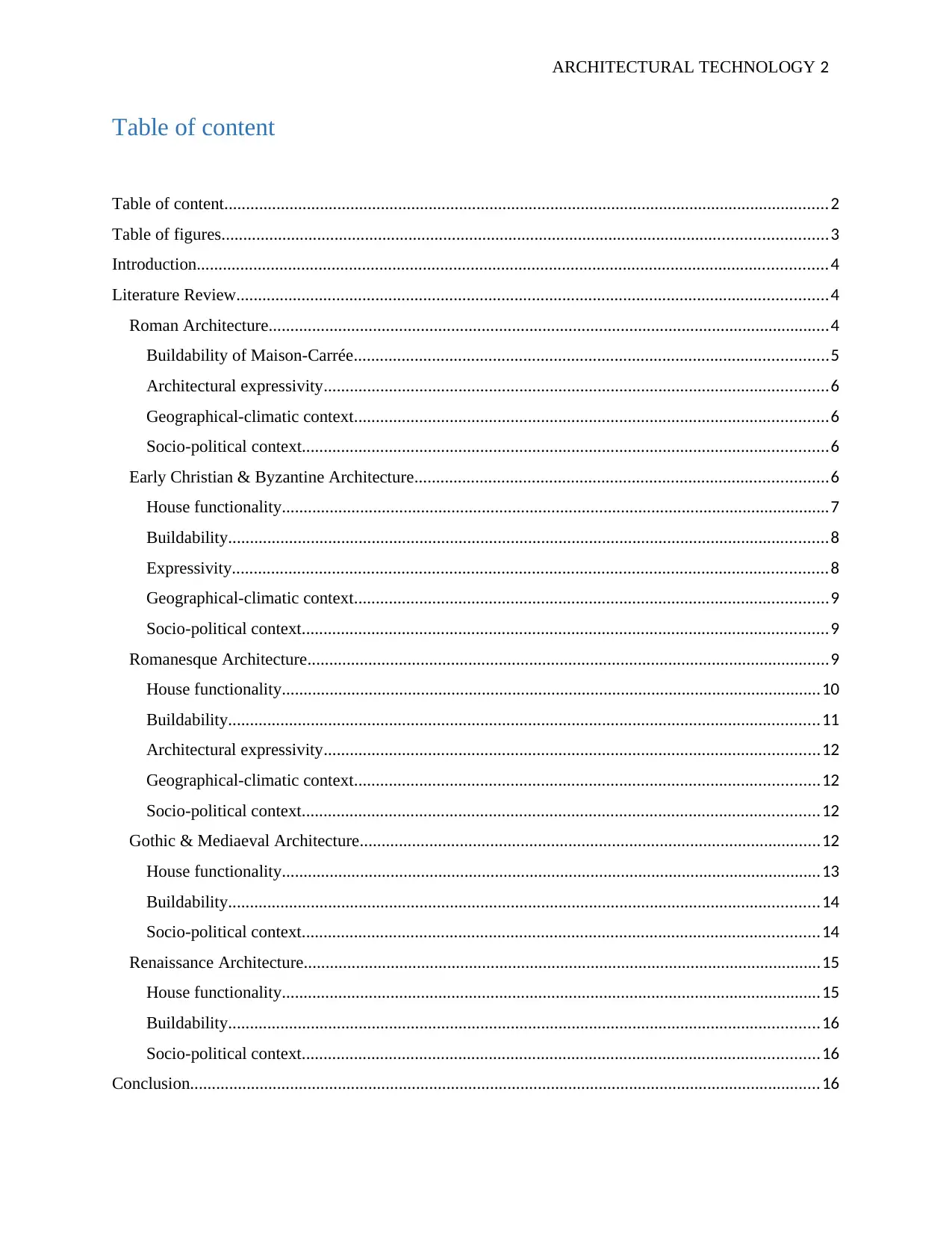
Table of content...........................................................................................................................................2
Table of figures...........................................................................................................................................3
Introduction.................................................................................................................................................4
Literature Review........................................................................................................................................4
Roman Architecture.................................................................................................................................4
Buildability of Maison-Carrée.............................................................................................................5
Architectural expressivity....................................................................................................................6
Geographical-climatic context.............................................................................................................6
Socio-political context.........................................................................................................................6
Early Christian & Byzantine Architecture...............................................................................................6
House functionality..............................................................................................................................7
Buildability..........................................................................................................................................8
Expressivity.........................................................................................................................................8
Geographical-climatic context.............................................................................................................9
Socio-political context.........................................................................................................................9
Romanesque Architecture........................................................................................................................9
House functionality............................................................................................................................10
Buildability........................................................................................................................................11
Architectural expressivity..................................................................................................................12
Geographical-climatic context...........................................................................................................12
Socio‐political context.......................................................................................................................12
Gothic & Mediaeval Architecture..........................................................................................................12
House functionality............................................................................................................................13
Buildability........................................................................................................................................14
Socio-political context.......................................................................................................................14
Renaissance Architecture.......................................................................................................................15
House functionality............................................................................................................................15
Buildability........................................................................................................................................16
Socio‐political context.......................................................................................................................16
Conclusion.................................................................................................................................................16
Table of content
Table of content...........................................................................................................................................2
Table of figures...........................................................................................................................................3
Introduction.................................................................................................................................................4
Literature Review........................................................................................................................................4
Roman Architecture.................................................................................................................................4
Buildability of Maison-Carrée.............................................................................................................5
Architectural expressivity....................................................................................................................6
Geographical-climatic context.............................................................................................................6
Socio-political context.........................................................................................................................6
Early Christian & Byzantine Architecture...............................................................................................6
House functionality..............................................................................................................................7
Buildability..........................................................................................................................................8
Expressivity.........................................................................................................................................8
Geographical-climatic context.............................................................................................................9
Socio-political context.........................................................................................................................9
Romanesque Architecture........................................................................................................................9
House functionality............................................................................................................................10
Buildability........................................................................................................................................11
Architectural expressivity..................................................................................................................12
Geographical-climatic context...........................................................................................................12
Socio‐political context.......................................................................................................................12
Gothic & Mediaeval Architecture..........................................................................................................12
House functionality............................................................................................................................13
Buildability........................................................................................................................................14
Socio-political context.......................................................................................................................14
Renaissance Architecture.......................................................................................................................15
House functionality............................................................................................................................15
Buildability........................................................................................................................................16
Socio‐political context.......................................................................................................................16
Conclusion.................................................................................................................................................16
ARCHITECTURAL TECHNOLOGY 3
References.................................................................................................................................................18
Appendices................................................................................................................................................19
Appendix 1 (Maison carree)..................................................................................................................19
Appendix 2 (HAGIA SOPHIA).............................................................................................................20
Appendix 3 (St. Martin’s Cathedral).....................................................................................................20
Appendix 4 (Rochester Castle)..............................................................................................................21
Appendix 5 (OSpedale degli Innocenti).................................................................................................22
Table of figures
References.................................................................................................................................................18
Appendices................................................................................................................................................19
Appendix 1 (Maison carree)..................................................................................................................19
Appendix 2 (HAGIA SOPHIA).............................................................................................................20
Appendix 3 (St. Martin’s Cathedral).....................................................................................................20
Appendix 4 (Rochester Castle)..............................................................................................................21
Appendix 5 (OSpedale degli Innocenti).................................................................................................22
Table of figures
⊘ This is a preview!⊘
Do you want full access?
Subscribe today to unlock all pages.

Trusted by 1+ million students worldwide
ARCHITECTURAL TECHNOLOGY 4
Figure 1: Showing Maison carree (Moffett, 2013).....................................................................................4
Figure 2: Showing HAGIA SOPHIA (Editors, 2018).................................................................................6
Figure 3: Showing a plan of HAGIA SOPHIA (Ken Dark, 2019)..............................................................7
Figure 4: Showing an elevation of HAGIA SOPHIA..................................................................................7
Figure 5: Showing St. Martin’s Cathedral (Turner, 2011)...........................................................................9
Figure 6: Showing a plan of St. Martin’s Cathedral (Turner, 2011)..........................................................10
Figure 7: Showing an elevation of St. Martin’s Cathedral (Turner, 2011).................................................10
Figure 8: Showing a section of St. Martin’s Cathedral (Turner, 2011)......................................................10
Figure 9: Showing Rochester Castle (Harris, 2019)...................................................................................12
Figure 10: Showing a section of Rochester Castle (Harris, 2019).............................................................12
Figure 11: Showing a plan of Rochester Castle (Harris, 2019)..................................................................13
Figure 12: Showing an elevation of Rochester Castle (Harris, 2019)........................................................13
Figure 13: Showing OSpedale degli Innocenti (Studiolo, 2011)................................................................14
Figure 14: Showing a section of OSpedale degli Innocenti (Studiolo, 2011).............................................14
Figure 15: Showing an elevation of OSpedale degli Innocenti (Studiolo, 2011).......................................15
Figure 16: Showing a plan of OSpedale degli Innocenti (Studiolo, 2011).................................................15
Figure 17: Showing exterior sketch...........................................................................................................18
Figure 18: Showing interior sketch............................................................................................................18
Figure 19: Showing exterior of HAGIA SOPHIA.....................................................................................19
Figure 20: Showing interior of HAGIA SOPHIA......................................................................................19
Figure 21: Showing exterior of St. Martin’s Cathedral..............................................................................19
Figure 22: Showing interior of St. Martin’s Cathedral..............................................................................20
Figure 23: Showing exterior of Rochester Castle......................................................................................20
Figure 24: Showing interior of Rochester Castle.......................................................................................20
Figure 25: Showing exterior of OSpedale degli Innocenti.........................................................................21
Figure 26: Showing interior of OSpedale degli Innocenti..........................................................................21
Introduction
An architectural critical analysis is key in helping us understand how the buildings designs, decoration,
thermal comfort and structural analysis of the ancient building were. In most cases, the criticism results
in an evaluation of the success of the architecture in realizing her or his objective in the design.
Figure 1: Showing Maison carree (Moffett, 2013).....................................................................................4
Figure 2: Showing HAGIA SOPHIA (Editors, 2018).................................................................................6
Figure 3: Showing a plan of HAGIA SOPHIA (Ken Dark, 2019)..............................................................7
Figure 4: Showing an elevation of HAGIA SOPHIA..................................................................................7
Figure 5: Showing St. Martin’s Cathedral (Turner, 2011)...........................................................................9
Figure 6: Showing a plan of St. Martin’s Cathedral (Turner, 2011)..........................................................10
Figure 7: Showing an elevation of St. Martin’s Cathedral (Turner, 2011).................................................10
Figure 8: Showing a section of St. Martin’s Cathedral (Turner, 2011)......................................................10
Figure 9: Showing Rochester Castle (Harris, 2019)...................................................................................12
Figure 10: Showing a section of Rochester Castle (Harris, 2019).............................................................12
Figure 11: Showing a plan of Rochester Castle (Harris, 2019)..................................................................13
Figure 12: Showing an elevation of Rochester Castle (Harris, 2019)........................................................13
Figure 13: Showing OSpedale degli Innocenti (Studiolo, 2011)................................................................14
Figure 14: Showing a section of OSpedale degli Innocenti (Studiolo, 2011).............................................14
Figure 15: Showing an elevation of OSpedale degli Innocenti (Studiolo, 2011).......................................15
Figure 16: Showing a plan of OSpedale degli Innocenti (Studiolo, 2011).................................................15
Figure 17: Showing exterior sketch...........................................................................................................18
Figure 18: Showing interior sketch............................................................................................................18
Figure 19: Showing exterior of HAGIA SOPHIA.....................................................................................19
Figure 20: Showing interior of HAGIA SOPHIA......................................................................................19
Figure 21: Showing exterior of St. Martin’s Cathedral..............................................................................19
Figure 22: Showing interior of St. Martin’s Cathedral..............................................................................20
Figure 23: Showing exterior of Rochester Castle......................................................................................20
Figure 24: Showing interior of Rochester Castle.......................................................................................20
Figure 25: Showing exterior of OSpedale degli Innocenti.........................................................................21
Figure 26: Showing interior of OSpedale degli Innocenti..........................................................................21
Introduction
An architectural critical analysis is key in helping us understand how the buildings designs, decoration,
thermal comfort and structural analysis of the ancient building were. In most cases, the criticism results
in an evaluation of the success of the architecture in realizing her or his objective in the design.
Paraphrase This Document
Need a fresh take? Get an instant paraphrase of this document with our AI Paraphraser
ARCHITECTURAL TECHNOLOGY 5
Literature Review
Roman Architecture
These are architectural designs which adopted the external language of the Greek designers for functions
and uses of the ancient Romans, these designs were completely different from the Greek designs which
later become a new architectural design in Greece (Amy, 2011). The Roman Architecture design was
mainly used during the 4th century. The Maison carree is selected for this analysis since it was
constructed during this time of roman architectural period. This building was used as a temple and it once
carried an inscription of dedicatory which was then removed around Middle age (Moffett, 2013). This
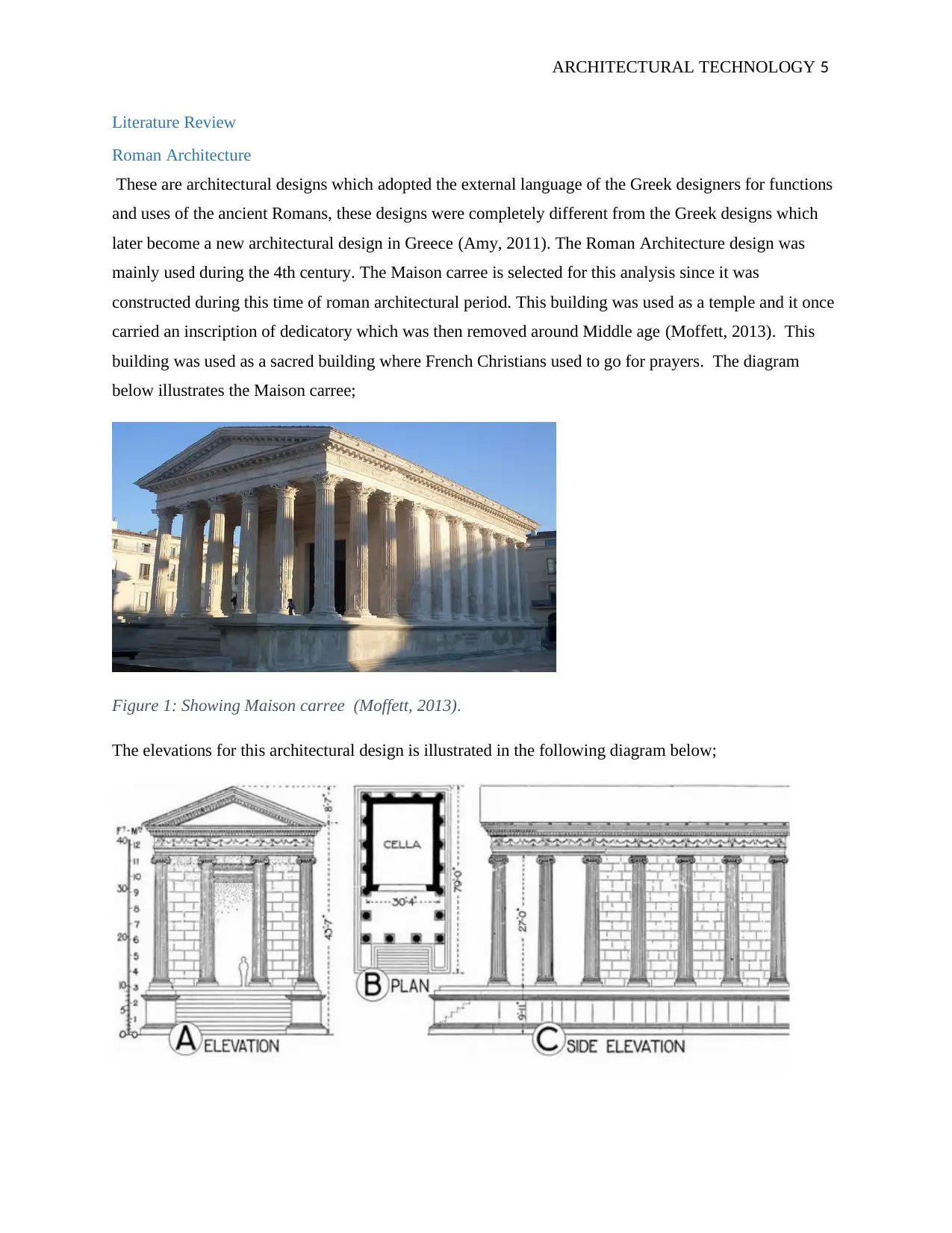
building was used as a sacred building where French Christians used to go for prayers. The diagram
below illustrates the Maison carree;
Figure 1: Showing Maison carree (Moffett, 2013).
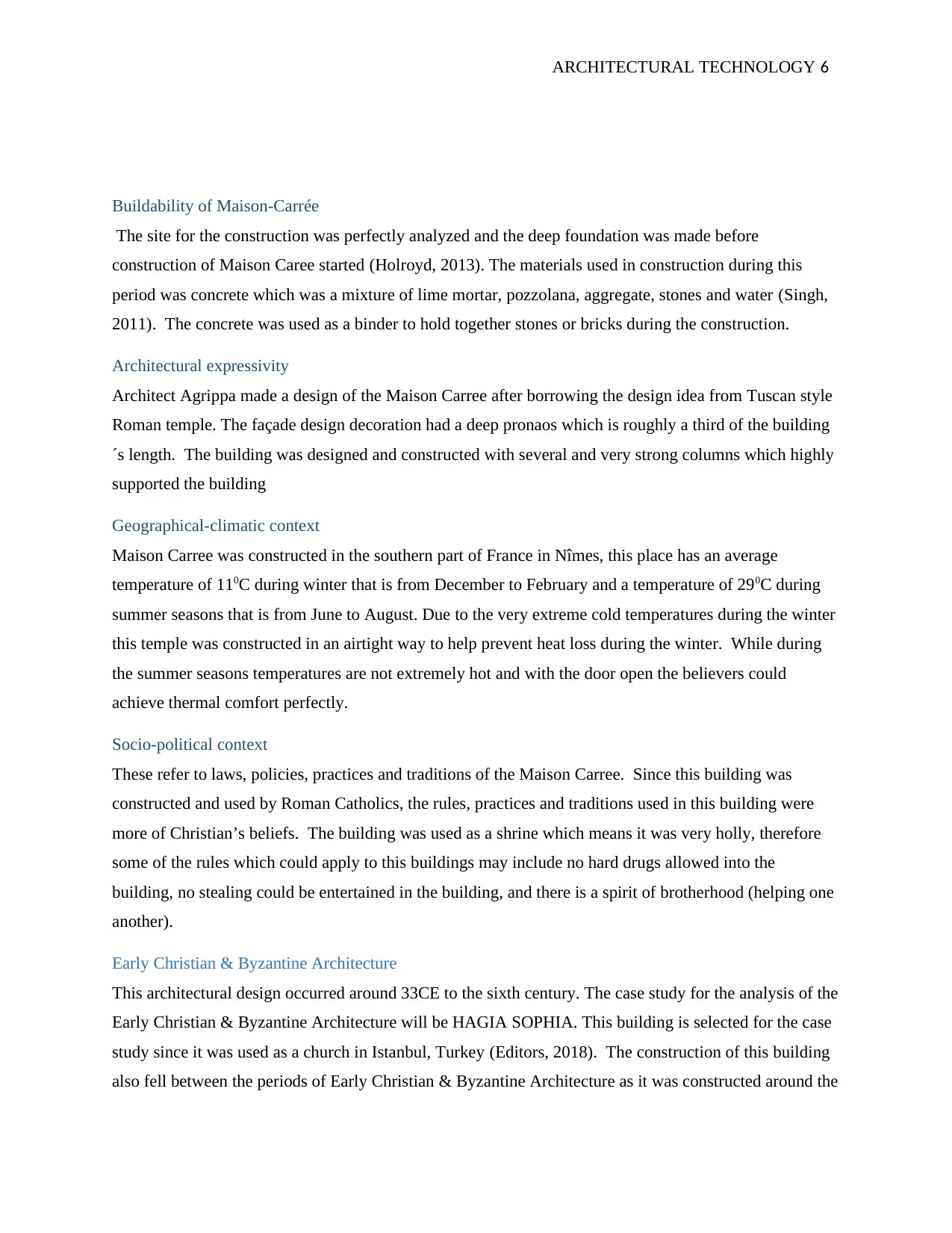
The elevations for this architectural design is illustrated in the following diagram below;
Literature Review
Roman Architecture
These are architectural designs which adopted the external language of the Greek designers for functions
and uses of the ancient Romans, these designs were completely different from the Greek designs which
later become a new architectural design in Greece (Amy, 2011). The Roman Architecture design was
mainly used during the 4th century. The Maison carree is selected for this analysis since it was
constructed during this time of roman architectural period. This building was used as a temple and it once
carried an inscription of dedicatory which was then removed around Middle age (Moffett, 2013). This
building was used as a sacred building where French Christians used to go for prayers. The diagram
below illustrates the Maison carree;
Figure 1: Showing Maison carree (Moffett, 2013).
The elevations for this architectural design is illustrated in the following diagram below;
ARCHITECTURAL TECHNOLOGY 6
Buildability of Maison-Carrée
The site for the construction was perfectly analyzed and the deep foundation was made before
construction of Maison Caree started (Holroyd, 2013). The materials used in construction during this
period was concrete which was a mixture of lime mortar, pozzolana, aggregate, stones and water (Singh,
2011). The concrete was used as a binder to hold together stones or bricks during the construction.
Architectural expressivity
Architect Agrippa made a design of the Maison Carree after borrowing the design idea from Tuscan style
Roman temple. The façade design decoration had a deep pronaos which is roughly a third of the building
´s length. The building was designed and constructed with several and very strong columns which highly
supported the building
Geographical-climatic context
Maison Carree was constructed in the southern part of France in Nîmes, this place has an average
temperature of 110C during winter that is from December to February and a temperature of 290C during
summer seasons that is from June to August. Due to the very extreme cold temperatures during the winter
this temple was constructed in an airtight way to help prevent heat loss during the winter. While during
the summer seasons temperatures are not extremely hot and with the door open the believers could
achieve thermal comfort perfectly.
Socio-political context
These refer to laws, policies, practices and traditions of the Maison Carree. Since this building was
constructed and used by Roman Catholics, the rules, practices and traditions used in this building were
more of Christian’s beliefs. The building was used as a shrine which means it was very holly, therefore
some of the rules which could apply to this buildings may include no hard drugs allowed into the
building, no stealing could be entertained in the building, and there is a spirit of brotherhood (helping one
another).
Early Christian & Byzantine Architecture
This architectural design occurred around 33CE to the sixth century. The case study for the analysis of the
Early Christian & Byzantine Architecture will be HAGIA SOPHIA. This building is selected for the case
study since it was used as a church in Istanbul, Turkey (Editors, 2018). The construction of this building
also fell between the periods of Early Christian & Byzantine Architecture as it was constructed around the
Buildability of Maison-Carrée
The site for the construction was perfectly analyzed and the deep foundation was made before
construction of Maison Caree started (Holroyd, 2013). The materials used in construction during this
period was concrete which was a mixture of lime mortar, pozzolana, aggregate, stones and water (Singh,
2011). The concrete was used as a binder to hold together stones or bricks during the construction.
Architectural expressivity
Architect Agrippa made a design of the Maison Carree after borrowing the design idea from Tuscan style
Roman temple. The façade design decoration had a deep pronaos which is roughly a third of the building
´s length. The building was designed and constructed with several and very strong columns which highly
supported the building
Geographical-climatic context
Maison Carree was constructed in the southern part of France in Nîmes, this place has an average
temperature of 110C during winter that is from December to February and a temperature of 290C during
summer seasons that is from June to August. Due to the very extreme cold temperatures during the winter
this temple was constructed in an airtight way to help prevent heat loss during the winter. While during
the summer seasons temperatures are not extremely hot and with the door open the believers could
achieve thermal comfort perfectly.
Socio-political context
These refer to laws, policies, practices and traditions of the Maison Carree. Since this building was
constructed and used by Roman Catholics, the rules, practices and traditions used in this building were
more of Christian’s beliefs. The building was used as a shrine which means it was very holly, therefore
some of the rules which could apply to this buildings may include no hard drugs allowed into the
building, no stealing could be entertained in the building, and there is a spirit of brotherhood (helping one
another).
Early Christian & Byzantine Architecture
This architectural design occurred around 33CE to the sixth century. The case study for the analysis of the
Early Christian & Byzantine Architecture will be HAGIA SOPHIA. This building is selected for the case
study since it was used as a church in Istanbul, Turkey (Editors, 2018). The construction of this building
also fell between the periods of Early Christian & Byzantine Architecture as it was constructed around the
⊘ This is a preview!⊘
Do you want full access?
Subscribe today to unlock all pages.
Trusted by 1+ million students worldwide
ARCHITECTURAL TECHNOLOGY 7
6th-century ce (532–537). And this construction was under the directions of Byzantine emperor by the
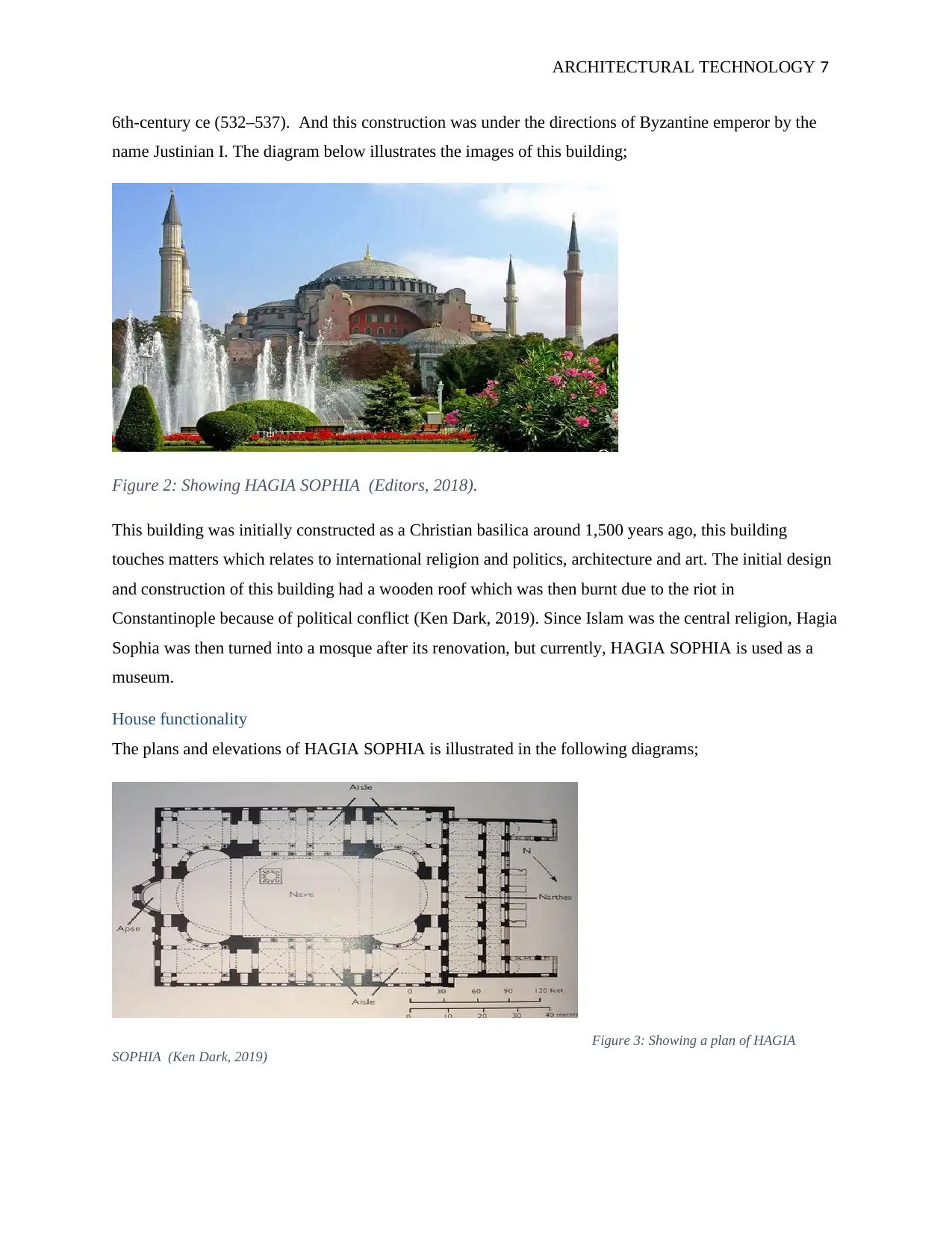
name Justinian I. The diagram below illustrates the images of this building;
Figure 2: Showing HAGIA SOPHIA (Editors, 2018).
This building was initially constructed as a Christian basilica around 1,500 years ago, this building
touches matters which relates to international religion and politics, architecture and art. The initial design
and construction of this building had a wooden roof which was then burnt due to the riot in
Constantinople because of political conflict (Ken Dark, 2019). Since Islam was the central religion, Hagia
Sophia was then turned into a mosque after its renovation, but currently, HAGIA SOPHIA is used as a
museum.
House functionality
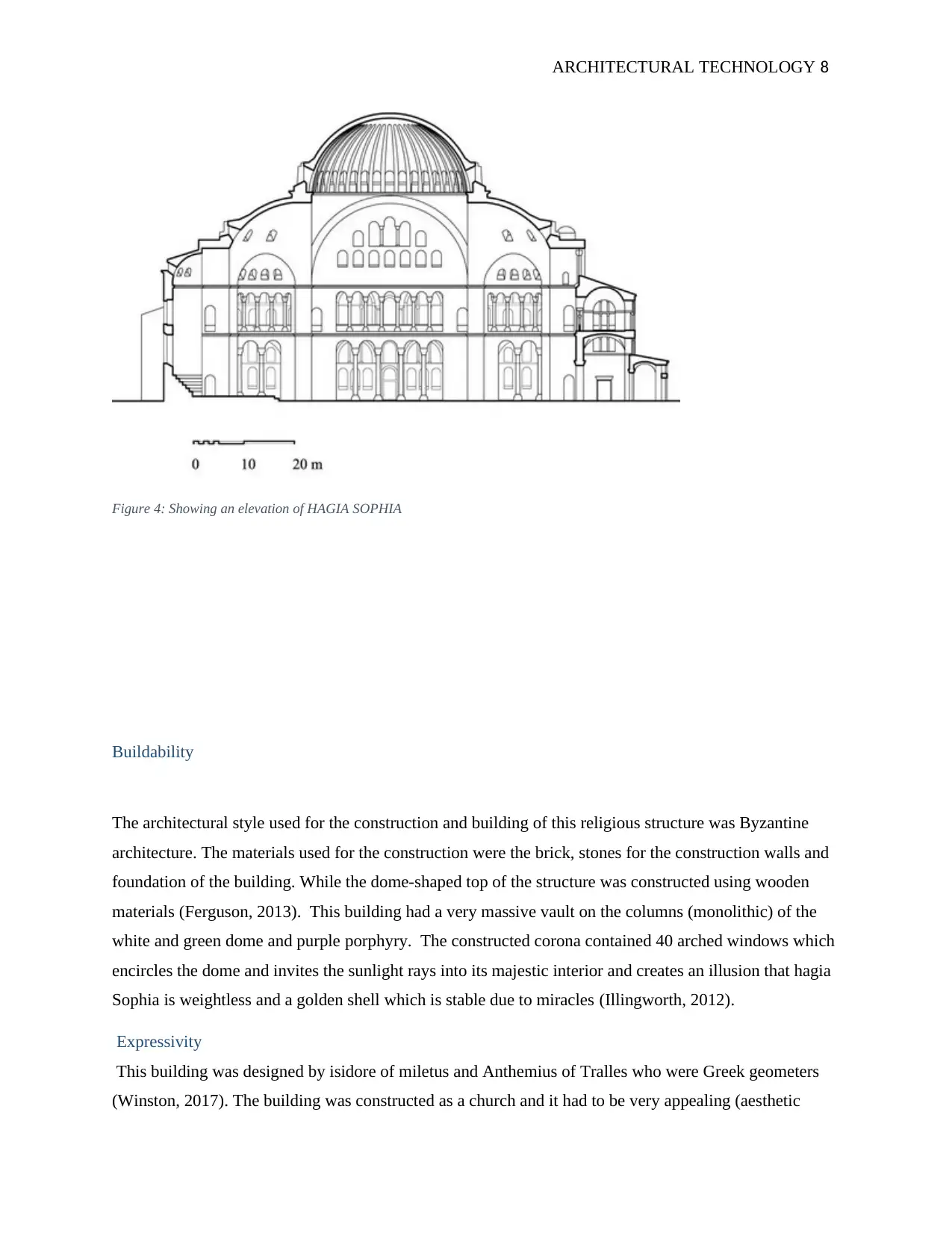
The plans and elevations of HAGIA SOPHIA is illustrated in the following diagrams;
Figure 3: Showing a plan of HAGIA
SOPHIA (Ken Dark, 2019)
6th-century ce (532–537). And this construction was under the directions of Byzantine emperor by the
name Justinian I. The diagram below illustrates the images of this building;
Figure 2: Showing HAGIA SOPHIA (Editors, 2018).
This building was initially constructed as a Christian basilica around 1,500 years ago, this building
touches matters which relates to international religion and politics, architecture and art. The initial design
and construction of this building had a wooden roof which was then burnt due to the riot in
Constantinople because of political conflict (Ken Dark, 2019). Since Islam was the central religion, Hagia
Sophia was then turned into a mosque after its renovation, but currently, HAGIA SOPHIA is used as a
museum.
House functionality
The plans and elevations of HAGIA SOPHIA is illustrated in the following diagrams;
Figure 3: Showing a plan of HAGIA
SOPHIA (Ken Dark, 2019)
Paraphrase This Document
Need a fresh take? Get an instant paraphrase of this document with our AI Paraphraser
ARCHITECTURAL TECHNOLOGY 8
Figure 4: Showing an elevation of HAGIA SOPHIA
Buildability
The architectural style used for the construction and building of this religious structure was Byzantine
architecture. The materials used for the construction were the brick, stones for the construction walls and
foundation of the building. While the dome-shaped top of the structure was constructed using wooden
materials (Ferguson, 2013). This building had a very massive vault on the columns (monolithic) of the
white and green dome and purple porphyry. The constructed corona contained 40 arched windows which
encircles the dome and invites the sunlight rays into its majestic interior and creates an illusion that hagia
Sophia is weightless and a golden shell which is stable due to miracles (Illingworth, 2012).
Expressivity
This building was designed by isidore of miletus and Anthemius of Tralles who were Greek geometers
(Winston, 2017). The building was constructed as a church and it had to be very appealing (aesthetic
Figure 4: Showing an elevation of HAGIA SOPHIA
Buildability
The architectural style used for the construction and building of this religious structure was Byzantine
architecture. The materials used for the construction were the brick, stones for the construction walls and
foundation of the building. While the dome-shaped top of the structure was constructed using wooden
materials (Ferguson, 2013). This building had a very massive vault on the columns (monolithic) of the
white and green dome and purple porphyry. The constructed corona contained 40 arched windows which
encircles the dome and invites the sunlight rays into its majestic interior and creates an illusion that hagia
Sophia is weightless and a golden shell which is stable due to miracles (Illingworth, 2012).
Expressivity
This building was designed by isidore of miletus and Anthemius of Tralles who were Greek geometers
(Winston, 2017). The building was constructed as a church and it had to be very appealing (aesthetic
ARCHITECTURAL TECHNOLOGY 9
value had to be maintained). The construction also was made in a very unique way which highly shows
the expression it has to the individuals of Istanbul back then (Teteriatnikov, 2010). This was realized by
constructing this building in a dome-shaped and it had 40 arched windows on the on top to enable light
and fresh air into the building when there is a need.
Geographical-climatic context
During winter the average temperature of Istanbul (HAGIA SOPHIA) is 100C, this cold temperature may
result in the thermal discomfort of the dwellers in this building. Thus the 40 windows will be fully closed
and since this building has an airtight design there will be no or less heat loss to the environment resulting
to the thermal comfort of the believers in the building (Mark, 2012). During the summer seasons, the
average temperature is 280 C, this temperature is more comfortable as it is not higher or too lower for the
human body.
Socio-political context
This building underwent three functional phases, where it was first used as a church then Mosque and
now as a museum. This hence implies that the dwellers of the building were initially obeying the
Christian laws (Roman Catholic) and later sharia Muslim laws when this building was turned to a mosque
(Schibille, 2016). The building was also being controlled by the political leaders Arkadios and Emperor
Theodosios II. When there was political unrest in Constantinople this building was burned during the
reign of Arkadios who had a tumultuous reign which ended on 408 A.D and it was rebuilt by Emperor
Theodosios, this shows the political linkage with this building (Stories, 2015).
Romanesque Architecture
The architecture of this period started between 10th C and 12 C during the relative economic growth and
political stability in Europe. The case study for the analysis of this architectural design period is St.
Martin’s Cathedral. This building is located in old town Bratislava, Slovakia. The architectural style used
in this design is Gothic. This building was taken as a case study since its construction started around
1311 and ended around 1390, this period thus falls within 14th century and the case study selection criteria
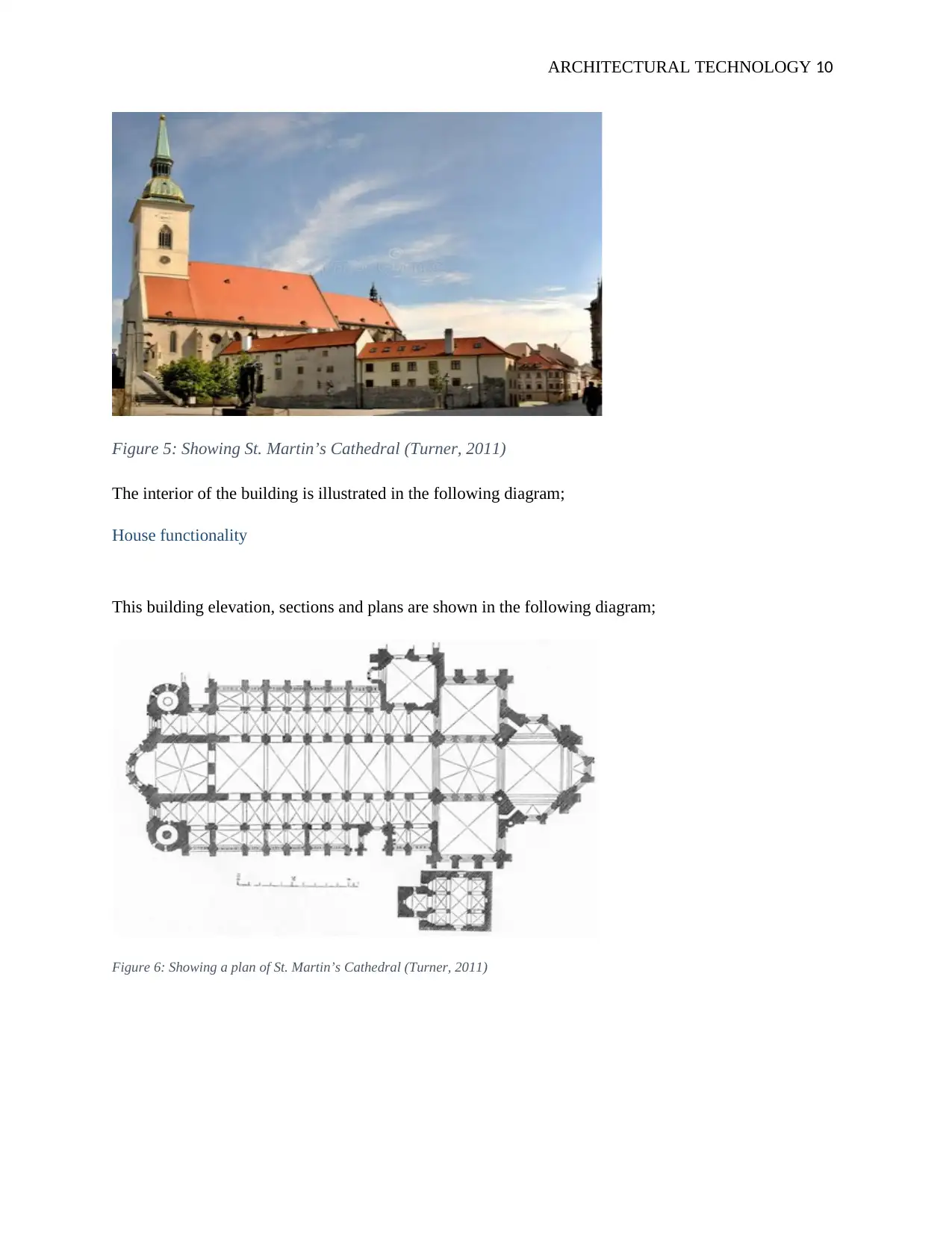
should be mot more than 15th Century for this assignment. The diagram below illustrates
value had to be maintained). The construction also was made in a very unique way which highly shows
the expression it has to the individuals of Istanbul back then (Teteriatnikov, 2010). This was realized by
constructing this building in a dome-shaped and it had 40 arched windows on the on top to enable light
and fresh air into the building when there is a need.
Geographical-climatic context
During winter the average temperature of Istanbul (HAGIA SOPHIA) is 100C, this cold temperature may
result in the thermal discomfort of the dwellers in this building. Thus the 40 windows will be fully closed
and since this building has an airtight design there will be no or less heat loss to the environment resulting
to the thermal comfort of the believers in the building (Mark, 2012). During the summer seasons, the
average temperature is 280 C, this temperature is more comfortable as it is not higher or too lower for the
human body.
Socio-political context
This building underwent three functional phases, where it was first used as a church then Mosque and
now as a museum. This hence implies that the dwellers of the building were initially obeying the
Christian laws (Roman Catholic) and later sharia Muslim laws when this building was turned to a mosque
(Schibille, 2016). The building was also being controlled by the political leaders Arkadios and Emperor
Theodosios II. When there was political unrest in Constantinople this building was burned during the
reign of Arkadios who had a tumultuous reign which ended on 408 A.D and it was rebuilt by Emperor
Theodosios, this shows the political linkage with this building (Stories, 2015).
Romanesque Architecture
The architecture of this period started between 10th C and 12 C during the relative economic growth and
political stability in Europe. The case study for the analysis of this architectural design period is St.
Martin’s Cathedral. This building is located in old town Bratislava, Slovakia. The architectural style used
in this design is Gothic. This building was taken as a case study since its construction started around
1311 and ended around 1390, this period thus falls within 14th century and the case study selection criteria
should be mot more than 15th Century for this assignment. The diagram below illustrates
⊘ This is a preview!⊘
Do you want full access?
Subscribe today to unlock all pages.
Trusted by 1+ million students worldwide
ARCHITECTURAL TECHNOLOGY 10
Figure 5: Showing St. Martin’s Cathedral (Turner, 2011)
The interior of the building is illustrated in the following diagram;
House functionality
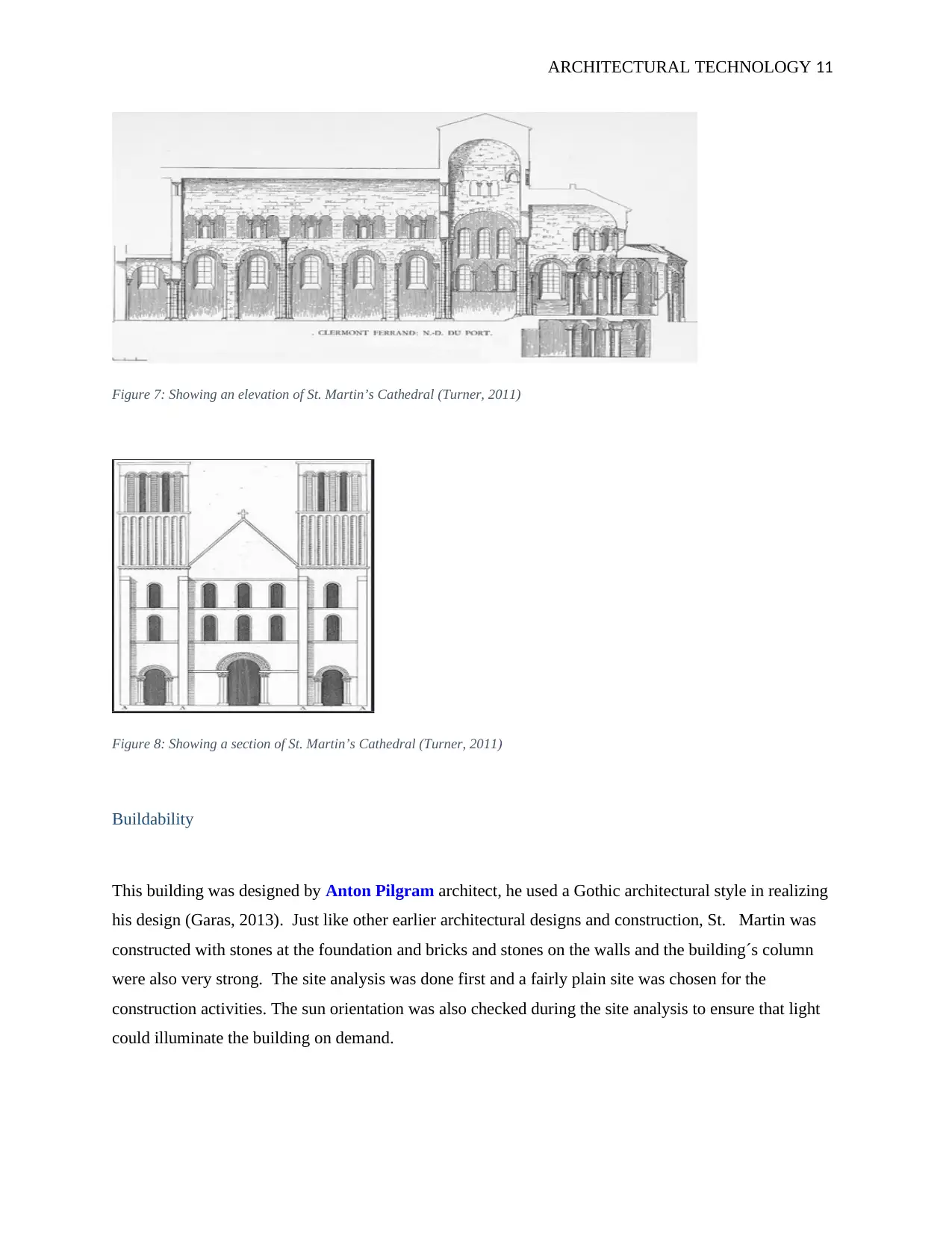
This building elevation, sections and plans are shown in the following diagram;
Figure 6: Showing a plan of St. Martin’s Cathedral (Turner, 2011)
Figure 5: Showing St. Martin’s Cathedral (Turner, 2011)
The interior of the building is illustrated in the following diagram;
House functionality
This building elevation, sections and plans are shown in the following diagram;
Figure 6: Showing a plan of St. Martin’s Cathedral (Turner, 2011)
Paraphrase This Document
Need a fresh take? Get an instant paraphrase of this document with our AI Paraphraser
ARCHITECTURAL TECHNOLOGY 11
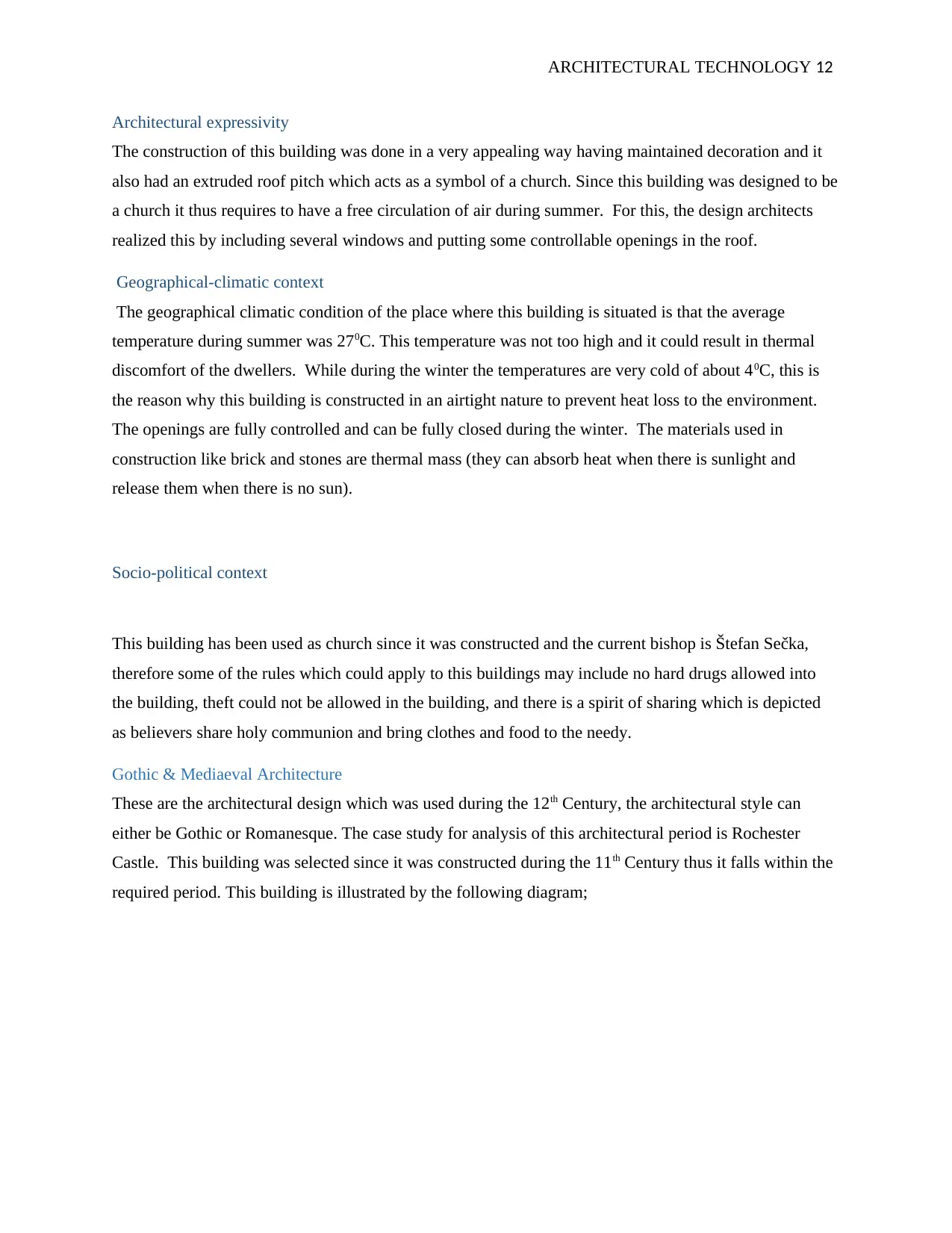
Figure 7: Showing an elevation of St. Martin’s Cathedral (Turner, 2011)
Figure 8: Showing a section of St. Martin’s Cathedral (Turner, 2011)
Buildability
This building was designed by Anton Pilgram architect, he used a Gothic architectural style in realizing
his design (Garas, 2013). Just like other earlier architectural designs and construction, St. Martin was
constructed with stones at the foundation and bricks and stones on the walls and the building´s column
were also very strong. The site analysis was done first and a fairly plain site was chosen for the
construction activities. The sun orientation was also checked during the site analysis to ensure that light
could illuminate the building on demand.
Figure 7: Showing an elevation of St. Martin’s Cathedral (Turner, 2011)
Figure 8: Showing a section of St. Martin’s Cathedral (Turner, 2011)
Buildability
This building was designed by Anton Pilgram architect, he used a Gothic architectural style in realizing
his design (Garas, 2013). Just like other earlier architectural designs and construction, St. Martin was
constructed with stones at the foundation and bricks and stones on the walls and the building´s column
were also very strong. The site analysis was done first and a fairly plain site was chosen for the
construction activities. The sun orientation was also checked during the site analysis to ensure that light
could illuminate the building on demand.
ARCHITECTURAL TECHNOLOGY 12
Architectural expressivity
The construction of this building was done in a very appealing way having maintained decoration and it
also had an extruded roof pitch which acts as a symbol of a church. Since this building was designed to be
a church it thus requires to have a free circulation of air during summer. For this, the design architects
realized this by including several windows and putting some controllable openings in the roof.
Geographical-climatic context
The geographical climatic condition of the place where this building is situated is that the average
temperature during summer was 270C. This temperature was not too high and it could result in thermal
discomfort of the dwellers. While during the winter the temperatures are very cold of about 40C, this is
the reason why this building is constructed in an airtight nature to prevent heat loss to the environment.
The openings are fully controlled and can be fully closed during the winter. The materials used in
construction like brick and stones are thermal mass (they can absorb heat when there is sunlight and
release them when there is no sun).
Socio‐political context
This building has been used as church since it was constructed and the current bishop is Štefan Sečka,
therefore some of the rules which could apply to this buildings may include no hard drugs allowed into
the building, theft could not be allowed in the building, and there is a spirit of sharing which is depicted
as believers share holy communion and bring clothes and food to the needy.
Gothic & Mediaeval Architecture
These are the architectural design which was used during the 12th Century, the architectural style can
either be Gothic or Romanesque. The case study for analysis of this architectural period is Rochester
Castle. This building was selected since it was constructed during the 11th Century thus it falls within the
required period. This building is illustrated by the following diagram;
Architectural expressivity
The construction of this building was done in a very appealing way having maintained decoration and it
also had an extruded roof pitch which acts as a symbol of a church. Since this building was designed to be
a church it thus requires to have a free circulation of air during summer. For this, the design architects
realized this by including several windows and putting some controllable openings in the roof.
Geographical-climatic context
The geographical climatic condition of the place where this building is situated is that the average
temperature during summer was 270C. This temperature was not too high and it could result in thermal
discomfort of the dwellers. While during the winter the temperatures are very cold of about 40C, this is
the reason why this building is constructed in an airtight nature to prevent heat loss to the environment.
The openings are fully controlled and can be fully closed during the winter. The materials used in
construction like brick and stones are thermal mass (they can absorb heat when there is sunlight and
release them when there is no sun).
Socio‐political context
This building has been used as church since it was constructed and the current bishop is Štefan Sečka,
therefore some of the rules which could apply to this buildings may include no hard drugs allowed into
the building, theft could not be allowed in the building, and there is a spirit of sharing which is depicted
as believers share holy communion and bring clothes and food to the needy.
Gothic & Mediaeval Architecture
These are the architectural design which was used during the 12th Century, the architectural style can
either be Gothic or Romanesque. The case study for analysis of this architectural period is Rochester
Castle. This building was selected since it was constructed during the 11th Century thus it falls within the
required period. This building is illustrated by the following diagram;
⊘ This is a preview!⊘
Do you want full access?
Subscribe today to unlock all pages.
Trusted by 1+ million students worldwide

1 out of 23


Your All-in-One AI-Powered Toolkit for Academic Success.
+13062052269
info@desklib.com
Available 24*7 on WhatsApp / Email
![[object Object]](/_next/static/media/star-bottom.7253800d.svg)
Unlock your academic potential
Copyright © 2020–2026 A2Z Services. All Rights Reserved. Developed and managed by ZUCOL.