Trade Policy of Australia: Economic and Industrial Impact
VerifiedAdded on 2020/05/16
|19
|4630
|56
Report
AI Summary
This report provides a comprehensive analysis of Australia's trade policy, examining its impact on the economy, industries, and employment. It begins with an executive summary and table of contents, followed by an introduction that defines trade policy and its importance. The discussion section explores the effects of trade policies on the Australian economy, considering both free trade and protectionism, and referencing various economic theories. The report then delves into the impact of trade policies on key Australian industries, including metals and mining, finance, energy, and pharmaceuticals. The report also covers the effects on employment, and concludes by summarizing the key findings and providing references to support the analysis. The report uses tables and figures to illustrate the findings.
Running head: TRADE POLICY OF AUSTRALIA
Trade policy of Australia
Name of the student
Name of the university
Author Note
Trade policy of Australia
Name of the student
Name of the university
Author Note

Paraphrase This Document
Need a fresh take? Get an instant paraphrase of this document with our AI Paraphraser
1TRADE POLICY OF AUSTRALIA
Executive Summary:
The purpose of this report is to highlight the impact of trade policy on the economical, industrial
and employment culture in Australia. In this regard, the intension of the report is to emphasize on
various positive and negative impacts on the economical, industrial and employment
development of the country. The report provides a deep analysis of the prevailing conditions of
Australia in regard to its economical conditions, industrial development and employment
opportunities. In the modern scenario, due to the presence of intense market there have been
restrictions to trade. The report is commissioned to examine the outcome of free trade policies
and trade protectionism in uplifting the sustainable development of Australia.
Executive Summary:
The purpose of this report is to highlight the impact of trade policy on the economical, industrial
and employment culture in Australia. In this regard, the intension of the report is to emphasize on
various positive and negative impacts on the economical, industrial and employment
development of the country. The report provides a deep analysis of the prevailing conditions of
Australia in regard to its economical conditions, industrial development and employment
opportunities. In the modern scenario, due to the presence of intense market there have been
restrictions to trade. The report is commissioned to examine the outcome of free trade policies
and trade protectionism in uplifting the sustainable development of Australia.
2TRADE POLICY OF AUSTRALIA
Table of Contents
Introduction:..................................................................................................................................3
Discussion:......................................................................................................................................4
Impact of Trade Policy on Australian Economy:...................................................................4
Impact of Trade Policy on Australian Industries:..................................................................6
Impact of Trade Policy on Australian Employment:.............................................................9
Conclusion:...................................................................................................................................11
References:...................................................................................................................................13
Table of Contents
Introduction:..................................................................................................................................3
Discussion:......................................................................................................................................4
Impact of Trade Policy on Australian Economy:...................................................................4
Impact of Trade Policy on Australian Industries:..................................................................6
Impact of Trade Policy on Australian Employment:.............................................................9
Conclusion:...................................................................................................................................11
References:...................................................................................................................................13
⊘ This is a preview!⊘
Do you want full access?
Subscribe today to unlock all pages.

Trusted by 1+ million students worldwide
3TRADE POLICY OF AUSTRALIA
Introduction:
In the present scenario Australia has negotiated with a number of trade agreements in
order to promote economical development of the country. In recent trends, the wave of trade
development is being disrupted by the significant changes in the policies of protectionism
(Antràs and Yeaple 2013). In the current state these changes has been considered as the direct
consequences responsible for the sudden changes in the nature of trade agreements. In this
regard, it is necessary to present a brief idea about the concept of trade policy. Trade policy can
be referred to as the set of rules which is concerned with the global exchange of goods which
includes tariffs, import and export regulations and quotas (Barro 2013). The trade policy has
been introduced with an aim of developing smooth and effective process of trade between
different countries. In modern era the concept of international trade policy has become
increasingly important. The countries with restrictive trade policies sometimes face the problems
of barriers to trade. However, the countries having less restrictive trade policies enjoy faster and
better economic growth compared to those countries having trade protectionism. In this report
emphasis has been laid on the trade policy of Australia (Bishop et al. 2013). In this regard, the
negative and positive impacts of trade policy on the economy, industries and the employment
structure of Australia have been discussed in detail. Economists have argued on various points
regarding the positive and negative impacts of trade policy in the economic development of
Australia (Borchert, Gootiiz and Mattoo 2013). Various changes have been made to the trade
policy with an aim to reduce trade barriers and fostering the activities of export. The changes
made in the trade policies mainly comprised of the promotion of export laws, reductions in trade
restrictions and the simplification of procedures of trade.
Introduction:
In the present scenario Australia has negotiated with a number of trade agreements in
order to promote economical development of the country. In recent trends, the wave of trade
development is being disrupted by the significant changes in the policies of protectionism
(Antràs and Yeaple 2013). In the current state these changes has been considered as the direct
consequences responsible for the sudden changes in the nature of trade agreements. In this
regard, it is necessary to present a brief idea about the concept of trade policy. Trade policy can
be referred to as the set of rules which is concerned with the global exchange of goods which
includes tariffs, import and export regulations and quotas (Barro 2013). The trade policy has
been introduced with an aim of developing smooth and effective process of trade between
different countries. In modern era the concept of international trade policy has become
increasingly important. The countries with restrictive trade policies sometimes face the problems
of barriers to trade. However, the countries having less restrictive trade policies enjoy faster and
better economic growth compared to those countries having trade protectionism. In this report
emphasis has been laid on the trade policy of Australia (Bishop et al. 2013). In this regard, the
negative and positive impacts of trade policy on the economy, industries and the employment
structure of Australia have been discussed in detail. Economists have argued on various points
regarding the positive and negative impacts of trade policy in the economic development of
Australia (Borchert, Gootiiz and Mattoo 2013). Various changes have been made to the trade
policy with an aim to reduce trade barriers and fostering the activities of export. The changes
made in the trade policies mainly comprised of the promotion of export laws, reductions in trade
restrictions and the simplification of procedures of trade.
Paraphrase This Document
Need a fresh take? Get an instant paraphrase of this document with our AI Paraphraser
4TRADE POLICY OF AUSTRALIA
Discussion:
Impact of Trade Policy on Australian Economy:
In order to highlight the impact of trade policy on the economic condition of Australia it
is important to provide an explanation of different theories of trade policies. Modern economists
put emphasis on the part that countries with free trade policies have been successful in promoting
their economic development to large extent (Borchert, Gootiiz and Mattoo 2013). On the other
hand countries with trade protectionism create barriers to trade by restricting trade relations with
different countries (Burgess, Connell and Winterton 2013). According to the traditional trade
theory, the promotion of free trade or trade liberalization by reducing restrictions in import such
as tariffs and NTBs as well as the restrictions on exports shall promote the welfare of the country
strategically (Bown and Crowley 2014). In Australia, there had been sudden changes in these
welfare improvements which have been possible due to specialization gains and consumption
gains.
Australia is known for its greatest development in sectors of agriculture, mining and
utilities. Australia has been recognized as the world’s most important open and varied economy
as it comprises of highly skilled labor force with an extensive service sector (Chaisse and
Matsushita 2013). In this regard it is noteworthy to mention here that the service sector of
Australia promotes accounting of gross domestic products. As a growing financial state, the
contribution of Australia is remarkable as it promoted the regulation of various financial sectors
and services (Cooper and Riezman 2013). In this regard, applying the traditional theory in the
economic scenario of Australia it can be rightly stated that Australia has adopted the concept of
free trade policy in order to reduce barriers in trade (Costinot et al. 2015). Free trade agreement
has been signed by the government of Australia in order to provide better communication to the
Discussion:
Impact of Trade Policy on Australian Economy:
In order to highlight the impact of trade policy on the economic condition of Australia it
is important to provide an explanation of different theories of trade policies. Modern economists
put emphasis on the part that countries with free trade policies have been successful in promoting
their economic development to large extent (Borchert, Gootiiz and Mattoo 2013). On the other
hand countries with trade protectionism create barriers to trade by restricting trade relations with
different countries (Burgess, Connell and Winterton 2013). According to the traditional trade
theory, the promotion of free trade or trade liberalization by reducing restrictions in import such
as tariffs and NTBs as well as the restrictions on exports shall promote the welfare of the country
strategically (Bown and Crowley 2014). In Australia, there had been sudden changes in these
welfare improvements which have been possible due to specialization gains and consumption
gains.
Australia is known for its greatest development in sectors of agriculture, mining and
utilities. Australia has been recognized as the world’s most important open and varied economy
as it comprises of highly skilled labor force with an extensive service sector (Chaisse and
Matsushita 2013). In this regard it is noteworthy to mention here that the service sector of
Australia promotes accounting of gross domestic products. As a growing financial state, the
contribution of Australia is remarkable as it promoted the regulation of various financial sectors
and services (Cooper and Riezman 2013). In this regard, applying the traditional theory in the
economic scenario of Australia it can be rightly stated that Australia has adopted the concept of
free trade policy in order to reduce barriers in trade (Costinot et al. 2015). Free trade agreement
has been signed by the government of Australia in order to provide better communication to the
5TRADE POLICY OF AUSTRALIA
international markets (De Melo 2015). The import costs of Australian businesses have reduced
considerably.
According to the dynamic theory, static gains can be obtained from trade with the
relocation and specialization of existing resources (Dorn and Hanson 2015). Modern economists
were of the view that such resources are small in comparison to the dynamic gains caused due to
increase in the rate of growth and the other additional resources of the country (Downes,
Hanslow and Tulip 2014). It is noteworthy to mention here that dynamic gains can be obtained
with an acceleration and accumulation of physical and human capital. The dynamic theory
emphasized on the par that a free trade has various positive impacts on the growth of the
economy of a country (Fooks and Gilmore 2014). However, in case of Australian economy
various measures of openness have been applied in order to evaluate the positive and negative
impact of trade policy. It has been observed that Australia being an open economy has promoted
to the economic well being of the country since time immemorial (Francois and Pindyuk 2013).
With the development of free trade in Australia, the economic condition has improved
considerably as it reduced barriers to trade making the process of trade efficient and hassle free
(Gereffi and Sturgeon 2013). However, according to modern economists free trade had negative
impact on the economic growth of Australia. Some economists were of the view that trade
restrictions in Australia benefited the economic prosperity of the country (Hajkowicz et al.
2016).
Indicator Unit Result
Real gross domestic product Percent +5.6
Real national income Percent +5.2
Real consumption Percent +3.1
international markets (De Melo 2015). The import costs of Australian businesses have reduced
considerably.
According to the dynamic theory, static gains can be obtained from trade with the
relocation and specialization of existing resources (Dorn and Hanson 2015). Modern economists
were of the view that such resources are small in comparison to the dynamic gains caused due to
increase in the rate of growth and the other additional resources of the country (Downes,
Hanslow and Tulip 2014). It is noteworthy to mention here that dynamic gains can be obtained
with an acceleration and accumulation of physical and human capital. The dynamic theory
emphasized on the par that a free trade has various positive impacts on the growth of the
economy of a country (Fooks and Gilmore 2014). However, in case of Australian economy
various measures of openness have been applied in order to evaluate the positive and negative
impact of trade policy. It has been observed that Australia being an open economy has promoted
to the economic well being of the country since time immemorial (Francois and Pindyuk 2013).
With the development of free trade in Australia, the economic condition has improved
considerably as it reduced barriers to trade making the process of trade efficient and hassle free
(Gereffi and Sturgeon 2013). However, according to modern economists free trade had negative
impact on the economic growth of Australia. Some economists were of the view that trade
restrictions in Australia benefited the economic prosperity of the country (Hajkowicz et al.
2016).
Indicator Unit Result
Real gross domestic product Percent +5.6
Real national income Percent +5.2
Real consumption Percent +3.1
⊘ This is a preview!⊘
Do you want full access?
Subscribe today to unlock all pages.
Trusted by 1+ million students worldwide
6TRADE POLICY OF AUSTRALIA
Real exports Percent +27.4
Real imports Percent +28.8
Real investment Percent +12.8
Real wage Percent +8.4
Nominal wages Percent +4.8
Table 1: [Liberalization of trade as estimated from 2011 to 2016].
Source: [Created by the Author].
The Neo-classical Growth theory laid emphasis on the positive effects of trade liberalization in
increasing the levels of income in a developed economy (Hall et al. 2015). In this regard applying the
theory of neo-classical growth theory it was argued by modern economists on the point that how the trade
policy created impact on the economic development of Australia. It has been stated by various economists
that a development of free trade has proved to be beneficial in reflecting the true nature of the market
demands and supply of Australia (Handley 2014).
The international trade theory however focused on the principle of comparative advantage
with the specialization of goods that possess lower opportunities in increasing global production
and the economic welfare of the nations (Kee, Neagu and Nicita 2013). In this regard, modern
economists have argued that with an increase in global production in Australia which has been
possible due to the adoption of free trade policy, it has been successful in specialization of goods
(Malik et al. 2014). Furthermore, it has been observed that Australia has been benefitted by
imposing trade restrictions on certain goods because in this way it could protect the weaker
industrial sections from foreign competition. It is noteworthy to mention here that with the
development of various international organizations like the OECD and the World Bank the
Real exports Percent +27.4
Real imports Percent +28.8
Real investment Percent +12.8
Real wage Percent +8.4
Nominal wages Percent +4.8
Table 1: [Liberalization of trade as estimated from 2011 to 2016].
Source: [Created by the Author].
The Neo-classical Growth theory laid emphasis on the positive effects of trade liberalization in
increasing the levels of income in a developed economy (Hall et al. 2015). In this regard applying the
theory of neo-classical growth theory it was argued by modern economists on the point that how the trade
policy created impact on the economic development of Australia. It has been stated by various economists
that a development of free trade has proved to be beneficial in reflecting the true nature of the market
demands and supply of Australia (Handley 2014).
The international trade theory however focused on the principle of comparative advantage
with the specialization of goods that possess lower opportunities in increasing global production
and the economic welfare of the nations (Kee, Neagu and Nicita 2013). In this regard, modern
economists have argued that with an increase in global production in Australia which has been
possible due to the adoption of free trade policy, it has been successful in specialization of goods
(Malik et al. 2014). Furthermore, it has been observed that Australia has been benefitted by
imposing trade restrictions on certain goods because in this way it could protect the weaker
industrial sections from foreign competition. It is noteworthy to mention here that with the
development of various international organizations like the OECD and the World Bank the
Paraphrase This Document
Need a fresh take? Get an instant paraphrase of this document with our AI Paraphraser
7TRADE POLICY OF AUSTRALIA
promotion of trade openness was made possible (Matusz and Tarr 2017). Since time immemorial
these organizations has been generating positive impact on the economic growth of Australia.
Following the theory of international trade theory, Australia has entered into bilateral free
agreements and due to this reason the number of free trade agreements has increased drastically
(McLachlan 2013).
Impact of Trade Policy on Australian Industries:
The major industries in Australia can be classified as:
Metals and mining industry.
Financial industry.
Energy and utility industry.
Pharmaceutical industry.
Material industry.
Industrial development has been possible in Australia due to various reasons. Firstly, the
natural resources present in Australian soil have helped in uplifting the metals and mining
industries in Australia (McLachlan 2013). Secondly, Australia is surrounded by vast oceans and
water bodies which proved to be an ideal trade location. In this regard the theory of free trade
policy can be stated in order to ensure that there exist no artificial barriers in trade (Patunru and
Rahardja 2015). It is noteworthy to mention in this regard that the restrictions to trade are mainly
placed by the government authorities in order to restrict the flow of goods and services between
various trading nations.
Applying the theory of trade policy the positive and negative impacts on the development
of industrial sector in Australia can be emphasized. Trade policies help in prevention of
promotion of trade openness was made possible (Matusz and Tarr 2017). Since time immemorial
these organizations has been generating positive impact on the economic growth of Australia.
Following the theory of international trade theory, Australia has entered into bilateral free
agreements and due to this reason the number of free trade agreements has increased drastically
(McLachlan 2013).
Impact of Trade Policy on Australian Industries:
The major industries in Australia can be classified as:
Metals and mining industry.
Financial industry.
Energy and utility industry.
Pharmaceutical industry.
Material industry.
Industrial development has been possible in Australia due to various reasons. Firstly, the
natural resources present in Australian soil have helped in uplifting the metals and mining
industries in Australia (McLachlan 2013). Secondly, Australia is surrounded by vast oceans and
water bodies which proved to be an ideal trade location. In this regard the theory of free trade
policy can be stated in order to ensure that there exist no artificial barriers in trade (Patunru and
Rahardja 2015). It is noteworthy to mention in this regard that the restrictions to trade are mainly
placed by the government authorities in order to restrict the flow of goods and services between
various trading nations.
Applying the theory of trade policy the positive and negative impacts on the development
of industrial sector in Australia can be emphasized. Trade policies help in prevention of
8TRADE POLICY OF AUSTRALIA
monopolies (Rahman and Mamun 2016). It has been observed that with the promotion of free
trade policies in Australia it can be able to take steps towards the prevention of monopolies. With
the rapid development of Australian industries, the domestic firms in Australia have faced
foreign competition (Snowdon and Thow 2013). The policy of free trade has proved to be
beneficial in increasing the efficiency of the firms by cutting costs to incentives. The adoption of
free trade policy in Australia has prevented domestic monopolies from charging higher prices on
the products and services.
The trade policy has created favorable impact in exchanging raw materials for the
development of industries (Hall et al. 2015). In case of Australia, the adoption of free trade
policies has provided favorable conditions in exchanging raw material for the industrial benefit
(McLachlan 2013). It has opened opportunities in Australia for gaining mutual welfare. With the
system of uneven distribution of raw materials in nations has been a source of creating
international tension however with the adoption of free trade policy in Australia , the country has
been beneficial in gaining from trade (Malik et al. 2014).
Free trade policy has proved to be beneficial in modifying an intra-industry trade
structure. With the introduction of intra-trade structure in Australia it has been able to gain more
benefits from international trade by involving larger markets (Gereffi and Sturgeon 2013). By
adopting the policy of free trade Australia has been able to take advantages of the efficiencies
which have been circulated as a result of the generation of economies of large scale production
and increased output (Francois and Pindyuk 2013). In order to increase the size of the firm’s
market in Australia, free trade policy has proved to be beneficial as it helped in increasing the
size of the firm’s market structure resulting in increased productivity (Gereffi and Sturgeon
2013).
monopolies (Rahman and Mamun 2016). It has been observed that with the promotion of free
trade policies in Australia it can be able to take steps towards the prevention of monopolies. With
the rapid development of Australian industries, the domestic firms in Australia have faced
foreign competition (Snowdon and Thow 2013). The policy of free trade has proved to be
beneficial in increasing the efficiency of the firms by cutting costs to incentives. The adoption of
free trade policy in Australia has prevented domestic monopolies from charging higher prices on
the products and services.
The trade policy has created favorable impact in exchanging raw materials for the
development of industries (Hall et al. 2015). In case of Australia, the adoption of free trade
policies has provided favorable conditions in exchanging raw material for the industrial benefit
(McLachlan 2013). It has opened opportunities in Australia for gaining mutual welfare. With the
system of uneven distribution of raw materials in nations has been a source of creating
international tension however with the adoption of free trade policy in Australia , the country has
been beneficial in gaining from trade (Malik et al. 2014).
Free trade policy has proved to be beneficial in modifying an intra-industry trade
structure. With the introduction of intra-trade structure in Australia it has been able to gain more
benefits from international trade by involving larger markets (Gereffi and Sturgeon 2013). By
adopting the policy of free trade Australia has been able to take advantages of the efficiencies
which have been circulated as a result of the generation of economies of large scale production
and increased output (Francois and Pindyuk 2013). In order to increase the size of the firm’s
market in Australia, free trade policy has proved to be beneficial as it helped in increasing the
size of the firm’s market structure resulting in increased productivity (Gereffi and Sturgeon
2013).
⊘ This is a preview!⊘
Do you want full access?
Subscribe today to unlock all pages.
Trusted by 1+ million students worldwide
9TRADE POLICY OF AUSTRALIA
In this regard the negative impacts of trade policy can be emphasized. In an economy like
Australia with the establishment of free trade policy and trade liberalization, there have been few
drawbacks as well. With the introduction of free trade policies in Australia, the domestic firms
have faced vast competition from the foreign firms (Cooper and Riezman 2013). However,
Australia in order to meet the growing competition has lowered the prices of the products in
order to defend their market shares and retaining sales. With the development of free trade policy
in Australia, there has been difficulty in developing new industries (Bown and Crowley 2014). In
Australia there already existed a competitive environment and therefore development of new
industries has been difficult (Antràs and Yeaple 2013). The government of Australia has not
adopted any short-term protection policies in order to promote development of new industries in
the country.
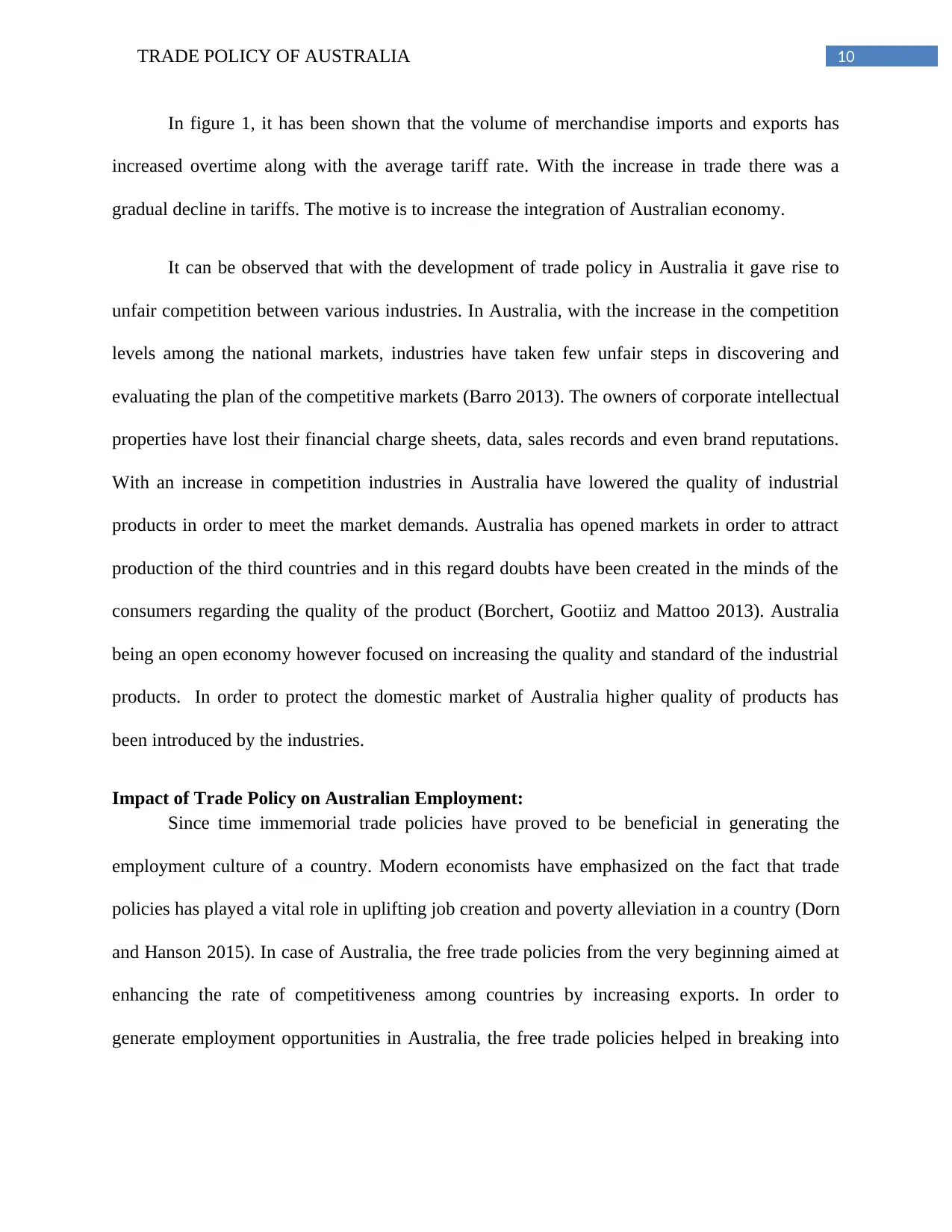
Figure 1: [Increase in Australian trade and falling Australian tariff].
Source: Data.gov.au. (2018).
In this regard the negative impacts of trade policy can be emphasized. In an economy like
Australia with the establishment of free trade policy and trade liberalization, there have been few
drawbacks as well. With the introduction of free trade policies in Australia, the domestic firms
have faced vast competition from the foreign firms (Cooper and Riezman 2013). However,
Australia in order to meet the growing competition has lowered the prices of the products in
order to defend their market shares and retaining sales. With the development of free trade policy
in Australia, there has been difficulty in developing new industries (Bown and Crowley 2014). In
Australia there already existed a competitive environment and therefore development of new
industries has been difficult (Antràs and Yeaple 2013). The government of Australia has not
adopted any short-term protection policies in order to promote development of new industries in
the country.
Figure 1: [Increase in Australian trade and falling Australian tariff].
Source: Data.gov.au. (2018).
Paraphrase This Document
Need a fresh take? Get an instant paraphrase of this document with our AI Paraphraser
10TRADE POLICY OF AUSTRALIA
In figure 1, it has been shown that the volume of merchandise imports and exports has
increased overtime along with the average tariff rate. With the increase in trade there was a
gradual decline in tariffs. The motive is to increase the integration of Australian economy.
It can be observed that with the development of trade policy in Australia it gave rise to
unfair competition between various industries. In Australia, with the increase in the competition
levels among the national markets, industries have taken few unfair steps in discovering and
evaluating the plan of the competitive markets (Barro 2013). The owners of corporate intellectual
properties have lost their financial charge sheets, data, sales records and even brand reputations.
With an increase in competition industries in Australia have lowered the quality of industrial
products in order to meet the market demands. Australia has opened markets in order to attract
production of the third countries and in this regard doubts have been created in the minds of the
consumers regarding the quality of the product (Borchert, Gootiiz and Mattoo 2013). Australia
being an open economy however focused on increasing the quality and standard of the industrial
products. In order to protect the domestic market of Australia higher quality of products has
been introduced by the industries.
Impact of Trade Policy on Australian Employment:
Since time immemorial trade policies have proved to be beneficial in generating the
employment culture of a country. Modern economists have emphasized on the fact that trade
policies has played a vital role in uplifting job creation and poverty alleviation in a country (Dorn
and Hanson 2015). In case of Australia, the free trade policies from the very beginning aimed at
enhancing the rate of competitiveness among countries by increasing exports. In order to
generate employment opportunities in Australia, the free trade policies helped in breaking into
In figure 1, it has been shown that the volume of merchandise imports and exports has
increased overtime along with the average tariff rate. With the increase in trade there was a
gradual decline in tariffs. The motive is to increase the integration of Australian economy.
It can be observed that with the development of trade policy in Australia it gave rise to
unfair competition between various industries. In Australia, with the increase in the competition
levels among the national markets, industries have taken few unfair steps in discovering and
evaluating the plan of the competitive markets (Barro 2013). The owners of corporate intellectual
properties have lost their financial charge sheets, data, sales records and even brand reputations.
With an increase in competition industries in Australia have lowered the quality of industrial
products in order to meet the market demands. Australia has opened markets in order to attract
production of the third countries and in this regard doubts have been created in the minds of the
consumers regarding the quality of the product (Borchert, Gootiiz and Mattoo 2013). Australia
being an open economy however focused on increasing the quality and standard of the industrial
products. In order to protect the domestic market of Australia higher quality of products has
been introduced by the industries.
Impact of Trade Policy on Australian Employment:
Since time immemorial trade policies have proved to be beneficial in generating the
employment culture of a country. Modern economists have emphasized on the fact that trade
policies has played a vital role in uplifting job creation and poverty alleviation in a country (Dorn
and Hanson 2015). In case of Australia, the free trade policies from the very beginning aimed at
enhancing the rate of competitiveness among countries by increasing exports. In order to
generate employment opportunities in Australia, the free trade policies helped in breaking into
11TRADE POLICY OF AUSTRALIA
the global chains with an objective to enhance employment opportunities by replacing imports
(Fooks and Gilmore 2014).
In order to achieve sustainable development in production and distribution of income
among the nationals of the country, the adoption of free trade policy has proved to be beneficial.
In Australia, addressing the inequalities in income and employment has become a vital issue.
However the country took various measures in this regard in order to increase the employment
conditions. With the industrial development, there has been a demand for high skilled workers
however the workers were reluctant to work on low wages. Australia being a developed country
however put emphasis on increasing the wage off high skilled workers (Francois and Pindyuk
2013). However, in the modern era due to recent change in technology, there has been vast
development in technological structure of every developed country. It has been observed that
technological development took place steadily in Australia with the introduction of skill based
technologies. With the introduction of new technologies, the demand for high skilled workers
has lowered considerably and due to this reason there has been a decline in the employment
culture of Australia.
It can be observed that free trade policy had positive impact on generating the
employment conditions in Australia. It is noteworthy to state that with an increase in imports
there has been considerable reduction in employment as well. By restricting the policy of
protectionism which creates barriers in trade; structural employment can be generated in the
short term (Francois and Pindyuk 2013). In Australia with rapid development in growth
industries, it has been difficult for the workers to find their way into these industries. However
the Australian government initiated necessary steps in providing assistance to such workers in
getting employed (Downes, Hanslow and Tulip 2014). It has been observed that in Australia,
the global chains with an objective to enhance employment opportunities by replacing imports
(Fooks and Gilmore 2014).
In order to achieve sustainable development in production and distribution of income
among the nationals of the country, the adoption of free trade policy has proved to be beneficial.
In Australia, addressing the inequalities in income and employment has become a vital issue.
However the country took various measures in this regard in order to increase the employment
conditions. With the industrial development, there has been a demand for high skilled workers
however the workers were reluctant to work on low wages. Australia being a developed country
however put emphasis on increasing the wage off high skilled workers (Francois and Pindyuk
2013). However, in the modern era due to recent change in technology, there has been vast
development in technological structure of every developed country. It has been observed that
technological development took place steadily in Australia with the introduction of skill based
technologies. With the introduction of new technologies, the demand for high skilled workers
has lowered considerably and due to this reason there has been a decline in the employment
culture of Australia.
It can be observed that free trade policy had positive impact on generating the
employment conditions in Australia. It is noteworthy to state that with an increase in imports
there has been considerable reduction in employment as well. By restricting the policy of
protectionism which creates barriers in trade; structural employment can be generated in the
short term (Francois and Pindyuk 2013). In Australia with rapid development in growth
industries, it has been difficult for the workers to find their way into these industries. However
the Australian government initiated necessary steps in providing assistance to such workers in
getting employed (Downes, Hanslow and Tulip 2014). It has been observed that in Australia,
⊘ This is a preview!⊘
Do you want full access?
Subscribe today to unlock all pages.
Trusted by 1+ million students worldwide

1 out of 19


Related Documents


Your All-in-One AI-Powered Toolkit for Academic Success.
+13062052269
info@desklib.com
Available 24*7 on WhatsApp / Email
![[object Object]](/_next/static/media/star-bottom.7253800d.svg)
Unlock your academic potential
Copyright © 2020–2026 A2Z Services. All Rights Reserved. Developed and managed by ZUCOL.