Comparative Financial Analysis: Telstra, TGP, Sino Hua-An, Titijaya
VerifiedAdded on 2019/11/26
|10
|1019
|255
Report
AI Summary
This report presents a financial analysis of four companies: Telstra and TGP Telecom (Australia), and Sino Hua-An International Berhad and Titijaya Land Berhad (Malaysia). The analysis examines key financial ratios, including return on assets, return on equity, gross profit margin, current ratio, and liquidity ratios, to assess the financial performance and position of each company. The analysis reveals that the Australian companies generally demonstrate better financial health compared to the Malaysian companies. Telstra shows strong liquidity and internal controls, while TGP Telecom displays stable profitability. Sino Hua-An's profitability is improving, and Titijaya Land faces decreasing returns and increasing debt. The report offers insights into each company's strengths and weaknesses based on the financial data and ratios analyzed. The report concludes by summarizing the findings and highlighting the comparative performance of the companies under review.
By student name
Professor
University
Date: 08 September 2017.
Professor
University
Date: 08 September 2017.
Paraphrase This Document
Need a fresh take? Get an instant paraphrase of this document with our AI Paraphraser

1
Contents
Introduction …………………………………………………………………..2
Analysis..............……………………………………………………….…...8
Conclusion..........................................................................8
Refrences.....……………………………………………………………….....9
1 | P a g e
Contents
Introduction …………………………………………………………………..2
Analysis..............……………………………………………………….…...8
Conclusion..........................................................................8
Refrences.....……………………………………………………………….....9
1 | P a g e

2
Introduction
The two Australian Company that have been selected are-Telstra is an international company
that provides digital telecommunication services to the people. It compromises of mobile, internet and
other cloud computing services. The company has the highest market share with the level of growth
improving every quarter. It is one of the leading companies in the telecommunication sector.TGP
Telecom is the second largest Australia Company in this sector that provides digital communication
services to the people. The company has a large number of subsidiaries and it expanding internationally
to support it in its quest for success (Das 2017).
The two Malaysian Companies that I have selected are Sino Hua-An International Berhad, is a
Malaysian listed company that sells international metallurgical coke and related products in the
Malaysia. The Company is the chief supplier of iron ore. The other company is Titijaya Land Berhad that
is one of the top property developers in the country that provides top services in this sector. The
financial records of all the four companies have been extracted and analysed to comment on the
financial position of these countries. Requisite analysis has been done to provide a clear picture of the
present liquidity position. It will help the investors in taking important decisions with regard to these
companies (Maynard 2017). The analysis is done hereunder-
2 | P a g e
Introduction
The two Australian Company that have been selected are-Telstra is an international company
that provides digital telecommunication services to the people. It compromises of mobile, internet and
other cloud computing services. The company has the highest market share with the level of growth
improving every quarter. It is one of the leading companies in the telecommunication sector.TGP
Telecom is the second largest Australia Company in this sector that provides digital communication
services to the people. The company has a large number of subsidiaries and it expanding internationally
to support it in its quest for success (Das 2017).
The two Malaysian Companies that I have selected are Sino Hua-An International Berhad, is a
Malaysian listed company that sells international metallurgical coke and related products in the
Malaysia. The Company is the chief supplier of iron ore. The other company is Titijaya Land Berhad that
is one of the top property developers in the country that provides top services in this sector. The
financial records of all the four companies have been extracted and analysed to comment on the
financial position of these countries. Requisite analysis has been done to provide a clear picture of the
present liquidity position. It will help the investors in taking important decisions with regard to these
companies (Maynard 2017). The analysis is done hereunder-
2 | P a g e
⊘ This is a preview!⊘
Do you want full access?
Subscribe today to unlock all pages.

Trusted by 1+ million students worldwide

3
Telstra
3 | P a g e
Telstra
3 | P a g e
Paraphrase This Document
Need a fresh take? Get an instant paraphrase of this document with our AI Paraphraser

4
TGP Telecom
4 | P a g e
TGP Telecom
4 | P a g e

5
5 | P a g e
5 | P a g e
⊘ This is a preview!⊘
Do you want full access?
Subscribe today to unlock all pages.

Trusted by 1+ million students worldwide

6
Sino Hua-An International Berhad
6 | P a g e
Sino Hua-An International Berhad
6 | P a g e
Paraphrase This Document
Need a fresh take? Get an instant paraphrase of this document with our AI Paraphraser

7
Titijaya Land Berhad
7 | P a g e
Titijaya Land Berhad
7 | P a g e

8
Analysis
On the basis of the above ratio analysis we can say that
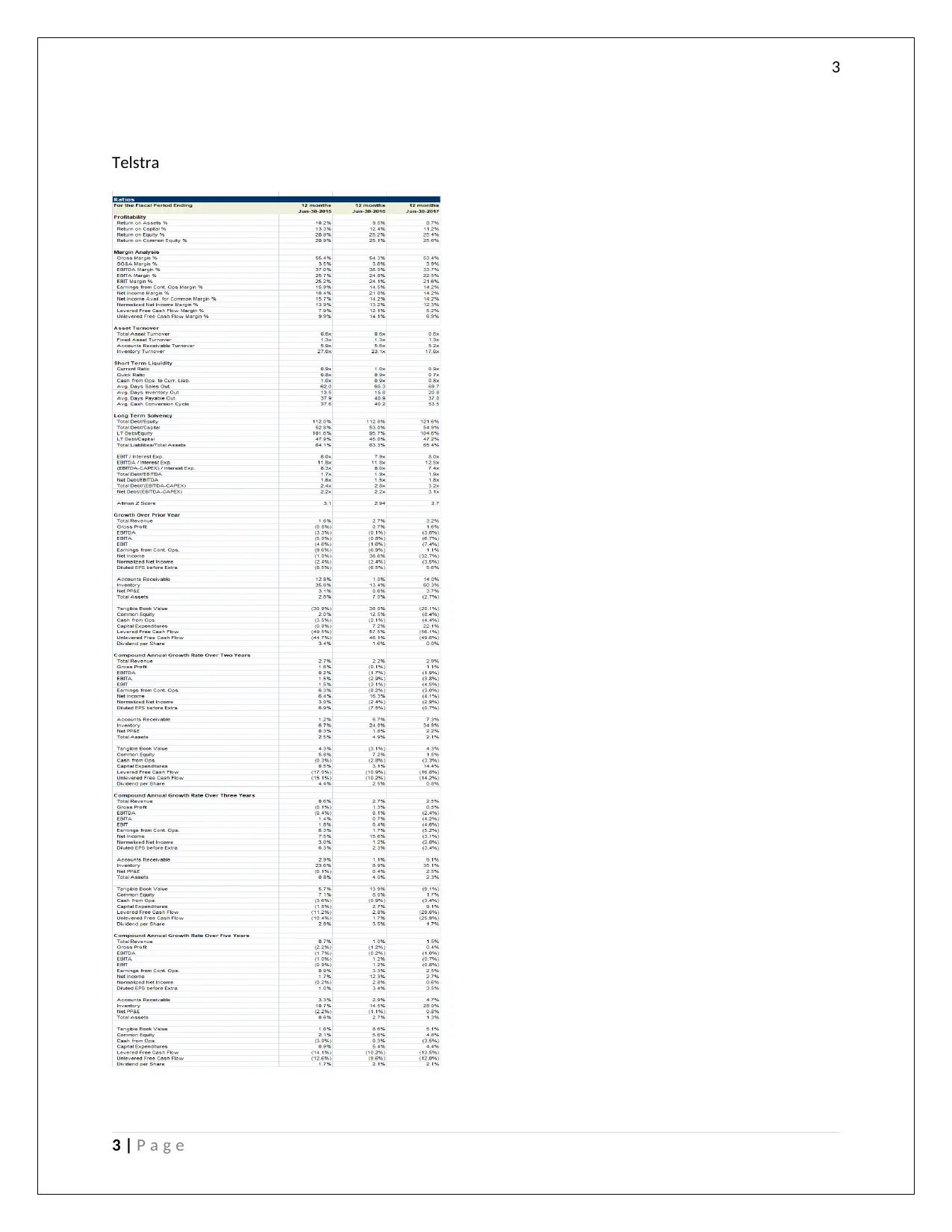
In case of Telstra we see that return on assets, return on equity all have reduced that shows that
the company is not performing well. The gross profit ratio, the current ratio and the liquidity ratios are
much better than TGP that shows that the company having strong internal control measures. Also the
company is taking advantage of its trading on equity and hence it is also the master leader in the
Australian economy. The ratios show that the company is making good use of its equity position making
the most of its share in the market. Even if the return on shares is not that good, the company is
performing very well given to its strong liquidity position that is reflected in its current and liquidity
ratios (Venezia 2017).
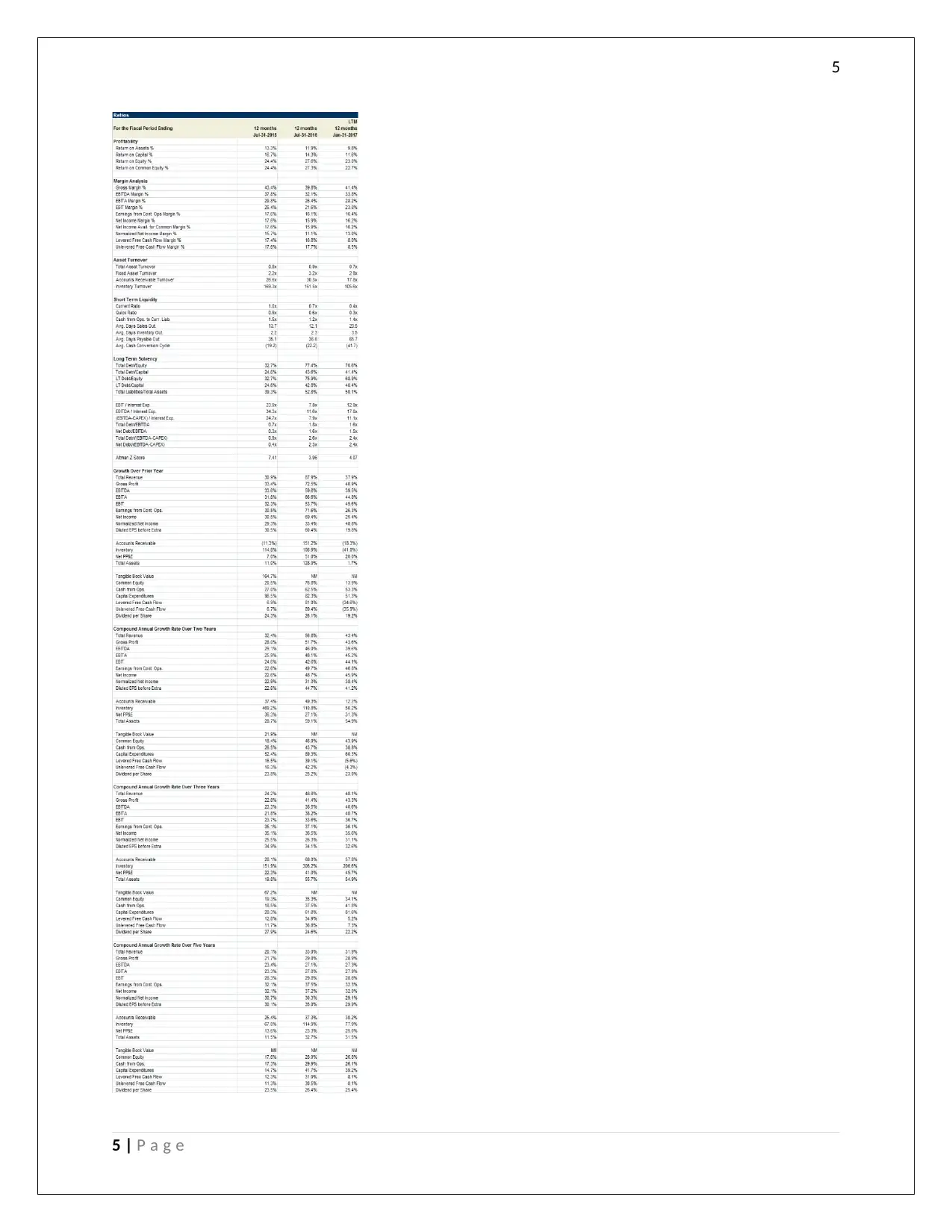
In case of TGP Telecom Company, the return on capital and return on assets is stable that shows
that the company is earning profits and the shareholders return is good as the return on equity is
increasing. The gross profit margin and the net profit margin ratios are almost stable this shows that the
company is improving. The current ratio and the quick ratios have decreased that shows that the overall
liquidity position of the company have worsened and the liquidity position is not favourable. But on the
investor perspective the company is giving good records hence the company needs to employ more
internal control measures to make its overall position strong, along with the investors return (Muller,
Ward & Moodley 2017).
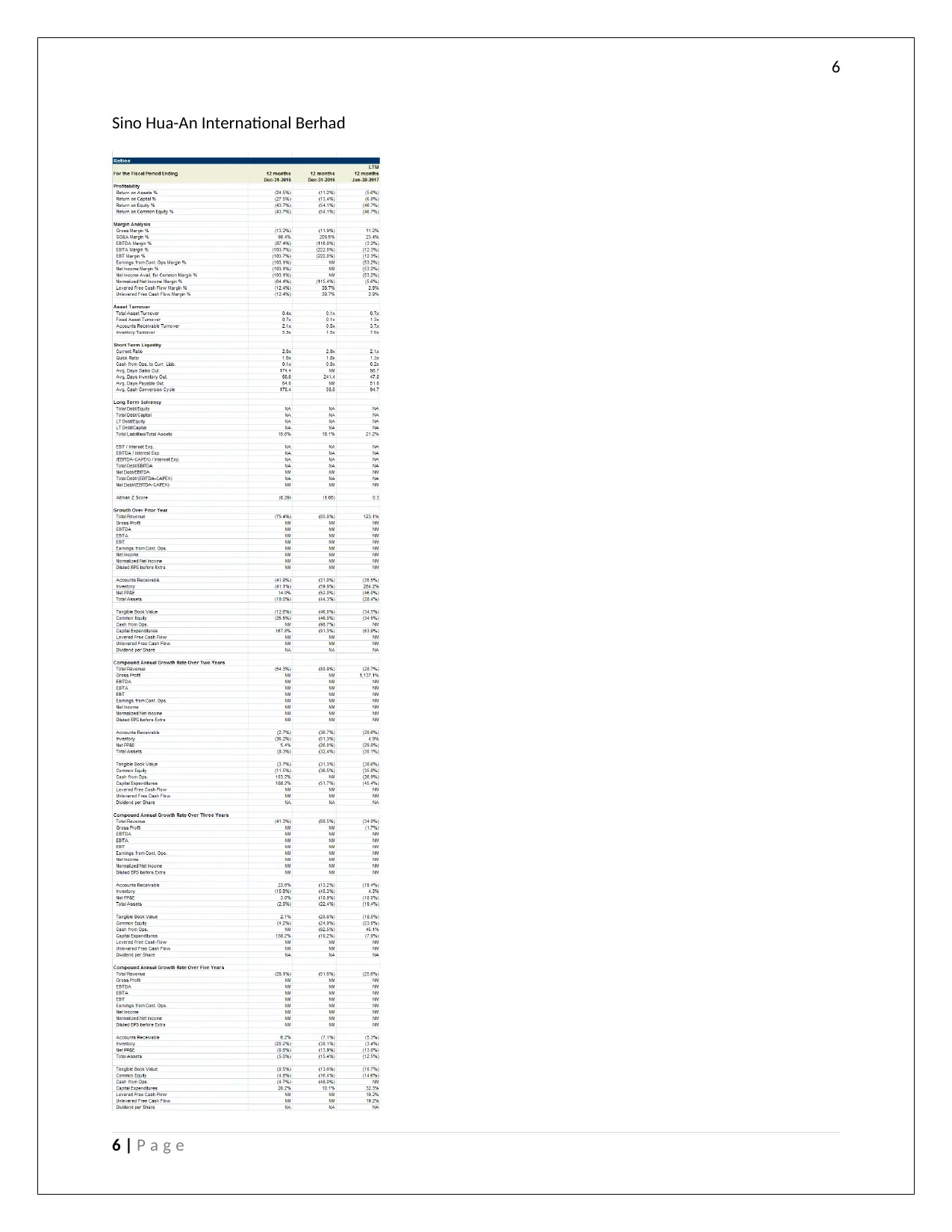
In case of Sino Hua-An International Berhad, we see that the return on assets is negative but
over the years, the ratio is improving but still they are in negative which shows the company is not
profitable in the respect of the investors. The gross profit ratio, we see has also been negative but in the
current year it has become positive so that shows that the company is earning the required amount of
profit. The liquidity position of the company is good giving to its current ratio and the liquidity ratio. The
long term liquidity ratio is not applicable which shows that there is no debt in the company (Fay &
Negangard 2017).
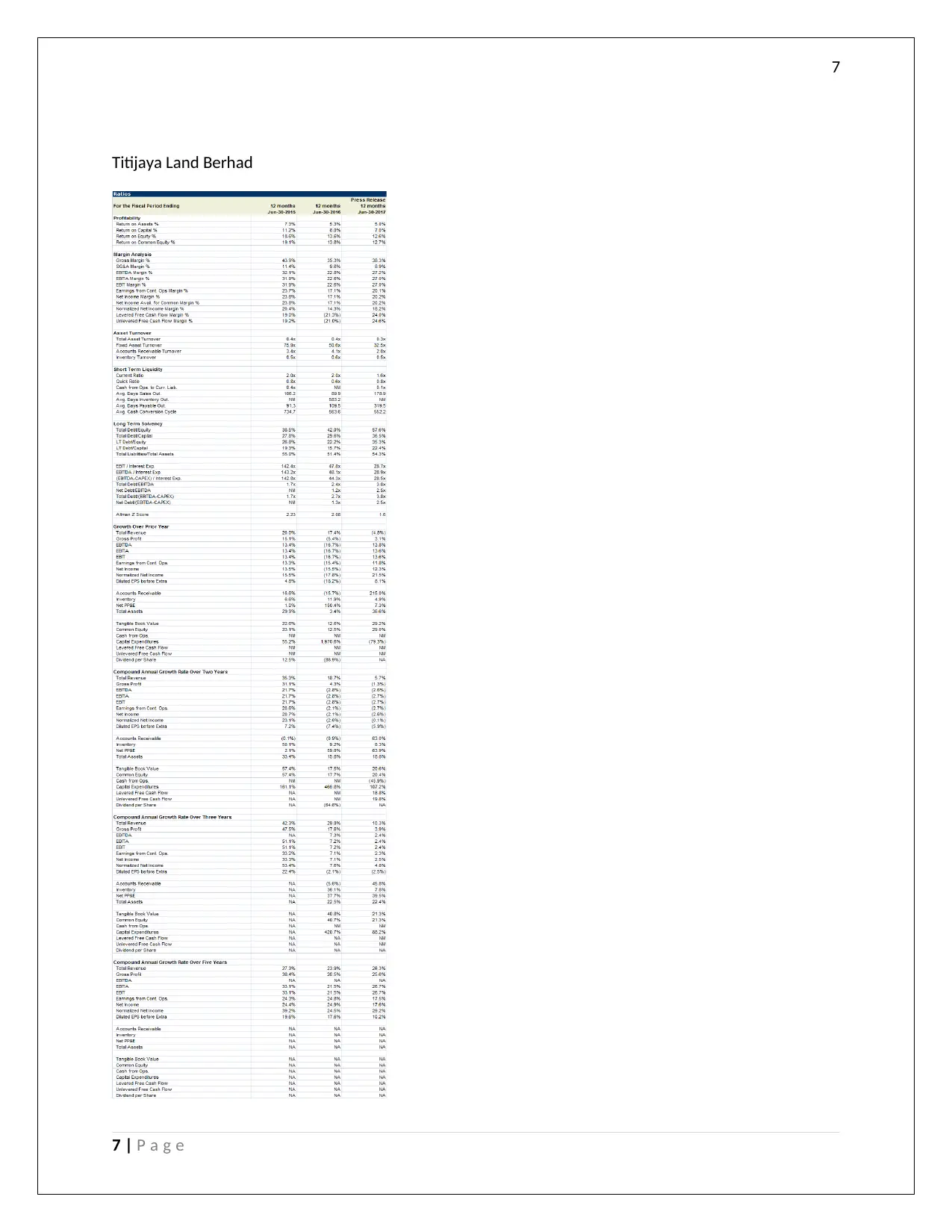
In case of Titijaya Land Berhad, we see that the return on shares and return on assets is
decreasing over the years it shows that the company is not performing well and is not favourable for the
investors of the company. The asset turnover ratio is also decreasing, which shows that company is not
doing well. The company is taking huge debts but still on the basis of the above ratios it can be said the
own assets are more than the debts (Werner 2017).
Conclusion
On the basis of the above analysis we can say that the Australian companies are performing
more better than the mlayasian companies.
8 | P a g e
Analysis
On the basis of the above ratio analysis we can say that
In case of Telstra we see that return on assets, return on equity all have reduced that shows that
the company is not performing well. The gross profit ratio, the current ratio and the liquidity ratios are
much better than TGP that shows that the company having strong internal control measures. Also the
company is taking advantage of its trading on equity and hence it is also the master leader in the
Australian economy. The ratios show that the company is making good use of its equity position making
the most of its share in the market. Even if the return on shares is not that good, the company is
performing very well given to its strong liquidity position that is reflected in its current and liquidity
ratios (Venezia 2017).
In case of TGP Telecom Company, the return on capital and return on assets is stable that shows
that the company is earning profits and the shareholders return is good as the return on equity is
increasing. The gross profit margin and the net profit margin ratios are almost stable this shows that the
company is improving. The current ratio and the quick ratios have decreased that shows that the overall
liquidity position of the company have worsened and the liquidity position is not favourable. But on the
investor perspective the company is giving good records hence the company needs to employ more
internal control measures to make its overall position strong, along with the investors return (Muller,
Ward & Moodley 2017).
In case of Sino Hua-An International Berhad, we see that the return on assets is negative but
over the years, the ratio is improving but still they are in negative which shows the company is not
profitable in the respect of the investors. The gross profit ratio, we see has also been negative but in the
current year it has become positive so that shows that the company is earning the required amount of
profit. The liquidity position of the company is good giving to its current ratio and the liquidity ratio. The
long term liquidity ratio is not applicable which shows that there is no debt in the company (Fay &
Negangard 2017).
In case of Titijaya Land Berhad, we see that the return on shares and return on assets is
decreasing over the years it shows that the company is not performing well and is not favourable for the
investors of the company. The asset turnover ratio is also decreasing, which shows that company is not
doing well. The company is taking huge debts but still on the basis of the above ratios it can be said the
own assets are more than the debts (Werner 2017).
Conclusion
On the basis of the above analysis we can say that the Australian companies are performing
more better than the mlayasian companies.
8 | P a g e
⊘ This is a preview!⊘
Do you want full access?
Subscribe today to unlock all pages.

Trusted by 1+ million students worldwide

9
REFRENCES
Das, PK 2017, 'Financing Pattern and Utilization of Fixed Assets - A Study', Asian Journal of Social Science
Studies, vol 2, no. 2, pp. 10-17.
Fay, R & Negangard, EM 2017, 'Manual journal entry testing : Data analytics and the risk of fraud',
Journal of Accounting Education, vol 38, pp. 37-49.
Maynard, J 2017, Financial accounting reporting and analysis, 2nd edn, Oxford University Press, United
Kingdom.
Muller, C, Ward, M & Moodley, T 2017, 'The relationship between the management of payables and the
return to investors', Journal South African Journal of Accounting Research, vol 31, no. 1, pp. 35-43.
Venezia, I 2017, Behavioral Finance: 'Where Do Investors'' Biases Come From?', WORLD SCIENTIFIC,
Singapore.
Werner, M 2017, 'Financial process mining - Accounting data structure dependent control flow
inference', International Journal of Accounting Information Systems, vol 25, pp. 57-80.
9 | P a g e
REFRENCES
Das, PK 2017, 'Financing Pattern and Utilization of Fixed Assets - A Study', Asian Journal of Social Science
Studies, vol 2, no. 2, pp. 10-17.
Fay, R & Negangard, EM 2017, 'Manual journal entry testing : Data analytics and the risk of fraud',
Journal of Accounting Education, vol 38, pp. 37-49.
Maynard, J 2017, Financial accounting reporting and analysis, 2nd edn, Oxford University Press, United
Kingdom.
Muller, C, Ward, M & Moodley, T 2017, 'The relationship between the management of payables and the
return to investors', Journal South African Journal of Accounting Research, vol 31, no. 1, pp. 35-43.
Venezia, I 2017, Behavioral Finance: 'Where Do Investors'' Biases Come From?', WORLD SCIENTIFIC,
Singapore.
Werner, M 2017, 'Financial process mining - Accounting data structure dependent control flow
inference', International Journal of Accounting Information Systems, vol 25, pp. 57-80.
9 | P a g e
1 out of 10
Related Documents
Your All-in-One AI-Powered Toolkit for Academic Success.
+13062052269
info@desklib.com
Available 24*7 on WhatsApp / Email
Unlock your academic potential
Copyright © 2020–2025 A2Z Services. All Rights Reserved. Developed and managed by ZUCOL.