HC1072 Economics Report: Australian Housing Market Marketing Issues
VerifiedAdded on 2022/11/17
|14
|3249
|486
Report
AI Summary
This report provides a comprehensive analysis of the Australian housing market, examining its structure, trends, and the factors influencing property prices. It explores the historical fluctuations in housing rates, comparing past and future trends. The report delves into the characteristics of the Australian real estate market, its contribution to national income, and the economic impact of the housing market. It investigates the demand and supply dynamics, along with the effects of interest rate changes. The study also analyzes the impact of government policies, including tax cuts and immigration laws, on market conditions. The report presents graphical illustrations to depict price trends, affordability, and the interplay of demand and supply. The analysis also considers the role of international investment and the impact of macroeconomic adjustments on the market, concluding with an overview of market challenges and future projections.
Running head: THE EXISTING MARKETING ISSUES IN THE AUSTRALIAN
HOUSING MARKET
THE EXISTING MARKETING ISSUES IN THE AUSTRALIAN HOUSING MARKET
Name of the Student
Name of the University
Author Note
HOUSING MARKET
THE EXISTING MARKETING ISSUES IN THE AUSTRALIAN HOUSING MARKET
Name of the Student
Name of the University
Author Note

Paraphrase This Document
Need a fresh take? Get an instant paraphrase of this document with our AI Paraphraser
1
THE EXISTING MARKETING ISSUES IN THE AUSTRALIAN HOUSING
MARKET
Executive Summary
This paper aims to present an overview of the property market structure of the
Australian economy. It makes a comparison between the past and future trends of
the fluctuating rates of property in the country. The paper tries to evaluate the nature
and characteristics of the Australian real-estate marketplace. This report explains the
contribution of the market in the national income and growth of the economy. This
paper elaborates the different factors responsible for the skyrocketing prices of the
residential market. The paper tries to examine the demand and supply of the houses
in the market. It also presents graphical illustrations for depicting the price trends,
affordability and demand, and supply of houses. Additionally, it includes the impact
of a cut in interest rates on the market status of the concerned market.
THE EXISTING MARKETING ISSUES IN THE AUSTRALIAN HOUSING
MARKET
Executive Summary
This paper aims to present an overview of the property market structure of the
Australian economy. It makes a comparison between the past and future trends of
the fluctuating rates of property in the country. The paper tries to evaluate the nature
and characteristics of the Australian real-estate marketplace. This report explains the
contribution of the market in the national income and growth of the economy. This
paper elaborates the different factors responsible for the skyrocketing prices of the
residential market. The paper tries to examine the demand and supply of the houses
in the market. It also presents graphical illustrations for depicting the price trends,
affordability and demand, and supply of houses. Additionally, it includes the impact
of a cut in interest rates on the market status of the concerned market.
2
THE EXISTING MARKETING ISSUES IN THE AUSTRALIAN HOUSING
MARKET
Table of Contents
Introduction...................................................................................................................3
The overall picture of the Australian property market..................................................3
Structure of the Australian real-estate marketplace.................................................4
Impacts of the changing market scenario of the real estate market of Australia.........5
Conclusion....................................................................................................................9
References.................................................................................................................11
THE EXISTING MARKETING ISSUES IN THE AUSTRALIAN HOUSING
MARKET
Table of Contents
Introduction...................................................................................................................3
The overall picture of the Australian property market..................................................3
Structure of the Australian real-estate marketplace.................................................4
Impacts of the changing market scenario of the real estate market of Australia.........5
Conclusion....................................................................................................................9
References.................................................................................................................11
⊘ This is a preview!⊘
Do you want full access?
Subscribe today to unlock all pages.

Trusted by 1+ million students worldwide
3
THE EXISTING MARKETING ISSUES IN THE AUSTRALIAN HOUSING
MARKET
Introduction
Since ancient times, physical assets are a symbol of status and power for
human beings in society. Even in this era of modernization, individuals rely on
property and tangible assets for showing off their wealth and dominance in the
community. The marketplace for property deals in buying and selling of land,
construction buildings, houses, commercial places, and rental apartments. However,
other than macroeconomic factors, the demand and supply of property depend on
the location, buyers’ preferences, geographical and political factors. The economic
growth and the national income of a country largely depend on a regulated,
structured and wealthy property market (Gurran and Ruming 2016).
The property market in Australia is known to be a housing market bubble.
Over the decade, it has been analyzed that this particular market is subject to a wide
range of variation in housing rates. Business analysts consider the prosperous
growth rate of Australia is the intended reason behind the fluctuating prices of the
market. On the other hand, several industrialists blame the constricting policies of
the government has led to this variation in market rate (Poon and Brownlow 2014).
This market adds a majority portion of finances to the national income of the
Australian economy. However, as per the recent trends, there is a drop in the prices
of residential and commercial buildings (businessnewsaus.com.au 2019).
This report elaborates about the previous and current market standards of the
property in Australia. This paper will analyze the structure and the impact of
government regulations on the market. In addition to this, it will attempt to evaluate
the linkage between property market growth and the welfare of the economy.
The overall picture of the Australian property market
Property ownership is a medium of long-term support and future security for
an individual. The real estate market of Australia is a housing bubble for its
continuous fluctuating prices. The ever-increasing price is a function of the high
growth rate, restrictive policies of the government on land use and the increasing
pressure of the population (businessinsider.com.au 2017). Apart from this, the
increasing immigration from abroad for educational and work pressurizes the prices
to surge. Whereas, the weak growth of the Australian economy has induced a
downward movement in housing prices. The metro cities like Sydney, Melbourne,
THE EXISTING MARKETING ISSUES IN THE AUSTRALIAN HOUSING
MARKET
Introduction
Since ancient times, physical assets are a symbol of status and power for
human beings in society. Even in this era of modernization, individuals rely on
property and tangible assets for showing off their wealth and dominance in the
community. The marketplace for property deals in buying and selling of land,
construction buildings, houses, commercial places, and rental apartments. However,
other than macroeconomic factors, the demand and supply of property depend on
the location, buyers’ preferences, geographical and political factors. The economic
growth and the national income of a country largely depend on a regulated,
structured and wealthy property market (Gurran and Ruming 2016).
The property market in Australia is known to be a housing market bubble.
Over the decade, it has been analyzed that this particular market is subject to a wide
range of variation in housing rates. Business analysts consider the prosperous
growth rate of Australia is the intended reason behind the fluctuating prices of the
market. On the other hand, several industrialists blame the constricting policies of
the government has led to this variation in market rate (Poon and Brownlow 2014).
This market adds a majority portion of finances to the national income of the
Australian economy. However, as per the recent trends, there is a drop in the prices
of residential and commercial buildings (businessnewsaus.com.au 2019).
This report elaborates about the previous and current market standards of the
property in Australia. This paper will analyze the structure and the impact of
government regulations on the market. In addition to this, it will attempt to evaluate
the linkage between property market growth and the welfare of the economy.
The overall picture of the Australian property market
Property ownership is a medium of long-term support and future security for
an individual. The real estate market of Australia is a housing bubble for its
continuous fluctuating prices. The ever-increasing price is a function of the high
growth rate, restrictive policies of the government on land use and the increasing
pressure of the population (businessinsider.com.au 2017). Apart from this, the
increasing immigration from abroad for educational and work pressurizes the prices
to surge. Whereas, the weak growth of the Australian economy has induced a
downward movement in housing prices. The metro cities like Sydney, Melbourne,
Paraphrase This Document
Need a fresh take? Get an instant paraphrase of this document with our AI Paraphraser
4
THE EXISTING MARKETING ISSUES IN THE AUSTRALIAN HOUSING
MARKET
and Perth records the highest prices in the entire market (abc.net.au 2019).
Moreover, the records suggest that the average yearly income of households is
lower than the housing index in Australia (Kohler and Van Der Merwe 2015).
Over the years, the Australian property prices have continuously increased.
The welfare-enhancing policies of the government are responsible for these rapid
and constantly rising rates of property. The government has introduced policies such
as tax cut on corporate capital gains, relaxed immigration laws, subsidies and easy
credit availability (rba.gov.au 2019). These policies have heated the market for
property in Australia. The prosperous tangible asset market of Australia greatly
magnetizes international investments. The Chinese investors contribute a major part
of their capital in this sector of the economy (Liu and Gurran 2017). This is another
reason behind the successful working of the real estate market. Moreover, the
educational sector attracts international visitors, which in turn increases the demand
for rental houses. This raises the rents of different apartments in the educational
hubs of the country. Moreover, excessive regulations of the government on land use,
high property tax and negative gearing by the investors are one of the principal
causes of rising prices (Wong 2017).
Structure of the Australian real-estate marketplace
To evaluate the nature and structure of a market it is obligatory to have
perfect information about the associated organizations prevailing in the market. To
identify and gather knowledge about this particular marketplace, it is compulsory to
note the number of regulations present against the entry of firms, availability of
product substitutes, adjustments of demand and supply and risks possessed by the
bigger organizations. A real-estate firm consists of high output, larger sales, and
revenues with high threats from exogenous factors (Li 2014). Researchers suggest
that a property market belongs to a competitive market structure. On the other hand,
several other economists claim this marketplace to be an oligopolistic one. The
major criteria for being an oligopoly firm is to have fewer dominant firms that dictate
the profitability of the market (Okuguchi 2013). Companies like Richardson &
Wrench, BARRY PLANT, Jellis Craig and LJ Hooker dominates a major part of the
market. Although there are other minor firms present in the market, yet they are not
able to influence the market characteristics. The buyers are reliant over the dictating
THE EXISTING MARKETING ISSUES IN THE AUSTRALIAN HOUSING
MARKET
and Perth records the highest prices in the entire market (abc.net.au 2019).
Moreover, the records suggest that the average yearly income of households is
lower than the housing index in Australia (Kohler and Van Der Merwe 2015).
Over the years, the Australian property prices have continuously increased.
The welfare-enhancing policies of the government are responsible for these rapid
and constantly rising rates of property. The government has introduced policies such
as tax cut on corporate capital gains, relaxed immigration laws, subsidies and easy
credit availability (rba.gov.au 2019). These policies have heated the market for
property in Australia. The prosperous tangible asset market of Australia greatly
magnetizes international investments. The Chinese investors contribute a major part
of their capital in this sector of the economy (Liu and Gurran 2017). This is another
reason behind the successful working of the real estate market. Moreover, the
educational sector attracts international visitors, which in turn increases the demand
for rental houses. This raises the rents of different apartments in the educational
hubs of the country. Moreover, excessive regulations of the government on land use,
high property tax and negative gearing by the investors are one of the principal
causes of rising prices (Wong 2017).
Structure of the Australian real-estate marketplace
To evaluate the nature and structure of a market it is obligatory to have
perfect information about the associated organizations prevailing in the market. To
identify and gather knowledge about this particular marketplace, it is compulsory to
note the number of regulations present against the entry of firms, availability of
product substitutes, adjustments of demand and supply and risks possessed by the
bigger organizations. A real-estate firm consists of high output, larger sales, and
revenues with high threats from exogenous factors (Li 2014). Researchers suggest
that a property market belongs to a competitive market structure. On the other hand,
several other economists claim this marketplace to be an oligopolistic one. The
major criteria for being an oligopoly firm is to have fewer dominant firms that dictate
the profitability of the market (Okuguchi 2013). Companies like Richardson &
Wrench, BARRY PLANT, Jellis Craig and LJ Hooker dominates a major part of the
market. Although there are other minor firms present in the market, yet they are not
able to influence the market characteristics. The buyers are reliant over the dictating
5
THE EXISTING MARKETING ISSUES IN THE AUSTRALIAN HOUSING
MARKET
firms for brand loyalty and greater expectations for quality. Though they offer the
sale of similar properties, the buyers are provided with variation in quality services,
preferential locations, modernized buildings, and adjustable prices. Various
advertising expenses are used to attract customers and compete with existing firms.
A change in the marketing strategy of a firm greatly affects the business and sales of
the other firms. The intense competition injects greater scope for innovation,
efficiency in distribution, stable prices and quality service to buyers. The
macroeconomic adjustments in the country determine the level of prices and effects
the demand and construction of fresh buildings. Government has regulated the entry
of new firms into the market, which has led to market failure. Thus, this can be
viewed that the Australian property market belongs to an oligopolistic market system.
The real estate market of Australia deals on the purchase and
repurchase of construction buildings, apartments, residential properties and rental in
the domestic boundary of the country. This market acts as a catalyst for attracting
international clients and international reserves in the capital account of the economy.
This generates larger volumes of cash flows that are processed into the economic
growth of the country. Other than creating revenues, it helps in uplifting the business
sectors of a country. The government collects revenue in the form of property tax,
corporate tax, and profit tax. As per the recent developments, the sledge in the rate
of interests boosts domestic investment and credit issuing. This reduction in the cost
of borrowing induces households to issue loans for house ownership. This, in turn,
increases the demand for construction and residential properties. The government
has also liberalized laws against the availability of mortgages. This has injected
confidence inside the individuals to borrow more loans. Thus, this can be observed
that this concerned market generates a large volume of cash inflows both from the
international and domestic market (Gauder Houssard and Orsmond 2014). However,
the only drawback it faces is from a reduction in the availability of land and strict
guidelines against illicit land use.
Impacts of the changing market scenario of the real estate market of Australia
The Australian property market continuously grabs the attention of the
Reserve Bank of Australia (RBA). It works under the regulation and direction of the
Australian Central Bank. Even the media closely monitors the activities and
operations of the marketplace. Recent articles on the real estate market informs that
THE EXISTING MARKETING ISSUES IN THE AUSTRALIAN HOUSING
MARKET
firms for brand loyalty and greater expectations for quality. Though they offer the
sale of similar properties, the buyers are provided with variation in quality services,
preferential locations, modernized buildings, and adjustable prices. Various
advertising expenses are used to attract customers and compete with existing firms.
A change in the marketing strategy of a firm greatly affects the business and sales of
the other firms. The intense competition injects greater scope for innovation,
efficiency in distribution, stable prices and quality service to buyers. The
macroeconomic adjustments in the country determine the level of prices and effects
the demand and construction of fresh buildings. Government has regulated the entry
of new firms into the market, which has led to market failure. Thus, this can be
viewed that the Australian property market belongs to an oligopolistic market system.
The real estate market of Australia deals on the purchase and
repurchase of construction buildings, apartments, residential properties and rental in
the domestic boundary of the country. This market acts as a catalyst for attracting
international clients and international reserves in the capital account of the economy.
This generates larger volumes of cash flows that are processed into the economic
growth of the country. Other than creating revenues, it helps in uplifting the business
sectors of a country. The government collects revenue in the form of property tax,
corporate tax, and profit tax. As per the recent developments, the sledge in the rate
of interests boosts domestic investment and credit issuing. This reduction in the cost
of borrowing induces households to issue loans for house ownership. This, in turn,
increases the demand for construction and residential properties. The government
has also liberalized laws against the availability of mortgages. This has injected
confidence inside the individuals to borrow more loans. Thus, this can be observed
that this concerned market generates a large volume of cash inflows both from the
international and domestic market (Gauder Houssard and Orsmond 2014). However,
the only drawback it faces is from a reduction in the availability of land and strict
guidelines against illicit land use.
Impacts of the changing market scenario of the real estate market of Australia
The Australian property market continuously grabs the attention of the
Reserve Bank of Australia (RBA). It works under the regulation and direction of the
Australian Central Bank. Even the media closely monitors the activities and
operations of the marketplace. Recent articles on the real estate market informs that
⊘ This is a preview!⊘
Do you want full access?
Subscribe today to unlock all pages.
Trusted by 1+ million students worldwide
6
THE EXISTING MARKETING ISSUES IN THE AUSTRALIAN HOUSING
MARKET
due to tight in credit availability will drag this market down (businessnewsaus.com.au
2019). The RBA is looking forward to a reduction in interest rates to boost economic
activity (abc.net.au 2019). Over the years, the constant fall in the growth rate has
become a major concern of the Central Bank of the country. This has further
worsened the condition of the employment and other macroeconomic indicators of
the country. One of the main reason behind the weakening of the economy is the
transmission of labor from the full-time workforce to part-time workforce. This has led
to lower productivity and lesser contribution of individual incomes in the economy’s
national account. Weak production in companies has induced employers to reduce
demand for employees. This, in turn, has increased the level of unemployment and
transfer of the workforce into the part-time sector. This fall in income has reduced the
purchasing power of individuals leading to a fall in consumption and lastly demand.
This has induced the developers to cut on their construction business (aph.gov.au.
2019). Moreover, the transfer of the workforce from the formal to the informal sector
has reduced the affordability rates and increased the debt levels of the households.
The negative investment gearing has unveiled its darker side and has reduced the
profitability ratios of investors. The demand for rental flats has emerged due to
increasing visitors from abroad. As these guests are exempted from owning property
in the country, there is a severe increase in the rents of apartments.
Whether it is a period of prosperity or time of weakening economic growth, the
Australian market for housing continues to deal with variation in house prices. As per
the RBA report of 2018, at the end of the concerned year, there is an approximately
7.4 percent drop in the property value of Australia. Except a few, rates of houses in
five state and territorial capital cities went up. In Darwin, there was about -1.2
percent drop whereas Perth and Adelaide recorded -0.5 and -0.2 percent
respectively (Corelogic.com.au. 2019). In the first quarter of the financial year 2019,
there was a 3 percent reduction in rates of residential houses. Apart from falling
house prices, the country recorded steep deduction in construction approvals. There
is a 3.3 percent drop in building approvals. Moreover, the value of property in
Australia has drastically fallen by 30 percent (abc.net.au 2019).
RBA aims to protect the housing market of Australia, as this particular market
generates a huge amount of revenue for the economy. This particular sector helps to
create employment, resources and supports GDP growth. The sudden reduction in
THE EXISTING MARKETING ISSUES IN THE AUSTRALIAN HOUSING
MARKET
due to tight in credit availability will drag this market down (businessnewsaus.com.au
2019). The RBA is looking forward to a reduction in interest rates to boost economic
activity (abc.net.au 2019). Over the years, the constant fall in the growth rate has
become a major concern of the Central Bank of the country. This has further
worsened the condition of the employment and other macroeconomic indicators of
the country. One of the main reason behind the weakening of the economy is the
transmission of labor from the full-time workforce to part-time workforce. This has led
to lower productivity and lesser contribution of individual incomes in the economy’s
national account. Weak production in companies has induced employers to reduce
demand for employees. This, in turn, has increased the level of unemployment and
transfer of the workforce into the part-time sector. This fall in income has reduced the
purchasing power of individuals leading to a fall in consumption and lastly demand.
This has induced the developers to cut on their construction business (aph.gov.au.
2019). Moreover, the transfer of the workforce from the formal to the informal sector
has reduced the affordability rates and increased the debt levels of the households.
The negative investment gearing has unveiled its darker side and has reduced the
profitability ratios of investors. The demand for rental flats has emerged due to
increasing visitors from abroad. As these guests are exempted from owning property
in the country, there is a severe increase in the rents of apartments.
Whether it is a period of prosperity or time of weakening economic growth, the
Australian market for housing continues to deal with variation in house prices. As per
the RBA report of 2018, at the end of the concerned year, there is an approximately
7.4 percent drop in the property value of Australia. Except a few, rates of houses in
five state and territorial capital cities went up. In Darwin, there was about -1.2
percent drop whereas Perth and Adelaide recorded -0.5 and -0.2 percent
respectively (Corelogic.com.au. 2019). In the first quarter of the financial year 2019,
there was a 3 percent reduction in rates of residential houses. Apart from falling
house prices, the country recorded steep deduction in construction approvals. There
is a 3.3 percent drop in building approvals. Moreover, the value of property in
Australia has drastically fallen by 30 percent (abc.net.au 2019).
RBA aims to protect the housing market of Australia, as this particular market
generates a huge amount of revenue for the economy. This particular sector helps to
create employment, resources and supports GDP growth. The sudden reduction in
Paraphrase This Document
Need a fresh take? Get an instant paraphrase of this document with our AI Paraphraser
7
THE EXISTING MARKETING ISSUES IN THE AUSTRALIAN HOUSING
MARKET
growth levels has induced administrative authorities to adopt a monetary policy
(Sheehan and Gregory 2013). By sledging down the interest rates, the government
can inject money into the economy and boost productivity. The economy will move
back to full-time jobs and achieve sustainable growth levels. Moreover, the booming
scenario of the economy will attract international developers to invest and
collaborate in the property market. This will increase the construction of properties
and will eventually raise the supply of houses. This will enhance the economic
growth and the country will be able to return to its expansionary phase.
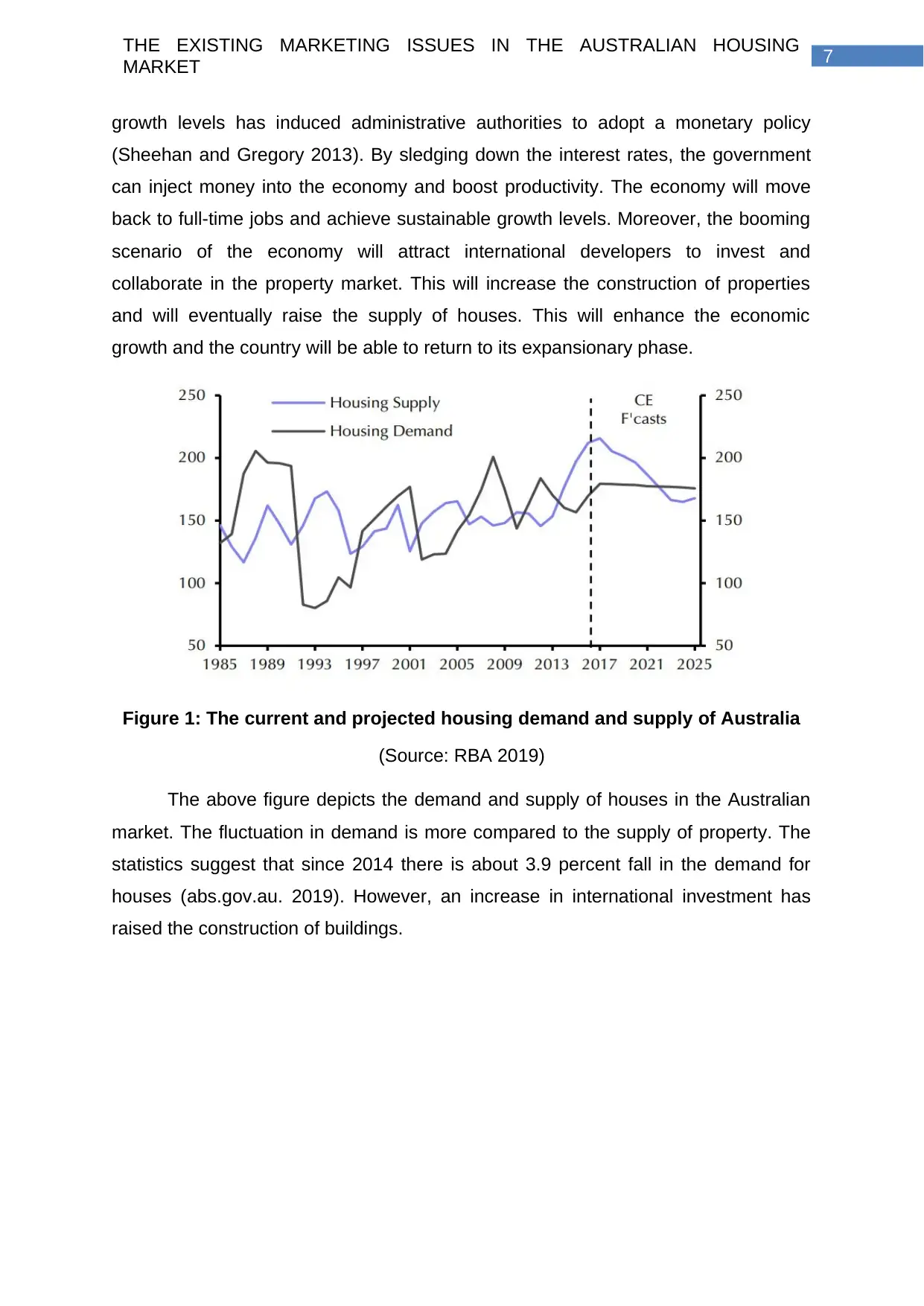
Figure 1: The current and projected housing demand and supply of Australia
(Source: RBA 2019)
The above figure depicts the demand and supply of houses in the Australian
market. The fluctuation in demand is more compared to the supply of property. The
statistics suggest that since 2014 there is about 3.9 percent fall in the demand for
houses (abs.gov.au. 2019). However, an increase in international investment has
raised the construction of buildings.
THE EXISTING MARKETING ISSUES IN THE AUSTRALIAN HOUSING
MARKET
growth levels has induced administrative authorities to adopt a monetary policy
(Sheehan and Gregory 2013). By sledging down the interest rates, the government
can inject money into the economy and boost productivity. The economy will move
back to full-time jobs and achieve sustainable growth levels. Moreover, the booming
scenario of the economy will attract international developers to invest and
collaborate in the property market. This will increase the construction of properties
and will eventually raise the supply of houses. This will enhance the economic
growth and the country will be able to return to its expansionary phase.
Figure 1: The current and projected housing demand and supply of Australia
(Source: RBA 2019)
The above figure depicts the demand and supply of houses in the Australian
market. The fluctuation in demand is more compared to the supply of property. The
statistics suggest that since 2014 there is about 3.9 percent fall in the demand for
houses (abs.gov.au. 2019). However, an increase in international investment has
raised the construction of buildings.
8
THE EXISTING MARKETING ISSUES IN THE AUSTRALIAN HOUSING
MARKET
Figure 2: Fluctuation in the residential property market of Australia
(Source: CoreLogic RBA 2019)
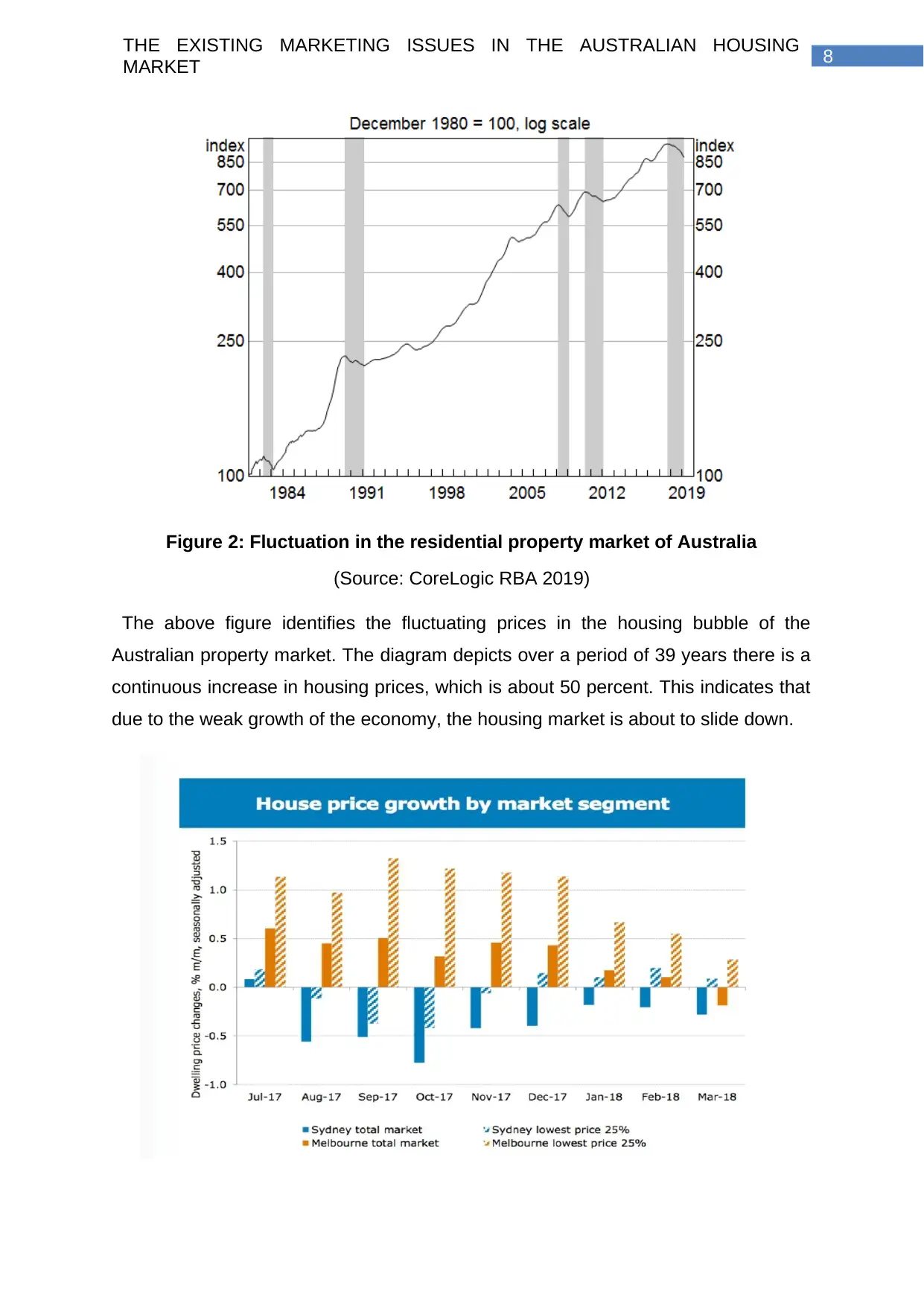
The above figure identifies the fluctuating prices in the housing bubble of the
Australian property market. The diagram depicts over a period of 39 years there is a
continuous increase in housing prices, which is about 50 percent. This indicates that
due to the weak growth of the economy, the housing market is about to slide down.
THE EXISTING MARKETING ISSUES IN THE AUSTRALIAN HOUSING
MARKET
Figure 2: Fluctuation in the residential property market of Australia
(Source: CoreLogic RBA 2019)
The above figure identifies the fluctuating prices in the housing bubble of the
Australian property market. The diagram depicts over a period of 39 years there is a
continuous increase in housing prices, which is about 50 percent. This indicates that
due to the weak growth of the economy, the housing market is about to slide down.
⊘ This is a preview!⊘
Do you want full access?
Subscribe today to unlock all pages.
Trusted by 1+ million students worldwide
9
THE EXISTING MARKETING ISSUES IN THE AUSTRALIAN HOUSING
MARKET
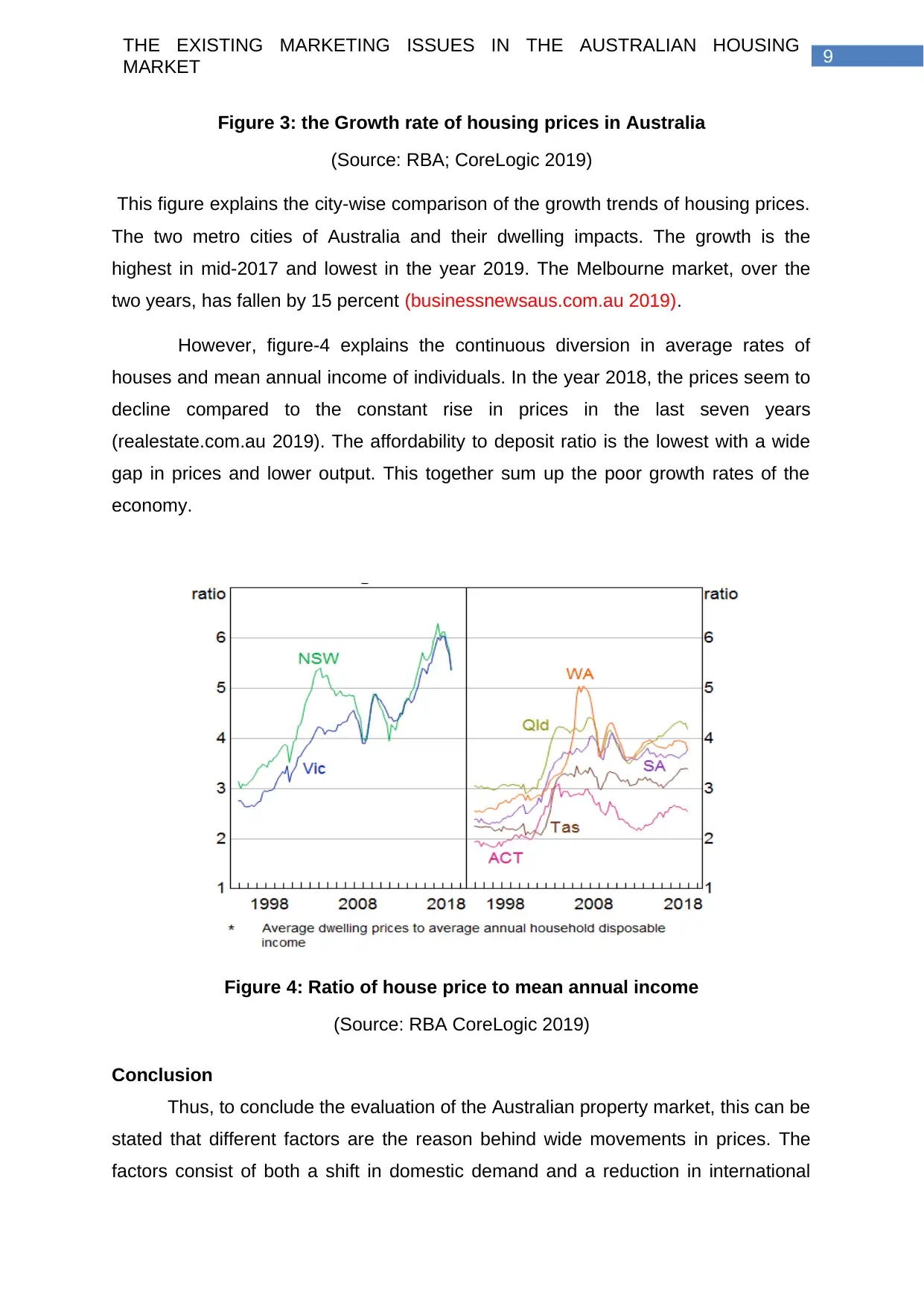
Figure 3: the Growth rate of housing prices in Australia
(Source: RBA; CoreLogic 2019)
This figure explains the city-wise comparison of the growth trends of housing prices.
The two metro cities of Australia and their dwelling impacts. The growth is the
highest in mid-2017 and lowest in the year 2019. The Melbourne market, over the
two years, has fallen by 15 percent (businessnewsaus.com.au 2019).
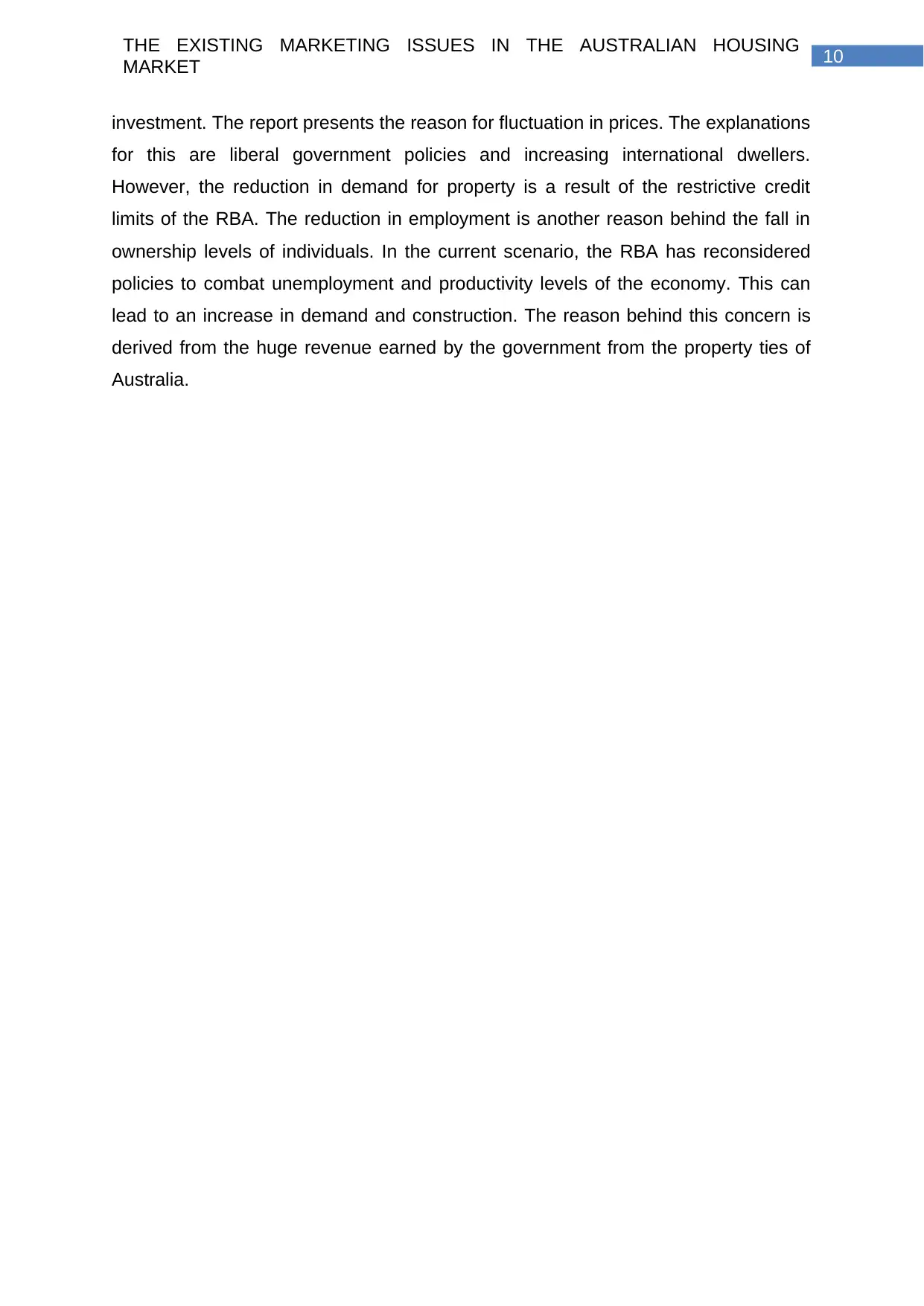
However, figure-4 explains the continuous diversion in average rates of
houses and mean annual income of individuals. In the year 2018, the prices seem to
decline compared to the constant rise in prices in the last seven years
(realestate.com.au 2019). The affordability to deposit ratio is the lowest with a wide
gap in prices and lower output. This together sum up the poor growth rates of the
economy.
Figure 4: Ratio of house price to mean annual income
(Source: RBA CoreLogic 2019)
Conclusion
Thus, to conclude the evaluation of the Australian property market, this can be
stated that different factors are the reason behind wide movements in prices. The
factors consist of both a shift in domestic demand and a reduction in international
THE EXISTING MARKETING ISSUES IN THE AUSTRALIAN HOUSING
MARKET
Figure 3: the Growth rate of housing prices in Australia
(Source: RBA; CoreLogic 2019)
This figure explains the city-wise comparison of the growth trends of housing prices.
The two metro cities of Australia and their dwelling impacts. The growth is the
highest in mid-2017 and lowest in the year 2019. The Melbourne market, over the
two years, has fallen by 15 percent (businessnewsaus.com.au 2019).
However, figure-4 explains the continuous diversion in average rates of
houses and mean annual income of individuals. In the year 2018, the prices seem to
decline compared to the constant rise in prices in the last seven years
(realestate.com.au 2019). The affordability to deposit ratio is the lowest with a wide
gap in prices and lower output. This together sum up the poor growth rates of the
economy.
Figure 4: Ratio of house price to mean annual income
(Source: RBA CoreLogic 2019)
Conclusion
Thus, to conclude the evaluation of the Australian property market, this can be
stated that different factors are the reason behind wide movements in prices. The
factors consist of both a shift in domestic demand and a reduction in international
Paraphrase This Document
Need a fresh take? Get an instant paraphrase of this document with our AI Paraphraser
10
THE EXISTING MARKETING ISSUES IN THE AUSTRALIAN HOUSING
MARKET
investment. The report presents the reason for fluctuation in prices. The explanations
for this are liberal government policies and increasing international dwellers.
However, the reduction in demand for property is a result of the restrictive credit
limits of the RBA. The reduction in employment is another reason behind the fall in
ownership levels of individuals. In the current scenario, the RBA has reconsidered
policies to combat unemployment and productivity levels of the economy. This can
lead to an increase in demand and construction. The reason behind this concern is
derived from the huge revenue earned by the government from the property ties of
Australia.
THE EXISTING MARKETING ISSUES IN THE AUSTRALIAN HOUSING
MARKET
investment. The report presents the reason for fluctuation in prices. The explanations
for this are liberal government policies and increasing international dwellers.
However, the reduction in demand for property is a result of the restrictive credit
limits of the RBA. The reduction in employment is another reason behind the fall in
ownership levels of individuals. In the current scenario, the RBA has reconsidered
policies to combat unemployment and productivity levels of the economy. This can
lead to an increase in demand and construction. The reason behind this concern is
derived from the huge revenue earned by the government from the property ties of
Australia.
11
THE EXISTING MARKETING ISSUES IN THE AUSTRALIAN HOUSING
MARKET
References
abc.net.au 2019. ABC News. Apartments could be the crack in the housing market
recovery. [online] Available at: https://www.abc.net.au/news/2019-09-05/apartments-
could-prove-the-crack-in-the-housing-market-recovery/11478834 [Accessed 13 Sep.
2019].
abc.net.au 2019. ABC News. RBA cuts interest rates to historic low to boost the
faltering economy. [online] Available at:
https://www.abc.net.au/news/2019-07-02/rba-cuts-rates-to-a-new-low-of-1pc/
11270464 [Accessed 13 Sep. 2019].
abs.gov.au. 2019. 4130.0 - Housing Occupancy and Costs, 2017-18. [online]
Available at:
https://www.abs.gov.au/ausstats/abs@.nsf/0/88BF225497426920CA257F5C000989
A8?Opendocument [Accessed 13 Sep. 2019].
aph.gov.au. 2019. Chapter 5 - The challenge of housing supply – Parliament of
Australia . [online] Available at:
https://www.aph.gov.au/Parliamentary_Business/Committees/Senate/Former_Comm
ittees/hsaf/report/c05 [Accessed 13 Sep. 2019].
businessinsider.com.au 2017. Scutt, D. 2017. Population growth may not be enough
to prevent a downturn in Australia's housing market. [online] Business Insider
Australia. Available at: https://www.businessinsider.com.au/australia-house-prices-
could-fall-despite-strong-population-growth-2017-12 [Accessed 13 Sep. 2019].
businessnewsaus.com.au 2019. Business News Australia. Hold your horses:
recovery for Australia's residential property market a while off. [online] Available at:
https://www.businessnewsaus.com.au/articles/hold-your-horses--recovery-for-
australia-s-residential-property-market-a-while-off.html [Accessed 13 Sep. 2019].
Gauder, M., Houssard, C. and Orsmond, D., 2014. Foreign investment in residential
real estate. RBA Bulletin, June, pp.11-18.
Gurran, N. and Ruming, K., 2016. Less planning, more development? Housing and
urban reform discourses in Australia. Journal of Economic Policy Reform, 19(3),
pp.262-280.
THE EXISTING MARKETING ISSUES IN THE AUSTRALIAN HOUSING
MARKET
References
abc.net.au 2019. ABC News. Apartments could be the crack in the housing market
recovery. [online] Available at: https://www.abc.net.au/news/2019-09-05/apartments-
could-prove-the-crack-in-the-housing-market-recovery/11478834 [Accessed 13 Sep.
2019].
abc.net.au 2019. ABC News. RBA cuts interest rates to historic low to boost the
faltering economy. [online] Available at:
https://www.abc.net.au/news/2019-07-02/rba-cuts-rates-to-a-new-low-of-1pc/
11270464 [Accessed 13 Sep. 2019].
abs.gov.au. 2019. 4130.0 - Housing Occupancy and Costs, 2017-18. [online]
Available at:
https://www.abs.gov.au/ausstats/abs@.nsf/0/88BF225497426920CA257F5C000989
A8?Opendocument [Accessed 13 Sep. 2019].
aph.gov.au. 2019. Chapter 5 - The challenge of housing supply – Parliament of
Australia . [online] Available at:
https://www.aph.gov.au/Parliamentary_Business/Committees/Senate/Former_Comm
ittees/hsaf/report/c05 [Accessed 13 Sep. 2019].
businessinsider.com.au 2017. Scutt, D. 2017. Population growth may not be enough
to prevent a downturn in Australia's housing market. [online] Business Insider
Australia. Available at: https://www.businessinsider.com.au/australia-house-prices-
could-fall-despite-strong-population-growth-2017-12 [Accessed 13 Sep. 2019].
businessnewsaus.com.au 2019. Business News Australia. Hold your horses:
recovery for Australia's residential property market a while off. [online] Available at:
https://www.businessnewsaus.com.au/articles/hold-your-horses--recovery-for-
australia-s-residential-property-market-a-while-off.html [Accessed 13 Sep. 2019].
Gauder, M., Houssard, C. and Orsmond, D., 2014. Foreign investment in residential
real estate. RBA Bulletin, June, pp.11-18.
Gurran, N. and Ruming, K., 2016. Less planning, more development? Housing and
urban reform discourses in Australia. Journal of Economic Policy Reform, 19(3),
pp.262-280.
⊘ This is a preview!⊘
Do you want full access?
Subscribe today to unlock all pages.
Trusted by 1+ million students worldwide

1 out of 14


Related Documents


Your All-in-One AI-Powered Toolkit for Academic Success.
+13062052269
info@desklib.com
Available 24*7 on WhatsApp / Email
![[object Object]](/_next/static/media/star-bottom.7253800d.svg)
Unlock your academic potential
Copyright © 2020–2026 A2Z Services. All Rights Reserved. Developed and managed by ZUCOL.