Burberry's Strategies for Innovation and Leadership Management
VerifiedAdded on 2021/06/08
|14
|4298
|70
Report
AI Summary
This report provides a comprehensive analysis of Burberry's organizational structure, innovation management, and leadership strategies. It begins with an introduction to the luxury brand's history and evolution, highlighting key milestones and market position. The report then delves into Burberry's organizational architecture, including its structure, culture, and leadership, examining how these elements contribute to innovation. A significant portion of the report focuses on Burberry's strategies for innovation management, covering corporate strategy, digital innovation and customer engagement, and open innovation initiatives. Specific examples are provided, such as Burberry's 'see now, buy now' model and its use of digital platforms like WeChat and Snapchat. The report also explores Burberry's organizational structure, the roles of the Board Committee and the encouragement of creativity in the design, development, make, and distribution processes. Furthermore, it discusses the company's culture and its commitment to diversity and employee engagement. Finally, the report offers recommendations based on the findings and concludes with an overview of Burberry's innovation and leadership journey.
EXECUTIVE SUMMARY
TABLE OF CONTENTS
1. INTRODUCTION…………………………………………………………...
2. ORGANISATION ARCHITECTURE……………….
2.1. ORGANISATION STRUCTURE…………………………………….
2.2. ORGANISATION CULTURE………………………………………..
2.3. LEADERSHIP………………………………………………………..
3. STRATEGY FOR INNOVATION MANAGEMENT……………………...
3.1. CORPORATE STRATEGY…………………………………………..
3.2. DIGITAL INNOVATION AND CUSTOMER ENGAGEMENT…...
3.3. OPEN INNOVATION………………………………………………...
4. RECOMMENDATIONS…………………………………………………….
5. CONCLUSION……………………………………………………………….
6. REFERENCES……………………………………………………………….
7. APPENDICES……………………………………………………………….
7.1. APPENDIX I…………………………………………………………
7.2. APPENDIX II………………………………………………………..
TABLE OF CONTENTS
1. INTRODUCTION…………………………………………………………...
2. ORGANISATION ARCHITECTURE……………….
2.1. ORGANISATION STRUCTURE…………………………………….
2.2. ORGANISATION CULTURE………………………………………..
2.3. LEADERSHIP………………………………………………………..
3. STRATEGY FOR INNOVATION MANAGEMENT……………………...
3.1. CORPORATE STRATEGY…………………………………………..
3.2. DIGITAL INNOVATION AND CUSTOMER ENGAGEMENT…...
3.3. OPEN INNOVATION………………………………………………...
4. RECOMMENDATIONS…………………………………………………….
5. CONCLUSION……………………………………………………………….
6. REFERENCES……………………………………………………………….
7. APPENDICES……………………………………………………………….
7.1. APPENDIX I…………………………………………………………
7.2. APPENDIX II………………………………………………………..

Paraphrase This Document
Need a fresh take? Get an instant paraphrase of this document with our AI Paraphraser
1. INTRODUCTION
Founded in 1856 by Thomas Burberry, the luxury brand Burberry stands as one of the most valuable and
desired brand in today’s time due to its unique blend of heritage and innovation (Burberry, 2017). But, in
2006, Burberry was growing only by 2% a year, suffering from ubiquity and was associated with an
image of a cheap brand. Its fate was turned around when Angela Ahrendts joined the company that year
as the CEO, and in order to reinstate the heritage of one of the oldest British fashion brands, she bought
back 23 licenses which Burberry had sold in the past, allowing other companies to use its signature check
for products like disposable dog leashes and cover-ups which humiliated the brand image (Ahrendts,
2013).
In 2017, the company generated more than £2 billion in 2017 in annual revenue worldwide (Statista,
2018). In February 2017, Christopher Bailey, the chief creative officer, was honoured with the 2017 ELLE
Style Award for ‘British Brand Of The Year’ for Burberry (O’Malley, 2017). As per BNP Paribas reports,
Burberry ranked fourth on the Digital Customer Experience Axis after Louis Vuitton, Tory Burch and
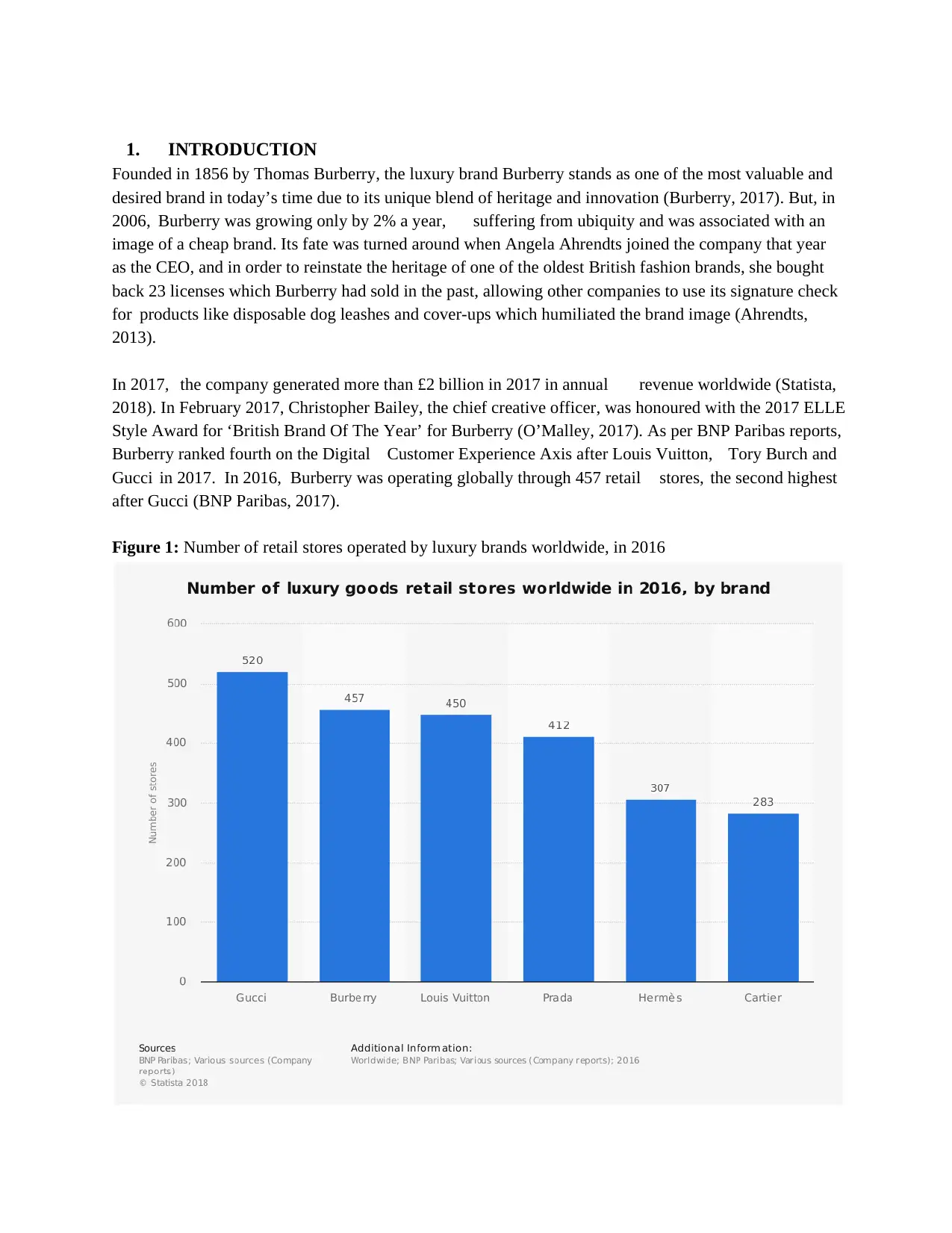
Gucci in 2017. In 2016, Burberry was operating globally through 457 retail stores, the second highest
after Gucci (BNP Paribas, 2017).
Figure 1: Number of retail stores operated by luxury brands worldwide, in 2016
Founded in 1856 by Thomas Burberry, the luxury brand Burberry stands as one of the most valuable and
desired brand in today’s time due to its unique blend of heritage and innovation (Burberry, 2017). But, in
2006, Burberry was growing only by 2% a year, suffering from ubiquity and was associated with an
image of a cheap brand. Its fate was turned around when Angela Ahrendts joined the company that year
as the CEO, and in order to reinstate the heritage of one of the oldest British fashion brands, she bought
back 23 licenses which Burberry had sold in the past, allowing other companies to use its signature check
for products like disposable dog leashes and cover-ups which humiliated the brand image (Ahrendts,
2013).
In 2017, the company generated more than £2 billion in 2017 in annual revenue worldwide (Statista,
2018). In February 2017, Christopher Bailey, the chief creative officer, was honoured with the 2017 ELLE
Style Award for ‘British Brand Of The Year’ for Burberry (O’Malley, 2017). As per BNP Paribas reports,
Burberry ranked fourth on the Digital Customer Experience Axis after Louis Vuitton, Tory Burch and
Gucci in 2017. In 2016, Burberry was operating globally through 457 retail stores, the second highest
after Gucci (BNP Paribas, 2017).
Figure 1: Number of retail stores operated by luxury brands worldwide, in 2016
The company vision is to establish a firm brand position in the luxury fashion industry while being a
source of inspiration for customers through its unique British attitude (Burberry, 2018).
2. ORGANISATION FOR INNOVATION MANAGEMENT
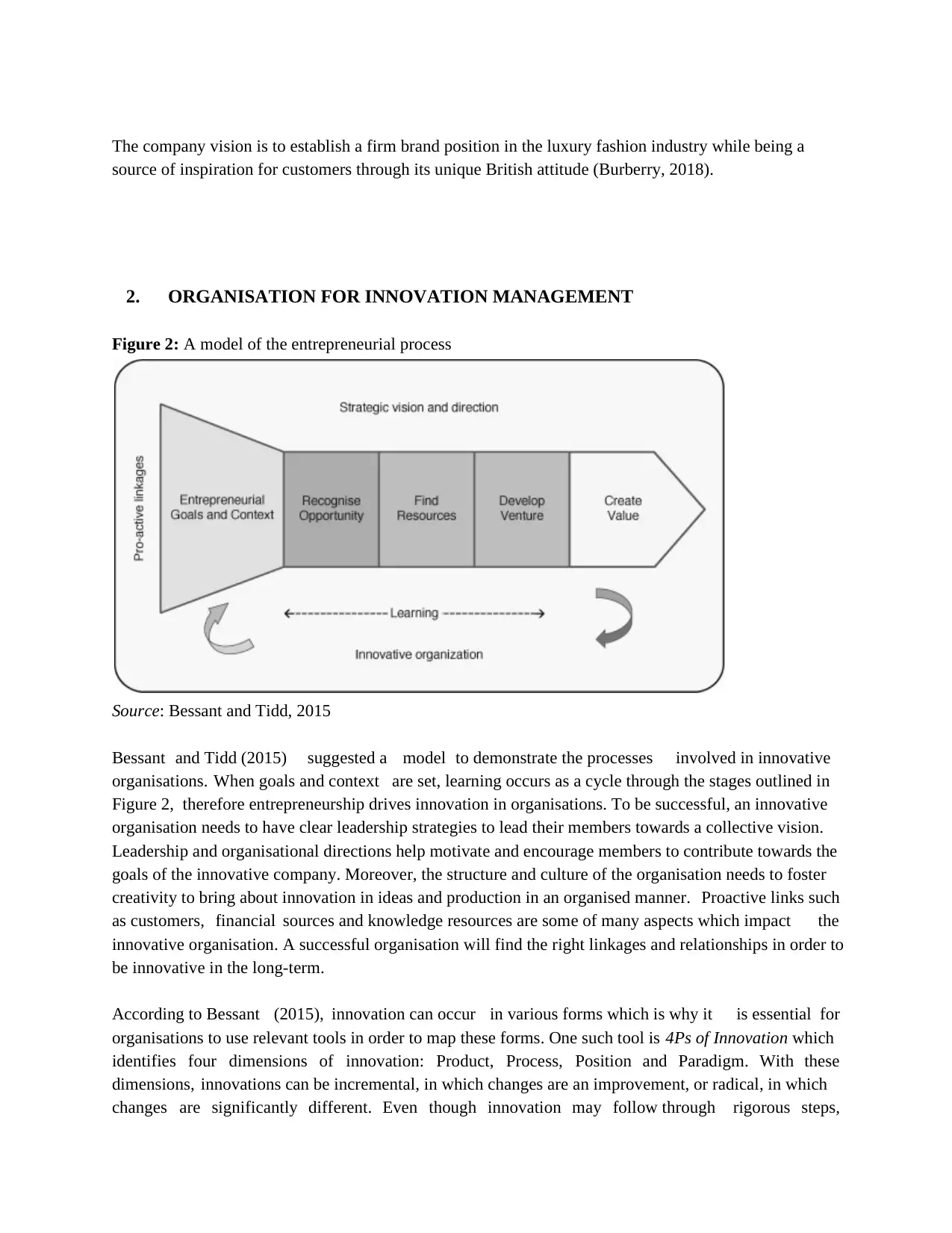
Figure 2: A model of the entrepreneurial process
Source: Bessant and Tidd, 2015
Bessant and Tidd (2015) suggested a model to demonstrate the processes involved in innovative
organisations. When goals and context are set, learning occurs as a cycle through the stages outlined in
Figure 2, therefore entrepreneurship drives innovation in organisations. To be successful, an innovative
organisation needs to have clear leadership strategies to lead their members towards a collective vision.
Leadership and organisational directions help motivate and encourage members to contribute towards the
goals of the innovative company. Moreover, the structure and culture of the organisation needs to foster
creativity to bring about innovation in ideas and production in an organised manner. Proactive links such
as customers, financial sources and knowledge resources are some of many aspects which impact the
innovative organisation. A successful organisation will find the right linkages and relationships in order to
be innovative in the long-term.
According to Bessant (2015), innovation can occur in various forms which is why it is essential for
organisations to use relevant tools in order to map these forms. One such tool is 4Ps of Innovation which
identifies four dimensions of innovation: Product, Process, Position and Paradigm. With these
dimensions, innovations can be incremental, in which changes are an improvement, or radical, in which
changes are significantly different. Even though innovation may follow through rigorous steps,
source of inspiration for customers through its unique British attitude (Burberry, 2018).
2. ORGANISATION FOR INNOVATION MANAGEMENT
Figure 2: A model of the entrepreneurial process
Source: Bessant and Tidd, 2015
Bessant and Tidd (2015) suggested a model to demonstrate the processes involved in innovative
organisations. When goals and context are set, learning occurs as a cycle through the stages outlined in
Figure 2, therefore entrepreneurship drives innovation in organisations. To be successful, an innovative
organisation needs to have clear leadership strategies to lead their members towards a collective vision.
Leadership and organisational directions help motivate and encourage members to contribute towards the
goals of the innovative company. Moreover, the structure and culture of the organisation needs to foster
creativity to bring about innovation in ideas and production in an organised manner. Proactive links such
as customers, financial sources and knowledge resources are some of many aspects which impact the
innovative organisation. A successful organisation will find the right linkages and relationships in order to
be innovative in the long-term.
According to Bessant (2015), innovation can occur in various forms which is why it is essential for
organisations to use relevant tools in order to map these forms. One such tool is 4Ps of Innovation which
identifies four dimensions of innovation: Product, Process, Position and Paradigm. With these
dimensions, innovations can be incremental, in which changes are an improvement, or radical, in which
changes are significantly different. Even though innovation may follow through rigorous steps,
⊘ This is a preview!⊘
Do you want full access?
Subscribe today to unlock all pages.

Trusted by 1+ million students worldwide
unexpected changes can happen, thus organisations need to build dynamic capability, where organisations
have the ability to adapt their innovation management in evolving environments.
2.1. ORGANISATION STRUCTURE
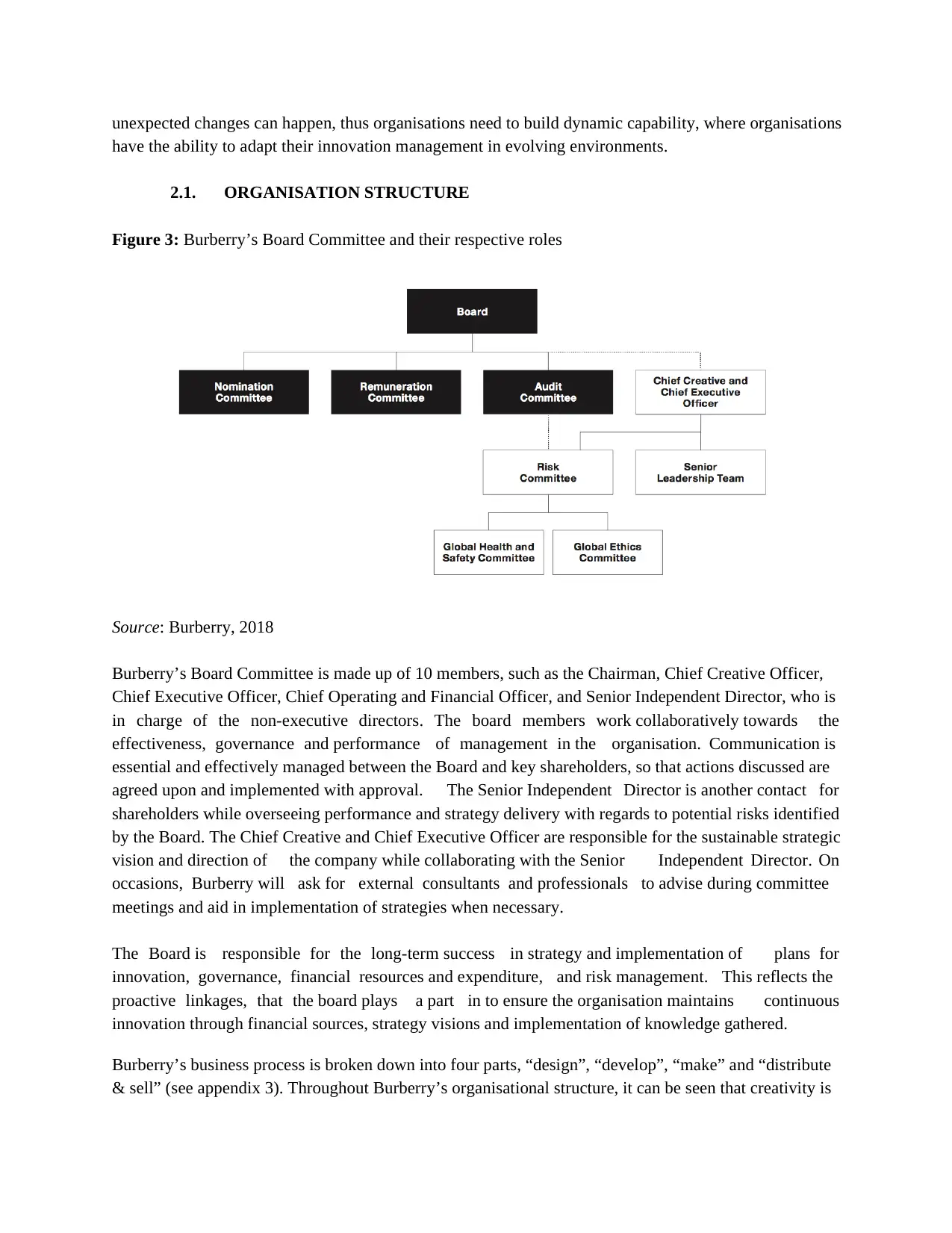
Figure 3: Burberry’s Board Committee and their respective roles
Source: Burberry, 2018
Burberry’s Board Committee is made up of 10 members, such as the Chairman, Chief Creative Officer,
Chief Executive Officer, Chief Operating and Financial Officer, and Senior Independent Director, who is
in charge of the non-executive directors. The board members work collaboratively towards the
effectiveness, governance and performance of management in the organisation. Communication is
essential and effectively managed between the Board and key shareholders, so that actions discussed are
agreed upon and implemented with approval. The Senior Independent Director is another contact for
shareholders while overseeing performance and strategy delivery with regards to potential risks identified
by the Board. The Chief Creative and Chief Executive Officer are responsible for the sustainable strategic
vision and direction of the company while collaborating with the Senior Independent Director. On
occasions, Burberry will ask for external consultants and professionals to advise during committee
meetings and aid in implementation of strategies when necessary.
The Board is responsible for the long-term success in strategy and implementation of plans for
innovation, governance, financial resources and expenditure, and risk management. This reflects the
proactive linkages, that the board plays a part in to ensure the organisation maintains continuous
innovation through financial sources, strategy visions and implementation of knowledge gathered.
Burberry’s business process is broken down into four parts, “design”, “develop”, “make” and “distribute
& sell” (see appendix 3). Throughout Burberry’s organisational structure, it can be seen that creativity is
have the ability to adapt their innovation management in evolving environments.
2.1. ORGANISATION STRUCTURE
Figure 3: Burberry’s Board Committee and their respective roles
Source: Burberry, 2018
Burberry’s Board Committee is made up of 10 members, such as the Chairman, Chief Creative Officer,
Chief Executive Officer, Chief Operating and Financial Officer, and Senior Independent Director, who is
in charge of the non-executive directors. The board members work collaboratively towards the
effectiveness, governance and performance of management in the organisation. Communication is
essential and effectively managed between the Board and key shareholders, so that actions discussed are
agreed upon and implemented with approval. The Senior Independent Director is another contact for
shareholders while overseeing performance and strategy delivery with regards to potential risks identified
by the Board. The Chief Creative and Chief Executive Officer are responsible for the sustainable strategic
vision and direction of the company while collaborating with the Senior Independent Director. On
occasions, Burberry will ask for external consultants and professionals to advise during committee
meetings and aid in implementation of strategies when necessary.
The Board is responsible for the long-term success in strategy and implementation of plans for
innovation, governance, financial resources and expenditure, and risk management. This reflects the
proactive linkages, that the board plays a part in to ensure the organisation maintains continuous
innovation through financial sources, strategy visions and implementation of knowledge gathered.
Burberry’s business process is broken down into four parts, “design”, “develop”, “make” and “distribute
& sell” (see appendix 3). Throughout Burberry’s organisational structure, it can be seen that creativity is
Paraphrase This Document
Need a fresh take? Get an instant paraphrase of this document with our AI Paraphraser
encouraged within each process and function of the organisation. This shows how innovation
management is organised and fostered in different sectors. In the “design” and “develop” process,
innovation is seen through the renewal of resources in production, while in the “make” process,
innovation is fostered through outsourcing experts to collaborate and contribute to the learning process
and creativity, building on current trends and ideas.
2.2. ORGANISATION CULTURE
Culture is believed to be a wide concept, but researchers have identified prime factors that define
organisational culture. First, the identity of organisation’s members is defined by its Culture (Deal and
Kennedy, 1982; Peters and Waterman, 1982). Second, it generates the commitment of the organisation’s
members to something that would be larger than one’s self (Martin and Siehl, 1983). Third, the culture
enhances the stability of the social system within the organisation and fourth, the organisational culture
plays an important role in shaping one’s behaviour (Bessant and Tidd, 2015).
As stated on Burberry.com (2018), the management assures that the hiring, promoting and developing
processes are carried out on fair grounds. Out of over 10,000 employees working under Burberry, it was
recorded on March 31 2017, that 70% of the employees were female while 30% male, with 39% of the
senior management roles being occupied by women. This shows that Burberry is committed and stands by
promoting diversity and equal opportunity. Additionally, Burberry also offers opportunities for employees
such as team-building throughout the year for the purpose of enhancing cross-functional connections.
Therefore, Burberry has implemented schemes across the supply chain to support factories in increasing
labour productivity, reducing work hours, and upgrading HR management systems.
2.3. LEADERSHIP
The concept of leadership focuses on how a person interacts with others, how he/she reacts to different
situations, that is, it focuses on how one acts rather than on their innermost personality or beliefs
(Gabrielsson, Darling and Seristö, 2009).
In general, assertiveness and responsiveness have been identified as two major interactive dimensions by
researchers which analyse leadership styles (Merrill and Reid, 2017). Assertiveness is when one’s
behaviour is classified as either directive or non-directive whereas, responsiveness is classified as
emotionally expressive or controlled (Gabrielsson, Darling and Seristö, 2009) (See Figure 1).
Furthermore, the four quadrants on the paradigm represent the leadership styles - Analyzer, Creator,
Director and Connector (Darling and Leffel, 2010) (See Figure 2).
Marco Gobetti, who took charge of Burberry as the CEO in 2017, immediately displayed a snapshot of his
confidence as a leader by stating that he intends to establish Burberry “firmly in luxury” (Chopra, 2018).
In November 2017, he announced his three-year plan for Burberry which included additional leather
goods in the catalogue, refreshing its retail stores to showcase its reputation as a digital innovator as well
as curtailing its lower-end partnerships with wholesalers. According to Gobetti, only innovation can
encourage consumers to buy in this era where the niche crowd already owns iconic brands’ products
(Shannon, 2017). [Is Gobetti’s leadership assertive or responsive? And which of the four quadrants? One
sentence here]
management is organised and fostered in different sectors. In the “design” and “develop” process,
innovation is seen through the renewal of resources in production, while in the “make” process,
innovation is fostered through outsourcing experts to collaborate and contribute to the learning process
and creativity, building on current trends and ideas.
2.2. ORGANISATION CULTURE
Culture is believed to be a wide concept, but researchers have identified prime factors that define
organisational culture. First, the identity of organisation’s members is defined by its Culture (Deal and
Kennedy, 1982; Peters and Waterman, 1982). Second, it generates the commitment of the organisation’s
members to something that would be larger than one’s self (Martin and Siehl, 1983). Third, the culture
enhances the stability of the social system within the organisation and fourth, the organisational culture
plays an important role in shaping one’s behaviour (Bessant and Tidd, 2015).
As stated on Burberry.com (2018), the management assures that the hiring, promoting and developing
processes are carried out on fair grounds. Out of over 10,000 employees working under Burberry, it was
recorded on March 31 2017, that 70% of the employees were female while 30% male, with 39% of the
senior management roles being occupied by women. This shows that Burberry is committed and stands by
promoting diversity and equal opportunity. Additionally, Burberry also offers opportunities for employees
such as team-building throughout the year for the purpose of enhancing cross-functional connections.
Therefore, Burberry has implemented schemes across the supply chain to support factories in increasing
labour productivity, reducing work hours, and upgrading HR management systems.
2.3. LEADERSHIP
The concept of leadership focuses on how a person interacts with others, how he/she reacts to different
situations, that is, it focuses on how one acts rather than on their innermost personality or beliefs
(Gabrielsson, Darling and Seristö, 2009).
In general, assertiveness and responsiveness have been identified as two major interactive dimensions by
researchers which analyse leadership styles (Merrill and Reid, 2017). Assertiveness is when one’s
behaviour is classified as either directive or non-directive whereas, responsiveness is classified as
emotionally expressive or controlled (Gabrielsson, Darling and Seristö, 2009) (See Figure 1).
Furthermore, the four quadrants on the paradigm represent the leadership styles - Analyzer, Creator,
Director and Connector (Darling and Leffel, 2010) (See Figure 2).
Marco Gobetti, who took charge of Burberry as the CEO in 2017, immediately displayed a snapshot of his
confidence as a leader by stating that he intends to establish Burberry “firmly in luxury” (Chopra, 2018).
In November 2017, he announced his three-year plan for Burberry which included additional leather
goods in the catalogue, refreshing its retail stores to showcase its reputation as a digital innovator as well
as curtailing its lower-end partnerships with wholesalers. According to Gobetti, only innovation can
encourage consumers to buy in this era where the niche crowd already owns iconic brands’ products
(Shannon, 2017). [Is Gobetti’s leadership assertive or responsive? And which of the four quadrants? One
sentence here]
3. STRATEGY FOR INNOVATION MANAGEMENT
Innovation could be defined as a ‘change’ or ‘exploitation of new ideas successfully’ (Bessant and Tidd,
2015). It is also added that, these ideas don't necessarily have to be new or majorly advanced (radical) and
can even be a small-scale improvement or change for existing technologies or procedures (incremental).
According to Peter Drucker (1995), not just businesses but also organisations need ‘Innovation’ as a core
competency.
Taking that thought ahead, it can be said that Burberry was created of innovation with products like the
famous trench coats made out of weatherproof cotton material known as gabardine, and was invented by
Thomas Burberry (Trotter, 2018). In 2017, the trench coat fabric was used for Burberry handbags under
the vision of Christopher Bailey who wanted to inculcate the spirit and attitude of trench coats in a
collection of classic British Burberry handbags (Banks, 2017).
3.1. CORPORATE STRATEGY
According to Burberry 2016-17 annual report, Burberry’s key strategies in the FY 2017 focused on
revenue-growth optimisation (Productive Space, Product Focus and E-commerce Leadership) and
efficiency improvement (Inspired People and Operational Excellence).
Table 1: Key Strategies in Financial Year 2017
Productive
Space
Product Focus E-commerce
Leadership
Operational
Excellence
Inspired People
-End-to-end
product
category
management
-Enhancing
retail space
-Simplifying
product
offering
-Enhance retail
productivity through
improvement of
end-to-end retail
discipline by offering
a retail excellence
programme, multiple
times a year. The
programme focuses
on customer
improvement and
acquisition as well as
enhancing in-store
operations
-Leveraging the
digital presence
and capability of
Burberry
(Burberry.com)
Accelerate
revenues both on
company website
as well as
third-party
platforms
-Improve process
effectiveness and
efficiency
-Optimise
inventory
management
-Invest in better
technology
-Improve
information
-Implement new and
improved ways of
working by enhancing
operating model
-Encourage employee
engagement and
improve culture
-Enhance reward
programs
Source: Burberry, 2017
3.2. DIGITAL INNOVATION AND CUSTOMER ENGAGEMENT
Burberry pioneered digital innovation in the luxury fashion brands industry and boasts of 48 million
followers across twenty social media platforms including Instagram, Facebook, Line, Twitter, WeChat and
Kakao. As per the March 2017 ContactLab Digital Competitive Map, Burberry was ranked Number one
Digital Leader out of 32 major brands. In the context of e-commerce, Burberry launched its online store in
China through WeChat as well as on Facebook Messenger where customers could easily purchase
Innovation could be defined as a ‘change’ or ‘exploitation of new ideas successfully’ (Bessant and Tidd,
2015). It is also added that, these ideas don't necessarily have to be new or majorly advanced (radical) and
can even be a small-scale improvement or change for existing technologies or procedures (incremental).
According to Peter Drucker (1995), not just businesses but also organisations need ‘Innovation’ as a core
competency.
Taking that thought ahead, it can be said that Burberry was created of innovation with products like the
famous trench coats made out of weatherproof cotton material known as gabardine, and was invented by
Thomas Burberry (Trotter, 2018). In 2017, the trench coat fabric was used for Burberry handbags under
the vision of Christopher Bailey who wanted to inculcate the spirit and attitude of trench coats in a
collection of classic British Burberry handbags (Banks, 2017).
3.1. CORPORATE STRATEGY
According to Burberry 2016-17 annual report, Burberry’s key strategies in the FY 2017 focused on
revenue-growth optimisation (Productive Space, Product Focus and E-commerce Leadership) and
efficiency improvement (Inspired People and Operational Excellence).
Table 1: Key Strategies in Financial Year 2017
Productive
Space
Product Focus E-commerce
Leadership
Operational
Excellence
Inspired People
-End-to-end
product
category
management
-Enhancing
retail space
-Simplifying
product
offering
-Enhance retail
productivity through
improvement of
end-to-end retail
discipline by offering
a retail excellence
programme, multiple
times a year. The
programme focuses
on customer
improvement and
acquisition as well as
enhancing in-store
operations
-Leveraging the
digital presence
and capability of
Burberry
(Burberry.com)
Accelerate
revenues both on
company website
as well as
third-party
platforms
-Improve process
effectiveness and
efficiency
-Optimise
inventory
management
-Invest in better
technology
-Improve
information
-Implement new and
improved ways of
working by enhancing
operating model
-Encourage employee
engagement and
improve culture
-Enhance reward
programs
Source: Burberry, 2017
3.2. DIGITAL INNOVATION AND CUSTOMER ENGAGEMENT
Burberry pioneered digital innovation in the luxury fashion brands industry and boasts of 48 million
followers across twenty social media platforms including Instagram, Facebook, Line, Twitter, WeChat and
Kakao. As per the March 2017 ContactLab Digital Competitive Map, Burberry was ranked Number one
Digital Leader out of 32 major brands. In the context of e-commerce, Burberry launched its online store in
China through WeChat as well as on Facebook Messenger where customers could easily purchase
⊘ This is a preview!⊘
Do you want full access?
Subscribe today to unlock all pages.
Trusted by 1+ million students worldwide
Burberry products (Burberry, 2017). This shows that through optimum use of technology, Burberry aimed
at offering a seamless customer experience with its web presence in more than 40 countries (Trotter,
2018).
Taking digital innovation further, Burberry announced its bold and new ‘see now, buy now’ model in
February 2016 (Burberry, 2017). After replacing its four-show calendar with two shows in September
2016, featuring both menswear and womenswear, Burberry made its runway collection available in stores
immediately after the shows (Burberry, 2017). The products were also available on its digital platforms,
thus bringing about a radical change in the industry trend where the runway collection would only be
available in stores after almost six months of the shows.
As per the Burberry annual report 2016-17, Burberry announced the launch of its first ever commercial
app for iPhone users, giving them access to personalised and exclusive content. Using innovative ideas,
Burberry added a touch of digitisation in the launch of Mr. Burberry fragrance by partnering with
Snapchat to have a dedicated channel in its Discover section. Additionally, the channel offered grooming
and tailoring tips to the audience. In May 2017, Burberry launched its DK88 bag collection and
simultaneously launched an exclusive WeChat shop for exhibiting the bag’s bright toffee colour by
partnering with Mr. Bags, a well-known Chinese influencer (Burberry, 2017).
In order to increase offline customer engagement and make them feel more connected with the brand,
Burberry invited the public to Makers House, the Burberry show venue, in the week following September
and February shows. The Makers House showcased Burberry’s original work installations (created by The
New Craftsmen) in September. This was followed by Burberry partnering with the Henry Moore
Foundation to display over 40 sculptures, drawings, monumental bronzes and maquettes. Moreover,
Burberry organised events featuring live acoustic music where visitors had the opportunity to participate
in workshops offering object making, drawing, textile design and printmaking. This attracted more than
20,000 visitors in September and over 30,000 in February which allowed customers to have a closer look
at the dedicated craftsmanship that Burberry commits to and develop a personal connection with the
brand. Furthermore, to encourage artisans and make them feel rewarded for their creativity, Burberry
featured them in the September 2016 print campaign. This also gave customers a chance to connect with
the core contributors of famous Burberry products. Interestingly, Burberry worked with Uber to guide
customers towards the brand stores. This shows that Burberry uses both online and offline methods for
digital innovation and customer engagement.
3.3. OPEN INNOVATION
Burberry joined hands with the startup accelerator Dream Assembly, launched by the ecommerce
platform Farfetch in April 2018 (Caldwell, 2018). This shows that Burberry welcomed the open
innovation model in its culture, encouraging creativity in the luxury fashion industry. Daniel Heaf, the
digital commerce and marketing SVP at Burberry, said the brand believes in supporting innovative
companies of tomorrow through collaboration, open innovation and sharing their expertise with young
minds (Caldwell, 2018).
3.4. SWOT ANALYSIS 400
at offering a seamless customer experience with its web presence in more than 40 countries (Trotter,
2018).
Taking digital innovation further, Burberry announced its bold and new ‘see now, buy now’ model in
February 2016 (Burberry, 2017). After replacing its four-show calendar with two shows in September
2016, featuring both menswear and womenswear, Burberry made its runway collection available in stores
immediately after the shows (Burberry, 2017). The products were also available on its digital platforms,
thus bringing about a radical change in the industry trend where the runway collection would only be
available in stores after almost six months of the shows.
As per the Burberry annual report 2016-17, Burberry announced the launch of its first ever commercial
app for iPhone users, giving them access to personalised and exclusive content. Using innovative ideas,
Burberry added a touch of digitisation in the launch of Mr. Burberry fragrance by partnering with
Snapchat to have a dedicated channel in its Discover section. Additionally, the channel offered grooming
and tailoring tips to the audience. In May 2017, Burberry launched its DK88 bag collection and
simultaneously launched an exclusive WeChat shop for exhibiting the bag’s bright toffee colour by
partnering with Mr. Bags, a well-known Chinese influencer (Burberry, 2017).
In order to increase offline customer engagement and make them feel more connected with the brand,
Burberry invited the public to Makers House, the Burberry show venue, in the week following September
and February shows. The Makers House showcased Burberry’s original work installations (created by The
New Craftsmen) in September. This was followed by Burberry partnering with the Henry Moore
Foundation to display over 40 sculptures, drawings, monumental bronzes and maquettes. Moreover,
Burberry organised events featuring live acoustic music where visitors had the opportunity to participate
in workshops offering object making, drawing, textile design and printmaking. This attracted more than
20,000 visitors in September and over 30,000 in February which allowed customers to have a closer look
at the dedicated craftsmanship that Burberry commits to and develop a personal connection with the
brand. Furthermore, to encourage artisans and make them feel rewarded for their creativity, Burberry
featured them in the September 2016 print campaign. This also gave customers a chance to connect with
the core contributors of famous Burberry products. Interestingly, Burberry worked with Uber to guide
customers towards the brand stores. This shows that Burberry uses both online and offline methods for
digital innovation and customer engagement.
3.3. OPEN INNOVATION
Burberry joined hands with the startup accelerator Dream Assembly, launched by the ecommerce
platform Farfetch in April 2018 (Caldwell, 2018). This shows that Burberry welcomed the open
innovation model in its culture, encouraging creativity in the luxury fashion industry. Daniel Heaf, the
digital commerce and marketing SVP at Burberry, said the brand believes in supporting innovative
companies of tomorrow through collaboration, open innovation and sharing their expertise with young
minds (Caldwell, 2018).
3.4. SWOT ANALYSIS 400
Paraphrase This Document
Need a fresh take? Get an instant paraphrase of this document with our AI Paraphraser
4. FUTURE RECOMMENDATIONS
a. Activity: Sold too many licenses to companies in the past, who could not maintain Burberry’s
brand image.
Recommendation: In future, Burberry must not give rights to other companies to recklessly use its
design and goodwill just for the sake of increasing its reach and presence in the markets. Instead, the
company should adopt Wheelen’s (2017) business level strategy of product development and Dessler’s
(2016) corporate level strategy of growth through strategic alliance in order to offer better products and
innovative ways to gain visibility. It is suggested that Burberry could form a strategic alliance with
leading luxury brands in different sectors such as Mercedes-Benz in the automotive industry. The idea is
to use the signature Burberry check design to enhance the interiors of Mercedes-Benz cars, by adding
elements of the iconic design on the dashboard of cars to enhance the superiority of both products and
give customers the first class experience. Here, it is suggested that Burberry targets the psychology of its
customers to maintain a high profile image in the society.
b. Activity: Selling through third-party platforms. This means that Burberry would not be exclusive
and luxury brand.
Recommendation: Burberry continues to gain revenue from the company websites but stops sharing their
licences with third-party platforms to maintain brand image as exclusive and luxurious. This also controls
the innovation and creativity within the brand image
c. Activity: Events held at the Makers House by Burberry conducting various activities for
customer engagement.
Recommendation: Burberry should partner with top musicians, for example jazz musicians such as
Dionne Warwick, Harvey Mason, Elan Trotman, Tony Monaco and Vanessa Williams. Burberry can
create a music festival showcasing their products with the jazz music which is associated with luxury and
exclusivity.
d. Activity: Featuring artisans in print media.
Recommendation: Burberry should not only feature artisans in print campaign but also encourage them
to create their own designs for future Burberry signature motive products, where the best out of all entries
could become the next Burberry signature design for its products.
5. CONCLUSION
After careful analysis of Burberry’s attempts to maintain its position at the top in the luxury fashion
industry, it can be said that Burberry is a highly innovative company. It has been constantly making
efforts to stay ahead in terms of using new technologies to strengthen its position as a luxury fashion
brand and innovate at every level of the business. From using social media platforms to increase customer
engagement to participating in open innovation to support new fashion companies, Burberry is doing all
things right to stay ahead in the competition and create a firm position for itself in the global market.
a. Activity: Sold too many licenses to companies in the past, who could not maintain Burberry’s
brand image.
Recommendation: In future, Burberry must not give rights to other companies to recklessly use its
design and goodwill just for the sake of increasing its reach and presence in the markets. Instead, the
company should adopt Wheelen’s (2017) business level strategy of product development and Dessler’s
(2016) corporate level strategy of growth through strategic alliance in order to offer better products and
innovative ways to gain visibility. It is suggested that Burberry could form a strategic alliance with
leading luxury brands in different sectors such as Mercedes-Benz in the automotive industry. The idea is
to use the signature Burberry check design to enhance the interiors of Mercedes-Benz cars, by adding
elements of the iconic design on the dashboard of cars to enhance the superiority of both products and
give customers the first class experience. Here, it is suggested that Burberry targets the psychology of its
customers to maintain a high profile image in the society.
b. Activity: Selling through third-party platforms. This means that Burberry would not be exclusive
and luxury brand.
Recommendation: Burberry continues to gain revenue from the company websites but stops sharing their
licences with third-party platforms to maintain brand image as exclusive and luxurious. This also controls
the innovation and creativity within the brand image
c. Activity: Events held at the Makers House by Burberry conducting various activities for
customer engagement.
Recommendation: Burberry should partner with top musicians, for example jazz musicians such as
Dionne Warwick, Harvey Mason, Elan Trotman, Tony Monaco and Vanessa Williams. Burberry can
create a music festival showcasing their products with the jazz music which is associated with luxury and
exclusivity.
d. Activity: Featuring artisans in print media.
Recommendation: Burberry should not only feature artisans in print campaign but also encourage them
to create their own designs for future Burberry signature motive products, where the best out of all entries
could become the next Burberry signature design for its products.
5. CONCLUSION
After careful analysis of Burberry’s attempts to maintain its position at the top in the luxury fashion
industry, it can be said that Burberry is a highly innovative company. It has been constantly making
efforts to stay ahead in terms of using new technologies to strengthen its position as a luxury fashion
brand and innovate at every level of the business. From using social media platforms to increase customer
engagement to participating in open innovation to support new fashion companies, Burberry is doing all
things right to stay ahead in the competition and create a firm position for itself in the global market.
6. REFERENCES
Burberry (2017) Annual Report 2016-17. Available at
https://www.burberryplc.com/content/dam/burberry/corporate/Investors/Results_Reports/2017/AnnualReport/Burber
ry_AR_2016-17.pdf [Accessed 6 Jun. 2018].
Facts, B. (2018). Topic: Burberry. [online] www.statista.com. Available at:
https://www.statista.com/topics/3458/burberry/ [Accessed 7 Jun. 2018].
O'Malley, K. (2017). ELLE Style Awards 2017. [online] ELLE. Available at:
https://www.elle.com/uk/the-elle-style-awards/ [Accessed 5 Jun. 2018].
BNP Paribas (2017). The Digital Frontier for Luxury Goods. [online] Milan: Exane BNP Paribas, p.15. Available at:
https://altagamma.it/media/source/Digital%20Frontier%20for%20Luxury%20Goods_FINAL.pdf [Accessed 6 Jun.
2018].
Burberry (2018). Burberry. [online] p.3. Available at:
https://www.burberryplc.com/content/dam/burberry/corporate/Investors/Results_Reports/2018/SIXPAGER2305201
8.pdf.downloadasset.pdf [Accessed 6 Jun. 2018].
Chopra, S. (2018). Why Burberry boss Marco Gobbetti needs to take a brand check. [online] Cityam.com. Available
at: http://www.cityam.com/278995/why-burberry-boss-marco-gobbetti-needs-take-brand-check [Accessed 6 Jun.
2018].
Shannon, S. (2017). Unpacking Burberry’s New Strategy. [online] The Business of Fashion. Available at:
https://www.businessoffashion.com/articles/news-analysis/burberry-unveils-grand-plan-to-become-a-true-luxury-pla
yer [Accessed 7 Jun. 2018].
Bessant, J. and Tidd, J. (2015). Innovation and Entrepreneurship. 3rd ed. Wiley, pp.15-16.
Trotter, C. (2018). Inside the retail strategy of Burberry. [online] Insider Trends. Available at:
https://www.insider-trends.com/inside-retail-strategy-burberry/ [Accessed 8 Jun. 2018].
Banks, L. (2017). The Making Of Burberry’s DK88. [online] Vogue.co.uk. Available at:
http://www.vogue.co.uk/article/burberry-dk88-making-of-design [Accessed 8 Jun. 2018].
Drucker, P. (1995). The information executives truly need. Long Range Planning, [online] 28(2), p.152. Available at:
https://hbr.org/1995/01/the-information-executives-truly-need [Accessed 8 Jun. 2018].
Gabrielsson, M., Darling, J. and Seristö, H. (2009). Transformational team‐ building across cultural boundaries.
Team Performance Management: An International Journal, [online] 15(5/6), pp.235-256. Available at:
https://www.emeraldinsight.com/doi/full/10.1108/13527590910983512?mobileUi=0 [Accessed 9 Jun. 2018].
MERRILL, D. and REID, R. (2017). PERSONAL STYLES & EFFECTIVE PERFORMANCE. [S.l.]: CRC PRESS.
Darling, J. and Leffel, A. (2010). Developing the Leadership Team in an Entrepreneurial Venture: A Case Focusing
on the Importance of Styles. Journal of Small Business & Entrepreneurship, [online] 23(3), pp.355-371. Available
at: https://www.tandfonline.com/doi/abs/10.1080/08276331.2010.10593490 [Accessed 7 Jun. 2018].
Burberry (2017) Annual Report 2016-17. Available at
https://www.burberryplc.com/content/dam/burberry/corporate/Investors/Results_Reports/2017/AnnualReport/Burber
ry_AR_2016-17.pdf [Accessed 6 Jun. 2018].
Facts, B. (2018). Topic: Burberry. [online] www.statista.com. Available at:
https://www.statista.com/topics/3458/burberry/ [Accessed 7 Jun. 2018].
O'Malley, K. (2017). ELLE Style Awards 2017. [online] ELLE. Available at:
https://www.elle.com/uk/the-elle-style-awards/ [Accessed 5 Jun. 2018].
BNP Paribas (2017). The Digital Frontier for Luxury Goods. [online] Milan: Exane BNP Paribas, p.15. Available at:
https://altagamma.it/media/source/Digital%20Frontier%20for%20Luxury%20Goods_FINAL.pdf [Accessed 6 Jun.
2018].
Burberry (2018). Burberry. [online] p.3. Available at:
https://www.burberryplc.com/content/dam/burberry/corporate/Investors/Results_Reports/2018/SIXPAGER2305201
8.pdf.downloadasset.pdf [Accessed 6 Jun. 2018].
Chopra, S. (2018). Why Burberry boss Marco Gobbetti needs to take a brand check. [online] Cityam.com. Available
at: http://www.cityam.com/278995/why-burberry-boss-marco-gobbetti-needs-take-brand-check [Accessed 6 Jun.
2018].
Shannon, S. (2017). Unpacking Burberry’s New Strategy. [online] The Business of Fashion. Available at:
https://www.businessoffashion.com/articles/news-analysis/burberry-unveils-grand-plan-to-become-a-true-luxury-pla
yer [Accessed 7 Jun. 2018].
Bessant, J. and Tidd, J. (2015). Innovation and Entrepreneurship. 3rd ed. Wiley, pp.15-16.
Trotter, C. (2018). Inside the retail strategy of Burberry. [online] Insider Trends. Available at:
https://www.insider-trends.com/inside-retail-strategy-burberry/ [Accessed 8 Jun. 2018].
Banks, L. (2017). The Making Of Burberry’s DK88. [online] Vogue.co.uk. Available at:
http://www.vogue.co.uk/article/burberry-dk88-making-of-design [Accessed 8 Jun. 2018].
Drucker, P. (1995). The information executives truly need. Long Range Planning, [online] 28(2), p.152. Available at:
https://hbr.org/1995/01/the-information-executives-truly-need [Accessed 8 Jun. 2018].
Gabrielsson, M., Darling, J. and Seristö, H. (2009). Transformational team‐ building across cultural boundaries.
Team Performance Management: An International Journal, [online] 15(5/6), pp.235-256. Available at:
https://www.emeraldinsight.com/doi/full/10.1108/13527590910983512?mobileUi=0 [Accessed 9 Jun. 2018].
MERRILL, D. and REID, R. (2017). PERSONAL STYLES & EFFECTIVE PERFORMANCE. [S.l.]: CRC PRESS.
Darling, J. and Leffel, A. (2010). Developing the Leadership Team in an Entrepreneurial Venture: A Case Focusing
on the Importance of Styles. Journal of Small Business & Entrepreneurship, [online] 23(3), pp.355-371. Available
at: https://www.tandfonline.com/doi/abs/10.1080/08276331.2010.10593490 [Accessed 7 Jun. 2018].
⊘ This is a preview!⊘
Do you want full access?
Subscribe today to unlock all pages.
Trusted by 1+ million students worldwide
Ahrendts, A. (2013). Burberry’s CEO on Turning an Aging British Icon into a Global Luxury Brand. [online]
Harvard Business Review. Available at:
https://hbr.org/2013/01/burberrys-ceo-on-turning-an-aging-british-icon-into-a-global-luxury-brand [Accessed 8 Jun.
2018].
Alexander, E. (2013). Angela Ahrendts. [online] Vogue.co.uk. Available at:
http://www.vogue.co.uk/article/angela-ahrendts-biography [Accessed 9 Jun. 2018].
Holt, B. (2017). How Christopher Bailey made Burberry into Britain's coolest luxury label. [online] The Telegraph.
Available at:
https://www.telegraph.co.uk/fashion/people/christopher-bailey-leaves-burberry-chart-changed-heritage-british/
[Accessed 7 Jun. 2018].
Martin, J. and Siehl, C. (1983). Organizational culture and counterculture: An uneasy symbiosis. Organizational
Dynamics, [online] 12(2), pp.52-64. Available at:
https://www.sciencedirect.com/science/article/pii/0090261683900335 [Accessed 7 Jun. 2018].
Oldham, G. and Cummings, A. (1996). Employee Creativity: Personal and Contextual Factors at Work. Academy of
Management Journal, [online] 39(3), pp.607-634. Available at:
http://web.a.ebscohost.com/ehost/pdfviewer/pdfviewer?vid=1&sid=c2317bb0-ec90-460d-904a-e7abe77699e2%40se
ssionmgr4008 [Accessed 7 June, 2018].
Amabile, T. (1997). Motivating Creativity in Organizations: On Doing What You Love and Loving What You Do.
California Management Review, [online] 40(1), pp.39-58. Available at:
http://journals.sagepub.com/doi/pdf/10.2307/41165921 [Accessed 7 June, 2018].
Amabile, T. and Conti, R. (1999). Changes in the Work Environment for Creativity During Downsizing. Academy of
Management Journal, [online] 42(6), pp.630-640. Available at:
http://creativepaths.org/wp-content/uploads/2017/03/Downsizing-changes-in-the-work-environment-for-creativity-A
mabile-Conti-1999.pdf [Accessed 7 Jun. 2018].
Bessant, J. (2015). 'Hundreds of Incremental Changes' - A Case Study on
Dyson. [online] Available at: http://www.innovation-portal.info/wp-content/uploads/Dyson-Case-Study.pdf
[Accessed 7 Jun. 2018].
Shalley, C., Zhou, J. and Oldham, G. (2004). The Effects of Personal and Contextual Characteristics on Creativity:
Where Should We Go from Here?. Journal of Management, [online] 30(6), pp.933-958. Available at:
https://www.sciencedirect.com/science/article/pii/S0149206304000698 [Accessed 7 Jun. 2018].
Woodman, R., Sawyer, J. and Griffin, R. (1993). Toward a Theory of Organizational Creativity. Academy of
Management Review, [online] 18(2), pp.293-321. Available at:
http://citeseerx.ist.psu.edu/viewdoc/download?doi=10.1.1.333.4871&rep=rep1&type=pdf [Accessed 7 Jun. 2018].
Deal, T. and Kennedy, A. (1982). Corporate Cultures. Reading, MA: Addison-Wesley.
Peters, T., and Waterman, R. (1982). In Search of Excellence. New York: Harper & Row.
Harvard Business Review. Available at:
https://hbr.org/2013/01/burberrys-ceo-on-turning-an-aging-british-icon-into-a-global-luxury-brand [Accessed 8 Jun.
2018].
Alexander, E. (2013). Angela Ahrendts. [online] Vogue.co.uk. Available at:
http://www.vogue.co.uk/article/angela-ahrendts-biography [Accessed 9 Jun. 2018].
Holt, B. (2017). How Christopher Bailey made Burberry into Britain's coolest luxury label. [online] The Telegraph.
Available at:
https://www.telegraph.co.uk/fashion/people/christopher-bailey-leaves-burberry-chart-changed-heritage-british/
[Accessed 7 Jun. 2018].
Martin, J. and Siehl, C. (1983). Organizational culture and counterculture: An uneasy symbiosis. Organizational
Dynamics, [online] 12(2), pp.52-64. Available at:
https://www.sciencedirect.com/science/article/pii/0090261683900335 [Accessed 7 Jun. 2018].
Oldham, G. and Cummings, A. (1996). Employee Creativity: Personal and Contextual Factors at Work. Academy of
Management Journal, [online] 39(3), pp.607-634. Available at:
http://web.a.ebscohost.com/ehost/pdfviewer/pdfviewer?vid=1&sid=c2317bb0-ec90-460d-904a-e7abe77699e2%40se
ssionmgr4008 [Accessed 7 June, 2018].
Amabile, T. (1997). Motivating Creativity in Organizations: On Doing What You Love and Loving What You Do.
California Management Review, [online] 40(1), pp.39-58. Available at:
http://journals.sagepub.com/doi/pdf/10.2307/41165921 [Accessed 7 June, 2018].
Amabile, T. and Conti, R. (1999). Changes in the Work Environment for Creativity During Downsizing. Academy of
Management Journal, [online] 42(6), pp.630-640. Available at:
http://creativepaths.org/wp-content/uploads/2017/03/Downsizing-changes-in-the-work-environment-for-creativity-A
mabile-Conti-1999.pdf [Accessed 7 Jun. 2018].
Bessant, J. (2015). 'Hundreds of Incremental Changes' - A Case Study on
Dyson. [online] Available at: http://www.innovation-portal.info/wp-content/uploads/Dyson-Case-Study.pdf
[Accessed 7 Jun. 2018].
Shalley, C., Zhou, J. and Oldham, G. (2004). The Effects of Personal and Contextual Characteristics on Creativity:
Where Should We Go from Here?. Journal of Management, [online] 30(6), pp.933-958. Available at:
https://www.sciencedirect.com/science/article/pii/S0149206304000698 [Accessed 7 Jun. 2018].
Woodman, R., Sawyer, J. and Griffin, R. (1993). Toward a Theory of Organizational Creativity. Academy of
Management Review, [online] 18(2), pp.293-321. Available at:
http://citeseerx.ist.psu.edu/viewdoc/download?doi=10.1.1.333.4871&rep=rep1&type=pdf [Accessed 7 Jun. 2018].
Deal, T. and Kennedy, A. (1982). Corporate Cultures. Reading, MA: Addison-Wesley.
Peters, T., and Waterman, R. (1982). In Search of Excellence. New York: Harper & Row.
Paraphrase This Document
Need a fresh take? Get an instant paraphrase of this document with our AI Paraphraser
Bhatt 2001 https://www.emeraldinsight.com/doi/pdfplus/10.1108/13673270110384419
7. APPENDICES
7.1. APPENDIX I
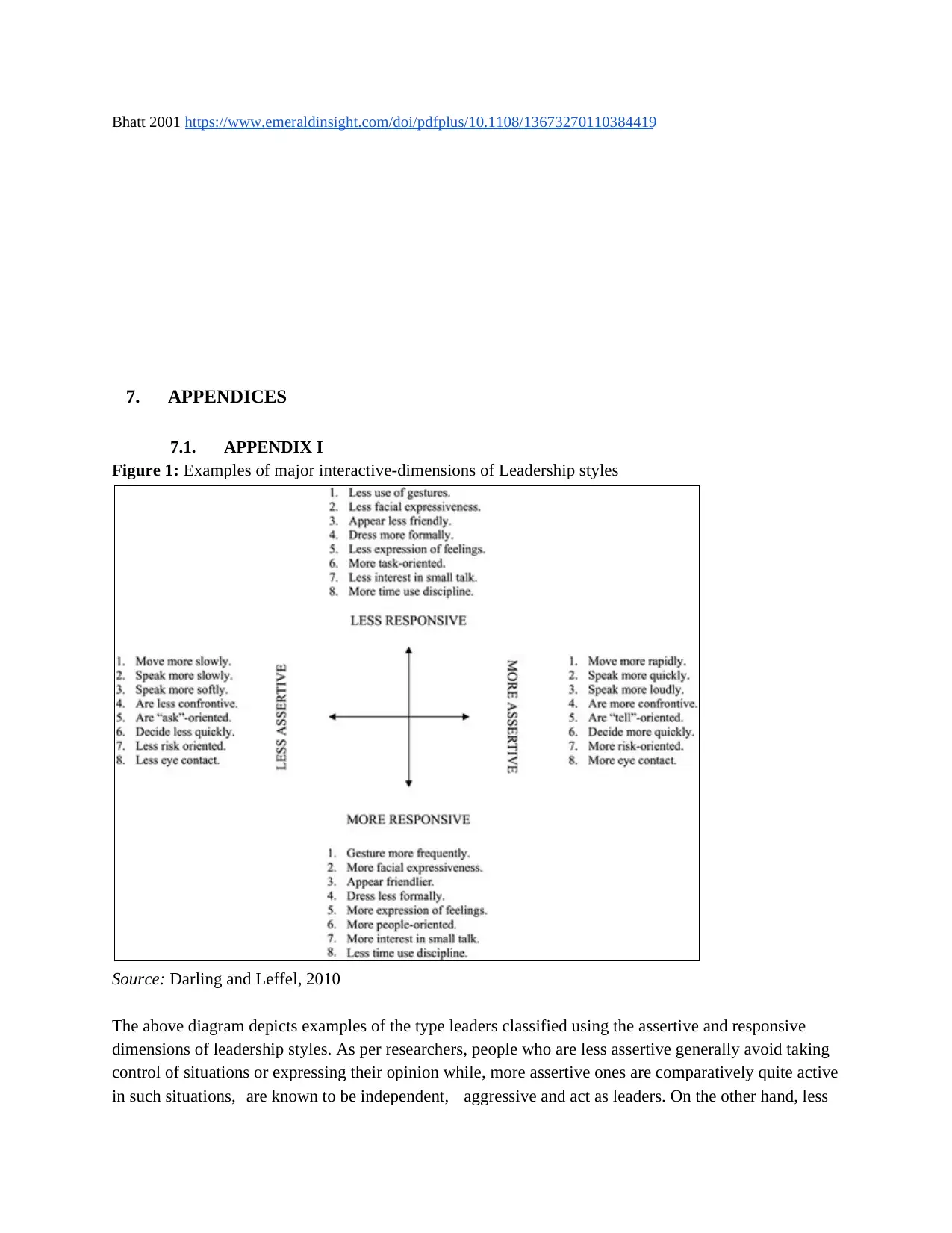
Figure 1: Examples of major interactive-dimensions of Leadership styles
Source: Darling and Leffel, 2010
The above diagram depicts examples of the type leaders classified using the assertive and responsive
dimensions of leadership styles. As per researchers, people who are less assertive generally avoid taking
control of situations or expressing their opinion while, more assertive ones are comparatively quite active
in such situations, are known to be independent, aggressive and act as leaders. On the other hand, less
7. APPENDICES
7.1. APPENDIX I
Figure 1: Examples of major interactive-dimensions of Leadership styles
Source: Darling and Leffel, 2010
The above diagram depicts examples of the type leaders classified using the assertive and responsive
dimensions of leadership styles. As per researchers, people who are less assertive generally avoid taking
control of situations or expressing their opinion while, more assertive ones are comparatively quite active
in such situations, are known to be independent, aggressive and act as leaders. On the other hand, less

responsive people do not easily express their feelings, while more responsive ones are helpful, friendly,
sensitive to other’s needs as well as compassionate (Gabrielsson, Darling and Seristö, 2009; Richmond
and McCroskey, 1990).
sensitive to other’s needs as well as compassionate (Gabrielsson, Darling and Seristö, 2009; Richmond
and McCroskey, 1990).
⊘ This is a preview!⊘
Do you want full access?
Subscribe today to unlock all pages.
Trusted by 1+ million students worldwide

1 out of 14


Related Documents


Your All-in-One AI-Powered Toolkit for Academic Success.
+13062052269
info@desklib.com
Available 24*7 on WhatsApp / Email
![[object Object]](/_next/static/media/star-bottom.7253800d.svg)
Unlock your academic potential
Copyright © 2020–2026 A2Z Services. All Rights Reserved. Developed and managed by ZUCOL.