BUS702: Economics for Managers - Market Dynamics and Trade Analysis
VerifiedAdded on 2023/06/03
|11
|2031
|353
Homework Assignment
AI Summary
This assignment delves into key concepts in economics for managers, addressing market dynamics, trade policies, and externalities. It begins by analyzing the demand and supply of risky assets, examining the impact of perceived risk on asset prices and market stability, referencing the 2007-2008 financial crisis as an example. The assignment then explores the effects of tariff removal on China's beef market, evaluating welfare consequences and broader economic impacts on both importing and exporting nations. Finally, it discusses negative externalities, particularly in the debt market, and proposes government intervention through shared responsibility mortgages to mitigate external costs. The assignment concludes by examining the role of securitization and the human bias towards safety in debt markets.
Running head: ECONOMICS FOR MANAGERS
Economics for Managers
Name of the Student
Name of the University
Course ID
Economics for Managers
Name of the Student
Name of the University
Course ID

Paraphrase This Document
Need a fresh take? Get an instant paraphrase of this document with our AI Paraphraser
1ECONOMICS FOR MANAGERS
Table of Contents
Answer 1..........................................................................................................................................2
Answer a......................................................................................................................................2
Answer b......................................................................................................................................4
Answer c......................................................................................................................................4
Answer 2..........................................................................................................................................5
Answer a......................................................................................................................................5
Answer b......................................................................................................................................6
Answer 3..........................................................................................................................................7
Answer a......................................................................................................................................7
Answer b......................................................................................................................................9
Answer c......................................................................................................................................9
Table of Contents
Answer 1..........................................................................................................................................2
Answer a......................................................................................................................................2
Answer b......................................................................................................................................4
Answer c......................................................................................................................................4
Answer 2..........................................................................................................................................5
Answer a......................................................................................................................................5
Answer b......................................................................................................................................6
Answer 3..........................................................................................................................................7
Answer a......................................................................................................................................7
Answer b......................................................................................................................................9
Answer c......................................................................................................................................9
2ECONOMICS FOR MANAGERS
Answer 1
Answer a
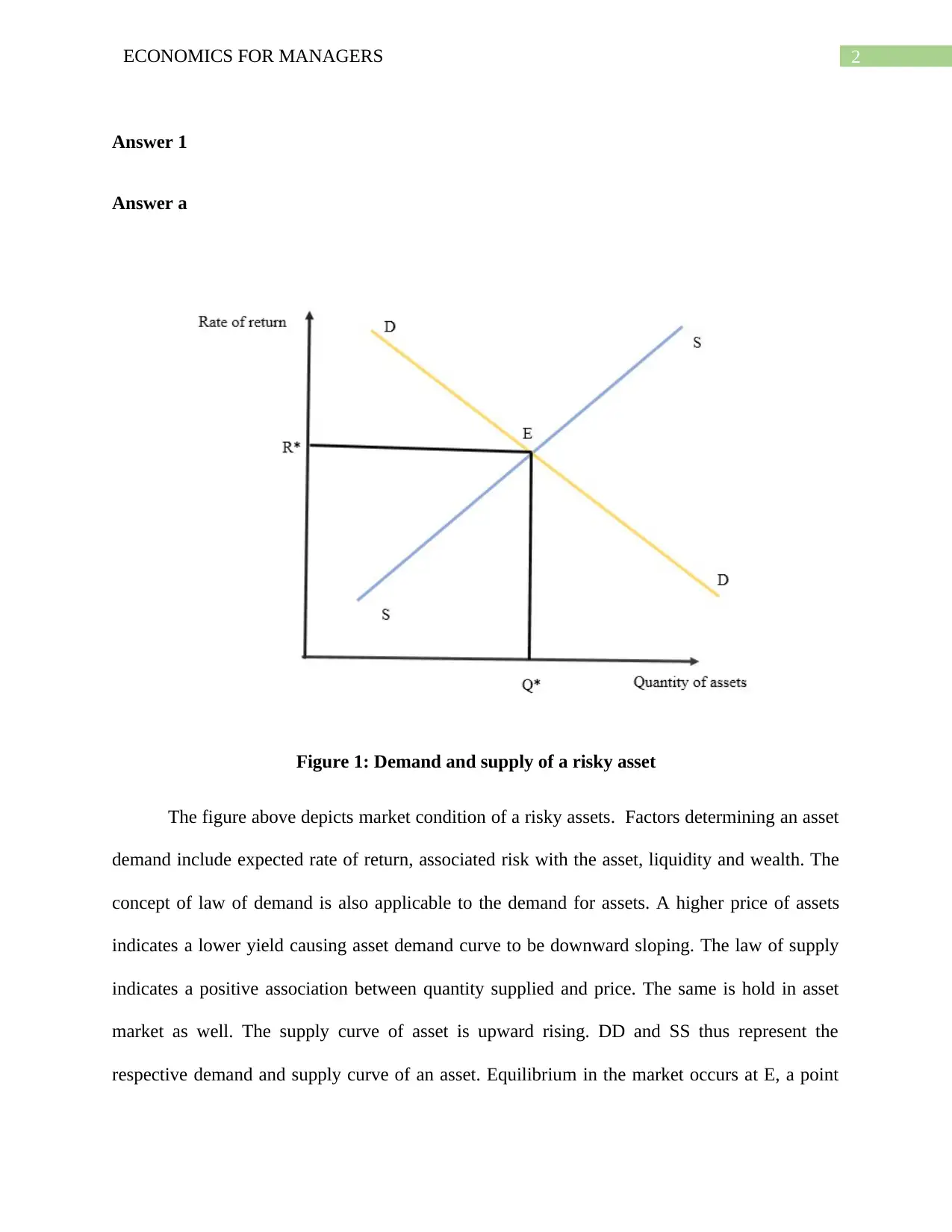
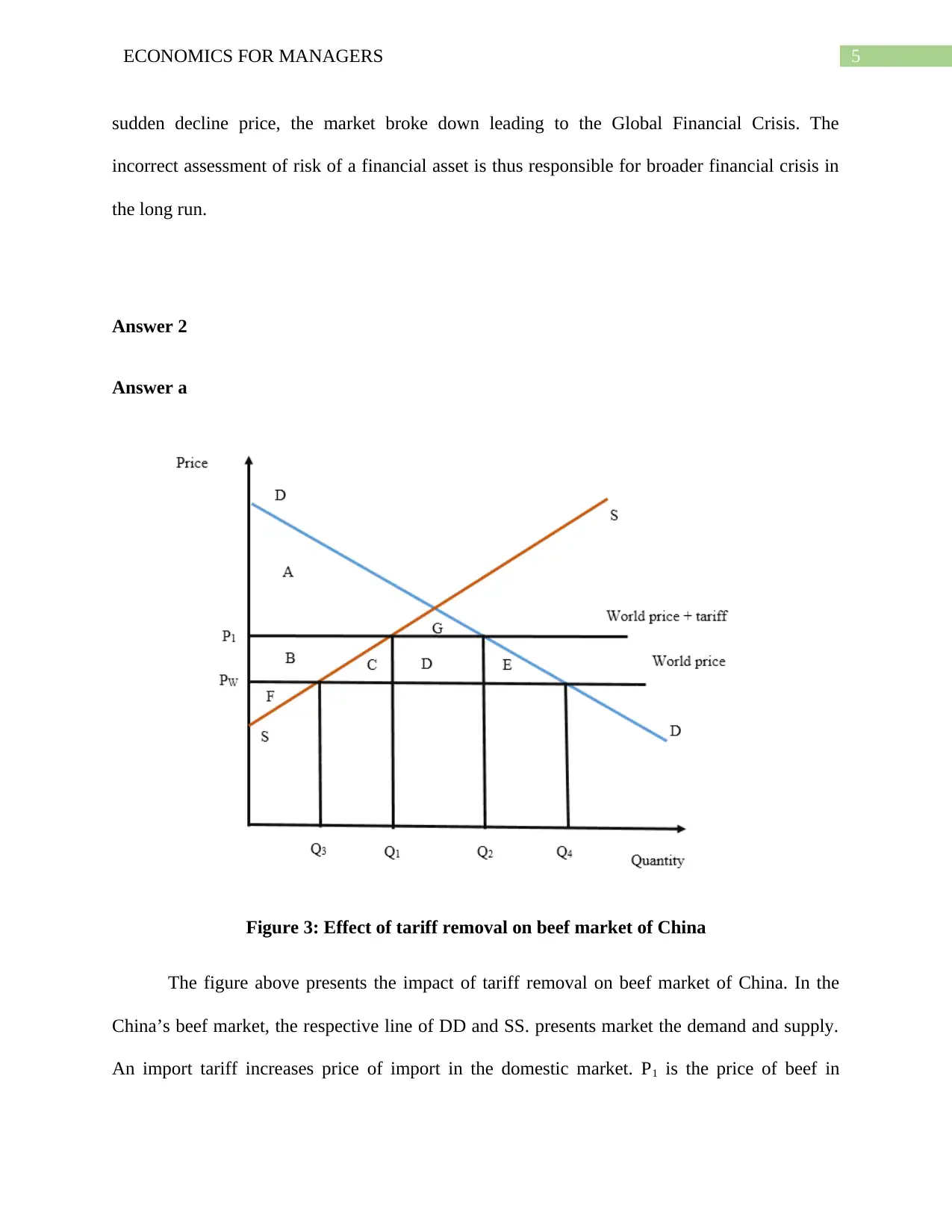
Figure 1: Demand and supply of a risky asset
The figure above depicts market condition of a risky assets. Factors determining an asset
demand include expected rate of return, associated risk with the asset, liquidity and wealth. The
concept of law of demand is also applicable to the demand for assets. A higher price of assets
indicates a lower yield causing asset demand curve to be downward sloping. The law of supply
indicates a positive association between quantity supplied and price. The same is hold in asset
market as well. The supply curve of asset is upward rising. DD and SS thus represent the
respective demand and supply curve of an asset. Equilibrium in the market occurs at E, a point
Answer 1
Answer a
Figure 1: Demand and supply of a risky asset
The figure above depicts market condition of a risky assets. Factors determining an asset
demand include expected rate of return, associated risk with the asset, liquidity and wealth. The
concept of law of demand is also applicable to the demand for assets. A higher price of assets
indicates a lower yield causing asset demand curve to be downward sloping. The law of supply
indicates a positive association between quantity supplied and price. The same is hold in asset
market as well. The supply curve of asset is upward rising. DD and SS thus represent the
respective demand and supply curve of an asset. Equilibrium in the market occurs at E, a point
⊘ This is a preview!⊘
Do you want full access?
Subscribe today to unlock all pages.

Trusted by 1+ million students worldwide
3ECONOMICS FOR MANAGERS
where asset demand and asset supply curve meet. The equilibrium point determines asset price
and quantity as P* and Q* respectively.
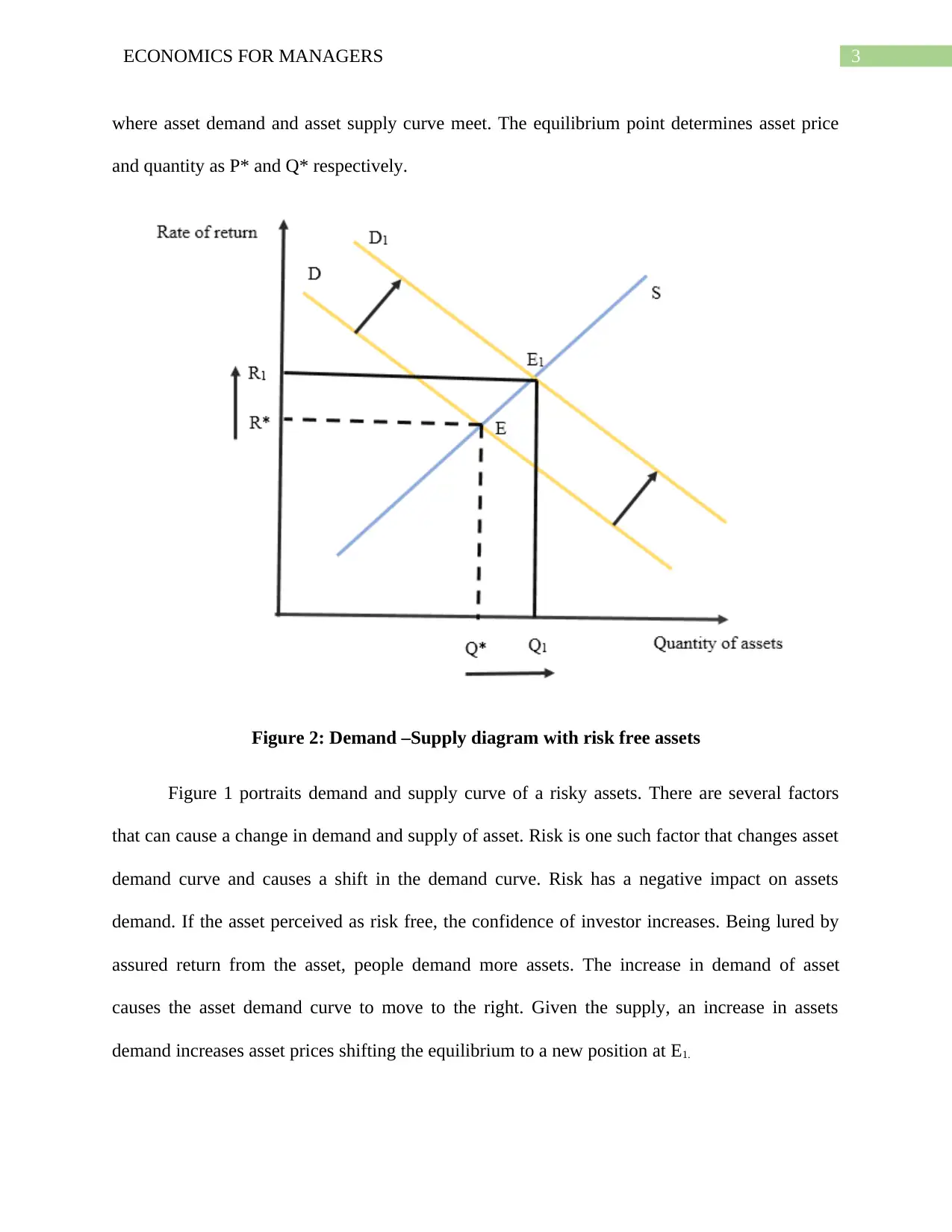
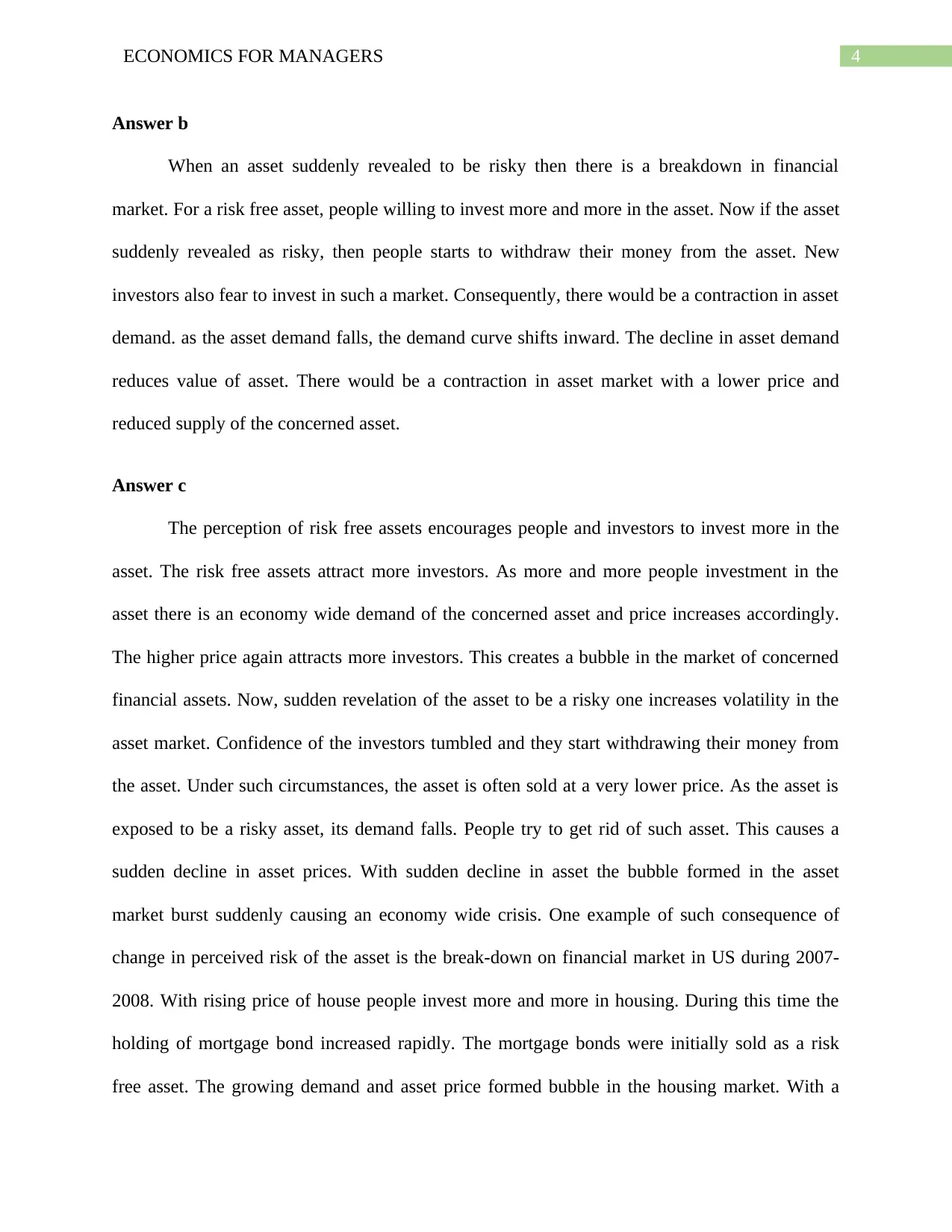
Figure 2: Demand –Supply diagram with risk free assets
Figure 1 portraits demand and supply curve of a risky assets. There are several factors
that can cause a change in demand and supply of asset. Risk is one such factor that changes asset
demand curve and causes a shift in the demand curve. Risk has a negative impact on assets
demand. If the asset perceived as risk free, the confidence of investor increases. Being lured by
assured return from the asset, people demand more assets. The increase in demand of asset
causes the asset demand curve to move to the right. Given the supply, an increase in assets
demand increases asset prices shifting the equilibrium to a new position at E1.
where asset demand and asset supply curve meet. The equilibrium point determines asset price
and quantity as P* and Q* respectively.
Figure 2: Demand –Supply diagram with risk free assets
Figure 1 portraits demand and supply curve of a risky assets. There are several factors
that can cause a change in demand and supply of asset. Risk is one such factor that changes asset
demand curve and causes a shift in the demand curve. Risk has a negative impact on assets
demand. If the asset perceived as risk free, the confidence of investor increases. Being lured by
assured return from the asset, people demand more assets. The increase in demand of asset
causes the asset demand curve to move to the right. Given the supply, an increase in assets
demand increases asset prices shifting the equilibrium to a new position at E1.
Paraphrase This Document
Need a fresh take? Get an instant paraphrase of this document with our AI Paraphraser
4ECONOMICS FOR MANAGERS
Answer b
When an asset suddenly revealed to be risky then there is a breakdown in financial
market. For a risk free asset, people willing to invest more and more in the asset. Now if the asset
suddenly revealed as risky, then people starts to withdraw their money from the asset. New
investors also fear to invest in such a market. Consequently, there would be a contraction in asset
demand. as the asset demand falls, the demand curve shifts inward. The decline in asset demand
reduces value of asset. There would be a contraction in asset market with a lower price and
reduced supply of the concerned asset.
Answer c
The perception of risk free assets encourages people and investors to invest more in the
asset. The risk free assets attract more investors. As more and more people investment in the
asset there is an economy wide demand of the concerned asset and price increases accordingly.
The higher price again attracts more investors. This creates a bubble in the market of concerned
financial assets. Now, sudden revelation of the asset to be a risky one increases volatility in the
asset market. Confidence of the investors tumbled and they start withdrawing their money from
the asset. Under such circumstances, the asset is often sold at a very lower price. As the asset is
exposed to be a risky asset, its demand falls. People try to get rid of such asset. This causes a
sudden decline in asset prices. With sudden decline in asset the bubble formed in the asset
market burst suddenly causing an economy wide crisis. One example of such consequence of
change in perceived risk of the asset is the break-down on financial market in US during 2007-
2008. With rising price of house people invest more and more in housing. During this time the
holding of mortgage bond increased rapidly. The mortgage bonds were initially sold as a risk
free asset. The growing demand and asset price formed bubble in the housing market. With a
Answer b
When an asset suddenly revealed to be risky then there is a breakdown in financial
market. For a risk free asset, people willing to invest more and more in the asset. Now if the asset
suddenly revealed as risky, then people starts to withdraw their money from the asset. New
investors also fear to invest in such a market. Consequently, there would be a contraction in asset
demand. as the asset demand falls, the demand curve shifts inward. The decline in asset demand
reduces value of asset. There would be a contraction in asset market with a lower price and
reduced supply of the concerned asset.
Answer c
The perception of risk free assets encourages people and investors to invest more in the
asset. The risk free assets attract more investors. As more and more people investment in the
asset there is an economy wide demand of the concerned asset and price increases accordingly.
The higher price again attracts more investors. This creates a bubble in the market of concerned
financial assets. Now, sudden revelation of the asset to be a risky one increases volatility in the
asset market. Confidence of the investors tumbled and they start withdrawing their money from
the asset. Under such circumstances, the asset is often sold at a very lower price. As the asset is
exposed to be a risky asset, its demand falls. People try to get rid of such asset. This causes a
sudden decline in asset prices. With sudden decline in asset the bubble formed in the asset
market burst suddenly causing an economy wide crisis. One example of such consequence of
change in perceived risk of the asset is the break-down on financial market in US during 2007-
2008. With rising price of house people invest more and more in housing. During this time the
holding of mortgage bond increased rapidly. The mortgage bonds were initially sold as a risk
free asset. The growing demand and asset price formed bubble in the housing market. With a
5ECONOMICS FOR MANAGERS
sudden decline price, the market broke down leading to the Global Financial Crisis. The
incorrect assessment of risk of a financial asset is thus responsible for broader financial crisis in
the long run.
Answer 2
Answer a
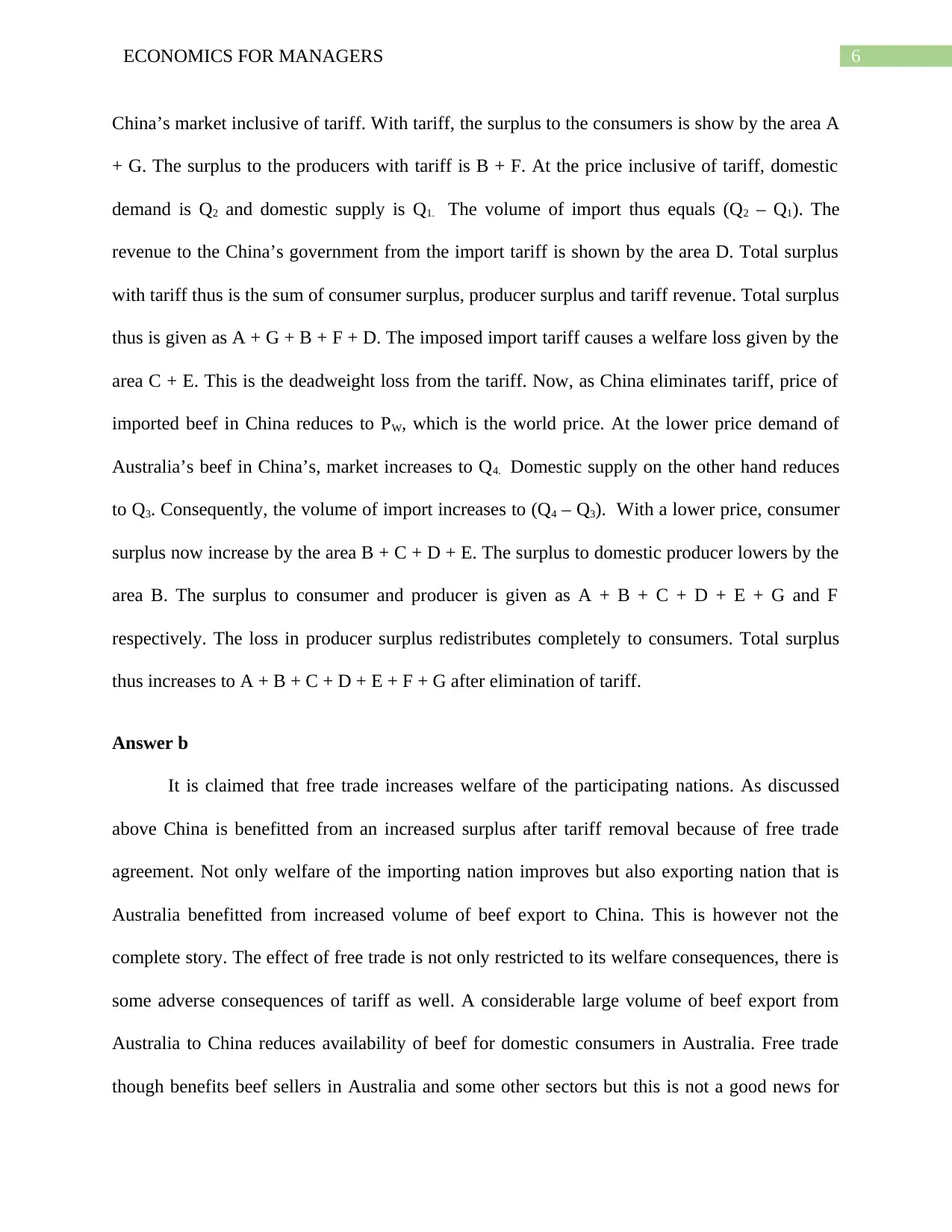
Figure 3: Effect of tariff removal on beef market of China
The figure above presents the impact of tariff removal on beef market of China. In the
China’s beef market, the respective line of DD and SS. presents market the demand and supply.
An import tariff increases price of import in the domestic market. P1 is the price of beef in
sudden decline price, the market broke down leading to the Global Financial Crisis. The
incorrect assessment of risk of a financial asset is thus responsible for broader financial crisis in
the long run.
Answer 2
Answer a
Figure 3: Effect of tariff removal on beef market of China
The figure above presents the impact of tariff removal on beef market of China. In the
China’s beef market, the respective line of DD and SS. presents market the demand and supply.
An import tariff increases price of import in the domestic market. P1 is the price of beef in
⊘ This is a preview!⊘
Do you want full access?
Subscribe today to unlock all pages.
Trusted by 1+ million students worldwide
6ECONOMICS FOR MANAGERS
China’s market inclusive of tariff. With tariff, the surplus to the consumers is show by the area A
+ G. The surplus to the producers with tariff is B + F. At the price inclusive of tariff, domestic
demand is Q2 and domestic supply is Q1. The volume of import thus equals (Q2 – Q1). The
revenue to the China’s government from the import tariff is shown by the area D. Total surplus
with tariff thus is the sum of consumer surplus, producer surplus and tariff revenue. Total surplus
thus is given as A + G + B + F + D. The imposed import tariff causes a welfare loss given by the
area C + E. This is the deadweight loss from the tariff. Now, as China eliminates tariff, price of
imported beef in China reduces to PW, which is the world price. At the lower price demand of
Australia’s beef in China’s, market increases to Q4. Domestic supply on the other hand reduces
to Q3. Consequently, the volume of import increases to (Q4 – Q3). With a lower price, consumer
surplus now increase by the area B + C + D + E. The surplus to domestic producer lowers by the
area B. The surplus to consumer and producer is given as A + B + C + D + E + G and F
respectively. The loss in producer surplus redistributes completely to consumers. Total surplus
thus increases to A + B + C + D + E + F + G after elimination of tariff.
Answer b
It is claimed that free trade increases welfare of the participating nations. As discussed
above China is benefitted from an increased surplus after tariff removal because of free trade
agreement. Not only welfare of the importing nation improves but also exporting nation that is
Australia benefitted from increased volume of beef export to China. This is however not the
complete story. The effect of free trade is not only restricted to its welfare consequences, there is
some adverse consequences of tariff as well. A considerable large volume of beef export from
Australia to China reduces availability of beef for domestic consumers in Australia. Free trade
though benefits beef sellers in Australia and some other sectors but this is not a good news for
China’s market inclusive of tariff. With tariff, the surplus to the consumers is show by the area A
+ G. The surplus to the producers with tariff is B + F. At the price inclusive of tariff, domestic
demand is Q2 and domestic supply is Q1. The volume of import thus equals (Q2 – Q1). The
revenue to the China’s government from the import tariff is shown by the area D. Total surplus
with tariff thus is the sum of consumer surplus, producer surplus and tariff revenue. Total surplus
thus is given as A + G + B + F + D. The imposed import tariff causes a welfare loss given by the
area C + E. This is the deadweight loss from the tariff. Now, as China eliminates tariff, price of
imported beef in China reduces to PW, which is the world price. At the lower price demand of
Australia’s beef in China’s, market increases to Q4. Domestic supply on the other hand reduces
to Q3. Consequently, the volume of import increases to (Q4 – Q3). With a lower price, consumer
surplus now increase by the area B + C + D + E. The surplus to domestic producer lowers by the
area B. The surplus to consumer and producer is given as A + B + C + D + E + G and F
respectively. The loss in producer surplus redistributes completely to consumers. Total surplus
thus increases to A + B + C + D + E + F + G after elimination of tariff.
Answer b
It is claimed that free trade increases welfare of the participating nations. As discussed
above China is benefitted from an increased surplus after tariff removal because of free trade
agreement. Not only welfare of the importing nation improves but also exporting nation that is
Australia benefitted from increased volume of beef export to China. This is however not the
complete story. The effect of free trade is not only restricted to its welfare consequences, there is
some adverse consequences of tariff as well. A considerable large volume of beef export from
Australia to China reduces availability of beef for domestic consumers in Australia. Free trade
though benefits beef sellers in Australia and some other sectors but this is not a good news for
Paraphrase This Document
Need a fresh take? Get an instant paraphrase of this document with our AI Paraphraser
7ECONOMICS FOR MANAGERS
agricultural sector in Australia. The agricultural sector that is not related to beef export or is not
directly affected from tariff reduction suffer from a contraction of output. There is an economic
effect both in terms of change in exchange rate and change in use of resources. Because of
switching use of resources including land, the sector directly related to beef become more
profitable over others after the removal of tariff. The theoretical assertion that economic welfare
increases because of free trade agreement is not entirely correct. Other aspects needs to be
considered as well for complete evaluation of the impact of tariff removal on the overall
economy.
Answer 3
Answer a
Negative externality is an economic term that reflect the cost imposed on a third party
following an economic transaction. In the transaction process, consumers and producers are the
first and second party while the third party can be any individual, property owner, organization
or the society. The negative spill-over effect from the transaction is known as negative
externality. The figure below explains negative externality and its likely consequences
agricultural sector in Australia. The agricultural sector that is not related to beef export or is not
directly affected from tariff reduction suffer from a contraction of output. There is an economic
effect both in terms of change in exchange rate and change in use of resources. Because of
switching use of resources including land, the sector directly related to beef become more
profitable over others after the removal of tariff. The theoretical assertion that economic welfare
increases because of free trade agreement is not entirely correct. Other aspects needs to be
considered as well for complete evaluation of the impact of tariff removal on the overall
economy.
Answer 3
Answer a
Negative externality is an economic term that reflect the cost imposed on a third party
following an economic transaction. In the transaction process, consumers and producers are the
first and second party while the third party can be any individual, property owner, organization
or the society. The negative spill-over effect from the transaction is known as negative
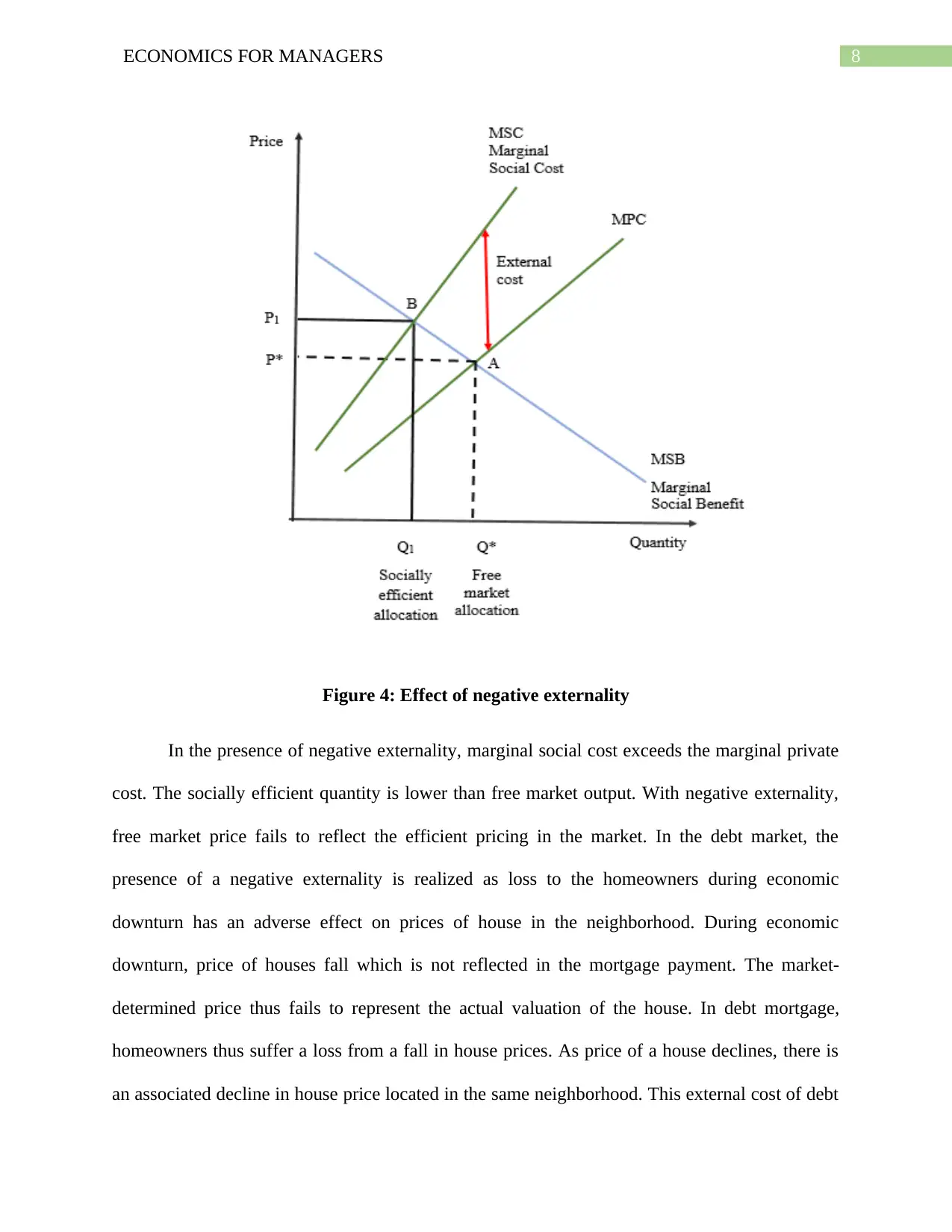
externality. The figure below explains negative externality and its likely consequences
8ECONOMICS FOR MANAGERS
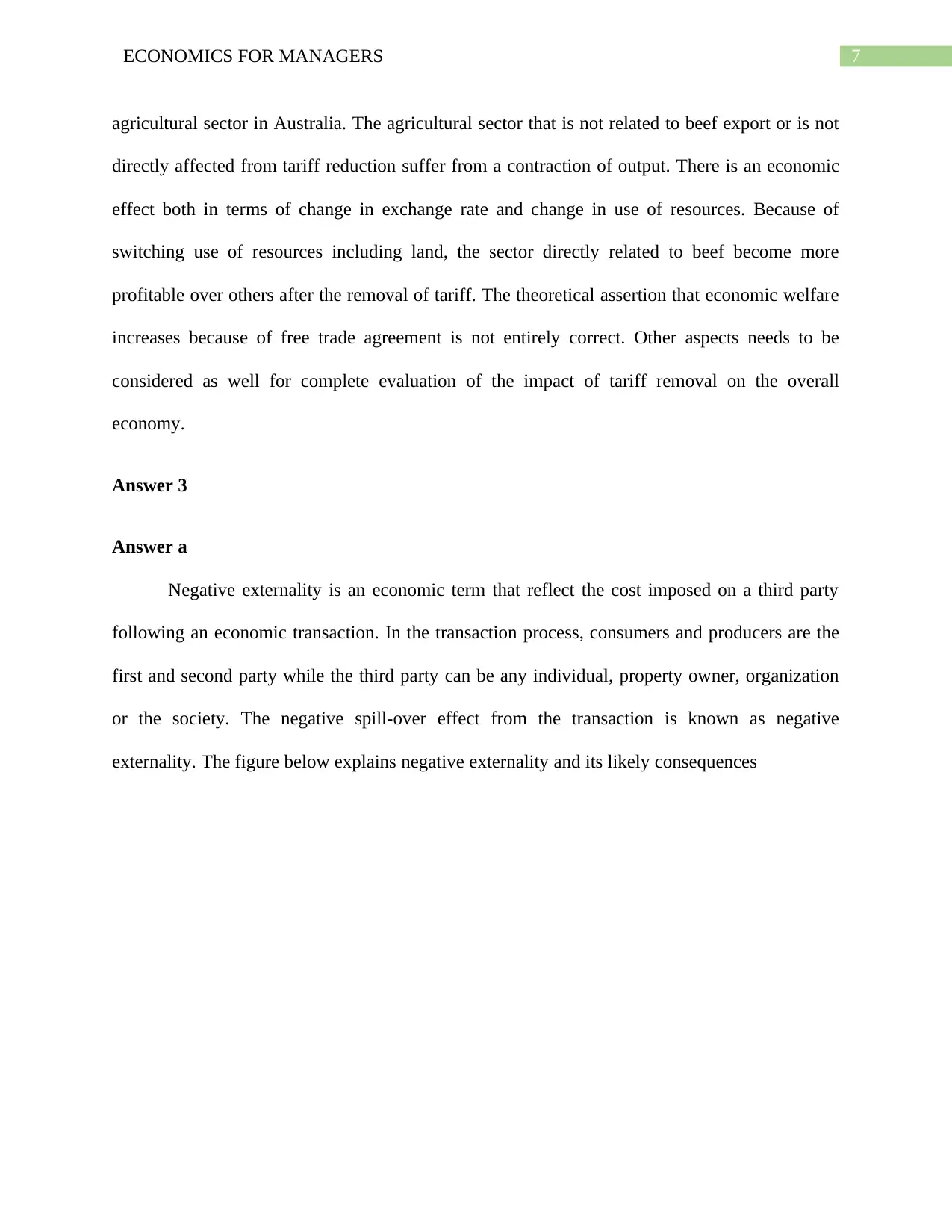
Figure 4: Effect of negative externality
In the presence of negative externality, marginal social cost exceeds the marginal private
cost. The socially efficient quantity is lower than free market output. With negative externality,
free market price fails to reflect the efficient pricing in the market. In the debt market, the
presence of a negative externality is realized as loss to the homeowners during economic
downturn has an adverse effect on prices of house in the neighborhood. During economic
downturn, price of houses fall which is not reflected in the mortgage payment. The market-
determined price thus fails to represent the actual valuation of the house. In debt mortgage,
homeowners thus suffer a loss from a fall in house prices. As price of a house declines, there is
an associated decline in house price located in the same neighborhood. This external cost of debt
Figure 4: Effect of negative externality
In the presence of negative externality, marginal social cost exceeds the marginal private
cost. The socially efficient quantity is lower than free market output. With negative externality,
free market price fails to reflect the efficient pricing in the market. In the debt market, the
presence of a negative externality is realized as loss to the homeowners during economic
downturn has an adverse effect on prices of house in the neighborhood. During economic
downturn, price of houses fall which is not reflected in the mortgage payment. The market-
determined price thus fails to represent the actual valuation of the house. In debt mortgage,
homeowners thus suffer a loss from a fall in house prices. As price of a house declines, there is
an associated decline in house price located in the same neighborhood. This external cost of debt
⊘ This is a preview!⊘
Do you want full access?
Subscribe today to unlock all pages.
Trusted by 1+ million students worldwide
9ECONOMICS FOR MANAGERS
contract however is not reflected in house price. Any example of such externality is foreclosure.
It is the direct effect of debt contract. Under this circumstance, homeowner has to bear the cost
of decline in house. Foreclosure imposes an external cost on homeowner in the neighborhood.
Answer b
The presence of external cost hampers the efficient free market outcome. A market with
external cost calls for government intervention to internalize the external cost and restore
efficiency in the market. Transaction in the debt contract thus needs government intervention to
mitigate the external cost of such transaction. Shared responsibility mortgage is an alternative
approach of debt contract. With shared responsibility mortgage, the principal mortgage balance
and payment of interest is subject are linked with a house price index. When there is a decline in
housing price in the neighborhood both the principle and interest automatically revise downward.
This helps the homeowner to escape from the loss during economic downturn. The debt contract
can be improved if homeowner and lender agree on agree terms of a shard responsibility
contract. As mortgage payment adjusts with economic condition, the external cost of direct debt
contract is mitigated. In references to the presence of negative externality in debt contract,
government should intervene in the market and promote the new product of mortgage payment.
Answer c
Research conducted in mortgage market shows that human mind is always bias towards
safety choices. The tendency of people to investment in secure assets government to drive for
asset securitization. Securitization refers to the process of pulling out risk free assets from the
risky mortgages and then selling the risk free assets separately to the investors. The process of
securitization thus helps to create safe debt. Individual and financial institutions crave for making
safe debt. The human brains lead to a disproportionate choice to safety debt. This causes a fall
contract however is not reflected in house price. Any example of such externality is foreclosure.
It is the direct effect of debt contract. Under this circumstance, homeowner has to bear the cost
of decline in house. Foreclosure imposes an external cost on homeowner in the neighborhood.
Answer b
The presence of external cost hampers the efficient free market outcome. A market with
external cost calls for government intervention to internalize the external cost and restore
efficiency in the market. Transaction in the debt contract thus needs government intervention to
mitigate the external cost of such transaction. Shared responsibility mortgage is an alternative
approach of debt contract. With shared responsibility mortgage, the principal mortgage balance
and payment of interest is subject are linked with a house price index. When there is a decline in
housing price in the neighborhood both the principle and interest automatically revise downward.
This helps the homeowner to escape from the loss during economic downturn. The debt contract
can be improved if homeowner and lender agree on agree terms of a shard responsibility
contract. As mortgage payment adjusts with economic condition, the external cost of direct debt
contract is mitigated. In references to the presence of negative externality in debt contract,
government should intervene in the market and promote the new product of mortgage payment.
Answer c
Research conducted in mortgage market shows that human mind is always bias towards
safety choices. The tendency of people to investment in secure assets government to drive for
asset securitization. Securitization refers to the process of pulling out risk free assets from the
risky mortgages and then selling the risk free assets separately to the investors. The process of
securitization thus helps to create safe debt. Individual and financial institutions crave for making
safe debt. The human brains lead to a disproportionate choice to safety debt. This causes a fall
Paraphrase This Document
Need a fresh take? Get an instant paraphrase of this document with our AI Paraphraser
10ECONOMICS FOR MANAGERS
values of risky mortgages. The concept of securitization thus is closely integrated with the
disproportionate preference for safety. The securitization increases safety of the assets and thus
attract more investors to invest in the risk free assets.
values of risky mortgages. The concept of securitization thus is closely integrated with the
disproportionate preference for safety. The securitization increases safety of the assets and thus
attract more investors to invest in the risk free assets.

1 out of 11


Related Documents


Your All-in-One AI-Powered Toolkit for Academic Success.
+13062052269
info@desklib.com
Available 24*7 on WhatsApp / Email
![[object Object]](/_next/static/media/star-bottom.7253800d.svg)
Unlock your academic potential
Copyright © 2020–2025 A2Z Services. All Rights Reserved. Developed and managed by ZUCOL.