ICT Strategic Planning Report - Business Development, Semester 1
VerifiedAdded on 2022/12/09
|12
|2441
|342
Report
AI Summary
This report delves into the intricacies of ICT strategic planning, encompassing a range of critical elements for business development. It begins by differentiating between a company's mission and strategic vision, highlighting the importance of a timeline and outlining key characteristics of a useful strategic plan. The report then analyzes a sample company vision statement, evaluating its strengths and weaknesses. Further, it explores how strategic information systems can be leveraged within the banking and insurance industries, and it emphasizes the significance of effective change management, outlining essential preparation steps. The report also assesses the risks associated with outsourcing and provides a strategic planning process to ensure that organizations are making the best decisions for their business. Finally, the document concludes with a SWOT analysis for a hypothetical hotel business to illustrate strategic planning in a real-world context. The report also provides a case study of a hotel business and presents a three-year strategic plan for its IT department, incorporating SWOT analysis to address strengths, weaknesses, opportunities, and threats. The report also explores the role of information systems in human resource management and the success factors of IT infrastructure and strategic information system planning. The report provides a comprehensive overview of ICT strategic planning and its practical application in business environments. The student's assignment provides a valuable resource for those studying ICT strategic planning.

qwertyuiopasdfghjklzxcvbnmqwe
rtyuiopasdfghjklzxcvbnmqwertyu
iopasdfghjklzxcvbnmqwertyuiopa
sdfghjklzxcvbnmqwertyuiopasdfg
hjklzxcvbnmqwertyuiopasdfghjkl
zxcvbnmqwertyuiopasdfghjklzxcv
bnmqwertyuiopasdfghjklzxcvbnm
qwertyuiopasdfghjklzxcvbnmqwe
rtyuiopasdfghjklzxcvbnmqwertyu
iopasdfghjklzxcvbnmqwertyuiopa
sdfghjklzxcvbnmqwertyuiopasdfg
hjklzxcvbnmqwertyuiopasdfghjkl
zxcvbnmqwertyuiopasdfghjklzxcv
bnmqwertyuiopasdfghjklzxcvbnm
qwertyuiopasdfghjklzxcvbnmqwe
rtyuiopasdfghjklzxcvbnmrtyuiopa
ICT
[Type the document subtitle]
7/9/2019
Student name
rtyuiopasdfghjklzxcvbnmqwertyu
iopasdfghjklzxcvbnmqwertyuiopa
sdfghjklzxcvbnmqwertyuiopasdfg
hjklzxcvbnmqwertyuiopasdfghjkl
zxcvbnmqwertyuiopasdfghjklzxcv
bnmqwertyuiopasdfghjklzxcvbnm
qwertyuiopasdfghjklzxcvbnmqwe
rtyuiopasdfghjklzxcvbnmqwertyu
iopasdfghjklzxcvbnmqwertyuiopa
sdfghjklzxcvbnmqwertyuiopasdfg
hjklzxcvbnmqwertyuiopasdfghjkl
zxcvbnmqwertyuiopasdfghjklzxcv
bnmqwertyuiopasdfghjklzxcvbnm
qwertyuiopasdfghjklzxcvbnmqwe
rtyuiopasdfghjklzxcvbnmrtyuiopa
ICT
[Type the document subtitle]
7/9/2019
Student name

Paraphrase This Document
Need a fresh take? Get an instant paraphrase of this document with our AI Paraphraser
ICT
1
Contents
Part A...............................................................................................................................................2
Question 1........................................................................................................................................2
Question 2........................................................................................................................................2
Question 3........................................................................................................................................3
Question 4........................................................................................................................................4
Question 5........................................................................................................................................4
Question 6........................................................................................................................................5
Part B...............................................................................................................................................6
Question 1........................................................................................................................................6
Question 2........................................................................................................................................7
References......................................................................................................................................10
1
Contents
Part A...............................................................................................................................................2
Question 1........................................................................................................................................2
Question 2........................................................................................................................................2
Question 3........................................................................................................................................3
Question 4........................................................................................................................................4
Question 5........................................................................................................................................4
Question 6........................................................................................................................................5
Part B...............................................................................................................................................6
Question 1........................................................................................................................................6
Question 2........................................................................................................................................7
References......................................................................................................................................10
ICT
2
Part A
Question 1
The key difference in strategic vision and mission of a company is a timeline. It depicts that the
mission is the current aspect that the company is doing whereas the strategic vision of a company
talks about the future goal that is to accomplish by the company. The mission reflects the course
of action that the personnel must implement in order to attain the planned strategic vision of the
company.
The key characteristics of a useful strategic plan are
Inclusive – The strategic plan chances to be successful and useful if people of the
organization are included in the plan and the management is not preparing and just
communicating the plan to personnel (Aas & Rubin, 2015).
Tangible and specific action – The strategic plan must be achievable and specific and
must be measurable to be useful for the company.
Incorporation of operational realities - The strategic plan is of no use if it has not
considered to facts and reality of the operations of the organization (Carton, 2014).
Question 2
Customer centric – The vision of the company was focused toward the customer concern
and considers the needs and desire of the customer while providing the affordable
product.
2
Part A
Question 1
The key difference in strategic vision and mission of a company is a timeline. It depicts that the
mission is the current aspect that the company is doing whereas the strategic vision of a company
talks about the future goal that is to accomplish by the company. The mission reflects the course
of action that the personnel must implement in order to attain the planned strategic vision of the
company.
The key characteristics of a useful strategic plan are
Inclusive – The strategic plan chances to be successful and useful if people of the
organization are included in the plan and the management is not preparing and just
communicating the plan to personnel (Aas & Rubin, 2015).
Tangible and specific action – The strategic plan must be achievable and specific and
must be measurable to be useful for the company.
Incorporation of operational realities - The strategic plan is of no use if it has not
considered to facts and reality of the operations of the organization (Carton, 2014).
Question 2
Customer centric – The vision of the company was focused toward the customer concern
and considers the needs and desire of the customer while providing the affordable
product.
⊘ This is a preview!⊘
Do you want full access?
Subscribe today to unlock all pages.

Trusted by 1+ million students worldwide
ICT
3
Directional – The vision shows the direction for the company and employees of the
company that must be lead towards the technical advancement and cost leading strategy.
Not unique – One of the negative aspects regarding the vision statement was that the
vision was not unique and appealing, which must be one of the main character present in
a good and effective vision statement (Bruns, 2013).
Vivid – This is the key charter identified from the vision stated, the reason being the
mental image of the vision of this company is clearly pictured through the statement and
can be easily understood with the direction that the vision is depicting.
Question 3
The competition has increased in the banking and insurance industry for which the company can
use strategic information system in order to gain competitive advantage. The major ways through
which the information system can be implemented and useful in banking and insurance industry
are firstly product development. It has been observed that the demographic factors of a nation
kept on changing, which reflect the need for innovation and new product development. The new
product development process is found to be very time taking and lengthy, for which an effective
information system within the organization help the bank to increase the decision making
process and do not let gain first mover advantage to the competitors.
Another way to incorporate information system is through performance, in the banking system
the organization is looking for the efficient service delivery. With the use of an information
system of the bank, individual performance of each employee can be monitored easily
considering various parameters (researchgate, 2019).
3
Directional – The vision shows the direction for the company and employees of the
company that must be lead towards the technical advancement and cost leading strategy.
Not unique – One of the negative aspects regarding the vision statement was that the
vision was not unique and appealing, which must be one of the main character present in
a good and effective vision statement (Bruns, 2013).
Vivid – This is the key charter identified from the vision stated, the reason being the
mental image of the vision of this company is clearly pictured through the statement and
can be easily understood with the direction that the vision is depicting.
Question 3
The competition has increased in the banking and insurance industry for which the company can
use strategic information system in order to gain competitive advantage. The major ways through
which the information system can be implemented and useful in banking and insurance industry
are firstly product development. It has been observed that the demographic factors of a nation
kept on changing, which reflect the need for innovation and new product development. The new
product development process is found to be very time taking and lengthy, for which an effective
information system within the organization help the bank to increase the decision making
process and do not let gain first mover advantage to the competitors.
Another way to incorporate information system is through performance, in the banking system
the organization is looking for the efficient service delivery. With the use of an information
system of the bank, individual performance of each employee can be monitored easily
considering various parameters (researchgate, 2019).
Paraphrase This Document
Need a fresh take? Get an instant paraphrase of this document with our AI Paraphraser
ICT
4
Question 4
1. Reduce Resistance to change - this is the major problem when any change is
implemented in a company, which must be reduced with change management by
preparing staff well before and effective communication.
2. Increased cost due to poor change management – the change cause large amount involve
and so do the risk, with preparedness, and well managed change management, the
organizational cost can be reduced.
3. Retain employees – Change result in increased employee turnover of the company, that
needs to be reduced, which is possible through preparing the employee for change
management.
4. Providing support to employees – The preparation in advance leads to support for an
employee at the time of change management implementation
5. Assessment of skill gap – Through preparation, the skills available and needed could be
measured and assessed (Brown & Cummings, 2016).
Question 5
1. Increased cost – Outsource increase the cost to the company as the company needs to
provide an additional commission to the outsourcing company as well.
2. Lack of control – The company of the company is identified to be lost or reduced due to
the provision of responsibility and authority of a particular project or task to another
company.
4
Question 4
1. Reduce Resistance to change - this is the major problem when any change is
implemented in a company, which must be reduced with change management by
preparing staff well before and effective communication.
2. Increased cost due to poor change management – the change cause large amount involve
and so do the risk, with preparedness, and well managed change management, the
organizational cost can be reduced.
3. Retain employees – Change result in increased employee turnover of the company, that
needs to be reduced, which is possible through preparing the employee for change
management.
4. Providing support to employees – The preparation in advance leads to support for an
employee at the time of change management implementation
5. Assessment of skill gap – Through preparation, the skills available and needed could be
measured and assessed (Brown & Cummings, 2016).
Question 5
1. Increased cost – Outsource increase the cost to the company as the company needs to
provide an additional commission to the outsourcing company as well.
2. Lack of control – The company of the company is identified to be lost or reduced due to
the provision of responsibility and authority of a particular project or task to another
company.
ICT
5
3. Decreased organizational trust – The internal capabilities of the organization are doubted
by taking the decision of outsourcing by the management, which could lead to decrease
the organizational trust between employer and employee.
4. Not optimum utilization of internal resources – The resources of the company are not
optimally utilized according to their capability and expense paid for them like fixed
resources that is land, capital, machines, and human resource (Kerzner, 2017).
Question 6
Key strategic planning process tools include:
1. Balance scorecard (to analyze the strategic objectives)
2. Porter’s five force model (To analyze the industry) (Ogutu & Mathooko, 2015)
3. PESTLE analysis (to analyze the national factors ) (Trivedi, 2016)
4. VRIO framework (to analyze the competitive advantage and company resources)
5. Value chain analysis (to analyze organizational activities)
ICT strategic plan process
1. Getting started – Clarify vision and goal setting
2. Gathering and analysis of information
3. Decision making – formulation of strategy
4. Implementation of strategy
5. Evaluation and control
5
3. Decreased organizational trust – The internal capabilities of the organization are doubted
by taking the decision of outsourcing by the management, which could lead to decrease
the organizational trust between employer and employee.
4. Not optimum utilization of internal resources – The resources of the company are not
optimally utilized according to their capability and expense paid for them like fixed
resources that is land, capital, machines, and human resource (Kerzner, 2017).
Question 6
Key strategic planning process tools include:
1. Balance scorecard (to analyze the strategic objectives)
2. Porter’s five force model (To analyze the industry) (Ogutu & Mathooko, 2015)
3. PESTLE analysis (to analyze the national factors ) (Trivedi, 2016)
4. VRIO framework (to analyze the competitive advantage and company resources)
5. Value chain analysis (to analyze organizational activities)
ICT strategic plan process
1. Getting started – Clarify vision and goal setting
2. Gathering and analysis of information
3. Decision making – formulation of strategy
4. Implementation of strategy
5. Evaluation and control
⊘ This is a preview!⊘
Do you want full access?
Subscribe today to unlock all pages.
Trusted by 1+ million students worldwide
ICT
6
Part B
Question 1
a) Technology based information system has changed the scenario in various industries; various
researches have been conducting including considering its role in human resource and
management of information technology in an organization (Recker, 2013). As per the scholar,
there has been various transformation implemented in the organizations where the extended use
of information system has a major role. Information technology has imposed a major effect on an
individual, community, and effectiveness of the organization. Continuous innovation through the
technological system has led to transform the collection information related to the store and other
activities within and outside the organization, and most importantly dissemination of information
(Whitaker, Ekman, & Thompson, 2017).
The key role of the human resource information system is providing accurate information, most
relevant information, and timely information that is the availability of information when
required. In order to attain key objectives of the company, all the individual especially the top
management who’s responsibility is to provide the organization with an appropriate strategic
plan needs to have the correct information at the time needed (Lima & Sliva, 2018).
b) The key success factor of information technology infrastructure and strategic information
system planning are information system capability as per the research studying the SISP success
through capability perspective (Slack, 2018). The study has researched that is the direct link of
IS capability of an organization and rate of success of SISP. SISP is responsible for assessing the
environment, encounter complexity, tracking the development of IT, and monitor the key
6
Part B
Question 1
a) Technology based information system has changed the scenario in various industries; various
researches have been conducting including considering its role in human resource and
management of information technology in an organization (Recker, 2013). As per the scholar,
there has been various transformation implemented in the organizations where the extended use
of information system has a major role. Information technology has imposed a major effect on an
individual, community, and effectiveness of the organization. Continuous innovation through the
technological system has led to transform the collection information related to the store and other
activities within and outside the organization, and most importantly dissemination of information
(Whitaker, Ekman, & Thompson, 2017).
The key role of the human resource information system is providing accurate information, most
relevant information, and timely information that is the availability of information when
required. In order to attain key objectives of the company, all the individual especially the top
management who’s responsibility is to provide the organization with an appropriate strategic
plan needs to have the correct information at the time needed (Lima & Sliva, 2018).
b) The key success factor of information technology infrastructure and strategic information
system planning are information system capability as per the research studying the SISP success
through capability perspective (Slack, 2018). The study has researched that is the direct link of
IS capability of an organization and rate of success of SISP. SISP is responsible for assessing the
environment, encounter complexity, tracking the development of IT, and monitor the key
Paraphrase This Document
Need a fresh take? Get an instant paraphrase of this document with our AI Paraphraser
ICT
7
competitors of the brand using IT (Wather & Ramirez, 2015). As per the scholar the resources of
the company that is the attributes of the firm, information, organizational processes, capabilities,
and assesses are responsible to empower the organization to create, formulation, and
implementation of efficient and effective strategies (Bruggeman & Baerdemaeker, 2015).
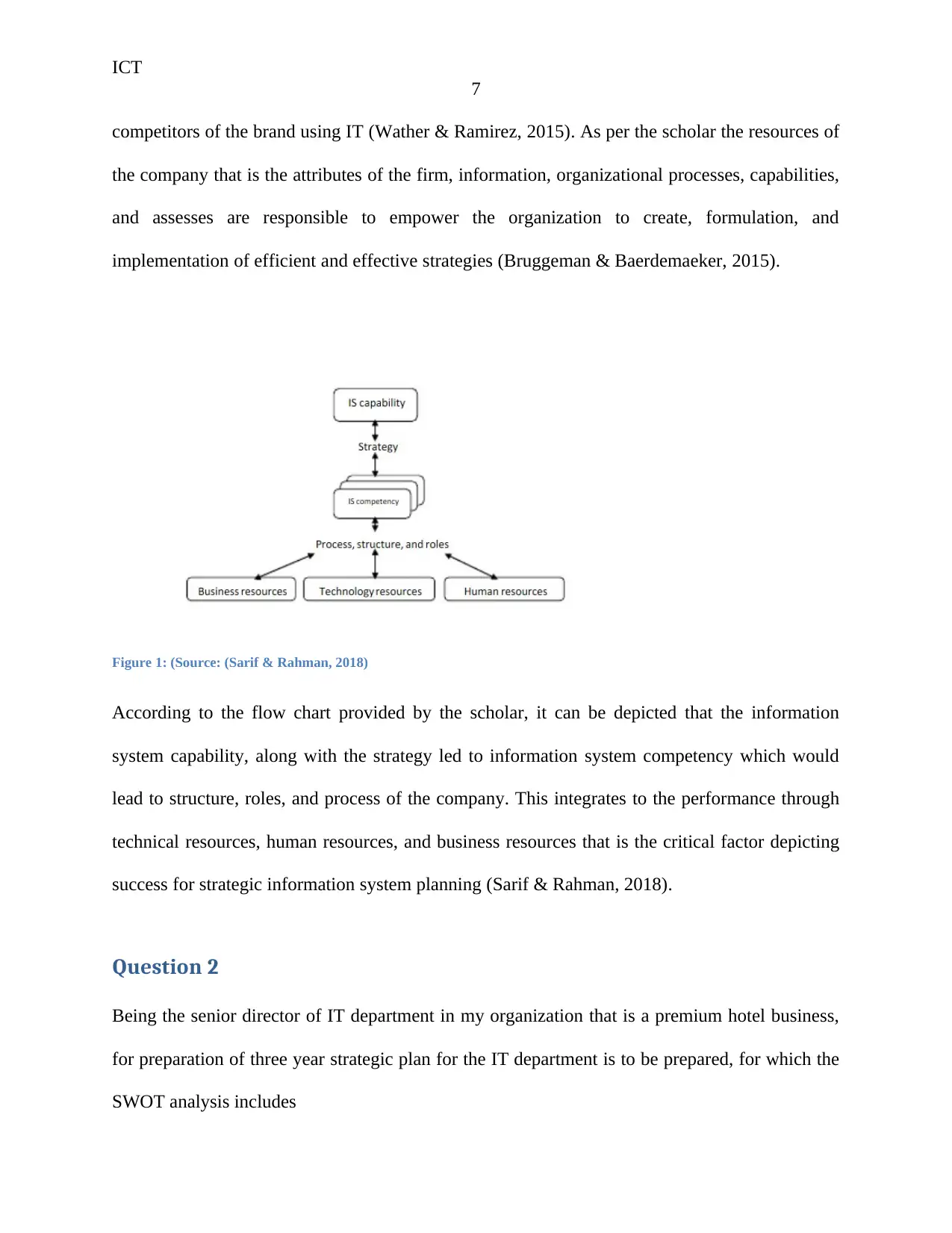
Figure 1: (Source: (Sarif & Rahman, 2018)
According to the flow chart provided by the scholar, it can be depicted that the information
system capability, along with the strategy led to information system competency which would
lead to structure, roles, and process of the company. This integrates to the performance through
technical resources, human resources, and business resources that is the critical factor depicting
success for strategic information system planning (Sarif & Rahman, 2018).
Question 2
Being the senior director of IT department in my organization that is a premium hotel business,
for preparation of three year strategic plan for the IT department is to be prepared, for which the
SWOT analysis includes
7
competitors of the brand using IT (Wather & Ramirez, 2015). As per the scholar the resources of
the company that is the attributes of the firm, information, organizational processes, capabilities,
and assesses are responsible to empower the organization to create, formulation, and
implementation of efficient and effective strategies (Bruggeman & Baerdemaeker, 2015).
Figure 1: (Source: (Sarif & Rahman, 2018)
According to the flow chart provided by the scholar, it can be depicted that the information
system capability, along with the strategy led to information system competency which would
lead to structure, roles, and process of the company. This integrates to the performance through
technical resources, human resources, and business resources that is the critical factor depicting
success for strategic information system planning (Sarif & Rahman, 2018).
Question 2
Being the senior director of IT department in my organization that is a premium hotel business,
for preparation of three year strategic plan for the IT department is to be prepared, for which the
SWOT analysis includes
ICT
8
Strengths
1. Information system capability of the company
2. Technological innovation
3. Organizational culture including technological adaptation and innovation
4. Good financial resources of the company (Shen, 2015)
Weakness
1. Increased cost to the company
2. Resistance to a major change
3. Increased competition
4. High imitability of technological innovation (Hunt & Bicen, 2017)
Opportunity
1. Increase customer service quality
2. The decrease in human efforts
3. Technological updating
4. Gain a competitive advantage through innovation (Norman & Verganti, 2014)
Threats
1. The threat of new entrant
2. Risk of technological failure
3. Technical degradation
4. The threat of increased employee turnover (Bull & Sitas, 2016)
8
Strengths
1. Information system capability of the company
2. Technological innovation
3. Organizational culture including technological adaptation and innovation
4. Good financial resources of the company (Shen, 2015)
Weakness
1. Increased cost to the company
2. Resistance to a major change
3. Increased competition
4. High imitability of technological innovation (Hunt & Bicen, 2017)
Opportunity
1. Increase customer service quality
2. The decrease in human efforts
3. Technological updating
4. Gain a competitive advantage through innovation (Norman & Verganti, 2014)
Threats
1. The threat of new entrant
2. Risk of technological failure
3. Technical degradation
4. The threat of increased employee turnover (Bull & Sitas, 2016)
⊘ This is a preview!⊘
Do you want full access?
Subscribe today to unlock all pages.
Trusted by 1+ million students worldwide
ICT
9
Therefore, it can be said that the strengths of the hotel company can be used in order to gain a
competitive advantage. The use of technology has increased to greater extent since years in the
hospitality industry that also include digitalization in business (Misra, 2017). The technological
innovation can be promoted in the IT team in order to attain new ideas from the team that can
improve the services for the customer in order to enhance the customer satisfaction. However in
order to sustain in the industry the company needs to overcome their weakness like innovative
idea implementation that cannot be easily imitated by the competitors. Moreover, the change
management will be implied in the It department teams in order to minimize the resistance by
employees to change, this will also help in avoiding the threat of increased employee turnover
(Judith & Steven, 2002).
9
Therefore, it can be said that the strengths of the hotel company can be used in order to gain a
competitive advantage. The use of technology has increased to greater extent since years in the
hospitality industry that also include digitalization in business (Misra, 2017). The technological
innovation can be promoted in the IT team in order to attain new ideas from the team that can
improve the services for the customer in order to enhance the customer satisfaction. However in
order to sustain in the industry the company needs to overcome their weakness like innovative
idea implementation that cannot be easily imitated by the competitors. Moreover, the change
management will be implied in the It department teams in order to minimize the resistance by
employees to change, this will also help in avoiding the threat of increased employee turnover
(Judith & Steven, 2002).
Paraphrase This Document
Need a fresh take? Get an instant paraphrase of this document with our AI Paraphraser
ICT
10
References
Aas, T., & Rubin, T. (2015). Knowledge flow in technological business incubators: evidence
from Australia and Israel. Technovation, 11.
Betton, P. (2017). Competitive Strategy: Creating and Sustaining Superior Performance. Macat
Library.
Brown, K., & Cummings, S. (2016). Unfreezing change as three steps: Rethinking Kurt Lewin’s
legacy for change management. human relations, 33.
Bruggeman, W., & Baerdemaeker, J. (2015). The impact of participation in strategic planning on
managers’ creation of budgetary slack: The mediating role of autonomous motivation and
affective organisational commitment. Management Accounting Research, 29, 1-2.
Bruns, P. (2013). Corporate Entrepreneurship: Innovation and Strategy in large organisations
(3rd ed.). london: Palgrave MacMillan.
Bull, J., & Sitas, N. (2016). Strengths, Weaknesses, Opportunities and Threats: A SWOT
analysis of the ecosystem services framework. Ecosystem Services, 17(1), 99.
Carton, A. (2014). A (blurry) vision of the future: How leader rhetoric about ultimate goals
influences performance. Academy of Management Journal, 57(6), 1544-1570.
Hunt, D., & Bicen, P. (2017). The FREE (Firm Resources and External Environment)
Framework as an Alternative to SWOT: An Abstract. In Academy of Marketing Science
Annual Conference, 49.
Judith, R., & Steven, R. (2002). Information Technology Service Delivery: an International
Comparison. Information Systems Management, 19(1), 62-70.
Kerzner, H. (2017). Project management: a systems approach to planning, scheduling, and
controlling (12th ed.). New Jersey: John Wiley & sons.
Lima, C., & Sliva, M. (2018). The role of Information systems in human resources management.
Management of Information Systems, 113-126.
Misra, P. (2017). Brick and mortar store vs. online shopping experience: a study,. International
Journal of Information Technology and Management, 16(2), 133-146.
Norman, D., & Verganti, R. (2014). Incremental and radical innovation: Design research vs.
technology and meaning change. Design issues, 78.
10
References
Aas, T., & Rubin, T. (2015). Knowledge flow in technological business incubators: evidence
from Australia and Israel. Technovation, 11.
Betton, P. (2017). Competitive Strategy: Creating and Sustaining Superior Performance. Macat
Library.
Brown, K., & Cummings, S. (2016). Unfreezing change as three steps: Rethinking Kurt Lewin’s
legacy for change management. human relations, 33.
Bruggeman, W., & Baerdemaeker, J. (2015). The impact of participation in strategic planning on
managers’ creation of budgetary slack: The mediating role of autonomous motivation and
affective organisational commitment. Management Accounting Research, 29, 1-2.
Bruns, P. (2013). Corporate Entrepreneurship: Innovation and Strategy in large organisations
(3rd ed.). london: Palgrave MacMillan.
Bull, J., & Sitas, N. (2016). Strengths, Weaknesses, Opportunities and Threats: A SWOT
analysis of the ecosystem services framework. Ecosystem Services, 17(1), 99.
Carton, A. (2014). A (blurry) vision of the future: How leader rhetoric about ultimate goals
influences performance. Academy of Management Journal, 57(6), 1544-1570.
Hunt, D., & Bicen, P. (2017). The FREE (Firm Resources and External Environment)
Framework as an Alternative to SWOT: An Abstract. In Academy of Marketing Science
Annual Conference, 49.
Judith, R., & Steven, R. (2002). Information Technology Service Delivery: an International
Comparison. Information Systems Management, 19(1), 62-70.
Kerzner, H. (2017). Project management: a systems approach to planning, scheduling, and
controlling (12th ed.). New Jersey: John Wiley & sons.
Lima, C., & Sliva, M. (2018). The role of Information systems in human resources management.
Management of Information Systems, 113-126.
Misra, P. (2017). Brick and mortar store vs. online shopping experience: a study,. International
Journal of Information Technology and Management, 16(2), 133-146.
Norman, D., & Verganti, R. (2014). Incremental and radical innovation: Design research vs.
technology and meaning change. Design issues, 78.
ICT
11
Ogutu, M., & Mathooko, F. (2015). Porter’s five competitive forces framework and other factors
that influence the choice of response strategies adopted by public universities in Kenya.
International Journal of Educational Management, 29(3), 334.
Recker, J. (2013). The Effect of Strategic Human Resource Management on Organizational
Performance: The Mediating Role of High & Performance Human Resource Practices.
Human Resource Management,, 52(6), 899-921.
researchgate. (2019).
An_Overview_of_Strategic_Information_Systems_Planning_in_Banking_Sectors_A_case
_study_of_Riyadh_Bank_of_KSA. Retrieved from
https://www.researchgate.net/publication/304066349_An_Overview_of_Strategic_Infor
mation_Systems_Planning_in_Banking_Sectors_A_case_study_of_Riyadh_Bank_of_KS
A
Sarif, S., & Rahman, N. (2018). trategic Information System Planning (SISP) Success: A Case
Study. In International Conference on Kansei Engineering & Emotion Research, 692-
703.
Shen, H. (2015). Critical success factors for leading hotel brands in Asia: a case study of Banyan
Tree. International Journal of Marketing Studies, 7(3), 19.
Slack, N. (2018). Operations and process management: principles and practice for strategic
impact. UK: Pearson.
Trivedi, M. (2016). PESTLE technique–a tool to identify external risks in construction projects.
International Research Journal of Engineering and Technology (IRJET), 3(1), 384-388.
Wather, J., & Ramirez, A. (2015). Interpersonal and hyperpersonal dimensions of computer-
mediated communication. The handbook of the psychology of communication technology,
1(22).
Whitaker, J., Ekman, P., & Thompson, S. (2017). How Multinational Corporations Use
Information Technology to Manage Global Operations. Journal of Computer Information
Systems, 57(2), 112-122.
11
Ogutu, M., & Mathooko, F. (2015). Porter’s five competitive forces framework and other factors
that influence the choice of response strategies adopted by public universities in Kenya.
International Journal of Educational Management, 29(3), 334.
Recker, J. (2013). The Effect of Strategic Human Resource Management on Organizational
Performance: The Mediating Role of High & Performance Human Resource Practices.
Human Resource Management,, 52(6), 899-921.
researchgate. (2019).
An_Overview_of_Strategic_Information_Systems_Planning_in_Banking_Sectors_A_case
_study_of_Riyadh_Bank_of_KSA. Retrieved from
https://www.researchgate.net/publication/304066349_An_Overview_of_Strategic_Infor
mation_Systems_Planning_in_Banking_Sectors_A_case_study_of_Riyadh_Bank_of_KS
A
Sarif, S., & Rahman, N. (2018). trategic Information System Planning (SISP) Success: A Case
Study. In International Conference on Kansei Engineering & Emotion Research, 692-
703.
Shen, H. (2015). Critical success factors for leading hotel brands in Asia: a case study of Banyan
Tree. International Journal of Marketing Studies, 7(3), 19.
Slack, N. (2018). Operations and process management: principles and practice for strategic
impact. UK: Pearson.
Trivedi, M. (2016). PESTLE technique–a tool to identify external risks in construction projects.
International Research Journal of Engineering and Technology (IRJET), 3(1), 384-388.
Wather, J., & Ramirez, A. (2015). Interpersonal and hyperpersonal dimensions of computer-
mediated communication. The handbook of the psychology of communication technology,
1(22).
Whitaker, J., Ekman, P., & Thompson, S. (2017). How Multinational Corporations Use
Information Technology to Manage Global Operations. Journal of Computer Information
Systems, 57(2), 112-122.
⊘ This is a preview!⊘
Do you want full access?
Subscribe today to unlock all pages.
Trusted by 1+ million students worldwide

1 out of 12


Related Documents


Your All-in-One AI-Powered Toolkit for Academic Success.
+13062052269
info@desklib.com
Available 24*7 on WhatsApp / Email
![[object Object]](/_next/static/media/star-bottom.7253800d.svg)
Unlock your academic potential
Copyright © 2020–2025 A2Z Services. All Rights Reserved. Developed and managed by ZUCOL.