PROJ6009 Business Process Management Report - University Assignment
VerifiedAdded on 2022/08/27
|11
|2083
|29
Report
AI Summary
This report analyzes the implementation of Business Process Management (BPM) within a company, Techsperts software solutions, which currently uses conventional business methods but is experiencing growth. The report examines the need for BPM to address issues like inefficient inventory management, manual data storage prone to manipulation, and lack of a centralized platform for developers. It explores the benefits of implementing an Enterprise Resource Planning (ERP) system, particularly its accounting and inventory management modules, to streamline processes and integrate departments. The report outlines process mapping techniques, including As-Is and To-Be models, and discusses the advantages of BPM, such as agility, visibility, and efficiency, while acknowledging potential drawbacks like cost and lack of innovation. The conclusion emphasizes the importance of BPM in improving business processes and eliminating existing issues.
Running head: BUSINESS PROCESS MANAGEMENT
BUSINESS PROCESS MANAGEMENT
Name of student
Name of university
Author’s note:
BUSINESS PROCESS MANAGEMENT
Name of student
Name of university
Author’s note:

Paraphrase This Document
Need a fresh take? Get an instant paraphrase of this document with our AI Paraphraser
1
BUSINESS PROCESS MANAGEMENT
Table of Contents
Introduction....................................................................................................................2
Discussion......................................................................................................................2
Business process management...................................................................................2
Process mapping.............................................................................................................4
As-Is process model...................................................................................................4
To-Be process model..................................................................................................5
Approaches to the business process management......................................................5
Conclusion......................................................................................................................7
References......................................................................................................................9
BUSINESS PROCESS MANAGEMENT
Table of Contents
Introduction....................................................................................................................2
Discussion......................................................................................................................2
Business process management...................................................................................2
Process mapping.............................................................................................................4
As-Is process model...................................................................................................4
To-Be process model..................................................................................................5
Approaches to the business process management......................................................5
Conclusion......................................................................................................................7
References......................................................................................................................9
2
BUSINESS PROCESS MANAGEMENT
Introduction
With the introduction of various technologies in the present world, the companies are
moving towards the implementation of various technologies that would help in improving
their business. The implementation of various technologies is being allowed with the use of
business process management and the improvement of various processes within the
organisations is being done using the business process management tools. The Techsperts
software solutions is the company who provides the various software solutions for the
customer that is presently functioning with the conventional methods of business but with the
significant growth of the number of the customers in the business, the implementation of
innovative technologies is necessary (Baum, 2016). Business process management has been
be described as collection of effective methods for modelling, automation, control, execution,
optimisation as well as the measurement of the activity flows of business.
Discussion
Business process management
Business process management has been described as the methodology needed for
making various improvement of any process of the business from the end to end by the
analysis, and then modelling of how it effectively functions in the several scenarios,
execution of improvements, the monitoring of improved process as well as constant
optimisation of the process (Chang, 2016). The business process of the organisations could be
described as the set of activities or any particular activity that will assist in achieving any
specific goal of the organisations. The BPM could not be referred as the one-time activity but
the ongoing activities that comprises the persistent re-engineering of the processes. The
business process management mainly includes extensive automation of the several tasks in a
given business process, although BPM is not considered to be any technology as well as
BUSINESS PROCESS MANAGEMENT
Introduction
With the introduction of various technologies in the present world, the companies are
moving towards the implementation of various technologies that would help in improving
their business. The implementation of various technologies is being allowed with the use of
business process management and the improvement of various processes within the
organisations is being done using the business process management tools. The Techsperts
software solutions is the company who provides the various software solutions for the
customer that is presently functioning with the conventional methods of business but with the
significant growth of the number of the customers in the business, the implementation of
innovative technologies is necessary (Baum, 2016). Business process management has been
be described as collection of effective methods for modelling, automation, control, execution,
optimisation as well as the measurement of the activity flows of business.
Discussion
Business process management
Business process management has been described as the methodology needed for
making various improvement of any process of the business from the end to end by the
analysis, and then modelling of how it effectively functions in the several scenarios,
execution of improvements, the monitoring of improved process as well as constant
optimisation of the process (Chang, 2016). The business process of the organisations could be
described as the set of activities or any particular activity that will assist in achieving any
specific goal of the organisations. The BPM could not be referred as the one-time activity but
the ongoing activities that comprises the persistent re-engineering of the processes. The
business process management mainly includes extensive automation of the several tasks in a
given business process, although BPM is not considered to be any technology as well as
⊘ This is a preview!⊘
Do you want full access?
Subscribe today to unlock all pages.

Trusted by 1+ million students worldwide
3
BUSINESS PROCESS MANAGEMENT
process improvements could occur outside of the automation as well as without the
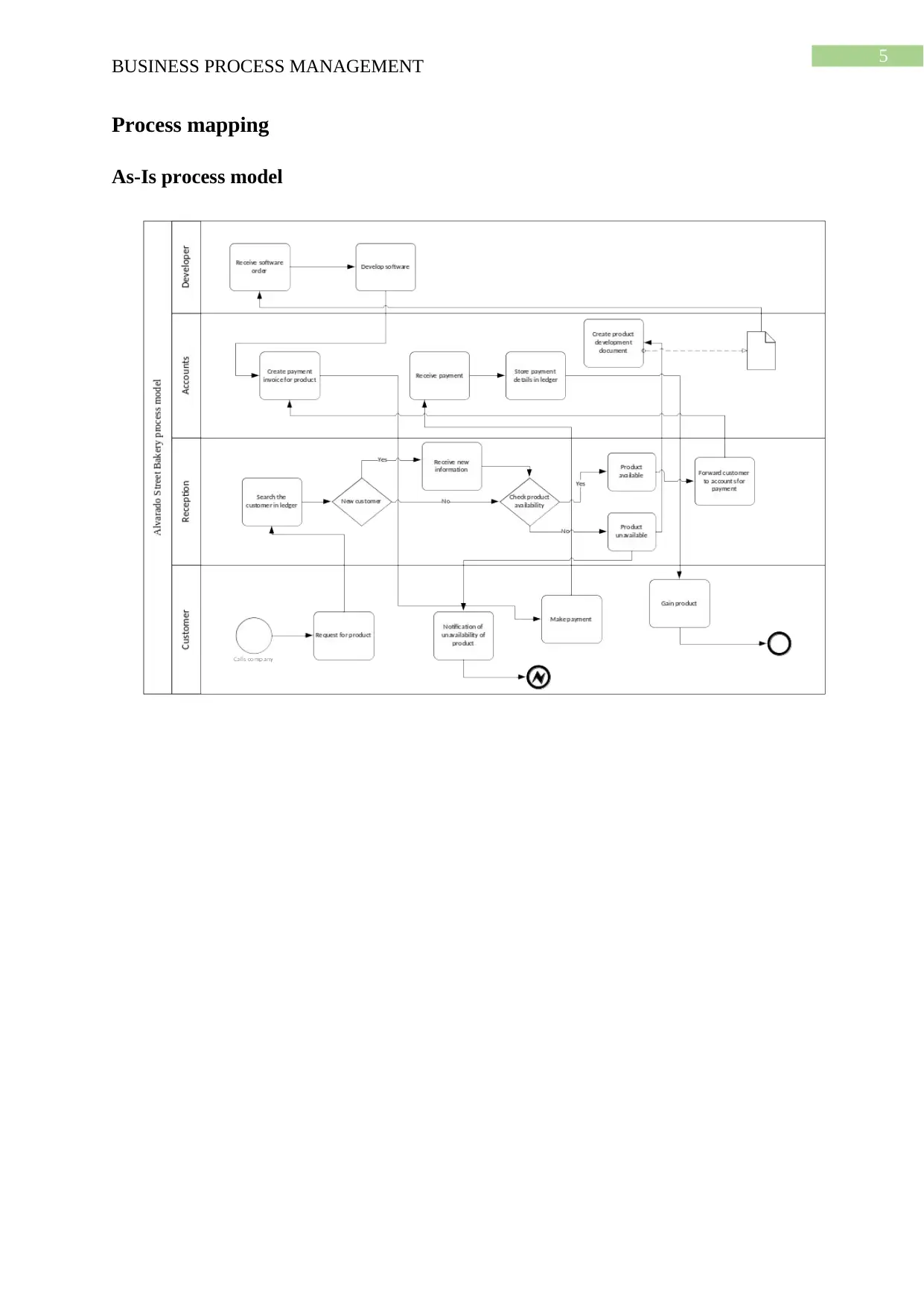
introduction of any technology (Harmon, 2019). Presently the business processes of the
organisation is not optimised and they are not able to provide products to their customers.
The customers calls the company and then orders any product and the company provides the
software if the product is available but as the organisation does not have proper inventory
management in place, sometimes there have been situations when the company was not able
to provide the software to the customers due to the lack of required supplies for making the
software. When the customers are provided with the products, the company takes their details
and then stores in the manual ledger maintained by the accounts department. The manual
ledger has been prone to various kinds of threats and frequently there have been situations
when the ledger data has been manipulated and the company has faced significant loss. The
company do not possess an effective inventory management system so that all the desired
products are maintained at the appropriate stock in the company. There is no centralised
platform for including all the information of the developers and the requirements of
developers. The company needs to call each of the developer upon receiving any order and
clarify the requirements. The developer team starts building the software when all the
supplies are available and till then waiting time is requested from the customers.
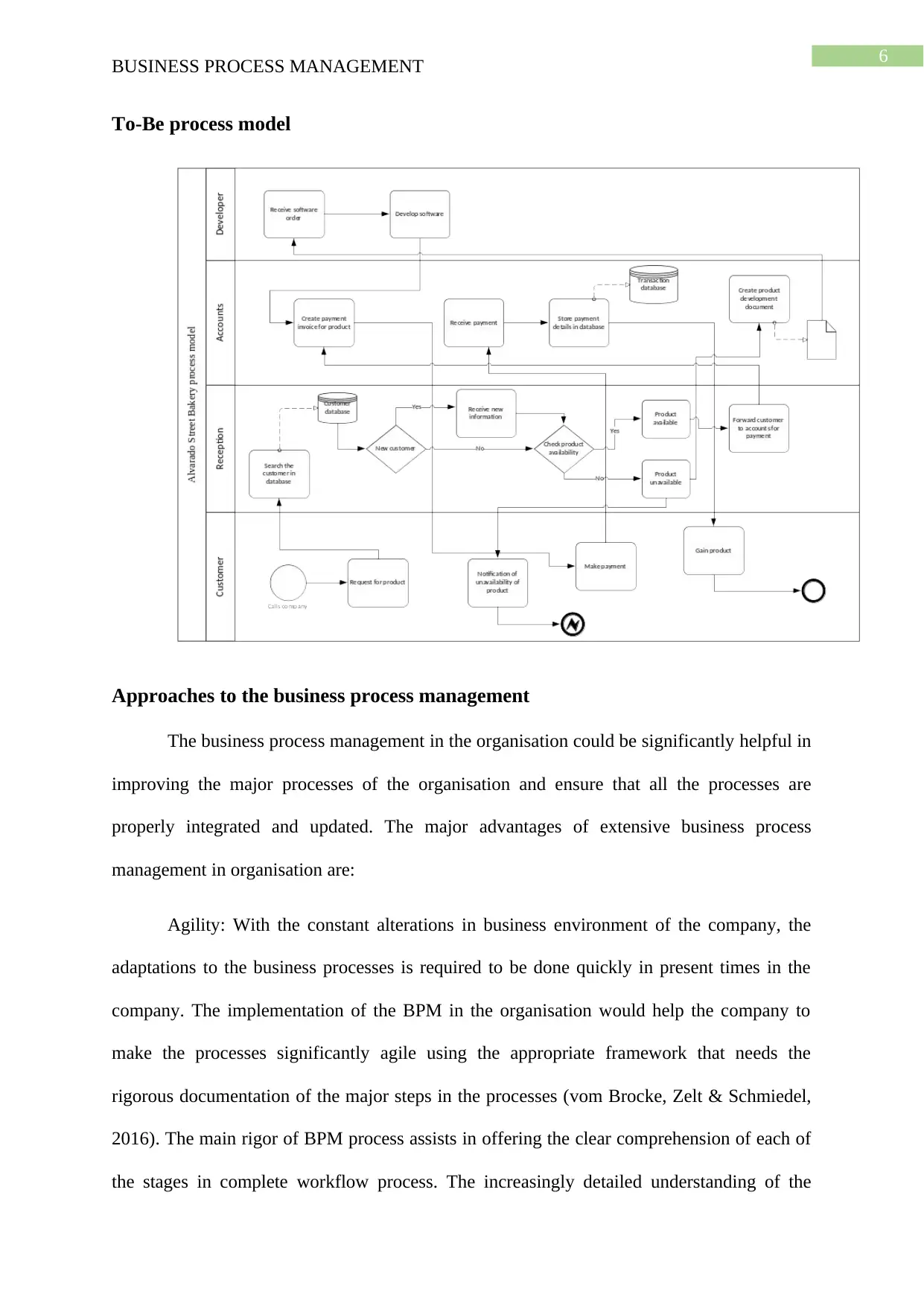
If the company implements ERP system, the major issues of the business could be
solved. The modules of ERP system, particularly the accounting system and the inventory
management system could be implemented in the organisation for ensuring that the major
issues of the company are eliminated (Ali & Miller, 2017). With the introduction of extensive
ERP system in this organisation, the accounts department would be provided with the
database that would eliminate the need of maintaining the manual ledger of transactions. The
inventory management module of ERP system would help in the integrating the company and
the developer teams in one platform. The team of developers employed by the company
BUSINESS PROCESS MANAGEMENT
process improvements could occur outside of the automation as well as without the
introduction of any technology (Harmon, 2019). Presently the business processes of the
organisation is not optimised and they are not able to provide products to their customers.
The customers calls the company and then orders any product and the company provides the
software if the product is available but as the organisation does not have proper inventory
management in place, sometimes there have been situations when the company was not able
to provide the software to the customers due to the lack of required supplies for making the
software. When the customers are provided with the products, the company takes their details
and then stores in the manual ledger maintained by the accounts department. The manual
ledger has been prone to various kinds of threats and frequently there have been situations
when the ledger data has been manipulated and the company has faced significant loss. The
company do not possess an effective inventory management system so that all the desired
products are maintained at the appropriate stock in the company. There is no centralised
platform for including all the information of the developers and the requirements of
developers. The company needs to call each of the developer upon receiving any order and
clarify the requirements. The developer team starts building the software when all the
supplies are available and till then waiting time is requested from the customers.
If the company implements ERP system, the major issues of the business could be
solved. The modules of ERP system, particularly the accounting system and the inventory
management system could be implemented in the organisation for ensuring that the major
issues of the company are eliminated (Ali & Miller, 2017). With the introduction of extensive
ERP system in this organisation, the accounts department would be provided with the
database that would eliminate the need of maintaining the manual ledger of transactions. The
inventory management module of ERP system would help in the integrating the company and
the developer teams in one platform. The team of developers employed by the company
Paraphrase This Document
Need a fresh take? Get an instant paraphrase of this document with our AI Paraphraser
4
BUSINESS PROCESS MANAGEMENT
would update all the supplies requirements in this system and the company would provide the
supplies to the teams of developers. The transition to the conventional methods to the
automated systems could be executed using business process management. With the effective
utilisation of business process, the implementation of the ERP system could be executed with
proper analysis and modelling (Efe, 2016). The analysis of the present issues could be done
for determining the extent of effect it is causing and then benefits of the automated system
could be analysed using business process so that the major business processes of the
organisation could be integrated.
The ERP or Enterprise Resource Planning could be described as the incorporated
management of the main business processes in the real time and it is mainly meditated by the
introduction of technology as well as the software. The ERP system in the company would be
the suite of various integrated applications that could be used for storing, collecting,
managing along with the interpretation all the data from the various business actions (Jagoda
& Samaranayake, 2017). The ERP system offers the integrated as well as the constantly
updated view of the central business processes by the utilisation of the shared databases
which are conserved by database system (Shen, Chen & Wang, 2016).
BUSINESS PROCESS MANAGEMENT
would update all the supplies requirements in this system and the company would provide the
supplies to the teams of developers. The transition to the conventional methods to the
automated systems could be executed using business process management. With the effective
utilisation of business process, the implementation of the ERP system could be executed with
proper analysis and modelling (Efe, 2016). The analysis of the present issues could be done
for determining the extent of effect it is causing and then benefits of the automated system
could be analysed using business process so that the major business processes of the
organisation could be integrated.
The ERP or Enterprise Resource Planning could be described as the incorporated
management of the main business processes in the real time and it is mainly meditated by the
introduction of technology as well as the software. The ERP system in the company would be
the suite of various integrated applications that could be used for storing, collecting,
managing along with the interpretation all the data from the various business actions (Jagoda
& Samaranayake, 2017). The ERP system offers the integrated as well as the constantly
updated view of the central business processes by the utilisation of the shared databases
which are conserved by database system (Shen, Chen & Wang, 2016).
5
BUSINESS PROCESS MANAGEMENT
Process mapping
As-Is process model
BUSINESS PROCESS MANAGEMENT
Process mapping
As-Is process model
⊘ This is a preview!⊘
Do you want full access?
Subscribe today to unlock all pages.
Trusted by 1+ million students worldwide
6
BUSINESS PROCESS MANAGEMENT
To-Be process model
Approaches to the business process management
The business process management in the organisation could be significantly helpful in
improving the major processes of the organisation and ensure that all the processes are
properly integrated and updated. The major advantages of extensive business process
management in organisation are:
Agility: With the constant alterations in business environment of the company, the
adaptations to the business processes is required to be done quickly in present times in the
company. The implementation of the BPM in the organisation would help the company to
make the processes significantly agile using the appropriate framework that needs the
rigorous documentation of the major steps in the processes (vom Brocke, Zelt & Schmiedel,
2016). The main rigor of BPM process assists in offering the clear comprehension of each of
the stages in complete workflow process. The increasingly detailed understanding of the
BUSINESS PROCESS MANAGEMENT
To-Be process model
Approaches to the business process management
The business process management in the organisation could be significantly helpful in
improving the major processes of the organisation and ensure that all the processes are
properly integrated and updated. The major advantages of extensive business process
management in organisation are:
Agility: With the constant alterations in business environment of the company, the
adaptations to the business processes is required to be done quickly in present times in the
company. The implementation of the BPM in the organisation would help the company to
make the processes significantly agile using the appropriate framework that needs the
rigorous documentation of the major steps in the processes (vom Brocke, Zelt & Schmiedel,
2016). The main rigor of BPM process assists in offering the clear comprehension of each of
the stages in complete workflow process. The increasingly detailed understanding of the
Paraphrase This Document
Need a fresh take? Get an instant paraphrase of this document with our AI Paraphraser
7
BUSINESS PROCESS MANAGEMENT
major processes in the organisation could permit the organisation in understanding the major
impact that the change might have on the processes.
Visibility: BPM utilises the complex software programs for the automation of the
processes, monitoring the performance of the organisation and then reveal the details of how
appropriately the processes are operating in the updated time. The process automation in the
organisation could help in revealing the functioning of the processes deprived of the need of
labor intensive observing techniques that are done manually (Vom Brocke & Mendling,
2018). This kind of improved transparency could provide the management with the improved
understanding of major processes that are being monitored and provide them with the ability
of directly modifying the overall structure as well as the flow of all the processes while
effectively tracking the generated outcomes.
Efficiency: It has been observed that the organisation who have deployed the
principles of BPM have gained the decrease in the costs as well as the increase in the
productivity. The benefits could result from the determining the methods by which the
processes would effectively function under the optimum conditions, adjusting all the
processes for helping in achieving the optimum performance as well as the implementing the
control for monitoring the future output of the process. The company could gain this benefit
with proper implementation of the business process management principles in organisation
and ensure that all business processes of organisation are integrated. The optimisation of the
processes involves the redundancies as well as the automation of the manual tasks for
effectively decreasing the extensive potential for various errors in the organisation (Mendling
et al., 2017).
BUSINESS PROCESS MANAGEMENT
major processes in the organisation could permit the organisation in understanding the major
impact that the change might have on the processes.
Visibility: BPM utilises the complex software programs for the automation of the
processes, monitoring the performance of the organisation and then reveal the details of how
appropriately the processes are operating in the updated time. The process automation in the
organisation could help in revealing the functioning of the processes deprived of the need of
labor intensive observing techniques that are done manually (Vom Brocke & Mendling,
2018). This kind of improved transparency could provide the management with the improved
understanding of major processes that are being monitored and provide them with the ability
of directly modifying the overall structure as well as the flow of all the processes while
effectively tracking the generated outcomes.
Efficiency: It has been observed that the organisation who have deployed the
principles of BPM have gained the decrease in the costs as well as the increase in the
productivity. The benefits could result from the determining the methods by which the
processes would effectively function under the optimum conditions, adjusting all the
processes for helping in achieving the optimum performance as well as the implementing the
control for monitoring the future output of the process. The company could gain this benefit
with proper implementation of the business process management principles in organisation
and ensure that all business processes of organisation are integrated. The optimisation of the
processes involves the redundancies as well as the automation of the manual tasks for
effectively decreasing the extensive potential for various errors in the organisation (Mendling
et al., 2017).
8
BUSINESS PROCESS MANAGEMENT
Even though there are various advantages that would be gained by the organisation
with the introduction of ERP systems in the organisation and BPM, there are some
disadvantages of BPM that are required to be considered by the organisation:
Cost and weak management: The major benefits of the framework of BPM could be
completely realised solely if the business process management has been implemented
accurately. The failure in complying with main methodologies would lead to the serious loss
of the funds and the other resources. Even though the BPM has been considered to be
affordable for the organisation, the cost of the BPM could be a major issue for the
organisation.
Lack of extensive innovation: The modern technology as well as the workforce are
required to be used by the company to the complete extent when business process
management in this organisation has been considered. Moreover, there have been reports that
the organisations that are introducing BPM are not quite suited at adapting the modern
technologies or the new trends. The organisation needs to the analyse the main processes of
the organisation that requires to be improved and then employ the BPM to ensure that the
targeted processes are significantly improved.
Conclusion
Therefore, it could be concluded that implementation of innovative business process
management in the organisation could help in improving the major processes and eliminate
the issues that are presently residing in business. Business process management has been be
described as the sector needed for the enhancement of any business process from the end to
end by the analysis, and then modelling of how it effectively works in the various scenarios,
execution of the improvements, monitoring of the improved process as well as constant
optimisation of the process. The modules of the ERP system, particularly the accounting
BUSINESS PROCESS MANAGEMENT
Even though there are various advantages that would be gained by the organisation
with the introduction of ERP systems in the organisation and BPM, there are some
disadvantages of BPM that are required to be considered by the organisation:
Cost and weak management: The major benefits of the framework of BPM could be
completely realised solely if the business process management has been implemented
accurately. The failure in complying with main methodologies would lead to the serious loss
of the funds and the other resources. Even though the BPM has been considered to be
affordable for the organisation, the cost of the BPM could be a major issue for the
organisation.
Lack of extensive innovation: The modern technology as well as the workforce are
required to be used by the company to the complete extent when business process
management in this organisation has been considered. Moreover, there have been reports that
the organisations that are introducing BPM are not quite suited at adapting the modern
technologies or the new trends. The organisation needs to the analyse the main processes of
the organisation that requires to be improved and then employ the BPM to ensure that the
targeted processes are significantly improved.
Conclusion
Therefore, it could be concluded that implementation of innovative business process
management in the organisation could help in improving the major processes and eliminate
the issues that are presently residing in business. Business process management has been be
described as the sector needed for the enhancement of any business process from the end to
end by the analysis, and then modelling of how it effectively works in the various scenarios,
execution of the improvements, monitoring of the improved process as well as constant
optimisation of the process. The modules of the ERP system, particularly the accounting
⊘ This is a preview!⊘
Do you want full access?
Subscribe today to unlock all pages.
Trusted by 1+ million students worldwide

9
BUSINESS PROCESS MANAGEMENT
system and the inventory management system could be implemented in the organisation for
ensuring that the major issues of the organisation are eliminated.
BUSINESS PROCESS MANAGEMENT
system and the inventory management system could be implemented in the organisation for
ensuring that the major issues of the organisation are eliminated.
Paraphrase This Document
Need a fresh take? Get an instant paraphrase of this document with our AI Paraphraser
10
BUSINESS PROCESS MANAGEMENT
References
Ali, M., & Miller, L. (2017). ERP system implementation in large enterprises–a systematic
literature review. Journal of Enterprise Information Management.
Baum, B. (2016). Hollywood’s Crisis of Capitalism. In The Post-Liberal Imagination (pp.
89-100). Palgrave Macmillan, New York.
Chang, J. F. (2016). Business process management systems: strategy and implementation.
CRC Press.
Efe, B. (2016). An integrated fuzzy multi criteria group decision making approach for ERP
system selection. Applied Soft Computing, 38, 106-117.
Harmon, P. (2019). Business process change: a business process management guide for
managers and process professionals. Morgan Kaufmann.
Jagoda, K., & Samaranayake, P. (2017). An integrated framework for ERP system
implementation. International Journal of Accounting & Information Management.
Mendling, J., Baesens, B., Bernstein, A., & Fellmann, M. (2017). Challenges of smart
business process management: An introduction to the special issue.
Shen, Y. C., Chen, P. S., & Wang, C. H. (2016). A study of enterprise resource planning
(ERP) system performance measurement using the quantitative balanced scorecard
approach. Computers in Industry, 75, 127-139.
Vom Brocke, J., & Mendling, J. (2018). Business process management cases. Digital
Innovation and Business Transformation in Practice. Berlin et al.: Springer.
vom Brocke, J., Zelt, S., & Schmiedel, T. (2016). On the role of context in business process
management. International Journal of Information Management, 36(3), 486-495.
BUSINESS PROCESS MANAGEMENT
References
Ali, M., & Miller, L. (2017). ERP system implementation in large enterprises–a systematic
literature review. Journal of Enterprise Information Management.
Baum, B. (2016). Hollywood’s Crisis of Capitalism. In The Post-Liberal Imagination (pp.
89-100). Palgrave Macmillan, New York.
Chang, J. F. (2016). Business process management systems: strategy and implementation.
CRC Press.
Efe, B. (2016). An integrated fuzzy multi criteria group decision making approach for ERP
system selection. Applied Soft Computing, 38, 106-117.
Harmon, P. (2019). Business process change: a business process management guide for
managers and process professionals. Morgan Kaufmann.
Jagoda, K., & Samaranayake, P. (2017). An integrated framework for ERP system
implementation. International Journal of Accounting & Information Management.
Mendling, J., Baesens, B., Bernstein, A., & Fellmann, M. (2017). Challenges of smart
business process management: An introduction to the special issue.
Shen, Y. C., Chen, P. S., & Wang, C. H. (2016). A study of enterprise resource planning
(ERP) system performance measurement using the quantitative balanced scorecard
approach. Computers in Industry, 75, 127-139.
Vom Brocke, J., & Mendling, J. (2018). Business process management cases. Digital
Innovation and Business Transformation in Practice. Berlin et al.: Springer.
vom Brocke, J., Zelt, S., & Schmiedel, T. (2016). On the role of context in business process
management. International Journal of Information Management, 36(3), 486-495.

1 out of 11


Related Documents


Your All-in-One AI-Powered Toolkit for Academic Success.
+13062052269
info@desklib.com
Available 24*7 on WhatsApp / Email
![[object Object]](/_next/static/media/star-bottom.7253800d.svg)
Unlock your academic potential
Copyright © 2020–2026 A2Z Services. All Rights Reserved. Developed and managed by ZUCOL.