Case Study: Christina Markides - Haematology and Anaemia

Verified

Added on  2022/08/23

|10
|2046
|16
Case Study
AI Summary
This case study analyzes the case of Christina Markides, a 50-year-old vegetarian woman presenting with symptoms of anaemia, a recent fracture, and a history of blood transfusion. The analysis begins with the patient's symptoms, including fatigue and weakness, and the initial lab results, revealing low haemoglobin and RBC counts, leading to a diagnosis of anaemia. Further investigation reveals macrocytosis and hypersegmented neutrophils, indicating megaloblastic anaemia, likely due to vitamin B12 deficiency exacerbated by her vegetarian diet and potential malabsorption issues. The study also explores the cause of her fracture, linking it to age-related bone density loss and potential osteoporosis. The blood analysis reveals the presence of the Anti-K antibody, requiring careful consideration for future blood transfusions. The case study concludes with recommendations for treatment, including occupational and physical therapy, medication, and dietary adjustments to address both anaemia and bone health. The study highlights the importance of integrated diagnostics and the impact of lifestyle factors on health outcomes.
Document Page
Running head: HAEMATOLOGY
CHRISTINA’S CASE STUDY
Name of the Student
Name of the University
Author not
tabler-icon-diamond-filled.svg

Paraphrase This Document

Need a fresh take? Get an instant paraphrase of this document with our AI Paraphraser
Document Page
1
HAEMATOLOGY
Answer 1
It has been mentioned that Christina is a vegetarian that means she is lacking nutrients
like iron or few vitamins, which are can be obtained from animal source in bulk amount. On top
of that her daughter complained about weakness and fatigue that are considered to be the
symptom of anaemia. However, if there is less iron in the blood the blood is unable to produce
enough haemoglobin (Lopez et al. 2016). Even, Christina is lacking in her vitamin B12 diet as
she is vegetarian. Vita B-12 is mainly present in dairy products and meat. It helps in producing
red blood cells (RBC), therefore lack in Vit B-12 will produce less count of RBCs. Another
strong possible cause of anaemia for Christina might be that she underwent blood transfusion 5
years back.
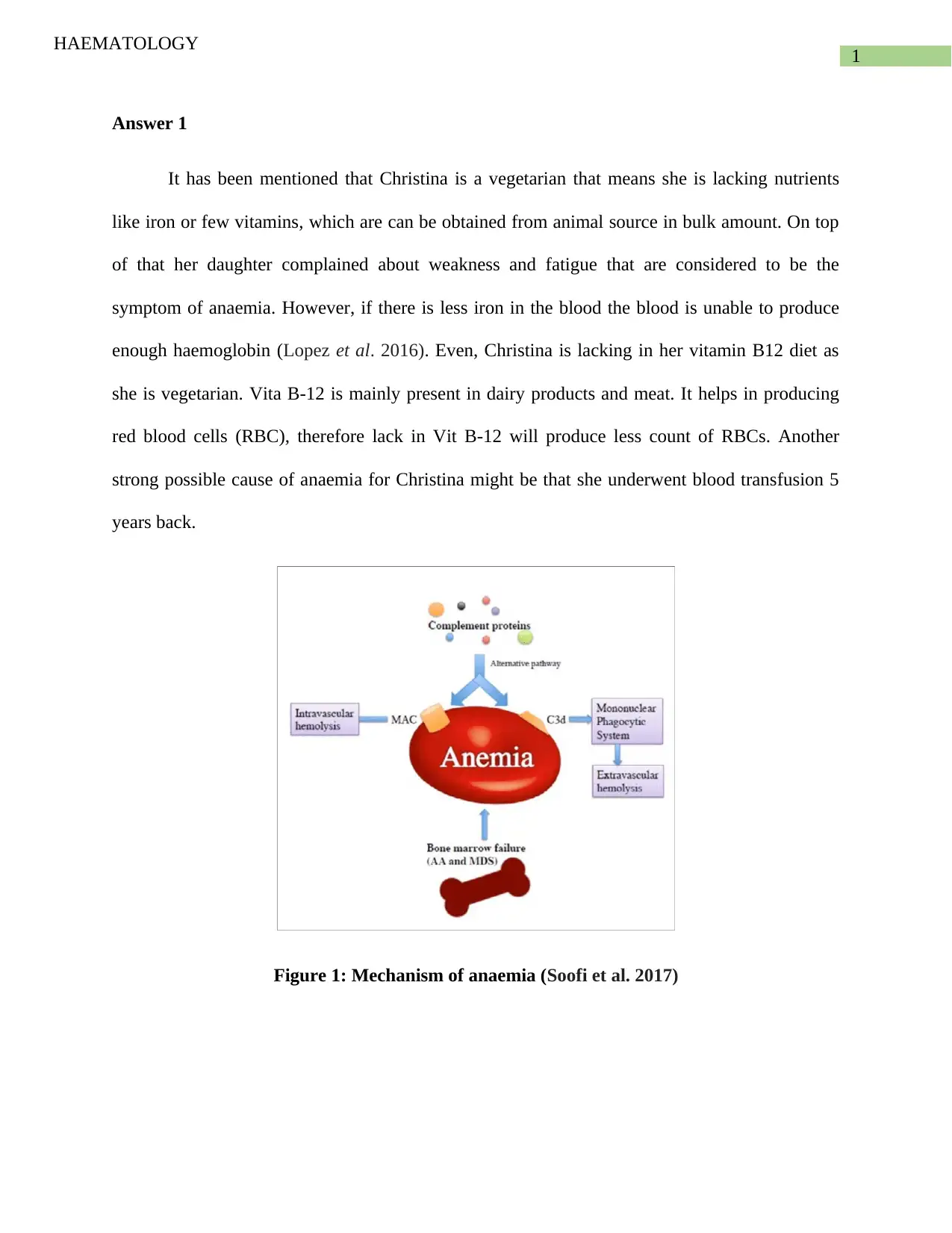
Figure 1: Mechanism of anaemia (Soofi et al. 2017)
Document Page
2
HAEMATOLOGY
Answer 2
The report presented by register showed that Christina PCV, MCV, MCH, White cell and
platelet count are normal however her haemoglobin and RBCs count is low. Even the Macrocytic
cell report also showed that it is having hyper segmented neutrophil. Therefore, Christina is
suffering from Anaemia can be concluded and due to this it can be matched with the daughter’s
statement where she mentioned that Christina was feeling weak and tired in last few days. Due to
cell RBC, body cannot supply enough food and oxygen hence an anaemic person feels tired more
often (Alli, Vaughan and Patel 2017). Therefore, the statement made by daughter matches with
the report, hence it cannot be ruled out. The symptoms that are observed by nurses conveys that
Christina is Anaemic without any family history of it. She is anaemic mainly due to for
vegetarian diet that lacks vitamin B-12.
Answer 3
Macrocytosis refers to a blood complication where red blood cells (RBC) are larger than
normal. Macrocytosis is testified as mean corpuscular volume (MCV). It is distributed into two
types, megaloblastic plus non-megaloblastic (Madu and Ughasoro 2017). The megaloblastic
form occurs because of synthesis of impaired DNA from folate as well as from vitamin B12
insufficiencies, while the non-megaloblastic moiety happens on or after multiple processes. This
occurs due to deficiency of vitamin B-12 as well as folate deficiency. The report of Christina
showed that she is suffering from B-12 deficiency hence it is assumed that Macrocytosis
developed due to B-12 insufficiency (Vrahnas et al. 2018). As Christina blood film showed
hypersegmented neutrophil it indicates that she is suffering from Megaloblastic anaemia. Even
her report also showed that the cell size is bigger than normal, hence they cannot exit the bone
Document Page
3
HAEMATOLOGY
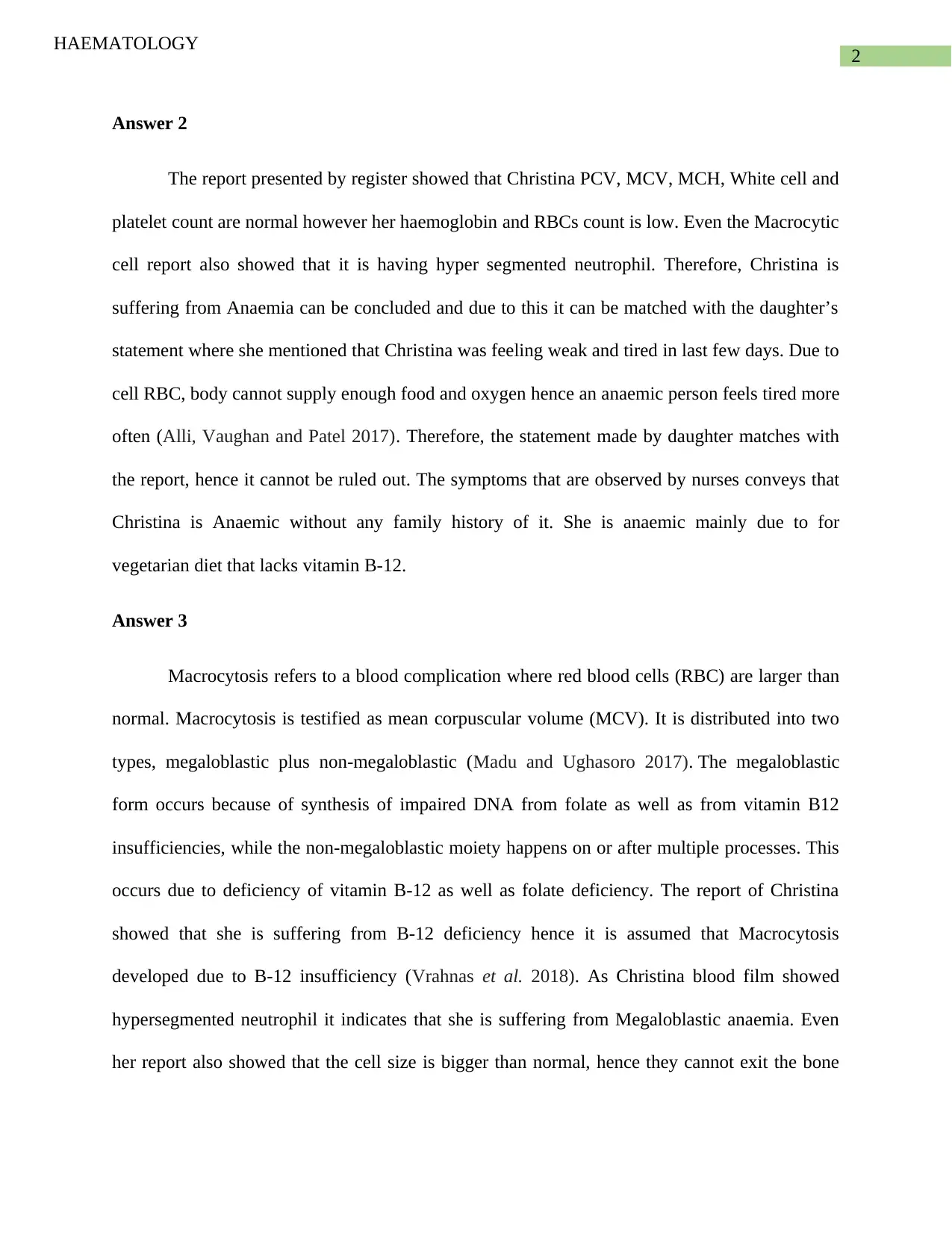
marrow. Therefore, the cells cannot enter the bloodstream to carry and deliver oxygen. Figure 2,
explains in details the steps for aneamia caused due B-12 deficiency.
Figure 2: Cause of Anaemia due to B-12 deficiency (Muralidhara, Padanad and Kumar 2016)
It is observed that Christina has normal folate but lower vitamin B-12, she is having
larger RBC, she has low PCV count as well as low haemoglobin. Serum ferritin is normal with
intrinsic factor negative and parietal cell antibodies positive. All her test reports concluded that
she is suffering from Megaloblastic anaemia. This anaemia mainly occurs when the RBC size
increases due to vitamin deficiency.
Answer 4
4a) Christina in a 50 years old women and as per age she is approaching menopause.
Research have shown that with age people starts loosing bone density or mass. The bones start to
tabler-icon-diamond-filled.svg

Paraphrase This Document

Need a fresh take? Get an instant paraphrase of this document with our AI Paraphraser
Document Page
4
HAEMATOLOGY
lose calcium and minerals. The case study suggested that Christina fell down and fractured the
upper part of her left femoral shaft. When a person starts aging, the trunk starts getting shorter
and the fluid that are present in between the disk starts loosing fluid and becomes thin. The joints
become less flexible and stiffer. As the fluid decrease for an old person then the cartilage begins
to rub together. As Christina is in her 50’s her hip and knee joints have started to loose cartilages.
Hence, becomes prone to breakage. Christina is suffering from anaemia, that means less RBCs.
This disorder leads to less bone marrow formation thereby causing deficiency in bones further
making the bones weaker and hence it breaks easily (Aapro et al. 2018). It can also be predicted
that with age Christina’s body may have reabsorbed phosphate and calcium from the bones and
that had made her bone weaker. This had led to osteoporosis. Hence, a fall from the stair broke
her upper left femoral shaft. On top of that she is approaching menopause as she is 50 years’ old
there is drop in estrogen, which had affected her bone. Even calcium deficiency also causes
brittle bones.
4b) Investigation that can confirm the cause of brittle bones will be age, questioning
patient about her periods or any menopausal symptoms, any family history and level of calcium
in her blood.
Document Page
5
HAEMATOLOGY
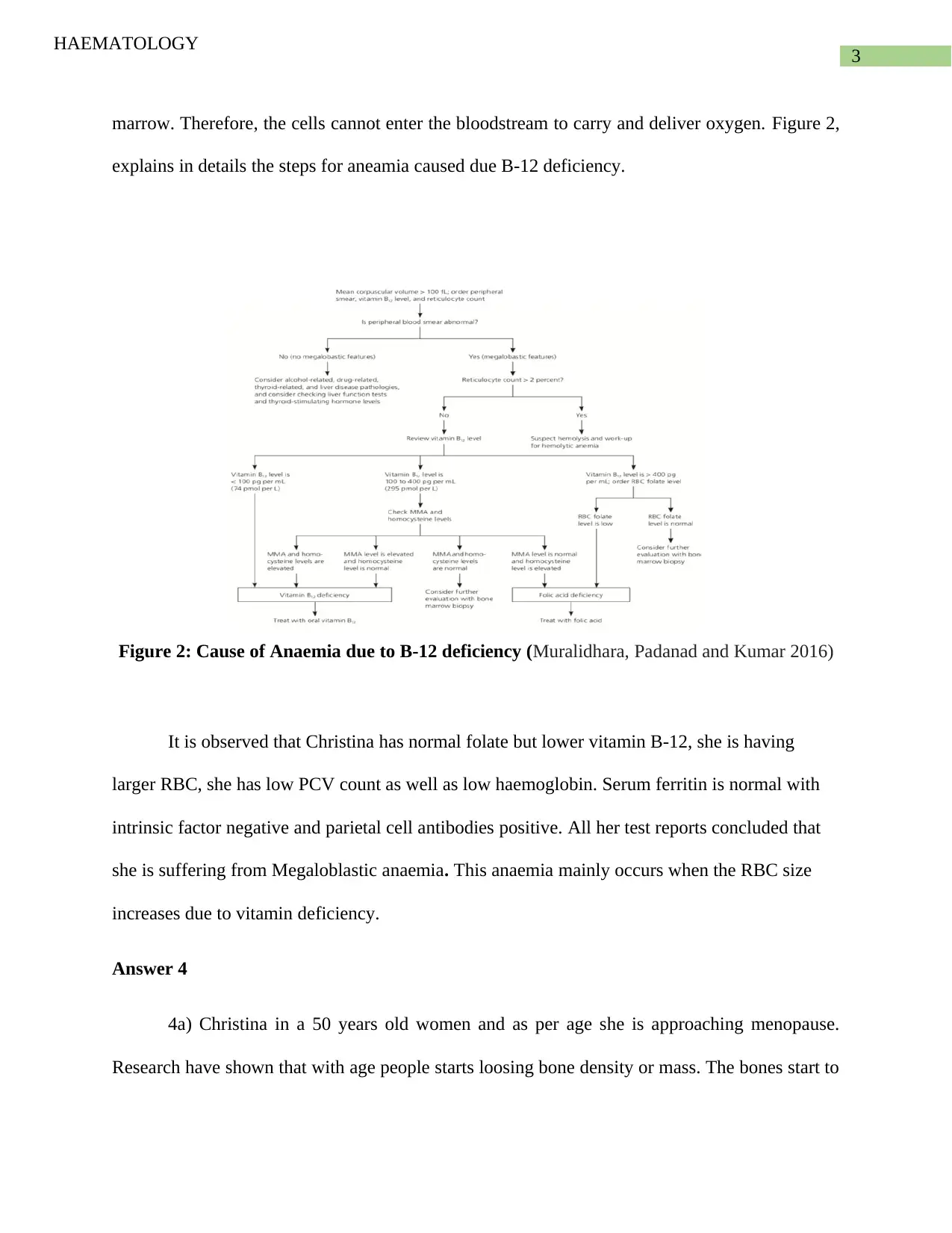
Figure 3: Showing the effect of calcium intake on bones
Answer 5
The potential treatment for Christina would be occupational as well physical therapy,
moderate impact exercise, bisphosphate medication, total hip surgery, placing rods as a support
and in taking calcium tablets. As Christina already have undergone surgery she needs proper rest
and must in take food rich in iron and vegetable that supply such as plant milk and soya
products.
Answer 6
6a) Auto is negative hence the type of antibody will be Allo. The anti-body panels were
ruled out depending on their reactivity. Zero represents negative reaction and positive means
there is some reaction observed. Christina showed positive reactivity with donor cells of R1R1, rr,
rr and rr. Rule of 3 is met as there is at least 3 positives as well as 3 negatives. The elimination
was done depending on the allele, if the allele is heterozygous it is ruled out. It is shown that
reaction at 37oC is noted which means that the antibody class is typically IgG (Hebbel and Key
2016). After ruling out the panels depending on positive and negative reaction, the positive IAT
report was analysed separately. It was then observed that panel K is left and it is showing
positive reaction reaction parallel to the IAT reaction at 37oC. Hence, it is concluded that Anti-K
is added. Anti-K means anti-Kelly which is one of the most common immune red cell antibody.
(appendix for the panel).
6b) Yes, there is some difference observed from the first panel.
Document Page
6
HAEMATOLOGY
The future significance of the finding states that Kell antigens causes haemolytic transfusion as
well as different haemolytic disease. As the age of Christina is 50, it will affect her bones making
it weaker. She already had undergone hip replacement and she needs to more cautious about her
brittle bones.
tabler-icon-diamond-filled.svg

Paraphrase This Document

Need a fresh take? Get an instant paraphrase of this document with our AI Paraphraser
Document Page
7
HAEMATOLOGY
References
Aapro, M., Beguin, Y., Bokemeyer, C., Dicato, M., Gascón, P., Glaspy, J., Hofmann, A., Link,
H., Littlewood, T., Ludwig, H. and Österborg, A., 2018. Management of anaemia and iron
deficiency in patients with cancer: ESMO Clinical Practice Guidelines. Annals of Oncology,
29(Supplement_4), pp.iv96-iv110.
Alli, N., Vaughan, J. and Patel, M., 2017. Anaemia: Approach to diagnosis. SAMJ: South African
Medical Journal, 107(1), pp.23-27.
Hebbel, R.P. and Key, N.S., 2016. Microparticles in sickle cell anaemia: promise and pitfalls.
British journal of haematology, 174(1), pp.16-29.
Lopez, A., Cacoub, P., Macdougall, I.C. and Peyrin-Biroulet, L., 2016. Iron deficiency anaemia.
The Lancet, 387(10021), pp.907-916.
Madu, A.J. and Ughasoro, M.D., 2017. Anaemia of chronic disease: an in-depth review. Medical
Principles and Practice, 26(1), pp.1-9.
Muralidhara, K., Padanad, G. and Kumar, T.S., 2016. Pycnodysostosis: a distinctive brittle bone
disease?. International Journal of Research in Medical Sciences, 4(12), p.5477.
Soofi, S., Khan, G.N., Sadiq, K., Ariff, S., Habib, A., Kureishy, S., Hussain, I., Umer, M., Suhag,
Z., Rizvi, A. and Bhutta, Z., 2017. Prevalence and possible factors associated with anaemia, and
vitamin B 12 and folate deficiencies in women of reproductive age in Pakistan: analysis of
national-level secondary survey data. BMJ open, 7(12), p.e018007.
Vrahnas, C., Dite, T.A., Ansari, N., Crimeen-Irwin, B., Nguyen, H., Forwood, M.R., Hu, Y.,
Ikegame, M., Bambery, K.R., Petibois, C. and Tobin, M.J., 2018. Increased autophagy in
Document Page
8
HAEMATOLOGY
ephrinB2 deficient osteocytes is associated with hypermineralized, brittle bones. bioRxiv,
p.260711.
Document Page
9
HAEMATOLOGY
Appendix
Results
Donor
ID
Donor
phenotype C D E c e Cw M N S s P1 Lua K k Kpa Lea Leb Fya Fyb Jka Jkb IAT @
37ËšC
1 R1wR1 + + 0 0 + + 0 + 0 + 0 0 0 + 0 0 + + + 0 + 0
2 R1R1 + + 0 0 + 0 + 0 + 0 0 0 + + 0 0 0 + 0 + 0 4
3 R2R2 0 + + + 0 0 0 + 0 + 3 0 0 + 0 + 0 + 0 0 + 0
4 r'r + 0 0 + + 0 + 0 + 0 0 0 0 + 0 0 + + 0 + 0 0
5 r''r 0 0 + + + 0 + 0 + 0 2 0 0 + 0 0 + 0 + + 0 0
6 rr 0 0 0 + + 0 + 0 0 + 1 0 + 0 0 0 + 0 + 0 + 4
7 rr 0 0 0 + + 0 0 + 0 + 4 0 + + 0 + 0 + 0 0 + 4
8 rr 0 0 0 + + 0 0 + 0 + 0 0 0 + + 0 + + 0 + 0 4
9 rr 0 0 0 + + 0 0 + + 0 3 0 0 + 0 0 + + 0 0 + 0
10 rr 0 0 0 + + 0 0 + 0 + 0 + 0 + 0 + 0 0 + + 0 0
Auto 0
OR1r
vs weak
anti-D
chevron_up_icon
1 out of 10
circle_padding
hide_on_mobile
zoom_out_icon
[object Object]