Designing an Anti-Stigma Workshop for Chronic Illness Management

Verified

Added on  2023/06/08

|9
|560
|144
Presentation
AI Summary
This presentation outlines an anti-stigma workshop designed for families supporting members with chronic illnesses. The workshop, conducted over two days with a family of five, aims to combat the false beliefs and harmful actions that stigma can cause. Key components include communication strategy, goal setting, planned activities to reduce stigma through storytelling, and addressing barriers such as workshop duration, communication difficulties, and sensory losses. The presentation emphasizes the importance of family support and psychiatrist involvement, incorporating elements from family education programs and provider education. Data collection methods and necessary resources are detailed, concluding with the importance of cooperative designs in managing stigma and integrating anti-stigma programs into psychiatric assessments. Desklib provides access to similar solved assignments and study resources for students.
Document Page
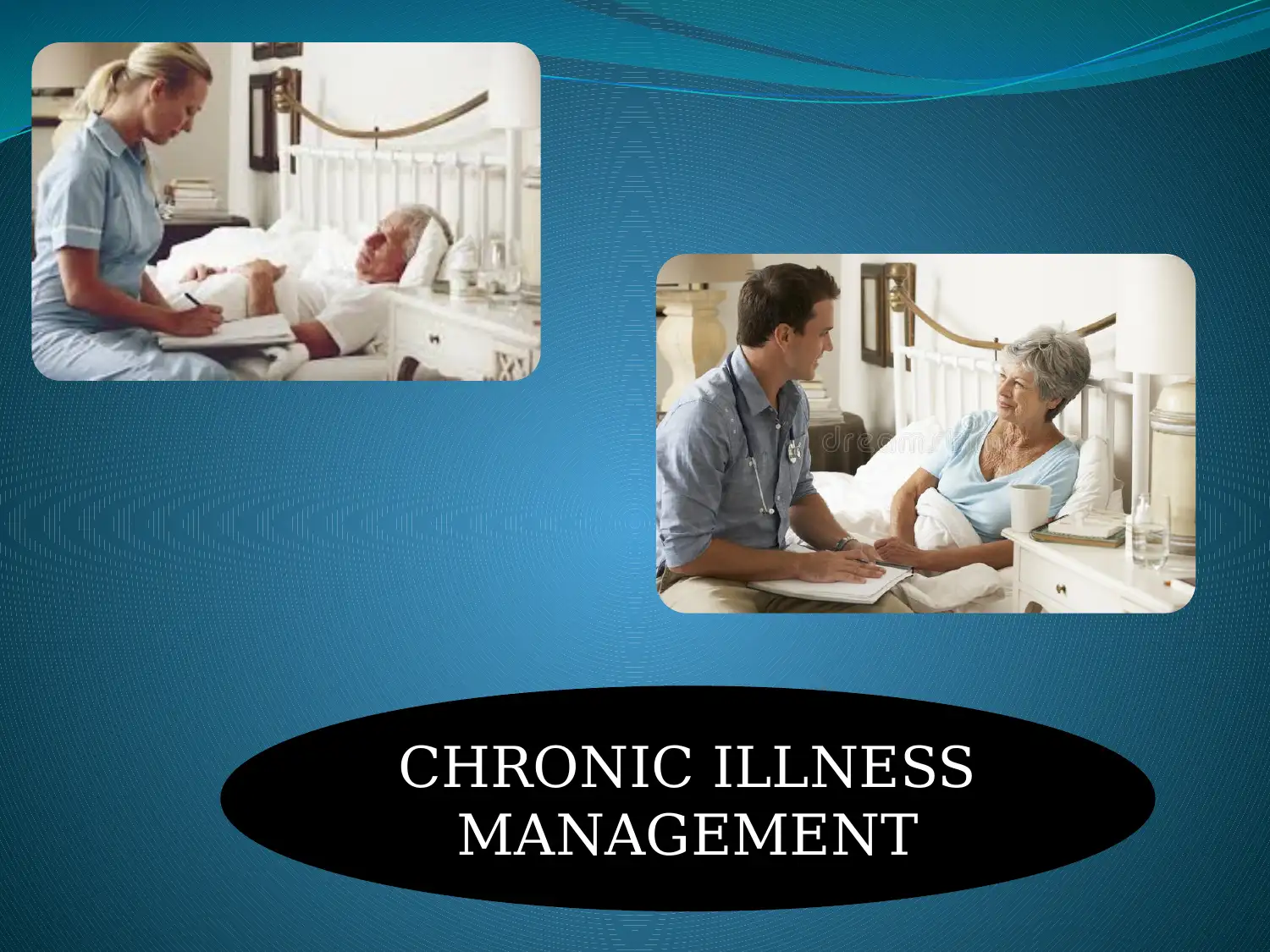
CHRONIC ILLNESS
MANAGEMENT
tabler-icon-diamond-filled.svg

Paraphrase This Document

Need a fresh take? Get an instant paraphrase of this document with our AI Paraphraser
Document Page
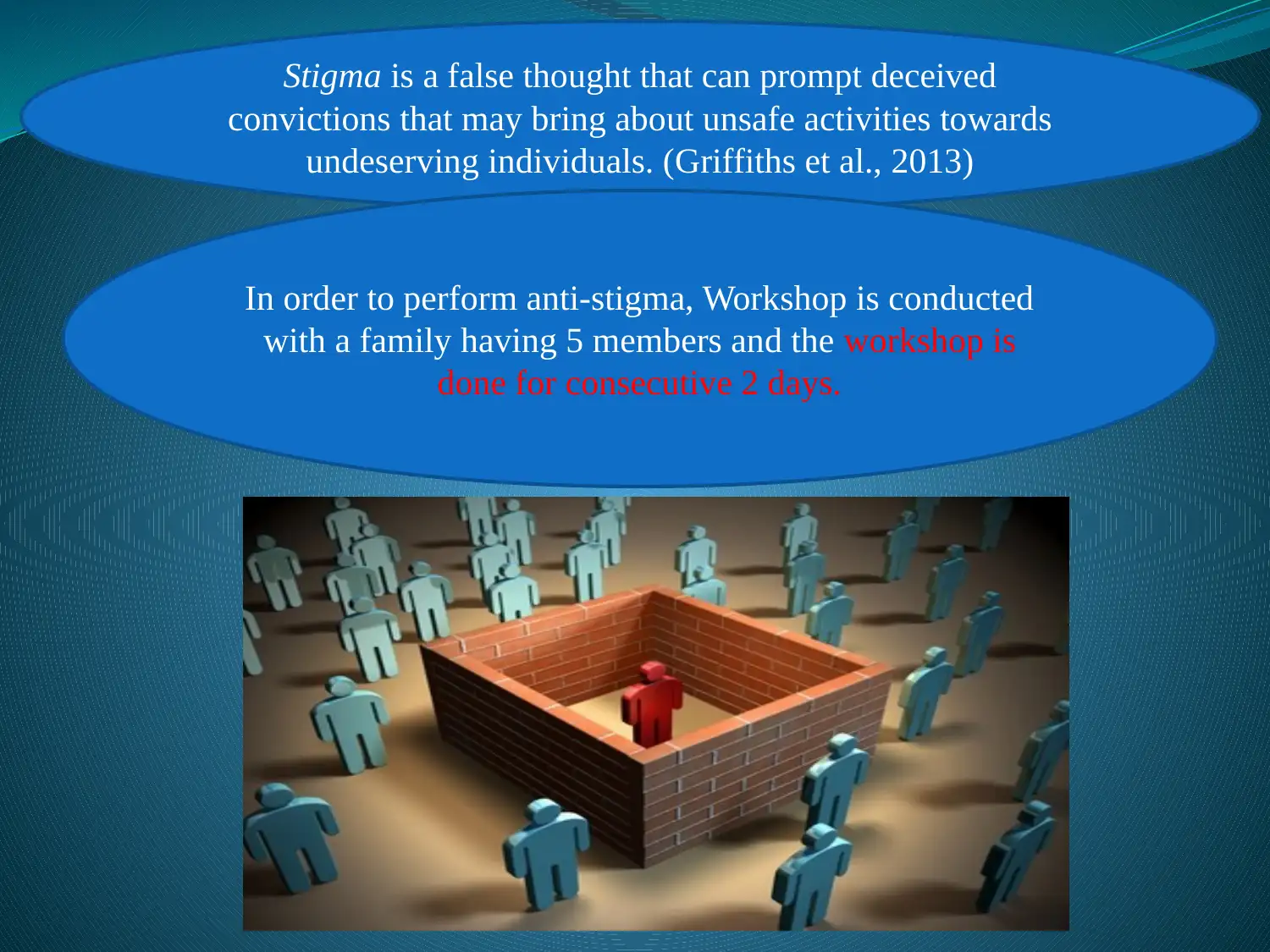
Stigma is a false thought that can prompt deceived
convictions that may bring about unsafe activities towards
undeserving individuals. (Griffiths et al., 2013)
In order to perform anti-stigma, Workshop is conducted
with a family having 5 members and the workshop is
done for consecutive 2 days.
Document Page
The resources which are needed :
Computer, Wifi and management chart.
Workshop should be conducted in a seminar hall.
Workshop overview
Workshop should be conducted by the psychiatrist with the
family members to perform the anti stigma program.
Mental illness stigma experienced by their family members
as well. (Kurtz, Draper & Silverman, 2016)
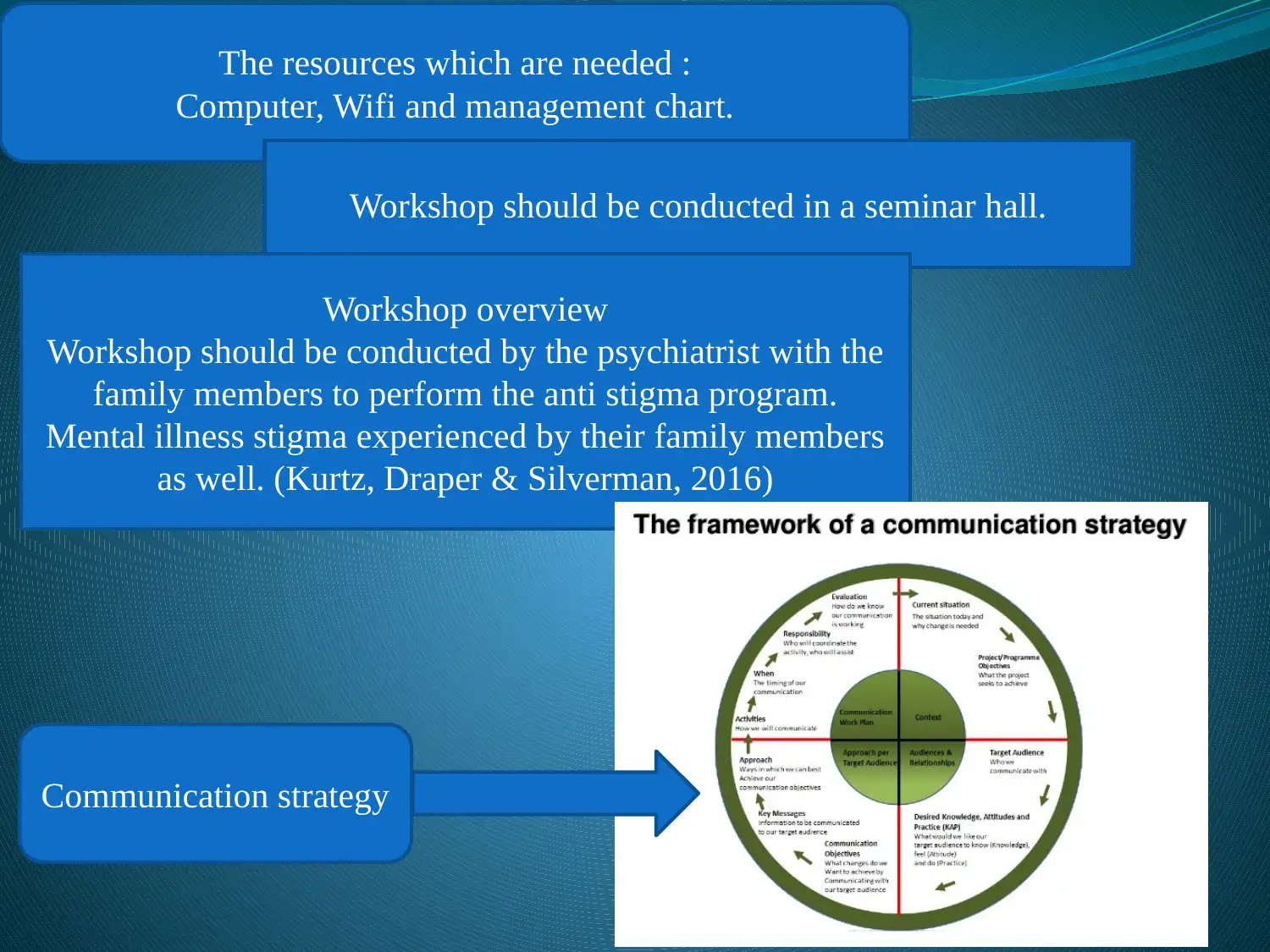
Communication strategy
Document Page
Goals for the workshop
To provide better service to the old people.
To provide better service, the workshop need to
focus on the understanding of better and effective
communication training to old people and their
family members. (Gela & Corrigan, 2014)
Planned activities and barriers
Workshop help reduce stigma through
storytelling.
Barriers that the old people faces while in the workshop is that:
Workshop continues too long for someone.
Effective communication is not prevalent.
Many of the old people face sensory loses.
tabler-icon-diamond-filled.svg

Paraphrase This Document

Need a fresh take? Get an instant paraphrase of this document with our AI Paraphraser
Document Page
Planned activities
(contd..)
Psychiatry training program may find useful to introduce family stigma
and the stigma interventions into the curriculum activity.
And
Family To Family Education Program (Zarit, & Zarit, 2015)
And
finally,
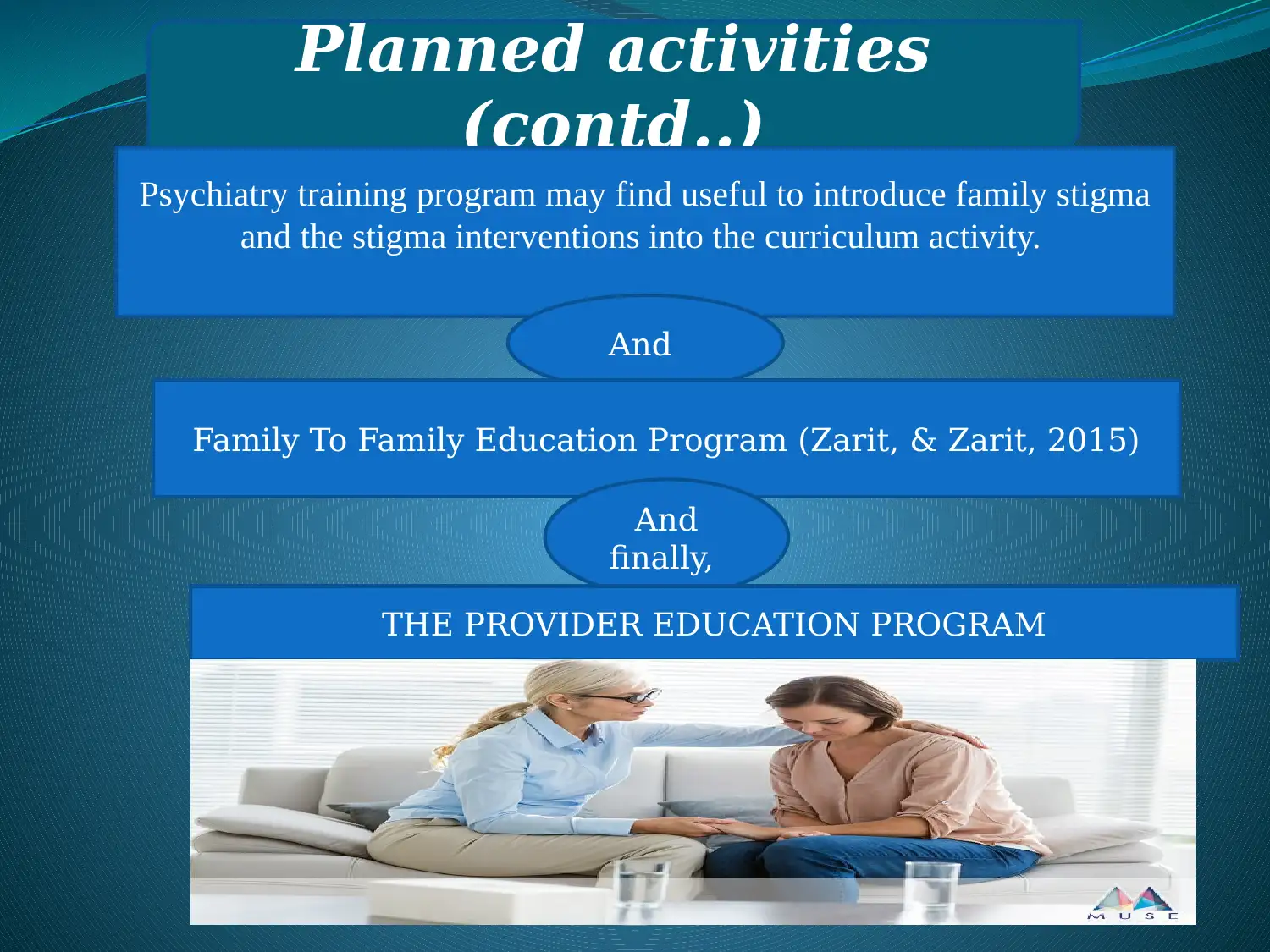
THE PROVIDER EDUCATION PROGRAM
Document Page
The activities which are taken to overcome the barriers :
Workshop should contain many intervals.
Family members should console old people for effective
communication.
Psychologist and the doctors should remain stand to
recover sensory loses.
Data required:
The number of people in the intervention.
History of all the members of the family especially the older ones.
Medical conditions if any.
The methods which are applied to gather the data:
Prior to the intervention proper investigation should be analysed.
Psychologist should be accompanied in time of data collection.
Document Page
Conclusion
It can be concluded hereby, that the presentation highlighted
points relevant to the training goals of the workshop.
Cooperative designs should join the techniques to help the
relatives in managing stigma.
Psychiatrists worked with anti-stigma
programmes and added them in assessing their
programmes and incorporating the changes to
improve the outcomes.
tabler-icon-diamond-filled.svg

Paraphrase This Document

Need a fresh take? Get an instant paraphrase of this document with our AI Paraphraser
Document Page
References
Gela, N. R., & Corrigan, P. W. (2014). The stigma of
families with mental illness. Family problems:
Stress, risk, and resilience, 33-45.
Griffiths, A., Knight, A., Harwood, R., & Gladman, J.
R. (2013). Preparation to care for confused older
patients in general hospitals: a study of UK health
professionals. Age and ageing, 43(4), 521-527.
Kurtz, S., Draper, J., & Silverman, J. (2016). Skills for
communicating with patients. CRC Press.
Zarit, S. H., & Zarit, J. M. (2015). Family caregiving.
In Psychology and Geriatrics (pp. 21-43).
Document Page
chevron_up_icon
1 out of 9
circle_padding
hide_on_mobile
zoom_out_icon
[object Object]