Analysis of Design Science Research Methodology in Civil Engineering

Verified

Added on  2022/08/24

|6
|1062
|29
Report
AI Summary
This report presents an analysis of a Design Science Research (DSR) methodology applied within the context of civil engineering. The author investigated various methodologies and selected DSR, emphasizing its systematic approach to developing and evaluating innovative IT solutions. The study focuses on the development and evaluation of an artefact, specifically a BIM model integrated with a Dynamo script and an Excel template. The report outlines the five stages of the DSR process: awareness of the problem, suggestion, development, evaluation, and conclusion. The 'awareness' stage involves a literature review to identify challenges in document management within the construction industry. The 'suggestion' stage involves the selection of software, Revit and Dynamo. The 'development' stage focuses on creating an artefact to automate document control. The 'evaluation' stage assesses the artefact's effectiveness using a fabricated building design in Revit. The report highlights the cyclical nature of DSR, emphasizing the importance of reflection and action throughout the process. The goal is to introduce researchers to innovative BIM solutions and evaluate them for practical, real-world use cases, ultimately contributing to advancements in BIM research and practice.

Document Page
Running head: METHODOLOGY
METHODOLOGY
Name of the Student
Name of the University
Authors notes
tabler-icon-diamond-filled.svg

Paraphrase This Document

Need a fresh take? Get an instant paraphrase of this document with our AI Paraphraser
Document Page
1
METHODOLOGY
The author has selected Design Science Research (DSR) after the investigation of various
methodologies. Design Science is explained as an outcome-based information technology
research methodology that helps to guide evaluation and repetition within the research. The
primary motive behind DSR is to develop the information according to the mindset of
professionals and to implement that knowledge [24][40] practically. The development and study
of artefacts come from the systematic form of DSR [25][41]. An artefact can be elaborated as an
idea developed on a popular platform and is utilized to develop new functionalities. The purpose
of selecting DSR by the author was to introduce researchers who want to present artistic BIM
solutions, analyzing them for the practical and real cases [26][42]. In this paper, the artefact used
is a BIM model concerned with excel template and Dynamo Script.
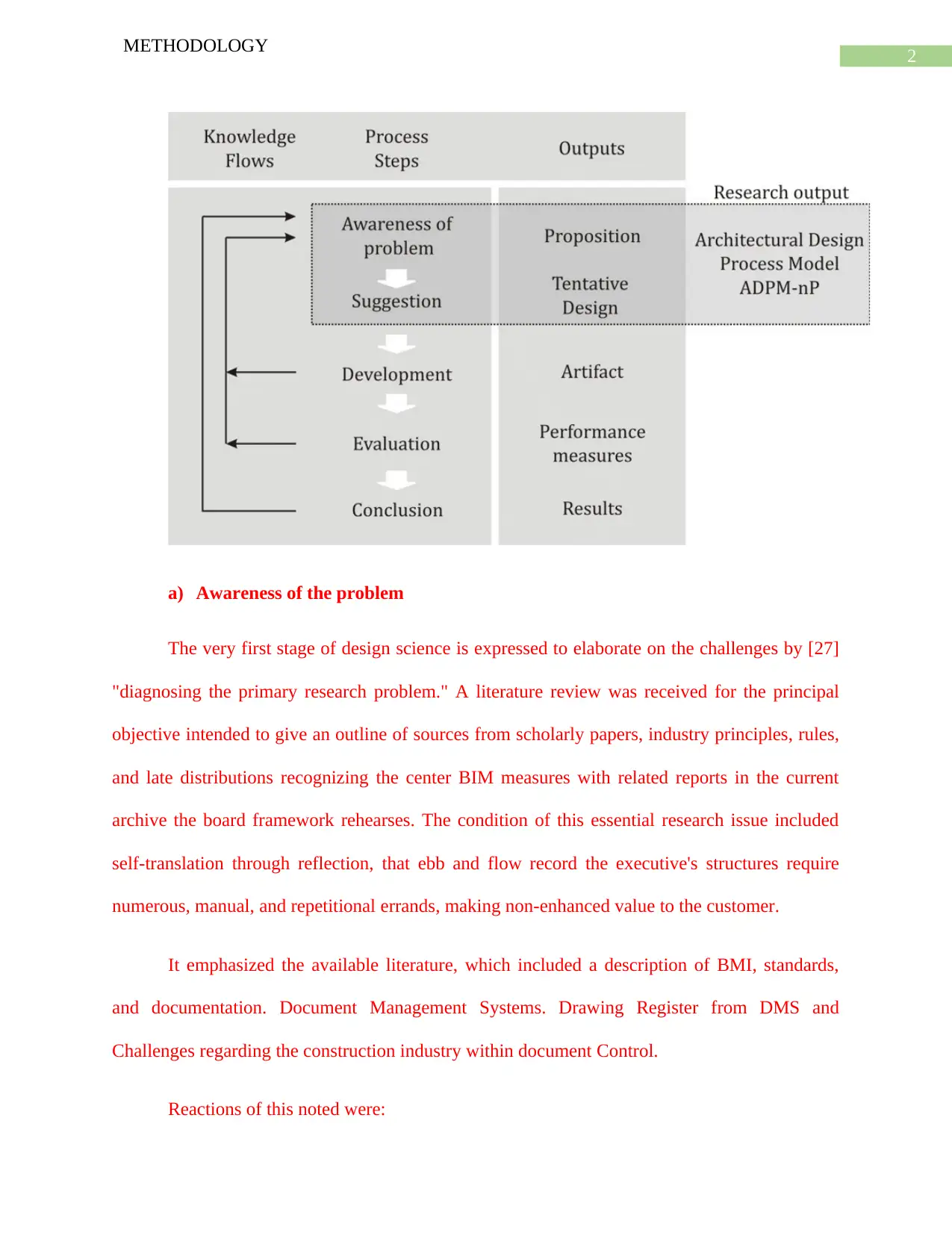
Figure 2 explains the framework of DSR. Five specific progressive stages are mentioned;
a) Awareness of the problem b) Suggestion c) Development d) Evaluation e) Conclusion. All
these stages apply to the research in this paper.
Document Page
2
METHODOLOGY
a) Awareness of the problem
The very first stage of design science is expressed to elaborate on the challenges by [27]
"diagnosing the primary research problem." A literature review was received for the principal
objective intended to give an outline of sources from scholarly papers, industry principles, rules,
and late distributions recognizing the center BIM measures with related reports in the current
archive the board framework rehearses. The condition of this essential research issue included
self-translation through reflection, that ebb and flow record the executive's structures require
numerous, manual, and repetitional errands, making non-enhanced value to the customer.
It emphasized the available literature, which included a description of BMI, standards,
and documentation. Document Management Systems. Drawing Register from DMS and
Challenges regarding the construction industry within document Control.
Reactions of this noted were:
Document Page
3
METHODOLOGY
Less innovation from the maker
Identical work (human errors)
Computational and period outflow
Not cost and profit efficient for the company
Mistakes due to variety of confusion or outdated documents
b) Recommending a solution
Regarding the stages of design research method (DSR) methodology, the second stage is
the recommendation of a solution as technologies to the problem faced while experimenting [28].
Previous studies were consulted to look for the concentration among Revit and Dynamo in the
section of design and tool.
Autodesk Revit 2020 was preferred as prevailing parametric modeling and collaboration
software, whereas for the Primary research, Dynamo 2 was chosen as the software. The author's
experience with the software used in commercial architectural practice for three years and seven
years working with Revit, helped him to make the right decision. One of the deciding aspects
was also the prominence of the software in the Irish AEC industry.
c) Development of the recommended solution
The third stage is to build up an artefact rarity to incorporate repeatability across isolated
activities, by creating and testing contents for conceivably streamlining archive control, going
about as DMS for the creation of the TIDP, Drawing Register and drawings in PDF group
consistent with the naming show, status, and corrections characterized in BS EN ISO 19650 2.
tabler-icon-diamond-filled.svg

Paraphrase This Document

Need a fresh take? Get an instant paraphrase of this document with our AI Paraphraser
Document Page
4
METHODOLOGY
The developed dynamo script is matched by the artefact in the paper investigating
automating deliverable documents. The DSR method, explained by [29], throw some light to the
important task mission "to develop knowledge that can be used by professionals in the field to
design solutions to their field problems." [30] suggests a 'technological rule' (artefact), which can
provide the solution for the practical challenge. In design science, to come up to a solution
explains the process as not only automated but also changeable in current work practices [30]. To
make the solution relevant to academic perception and to build up the artefact, the process should
be crystal clear. The process ought to require elucidation of the advanced process and the
decisions taken as the artefact progressed [26]. In design Science, a cyclic process of reflection
and action Is implanted [29-31]. When the artefact is required to progress through self-
interpretation, the cyclic process coms in demand [32]. This analytical process recommends a
solution to the researcher, making him believe that this remedy can work before any
endorsement by the client. [28, 31].
d) Evaluation
The next stage is to assess the artefact. [31] elucidate the various procedures to conduct
the evaluation can be interviews, conferences, inspections, case studies, and recreation (through
empirical testing) with the proposed patrons. Evaluation necessitates different ways to check
how successful and effective the anticipated changes in this situation or stimulated situation [28,
30]. [31] Positions, with the development of measure and criteria representing the motives of the
process, the evaluation should start at this level. The activity and progress of artefact are then
measured subsequently against theses mentioned criteria. In this paper, fabricated building
design in Revit is used to achieve evaluation. The model can be uploaded in the Revit template
Document Page
5
METHODOLOGY
as soon as the artefact is constructed using the elements required. The proposed solution
enlightens the facts that the model can be a solution to all the challenges.
[28] states that it's not just the artefact as the research output in design science but also
the after-effects of the artefact on the surroundings it has been introduced. This whole process
would originate a progression in BIM research, evaluating and entailing a new BIM processor
technology. It also can improvise the change in real-world situations.
chevron_up_icon
1 out of 6
circle_padding
hide_on_mobile
zoom_out_icon
[object Object]