Cabin Crew Management Report: Airline Passenger Needs and Conflicts
VerifiedAdded on 2020/05/28
|22
|3418
|61
Report
AI Summary
This report, focusing on cabin crew management, delves into various aspects of airline operations to ensure passenger satisfaction and safety. It begins by categorizing different types of airline passengers and their specific needs, including those with special requirements like the blind, deaf, pregnant women, and unaccompanied minors. The report outlines the importance of effective communication, including briefing methods for passengers with disabilities. It also explores the chain of command within an airline, detailing how passenger problems and complaints are handled, emphasizing the importance of verbal and written communication. Furthermore, the report examines the skills needed for effective teamwork, strategies for maintaining positive working relationships, and the significance of coordination and cooperation among crew members. It identifies common onboard incidents and conflicting situations, such as arguments, abusive behavior, and delays, and discusses appropriate behaviors in conflict situations, including assertive communication. The report concludes by highlighting methods of communication and behavior in meeting individual customer requirements, ensuring a comprehensive overview of cabin crew management practices.
Running head: CABIN CREW MANAGEMENT
CABIN CREW MANAGEMENT
Name of the Student
Name of the University
Author Note
CABIN CREW MANAGEMENT
Name of the Student
Name of the University
Author Note

Paraphrase This Document
Need a fresh take? Get an instant paraphrase of this document with our AI Paraphraser
1CABIN CREW MANAGEMENT
Table of Contents
Task 1...............................................................................................................................................3
1.1 Kind of airline passengers.....................................................................................................3
1.2 Range of airline passenger needs...........................................................................................3
1.3 Briefing to blind passengers..................................................................................................3
1.4 Onboard requirements of guide dog......................................................................................3
1.5 Briefing deaf passenger.........................................................................................................4
1.6 Identification of requirements for carriage of pregnant passengers......................................4
1.7 Onboard considerations for unaccompanied minors.............................................................5
1.8 Requirements for passengers with reduced mobility.............................................................5
1.9 Relevant passenger codes......................................................................................................6
Task 2...............................................................................................................................................7
Task 3...............................................................................................................................................7
3.1 Chain of Command................................................................................................................7
3.2 Ways of dealing with passenger problems and complaints...................................................9
3.3 Different methods of communication when dealing with passenger problems.....................9
3.4 Personal presentation, approach and attitude influence the behavior of the passenger.......10
Task 4.............................................................................................................................................10
4.1 Skills required for effective team working..........................................................................10
4.2 Maintaining effective working relationships within a team...............................................11
Table of Contents
Task 1...............................................................................................................................................3
1.1 Kind of airline passengers.....................................................................................................3
1.2 Range of airline passenger needs...........................................................................................3
1.3 Briefing to blind passengers..................................................................................................3
1.4 Onboard requirements of guide dog......................................................................................3
1.5 Briefing deaf passenger.........................................................................................................4
1.6 Identification of requirements for carriage of pregnant passengers......................................4
1.7 Onboard considerations for unaccompanied minors.............................................................5
1.8 Requirements for passengers with reduced mobility.............................................................5
1.9 Relevant passenger codes......................................................................................................6
Task 2...............................................................................................................................................7
Task 3...............................................................................................................................................7
3.1 Chain of Command................................................................................................................7
3.2 Ways of dealing with passenger problems and complaints...................................................9
3.3 Different methods of communication when dealing with passenger problems.....................9
3.4 Personal presentation, approach and attitude influence the behavior of the passenger.......10
Task 4.............................................................................................................................................10
4.1 Skills required for effective team working..........................................................................10
4.2 Maintaining effective working relationships within a team...............................................11
2CABIN CREW MANAGEMENT
Task 5.............................................................................................................................................13
5.1 Flow chart............................................................................................................................13
5.2 Importance of coordination and cooperation between the crew members..........................14
5.3 Types of incidents and conflicting situations occurring on board.......................................14
5.4 Behaviour in conflict situations...........................................................................................15
Task 6.............................................................................................................................................16
6.1 Dealing with conflict situations...........................................................................................16
6.2 Methods of communication and behavior in meeting individual requirements of customers
...................................................................................................................................................17
References......................................................................................................................................19
Task 5.............................................................................................................................................13
5.1 Flow chart............................................................................................................................13
5.2 Importance of coordination and cooperation between the crew members..........................14
5.3 Types of incidents and conflicting situations occurring on board.......................................14
5.4 Behaviour in conflict situations...........................................................................................15
Task 6.............................................................................................................................................16
6.1 Dealing with conflict situations...........................................................................................16
6.2 Methods of communication and behavior in meeting individual requirements of customers
...................................................................................................................................................17
References......................................................................................................................................19
⊘ This is a preview!⊘
Do you want full access?
Subscribe today to unlock all pages.

Trusted by 1+ million students worldwide
3CABIN CREW MANAGEMENT
Task 1
1.1 Kind of airline passengers
Scheduled passengers includes economy, business class and first class passengers
Charter includes the celebrities and politicians on the other hand low cost includes
different students, middle class income groups
Passengers with special requirements includes blind, physically impaired and mentally
impaired individuals
1.2 Range of airline passenger needs
Medical requirements
Separate diaper changing rooms for toddlers
Proper and clean washrooms
1.3 Briefing to blind passengers
Safety cards must be available on flights for briefing about the measures taken during
accidents
Flight attendants need to explain about where the food is placed
Additional attention must be provided to the blind passengers while they will be moving
to washroom or getting down from the aircraft
Lastly, there should be availability of wheel chairs for the impaired passengers travelling
1.4 Onboard requirements of guide dog
Task 1
1.1 Kind of airline passengers
Scheduled passengers includes economy, business class and first class passengers
Charter includes the celebrities and politicians on the other hand low cost includes
different students, middle class income groups
Passengers with special requirements includes blind, physically impaired and mentally
impaired individuals
1.2 Range of airline passenger needs
Medical requirements
Separate diaper changing rooms for toddlers
Proper and clean washrooms
1.3 Briefing to blind passengers
Safety cards must be available on flights for briefing about the measures taken during
accidents
Flight attendants need to explain about where the food is placed
Additional attention must be provided to the blind passengers while they will be moving
to washroom or getting down from the aircraft
Lastly, there should be availability of wheel chairs for the impaired passengers travelling
1.4 Onboard requirements of guide dog
Paraphrase This Document
Need a fresh take? Get an instant paraphrase of this document with our AI Paraphraser
4CABIN CREW MANAGEMENT
Proper acceptance of identification cards with proper written documentation and presence
of harness as there cannot be automatic certified documentation
The guide dogs do not require to perform functions for different passengers during the
entire flight to fly in cabin
Proper qualified individuals are required to be accompanied with the guide dogs as this
will comply with the FAA regulations1
1.5 Briefing deaf passenger
The flight attendants requires to be trained with sign language as to communicate with
the deaf passengers 2
There should be visual announcements for the deaf passengers in the airports
Proper availability of the gate agents are required with special notification for boarding
1.6 Identification of requirements for carriage of pregnant passengers
Proper movement and easy access to the lavatory is mandatory for the expecting mothers
Good circulation of air and staying comfortable is mandatory for the expecting mothers
on board
The belt has to be fastened below the belly as this will make them comfortable
1 Chen, Ching-Fu, and Shu-Chuan Chen. "Investigating the effects of job demands and job resources on cabin crew
safety behaviors." Tourism Management 41 (2014): 45-52.
2 Macrae, Carl. "The problem with incident reporting." BMJ Qual Saf (2015): bmjqs-2015.
Proper acceptance of identification cards with proper written documentation and presence
of harness as there cannot be automatic certified documentation
The guide dogs do not require to perform functions for different passengers during the
entire flight to fly in cabin
Proper qualified individuals are required to be accompanied with the guide dogs as this
will comply with the FAA regulations1
1.5 Briefing deaf passenger
The flight attendants requires to be trained with sign language as to communicate with
the deaf passengers 2
There should be visual announcements for the deaf passengers in the airports
Proper availability of the gate agents are required with special notification for boarding
1.6 Identification of requirements for carriage of pregnant passengers
Proper movement and easy access to the lavatory is mandatory for the expecting mothers
Good circulation of air and staying comfortable is mandatory for the expecting mothers
on board
The belt has to be fastened below the belly as this will make them comfortable
1 Chen, Ching-Fu, and Shu-Chuan Chen. "Investigating the effects of job demands and job resources on cabin crew
safety behaviors." Tourism Management 41 (2014): 45-52.
2 Macrae, Carl. "The problem with incident reporting." BMJ Qual Saf (2015): bmjqs-2015.
5CABIN CREW MANAGEMENT
1.7 Onboard considerations for unaccompanied minors
The KLM staff will be present to accompany the minor children to the aircraft
The flight attendants require to keep a close look on the minors who are not accompanied
There will be information provided to the parents of the children regarding any issues or
flight schedule changes 3
1.8 Requirements for passengers with reduced mobility
Proper assistance is required to be provided to the reduced mobility passengers wherein
there should be availability of wheel chairs or club cars along with person who will be
assisting the passenger as well 4
While entering into the flight, there should be airport mobility counter as there can be
requirement of sign language at the aircraft
3 Harrison, Virginia, and S. Mackenzie Ross. "An emerging concern: toxic fumes in airplane cabins." cortex 74
(2016): 297-302.
4 Halford, Carl D. Implementing Safety Management Systems in Aviation. Routledge, 2016.
1.7 Onboard considerations for unaccompanied minors
The KLM staff will be present to accompany the minor children to the aircraft
The flight attendants require to keep a close look on the minors who are not accompanied
There will be information provided to the parents of the children regarding any issues or
flight schedule changes 3
1.8 Requirements for passengers with reduced mobility
Proper assistance is required to be provided to the reduced mobility passengers wherein
there should be availability of wheel chairs or club cars along with person who will be
assisting the passenger as well 4
While entering into the flight, there should be airport mobility counter as there can be
requirement of sign language at the aircraft
3 Harrison, Virginia, and S. Mackenzie Ross. "An emerging concern: toxic fumes in airplane cabins." cortex 74
(2016): 297-302.
4 Halford, Carl D. Implementing Safety Management Systems in Aviation. Routledge, 2016.
⊘ This is a preview!⊘
Do you want full access?
Subscribe today to unlock all pages.
Trusted by 1+ million students worldwide
6CABIN CREW MANAGEMENT
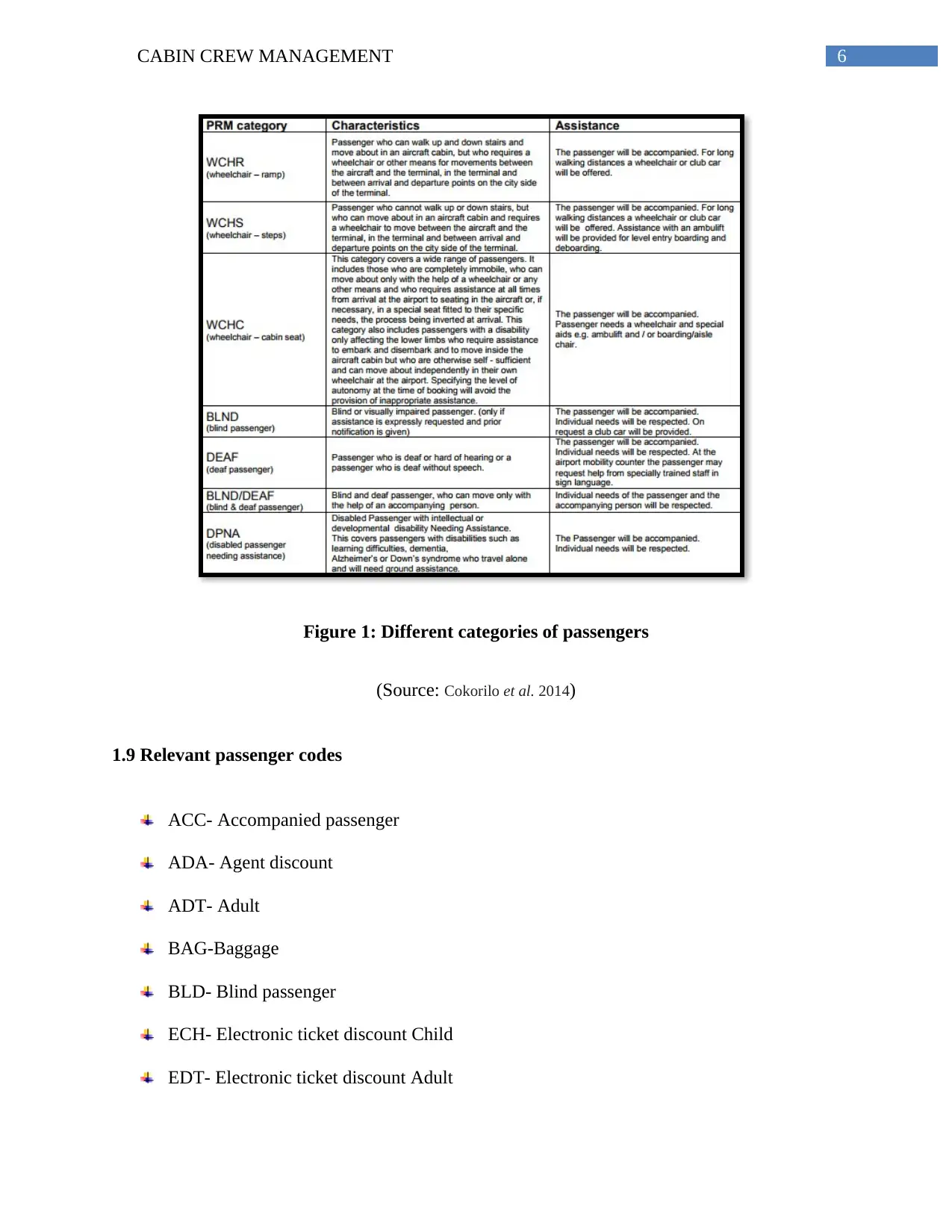
Figure 1: Different categories of passengers
(Source: Cokorilo et al. 2014)
1.9 Relevant passenger codes
ACC- Accompanied passenger
ADA- Agent discount
ADT- Adult
BAG-Baggage
BLD- Blind passenger
ECH- Electronic ticket discount Child
EDT- Electronic ticket discount Adult
Figure 1: Different categories of passengers
(Source: Cokorilo et al. 2014)
1.9 Relevant passenger codes
ACC- Accompanied passenger
ADA- Agent discount
ADT- Adult
BAG-Baggage
BLD- Blind passenger
ECH- Electronic ticket discount Child
EDT- Electronic ticket discount Adult
Paraphrase This Document
Need a fresh take? Get an instant paraphrase of this document with our AI Paraphraser
7CABIN CREW MANAGEMENT
SCC- Senior discounted Companion
UNN- Unaccompanied Child
Task 2
The task is presented in the form of a PowerPoint presentation, which has been attached.
Task 3
3.1 Chain of Command
PilotCheckpilotFirstOfficer
SCC- Senior discounted Companion
UNN- Unaccompanied Child
Task 2
The task is presented in the form of a PowerPoint presentation, which has been attached.
Task 3
3.1 Chain of Command
PilotCheckpilotFirstOfficer
8CABIN CREW MANAGEMENT
Figure 2: The chain of command.
Chain of Command in an airline refers to the hierarchy followed in the particular airline.
Every member of the chain of command has a certain protocol to follow
Seating, meals- These are the minor problems that occur and tend to be generally solved
by the junior crewmember. In case the matter escalates, the flight purser takes charge.
Storage of bags- Taken care of by the junior staff members and the senior cabin staff.
Other passengers- When matters get out of hand, the flight purser takes care of the issue.
Delays- The problems arising due to delays are addressed by the flight purser and in case
of an emergency by the pilot5.
Technical- All technical problems are taken care of by the pilot..
5 Landier, Augustin, et al. "Bottom-up corporate governance." Review of Finance (2013): 161-201.
Figure 2: The chain of command.
Chain of Command in an airline refers to the hierarchy followed in the particular airline.
Every member of the chain of command has a certain protocol to follow
Seating, meals- These are the minor problems that occur and tend to be generally solved
by the junior crewmember. In case the matter escalates, the flight purser takes charge.
Storage of bags- Taken care of by the junior staff members and the senior cabin staff.
Other passengers- When matters get out of hand, the flight purser takes care of the issue.
Delays- The problems arising due to delays are addressed by the flight purser and in case
of an emergency by the pilot5.
Technical- All technical problems are taken care of by the pilot..
5 Landier, Augustin, et al. "Bottom-up corporate governance." Review of Finance (2013): 161-201.
⊘ This is a preview!⊘
Do you want full access?
Subscribe today to unlock all pages.
Trusted by 1+ million students worldwide
9CABIN CREW MANAGEMENT
3.2 Ways of dealing with passenger problems and complaints
In the case of an airline business, the whole business model centers on a passenger and
therefore it is extremely important that the airlines deal effectively with passenger problems and
complaints6. Given below is a guide, which describes the manner in which the customer
problems must be dealt with :
Taking the complaint with a step back- whenever a customer makes a complaint it is
extremely important to see to it that the person in charge takes a step back and faces the
criticism gracefully.
Providing the customer with full attention so that the customer feels valued.
Understanding the problem efficiently by imagining oneself in the customer`s shoes.
The passenger must be dealt with a single person only7. When the customer is passed
about from person to person t creates a bad impression on the company.
Once the customer has stated the complaint, an immediate apology should be provided to
the consumer s and the airline must take responsibility for their actions.
In case of an airline business, very often the customer needs to be provided with
compensation and it should be seen to it that it is provided immediately.
3.3 Different methods of communication when dealing with passenger problems
6 Sull, Donald, Rebecca Homkes, and Charles Sull. "Why strategy execution unravels—and what to do about
it." Harvard Business Review 93.3 (2015): 57-66.
7 Ochieng, Isaac, Marcella Riwo-Abudho, and Lily Njanja. "Impact Of Organization Characteristics On Sustainable
Competitive Advantage During Strategic Change In Airlines." (2013).
3.2 Ways of dealing with passenger problems and complaints
In the case of an airline business, the whole business model centers on a passenger and
therefore it is extremely important that the airlines deal effectively with passenger problems and
complaints6. Given below is a guide, which describes the manner in which the customer
problems must be dealt with :
Taking the complaint with a step back- whenever a customer makes a complaint it is
extremely important to see to it that the person in charge takes a step back and faces the
criticism gracefully.
Providing the customer with full attention so that the customer feels valued.
Understanding the problem efficiently by imagining oneself in the customer`s shoes.
The passenger must be dealt with a single person only7. When the customer is passed
about from person to person t creates a bad impression on the company.
Once the customer has stated the complaint, an immediate apology should be provided to
the consumer s and the airline must take responsibility for their actions.
In case of an airline business, very often the customer needs to be provided with
compensation and it should be seen to it that it is provided immediately.
3.3 Different methods of communication when dealing with passenger problems
6 Sull, Donald, Rebecca Homkes, and Charles Sull. "Why strategy execution unravels—and what to do about
it." Harvard Business Review 93.3 (2015): 57-66.
7 Ochieng, Isaac, Marcella Riwo-Abudho, and Lily Njanja. "Impact Of Organization Characteristics On Sustainable
Competitive Advantage During Strategic Change In Airlines." (2013).
Paraphrase This Document
Need a fresh take? Get an instant paraphrase of this document with our AI Paraphraser
10CABIN CREW MANAGEMENT
Verbal Communication- When the passenger complaints to the crew, the customer should
not be left hanging and should be provided immediate help via verbal communication
techniques like consolation and understanding8. The customer should be sympathizing
with and an oral apology must be given to the consumer. This can take the form of
conferences or meetings with the consumer.
Very often the passenger complaints via online portals much after the passenger has
taken the flight then the written communication technique must be used by the
crewmembers and online management in order address the complaints of the consumers.
This can take the form of emails or letters sent to the consumer.
3.4 Personal presentation, approach and attitude influence the behavior of the passenger.
Travelling by air is generally considered to be extremely expensive. Hence, when the
customer uses this mean he expects that he will be given respect. Therefore, when the passenger
experiences that the staff is presented properly and they are approaching the customer with
utmost respect they will that the services offered by the airline will be of the ulterior quality.
Therefore, proper presentation is extremely important to influence the behaviour of the
consumer.
Task 4
4.1 Skills required for effective team working
8 Knapp, Mark L., Judith A. Hall, and Terrence G. Horgan. Nonverbal communication in human interaction.
Cengage Learning, 2013.
Verbal Communication- When the passenger complaints to the crew, the customer should
not be left hanging and should be provided immediate help via verbal communication
techniques like consolation and understanding8. The customer should be sympathizing
with and an oral apology must be given to the consumer. This can take the form of
conferences or meetings with the consumer.
Very often the passenger complaints via online portals much after the passenger has
taken the flight then the written communication technique must be used by the
crewmembers and online management in order address the complaints of the consumers.
This can take the form of emails or letters sent to the consumer.
3.4 Personal presentation, approach and attitude influence the behavior of the passenger.
Travelling by air is generally considered to be extremely expensive. Hence, when the
customer uses this mean he expects that he will be given respect. Therefore, when the passenger
experiences that the staff is presented properly and they are approaching the customer with
utmost respect they will that the services offered by the airline will be of the ulterior quality.
Therefore, proper presentation is extremely important to influence the behaviour of the
consumer.
Task 4
4.1 Skills required for effective team working
8 Knapp, Mark L., Judith A. Hall, and Terrence G. Horgan. Nonverbal communication in human interaction.
Cengage Learning, 2013.
11CABIN CREW MANAGEMENT
Supportive- The staff should be supportive and handle the customer needs with utmost
care.
Comfortable with disagreement and to be able to overcome differences in opinion- The
passenger and the airline may not agree to the same point. Therefore, the staff should be
comfortable with the disagreement and provide adequate help to the passenger.
Ability to discuss and listen- The flight crew must be good at communication but
foremost he must be a good listener9. The passenger will appreciate the effort of the staff
if he listens properly to the problems of the people.
Able to learn from experience- A mistake can be made only once and not twice,
therefore, the staff must have the ability to learn from the mistakes it tends to make.
Improving performance- The cabin crew staff should have adequate ability to learn from
the mistakes, which it tends to make and improve the performance.
4.2 Maintaining effective working relationships within a team
An airline cannot function alone. Therefore, it is extremely important that the various staff
members work together.
Sharing workloads- The workload should be shared equally among the various staff
members in order to make sure that the work is completed efficiently.
Sharing information- Once a crewmember receives particular information, it is his duty to
disseminate the information throughout the organization in order to avoid redundancy.
9 Chen, Ching-Fu, and Shu-Chuan Chen. "Upward Safety Communication and Safety Behavior of Cabin
Crew." Proceedings of the Eastern Asia Society for Transportation Studies. Vol. 9. 2013.
Supportive- The staff should be supportive and handle the customer needs with utmost
care.
Comfortable with disagreement and to be able to overcome differences in opinion- The
passenger and the airline may not agree to the same point. Therefore, the staff should be
comfortable with the disagreement and provide adequate help to the passenger.
Ability to discuss and listen- The flight crew must be good at communication but
foremost he must be a good listener9. The passenger will appreciate the effort of the staff
if he listens properly to the problems of the people.
Able to learn from experience- A mistake can be made only once and not twice,
therefore, the staff must have the ability to learn from the mistakes it tends to make.
Improving performance- The cabin crew staff should have adequate ability to learn from
the mistakes, which it tends to make and improve the performance.
4.2 Maintaining effective working relationships within a team
An airline cannot function alone. Therefore, it is extremely important that the various staff
members work together.
Sharing workloads- The workload should be shared equally among the various staff
members in order to make sure that the work is completed efficiently.
Sharing information- Once a crewmember receives particular information, it is his duty to
disseminate the information throughout the organization in order to avoid redundancy.
9 Chen, Ching-Fu, and Shu-Chuan Chen. "Upward Safety Communication and Safety Behavior of Cabin
Crew." Proceedings of the Eastern Asia Society for Transportation Studies. Vol. 9. 2013.
⊘ This is a preview!⊘
Do you want full access?
Subscribe today to unlock all pages.
Trusted by 1+ million students worldwide

1 out of 22


Your All-in-One AI-Powered Toolkit for Academic Success.
+13062052269
info@desklib.com
Available 24*7 on WhatsApp / Email
![[object Object]](/_next/static/media/star-bottom.7253800d.svg)
Unlock your academic potential
Copyright © 2020–2026 A2Z Services. All Rights Reserved. Developed and managed by ZUCOL.