Exploring Digital Artworks: Data, Audience Engagement, Surveillance
VerifiedAdded on 2023/06/05
|8
|1726
|202
Essay
AI Summary
This essay explores the evolving landscape of digital artworks, focusing on three key aspects: data visualization, audience participation, and surveillance. The first blog post discusses how artists are utilizing data and computational platforms to express creative ideas, highlighting the use of algorithms and scientific visualization techniques. The second blog post examines the ways in which artworks can change audience perception, emphasizing interactivity and active participation through examples like Weavesilk. The final blog post delves into the intersection of digital art and surveillance, referencing Jill Magid's 'Evidence Locker' to explore themes of security, voyeurism, and the reciprocal influences between surveillance and art. This essay provides a comprehensive overview of how digital technologies are shaping contemporary artistic expression and audience engagement.
Running head: DIGITAL ARTWORKS
Digital Artworks
Name of the Student
Name of the University
Author’s note
Digital Artworks
Name of the Student
Name of the University
Author’s note
Paraphrase This Document
Need a fresh take? Get an instant paraphrase of this document with our AI Paraphraser

1DIGITAL ARTWORKS
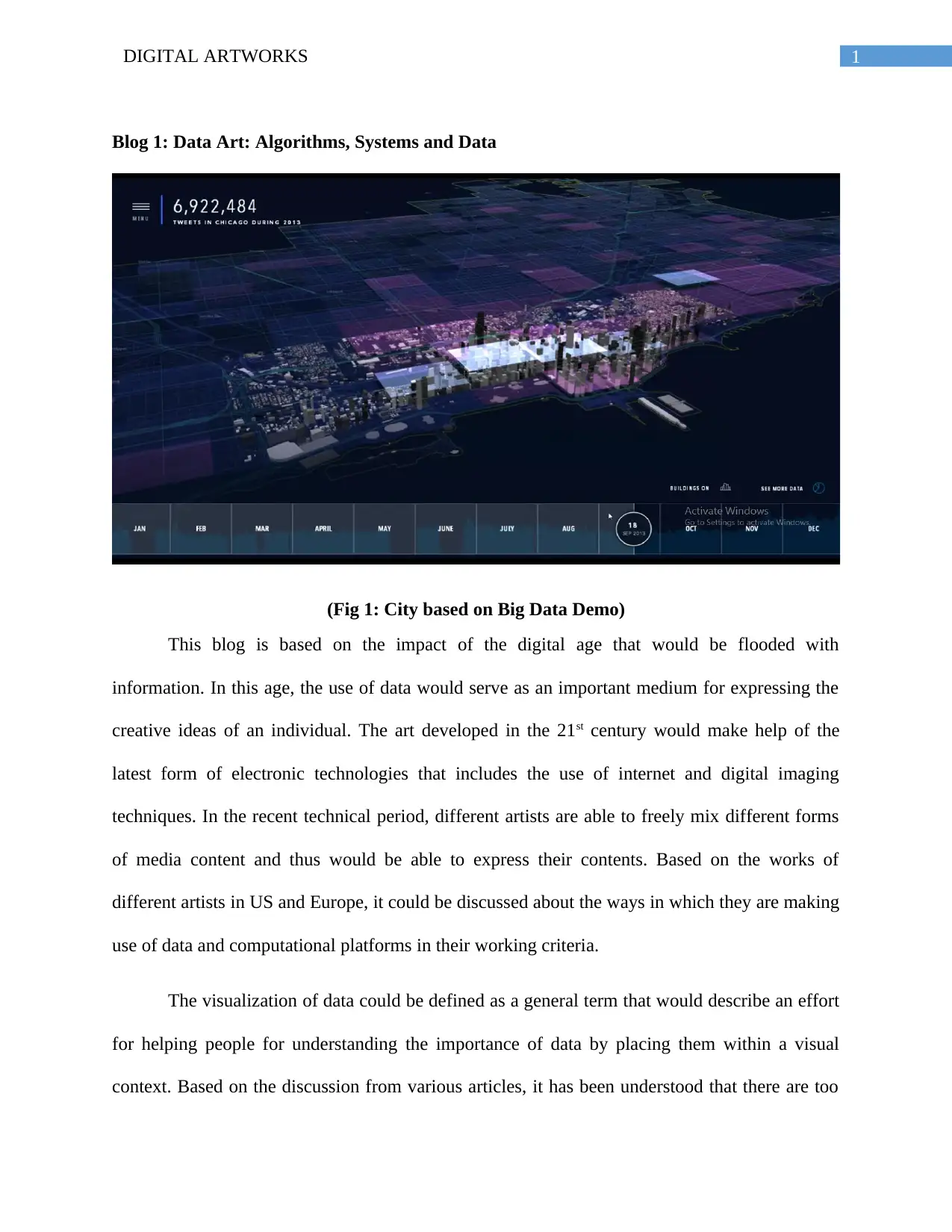
Blog 1: Data Art: Algorithms, Systems and Data
(Fig 1: City based on Big Data Demo)
This blog is based on the impact of the digital age that would be flooded with
information. In this age, the use of data would serve as an important medium for expressing the
creative ideas of an individual. The art developed in the 21st century would make help of the
latest form of electronic technologies that includes the use of internet and digital imaging
techniques. In the recent technical period, different artists are able to freely mix different forms
of media content and thus would be able to express their contents. Based on the works of
different artists in US and Europe, it could be discussed about the ways in which they are making
use of data and computational platforms in their working criteria.
The visualization of data could be defined as a general term that would describe an effort
for helping people for understanding the importance of data by placing them within a visual
context. Based on the discussion from various articles, it has been understood that there are too
Blog 1: Data Art: Algorithms, Systems and Data
(Fig 1: City based on Big Data Demo)
This blog is based on the impact of the digital age that would be flooded with
information. In this age, the use of data would serve as an important medium for expressing the
creative ideas of an individual. The art developed in the 21st century would make help of the
latest form of electronic technologies that includes the use of internet and digital imaging
techniques. In the recent technical period, different artists are able to freely mix different forms
of media content and thus would be able to express their contents. Based on the works of
different artists in US and Europe, it could be discussed about the ways in which they are making
use of data and computational platforms in their working criteria.
The visualization of data could be defined as a general term that would describe an effort
for helping people for understanding the importance of data by placing them within a visual
context. Based on the discussion from various articles, it has been understood that there are too

2DIGITAL ARTWORKS
many kinds of creative stories that could be derived from a rich complex data set. The different
artists are implementing little tools with the aid of algorithms. These are able to discuss various
questions and are also able to find answers based on visual and numerical forms (City of Big
Data Demo, 2018).
Scientific based visualization is also another form of technique that helps artists to
illustrate the scientific sets of data in a graphical form. These artists also make a wide form of
use of the Big Data sets for the purpose of influencing the lives of the people and their emotions.
The best form of artistic visualization not only discusses about the patterns and relationships but
would also include the choice of the data sets. These artists mainly discuss about the statements
from the real world (Manovich, 2016). They mainly focus on the traditional aspects of data and
link them with the data sets with the recent times thus developing newer ideas. With the wide
form of innovation within the various aspects of art, the artists have visualized that they have
been able to co-create the future with the help of Big Data platforms and tools. These innovative
aspects are thus changing the face of civilization and are helping for defining new form of
aspects of art. The innovation within the various forms of art have thus transformed into
immersive visualizations that could be better understood.
Reference
City of Big Data Demo. (2018). Retrieved from https://www.youtube.com/watch?
v=2pM6j8eYhWA
Manovich, L. (2016) Artistic Visualization (Chapter 19, pp. 426-444). A Companion to Digital
Art. ed Christiane Paul. John Wiley & Sons.
many kinds of creative stories that could be derived from a rich complex data set. The different
artists are implementing little tools with the aid of algorithms. These are able to discuss various
questions and are also able to find answers based on visual and numerical forms (City of Big
Data Demo, 2018).
Scientific based visualization is also another form of technique that helps artists to
illustrate the scientific sets of data in a graphical form. These artists also make a wide form of
use of the Big Data sets for the purpose of influencing the lives of the people and their emotions.
The best form of artistic visualization not only discusses about the patterns and relationships but
would also include the choice of the data sets. These artists mainly discuss about the statements
from the real world (Manovich, 2016). They mainly focus on the traditional aspects of data and
link them with the data sets with the recent times thus developing newer ideas. With the wide
form of innovation within the various aspects of art, the artists have visualized that they have
been able to co-create the future with the help of Big Data platforms and tools. These innovative
aspects are thus changing the face of civilization and are helping for defining new form of
aspects of art. The innovation within the various forms of art have thus transformed into
immersive visualizations that could be better understood.
Reference
City of Big Data Demo. (2018). Retrieved from https://www.youtube.com/watch?
v=2pM6j8eYhWA
Manovich, L. (2016) Artistic Visualization (Chapter 19, pp. 426-444). A Companion to Digital
Art. ed Christiane Paul. John Wiley & Sons.
⊘ This is a preview!⊘
Do you want full access?
Subscribe today to unlock all pages.

Trusted by 1+ million students worldwide

3DIGITAL ARTWORKS
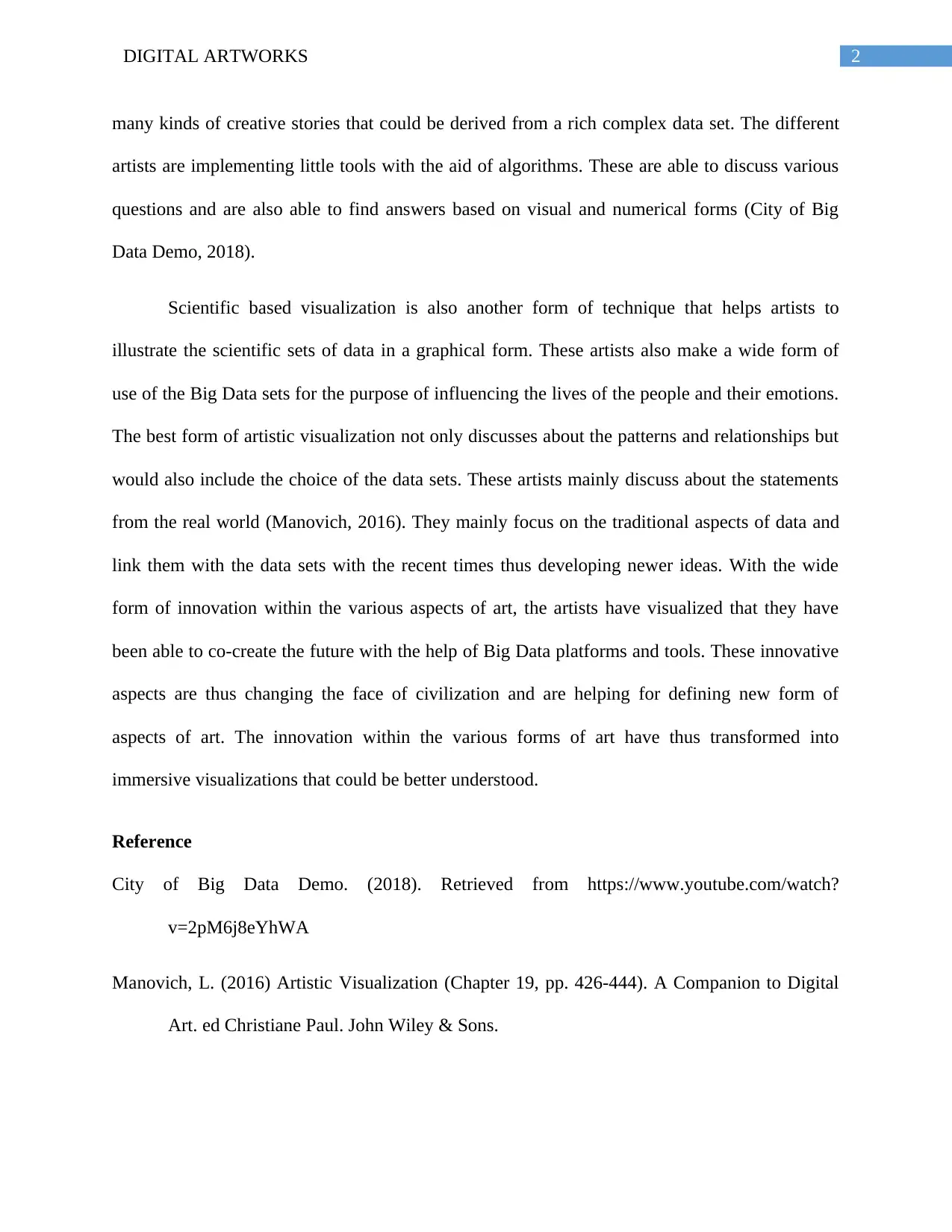
Blog 2: Audience Participation
(Fig 2: Image made in Weavesilk)
This blog is based on the various ways in which the different artworks would be able to
change the perception of audience. In the digital age, new forms of media have the capability to
bring interactivity among the audience. The new forms of artworks would be able to bring about
the engagement of audience, interaction and active participation among the audiences. In the
recent times, audiences mainly engage with the various art works based on the use of different
forms of skills such as listening, viewing, reading, watching and many others (Graham & Cook,
2010).
There are two forms of reception, which are passive and active. In the passive form, the
viewer would be able to passively receive the message collected from the artist. In the active
form, the audiences would directly be able to interpret and construct the proper meaning of the
artwork. This could then be able to use them for their personal purposes.
Blog 2: Audience Participation
(Fig 2: Image made in Weavesilk)
This blog is based on the various ways in which the different artworks would be able to
change the perception of audience. In the digital age, new forms of media have the capability to
bring interactivity among the audience. The new forms of artworks would be able to bring about
the engagement of audience, interaction and active participation among the audiences. In the
recent times, audiences mainly engage with the various art works based on the use of different
forms of skills such as listening, viewing, reading, watching and many others (Graham & Cook,
2010).
There are two forms of reception, which are passive and active. In the passive form, the
viewer would be able to passively receive the message collected from the artist. In the active
form, the audiences would directly be able to interpret and construct the proper meaning of the
artwork. This could then be able to use them for their personal purposes.
Paraphrase This Document
Need a fresh take? Get an instant paraphrase of this document with our AI Paraphraser

4DIGITAL ARTWORKS
One of the example of digital forms of art is based on a website known as Weavesilk
(Silk – Interactive Generative Art, 2018). Through this website, users would be able to create
colourful form of digital images within a black background. The participation of audience within
the website would help them in relieving them from anxiety or could be used for creating
wallpapers. These form of digital technologies would help in the new form of mode of
participation and interaction of audiences. With the help of this website, the users would be put
forward into a new world of interaction (Flanagan, 2011). The users would be able to choose
different elements and would also be directed about the paths to be followed. Hence this would
result in a unique form of creative work. Different forms of online interactive forms of artworks
such as Weavesilk would be able to involve the participation of the audiences and they would be
able to share their level of interaction. The audience participation would be mainly be able to
focus on the interaction of the audiences based on the different kinds of websites. The amount of
the control over the website would be controllable by the artist who would be working on the
system. In different galleries and various public spaces, the audience would become active
performers as they would be able to interact with the work. The audience would be able to stand
back and thus observe the works of different audiences and members based on their level of
participation.
Reference
Flanagan, M. (2011) Play, Participation, and Art: Blurring the Edges (pp. 89-100). Context
providers : conditions of meaning in media arts. eds Margot Lovejoy, Christiane Paul,
Victoria Vesna. Intellect, The University of Chicago Press.
Silk – Interactive Generative Art. (2018). Retrieved from http://weavesilk.com/
One of the example of digital forms of art is based on a website known as Weavesilk
(Silk – Interactive Generative Art, 2018). Through this website, users would be able to create
colourful form of digital images within a black background. The participation of audience within
the website would help them in relieving them from anxiety or could be used for creating
wallpapers. These form of digital technologies would help in the new form of mode of
participation and interaction of audiences. With the help of this website, the users would be put
forward into a new world of interaction (Flanagan, 2011). The users would be able to choose
different elements and would also be directed about the paths to be followed. Hence this would
result in a unique form of creative work. Different forms of online interactive forms of artworks
such as Weavesilk would be able to involve the participation of the audiences and they would be
able to share their level of interaction. The audience participation would be mainly be able to
focus on the interaction of the audiences based on the different kinds of websites. The amount of
the control over the website would be controllable by the artist who would be working on the
system. In different galleries and various public spaces, the audience would become active
performers as they would be able to interact with the work. The audience would be able to stand
back and thus observe the works of different audiences and members based on their level of
participation.
Reference
Flanagan, M. (2011) Play, Participation, and Art: Blurring the Edges (pp. 89-100). Context
providers : conditions of meaning in media arts. eds Margot Lovejoy, Christiane Paul,
Victoria Vesna. Intellect, The University of Chicago Press.
Silk – Interactive Generative Art. (2018). Retrieved from http://weavesilk.com/

5DIGITAL ARTWORKS
Graham, B. & Cook, S. (2010) Rethinking curating: art after new media, (pp.111-144).
Cambridge, Mass.; London: MIT Press.
Blog 3: Digital Art and Surveillance
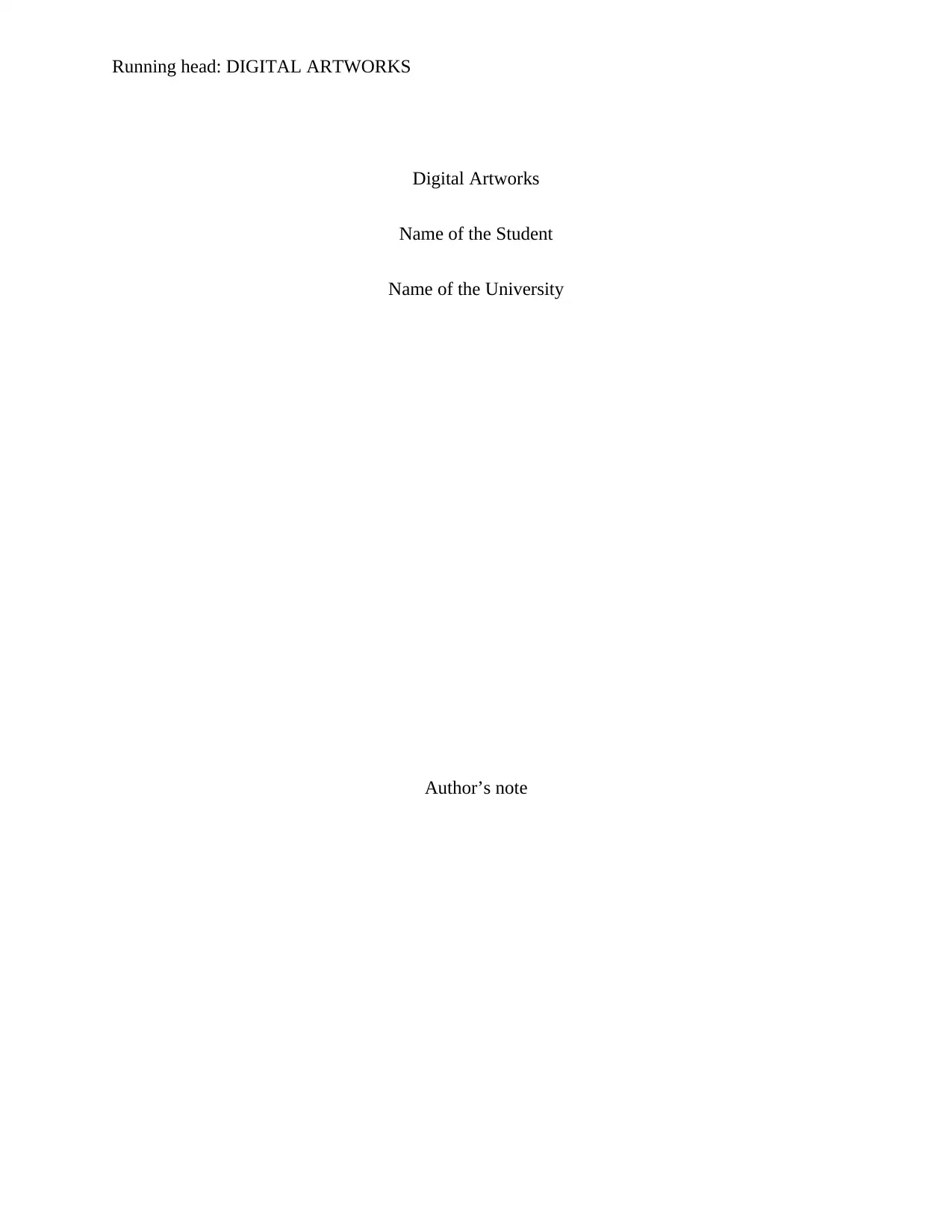
(Fig 3: Achieves from Jill Magid’s ‘Evidence Locker’)
The ubiquity of public surveillance technology was turned inside out in artist based on
the work of Jill Magid’s 2004, Evidence Locker. Jill Magid went to Liverpool for 31 days and
request access for the footages of her to the local authorities. In her proposal she wrote “Dear
Observer, Make me a diary and keep it safe (Maas,2014). Take care it is mine. Hold this
photograph of my face. Keep all our entries in order. Put the letters in your desk file and the
images in your evidence locker. You can edit everyone else out. I will fill in the gaps, the parts of
Graham, B. & Cook, S. (2010) Rethinking curating: art after new media, (pp.111-144).
Cambridge, Mass.; London: MIT Press.
Blog 3: Digital Art and Surveillance
(Fig 3: Achieves from Jill Magid’s ‘Evidence Locker’)
The ubiquity of public surveillance technology was turned inside out in artist based on
the work of Jill Magid’s 2004, Evidence Locker. Jill Magid went to Liverpool for 31 days and
request access for the footages of her to the local authorities. In her proposal she wrote “Dear
Observer, Make me a diary and keep it safe (Maas,2014). Take care it is mine. Hold this
photograph of my face. Keep all our entries in order. Put the letters in your desk file and the
images in your evidence locker. You can edit everyone else out. I will fill in the gaps, the parts of
⊘ This is a preview!⊘
Do you want full access?
Subscribe today to unlock all pages.

Trusted by 1+ million students worldwide

6DIGITAL ARTWORKS
my diary you are missing. Since you can’t follow me inside, I will record the inside for you. I
will mark the time carefully so you will never lose me. Don’t worry about finding me. I will help
you… Sincerely, JSM ” . She wore a red dress to identify herself and the above pictures are
captured through the CCTV camera. In one case, she was blindfolded and asked police to direct
her to a certain direction. Later she retrieves the footages and composed them as dreamlike diary
entries (Creative Time Summit, Art in the Age of Surveillance: Jill Magid, 2018).
Nowadays, most of the populated and crucial areas are monitored with CCTV in order to
increased opportunities for surveillance, narcissism, exhibitionism and voyeurism. The factor of
security could be defined as the fundamental aspect across every perspective of the lives of
individuals (Brighenti, 2010). CCTV surveillance offers that peace of mind leaving the
impression that there is always an extra pair of eyes. Surveillance could be defined as a fact of
life that people would be constantly be looked on by CCTV. The electronic eyes would be able
to look after every aspect and would be able to define every aspect of the works of people.
Based on the art of surveillance, the ‘artveillance’ could be defined as the domain of
exchanges and reciprocal influences between surveillance and art. Different researchers within
the field of surveillance mainly focus on the works of issues that would arise on the interface of
technical and social infrastructures. These would include privacy, surveillance, data protection
and prime access to data. Different kinds of artists who make use of new form of media
technologies mainly seek for producing different forms of specific events or several encounters
based on surveillance technologies. The use and impacts of artveillance could be defined as a
form of surveillance, which would be based on the recording of images, tracking of flow of data,
process stored and acquired data.
my diary you are missing. Since you can’t follow me inside, I will record the inside for you. I
will mark the time carefully so you will never lose me. Don’t worry about finding me. I will help
you… Sincerely, JSM ” . She wore a red dress to identify herself and the above pictures are
captured through the CCTV camera. In one case, she was blindfolded and asked police to direct
her to a certain direction. Later she retrieves the footages and composed them as dreamlike diary
entries (Creative Time Summit, Art in the Age of Surveillance: Jill Magid, 2018).
Nowadays, most of the populated and crucial areas are monitored with CCTV in order to
increased opportunities for surveillance, narcissism, exhibitionism and voyeurism. The factor of
security could be defined as the fundamental aspect across every perspective of the lives of
individuals (Brighenti, 2010). CCTV surveillance offers that peace of mind leaving the
impression that there is always an extra pair of eyes. Surveillance could be defined as a fact of
life that people would be constantly be looked on by CCTV. The electronic eyes would be able
to look after every aspect and would be able to define every aspect of the works of people.
Based on the art of surveillance, the ‘artveillance’ could be defined as the domain of
exchanges and reciprocal influences between surveillance and art. Different researchers within
the field of surveillance mainly focus on the works of issues that would arise on the interface of
technical and social infrastructures. These would include privacy, surveillance, data protection
and prime access to data. Different kinds of artists who make use of new form of media
technologies mainly seek for producing different forms of specific events or several encounters
based on surveillance technologies. The use and impacts of artveillance could be defined as a
form of surveillance, which would be based on the recording of images, tracking of flow of data,
process stored and acquired data.
Paraphrase This Document
Need a fresh take? Get an instant paraphrase of this document with our AI Paraphraser

7DIGITAL ARTWORKS
Reference
Brighenti, A. M. (2010) Artveillance: At the Crossroads of Art and Surveillance. Surveillance &
Society, Special Issue on Surveillance, Performance and New Media Art, ed. John
McGrath and Robert Sweeny, 7(2), pp. 175-186.
Maas, P. (2014) “Art in a Time of Surveillance,” The Intercept.
https://theintercept.com/2014/11/13/art-surveillance-explored-artists/
Creative Time Summit, Art in the Age of Surveillance: Jill Magid. (2018). Retrieved from
https://www.youtube.com/watch?v=laStNBHSfuU
Reference
Brighenti, A. M. (2010) Artveillance: At the Crossroads of Art and Surveillance. Surveillance &
Society, Special Issue on Surveillance, Performance and New Media Art, ed. John
McGrath and Robert Sweeny, 7(2), pp. 175-186.
Maas, P. (2014) “Art in a Time of Surveillance,” The Intercept.
https://theintercept.com/2014/11/13/art-surveillance-explored-artists/
Creative Time Summit, Art in the Age of Surveillance: Jill Magid. (2018). Retrieved from
https://www.youtube.com/watch?v=laStNBHSfuU
1 out of 8
Related Documents
Your All-in-One AI-Powered Toolkit for Academic Success.
+13062052269
info@desklib.com
Available 24*7 on WhatsApp / Email
Unlock your academic potential
Copyright © 2020–2025 A2Z Services. All Rights Reserved. Developed and managed by ZUCOL.