Eco Shoes Marketing Plan: Sustainable Footwear for Gen X

Verified

Added on  2023/06/09

|28
|1380
|388
Report
AI Summary
This marketing plan outlines a strategy for launching eco-friendly shoes, made with recycled tire rubber, targeting the millennial and Gen X demographics. The plan includes a situation analysis covering political, economic, social, technological, environmental, and legal factors affecting the tire recycling industry. Key marketing objectives are focused on online sales through platforms like Kickstarter, emphasizing sustainability and ethical consumerism. The marketing mix encompasses a competitively priced, durable product promoted via social media. The action plan prioritizes market research and a social media marketing strategy to appeal to environmentally conscious consumers, positioning the eco shoes as a pioneering technology in tire recycling and a sustainable alternative to conventional footwear.
Document Page
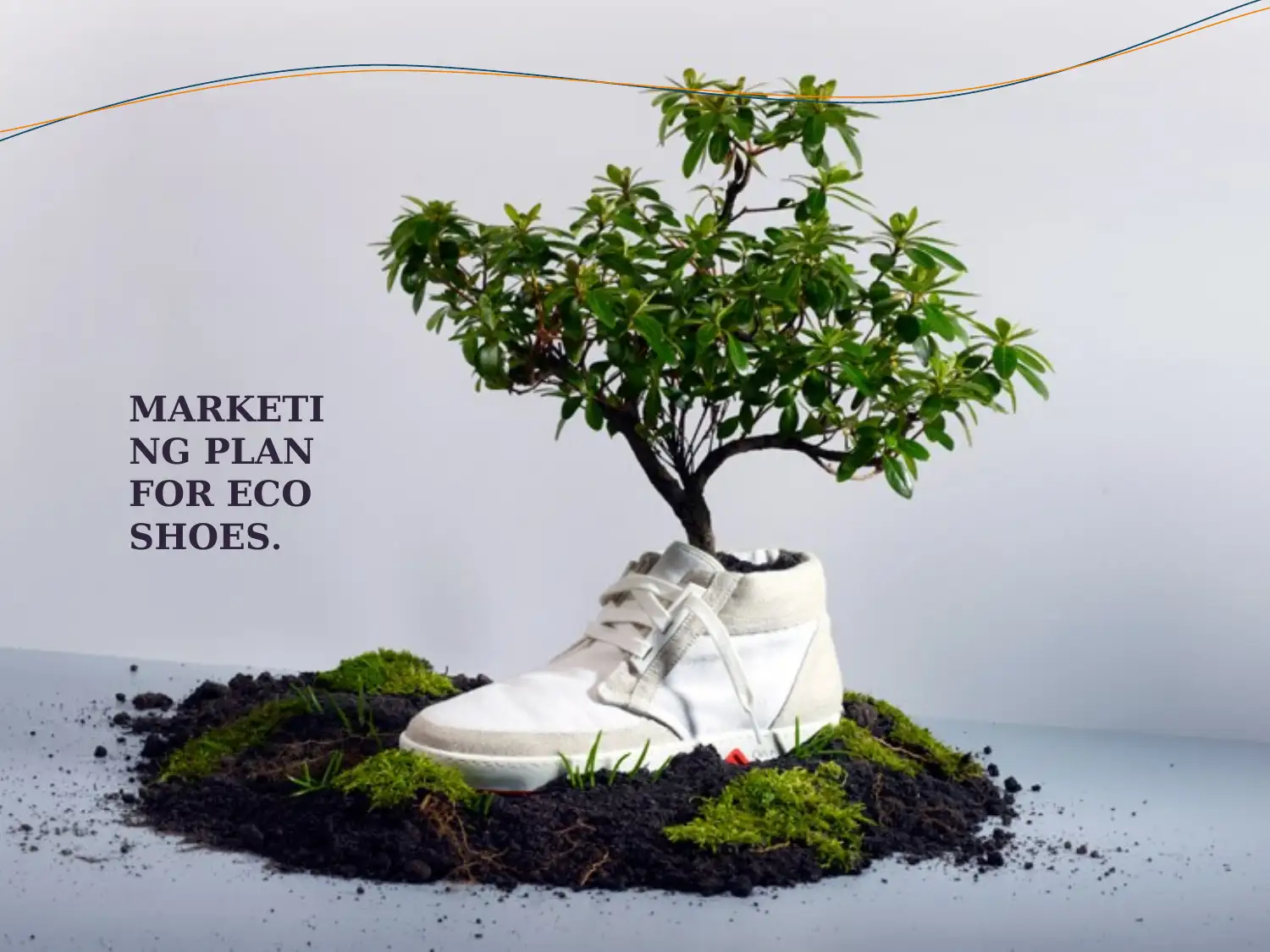
MARKETI
NG PLAN
FOR ECO
SHOES.
tabler-icon-diamond-filled.svg

Paraphrase This Document

Need a fresh take? Get an instant paraphrase of this document with our AI Paraphraser
Document Page
OVERVIEW OF THE PRODUCT
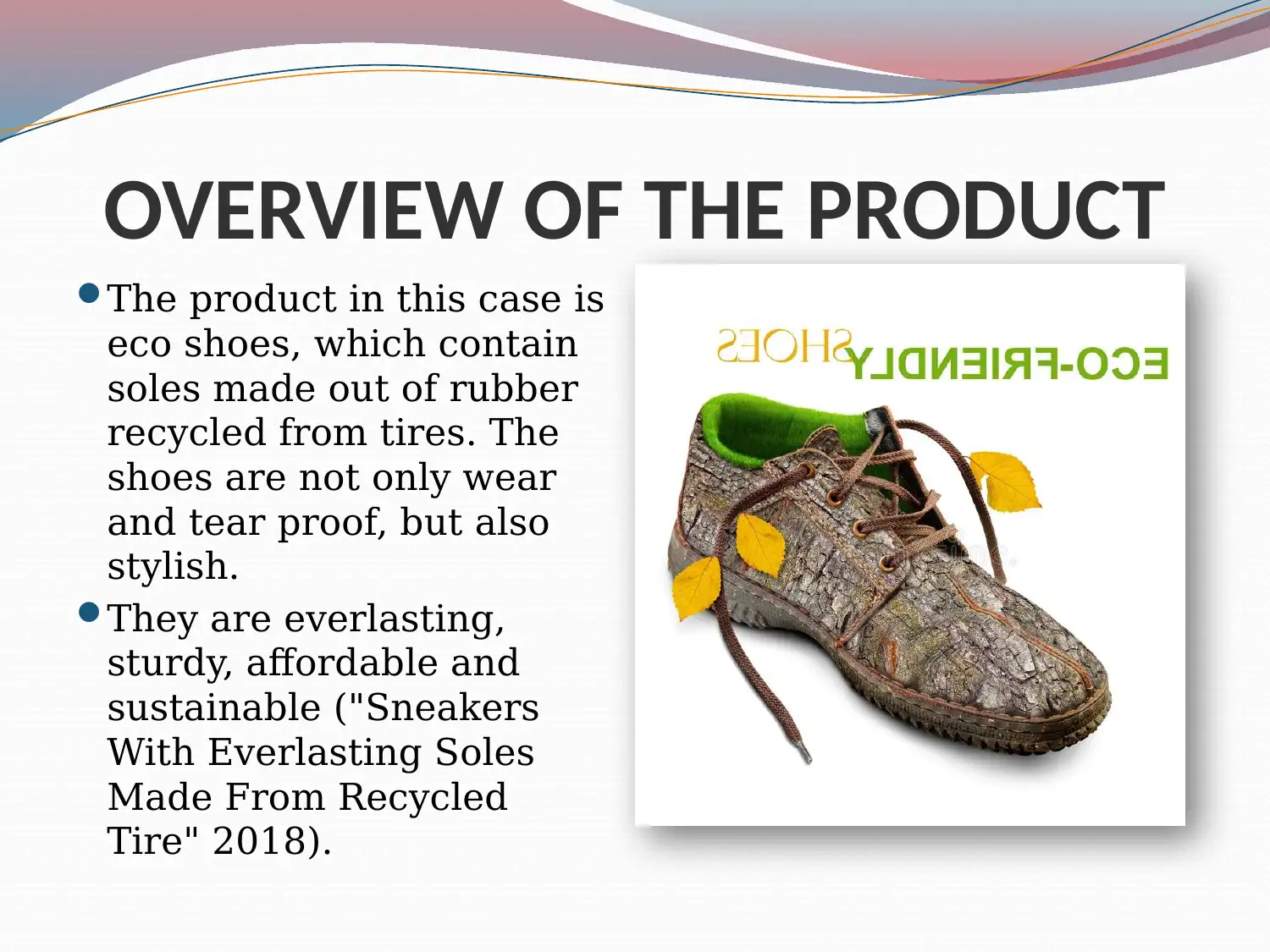
The product in this case is
eco shoes, which contain
soles made out of rubber
recycled from tires. The
shoes are not only wear
and tear proof, but also
stylish.
They are everlasting,
sturdy, affordable and
sustainable ("Sneakers
With Everlasting Soles
Made From Recycled
Tire" 2018).
Document Page
STRENGTHS AND WEAKNESSES
Document Page
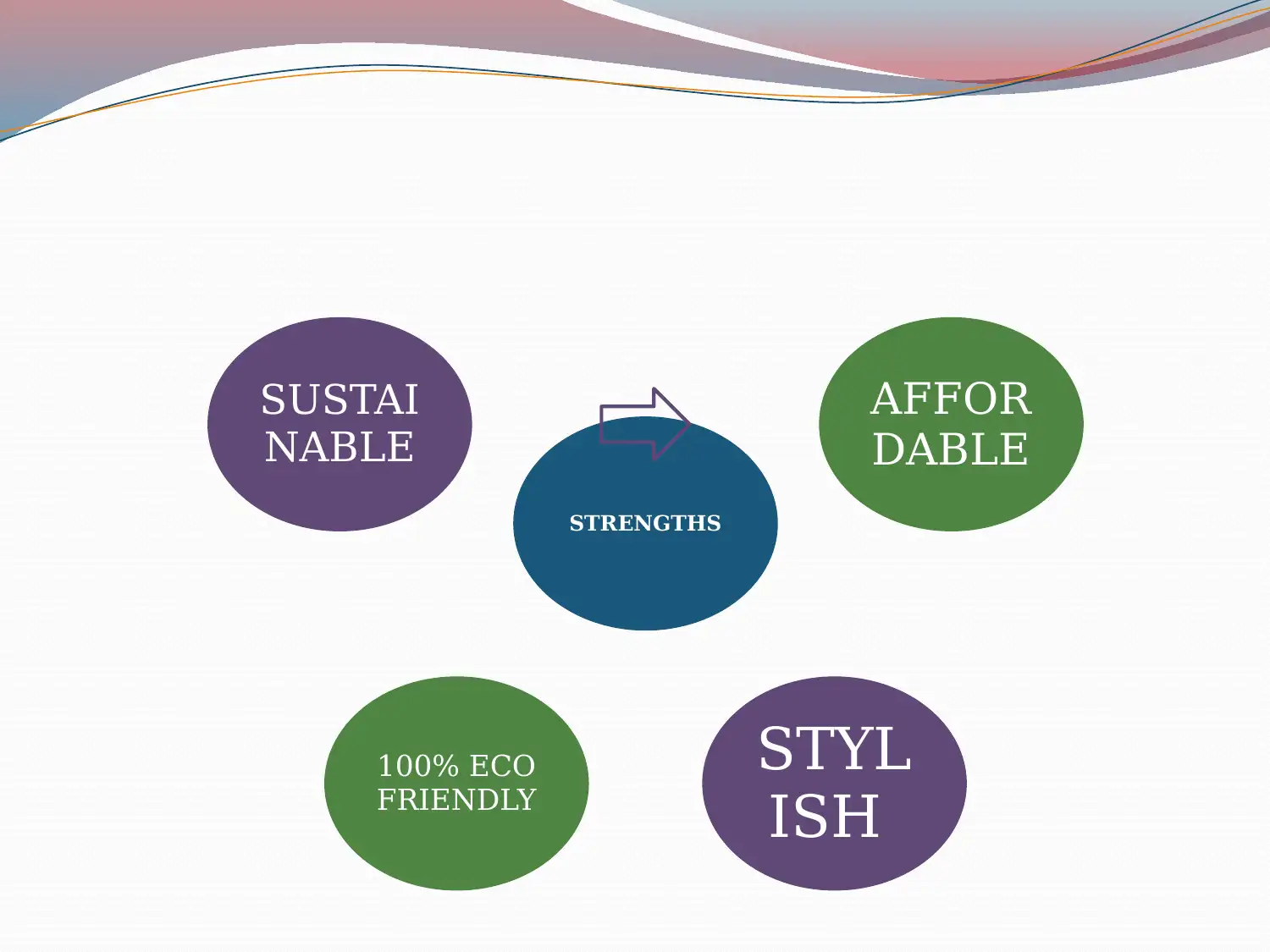
STRENGTHS
AFFOR
DABLE
STYL
ISH
100% ECO
FRIENDLY
SUSTAI
NABLE
tabler-icon-diamond-filled.svg

Paraphrase This Document

Need a fresh take? Get an instant paraphrase of this document with our AI Paraphraser
Document Page
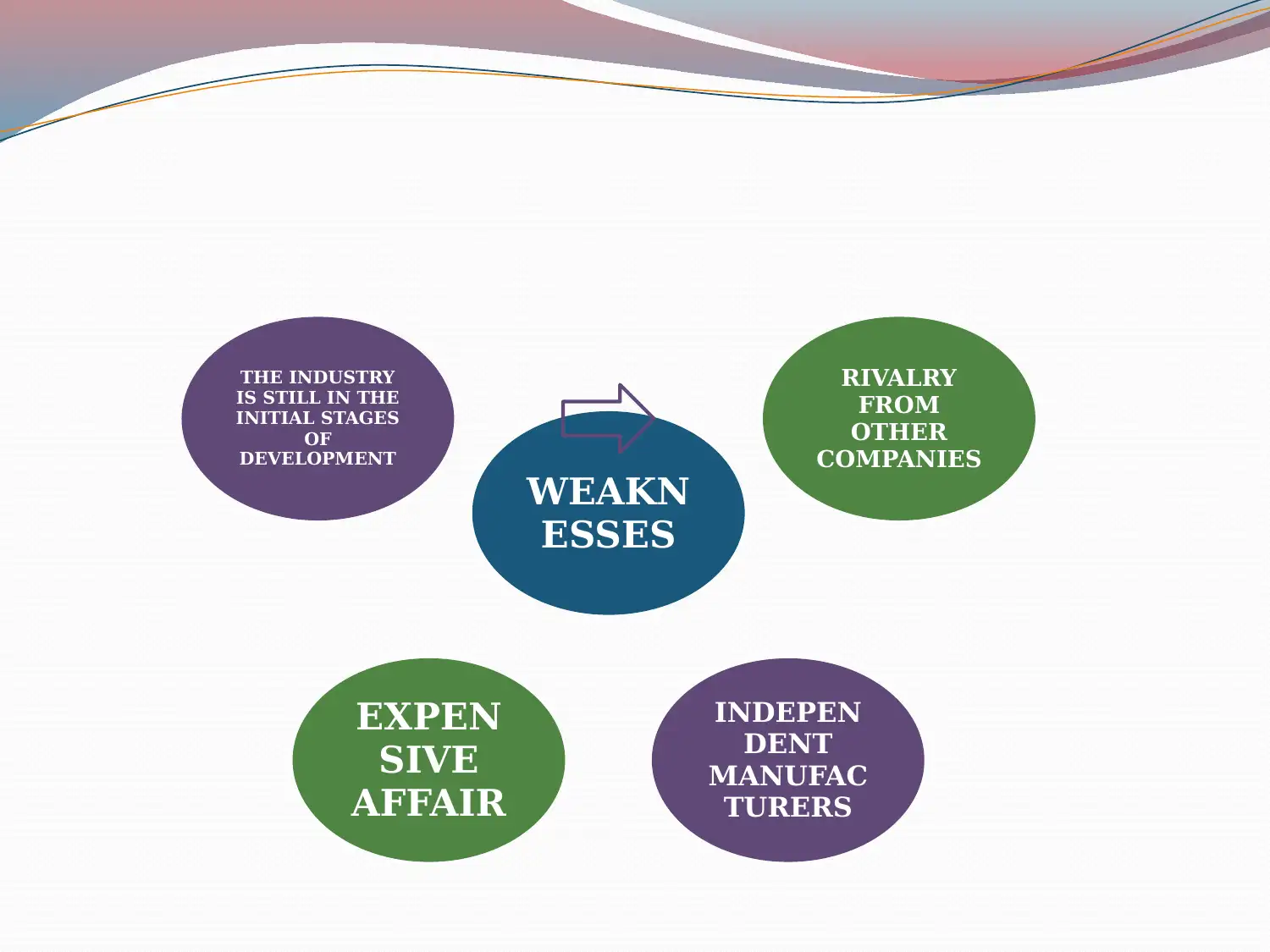
WEAKN
ESSES
RIVALRY
FROM
OTHER
COMPANIES
INDEPEN
DENT
MANUFAC
TURERS
EXPEN
SIVE
AFFAIR
THE INDUSTRY
IS STILL IN THE
INITIAL STAGES
OF
DEVELOPMENT
Document Page
TARGET MARKET
The target market in the case
of OTH’s eco shoes would be
the millennial generation,
between the ages of 15 and 35.
The company intends to
position itself as an
environmentally conscious
brand; this immediately grabs
the attention of Gen X, who are
stricken by the growing
concern regarding the impact
of non-biodegradable waste
like tires on the planet (Lu,
Bock and Joseph 2013).
Document Page
CURRENT MARKET TRENDS
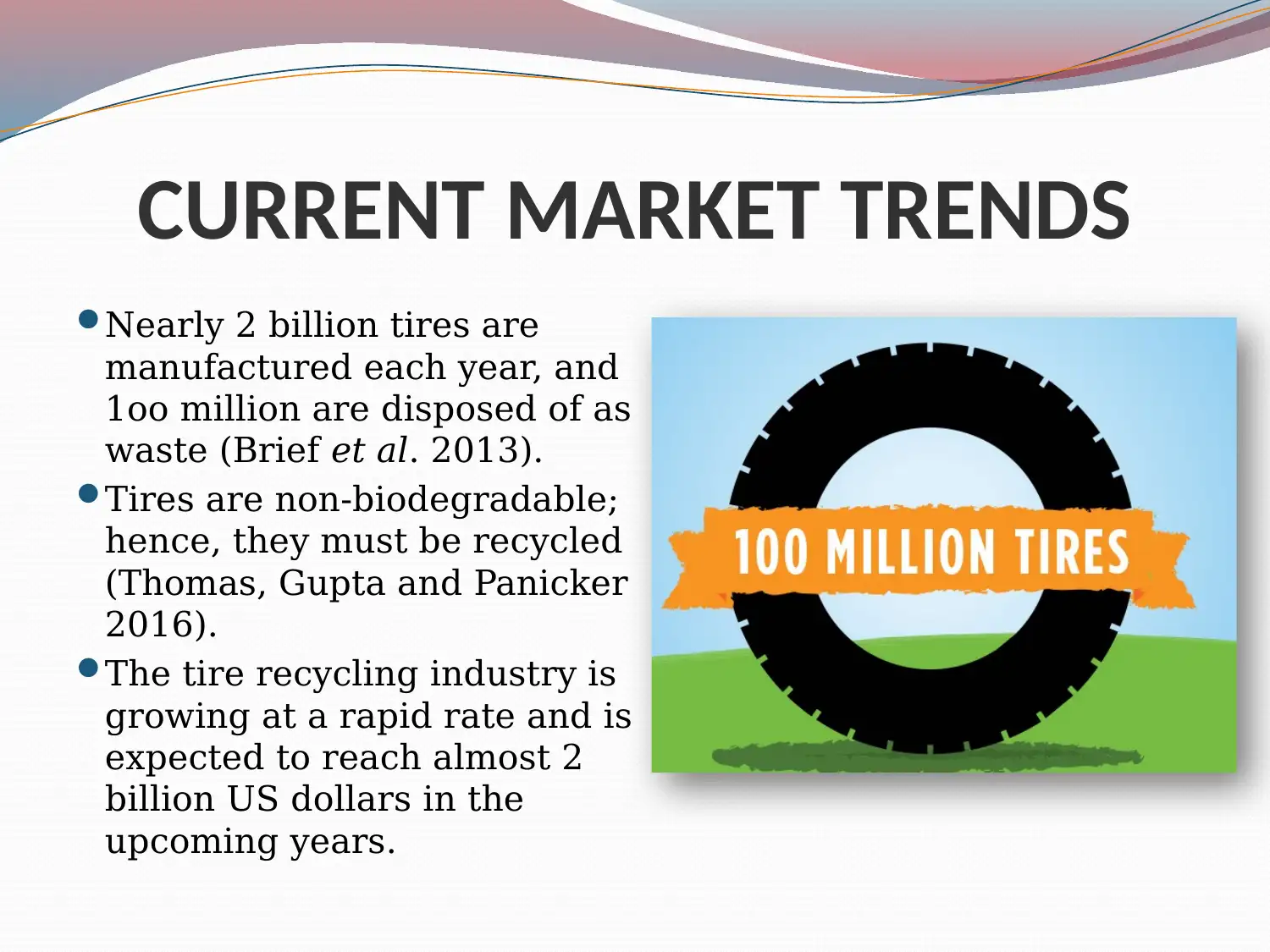
Nearly 2 billion tires are
manufactured each year, and
1oo million are disposed of as
waste (Brief et al. 2013).
Tires are non-biodegradable;
hence, they must be recycled
(Thomas, Gupta and Panicker
2016).
The tire recycling industry is
growing at a rapid rate and is
expected to reach almost 2
billion US dollars in the
upcoming years.
tabler-icon-diamond-filled.svg

Paraphrase This Document

Need a fresh take? Get an instant paraphrase of this document with our AI Paraphraser
Document Page
Document Page
SITUATION ANALYSIS
A detailed situational analysis would
enable one to understand the market,
the market size, the challenges posed
by the market, the prevalent trends
and the various factors that affect the
eco shoe industry (Clarke, Friese and
Washburn 2016).
Document Page
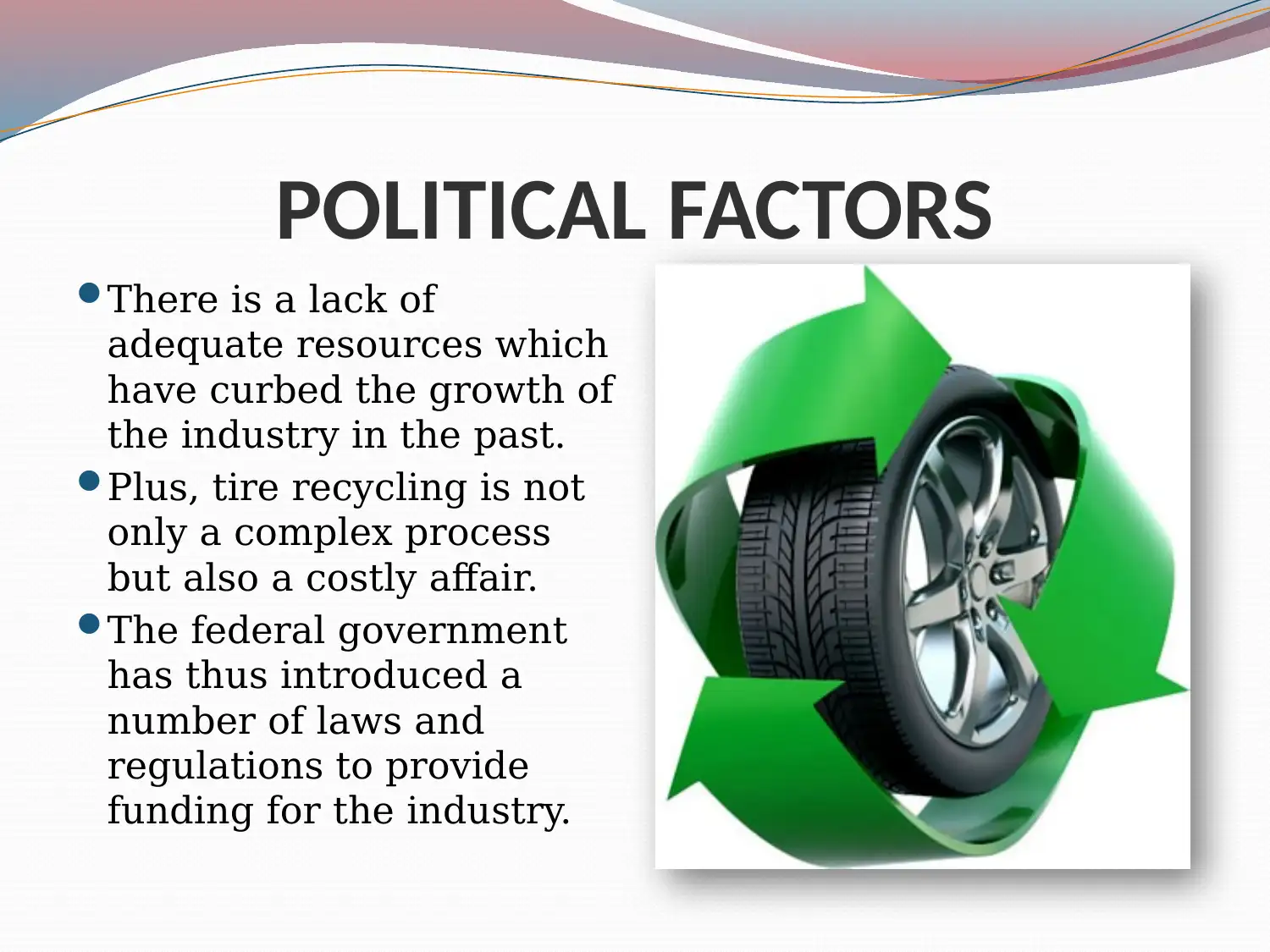
POLITICAL FACTORS
There is a lack of
adequate resources which
have curbed the growth of
the industry in the past.
Plus, tire recycling is not
only a complex process
but also a costly affair.
The federal government
has thus introduced a
number of laws and
regulations to provide
funding for the industry.
tabler-icon-diamond-filled.svg

Paraphrase This Document

Need a fresh take? Get an instant paraphrase of this document with our AI Paraphraser
Document Page
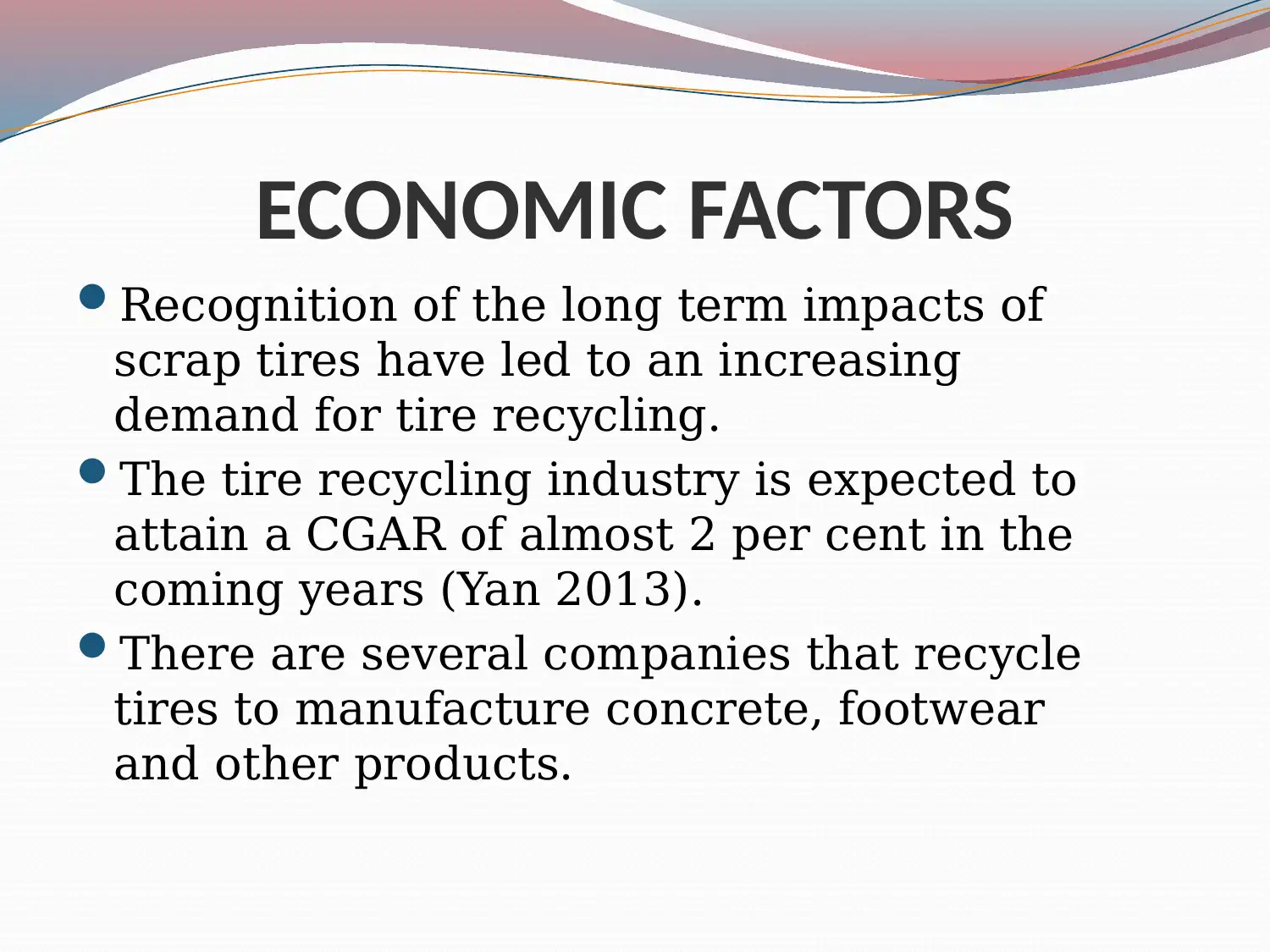
ECONOMIC FACTORS
Recognition of the long term impacts of
scrap tires have led to an increasing
demand for tire recycling.
The tire recycling industry is expected to
attain a CGAR of almost 2 per cent in the
coming years (Yan 2013).
There are several companies that recycle
tires to manufacture concrete, footwear
and other products.
Document Page
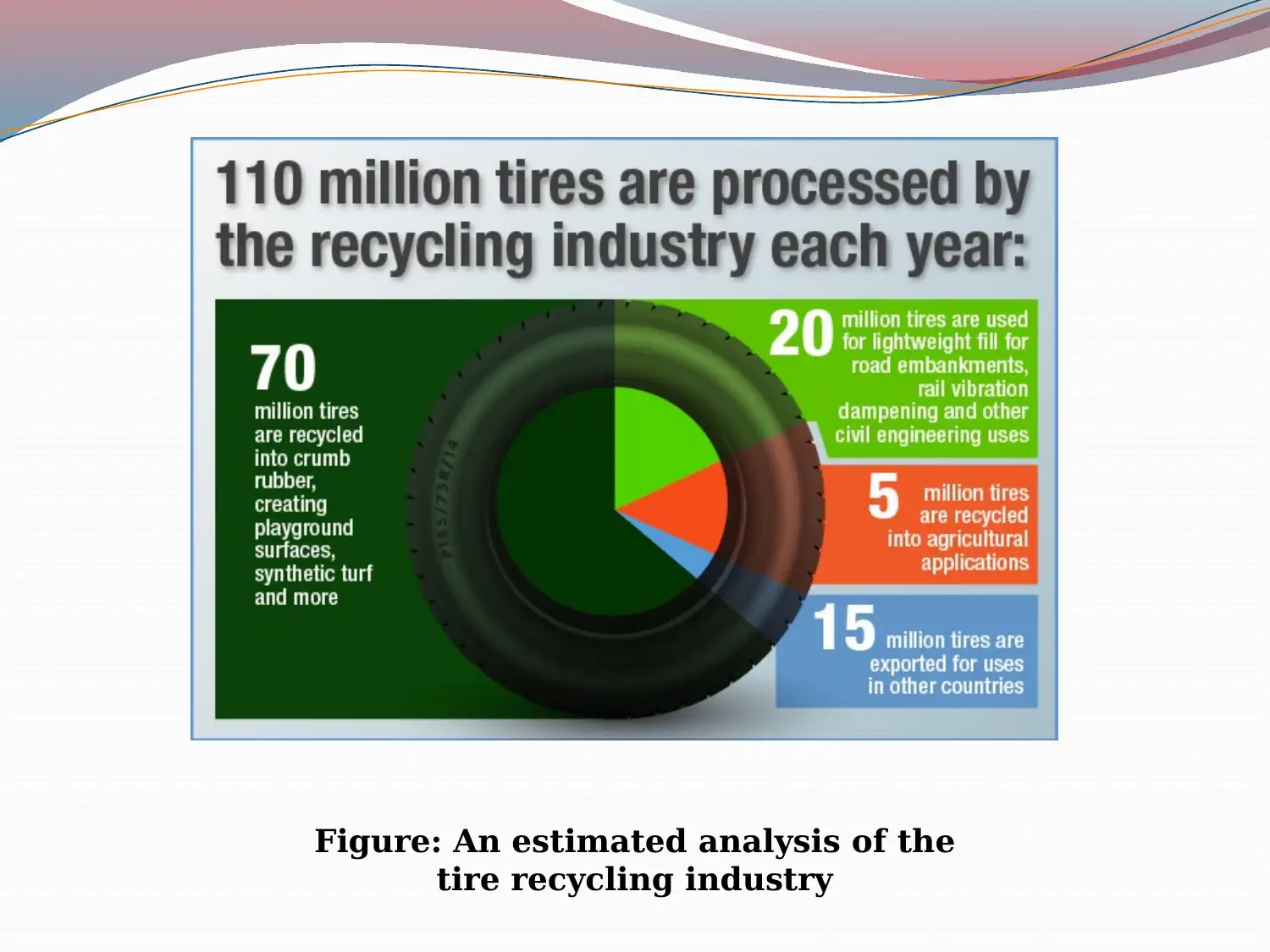
Figure: An estimated analysis of the
tire recycling industry
chevron_up_icon
1 out of 28
circle_padding
hide_on_mobile
zoom_out_icon
[object Object]