ECO10004 Economic Principles Assignment: Tasks on Macroeconomics

Verified

Added on  2023/03/30

|11
|1216
|152
Homework Assignment
AI Summary
This document provides a comprehensive solution to an Economic Principles assignment. It addresses key macroeconomic concepts through the completion of two tasks. Task 6 delves into GDP, economic growth, unemployment, and inflation, including calculations of inflation rates and analysis of the effects of economic changes. Task 7 explores the business cycle and aggregate demand and supply, examining the impact of consumer confidence, interest rates, and international economic conditions on macroeconomic outcomes. The assignment utilizes figures and tables to illustrate economic trends and relationships, and it concludes with a discussion of recession indicators. The solution incorporates relevant economic models and real-world examples to provide a thorough understanding of the topics covered.
Document Page
Running head: ECONOMIC PRINCIPLES
Economic Principles
Name of the Student
Name of the University
Course ID
tabler-icon-diamond-filled.svg

Paraphrase This Document

Need a fresh take? Get an instant paraphrase of this document with our AI Paraphraser
Document Page
1ECONOMIC PRINCIPLES
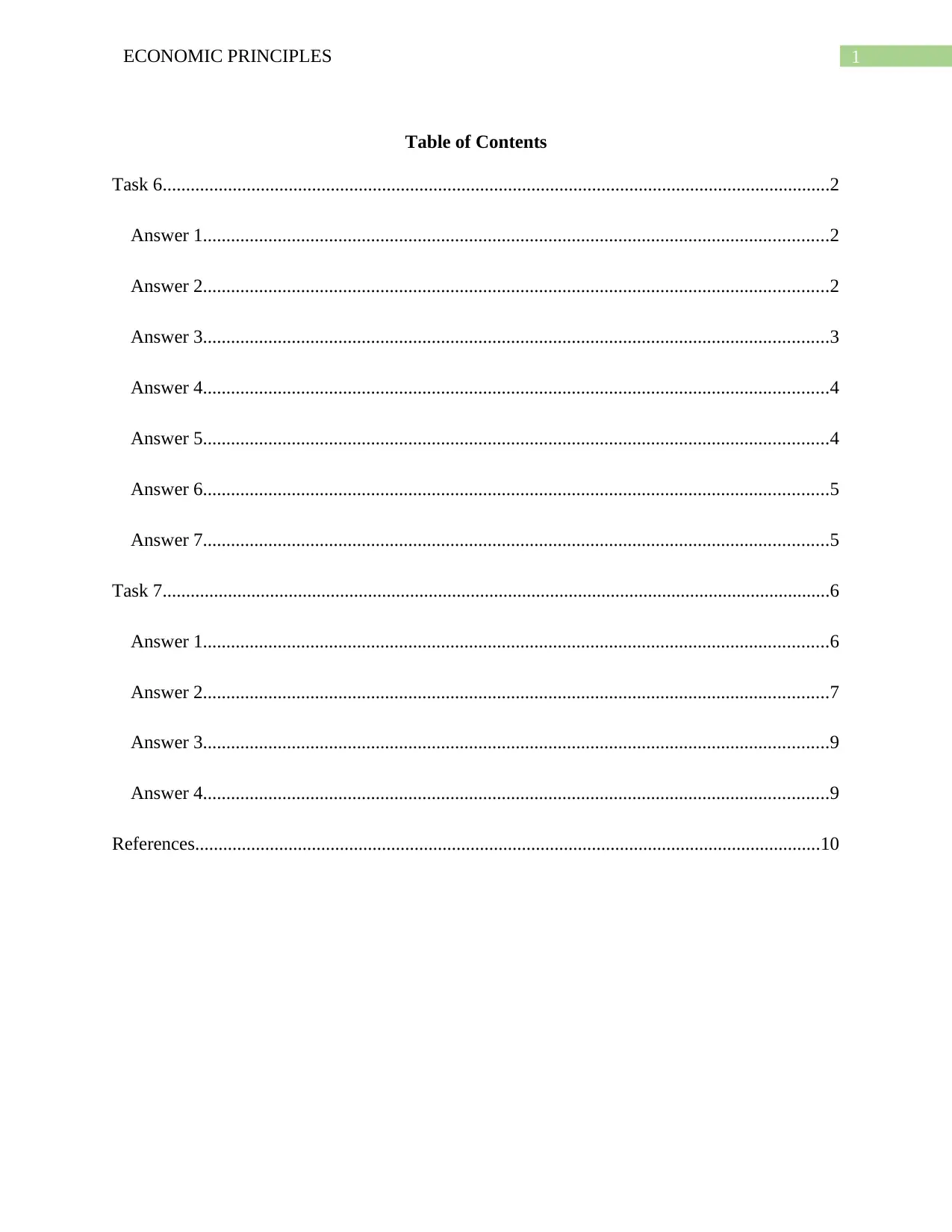
Table of Contents
Task 6...............................................................................................................................................2
Answer 1......................................................................................................................................2
Answer 2......................................................................................................................................2
Answer 3......................................................................................................................................3
Answer 4......................................................................................................................................4
Answer 5......................................................................................................................................4
Answer 6......................................................................................................................................5
Answer 7......................................................................................................................................5
Task 7...............................................................................................................................................6
Answer 1......................................................................................................................................6
Answer 2......................................................................................................................................7
Answer 3......................................................................................................................................9
Answer 4......................................................................................................................................9
References......................................................................................................................................10
Document Page
2ECONOMIC PRINCIPLES
Task 6
Answer 1
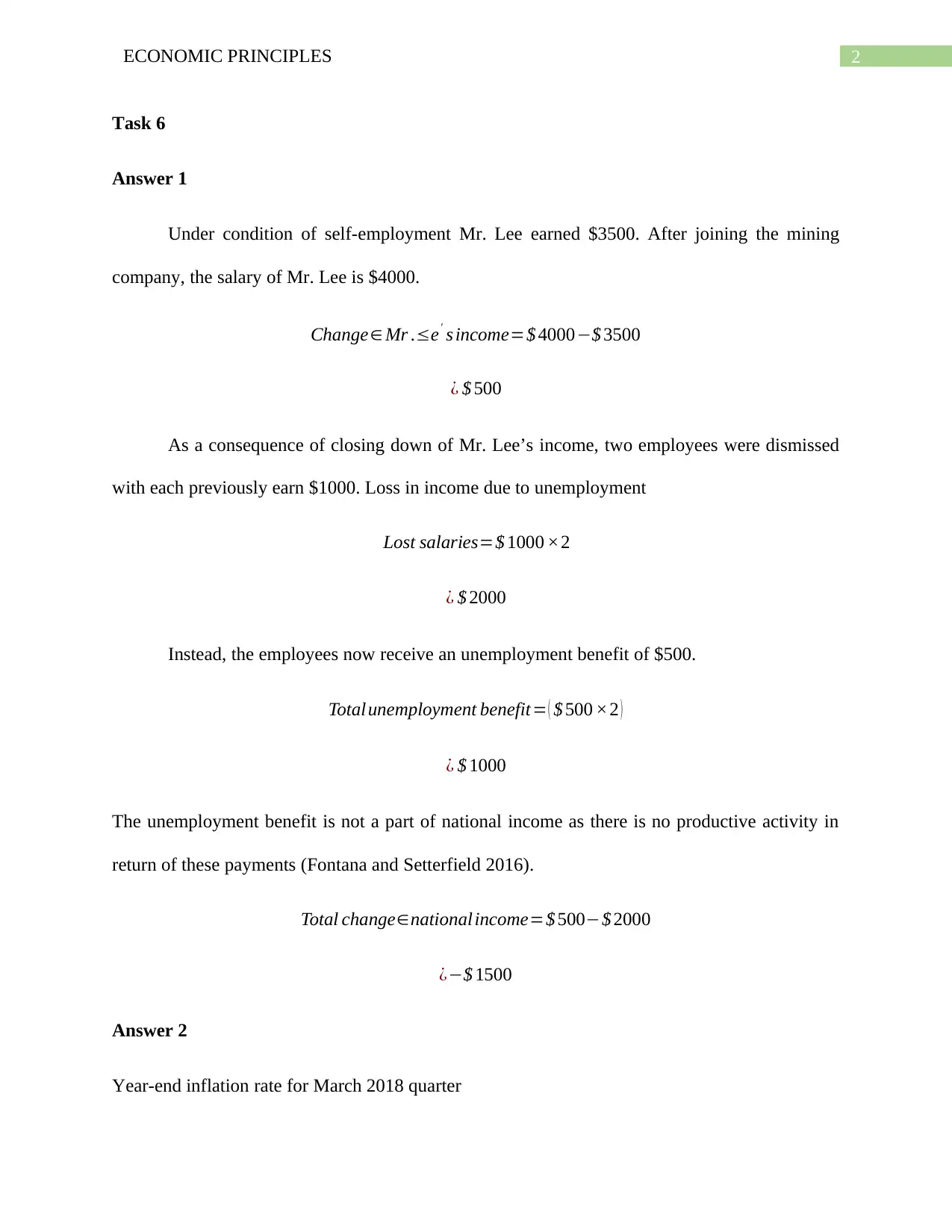
Under condition of self-employment Mr. Lee earned $3500. After joining the mining
company, the salary of Mr. Lee is $4000.
Change∈ Mr .≤e' s income=$ 4000−$ 3500
¿ $ 500
As a consequence of closing down of Mr. Lee’s income, two employees were dismissed
with each previously earn $1000. Loss in income due to unemployment
Lost salaries=$ 1000 ×2
¿ $ 2000
Instead, the employees now receive an unemployment benefit of $500.
Total unemployment benefit= ( $ 500 ×2 )
¿ $ 1000
The unemployment benefit is not a part of national income as there is no productive activity in
return of these payments (Fontana and Setterfield 2016).
Total change∈national income=$ 500−$ 2000
¿−$ 1500
Answer 2
Year-end inflation rate for March 2018 quarter
Document Page
3ECONOMIC PRINCIPLES
Inflation rate= CPIt −CPIt−1
CPIt
× 100
¿ 112.6−110.5
110.5 × 100
¿ 1.90
Answer 3
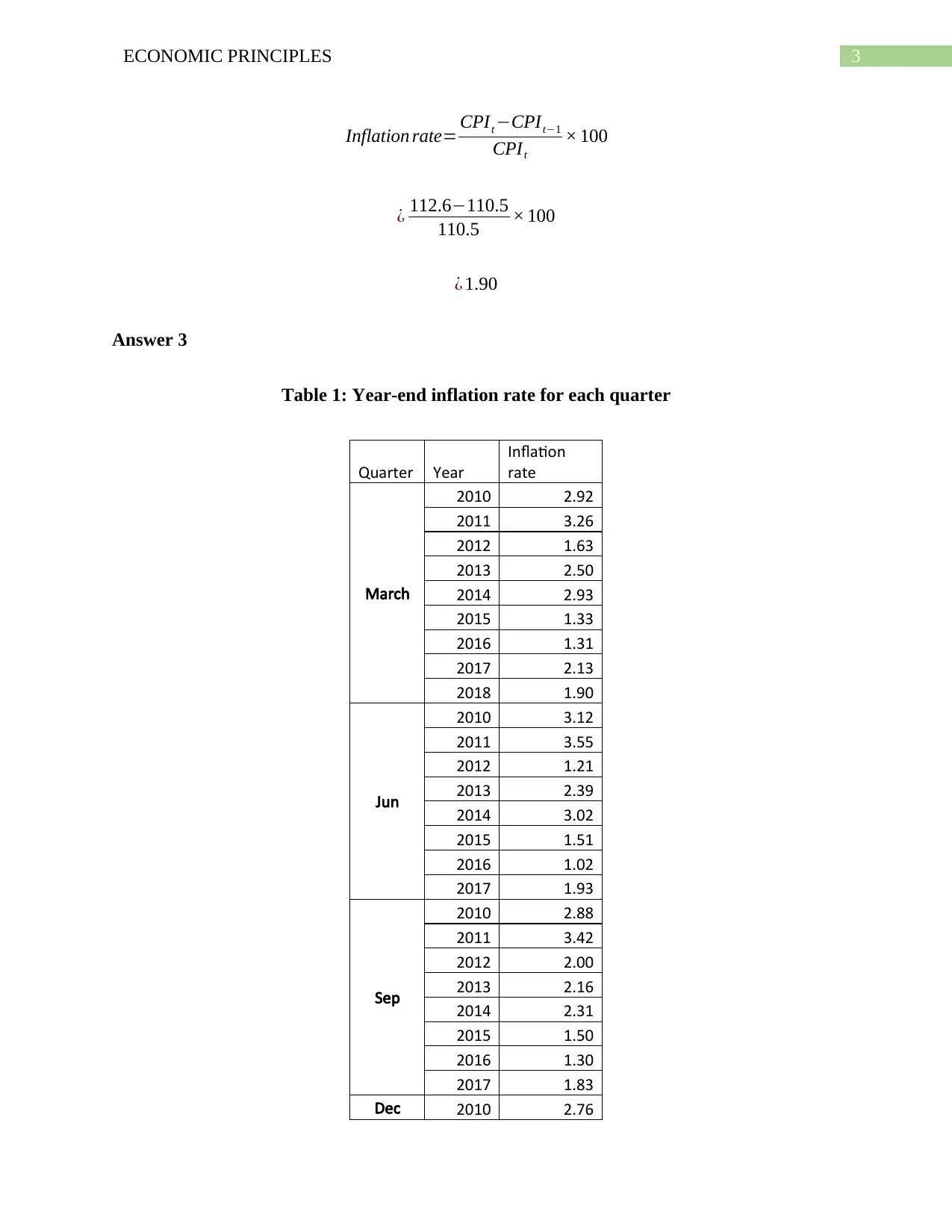
Table 1: Year-end inflation rate for each quarter
Quarter Year
Inflation
rate
March
2010 2.92
2011 3.26
2012 1.63
2013 2.50
2014 2.93
2015 1.33
2016 1.31
2017 2.13
2018 1.90
Jun
2010 3.12
2011 3.55
2012 1.21
2013 2.39
2014 3.02
2015 1.51
2016 1.02
2017 1.93
Sep
2010 2.88
2011 3.42
2012 2.00
2013 2.16
2014 2.31
2015 1.50
2016 1.30
2017 1.83
Dec 2010 2.76
tabler-icon-diamond-filled.svg

Paraphrase This Document

Need a fresh take? Get an instant paraphrase of this document with our AI Paraphraser
Document Page
4ECONOMIC PRINCIPLES
2011 2.99
2012 2.20
2013 2.75
2014 1.72
2015 1.69
2016 1.48
2017 1.91
Answer 4
2010
2011
2012
2013
2014
2015
2016
2017
2018
2010
2011
2012
2013
2014
2015
2016
2017
2010
2011
2012
2013
2014
2015
2016
2017
2010
2011
2012
2013
2014
2015
2016
2017
March Jun Sep Dec
0.00
0.50
1.00
1.50
2.00
2.50
3.00
3.50
4.00
Year-end inflation rate
Inflation rate
Year
Inflation rate
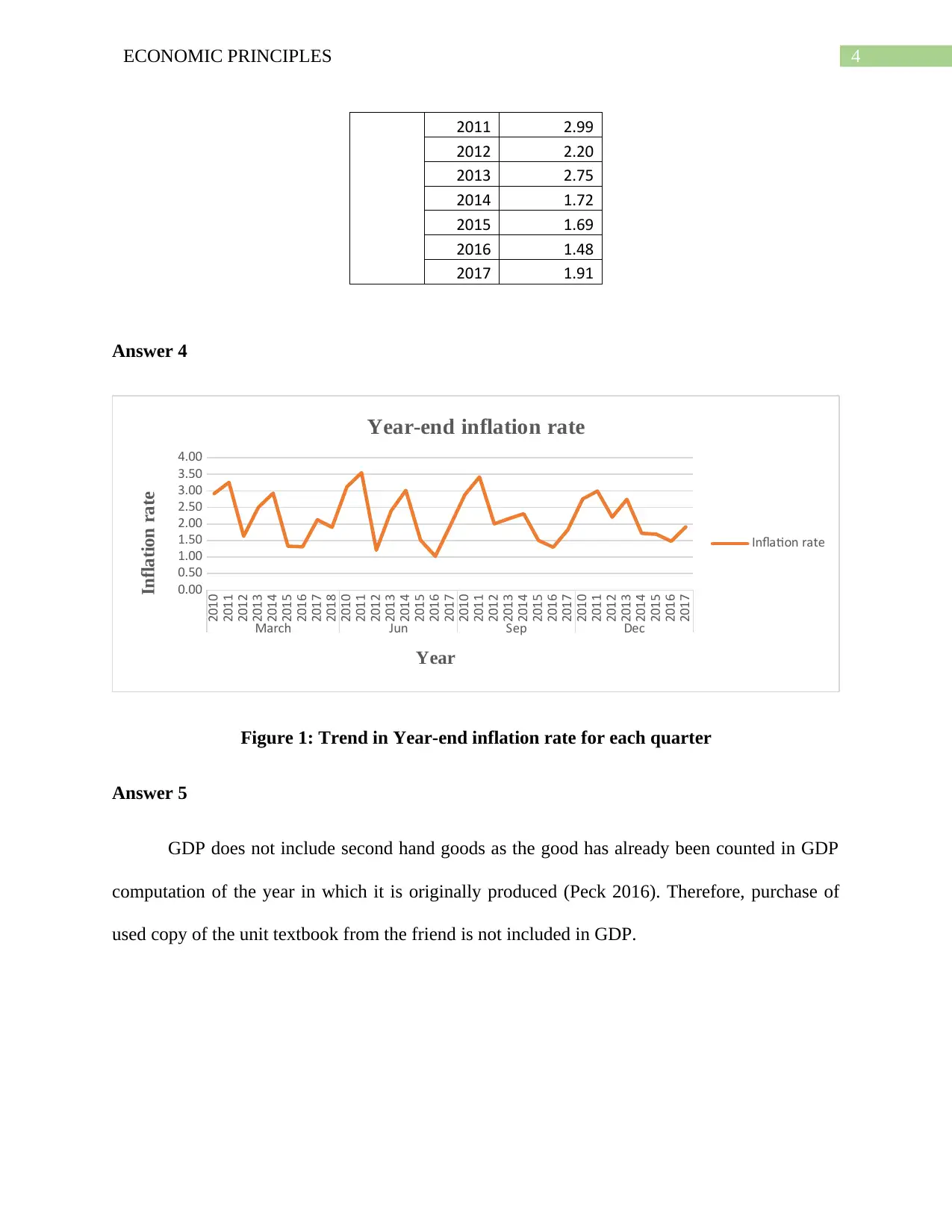
Figure 1: Trend in Year-end inflation rate for each quarter
Answer 5
GDP does not include second hand goods as the good has already been counted in GDP
computation of the year in which it is originally produced (Peck 2016). Therefore, purchase of
used copy of the unit textbook from the friend is not included in GDP.
Document Page
5ECONOMIC PRINCIPLES
Answer 6
Purchase of machinery is a part of business fixed investment and is included in the GDP.
As the publisher buys a new printing machine, this adds to current year investment and hence,
included in GDP. The purchase of printing machine thus increase investment in the current year
resulting in an increase in GDP.
Answer 7
Price in a market in determined depending on both demand and supply condition in the
market. Events affecting demand or supply or both lead to a change in market price. Natural
disasters are considered as supply shocks as they hamper production by destroying resources
(Cowell 2018). As given in the case study, the Cycle Larry significantly hampered banana
harvesting. The decline in banana harvests due to the natural reduces resulted in a shortage in the
market. Given the demand, the supply shortage leads to an increase in price. This was the reason
why banana price increased in June 2006 by more than 250 percent. The microeconomic impact
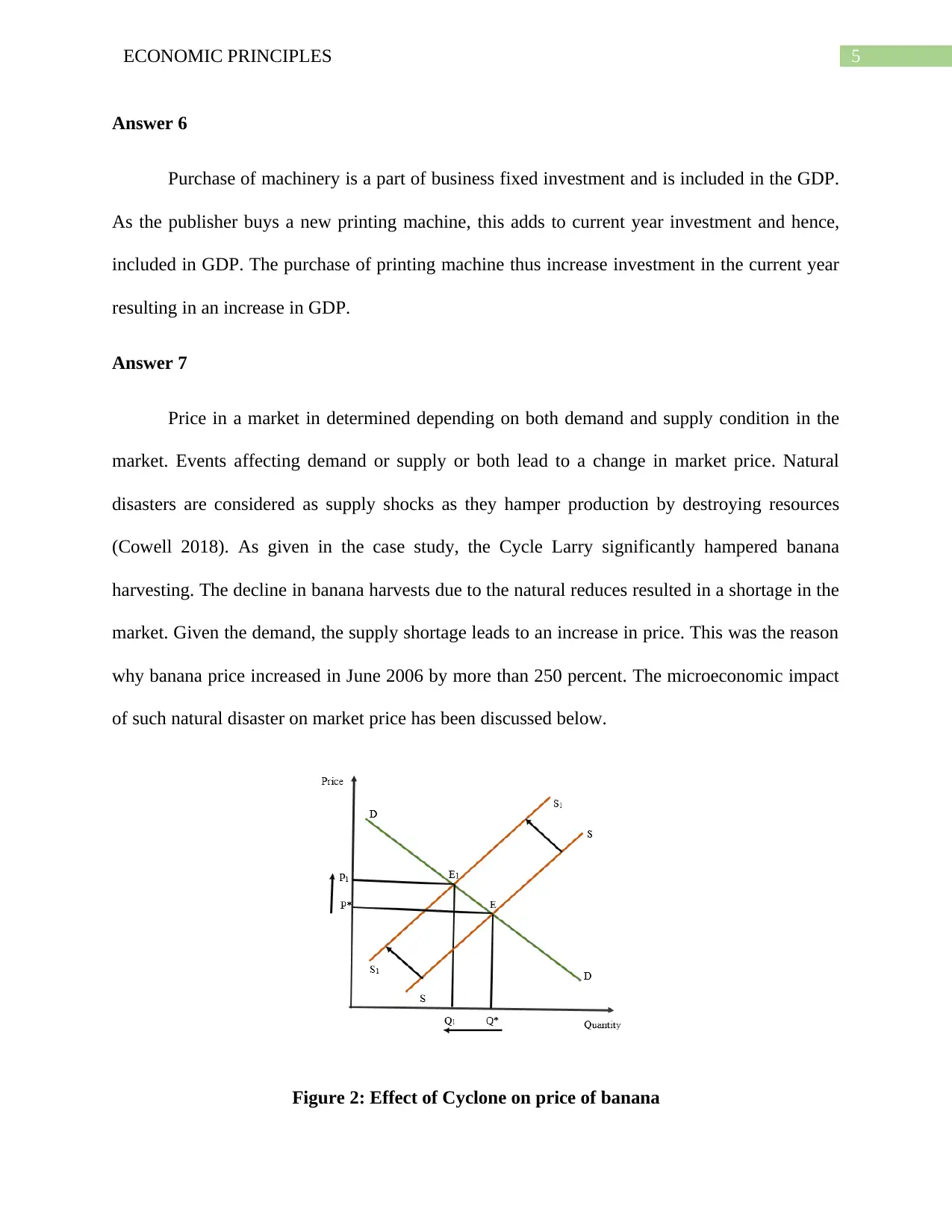
of such natural disaster on market price has been discussed below.
Figure 2: Effect of Cyclone on price of banana
Document Page
6ECONOMIC PRINCIPLES
Because of cyclone majority of harvested banana had been destroyed. This caused the
supply curve to shift leftward from SS to S1S1. As supply contracted given the demand,
equilibrium shifts from E to E1, market price at equilibrium increased to P1 and available quantity
fell to Q1.
The event also affects one of the important macroeconomic indicators called Consumer
Price Index (CPI). CPI gives an estimation of overall price level by considering a specific basket
of items. Banana is included in the CPI as one item purchased in daily life (Cohn 2015).
Therefore, noticeable increase in Banana price influenced CPI and hence, the inflation rate. The
estimated CPI showed an increase by 0.6 percent during the same time. The occurrence of
Cyclone causes an overestimation of computed CPI. Price here increase because of a sudden fall
in supply keeping the demand same. This is called substitution bias in CPI where it is assumed
that people continue the buy the good at higher price though actually they substitute the high
priced good with some cheaper alternative (Baker 2016).
Task 7
Answer 1
tabler-icon-diamond-filled.svg

Paraphrase This Document

Need a fresh take? Get an instant paraphrase of this document with our AI Paraphraser
Document Page
7ECONOMIC PRINCIPLES
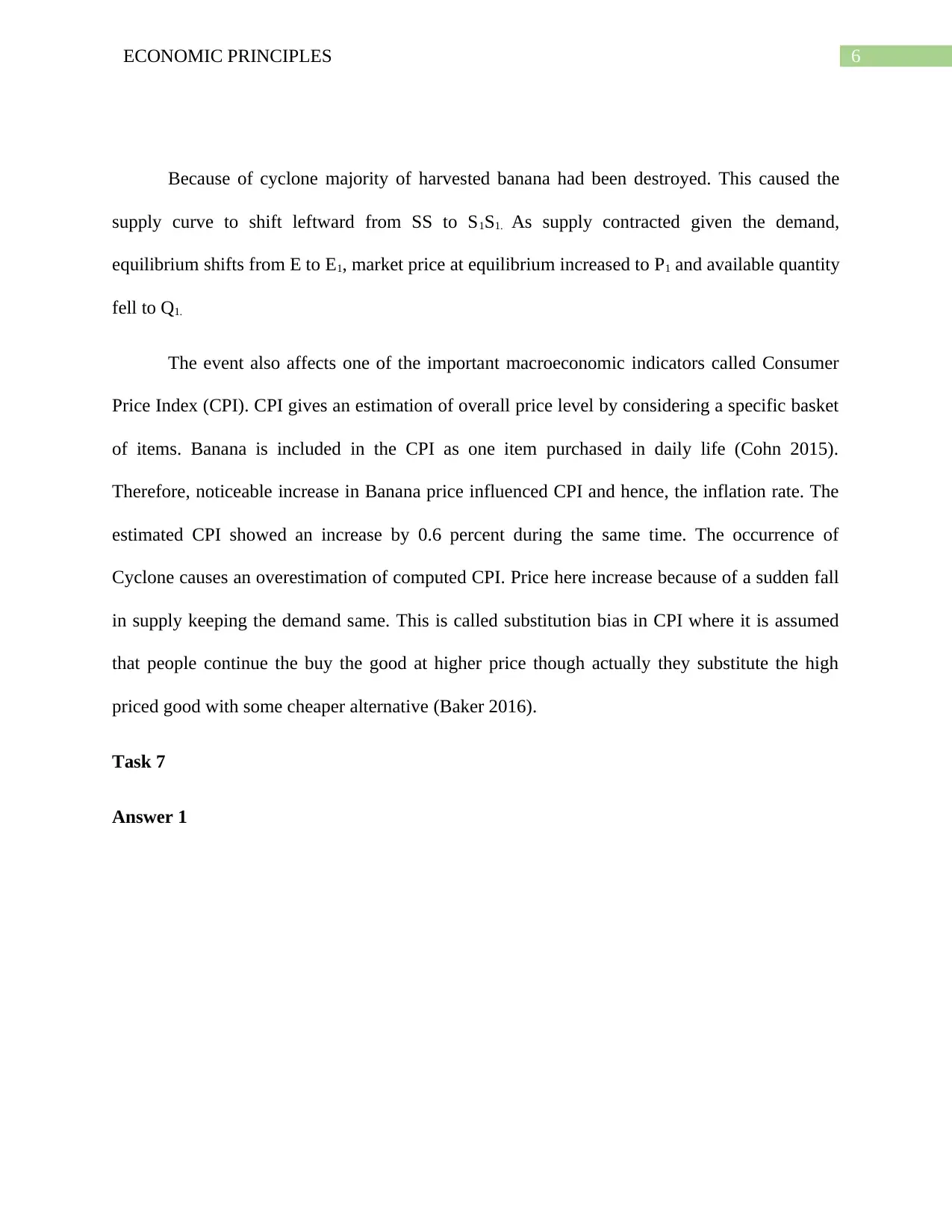
Figure 4: Impact of a decline in consumer confidence (long-run)
In the long run, as the economy already reaches to its potential output, the long-run
supply is fixed and is given by the vertical straight line. The aggregate demand curve is
downward sloping as like the short run. As consumer confidence declines, there is a fall in
consumption expenditure (Sadat 2017). This causes aggregate demand curve to shift leftward to
AD1. In the long run, output remains fixed at the potential level (Y*) while the price level falls.
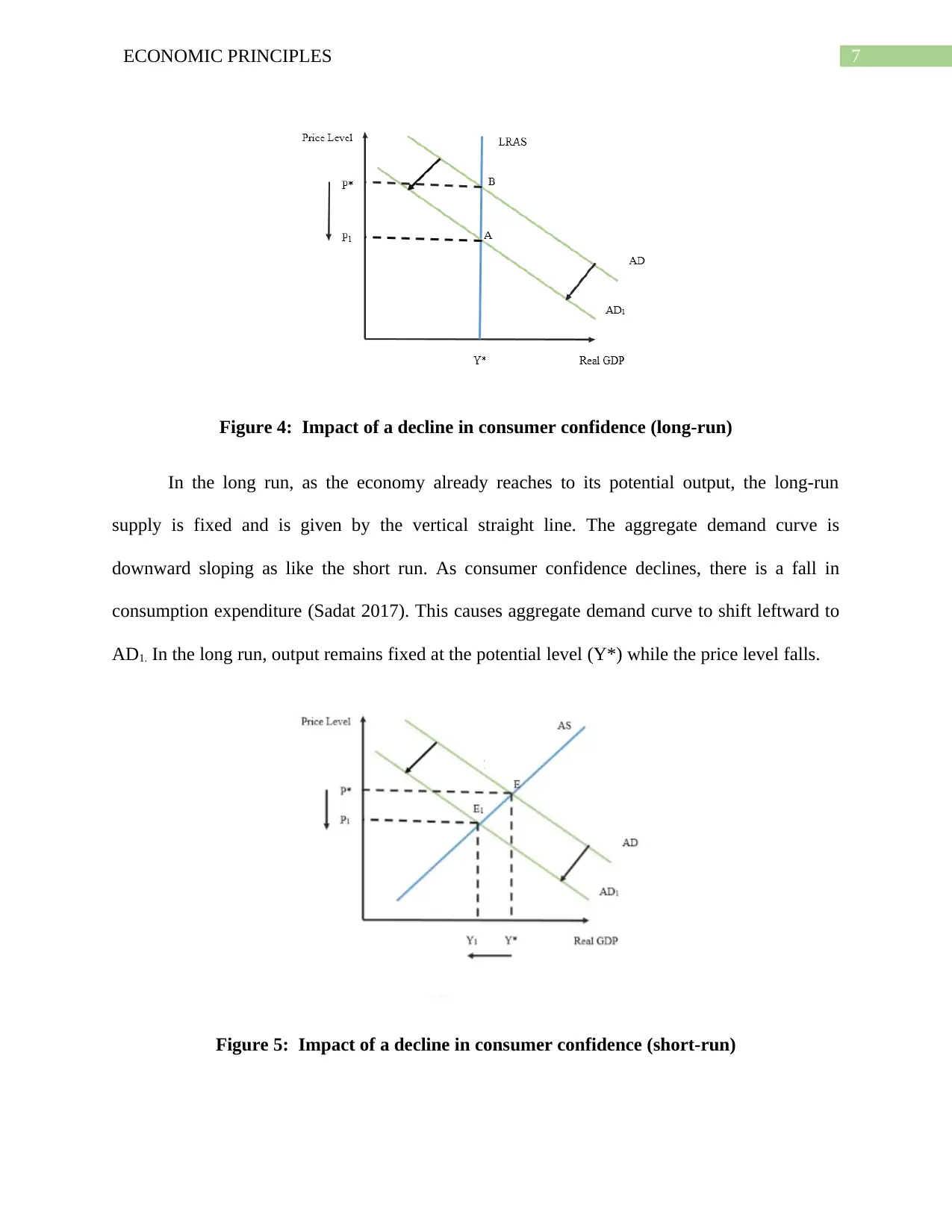
Figure 5: Impact of a decline in consumer confidence (short-run)
Document Page
8ECONOMIC PRINCIPLES
In contrast to long run, aggregate supply curve in the short run is upward sloping. A fall
in aggregate demand due to fall in consumer confidence thus changed both aggregate output and
price level. Real GDP contracts to Y1 and price level declines to P1.
Answer 2
An increase in interest rate due to increase in domestic price increases the cost of
investment. The higher interest rate lowers consumption (as saving increases) and investment
resulting in decline in aggregate demand. The aggregate demand curve shifts to the left.
Document Page
9ECONOMIC PRINCIPLES
Answer 3
If economic growth in other countries slows down, there is decline in income if these
countries causing export demand to decline (Mitchell 2019). As export falls, there is decline in
net export which shifts the aggregate demand curve inward.
Answer 4
In order to examine whether the economy is likely to enter a recession, performance trend
of different macroeconomic indicators should be evaluated. The major indicators in this direction
include Gross Domestic Product, rate of inflation, trend in unemployment, stock market
performance, position of currency, trade balance and the like. Data presenting movement of these
indicators should be evaluated to examine whether the economy is experiencing a phase of
economic contraction (Mankiw 2014). As the economy enters in a contraction, GDP falls due to
contraction of major economic activities, unemployment increases, inflation falls and currency
weakens. Overall, there is s dissatisfactory movement in major indicators.
tabler-icon-diamond-filled.svg

Paraphrase This Document

Need a fresh take? Get an instant paraphrase of this document with our AI Paraphraser
Document Page
10ECONOMIC PRINCIPLES
References
Baker, D., 2016. Getting Prices Right: Debate Over the Consumer Price Index: Debate Over the
Consumer Price Index. Routledge.
Cohn, S.M., 2015. Reintroducing Macroeconomics: A Critical Approach: A Critical Approach.
Routledge.
Cowell, F., 2018. Microeconomics: principles and analysis. Oxford University Press.
Fontana, G. and Setterfield, M. eds., 2016. Macroeconomic theory and macroeconomic
pedagogy. Springer.
Mankiw, N.G., 2014. Brief principles of macroeconomics. Cengage Learning.
Mitchell, W., 2019. Macroeconomics. Macmillan International Higher Education.
Peck, J., 2016. Macroeconomic geographies. Area Development and Policy, 1(3), pp.305-322.
Sadat, S.D., 2017. Rethinking Macroeconomics: An Introduction. International Journal of
Economics, Management and Accounting, 25(3), pp.635-639.
chevron_up_icon
1 out of 11
circle_padding
hide_on_mobile
zoom_out_icon
[object Object]