Economics for Decision Making: Analyzing Supply, Demand, and Welfare
VerifiedAdded on 2023/06/07
|10
|2640
|403
Essay
AI Summary
This essay on Economics for Decision Making analyzes market dynamics, focusing on supply and demand in the global milk market and the efficiency of competitive markets. It discusses how shifts in supply, influenced by factors like the removal of production quotas in Europe and reduced feed costs in the USA, have impacted global dairy prices. The essay also examines the competitive market structure, highlighting its efficiency in resource allocation and its potential drawbacks, such as unequal distribution and social exclusion. Furthermore, it addresses the fairness of competitive markets, particularly concerning gender pay gaps, and suggests government interventions to balance efficiency and fairness, including increased awareness, penalties for non-compliance, and policies promoting equal opportunities.
1
2303AFE ECONOMICS FOR DECISION MAKING 2
2303AFE ECONOMICS FOR DECISION MAKING 2

Paraphrase This Document
Need a fresh take? Get an instant paraphrase of this document with our AI Paraphraser
2
Table of contents
Question 1- Essay.......................................................................................................................3
Question 2- Essay.......................................................................................................................5
Task 2A......................................................................................................................................5
Task 2 B.....................................................................................................................................6
Task 2C......................................................................................................................................7
Reference....................................................................................................................................9
Table of contents
Question 1- Essay.......................................................................................................................3
Question 2- Essay.......................................................................................................................5
Task 2A......................................................................................................................................5
Task 2 B.....................................................................................................................................6
Task 2C......................................................................................................................................7
Reference....................................................................................................................................9
3
Question 1- Essay
Demand and supply is the most important driving force of the free market that enables the
price to work as an invisible hand. The demand schedule shows the willingness to buy for
each of the customers of the market corresponding to the quantity. The supply schedule maps
the quantity supplied corresponding to each of the price levels of the market. The demand
and supply together interact in the free market structure that eventually sets the equilibrium
level of price and quantities sold in the market. The global milk market is also showing the
characteristics of a free competitive market where the demand from the customers and the
supply from the producers interact to reach an equilibrium level. The study assumes that milk
is a normal good demand for which increases when the price falls. This also explains the
downward sloping demand curve in the global milk market. Likewise, it is assumed that
sellers would supply more when the price of milk is high in the market and vice versa.
Since the year 2000, the global milk market has changed a lot. Australia has been a prime
exporter of dairy product in Asian markets. The increase in the middle-income group in the
Asian region also resulted in a higher demand for the dairy product (Dairyaustralia.com.au,)
2018). The complete depletion of the global surplus products due to an increase in the
demand for dairy products changed the supply-demand equilibrium in the international
market. Initially, there were only a few exporters in Asia that dominated the market.
However, the removal of production quota in March 2015, allowed European companies to
expand their production process. That means the sellers of EU could use economies of scale
and produce more than their existing capacities. Economies of scale allow the producer to
produce at a lower average cost as it reduces with the increase in the production. Ketter and
Hume (2018) highlighted that the economies of scale allows the seller to use a more
technology-intensive manufacturing process that helps in the expansion and cost-cutting
simultaneously. In addition to that, the removal of quota also allowed the European producers
to sell their products in other parts of the world including Asia. Under the quota system, the
export of the European Dairy companies doubled during the year 2000 to 2013 (The
Conversation., 2018). The removal of the quota increased the supply of dairy products in the
international market. As a result, the supply in the global dairy market increased. The supply
curve shifted to the right keeping the demand curve unchanged. The demand curve of the
global dairy market did not increase as the expansion of production of the producers had no
direct influence over the demand.
Question 1- Essay
Demand and supply is the most important driving force of the free market that enables the
price to work as an invisible hand. The demand schedule shows the willingness to buy for
each of the customers of the market corresponding to the quantity. The supply schedule maps
the quantity supplied corresponding to each of the price levels of the market. The demand
and supply together interact in the free market structure that eventually sets the equilibrium
level of price and quantities sold in the market. The global milk market is also showing the
characteristics of a free competitive market where the demand from the customers and the
supply from the producers interact to reach an equilibrium level. The study assumes that milk
is a normal good demand for which increases when the price falls. This also explains the
downward sloping demand curve in the global milk market. Likewise, it is assumed that
sellers would supply more when the price of milk is high in the market and vice versa.
Since the year 2000, the global milk market has changed a lot. Australia has been a prime
exporter of dairy product in Asian markets. The increase in the middle-income group in the
Asian region also resulted in a higher demand for the dairy product (Dairyaustralia.com.au,)
2018). The complete depletion of the global surplus products due to an increase in the
demand for dairy products changed the supply-demand equilibrium in the international
market. Initially, there were only a few exporters in Asia that dominated the market.
However, the removal of production quota in March 2015, allowed European companies to
expand their production process. That means the sellers of EU could use economies of scale
and produce more than their existing capacities. Economies of scale allow the producer to
produce at a lower average cost as it reduces with the increase in the production. Ketter and
Hume (2018) highlighted that the economies of scale allows the seller to use a more
technology-intensive manufacturing process that helps in the expansion and cost-cutting
simultaneously. In addition to that, the removal of quota also allowed the European producers
to sell their products in other parts of the world including Asia. Under the quota system, the
export of the European Dairy companies doubled during the year 2000 to 2013 (The
Conversation., 2018). The removal of the quota increased the supply of dairy products in the
international market. As a result, the supply in the global dairy market increased. The supply
curve shifted to the right keeping the demand curve unchanged. The demand curve of the
global dairy market did not increase as the expansion of production of the producers had no
direct influence over the demand.
⊘ This is a preview!⊘
Do you want full access?
Subscribe today to unlock all pages.

Trusted by 1+ million students worldwide
4
Apart from Europe, the USA also showed some of the changes in the supply side economy.
Due to changes in the policies of the country, the feed costs of the livestock started to reduce
since the year 2013. Gargiulo et al. (2018) noted that one of the major components of dairy
products of the USA is the feed cost. This reduction in the feed cost resulted in a significant
reduction in the production cost of dairy in the USA. According to the theory of supply and
demand, this pushed the supply curve to the right side. That means, at a given price, the
producers of the USA were now supplying more quantities of dairy products in the global
market. The large-scale production also influenced the producers in the USA as well. The
large-scale production led to reducing oil prices. This eventually reduced the prices of corn,
which is used as one of the major foods for the livestock. Consequently, the producers of
dairy products experienced a decrease in the production cost. The decrease in the production
cost allows the seller of the market to sell more quantity of dairy product in the market at a
given price point.
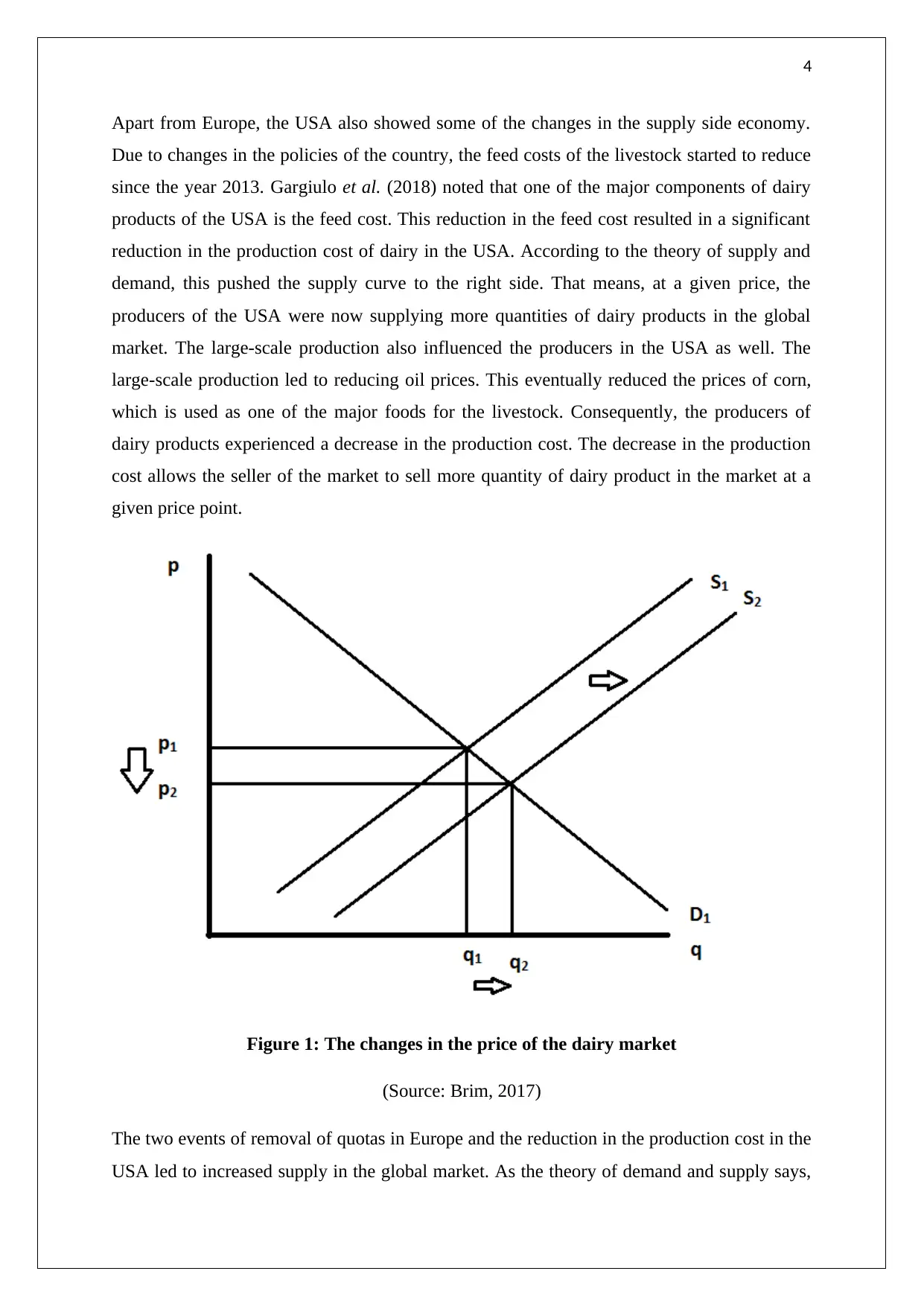
Figure 1: The changes in the price of the dairy market
(Source: Brim, 2017)
The two events of removal of quotas in Europe and the reduction in the production cost in the
USA led to increased supply in the global market. As the theory of demand and supply says,
Apart from Europe, the USA also showed some of the changes in the supply side economy.
Due to changes in the policies of the country, the feed costs of the livestock started to reduce
since the year 2013. Gargiulo et al. (2018) noted that one of the major components of dairy
products of the USA is the feed cost. This reduction in the feed cost resulted in a significant
reduction in the production cost of dairy in the USA. According to the theory of supply and
demand, this pushed the supply curve to the right side. That means, at a given price, the
producers of the USA were now supplying more quantities of dairy products in the global
market. The large-scale production also influenced the producers in the USA as well. The
large-scale production led to reducing oil prices. This eventually reduced the prices of corn,
which is used as one of the major foods for the livestock. Consequently, the producers of
dairy products experienced a decrease in the production cost. The decrease in the production
cost allows the seller of the market to sell more quantity of dairy product in the market at a
given price point.
Figure 1: The changes in the price of the dairy market
(Source: Brim, 2017)
The two events of removal of quotas in Europe and the reduction in the production cost in the
USA led to increased supply in the global market. As the theory of demand and supply says,
Paraphrase This Document
Need a fresh take? Get an instant paraphrase of this document with our AI Paraphraser
5
any external factor such as the number of sellers may shift the supply curve to the right. This
increased number of European and American dairy firms shifted the supply curve to the right.
With an unchanged demand curve, this increased supply in the international market, the
prices for the dairy product reduced. Along with the reduction of the prices, the equilibrium
quantity sold in the market increased. Therefore, it is the increased number of sellers in the
international market that led the prices for dairy producers to go up.
Question 2- Essay
Task 2A
The competitive market is a market structure where a large number of buyers and sellers co-
exist in the market. In this market structure, the price works as an invisible hand that helps in
the allocation of resources. The efficiency of any market structure or method is judged by
how it influences the social welfare. Now the social welfare is divided into three parts which
are consumer surplus, producers' surplus, and the governments' surplus or tax revenue. If any
method reduces the social surplus is regarded as inefficient. Now, the competitive market
structure allows the price to operate and decide the level of supply and demand in the market.
The equilibrium price is where the demand curve and the supply curve intersect each other.
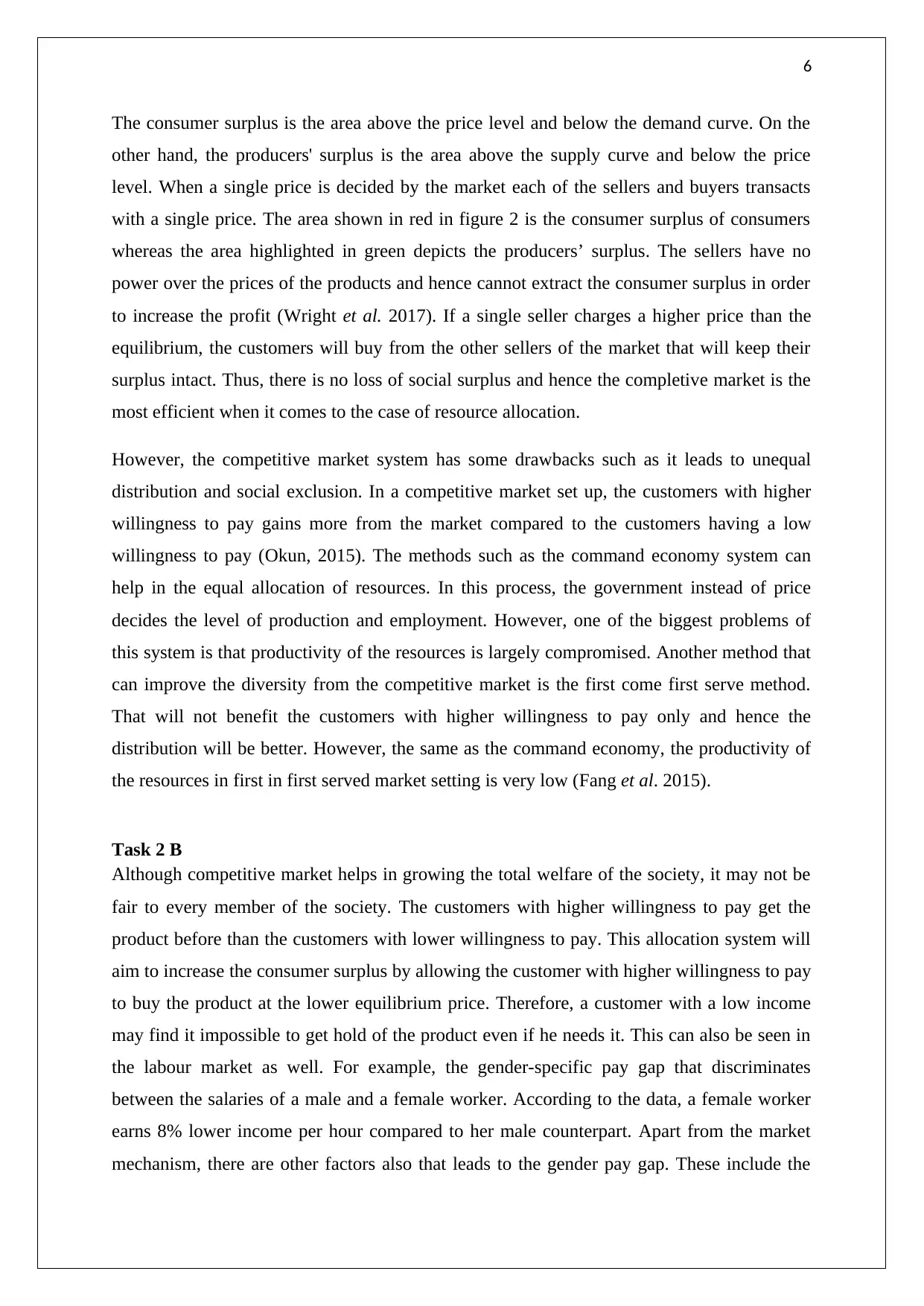
Figure 2: the consumers and producers surplus in a competitive market
(Source: Rochlin et al. 2016)
any external factor such as the number of sellers may shift the supply curve to the right. This
increased number of European and American dairy firms shifted the supply curve to the right.
With an unchanged demand curve, this increased supply in the international market, the
prices for the dairy product reduced. Along with the reduction of the prices, the equilibrium
quantity sold in the market increased. Therefore, it is the increased number of sellers in the
international market that led the prices for dairy producers to go up.
Question 2- Essay
Task 2A
The competitive market is a market structure where a large number of buyers and sellers co-
exist in the market. In this market structure, the price works as an invisible hand that helps in
the allocation of resources. The efficiency of any market structure or method is judged by
how it influences the social welfare. Now the social welfare is divided into three parts which
are consumer surplus, producers' surplus, and the governments' surplus or tax revenue. If any
method reduces the social surplus is regarded as inefficient. Now, the competitive market
structure allows the price to operate and decide the level of supply and demand in the market.
The equilibrium price is where the demand curve and the supply curve intersect each other.
Figure 2: the consumers and producers surplus in a competitive market
(Source: Rochlin et al. 2016)
6
The consumer surplus is the area above the price level and below the demand curve. On the
other hand, the producers' surplus is the area above the supply curve and below the price
level. When a single price is decided by the market each of the sellers and buyers transacts
with a single price. The area shown in red in figure 2 is the consumer surplus of consumers
whereas the area highlighted in green depicts the producers’ surplus. The sellers have no
power over the prices of the products and hence cannot extract the consumer surplus in order
to increase the profit (Wright et al. 2017). If a single seller charges a higher price than the
equilibrium, the customers will buy from the other sellers of the market that will keep their
surplus intact. Thus, there is no loss of social surplus and hence the completive market is the
most efficient when it comes to the case of resource allocation.
However, the competitive market system has some drawbacks such as it leads to unequal
distribution and social exclusion. In a competitive market set up, the customers with higher
willingness to pay gains more from the market compared to the customers having a low
willingness to pay (Okun, 2015). The methods such as the command economy system can
help in the equal allocation of resources. In this process, the government instead of price
decides the level of production and employment. However, one of the biggest problems of
this system is that productivity of the resources is largely compromised. Another method that
can improve the diversity from the competitive market is the first come first serve method.
That will not benefit the customers with higher willingness to pay only and hence the
distribution will be better. However, the same as the command economy, the productivity of
the resources in first in first served market setting is very low (Fang et al. 2015).
Task 2 B
Although competitive market helps in growing the total welfare of the society, it may not be
fair to every member of the society. The customers with higher willingness to pay get the
product before than the customers with lower willingness to pay. This allocation system will
aim to increase the consumer surplus by allowing the customer with higher willingness to pay
to buy the product at the lower equilibrium price. Therefore, a customer with a low income
may find it impossible to get hold of the product even if he needs it. This can also be seen in
the labour market as well. For example, the gender-specific pay gap that discriminates
between the salaries of a male and a female worker. According to the data, a female worker
earns 8% lower income per hour compared to her male counterpart. Apart from the market
mechanism, there are other factors also that leads to the gender pay gap. These include the
The consumer surplus is the area above the price level and below the demand curve. On the
other hand, the producers' surplus is the area above the supply curve and below the price
level. When a single price is decided by the market each of the sellers and buyers transacts
with a single price. The area shown in red in figure 2 is the consumer surplus of consumers
whereas the area highlighted in green depicts the producers’ surplus. The sellers have no
power over the prices of the products and hence cannot extract the consumer surplus in order
to increase the profit (Wright et al. 2017). If a single seller charges a higher price than the
equilibrium, the customers will buy from the other sellers of the market that will keep their
surplus intact. Thus, there is no loss of social surplus and hence the completive market is the
most efficient when it comes to the case of resource allocation.
However, the competitive market system has some drawbacks such as it leads to unequal
distribution and social exclusion. In a competitive market set up, the customers with higher
willingness to pay gains more from the market compared to the customers having a low
willingness to pay (Okun, 2015). The methods such as the command economy system can
help in the equal allocation of resources. In this process, the government instead of price
decides the level of production and employment. However, one of the biggest problems of
this system is that productivity of the resources is largely compromised. Another method that
can improve the diversity from the competitive market is the first come first serve method.
That will not benefit the customers with higher willingness to pay only and hence the
distribution will be better. However, the same as the command economy, the productivity of
the resources in first in first served market setting is very low (Fang et al. 2015).
Task 2 B
Although competitive market helps in growing the total welfare of the society, it may not be
fair to every member of the society. The customers with higher willingness to pay get the
product before than the customers with lower willingness to pay. This allocation system will
aim to increase the consumer surplus by allowing the customer with higher willingness to pay
to buy the product at the lower equilibrium price. Therefore, a customer with a low income
may find it impossible to get hold of the product even if he needs it. This can also be seen in
the labour market as well. For example, the gender-specific pay gap that discriminates
between the salaries of a male and a female worker. According to the data, a female worker
earns 8% lower income per hour compared to her male counterpart. Apart from the market
mechanism, there are other factors also that leads to the gender pay gap. These include the
⊘ This is a preview!⊘
Do you want full access?
Subscribe today to unlock all pages.
Trusted by 1+ million students worldwide
7
education level, work experiences, years out of the workforce and many more. The market
mechanisms do not take into consideration this factors while establishing an equilibrium level
and hence is not fair to all the members of the society at a time. This outcome may increase
the overall social surplus of the economy, however, at the cost of inequality and gender pay
gap which is not desirable from the perspective of society (Stevens, 2018). One of the most
important sources of inequality is the segregation of workers by the management of the
organisation. The segregation is done using the marginal cost and the marginal benefit theory.
Therefore, this creates a gap in payment between male and female labours of the
organisation. From the perspective of the society, an ideal scenario is when each of the
members irrespective of the identity gets the fair share of the economic growth (Wright et al.
2017). The inequality in payment between male and female labours of the society can have
deeper effects which eventually can harm the economy in the future. Therefore, the fairness
of the allocation method may vary from one person to another person of the society
depending on the identity and the position in the society (Woestenburg et al. 2018). While,
the free allocation, to a male employee, may seem fair and powerful, to the women employee
of the workforce, it may seem unfair. In this case, the government needs to intervene in order
to maintain a balance between efficiency and fairness of the allocation system of a
competitive market.
Task 2C
The competitive market may fail to establish fairness in the society. As discussed above, the
competitive equilibrium allocates the resources of the economy efficiently but fails to
distribute the gains fairly among the different members of the society. Nevertheless, there is a
way to correct and assist the market mechanism so that both the efficiency and the fairness
are maintained (Stiglitz and Rosengard, 2015). Firstly, the government can increase the
awareness among the different industries regarding the gender-specific income gap. A better
awareness regarding the ill effects of the inequality can fill the gap leading to a healthier
social balance and fairness. The government can penalise the firms not adhering to the
notifications and directions of the government. In addition to that, the government can also
necessitate the provision of paid maternity leaves in order to establish a balance in the
distribution. This will allow the female workers of the workforce to have a similar package as
the male counterpart. The government can discourage the companies in the industry to
segregate among the workforce of the company (Platteau, 2015). The segregation may help
the organisation to achieve short-term goals, however in the long term; the segregation
education level, work experiences, years out of the workforce and many more. The market
mechanisms do not take into consideration this factors while establishing an equilibrium level
and hence is not fair to all the members of the society at a time. This outcome may increase
the overall social surplus of the economy, however, at the cost of inequality and gender pay
gap which is not desirable from the perspective of society (Stevens, 2018). One of the most
important sources of inequality is the segregation of workers by the management of the
organisation. The segregation is done using the marginal cost and the marginal benefit theory.
Therefore, this creates a gap in payment between male and female labours of the
organisation. From the perspective of the society, an ideal scenario is when each of the
members irrespective of the identity gets the fair share of the economic growth (Wright et al.
2017). The inequality in payment between male and female labours of the society can have
deeper effects which eventually can harm the economy in the future. Therefore, the fairness
of the allocation method may vary from one person to another person of the society
depending on the identity and the position in the society (Woestenburg et al. 2018). While,
the free allocation, to a male employee, may seem fair and powerful, to the women employee
of the workforce, it may seem unfair. In this case, the government needs to intervene in order
to maintain a balance between efficiency and fairness of the allocation system of a
competitive market.
Task 2C
The competitive market may fail to establish fairness in the society. As discussed above, the
competitive equilibrium allocates the resources of the economy efficiently but fails to
distribute the gains fairly among the different members of the society. Nevertheless, there is a
way to correct and assist the market mechanism so that both the efficiency and the fairness
are maintained (Stiglitz and Rosengard, 2015). Firstly, the government can increase the
awareness among the different industries regarding the gender-specific income gap. A better
awareness regarding the ill effects of the inequality can fill the gap leading to a healthier
social balance and fairness. The government can penalise the firms not adhering to the
notifications and directions of the government. In addition to that, the government can also
necessitate the provision of paid maternity leaves in order to establish a balance in the
distribution. This will allow the female workers of the workforce to have a similar package as
the male counterpart. The government can discourage the companies in the industry to
segregate among the workforce of the company (Platteau, 2015). The segregation may help
the organisation to achieve short-term goals, however in the long term; the segregation
Paraphrase This Document
Need a fresh take? Get an instant paraphrase of this document with our AI Paraphraser
8
disturbs the demand side of the economy leading to a loss of potential growth of the
organisation and the economy as a whole. Lastly, the government may recommend the
organisations to maintain a specific ration of male and female worker in the workforce as
well. The government needs to be strict in correcting the market operation that may lead to an
imbalance in the social structure. The main aim of the government needs to be to support the
free market and correct the failures of the market. The complementary action of the invisible
hand of the market force and government will be helpful in redistributing the gains of the
economy in an economically sustainable way.
disturbs the demand side of the economy leading to a loss of potential growth of the
organisation and the economy as a whole. Lastly, the government may recommend the
organisations to maintain a specific ration of male and female worker in the workforce as
well. The government needs to be strict in correcting the market operation that may lead to an
imbalance in the social structure. The main aim of the government needs to be to support the
free market and correct the failures of the market. The complementary action of the invisible
hand of the market force and government will be helpful in redistributing the gains of the
economy in an economically sustainable way.
9
Reference
Brim, O., 2017. The economic theory of representative government. Routledge.
Dairyaustralia.com.au. (2018). Dairy Australia. [online] Available at:
https://www.dairyaustralia.com.au/ [Accessed 8 Sep. 2018].
Fang, W., Filos-Ratsikas, A., Frederiksen, S.K.S., Tang, P. and Zuo, S., 2015, September.
Randomized assignments for barter exchanges: Fairness vs. efficiency. In International
Conference on Algorithmic DecisionTheory (pp. 537-552). Springer, Cham.
Gargiulo, J.I., Eastwood, C.R., Garcia, S.C. and Lyons, N.A., 2018. Dairy farmers with larger
herd sizes adopt more precision dairy technologies. Journal of dairy science, 101(6), pp.5466-
5473.
Ketter, C. and Hume, J. (2018). Australia's dairy industry: rebuilding trust and a fair market
for farmers. Economics References Committee.
Okun, A.M., 2015. Equality and efficiency: The big tradeoff. Brookings Institution Press
Platteau, J.P., 2015. Institutions, social norms and economic development. Routledge
Rochlin, I., Aumann, Y., Sarne, D. and Golosman, L., 2016. Efficiency and fairness in team
search with self-interested agents. Autonomous Agents and Multi-Agent Systems, 30(3),
pp.526-552.
Stevens, J.B., 2018. The economics of collective choice. Routledge
Stiglitz, J.E. and Rosengard, J.K., 2015. Economics of the public sector: Fourth international
student edition. WW Norton & Company.
The Conversation. (2018). Milk price cuts reflect the reality of sweeping changes in global
dairy market. [online] Available at: https://theconversation.com/milk-price-cuts-reflect-the-
reality-of-sweeping-changes-in-global-dairy-market-59251 [Accessed 9 Sep. 2018].
Woestenburg, A.K., van der Krabben, E. and Spit, T.J., 2018. Land policy discretion in times
of economic downturn: How local authorities adapt to a new reality. Land Use Policy, 77,
pp.801-810.
Reference
Brim, O., 2017. The economic theory of representative government. Routledge.
Dairyaustralia.com.au. (2018). Dairy Australia. [online] Available at:
https://www.dairyaustralia.com.au/ [Accessed 8 Sep. 2018].
Fang, W., Filos-Ratsikas, A., Frederiksen, S.K.S., Tang, P. and Zuo, S., 2015, September.
Randomized assignments for barter exchanges: Fairness vs. efficiency. In International
Conference on Algorithmic DecisionTheory (pp. 537-552). Springer, Cham.
Gargiulo, J.I., Eastwood, C.R., Garcia, S.C. and Lyons, N.A., 2018. Dairy farmers with larger
herd sizes adopt more precision dairy technologies. Journal of dairy science, 101(6), pp.5466-
5473.
Ketter, C. and Hume, J. (2018). Australia's dairy industry: rebuilding trust and a fair market
for farmers. Economics References Committee.
Okun, A.M., 2015. Equality and efficiency: The big tradeoff. Brookings Institution Press
Platteau, J.P., 2015. Institutions, social norms and economic development. Routledge
Rochlin, I., Aumann, Y., Sarne, D. and Golosman, L., 2016. Efficiency and fairness in team
search with self-interested agents. Autonomous Agents and Multi-Agent Systems, 30(3),
pp.526-552.
Stevens, J.B., 2018. The economics of collective choice. Routledge
Stiglitz, J.E. and Rosengard, J.K., 2015. Economics of the public sector: Fourth international
student edition. WW Norton & Company.
The Conversation. (2018). Milk price cuts reflect the reality of sweeping changes in global
dairy market. [online] Available at: https://theconversation.com/milk-price-cuts-reflect-the-
reality-of-sweeping-changes-in-global-dairy-market-59251 [Accessed 9 Sep. 2018].
Woestenburg, A.K., van der Krabben, E. and Spit, T.J., 2018. Land policy discretion in times
of economic downturn: How local authorities adapt to a new reality. Land Use Policy, 77,
pp.801-810.
⊘ This is a preview!⊘
Do you want full access?
Subscribe today to unlock all pages.
Trusted by 1+ million students worldwide
10
Wright, C.F., Groutsis, D. and van den Broek, D., 2017. Employer-sponsored temporary
labour migration schemes in Australia, Canada and Sweden: enhancing efficiency,
compromising fairness?. Journal of Ethnic and Migration Studies, 43(11), pp.1854-1872.
Wright, C.F., Groutsis, D. and van den Broek, D., 2017. Employer-sponsored temporary
labour migration schemes in Australia, Canada and Sweden: enhancing efficiency,
compromising fairness?. Journal of Ethnic and Migration Studies, 43(11), pp.1854-1872.

1 out of 10


Related Documents


Your All-in-One AI-Powered Toolkit for Academic Success.
+13062052269
info@desklib.com
Available 24*7 on WhatsApp / Email
![[object Object]](/_next/static/media/star-bottom.7253800d.svg)
Unlock your academic potential
Copyright © 2020–2026 A2Z Services. All Rights Reserved. Developed and managed by ZUCOL.