Emphysema: Detailed Overview of Causes, Pathophysiology, and Treatment

Verified

Added on  2021/04/17

|17
|1200
|36
Report
AI Summary
This report provides a detailed overview of emphysema, a chronic lung condition characterized by shortness of breath due to damage to the air sacs in the lungs. It explores the various causes of emphysema, including tobacco smoke, marijuana smoke, chemical fumes, dust, and air pollution, as well as the associated risk factors such as smoking, age, and occupational exposures. The report delves into the pathophysiology of emphysema, explaining the inflammatory processes involving macrophages, neutrophils, and T lymphocytes, along with the role of oxidative stress and protease-antiprotease imbalance in the destruction of lung tissue. It also discusses airway remodeling and the role of vascular endothelial growth factor (VEGF). Furthermore, the report examines the pharmacology of emphysema, including short-acting and long-acting bronchodilators, long-acting beta agonists, long-acting muscarinic agonists, phosphodiesterase inhibitors, anti-inflammatory therapy, antibiotics, mucolytic agents, and proton pump inhibitors. It details the mechanisms of action, pharmacokinetics, and side effects of these medications. Finally, the report highlights the relevance of this knowledge to nursing practice, emphasizing how understanding the pathophysiology and pharmacology of emphysema enables nurses to better understand and manage the symptoms of the disorder, ultimately leading to improved patient care.
Document Page
EMPHYSEMA
tabler-icon-diamond-filled.svg

Paraphrase This Document

Need a fresh take? Get an instant paraphrase of this document with our AI Paraphraser
Document Page
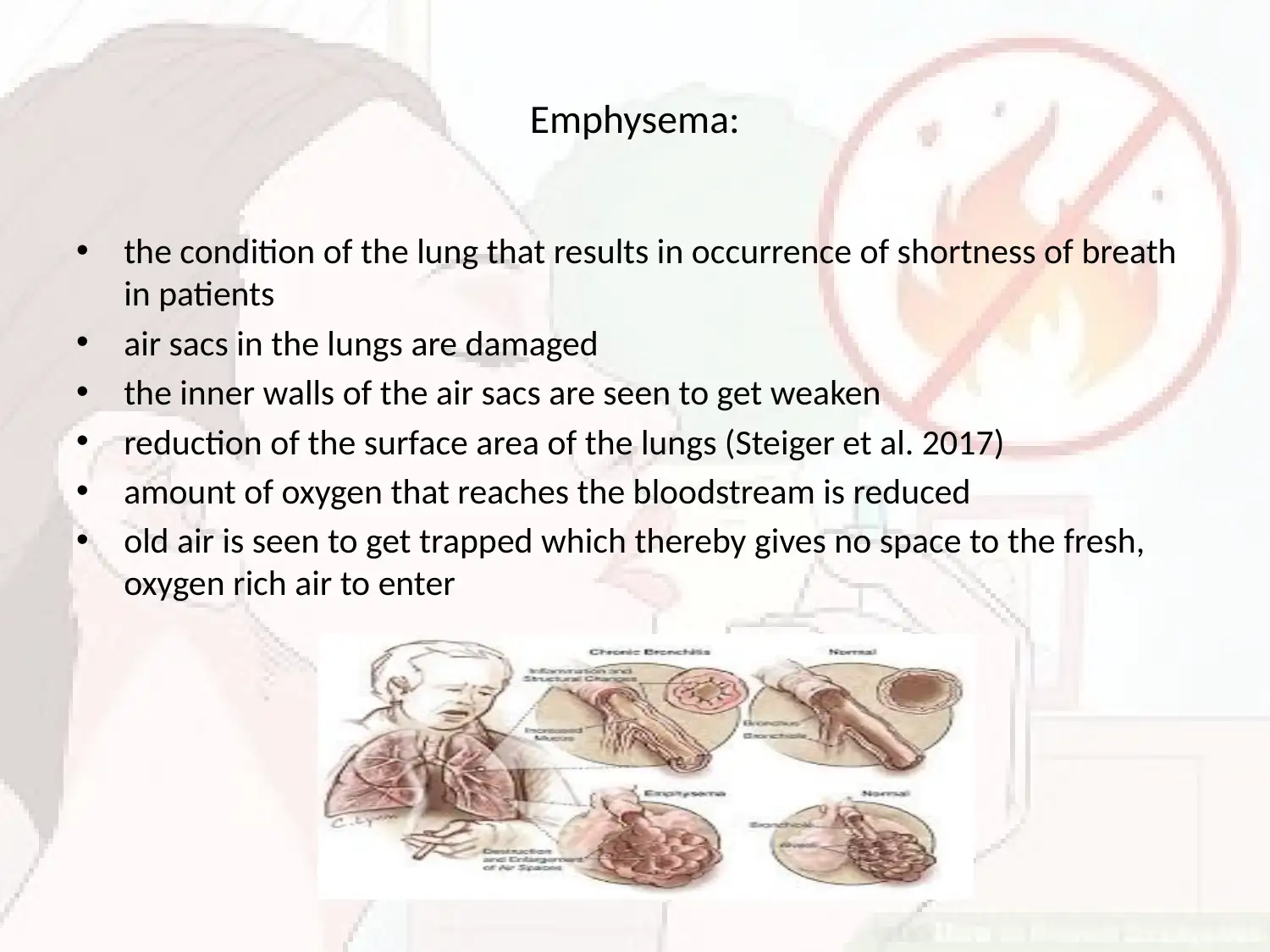
Emphysema:
the condition of the lung that results in occurrence of shortness of breath
in patients
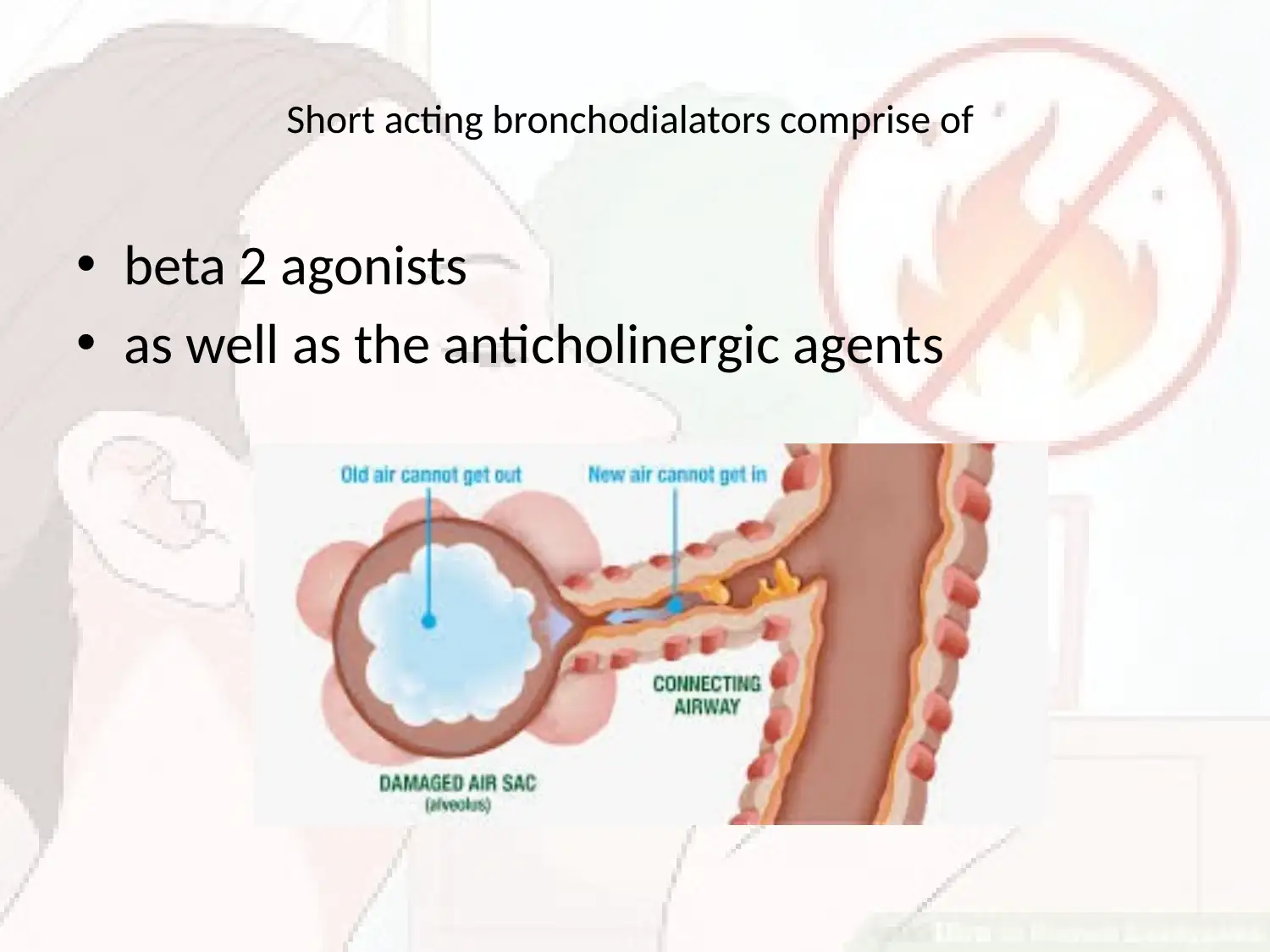
air sacs in the lungs are damaged
the inner walls of the air sacs are seen to get weaken
reduction of the surface area of the lungs (Steiger et al. 2017)
amount of oxygen that reaches the bloodstream is reduced
old air is seen to get trapped which thereby gives no space to the fresh,
oxygen rich air to enter
Document Page
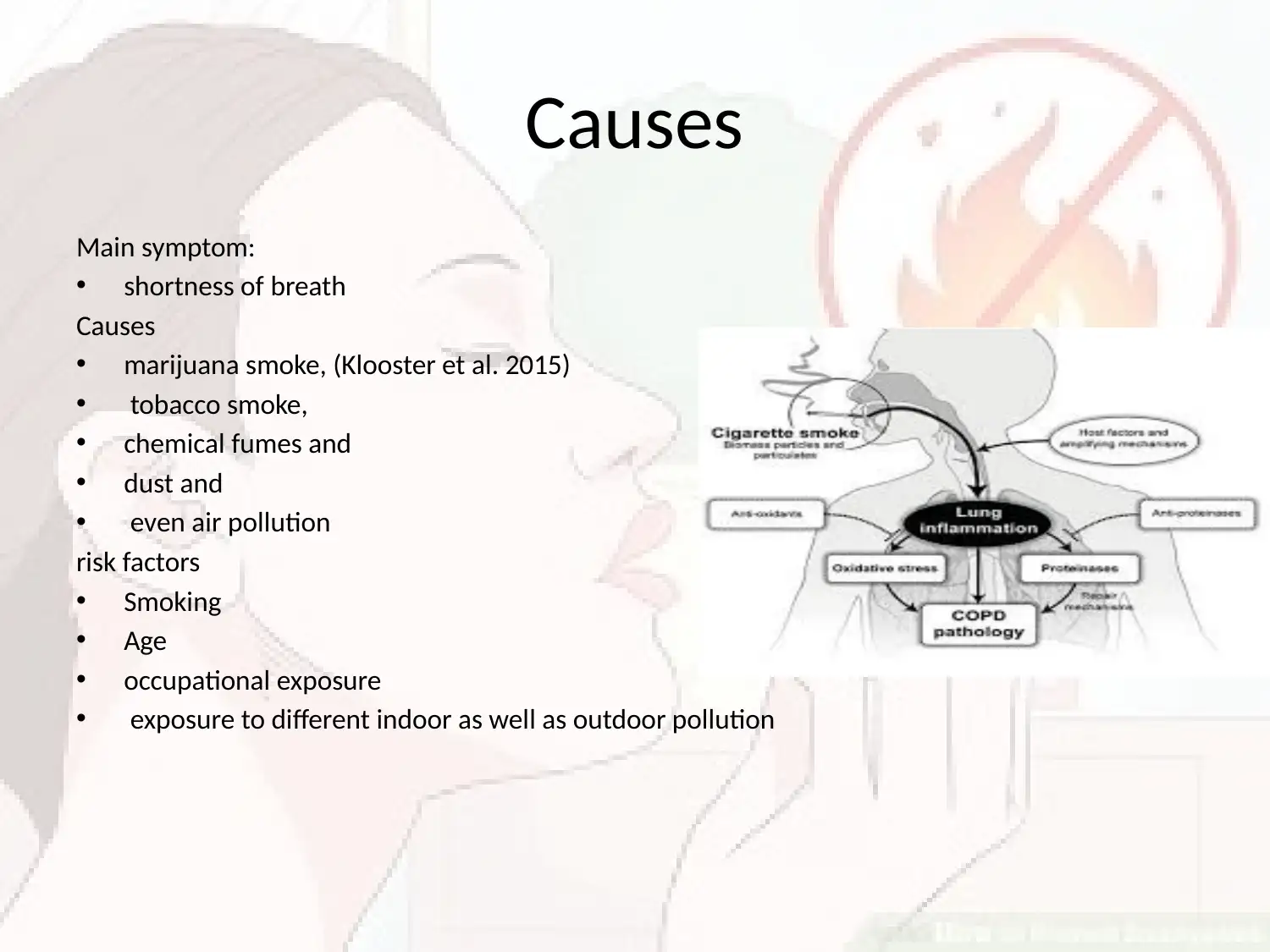
Causes
Main symptom:
shortness of breath
Causes
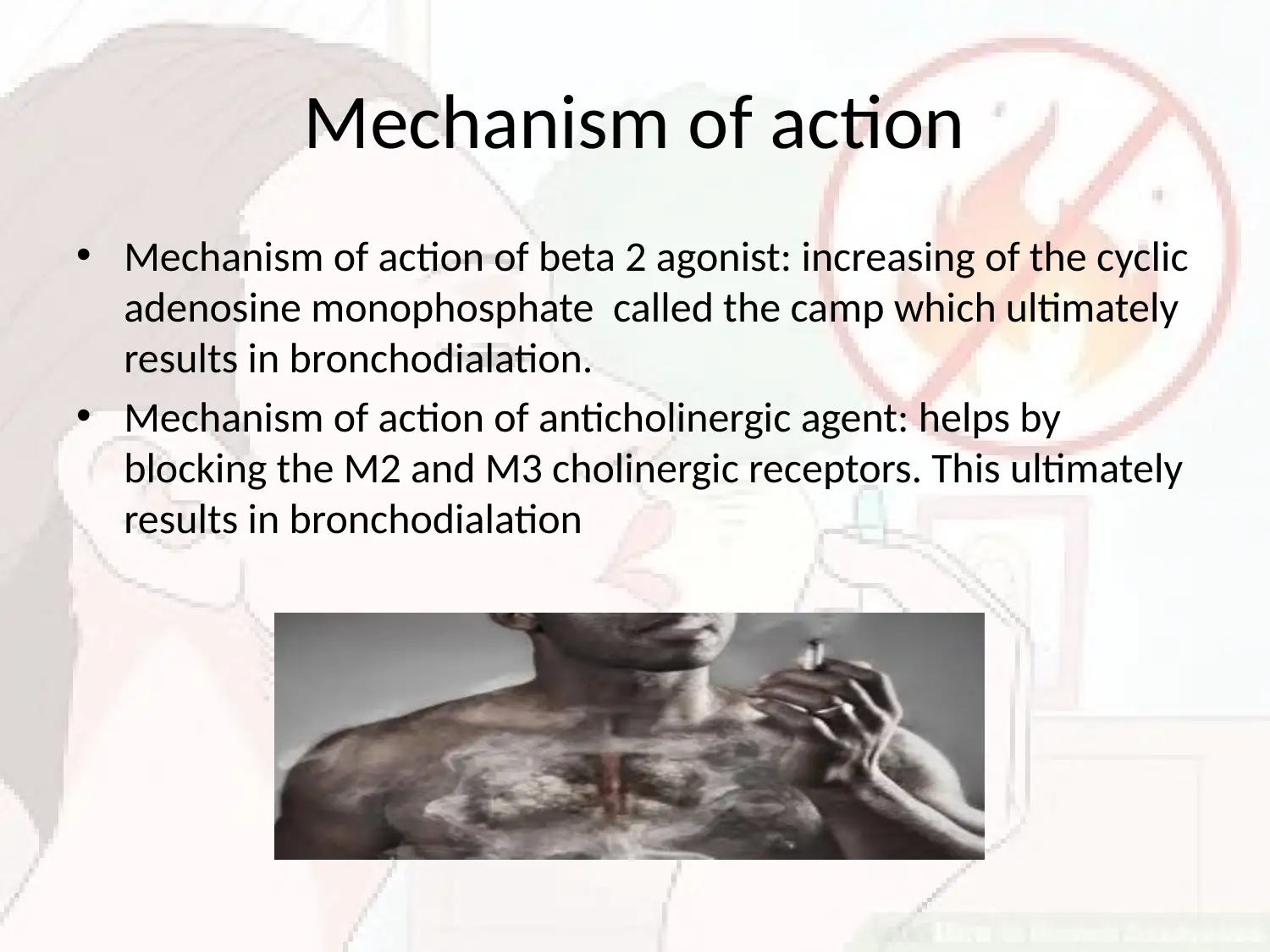
marijuana smoke, (Klooster et al. 2015)
tobacco smoke,
chemical fumes and
dust and
even air pollution
risk factors
Smoking
Age
occupational exposure
exposure to different indoor as well as outdoor pollution
Document Page
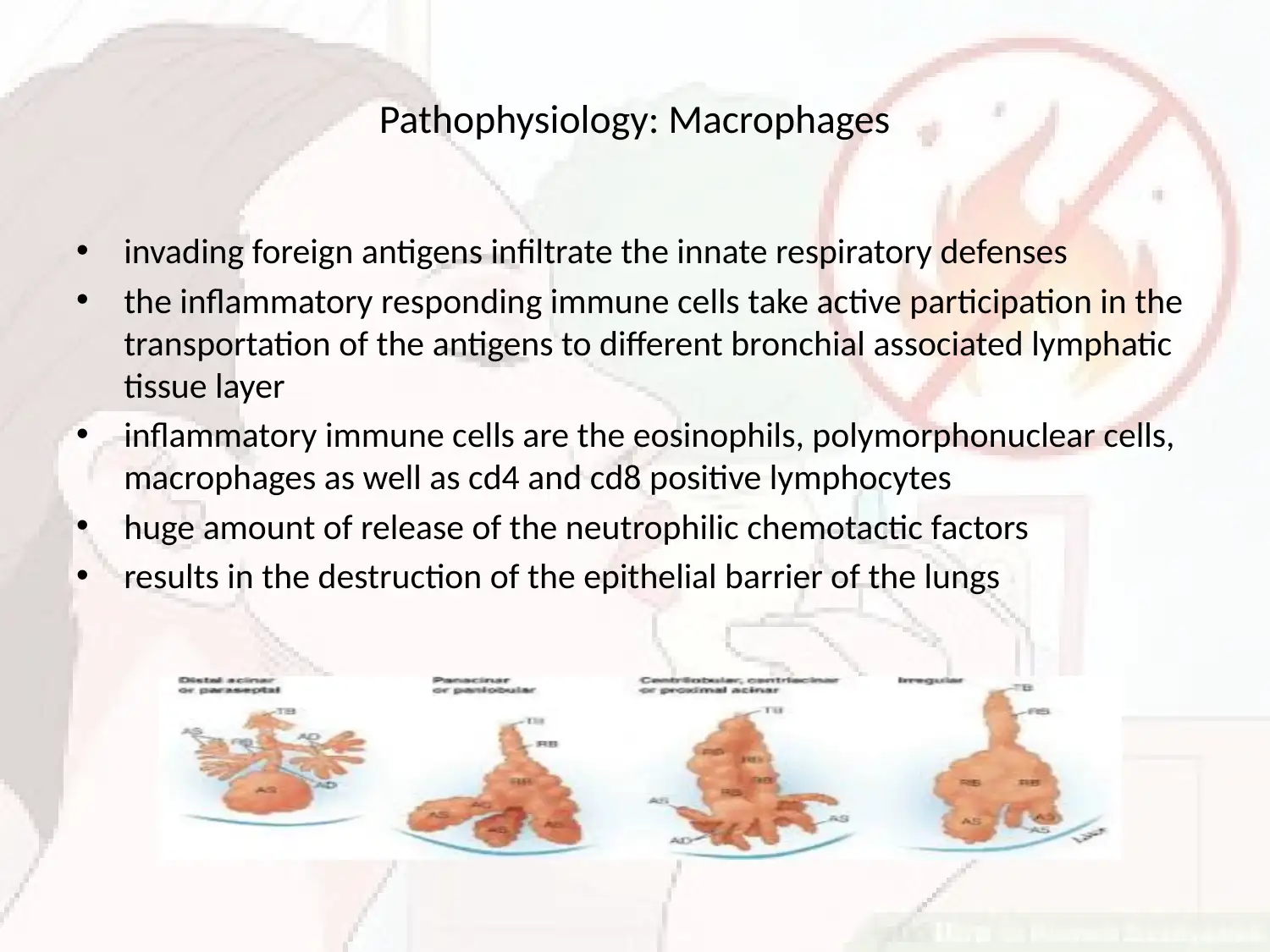
Pathophysiology: Macrophages
invading foreign antigens infiltrate the innate respiratory defenses
the inflammatory responding immune cells take active participation in the
transportation of the antigens to different bronchial associated lymphatic
tissue layer
inflammatory immune cells are the eosinophils, polymorphonuclear cells,
macrophages as well as cd4 and cd8 positive lymphocytes
huge amount of release of the neutrophilic chemotactic factors
results in the destruction of the epithelial barrier of the lungs
tabler-icon-diamond-filled.svg

Paraphrase This Document

Need a fresh take? Get an instant paraphrase of this document with our AI Paraphraser
Document Page
neutrophils
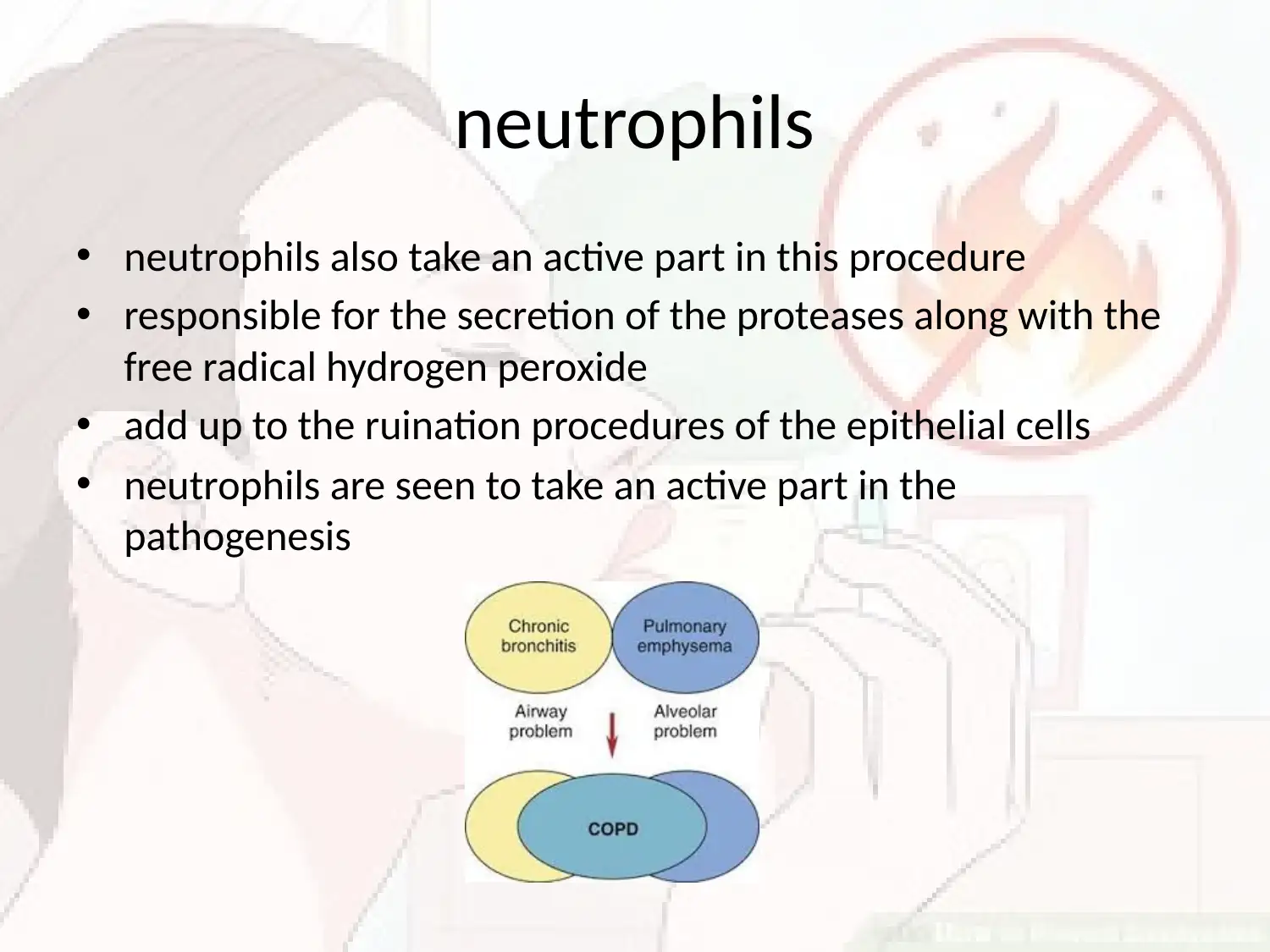
neutrophils also take an active part in this procedure
responsible for the secretion of the proteases along with the
free radical hydrogen peroxide
add up to the ruination procedures of the epithelial cells
neutrophils are seen to take an active part in the
pathogenesis
Document Page
T lymphocyte cells
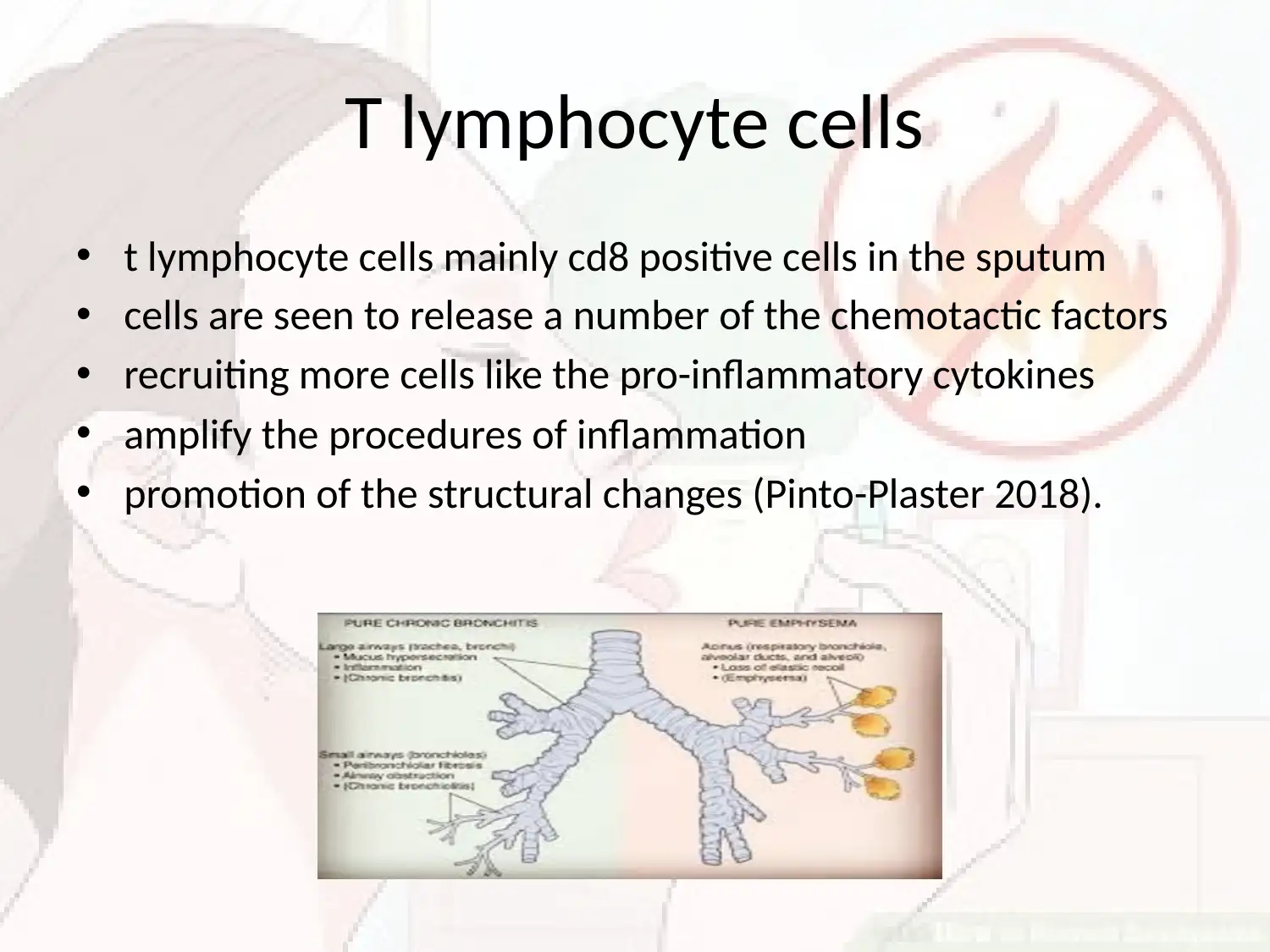
t lymphocyte cells mainly cd8 positive cells in the sputum
cells are seen to release a number of the chemotactic factors
recruiting more cells like the pro-inflammatory cytokines
amplify the procedures of inflammation
promotion of the structural changes (Pinto-Plaster 2018).
Document Page
oxidative stress
Cigarette smoke mainly produces the oxidants and inflammatory cells
mainly release the oxidants
inflammatory macrophages as well as epithelial cells are seen to produce
proteases
protease-antiprotease imbalance
elastin destruction
elastase is responsible for the destruction of the fragile elastic lamina of
the lungs
tabler-icon-diamond-filled.svg

Paraphrase This Document

Need a fresh take? Get an instant paraphrase of this document with our AI Paraphraser
Document Page
airway remodeling cases
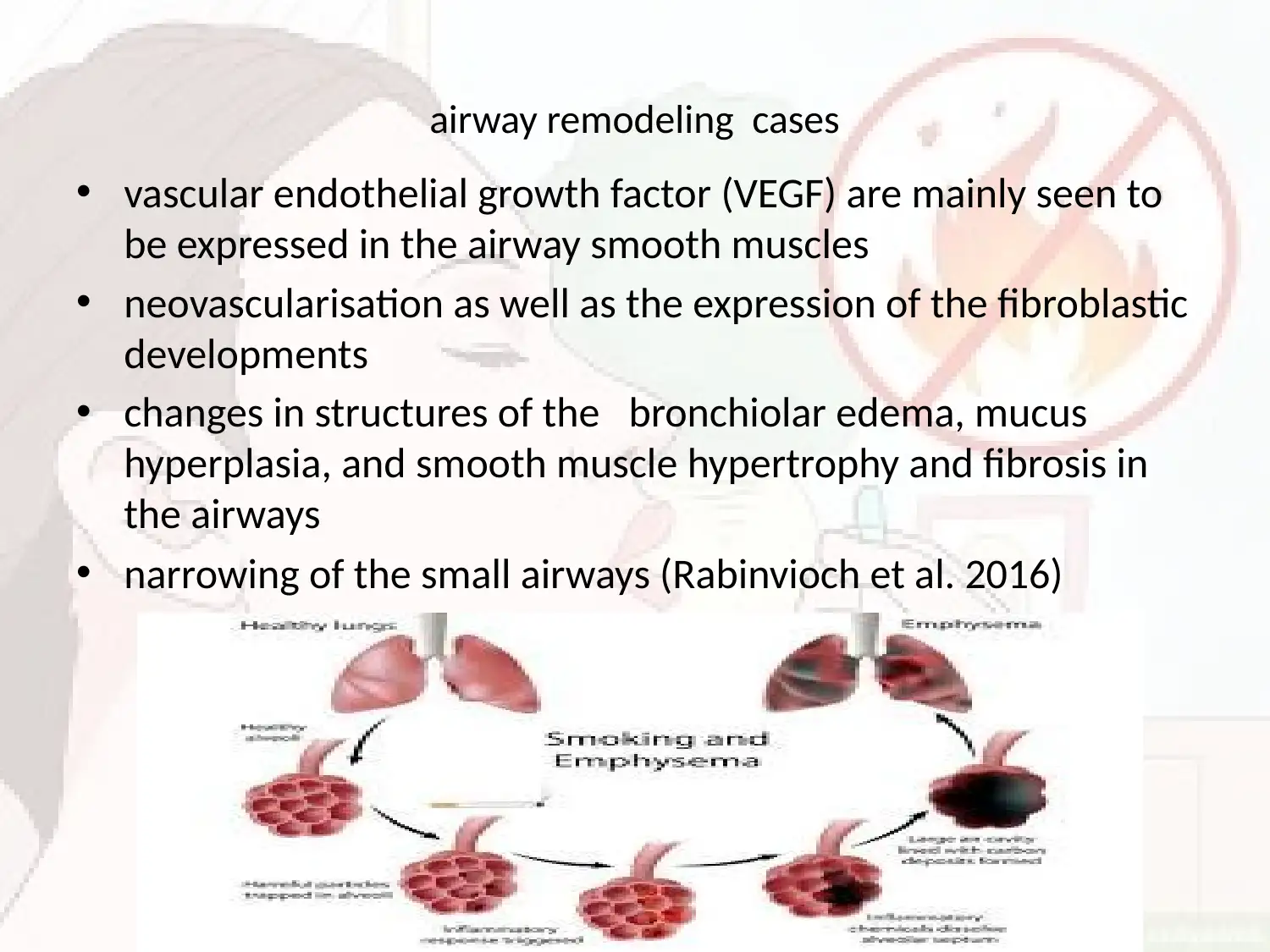
vascular endothelial growth factor (VEGF) are mainly seen to
be expressed in the airway smooth muscles
neovascularisation as well as the expression of the fibroblastic
developments
changes in structures of the bronchiolar edema, mucus
hyperplasia, and smooth muscle hypertrophy and fibrosis in
the airways
narrowing of the small airways (Rabinvioch et al. 2016)
Document Page
Pharmacology of emphysema:
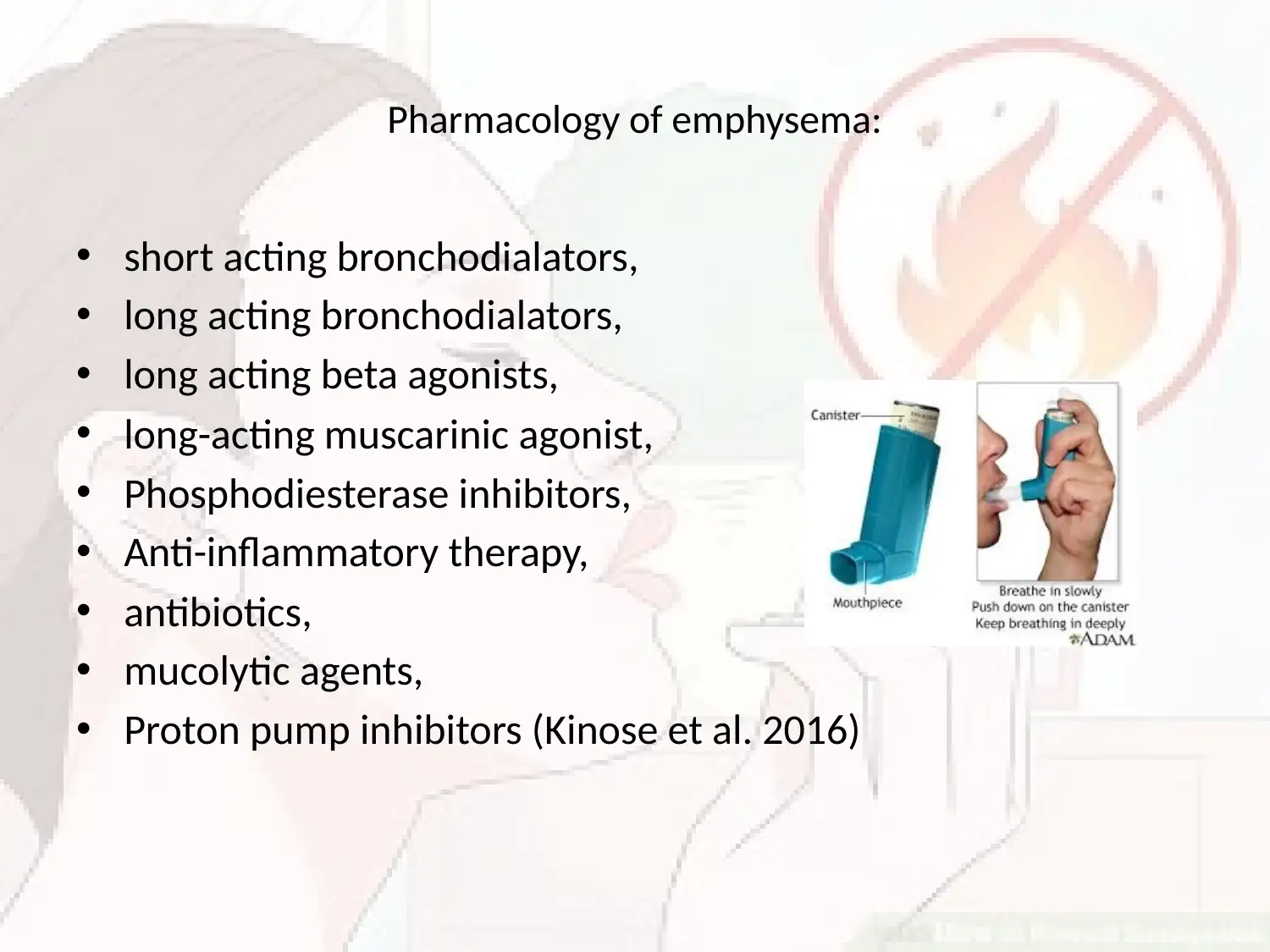
short acting bronchodialators,
long acting bronchodialators,
long acting beta agonists,
long-acting muscarinic agonist,
Phosphodiesterase inhibitors,
Anti-inflammatory therapy,
antibiotics,
mucolytic agents,
Proton pump inhibitors (Kinose et al. 2016)
Document Page
Short acting bronchodialators comprise of
beta 2 agonists
as well as the anticholinergic agents
tabler-icon-diamond-filled.svg

Paraphrase This Document

Need a fresh take? Get an instant paraphrase of this document with our AI Paraphraser
Document Page
Mechanism of action
Mechanism of action of beta 2 agonist: increasing of the cyclic
adenosine monophosphate called the camp which ultimately
results in bronchodialation.
Mechanism of action of anticholinergic agent: helps by
blocking the M2 and M3 cholinergic receptors. This ultimately
results in bronchodialation
Document Page
Pharmacokinetics:
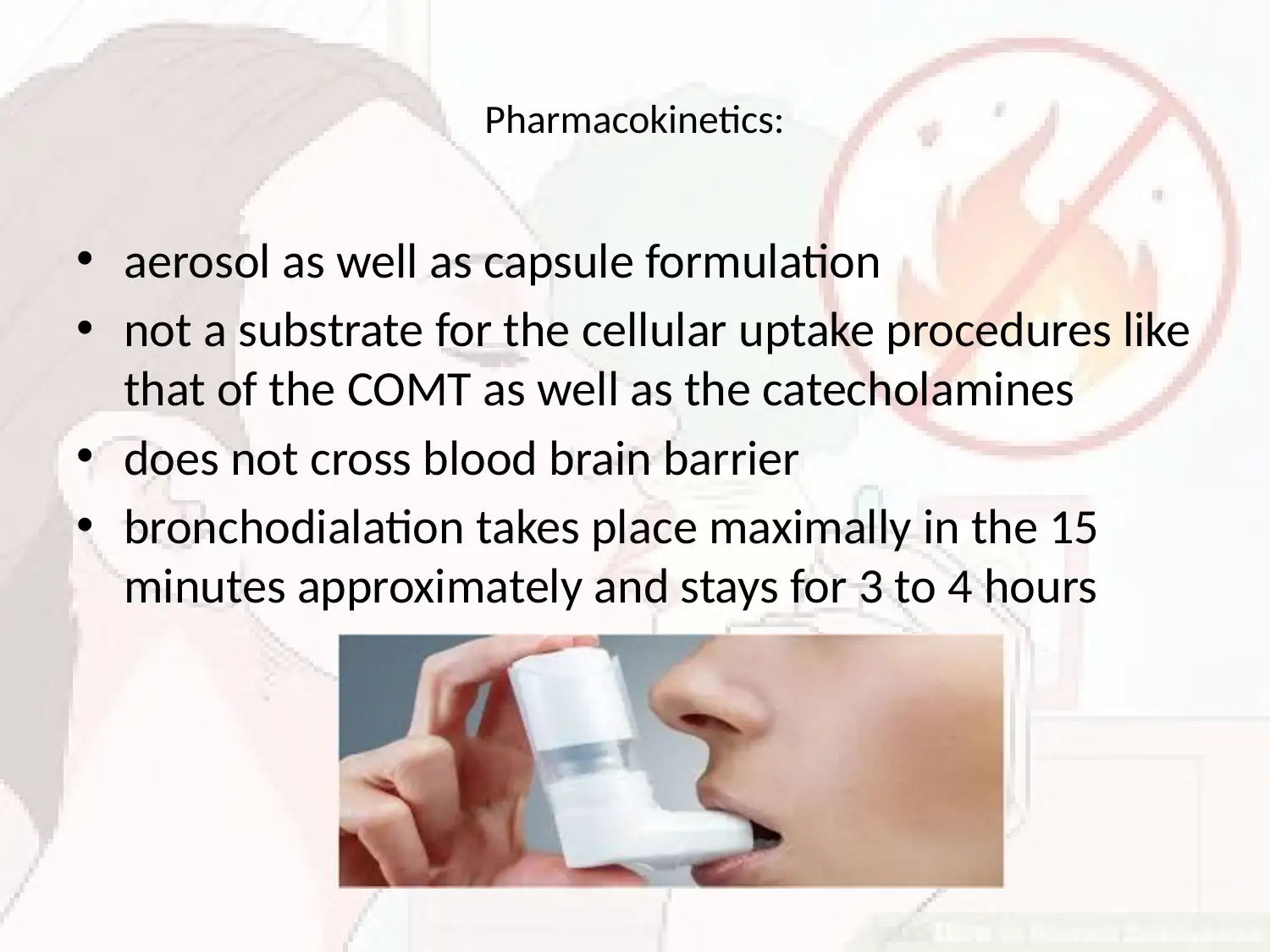
aerosol as well as capsule formulation
not a substrate for the cellular uptake procedures like
that of the COMT as well as the catecholamines
does not cross blood brain barrier
bronchodialation takes place maximally in the 15
minutes approximately and stays for 3 to 4 hours
chevron_up_icon
1 out of 17
circle_padding
hide_on_mobile
zoom_out_icon
[object Object]