Entrepreneurship: Venture Types, Economic Impact & HRM Practices
VerifiedAdded on 2024/05/17
|25
|5626
|367
Report
AI Summary
This report provides a comprehensive analysis of entrepreneurship and small business management, focusing on venture types, economic impact, entrepreneurial mindset, and human resource management practices within the UK context. It examines various entrepreneurial ventures, including lifestyle firms, smaller profit forms, and high-growth ventures, highlighting their similarities and differences. The report assesses the significant impact of small businesses on the UK economy, supported by relevant data and statistics on industrial turnover, employment, and growth rates. It also explores the key aspects of an entrepreneurial mindset, including characteristic traits, skills, and motivational drivers, while analyzing how background and experience can influence entrepreneurship. The report concludes by emphasizing the crucial role of small businesses in driving economic growth and social development in the UK.

Entrepreneurship and small business management
1 | P a g e
1 | P a g e

Paraphrase This Document
Need a fresh take? Get an instant paraphrase of this document with our AI Paraphraser
Contents
Introduction................................................................................................................................4
LO1 Explore and illustrate the range of venture types that might be considered
entrepreneurial............................................................................................................................5
P1 Examine different types of entrepreneurial ventures and explain how they relate to the
typology of entrepreneurship.................................................................................................5
P2 Explore the similarities and differences between entrepreneurial ventures......................6
M1 Investigate a diverse range of entrepreneurial ventures to demonstrate an
understanding of entrepreneurship in both public and corporate sector................................7
D1: Critically examine the scope, development and growth of entrepreneurial ventures.....8
LO2 Assess the impact of small business on the economy........................................................9
P3 Interpret and assess relevant data and statistics to illustrate how micro and small
business impact on the economy............................................................................................9
P4 Explain the importance the importance that small businesses and business start-ups
have on the growth of social economy.................................................................................11
M2: Evaluate the differences small, medium and large businesses make to the economy,
applying relevant data and statistics.....................................................................................12
D2: Critically examine how small businesses have an impact on different levels of the
economy (local, regional and national) and an international context..................................13
LO3 Determine and assess the key aspects of an entrepreneurial mind-set............................14
P5). Determine the characteristic traits and skills of successful entrepreneurs that
differentiate them from other business managers................................................................14
P6). Assess how aspects of the entrepreneurial aspects personality reflect entrepreneurial
motivation and mindset........................................................................................................16
M3: Explore and examine different lines of argument relating to entrepreneurial
characteristics.......................................................................................................................17
D3). Analyze the characteristic traits, skills and motivational drivers of successful
entrepreneurs, supported by specific examples....................................................................18
LO4 Apply Human Resource Management practices in a work-related context.....................19
2 | P a g e
Introduction................................................................................................................................4
LO1 Explore and illustrate the range of venture types that might be considered
entrepreneurial............................................................................................................................5
P1 Examine different types of entrepreneurial ventures and explain how they relate to the
typology of entrepreneurship.................................................................................................5
P2 Explore the similarities and differences between entrepreneurial ventures......................6
M1 Investigate a diverse range of entrepreneurial ventures to demonstrate an
understanding of entrepreneurship in both public and corporate sector................................7
D1: Critically examine the scope, development and growth of entrepreneurial ventures.....8
LO2 Assess the impact of small business on the economy........................................................9
P3 Interpret and assess relevant data and statistics to illustrate how micro and small
business impact on the economy............................................................................................9
P4 Explain the importance the importance that small businesses and business start-ups
have on the growth of social economy.................................................................................11
M2: Evaluate the differences small, medium and large businesses make to the economy,
applying relevant data and statistics.....................................................................................12
D2: Critically examine how small businesses have an impact on different levels of the
economy (local, regional and national) and an international context..................................13
LO3 Determine and assess the key aspects of an entrepreneurial mind-set............................14
P5). Determine the characteristic traits and skills of successful entrepreneurs that
differentiate them from other business managers................................................................14
P6). Assess how aspects of the entrepreneurial aspects personality reflect entrepreneurial
motivation and mindset........................................................................................................16
M3: Explore and examine different lines of argument relating to entrepreneurial
characteristics.......................................................................................................................17
D3). Analyze the characteristic traits, skills and motivational drivers of successful
entrepreneurs, supported by specific examples....................................................................18
LO4 Apply Human Resource Management practices in a work-related context.....................19
2 | P a g e
P7 Examine, using relevant examples, how background and experience can hinder or foster
entrepreneurship...................................................................................................................19
M4: Analyse the link between entrepreneurial characteristics and the influence of personal
background and experience to specific successful entrepreneurs........................................21
D4: Critically evaluate how background and experience influence entrepreneurs, both
positively and negatively, by comparing and contrasting examples....................................22
Conclusion................................................................................................................................23
References................................................................................................................................24
3 | P a g e
entrepreneurship...................................................................................................................19
M4: Analyse the link between entrepreneurial characteristics and the influence of personal
background and experience to specific successful entrepreneurs........................................21
D4: Critically evaluate how background and experience influence entrepreneurs, both
positively and negatively, by comparing and contrasting examples....................................22
Conclusion................................................................................................................................23
References................................................................................................................................24
3 | P a g e
⊘ This is a preview!⊘
Do you want full access?
Subscribe today to unlock all pages.

Trusted by 1+ million students worldwide
Introduction
The business management can be defined as the study of various businesses that are operating
in the industry in order to sustain and earn long-term profits. In the context of management,
there are small as well as large businesses that are currently operating in the industry of UK.
It has been identified that the contribution of small businesses in the UK industry is essential
and of utmost significance. The aim of this management report is to critically define and
analyse the value that is being added by various companies in the business environment
keeping in mind the industry of UK. The emphasis of this assignment would be implied on
the various styles of entrepreneurship and what is the impact of the same in the development
of the companies. Apart from this, the report is also inclusive of the various statistics and
relevant data such that the reader might get essential insights on the start-ups and the role that
is being played by them in the growth of the social economy.
4 | P a g e
The business management can be defined as the study of various businesses that are operating
in the industry in order to sustain and earn long-term profits. In the context of management,
there are small as well as large businesses that are currently operating in the industry of UK.
It has been identified that the contribution of small businesses in the UK industry is essential
and of utmost significance. The aim of this management report is to critically define and
analyse the value that is being added by various companies in the business environment
keeping in mind the industry of UK. The emphasis of this assignment would be implied on
the various styles of entrepreneurship and what is the impact of the same in the development
of the companies. Apart from this, the report is also inclusive of the various statistics and
relevant data such that the reader might get essential insights on the start-ups and the role that
is being played by them in the growth of the social economy.
4 | P a g e
Paraphrase This Document
Need a fresh take? Get an instant paraphrase of this document with our AI Paraphraser
LO1 Explore and illustrate the range of venture types that might be
considered entrepreneurial.
P1 Examine different types of entrepreneurial ventures and explain how they relate to
the typology of entrepreneurship.
It has been identified that in the economy of UK there are various kinds of business which
have been set up by the entrepreneurs keeping in mind their objectives and expectations from
the business. It should be noted that these expectations of the business managers can be
effectively identified as the typology of entrepreneurship. The small businesses that are
currently operating in the industry of UK made up to around 99% of the total firms which
explains that the contribution of such forms in the development of the economy is significant
(Kuratko, 2015). On the basis of typology, the businesses can be bifurcated as follows:
Lifestyle firms: These are the companies that are operating at small levels and
provide a huge amount of independence to the owners. These companies generally
operate out of the household and hence it also provides flexibility. These companies
make it possible for the owners to align their hobbies such that organisational goals
can be achieved. In this kind of company, the typology that is seen is the quasi-
entrepreneur in which the individuals lack the development vision and mission in the
long term.
Smaller profit forms: Smaller profit forms are the companies that have o vision of
growing large and the main aim of the business is to provide the owner with a decent
amount of lifestyle and generate profits such that the operations expenses of the
company are met. The typology of owners that is seen is such businesses are the
craftsmen and opportunists that have the potential to be creative and harness the
opportunities such that long-term sustainability of the business can be ensured
(Kuratko, 2015).
High growth ventures: high growth ventures can be defined as the companies that
have the vision and mission of earning huge profits and they also aim at the long-term
sustainability of the company. The kind of typology that is seen in such firms is the
Inventors. Inventors are the entrepreneurs that have a long vision of achievement of
the goals of the company and they are also bent on building new things such that the
5 | P a g e
considered entrepreneurial.
P1 Examine different types of entrepreneurial ventures and explain how they relate to
the typology of entrepreneurship.
It has been identified that in the economy of UK there are various kinds of business which
have been set up by the entrepreneurs keeping in mind their objectives and expectations from
the business. It should be noted that these expectations of the business managers can be
effectively identified as the typology of entrepreneurship. The small businesses that are
currently operating in the industry of UK made up to around 99% of the total firms which
explains that the contribution of such forms in the development of the economy is significant
(Kuratko, 2015). On the basis of typology, the businesses can be bifurcated as follows:
Lifestyle firms: These are the companies that are operating at small levels and
provide a huge amount of independence to the owners. These companies generally
operate out of the household and hence it also provides flexibility. These companies
make it possible for the owners to align their hobbies such that organisational goals
can be achieved. In this kind of company, the typology that is seen is the quasi-
entrepreneur in which the individuals lack the development vision and mission in the
long term.
Smaller profit forms: Smaller profit forms are the companies that have o vision of
growing large and the main aim of the business is to provide the owner with a decent
amount of lifestyle and generate profits such that the operations expenses of the
company are met. The typology of owners that is seen is such businesses are the
craftsmen and opportunists that have the potential to be creative and harness the
opportunities such that long-term sustainability of the business can be ensured
(Kuratko, 2015).
High growth ventures: high growth ventures can be defined as the companies that
have the vision and mission of earning huge profits and they also aim at the long-term
sustainability of the company. The kind of typology that is seen in such firms is the
Inventors. Inventors are the entrepreneurs that have a long vision of achievement of
the goals of the company and they are also bent on building new things such that the
5 | P a g e
market can be disrupted with creativity. Examples of companies that have owners
with such typology are Apple, Pizza Hut, Tesla etc. (Parker, 2018).
P2 Explore the similarities and differences between entrepreneurial ventures.
The differences and similarities between the businesses that are operating in the industry of
UK have been stated below as follows:
Similarities Differences
Lifestyle firms Lifestyle forms are the
companies that are similar
to smaller profit firms in a
large context as in both the
companies there is a small
amount of liability with the
owner and also the amount
of independence is high.
This company is different in
various senses such as long-
term growth and vision
lacks here. Apart from this,
in such companies, the
profits made are small.
Smaller profit firms These companies can be
stated as the amalgamation
of both the companies. It
should be noted that such
companies lack long-term
growth while on the other
hand, in such companies
there is harnessing of
opportunities which is
similar to a high growth
venture.
The major difference in the
small company with a
lifestyle firm and a high
growth venture is that the
organisational structure is
small and also the small
company cannot deal in
public exchanges like a
high-profit venture (Werven
et. al., 2015).
High Growth Ventures It has been identified that
the high growth venture is
majorly different from a
small company and the only
similarity between these
companies is that; a high
growth venture can be
privately owned. A high
growth venture and a small
venture can both create
disruption in the industry
but they a small company
just lacks in the scope of
operations.
The major difference
between a high growth
ventures is that such
companies have a long-term
vision and mission and
these companies also have a
large organisational
structure and they also
enjoy a huge amount of
profits (Rawhouser et. al.,
2017).
6 | P a g e
with such typology are Apple, Pizza Hut, Tesla etc. (Parker, 2018).
P2 Explore the similarities and differences between entrepreneurial ventures.
The differences and similarities between the businesses that are operating in the industry of
UK have been stated below as follows:
Similarities Differences
Lifestyle firms Lifestyle forms are the
companies that are similar
to smaller profit firms in a
large context as in both the
companies there is a small
amount of liability with the
owner and also the amount
of independence is high.
This company is different in
various senses such as long-
term growth and vision
lacks here. Apart from this,
in such companies, the
profits made are small.
Smaller profit firms These companies can be
stated as the amalgamation
of both the companies. It
should be noted that such
companies lack long-term
growth while on the other
hand, in such companies
there is harnessing of
opportunities which is
similar to a high growth
venture.
The major difference in the
small company with a
lifestyle firm and a high
growth venture is that the
organisational structure is
small and also the small
company cannot deal in
public exchanges like a
high-profit venture (Werven
et. al., 2015).
High Growth Ventures It has been identified that
the high growth venture is
majorly different from a
small company and the only
similarity between these
companies is that; a high
growth venture can be
privately owned. A high
growth venture and a small
venture can both create
disruption in the industry
but they a small company
just lacks in the scope of
operations.
The major difference
between a high growth
ventures is that such
companies have a long-term
vision and mission and
these companies also have a
large organisational
structure and they also
enjoy a huge amount of
profits (Rawhouser et. al.,
2017).
6 | P a g e
⊘ This is a preview!⊘
Do you want full access?
Subscribe today to unlock all pages.
Trusted by 1+ million students worldwide
M1 Investigate a diverse range of entrepreneurial ventures to demonstrate an
understanding of entrepreneurship in both public and corporate sector.
It should be noted that in the public sector company and in a corporate sector company the
major difference is of the ownership and the dealing of the company in exchanges. In a public
company, the dealings are done in public stock exchanges. The public company can also be a
government undertaking which is fully or partially owned by the government. The public
company has the major goal of providing accessible and inexpensive services to the citizens
for their welfare while on the other hand, a private company major focuses on their own
development and expansion in the industry. It should be noted that though the contribution of
public entities is large on the individual levels, the economy of UK is filled with the private
entities and 76% of the total contribution in the GDP of the country comes from private
ownership. It should also be noted that in the respect of a number of businesses that are
operating in the industry of UK, the small businesses thrive the most and out of all the
companies, small companies made up around 99% of total entities (Kuratko, 2016).
7 | P a g e
understanding of entrepreneurship in both public and corporate sector.
It should be noted that in the public sector company and in a corporate sector company the
major difference is of the ownership and the dealing of the company in exchanges. In a public
company, the dealings are done in public stock exchanges. The public company can also be a
government undertaking which is fully or partially owned by the government. The public
company has the major goal of providing accessible and inexpensive services to the citizens
for their welfare while on the other hand, a private company major focuses on their own
development and expansion in the industry. It should be noted that though the contribution of
public entities is large on the individual levels, the economy of UK is filled with the private
entities and 76% of the total contribution in the GDP of the country comes from private
ownership. It should also be noted that in the respect of a number of businesses that are
operating in the industry of UK, the small businesses thrive the most and out of all the
companies, small companies made up around 99% of total entities (Kuratko, 2016).
7 | P a g e
Paraphrase This Document
Need a fresh take? Get an instant paraphrase of this document with our AI Paraphraser
D1: Critically examine the scope, development and growth of entrepreneurial ventures.
The development and growth of entrepreneurial ventures in the business environment of UK
are not only promising for the entrepreneurs but also for the economy. With more and more
businesses opening in the industry, the GDP of the country is boosting on a rapid pace and it
should be noted that in this concern the development of the living standards of individuals,
eradication of unemployment and rise in the social standards of the country is also taking
place in an effective manner. This can be effectively identified form the fact that more than
80% of the individuals that are working in the country are hired by small businesses. This has
resulted in boosting the economy of UK to about 2 Trillion Euros in the year 2017 (Kuratko,
2016).
8 | P a g e
The development and growth of entrepreneurial ventures in the business environment of UK
are not only promising for the entrepreneurs but also for the economy. With more and more
businesses opening in the industry, the GDP of the country is boosting on a rapid pace and it
should be noted that in this concern the development of the living standards of individuals,
eradication of unemployment and rise in the social standards of the country is also taking
place in an effective manner. This can be effectively identified form the fact that more than
80% of the individuals that are working in the country are hired by small businesses. This has
resulted in boosting the economy of UK to about 2 Trillion Euros in the year 2017 (Kuratko,
2016).
8 | P a g e
LO2 Assess the impact of small business on the economy.
P3 Interpret and assess relevant data and statistics to illustrate how micro and small
business impact on the economy.
It has already been identified in the later segments of the export that the small businesses are
significant contributors in the economy of UK and it has also been identified that this is a
trend which is liked by many. The continuous growth of this trend is further enhanced by the
innovation and lucrative opportunities that are being offered by the market of UK. The
impact of small businesses in the UK can thus be evaluated under three heads i.e. industrial
turnover, employment and growth rate of industry which has been provided below as follows:
Industrial growth: The industry of UK is efficient as identified through various
surveys and researches. It has been identified that not only this industry provides the
user with festive and efficient opportunities to harness the true potential of the market
but also help them to grow and prosper in the global arena.
Turnover: The turnover of the industry of UK is attractive and the contribution of
small companies in the GDP of the country alone in the year 2017 stood around 2
Trillion Euros.
Employment: Employment opportunities are the major advantage that is received
from the small companies in the business environment of UK as these companies
offer employment to around 85% of the working class individuals in UK. Apart from
hiring, it has been identified that around 40% of individuals have their own small
businesses (Storey, 2016).
9 | P a g e
P3 Interpret and assess relevant data and statistics to illustrate how micro and small
business impact on the economy.
It has already been identified in the later segments of the export that the small businesses are
significant contributors in the economy of UK and it has also been identified that this is a
trend which is liked by many. The continuous growth of this trend is further enhanced by the
innovation and lucrative opportunities that are being offered by the market of UK. The
impact of small businesses in the UK can thus be evaluated under three heads i.e. industrial
turnover, employment and growth rate of industry which has been provided below as follows:
Industrial growth: The industry of UK is efficient as identified through various
surveys and researches. It has been identified that not only this industry provides the
user with festive and efficient opportunities to harness the true potential of the market
but also help them to grow and prosper in the global arena.
Turnover: The turnover of the industry of UK is attractive and the contribution of
small companies in the GDP of the country alone in the year 2017 stood around 2
Trillion Euros.
Employment: Employment opportunities are the major advantage that is received
from the small companies in the business environment of UK as these companies
offer employment to around 85% of the working class individuals in UK. Apart from
hiring, it has been identified that around 40% of individuals have their own small
businesses (Storey, 2016).
9 | P a g e
⊘ This is a preview!⊘
Do you want full access?
Subscribe today to unlock all pages.
Trusted by 1+ million students worldwide
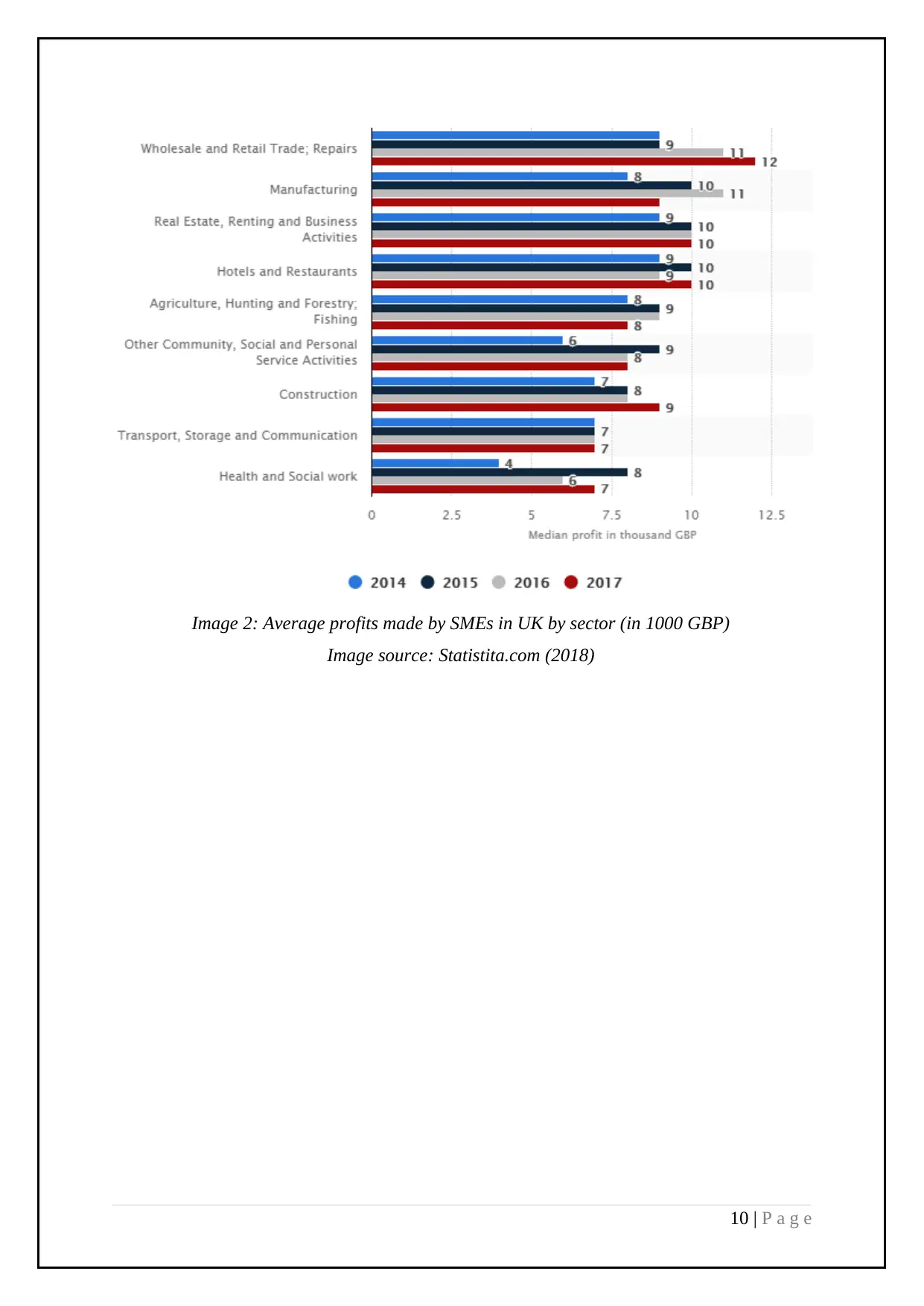
Image 2: Average profits made by SMEs in UK by sector (in 1000 GBP)
Image source: Statistita.com (2018)
10 | P a g e
Image source: Statistita.com (2018)
10 | P a g e
Paraphrase This Document
Need a fresh take? Get an instant paraphrase of this document with our AI Paraphraser
P4 Explain the importance the importance that small businesses and business start-ups
have on the growth of social economy
As various employment\ opportunities are provided by the businesses operating in the
industry of UK it should be noted that these companies not only help in improving the
financial status of the citizens but this also adds to increment in the appeal of their social
statuses. It has also been analysed that with the creation of job opportunities that
unemployment is being eradicated from the economy which helps in increment of the GDP of
country (Burns, 2016). The measures to analyse the growth of economy in social terms have
been stated below as follows:
Education of youth: It should be noted that with the trend of start-up businesses
hitting the economy of UK, many youths in the industry are getting inclined towards
the same which not only exposes them to opportunities in the market but also helps
them to explore the industry on a global basis.
Improves standards of living: With the downfall in unemployment and development
of the economy, it has been identified that now more and more people are earning
handsome amount which helps them to increase their standards of livings and lead a
good quality of lifestyle. This is one of the greatest and most positive social impact of
small businesses that are being levied on the economy.
Development of infrastructure: As it has been realised that the development of
small businesses leads to development of the industry which further helps in
increasing the GDP of the country, this enhanced GDP is being effectively used in
order to undertake infrastructural development opportunities in the country. This help
in increasing the appeal of the country (Burns, 2016).
11 | P a g e
have on the growth of social economy
As various employment\ opportunities are provided by the businesses operating in the
industry of UK it should be noted that these companies not only help in improving the
financial status of the citizens but this also adds to increment in the appeal of their social
statuses. It has also been analysed that with the creation of job opportunities that
unemployment is being eradicated from the economy which helps in increment of the GDP of
country (Burns, 2016). The measures to analyse the growth of economy in social terms have
been stated below as follows:
Education of youth: It should be noted that with the trend of start-up businesses
hitting the economy of UK, many youths in the industry are getting inclined towards
the same which not only exposes them to opportunities in the market but also helps
them to explore the industry on a global basis.
Improves standards of living: With the downfall in unemployment and development
of the economy, it has been identified that now more and more people are earning
handsome amount which helps them to increase their standards of livings and lead a
good quality of lifestyle. This is one of the greatest and most positive social impact of
small businesses that are being levied on the economy.
Development of infrastructure: As it has been realised that the development of
small businesses leads to development of the industry which further helps in
increasing the GDP of the country, this enhanced GDP is being effectively used in
order to undertake infrastructural development opportunities in the country. This help
in increasing the appeal of the country (Burns, 2016).
11 | P a g e
M2: Evaluate the differences small, medium and large businesses make to the economy,
applying relevant data and statistics.
In order to analyse the impact of small, medium and large businesses in the economy of UK it
should be noted that these businesses irrespective of their size have their own significant
contribution in the economy of the country. The small, medium and large bifurcations of
these businesses have been done in accordance with the scope of operations and size of the
businesses. The impact of such companies on the economy of UK has been stated below as
follows:
Contribution of small businesses is the most significant one as they comprise of
around 99% of the total businesses thriving in the industry.
On the other hand, the medium-sized companies are the major contributor to the
economy and their contribution is seen taking into consideration the number of
employment opportunities provided by them.
The large businesses have a direct impact on the infrastructural development in the
country and it has been analysed that these businesses are the major source of
facilitating technological developments in the country (Hillary, 2017).
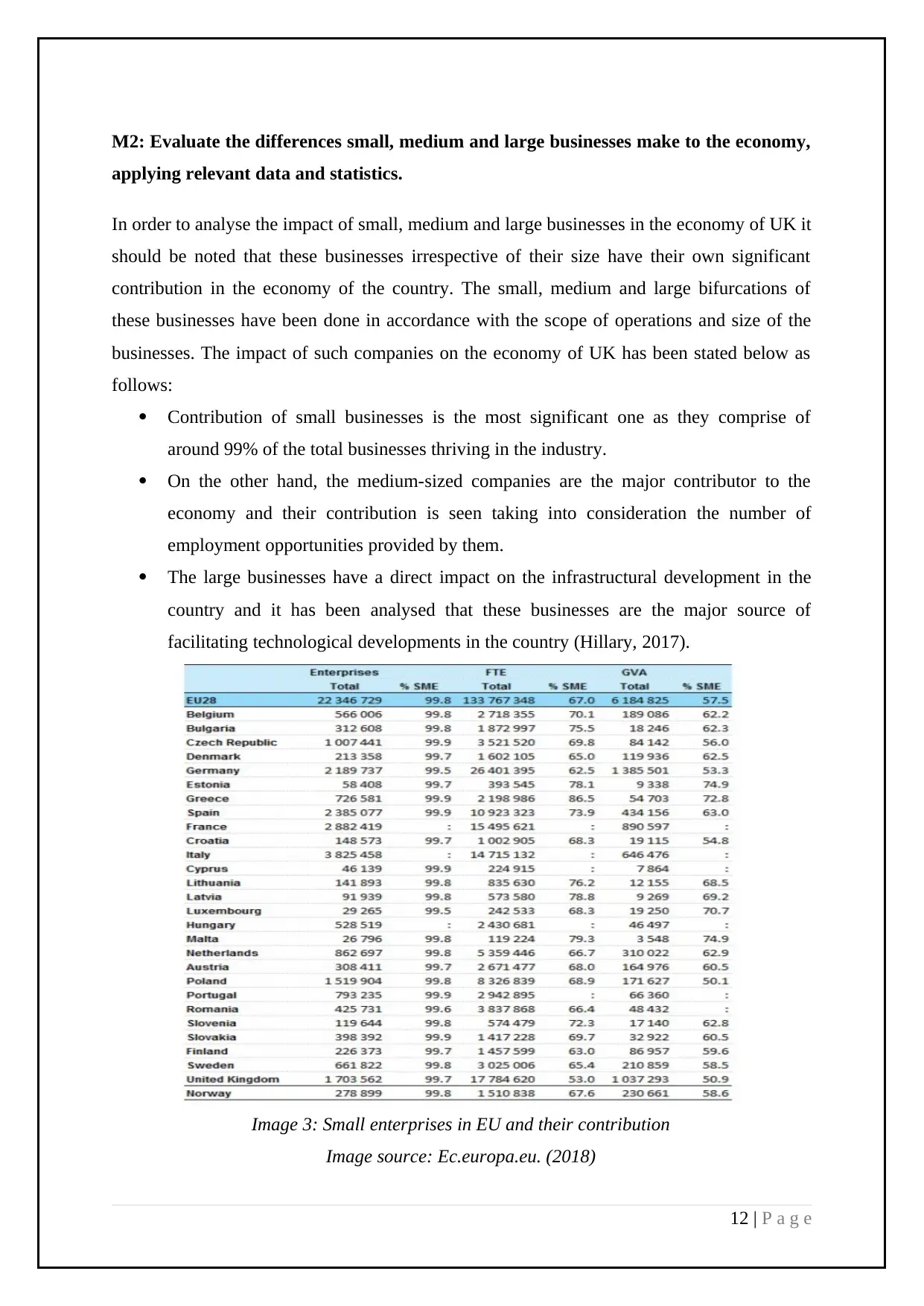
Image 3: Small enterprises in EU and their contribution
Image source: Ec.europa.eu. (2018)
12 | P a g e
applying relevant data and statistics.
In order to analyse the impact of small, medium and large businesses in the economy of UK it
should be noted that these businesses irrespective of their size have their own significant
contribution in the economy of the country. The small, medium and large bifurcations of
these businesses have been done in accordance with the scope of operations and size of the
businesses. The impact of such companies on the economy of UK has been stated below as
follows:
Contribution of small businesses is the most significant one as they comprise of
around 99% of the total businesses thriving in the industry.
On the other hand, the medium-sized companies are the major contributor to the
economy and their contribution is seen taking into consideration the number of
employment opportunities provided by them.
The large businesses have a direct impact on the infrastructural development in the
country and it has been analysed that these businesses are the major source of
facilitating technological developments in the country (Hillary, 2017).
Image 3: Small enterprises in EU and their contribution
Image source: Ec.europa.eu. (2018)
12 | P a g e
⊘ This is a preview!⊘
Do you want full access?
Subscribe today to unlock all pages.
Trusted by 1+ million students worldwide

1 out of 25


Related Documents


Your All-in-One AI-Powered Toolkit for Academic Success.
+13062052269
info@desklib.com
Available 24*7 on WhatsApp / Email
![[object Object]](/_next/static/media/star-bottom.7253800d.svg)
Unlock your academic potential
Copyright © 2020–2026 A2Z Services. All Rights Reserved. Developed and managed by ZUCOL.