Analysis of Hazardous Waste Management and Environmental Impacts
VerifiedAdded on 2023/06/07
|22
|5901
|229
Report
AI Summary
This report provides a comprehensive analysis of hazardous waste management and its environmental impacts, focusing on the Australian context. It examines various types of hazardous waste, including asbestos, waste oils, alkali wastes, lead waste, clinical waste, contaminated soils, spent pot liner waste, contaminated bio-solids, non-toxic salts, and persistent organic pollutants. The report discusses the specific hazards associated with each waste type, their effects on human health and the environment, and provides insights into the measures that can be taken to better manage these wastes. It highlights the importance of monitoring and controlling the impact of hazardous wastes to protect both human health and the environment, particularly in the context of industrial advancements and globalization. The report also includes a detailed discussion of the Australian government's efforts to monitor and manage hazardous waste, emphasizing the need for effective strategies to mitigate the negative impacts of these wastes.
Running head: HAZARDOUS WASTE MANAGEMENT
HAZARDOUS WASTE MANAGEMENT
Name of Student
Name of University
Author note
HAZARDOUS WASTE MANAGEMENT
Name of Student
Name of University
Author note

Paraphrase This Document
Need a fresh take? Get an instant paraphrase of this document with our AI Paraphraser
1HAZARDOUS WASTE MANAGEMENT
Executive Summary:
The purpose of this report is to examine the impacts of the hazardous waste management on
the environment. The report discusses the impacts of different hazardous materials such as
Asbestos, Waste Oil, Alkali Wastes, Lead Waste, Clinical Waste, Contaminated Soils, Spent
pot liner waste, Contaminated bio-solids, non-toxic salts, Persistent organic pollutants on the
human health and also on the environment. Identification of the impacts and the possible
measures can help in the better understanding of the hazardous waste management.
Executive Summary:
The purpose of this report is to examine the impacts of the hazardous waste management on
the environment. The report discusses the impacts of different hazardous materials such as
Asbestos, Waste Oil, Alkali Wastes, Lead Waste, Clinical Waste, Contaminated Soils, Spent
pot liner waste, Contaminated bio-solids, non-toxic salts, Persistent organic pollutants on the
human health and also on the environment. Identification of the impacts and the possible
measures can help in the better understanding of the hazardous waste management.
2HAZARDOUS WASTE MANAGEMENT
Table of Contents
Introduction:...............................................................................................................................4
Discussion:.................................................................................................................................4
Hazardous Waste:...................................................................................................................4
The Australian Scenario:........................................................................................................5
Asbestos Waste:.....................................................................................................................6
Waste Oils:.............................................................................................................................7
Alkali Wastes:........................................................................................................................8
Lead Wastes:..........................................................................................................................9
Clinical waste:......................................................................................................................10
Contaminated Soils:.............................................................................................................11
Invisible wastes:...................................................................................................................12
Spent pot liner (SPL):...........................................................................................................12
Contaminated bio-solids:.....................................................................................................13
Coal Seam Gas waste:..........................................................................................................14
Persistent Organic Pollutants (POP):...................................................................................15
Conclusion:..............................................................................................................................15
References:...............................................................................................................................17
Table of Contents
Introduction:...............................................................................................................................4
Discussion:.................................................................................................................................4
Hazardous Waste:...................................................................................................................4
The Australian Scenario:........................................................................................................5
Asbestos Waste:.....................................................................................................................6
Waste Oils:.............................................................................................................................7
Alkali Wastes:........................................................................................................................8
Lead Wastes:..........................................................................................................................9
Clinical waste:......................................................................................................................10
Contaminated Soils:.............................................................................................................11
Invisible wastes:...................................................................................................................12
Spent pot liner (SPL):...........................................................................................................12
Contaminated bio-solids:.....................................................................................................13
Coal Seam Gas waste:..........................................................................................................14
Persistent Organic Pollutants (POP):...................................................................................15
Conclusion:..............................................................................................................................15
References:...............................................................................................................................17
⊘ This is a preview!⊘
Do you want full access?
Subscribe today to unlock all pages.

Trusted by 1+ million students worldwide
3HAZARDOUS WASTE MANAGEMENT
Introduction:
The modern day globalization and industrial advances has promised the world a
technologically advanced future. The improvements in the several factors of commodities and
services look forward to make life easier for the modern day people. However, it has to be
kept in mind that every benefit comes with a cost and so does all the technological global
advancements. Non-sustainable use of different resources to meet the demands of the ever-
growing population has led to the industrial sector and other sectors to create tons of
hazardous waste (Yang, 2017). These leftover products have no use in the later phases and
are just ready to be dumped. Improper dumping of hazardous wastes have been affecting the
world since the very advent of the industrial revolution. Very recently, the different global
environmental forums and the different governments of the world have realized the negative
impacts these hazardous wastes can do to the society. It is important to monitor the impact of
these hazardous wastes of the both the health of the society and the environment. These
monitoring can further help to identify the primary measures that should be taken by the
governments to check and control the impact of the hazardous waste (Hoornweg & Bhada-
Tata, 2012). In case of Australia, the Department of Environment has been actively trying to
monitor the environmental impact of the hazardous wastes so as check and control their
effects in the future for the benefits of the environment and health of the society. This
discussion highlights the key aspects of the environmental and health impacts of the
hazardous waste and how deeply they have been harming the nature as well as the human
health.
Introduction:
The modern day globalization and industrial advances has promised the world a
technologically advanced future. The improvements in the several factors of commodities and
services look forward to make life easier for the modern day people. However, it has to be
kept in mind that every benefit comes with a cost and so does all the technological global
advancements. Non-sustainable use of different resources to meet the demands of the ever-
growing population has led to the industrial sector and other sectors to create tons of
hazardous waste (Yang, 2017). These leftover products have no use in the later phases and
are just ready to be dumped. Improper dumping of hazardous wastes have been affecting the
world since the very advent of the industrial revolution. Very recently, the different global
environmental forums and the different governments of the world have realized the negative
impacts these hazardous wastes can do to the society. It is important to monitor the impact of
these hazardous wastes of the both the health of the society and the environment. These
monitoring can further help to identify the primary measures that should be taken by the
governments to check and control the impact of the hazardous waste (Hoornweg & Bhada-
Tata, 2012). In case of Australia, the Department of Environment has been actively trying to
monitor the environmental impact of the hazardous wastes so as check and control their
effects in the future for the benefits of the environment and health of the society. This
discussion highlights the key aspects of the environmental and health impacts of the
hazardous waste and how deeply they have been harming the nature as well as the human
health.
Paraphrase This Document
Need a fresh take? Get an instant paraphrase of this document with our AI Paraphraser
4HAZARDOUS WASTE MANAGEMENT
Discussion:
Hazardous Waste:
Hazardous waste is referred to a special category of industrial or social waste. The
primary characteristic of this kind of waste is that, it is harmful for the health of the living
beings and the environment in general. Moreover, the danger is more if these wastes are
disposed without the proper maintenance of any safety regulations. Hazardous wastes do not
only come in the solid form but in every form, solid, liquid and gas, and therefore it can harm
every medium of the environment, from air, land and water (Guerrero, Maas & Hogland,
2013). It is important for the governing bodies to properly identify the hazardous wastes and
categorize them according to their nature and their potentiality to harm. These can help in the
proper management of the disposal and can reduce their impacts on the health of the human
beings and the environment.
The Australian Scenario:
In Australia, the government has identified 49 waste groups which are categorized to
be hazardous and have negative impact on the health of the human beings and also on the
environment. However, it has been difficult for them to determine that which among the 49
listed groups have the potential for the most harmful impact on the health and the
environment (Environment.gov.au, 2018). The overall contribution towards disposal with
regards to the weight of the waste disposed is a very rudimentary indicator to determine the
potentiality of a particular hazardous waste towards the environment (Inglezakis &
Moustakas, 2015). Similarly, the inherent hazard indicator of the hazardous wastes does not
provide any true degree of understanding of the potentiality of the impact that these wastes
can have on the environment. However, if the study includes both the weight factor and the
Discussion:
Hazardous Waste:
Hazardous waste is referred to a special category of industrial or social waste. The
primary characteristic of this kind of waste is that, it is harmful for the health of the living
beings and the environment in general. Moreover, the danger is more if these wastes are
disposed without the proper maintenance of any safety regulations. Hazardous wastes do not
only come in the solid form but in every form, solid, liquid and gas, and therefore it can harm
every medium of the environment, from air, land and water (Guerrero, Maas & Hogland,
2013). It is important for the governing bodies to properly identify the hazardous wastes and
categorize them according to their nature and their potentiality to harm. These can help in the
proper management of the disposal and can reduce their impacts on the health of the human
beings and the environment.
The Australian Scenario:
In Australia, the government has identified 49 waste groups which are categorized to
be hazardous and have negative impact on the health of the human beings and also on the
environment. However, it has been difficult for them to determine that which among the 49
listed groups have the potential for the most harmful impact on the health and the
environment (Environment.gov.au, 2018). The overall contribution towards disposal with
regards to the weight of the waste disposed is a very rudimentary indicator to determine the
potentiality of a particular hazardous waste towards the environment (Inglezakis &
Moustakas, 2015). Similarly, the inherent hazard indicator of the hazardous wastes does not
provide any true degree of understanding of the potentiality of the impact that these wastes
can have on the environment. However, if the study includes both the weight factor and the
5HAZARDOUS WASTE MANAGEMENT
hazard index, it is possible to relate them accordingly and identify the key risks that can done
by the hazardous wastes.
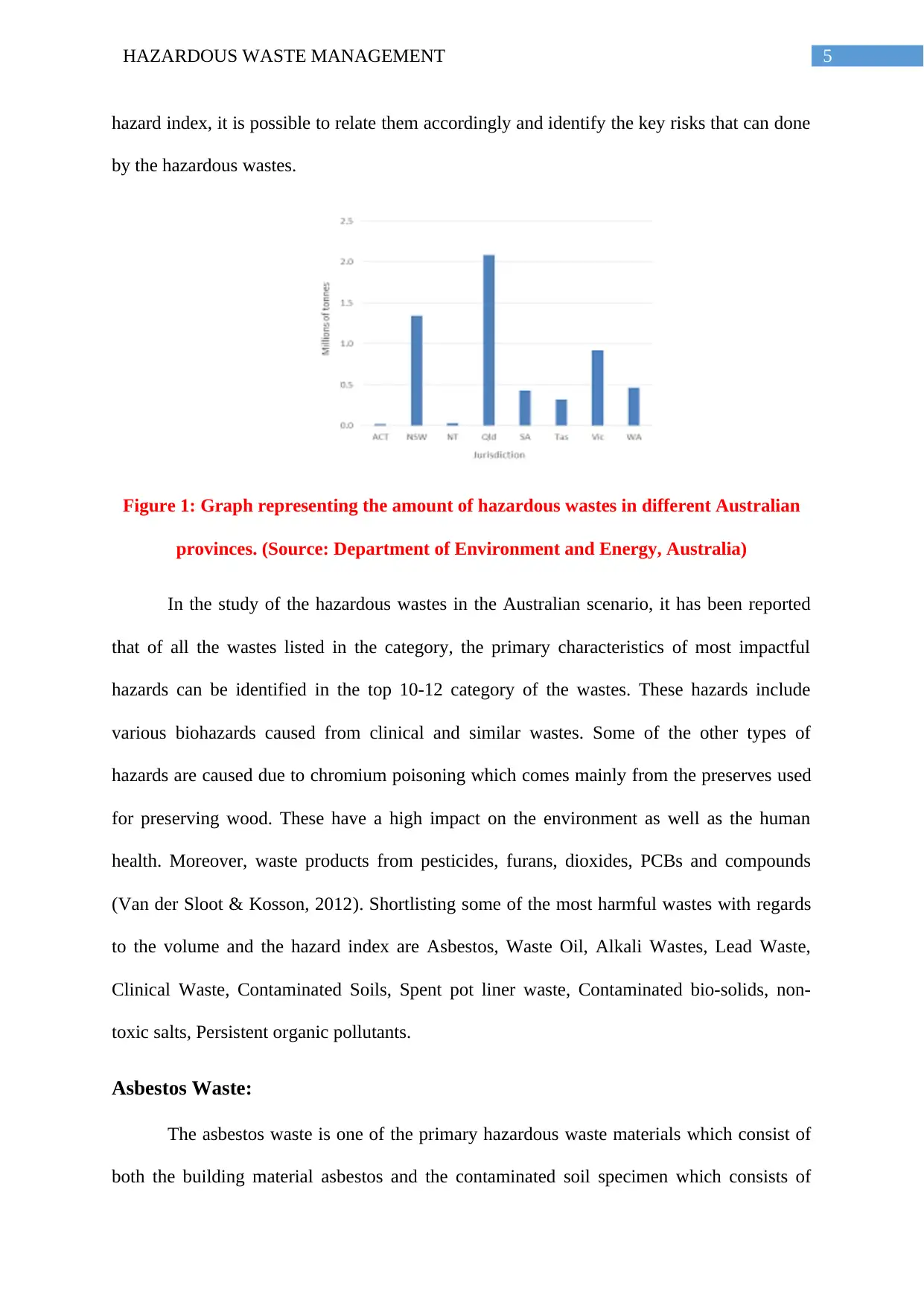
Figure 1: Graph representing the amount of hazardous wastes in different Australian
provinces. (Source: Department of Environment and Energy, Australia)
In the study of the hazardous wastes in the Australian scenario, it has been reported
that of all the wastes listed in the category, the primary characteristics of most impactful
hazards can be identified in the top 10-12 category of the wastes. These hazards include
various biohazards caused from clinical and similar wastes. Some of the other types of
hazards are caused due to chromium poisoning which comes mainly from the preserves used
for preserving wood. These have a high impact on the environment as well as the human
health. Moreover, waste products from pesticides, furans, dioxides, PCBs and compounds
(Van der Sloot & Kosson, 2012). Shortlisting some of the most harmful wastes with regards
to the volume and the hazard index are Asbestos, Waste Oil, Alkali Wastes, Lead Waste,
Clinical Waste, Contaminated Soils, Spent pot liner waste, Contaminated bio-solids, non-
toxic salts, Persistent organic pollutants.
Asbestos Waste:
The asbestos waste is one of the primary hazardous waste materials which consist of
both the building material asbestos and the contaminated soil specimen which consists of
hazard index, it is possible to relate them accordingly and identify the key risks that can done
by the hazardous wastes.
Figure 1: Graph representing the amount of hazardous wastes in different Australian
provinces. (Source: Department of Environment and Energy, Australia)
In the study of the hazardous wastes in the Australian scenario, it has been reported
that of all the wastes listed in the category, the primary characteristics of most impactful
hazards can be identified in the top 10-12 category of the wastes. These hazards include
various biohazards caused from clinical and similar wastes. Some of the other types of
hazards are caused due to chromium poisoning which comes mainly from the preserves used
for preserving wood. These have a high impact on the environment as well as the human
health. Moreover, waste products from pesticides, furans, dioxides, PCBs and compounds
(Van der Sloot & Kosson, 2012). Shortlisting some of the most harmful wastes with regards
to the volume and the hazard index are Asbestos, Waste Oil, Alkali Wastes, Lead Waste,
Clinical Waste, Contaminated Soils, Spent pot liner waste, Contaminated bio-solids, non-
toxic salts, Persistent organic pollutants.
Asbestos Waste:
The asbestos waste is one of the primary hazardous waste materials which consist of
both the building material asbestos and the contaminated soil specimen which consists of
⊘ This is a preview!⊘
Do you want full access?
Subscribe today to unlock all pages.
Trusted by 1+ million students worldwide
6HAZARDOUS WASTE MANAGEMENT
asbestos particles. However, asbestos contaminated soils are of lower quantity and for the
determination of the impact on health and environment, the study limits itself to the waste
asbestos from the building materials (Gamper-Rabindran & Timmins, 2013). Asbestos
consists of almost 11% of the solid waste materials that are disposed and is one of the most
abundant hazardous waste material that is found in Australia. This material thus poses the
significant risk towards the environment and the health of the people. The recent studies have
not yet been able to identify whether the asbestos waste has increased or decreased in the
recent years (Business.gov.au, 2018).
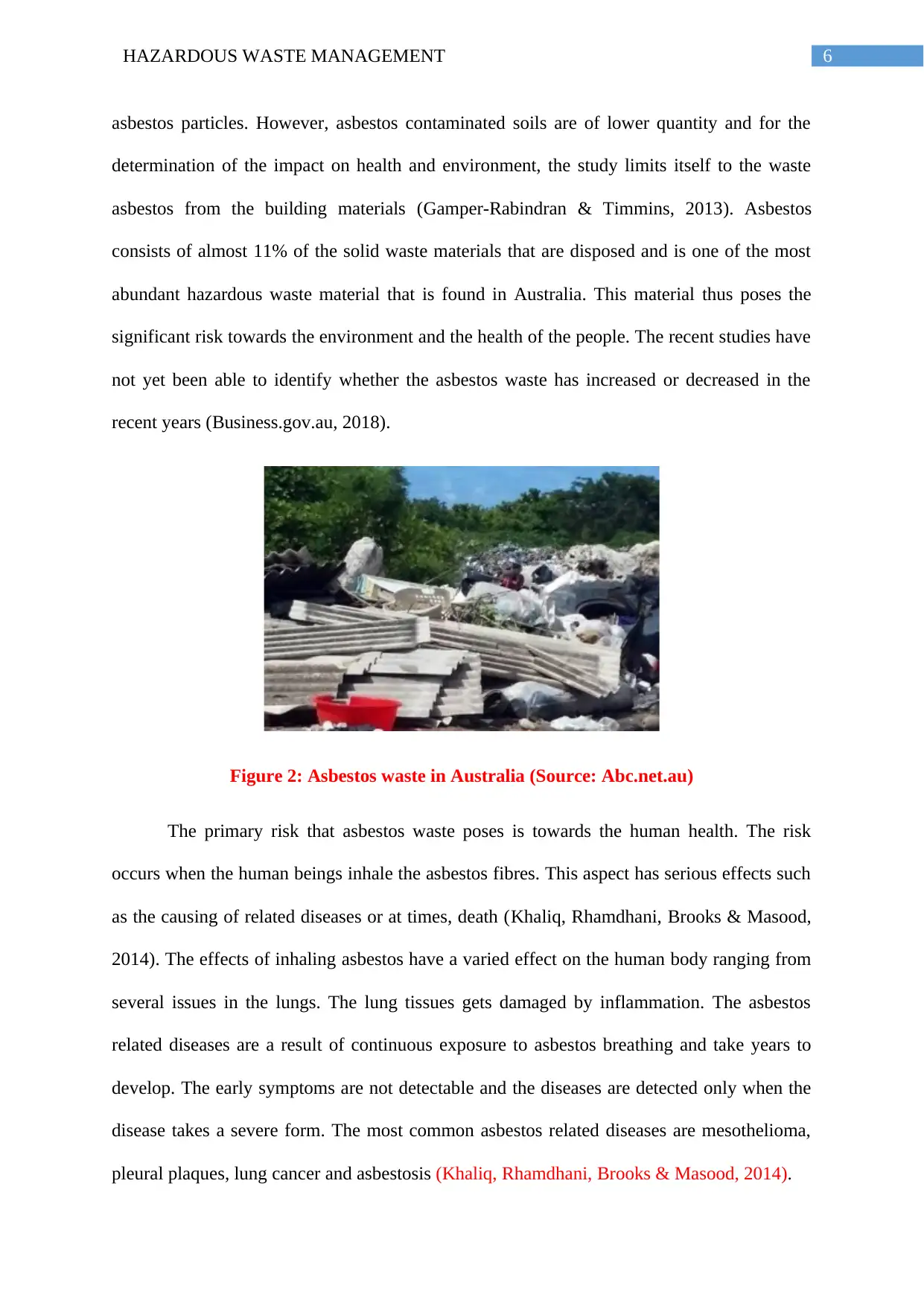
Figure 2: Asbestos waste in Australia (Source: Abc.net.au)
The primary risk that asbestos waste poses is towards the human health. The risk
occurs when the human beings inhale the asbestos fibres. This aspect has serious effects such
as the causing of related diseases or at times, death (Khaliq, Rhamdhani, Brooks & Masood,
2014). The effects of inhaling asbestos have a varied effect on the human body ranging from
several issues in the lungs. The lung tissues gets damaged by inflammation. The asbestos
related diseases are a result of continuous exposure to asbestos breathing and take years to
develop. The early symptoms are not detectable and the diseases are detected only when the
disease takes a severe form. The most common asbestos related diseases are mesothelioma,
pleural plaques, lung cancer and asbestosis (Khaliq, Rhamdhani, Brooks & Masood, 2014).
asbestos particles. However, asbestos contaminated soils are of lower quantity and for the
determination of the impact on health and environment, the study limits itself to the waste
asbestos from the building materials (Gamper-Rabindran & Timmins, 2013). Asbestos
consists of almost 11% of the solid waste materials that are disposed and is one of the most
abundant hazardous waste material that is found in Australia. This material thus poses the
significant risk towards the environment and the health of the people. The recent studies have
not yet been able to identify whether the asbestos waste has increased or decreased in the
recent years (Business.gov.au, 2018).
Figure 2: Asbestos waste in Australia (Source: Abc.net.au)
The primary risk that asbestos waste poses is towards the human health. The risk
occurs when the human beings inhale the asbestos fibres. This aspect has serious effects such
as the causing of related diseases or at times, death (Khaliq, Rhamdhani, Brooks & Masood,
2014). The effects of inhaling asbestos have a varied effect on the human body ranging from
several issues in the lungs. The lung tissues gets damaged by inflammation. The asbestos
related diseases are a result of continuous exposure to asbestos breathing and take years to
develop. The early symptoms are not detectable and the diseases are detected only when the
disease takes a severe form. The most common asbestos related diseases are mesothelioma,
pleural plaques, lung cancer and asbestosis (Khaliq, Rhamdhani, Brooks & Masood, 2014).
Paraphrase This Document
Need a fresh take? Get an instant paraphrase of this document with our AI Paraphraser
7HAZARDOUS WASTE MANAGEMENT
The exposure of asbestos wastes were the most during the 1950s to 1970s when the
houses of Canberra and New South Wales were fabricated with tons of refined variety of blue
and brown asbestos for the purpose of insulation (Environment.gov.au, 2018). This step was
taken as asbestos came as a cheap solution for the insulation purpose and was also effective
in its purpose. The then responsible company Mr Fluffy used the popular product Asbestofluf
for this purpose. The government identified the effects of asbestos as early as 1980s and
instructed the removal program in the affected areas. However, despite the early measures,
recent incidents of more than 1000 families moving out from their homes, due to asbestos
effect have been reported (Environment.gov.au, 2018). The reported events demonstrated
cracking of the asbestos ceilings and asbestos fibres contaminating the air in the living space
of the families.
Waste Oils:
The second type of hazardous waste that has been threatening the Australian
environment is the waste oils that are emitted as the result of the leftover oils from the
industries and the lubricating oils from the vehicles. These oils can be recovered and reused
for different other purposes. The reports by the Australian government suggest that these
waste oils comprise of almost 3.5% of the total hazardous waste in Australia. With every year
the oil waste has been increasing with the development of new industries and the increase in
the number of vehicles. The rate has doubled in the last five years. Moreover, the increase in
the specialized mining activities and the use of petroleum based resources also contribute to
the increase in the waste oils in the environment (Latimer, 2017).
The waste oils highly impact the environment. Environmental disturbances due to oil
spills are known events and have damaged the ecosystems over the period of time. Global
events such as the oil spill by the Exxon Valdez oil tanker in 1989, caused a widespread
damage in Alaska and was an eye opener due to large scale impact on the environment
The exposure of asbestos wastes were the most during the 1950s to 1970s when the
houses of Canberra and New South Wales were fabricated with tons of refined variety of blue
and brown asbestos for the purpose of insulation (Environment.gov.au, 2018). This step was
taken as asbestos came as a cheap solution for the insulation purpose and was also effective
in its purpose. The then responsible company Mr Fluffy used the popular product Asbestofluf
for this purpose. The government identified the effects of asbestos as early as 1980s and
instructed the removal program in the affected areas. However, despite the early measures,
recent incidents of more than 1000 families moving out from their homes, due to asbestos
effect have been reported (Environment.gov.au, 2018). The reported events demonstrated
cracking of the asbestos ceilings and asbestos fibres contaminating the air in the living space
of the families.
Waste Oils:
The second type of hazardous waste that has been threatening the Australian
environment is the waste oils that are emitted as the result of the leftover oils from the
industries and the lubricating oils from the vehicles. These oils can be recovered and reused
for different other purposes. The reports by the Australian government suggest that these
waste oils comprise of almost 3.5% of the total hazardous waste in Australia. With every year
the oil waste has been increasing with the development of new industries and the increase in
the number of vehicles. The rate has doubled in the last five years. Moreover, the increase in
the specialized mining activities and the use of petroleum based resources also contribute to
the increase in the waste oils in the environment (Latimer, 2017).
The waste oils highly impact the environment. Environmental disturbances due to oil
spills are known events and have damaged the ecosystems over the period of time. Global
events such as the oil spill by the Exxon Valdez oil tanker in 1989, caused a widespread
damage in Alaska and was an eye opener due to large scale impact on the environment
8HAZARDOUS WASTE MANAGEMENT
(Palinkas, 2012). The oil spill was the cause of the death of more than 100000 species of
mammals and birds and had a huge impact on the ecological balance. The effect was so large
that more than twenty five years later in 2014, the beaches of Alaska still contain an amount
of 16000-21000 gallons of waste oils.
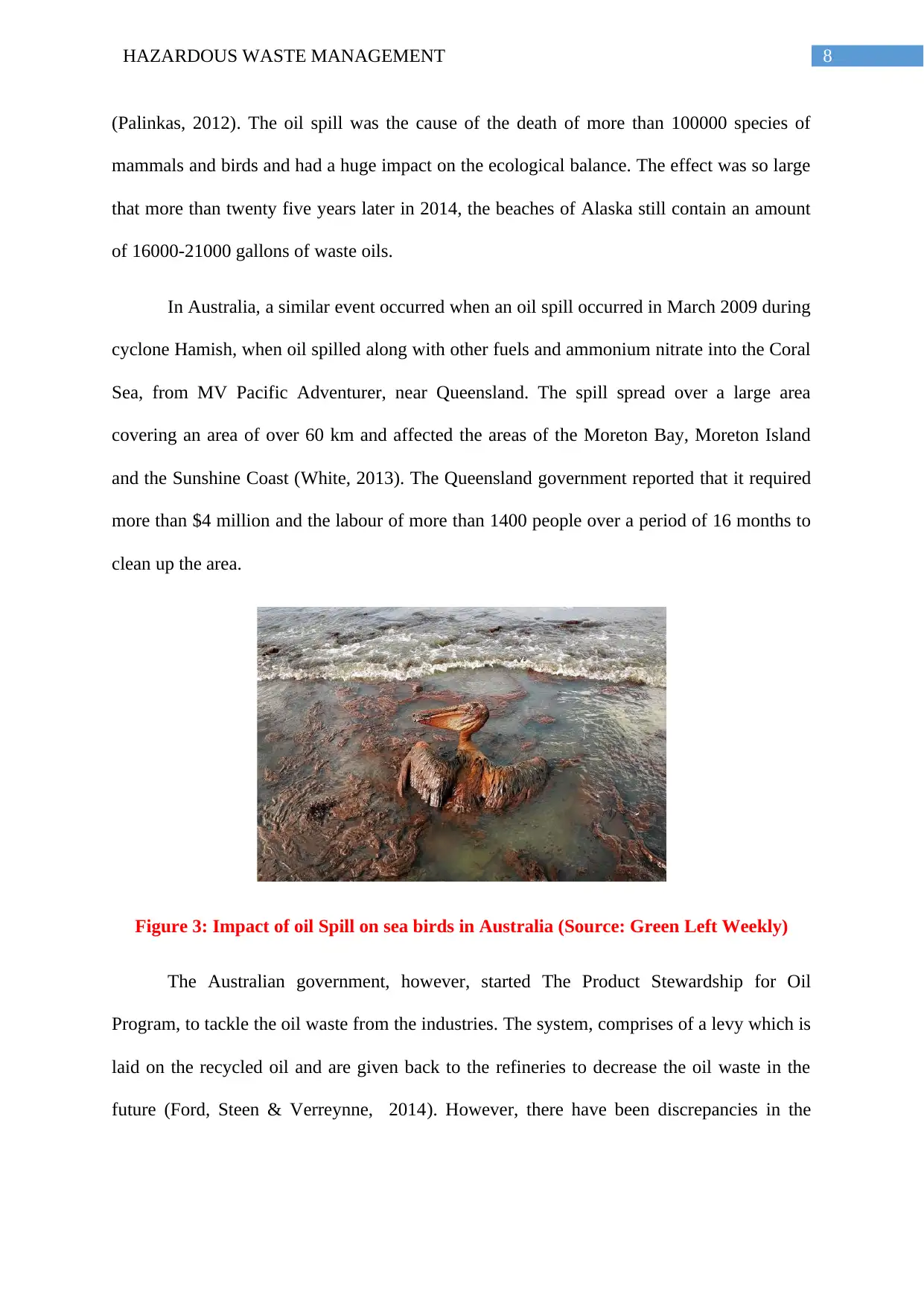
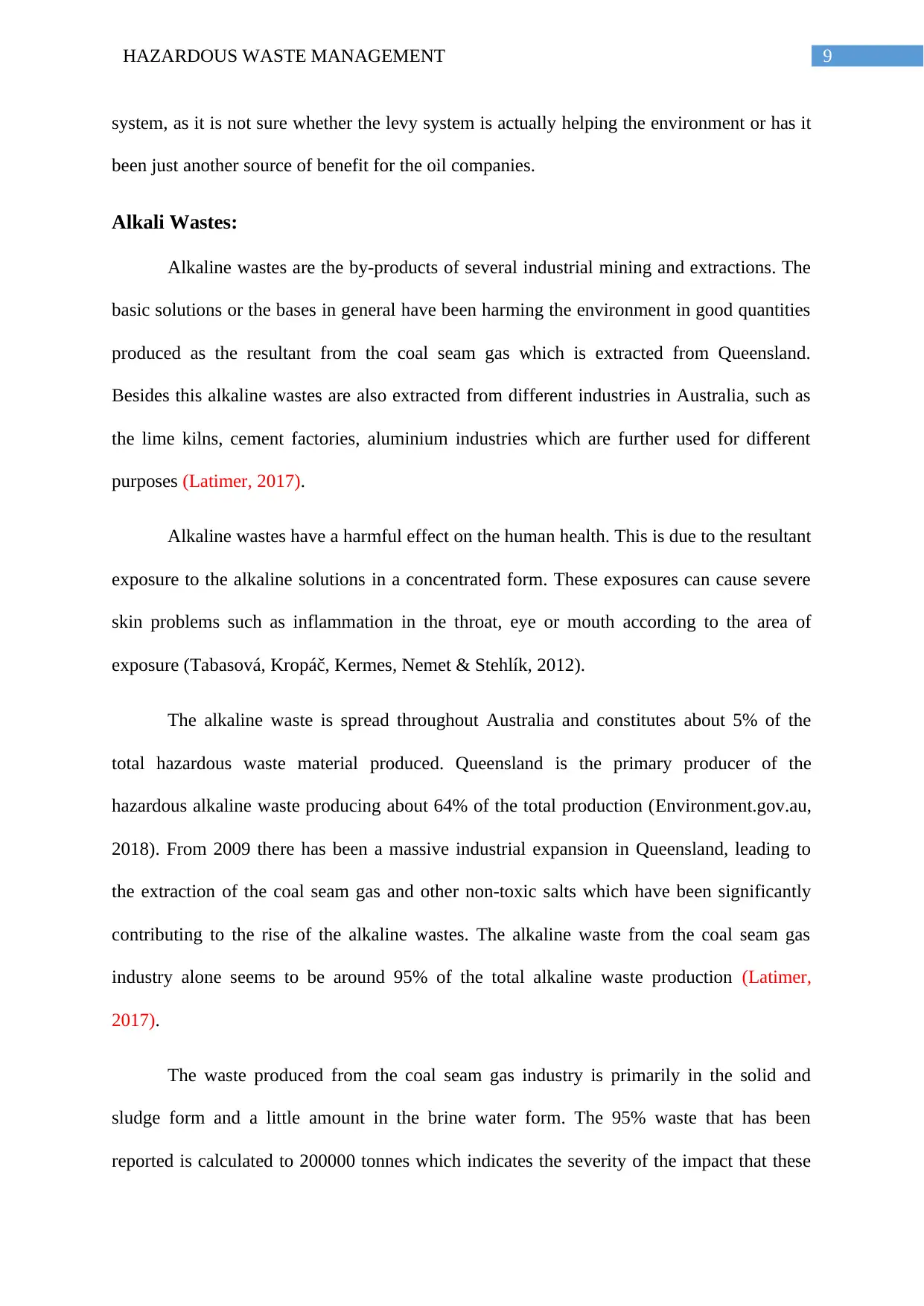
In Australia, a similar event occurred when an oil spill occurred in March 2009 during
cyclone Hamish, when oil spilled along with other fuels and ammonium nitrate into the Coral
Sea, from MV Pacific Adventurer, near Queensland. The spill spread over a large area
covering an area of over 60 km and affected the areas of the Moreton Bay, Moreton Island
and the Sunshine Coast (White, 2013). The Queensland government reported that it required
more than $4 million and the labour of more than 1400 people over a period of 16 months to
clean up the area.
Figure 3: Impact of oil Spill on sea birds in Australia (Source: Green Left Weekly)
The Australian government, however, started The Product Stewardship for Oil
Program, to tackle the oil waste from the industries. The system, comprises of a levy which is
laid on the recycled oil and are given back to the refineries to decrease the oil waste in the
future (Ford, Steen & Verreynne, 2014). However, there have been discrepancies in the
(Palinkas, 2012). The oil spill was the cause of the death of more than 100000 species of
mammals and birds and had a huge impact on the ecological balance. The effect was so large
that more than twenty five years later in 2014, the beaches of Alaska still contain an amount
of 16000-21000 gallons of waste oils.
In Australia, a similar event occurred when an oil spill occurred in March 2009 during
cyclone Hamish, when oil spilled along with other fuels and ammonium nitrate into the Coral
Sea, from MV Pacific Adventurer, near Queensland. The spill spread over a large area
covering an area of over 60 km and affected the areas of the Moreton Bay, Moreton Island
and the Sunshine Coast (White, 2013). The Queensland government reported that it required
more than $4 million and the labour of more than 1400 people over a period of 16 months to
clean up the area.
Figure 3: Impact of oil Spill on sea birds in Australia (Source: Green Left Weekly)
The Australian government, however, started The Product Stewardship for Oil
Program, to tackle the oil waste from the industries. The system, comprises of a levy which is
laid on the recycled oil and are given back to the refineries to decrease the oil waste in the
future (Ford, Steen & Verreynne, 2014). However, there have been discrepancies in the
⊘ This is a preview!⊘
Do you want full access?
Subscribe today to unlock all pages.
Trusted by 1+ million students worldwide
9HAZARDOUS WASTE MANAGEMENT
system, as it is not sure whether the levy system is actually helping the environment or has it
been just another source of benefit for the oil companies.
Alkali Wastes:
Alkaline wastes are the by-products of several industrial mining and extractions. The
basic solutions or the bases in general have been harming the environment in good quantities
produced as the resultant from the coal seam gas which is extracted from Queensland.
Besides this alkaline wastes are also extracted from different industries in Australia, such as
the lime kilns, cement factories, aluminium industries which are further used for different
purposes (Latimer, 2017).
Alkaline wastes have a harmful effect on the human health. This is due to the resultant
exposure to the alkaline solutions in a concentrated form. These exposures can cause severe
skin problems such as inflammation in the throat, eye or mouth according to the area of
exposure (Tabasová, Kropáč, Kermes, Nemet & Stehlík, 2012).
The alkaline waste is spread throughout Australia and constitutes about 5% of the
total hazardous waste material produced. Queensland is the primary producer of the
hazardous alkaline waste producing about 64% of the total production (Environment.gov.au,
2018). From 2009 there has been a massive industrial expansion in Queensland, leading to
the extraction of the coal seam gas and other non-toxic salts which have been significantly
contributing to the rise of the alkaline wastes. The alkaline waste from the coal seam gas
industry alone seems to be around 95% of the total alkaline waste production (Latimer,
2017).
The waste produced from the coal seam gas industry is primarily in the solid and
sludge form and a little amount in the brine water form. The 95% waste that has been
reported is calculated to 200000 tonnes which indicates the severity of the impact that these
system, as it is not sure whether the levy system is actually helping the environment or has it
been just another source of benefit for the oil companies.
Alkali Wastes:
Alkaline wastes are the by-products of several industrial mining and extractions. The
basic solutions or the bases in general have been harming the environment in good quantities
produced as the resultant from the coal seam gas which is extracted from Queensland.
Besides this alkaline wastes are also extracted from different industries in Australia, such as
the lime kilns, cement factories, aluminium industries which are further used for different
purposes (Latimer, 2017).
Alkaline wastes have a harmful effect on the human health. This is due to the resultant
exposure to the alkaline solutions in a concentrated form. These exposures can cause severe
skin problems such as inflammation in the throat, eye or mouth according to the area of
exposure (Tabasová, Kropáč, Kermes, Nemet & Stehlík, 2012).
The alkaline waste is spread throughout Australia and constitutes about 5% of the
total hazardous waste material produced. Queensland is the primary producer of the
hazardous alkaline waste producing about 64% of the total production (Environment.gov.au,
2018). From 2009 there has been a massive industrial expansion in Queensland, leading to
the extraction of the coal seam gas and other non-toxic salts which have been significantly
contributing to the rise of the alkaline wastes. The alkaline waste from the coal seam gas
industry alone seems to be around 95% of the total alkaline waste production (Latimer,
2017).
The waste produced from the coal seam gas industry is primarily in the solid and
sludge form and a little amount in the brine water form. The 95% waste that has been
reported is calculated to 200000 tonnes which indicates the severity of the impact that these
Paraphrase This Document
Need a fresh take? Get an instant paraphrase of this document with our AI Paraphraser
10HAZARDOUS WASTE MANAGEMENT
alkaline wastes have upon the human health and environment likewise (Environment.gov.au,
2018).
Lead Wastes:
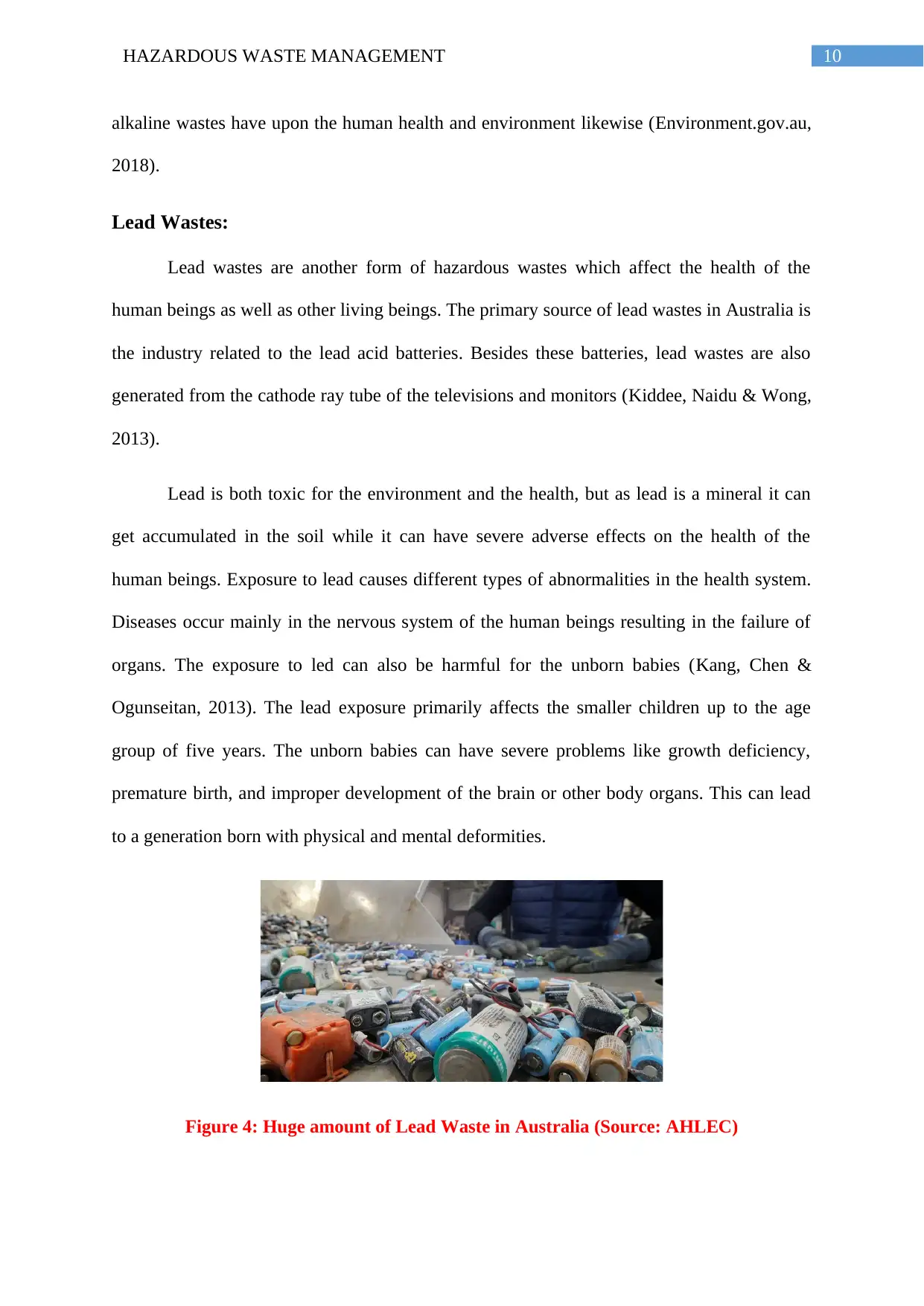
Lead wastes are another form of hazardous wastes which affect the health of the
human beings as well as other living beings. The primary source of lead wastes in Australia is
the industry related to the lead acid batteries. Besides these batteries, lead wastes are also
generated from the cathode ray tube of the televisions and monitors (Kiddee, Naidu & Wong,
2013).
Lead is both toxic for the environment and the health, but as lead is a mineral it can
get accumulated in the soil while it can have severe adverse effects on the health of the
human beings. Exposure to lead causes different types of abnormalities in the health system.
Diseases occur mainly in the nervous system of the human beings resulting in the failure of
organs. The exposure to led can also be harmful for the unborn babies (Kang, Chen &
Ogunseitan, 2013). The lead exposure primarily affects the smaller children up to the age
group of five years. The unborn babies can have severe problems like growth deficiency,
premature birth, and improper development of the brain or other body organs. This can lead
to a generation born with physical and mental deformities.
Figure 4: Huge amount of Lead Waste in Australia (Source: AHLEC)
alkaline wastes have upon the human health and environment likewise (Environment.gov.au,
2018).
Lead Wastes:
Lead wastes are another form of hazardous wastes which affect the health of the
human beings as well as other living beings. The primary source of lead wastes in Australia is
the industry related to the lead acid batteries. Besides these batteries, lead wastes are also
generated from the cathode ray tube of the televisions and monitors (Kiddee, Naidu & Wong,
2013).
Lead is both toxic for the environment and the health, but as lead is a mineral it can
get accumulated in the soil while it can have severe adverse effects on the health of the
human beings. Exposure to lead causes different types of abnormalities in the health system.
Diseases occur mainly in the nervous system of the human beings resulting in the failure of
organs. The exposure to led can also be harmful for the unborn babies (Kang, Chen &
Ogunseitan, 2013). The lead exposure primarily affects the smaller children up to the age
group of five years. The unborn babies can have severe problems like growth deficiency,
premature birth, and improper development of the brain or other body organs. This can lead
to a generation born with physical and mental deformities.
Figure 4: Huge amount of Lead Waste in Australia (Source: AHLEC)
11HAZARDOUS WASTE MANAGEMENT
The generation of lead waste has been growing significantly in Australia. The lead
wastes comprise of about 2% of the total hazardous waste that are created in Australia. The
growth of the industries especially, the battery industries have contributed to the increased
use of lead in the recent years. The Australian is trying to find solutions for the reducing and
the effective management of the lead wastes so that its effects can be minimalized in the
future (Latimer, 2017).
Clinical waste:
Clinical wastes are some of the most common and most dangerous hazardous waste
that occurs in the everyday life. The clinical wastes are by-products or the used products from
the medical fields ranging from hospitals, clinics, veterinary uses, dental clinics,
pharmaceutical factories, laboratories, blood banks and a variety of other medicinal facilities.
These wastes are often infected with the germs of the diseases and have the potential to
spread the germs to other people (Windfeld & Brooks, 2015).
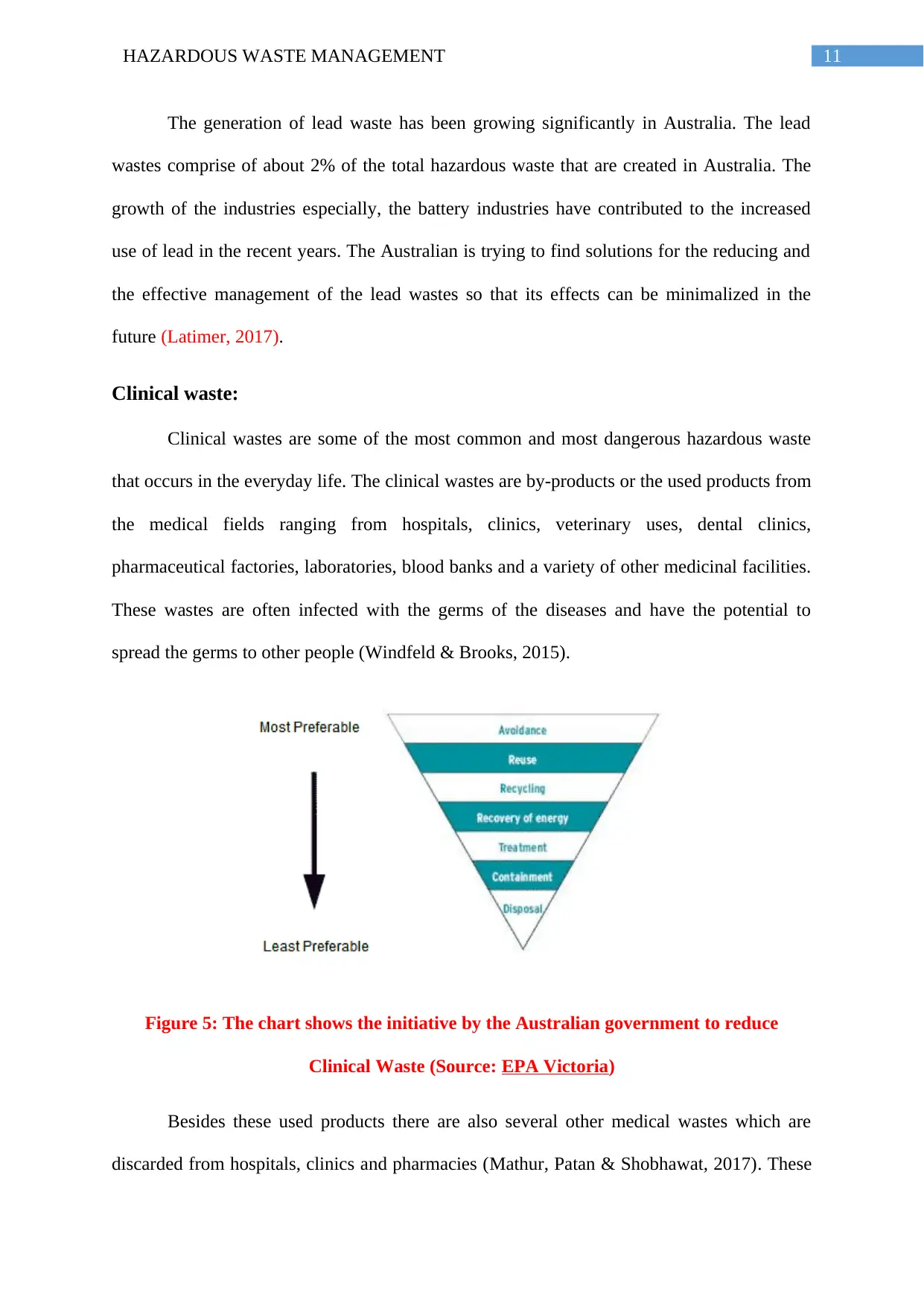
Figure 5: The chart shows the initiative by the Australian government to reduce
Clinical Waste (Source: EPA Victoria)
Besides these used products there are also several other medical wastes which are
discarded from hospitals, clinics and pharmacies (Mathur, Patan & Shobhawat, 2017). These
The generation of lead waste has been growing significantly in Australia. The lead
wastes comprise of about 2% of the total hazardous waste that are created in Australia. The
growth of the industries especially, the battery industries have contributed to the increased
use of lead in the recent years. The Australian is trying to find solutions for the reducing and
the effective management of the lead wastes so that its effects can be minimalized in the
future (Latimer, 2017).
Clinical waste:
Clinical wastes are some of the most common and most dangerous hazardous waste
that occurs in the everyday life. The clinical wastes are by-products or the used products from
the medical fields ranging from hospitals, clinics, veterinary uses, dental clinics,
pharmaceutical factories, laboratories, blood banks and a variety of other medicinal facilities.
These wastes are often infected with the germs of the diseases and have the potential to
spread the germs to other people (Windfeld & Brooks, 2015).
Figure 5: The chart shows the initiative by the Australian government to reduce
Clinical Waste (Source: EPA Victoria)
Besides these used products there are also several other medical wastes which are
discarded from hospitals, clinics and pharmacies (Mathur, Patan & Shobhawat, 2017). These
⊘ This is a preview!⊘
Do you want full access?
Subscribe today to unlock all pages.
Trusted by 1+ million students worldwide

1 out of 22


Related Documents


Your All-in-One AI-Powered Toolkit for Academic Success.
+13062052269
info@desklib.com
Available 24*7 on WhatsApp / Email
![[object Object]](/_next/static/media/star-bottom.7253800d.svg)
Unlock your academic potential
Copyright © 2020–2026 A2Z Services. All Rights Reserved. Developed and managed by ZUCOL.