Enterprise Analysis & Modelling: ERP Upgrade vs Replacement at Gulf
VerifiedAdded on 2023/04/04
|12
|1559
|178
Case Study
AI Summary
This case study delves into Gulf Telecom's decision-making process regarding its ERP system, specifically whether to upgrade the existing system or replace it entirely. The analysis encompasses the role of the business analyst in recommending technology solutions, the methods used to gather requirements for the ERP replacement, including feasibility investigations and Gain and Change Readiness Assessment (GCRA), and various analysis techniques employed to evaluate the options. The study identifies key requirements and their specifications, validates these requirements, and ultimately highlights the senior management's decision to replace the ERP system based on prioritization matrix and feasibility in functionality, usability, financial and technical aspects. Desklib provides access to a wealth of similar case studies and solved assignments for students seeking to enhance their understanding of business and technology concepts.
Running head: ENTERPRISE ANALYSIS AND MODELLING
ENTERPRISE ANALYSIS AND MODELLING: A Case Study of Gulf Telecom
Name of the Student:
Name of the University:
Author Note:
ENTERPRISE ANALYSIS AND MODELLING: A Case Study of Gulf Telecom
Name of the Student:
Name of the University:
Author Note:
Paraphrase This Document
Need a fresh take? Get an instant paraphrase of this document with our AI Paraphraser

1ENTERPRISE ANALYSIS AND MODELLING
Table of Contents
Introduction................................................................................................................................2
Conclusion..................................................................................................................................2
Role of Business analyst............................................................................................................3
Collection of requirements.........................................................................................................3
Analysis Methods.......................................................................................................................4
Identification of Requirements and their specification..............................................................7
Validity of the Requirements.....................................................................................................7
References..................................................................................................................................9
Table of Contents
Introduction................................................................................................................................2
Conclusion..................................................................................................................................2
Role of Business analyst............................................................................................................3
Collection of requirements.........................................................................................................3
Analysis Methods.......................................................................................................................4
Identification of Requirements and their specification..............................................................7
Validity of the Requirements.....................................................................................................7
References..................................................................................................................................9

2ENTERPRISE ANALYSIS AND MODELLING
Introduction
ERP system is the important organizational device used to sum up various
organizational operations and process. The decision taken by the Gulf Telecom regarding
replacing various software applications to a single integrated ERP system was quite effective
and efficient too for their business growth and productivity. The senior staffs of the
organization examined the ERP system after a continuous usage of the system for five years
and now they decided to either upgrade or replace the system. The report mainly focuses on
the go-live mission of the ERP system. The report briefly describes about the role of the
business analyst, the methods of collecting the requirements for replacing the ERP system,
various analysis methods, identification of the requirements and their specifications and
validity of the requirements.
Conclusion
The senior management was highly beneficiated by the Gain and change readiness
assessment (GCRA) and helped them to locate the additional investigations to come up with a
decision. Finally, they approved to replace the ERP system rather to upgrade them. The
prioritization matrix is the evidence behind choosing such decision by the senior management
and they too agree that the financial gain will be higher in case of replacing the ERP system.
Replacing the ERP system will provide great feasibility in terms of functionality, usability,
financially and technical too. The task force represented the views, assessments and thoughts
of the stakeholders regarding the replacement of ERP system in the organization. Therefore,
the senior management of Gulf Telecom decided to replace the older ERP system with a
selected on.
Introduction
ERP system is the important organizational device used to sum up various
organizational operations and process. The decision taken by the Gulf Telecom regarding
replacing various software applications to a single integrated ERP system was quite effective
and efficient too for their business growth and productivity. The senior staffs of the
organization examined the ERP system after a continuous usage of the system for five years
and now they decided to either upgrade or replace the system. The report mainly focuses on
the go-live mission of the ERP system. The report briefly describes about the role of the
business analyst, the methods of collecting the requirements for replacing the ERP system,
various analysis methods, identification of the requirements and their specifications and
validity of the requirements.
Conclusion
The senior management was highly beneficiated by the Gain and change readiness
assessment (GCRA) and helped them to locate the additional investigations to come up with a
decision. Finally, they approved to replace the ERP system rather to upgrade them. The
prioritization matrix is the evidence behind choosing such decision by the senior management
and they too agree that the financial gain will be higher in case of replacing the ERP system.
Replacing the ERP system will provide great feasibility in terms of functionality, usability,
financially and technical too. The task force represented the views, assessments and thoughts
of the stakeholders regarding the replacement of ERP system in the organization. Therefore,
the senior management of Gulf Telecom decided to replace the older ERP system with a
selected on.
⊘ This is a preview!⊘
Do you want full access?
Subscribe today to unlock all pages.

Trusted by 1+ million students worldwide

3ENTERPRISE ANALYSIS AND MODELLING
Role of Business analyst
The business analyst plays an important role in Gulf Telecom. He or she perform
various operations in the business. The major role of the business analyst is recommending
the organization to implement some effective and efficient technology solutions for the
business which will produce an error free output, increase the business growth and the
productivity of the company (Shah 2017). Other roles that are to be played by the BA are
like:
to provide plan to implement the new ERP system in the organization
undergo the gap analysis for the organization
The collection of the requirements that are needed to implement the new ERP system
Define the scope of replacing the system
Prepare the software document
Verify the solution
Collection of requirements
The requirements to replace the ERP system are gathered from two structured
approach namely feasibility investigation and Gain and change Readiness assessment. In
feasibility approach the feasible options are considered with respect to the life cycle of the
ERP system. This approach was carried out by three main processes namely financial,
functional and technical feasibility (Haddara and Elragal 2015). The feasibility approach
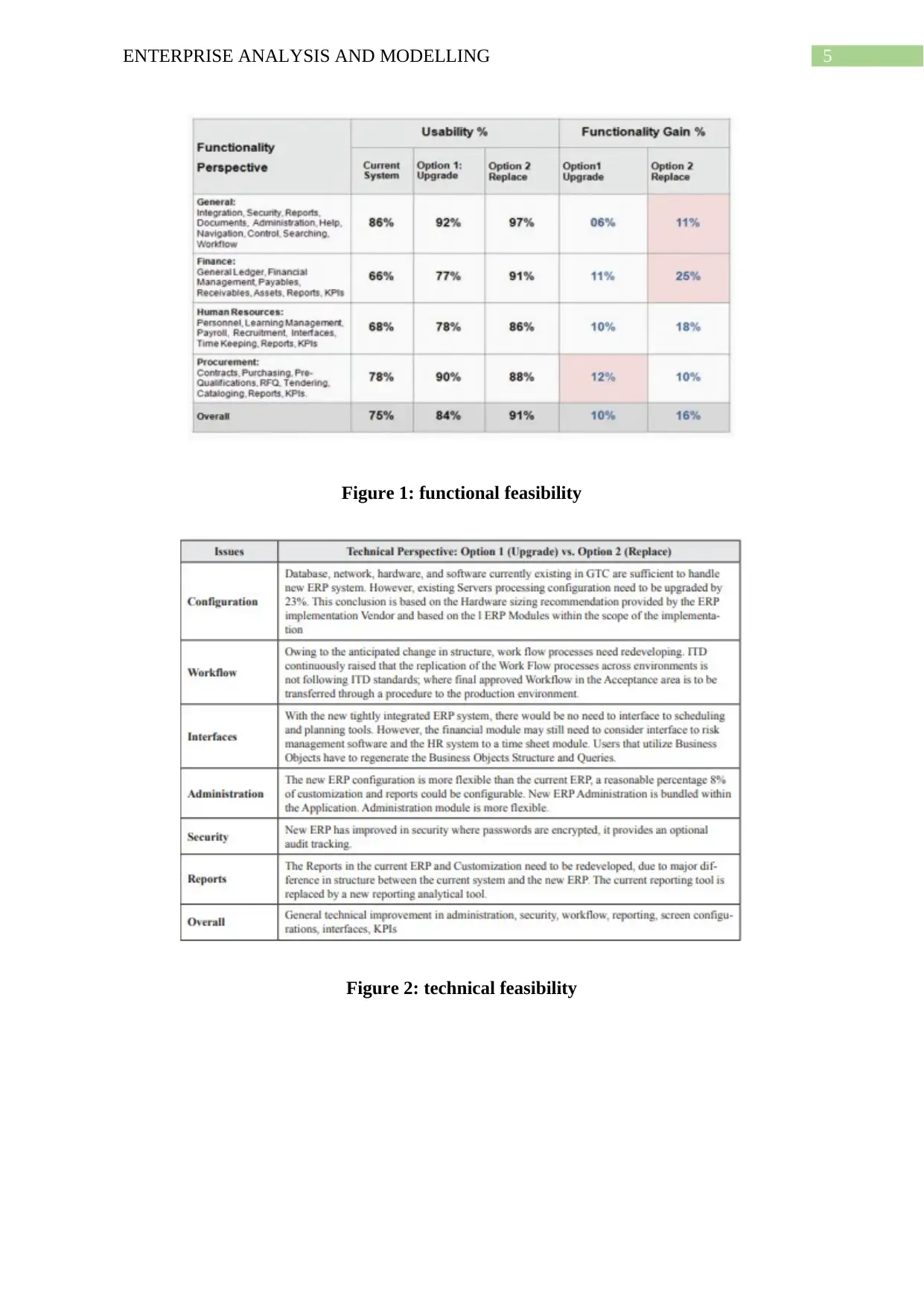
proves that there would be a 16% and 10% business gain in case of ERP system replacement
and upgradation respectively. The feasibility approach provides many financial, functional
and technical gain or advantage regarding the replace of the system n Gulf Telecom (Vitale
and Siddiqi 2016). The GCRA helps to measure the readiness of the business gain that are
evolved in the feasibility section. The GCRA defined the scope of the change related to the
Role of Business analyst
The business analyst plays an important role in Gulf Telecom. He or she perform
various operations in the business. The major role of the business analyst is recommending
the organization to implement some effective and efficient technology solutions for the
business which will produce an error free output, increase the business growth and the
productivity of the company (Shah 2017). Other roles that are to be played by the BA are
like:
to provide plan to implement the new ERP system in the organization
undergo the gap analysis for the organization
The collection of the requirements that are needed to implement the new ERP system
Define the scope of replacing the system
Prepare the software document
Verify the solution
Collection of requirements
The requirements to replace the ERP system are gathered from two structured
approach namely feasibility investigation and Gain and change Readiness assessment. In
feasibility approach the feasible options are considered with respect to the life cycle of the
ERP system. This approach was carried out by three main processes namely financial,
functional and technical feasibility (Haddara and Elragal 2015). The feasibility approach
proves that there would be a 16% and 10% business gain in case of ERP system replacement
and upgradation respectively. The feasibility approach provides many financial, functional
and technical gain or advantage regarding the replace of the system n Gulf Telecom (Vitale
and Siddiqi 2016). The GCRA helps to measure the readiness of the business gain that are
evolved in the feasibility section. The GCRA defined the scope of the change related to the
Paraphrase This Document
Need a fresh take? Get an instant paraphrase of this document with our AI Paraphraser

4ENTERPRISE ANALYSIS AND MODELLING
transition as well as the effect of the change on the business environment and the end-users. It
identifies the important threats regarding the implementation of new ERP system in the
organization (Li et al. 2015). This approach comprises of the execution phase and the analysis
phase. The approach clearly corresponds with decision of replacing ERP system as it
evidenced it by two major tools namely prioritization and Way forward strategy.
Analysis Methods
The feasibility approach explored the all possible viable options in the life cycle of the
ERP system. It composed of three main processes functional, technical and financial
feasibility. The functional feasibility considered all business requirement in the different
sectors of the business and calculated the functional gain regarding the replacement of the
ERP systems (Nwankpa 2015). It calculates the operational gain provided by the replacement
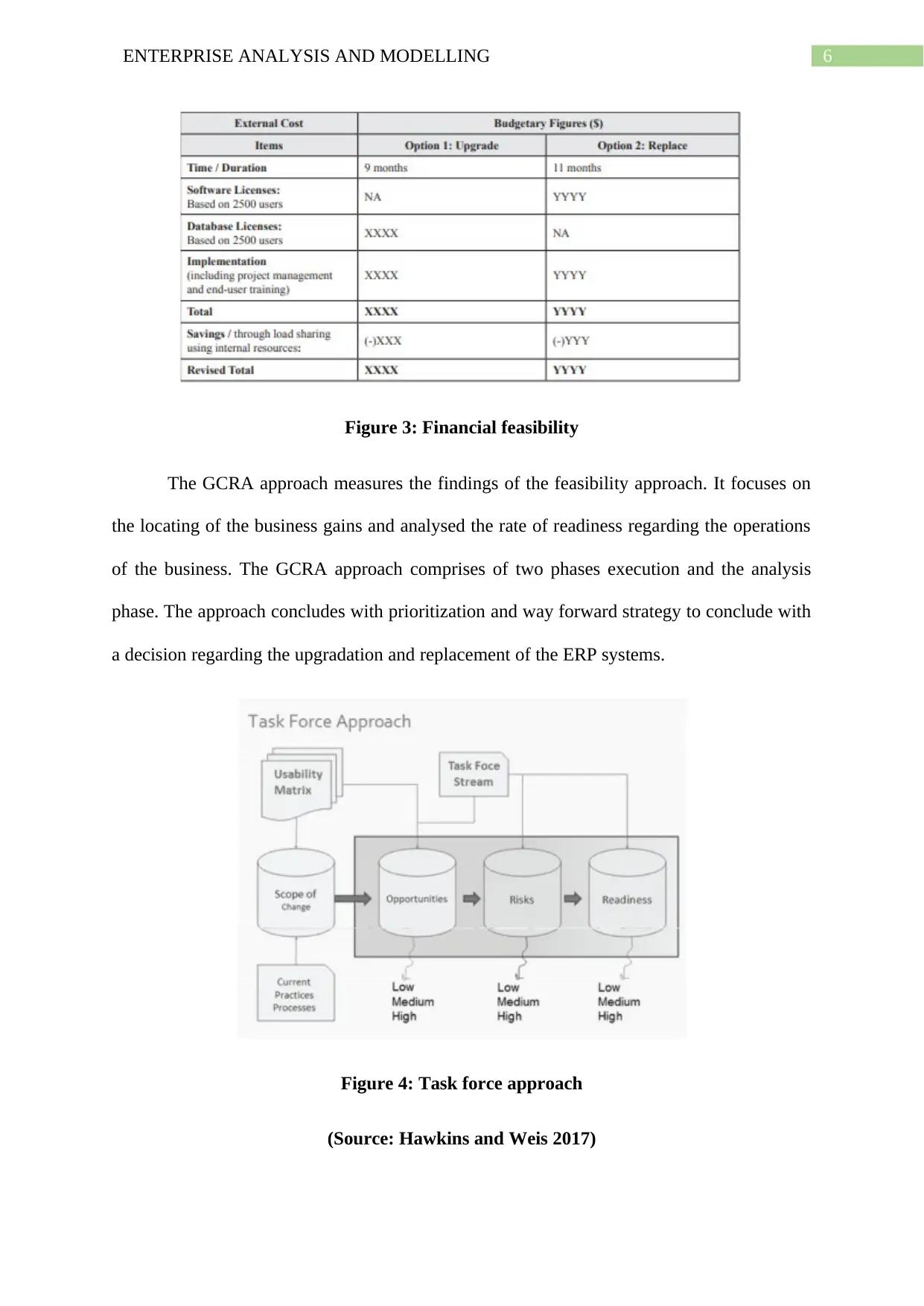
of the ERP system. The technical feasibility compares the technical gain provided from both
the upgradation and the replacement of the ERP system. The technical feasibility is
undergone every areas of the organization like security, scalability, compatibility and
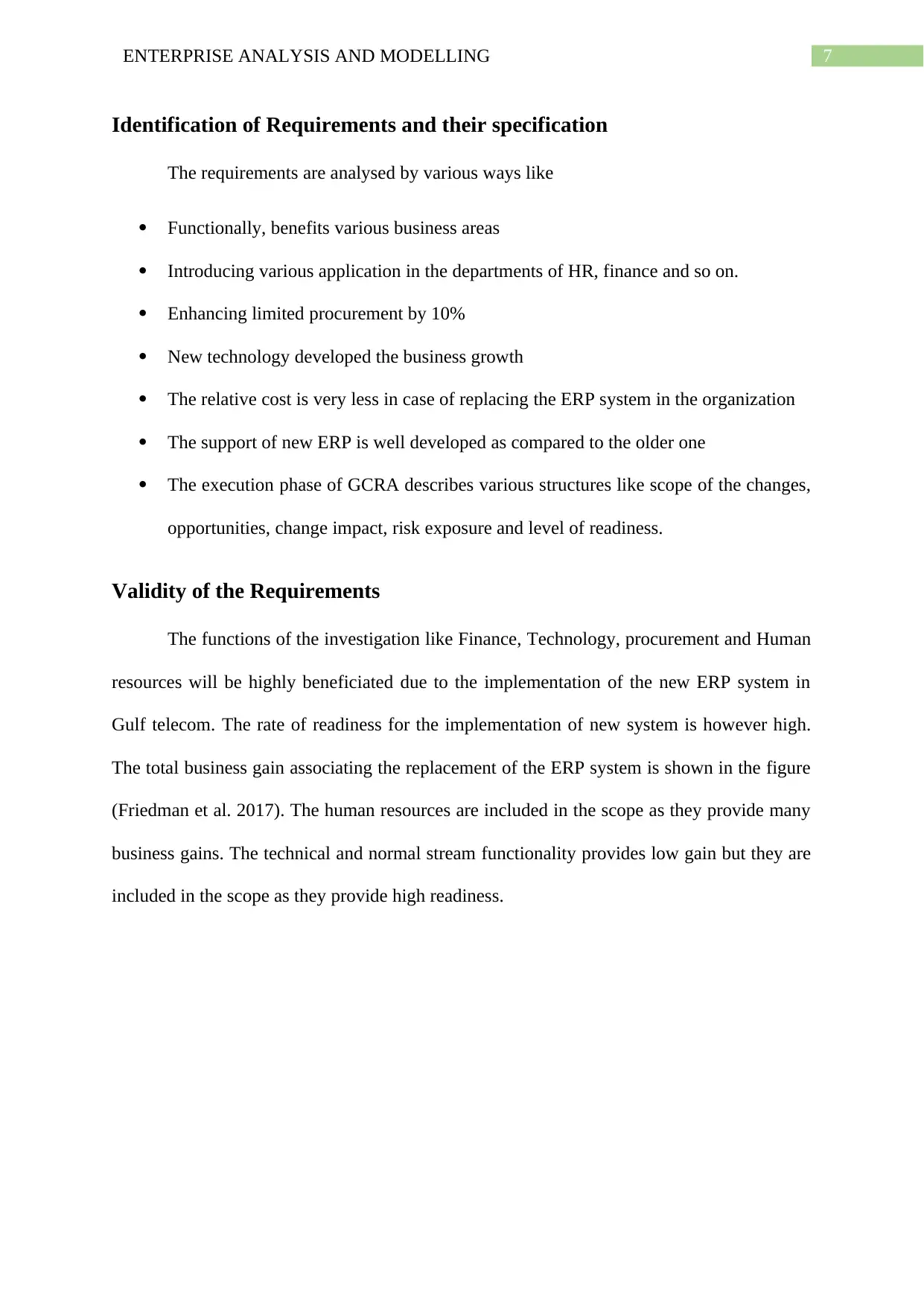
resilience. The financial feasibility method focuses on the various financial gain provided by
the replacement of the ERP system. It covers the overall operational cost for the company
comprising of licensing, management, training, maintenance and consulting (Acar et al.
2017).
transition as well as the effect of the change on the business environment and the end-users. It
identifies the important threats regarding the implementation of new ERP system in the
organization (Li et al. 2015). This approach comprises of the execution phase and the analysis
phase. The approach clearly corresponds with decision of replacing ERP system as it
evidenced it by two major tools namely prioritization and Way forward strategy.
Analysis Methods
The feasibility approach explored the all possible viable options in the life cycle of the
ERP system. It composed of three main processes functional, technical and financial
feasibility. The functional feasibility considered all business requirement in the different
sectors of the business and calculated the functional gain regarding the replacement of the
ERP systems (Nwankpa 2015). It calculates the operational gain provided by the replacement
of the ERP system. The technical feasibility compares the technical gain provided from both
the upgradation and the replacement of the ERP system. The technical feasibility is
undergone every areas of the organization like security, scalability, compatibility and
resilience. The financial feasibility method focuses on the various financial gain provided by
the replacement of the ERP system. It covers the overall operational cost for the company
comprising of licensing, management, training, maintenance and consulting (Acar et al.
2017).

5ENTERPRISE ANALYSIS AND MODELLING
Figure 1: functional feasibility
Figure 2: technical feasibility
Figure 1: functional feasibility
Figure 2: technical feasibility
⊘ This is a preview!⊘
Do you want full access?
Subscribe today to unlock all pages.

Trusted by 1+ million students worldwide

6ENTERPRISE ANALYSIS AND MODELLING
Figure 3: Financial feasibility
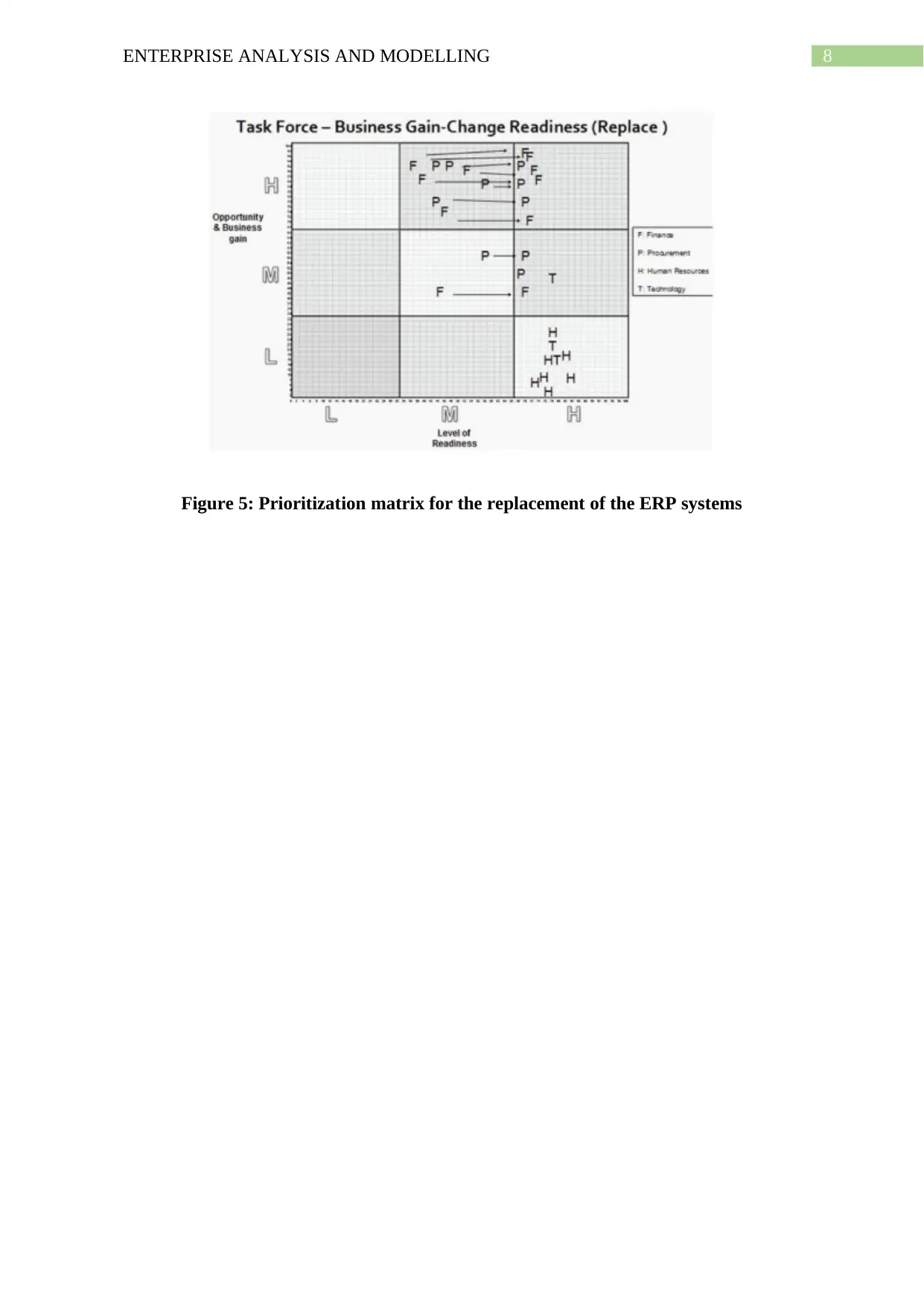
The GCRA approach measures the findings of the feasibility approach. It focuses on
the locating of the business gains and analysed the rate of readiness regarding the operations
of the business. The GCRA approach comprises of two phases execution and the analysis
phase. The approach concludes with prioritization and way forward strategy to conclude with
a decision regarding the upgradation and replacement of the ERP systems.
Figure 4: Task force approach
(Source: Hawkins and Weis 2017)
Figure 3: Financial feasibility
The GCRA approach measures the findings of the feasibility approach. It focuses on
the locating of the business gains and analysed the rate of readiness regarding the operations
of the business. The GCRA approach comprises of two phases execution and the analysis
phase. The approach concludes with prioritization and way forward strategy to conclude with
a decision regarding the upgradation and replacement of the ERP systems.
Figure 4: Task force approach
(Source: Hawkins and Weis 2017)
Paraphrase This Document
Need a fresh take? Get an instant paraphrase of this document with our AI Paraphraser

7ENTERPRISE ANALYSIS AND MODELLING
Identification of Requirements and their specification
The requirements are analysed by various ways like
Functionally, benefits various business areas
Introducing various application in the departments of HR, finance and so on.
Enhancing limited procurement by 10%
New technology developed the business growth
The relative cost is very less in case of replacing the ERP system in the organization
The support of new ERP is well developed as compared to the older one
The execution phase of GCRA describes various structures like scope of the changes,
opportunities, change impact, risk exposure and level of readiness.
Validity of the Requirements
The functions of the investigation like Finance, Technology, procurement and Human
resources will be highly beneficiated due to the implementation of the new ERP system in
Gulf telecom. The rate of readiness for the implementation of new system is however high.
The total business gain associating the replacement of the ERP system is shown in the figure
(Friedman et al. 2017). The human resources are included in the scope as they provide many
business gains. The technical and normal stream functionality provides low gain but they are
included in the scope as they provide high readiness.
Identification of Requirements and their specification
The requirements are analysed by various ways like
Functionally, benefits various business areas
Introducing various application in the departments of HR, finance and so on.
Enhancing limited procurement by 10%
New technology developed the business growth
The relative cost is very less in case of replacing the ERP system in the organization
The support of new ERP is well developed as compared to the older one
The execution phase of GCRA describes various structures like scope of the changes,
opportunities, change impact, risk exposure and level of readiness.
Validity of the Requirements
The functions of the investigation like Finance, Technology, procurement and Human
resources will be highly beneficiated due to the implementation of the new ERP system in
Gulf telecom. The rate of readiness for the implementation of new system is however high.
The total business gain associating the replacement of the ERP system is shown in the figure
(Friedman et al. 2017). The human resources are included in the scope as they provide many
business gains. The technical and normal stream functionality provides low gain but they are
included in the scope as they provide high readiness.

8ENTERPRISE ANALYSIS AND MODELLING
Figure 5: Prioritization matrix for the replacement of the ERP systems
⊘ This is a preview!⊘
Do you want full access?
Subscribe today to unlock all pages.

Trusted by 1+ million students worldwide

9ENTERPRISE ANALYSIS AND MODELLING
References
Acar, M.F., Tarim, M., Zaim, H., Zaim, S. and Delen, D., 2017. Knowledge management and
ERP: Complementary or contradictory?. International Journal of Information Management,
37(6), pp.703-712.
Friedman, A.A., Xia, Y., Trippa, L., Le, L.P., Igras, V., Frederick, D.T., Wargo, J.A., Tanabe,
K.K., Lawrence, D.P., Neuberg, D.S. and Flaherty, K.T., 2017. Feasibility of ultra-high-
throughput functional screening of melanoma biopsies for discovery of novel cancer drug
combinations. Clinical Cancer Research, 23(16), pp.4680-4692.
Haddara, M. and Elragal, A., 2015. The Readiness of ERP Systems for the Factory of the
Future. Procedia Computer Science, 64, pp.721-728.
Hawkins, J.D. and Weis, J.G., 2017. The social development model: An integrated approach
to delinquency prevention. In Developmental and Life-course Criminological Theories (pp.
3-27). Routledge.
Li, X., Dang, Y., Jin, L. and Kang, W., 2015. GCRA model for grey trend analysis and its
application. Journal of Grey System, 27(1), p.57.
Nwankpa, J.K., 2015. ERP system usage and benefit: A model of antecedents and outcomes.
Computers in Human Behavior, 45, pp.335-344.
Shah, M., 2017. Evolving Role of a Business Analyst. International Journal of Business and
Management, 1(2), pp.07-12.
Vitale, J. and Siddiqi, K.M., 2016. The feasibility of asphalt pavement rejuvenator
applications. In 52nd ASC Annual International Conference Proceedings. Associated Schools
of Construction. 1Shah, M., 2017. Evolving Role of a Business Analyst. International Journal
of Business and Management, 1(2), pp.07-12.
References
Acar, M.F., Tarim, M., Zaim, H., Zaim, S. and Delen, D., 2017. Knowledge management and
ERP: Complementary or contradictory?. International Journal of Information Management,
37(6), pp.703-712.
Friedman, A.A., Xia, Y., Trippa, L., Le, L.P., Igras, V., Frederick, D.T., Wargo, J.A., Tanabe,
K.K., Lawrence, D.P., Neuberg, D.S. and Flaherty, K.T., 2017. Feasibility of ultra-high-
throughput functional screening of melanoma biopsies for discovery of novel cancer drug
combinations. Clinical Cancer Research, 23(16), pp.4680-4692.
Haddara, M. and Elragal, A., 2015. The Readiness of ERP Systems for the Factory of the
Future. Procedia Computer Science, 64, pp.721-728.
Hawkins, J.D. and Weis, J.G., 2017. The social development model: An integrated approach
to delinquency prevention. In Developmental and Life-course Criminological Theories (pp.
3-27). Routledge.
Li, X., Dang, Y., Jin, L. and Kang, W., 2015. GCRA model for grey trend analysis and its
application. Journal of Grey System, 27(1), p.57.
Nwankpa, J.K., 2015. ERP system usage and benefit: A model of antecedents and outcomes.
Computers in Human Behavior, 45, pp.335-344.
Shah, M., 2017. Evolving Role of a Business Analyst. International Journal of Business and
Management, 1(2), pp.07-12.
Vitale, J. and Siddiqi, K.M., 2016. The feasibility of asphalt pavement rejuvenator
applications. In 52nd ASC Annual International Conference Proceedings. Associated Schools
of Construction. 1Shah, M., 2017. Evolving Role of a Business Analyst. International Journal
of Business and Management, 1(2), pp.07-12.
Paraphrase This Document
Need a fresh take? Get an instant paraphrase of this document with our AI Paraphraser

10ENTERPRISE ANALYSIS AND MODELLING
2 Haddara, M. and Elragal, A., 2015. The Readiness of ERP Systems for the
Factory of the Future. Procedia Computer Science, 64, pp.721-728.
3 Li, X., Dang, Y., Jin, L. and Kang, W., 2015. GCRA model for grey trend
analysis and its application. Journal of Grey System, 27(1), p.57.
4 Nwankpa, J.K., 2015. ERP system usage and benefit: A model of antecedents
and outcomes. Computers in Human Behavior, 45, pp.335-344.
5 Acar, M.F., Tarim, M., Zaim, H., Zaim, S. and Delen, D., 2017. Knowledge
management and ERP: Complementary or contradictory?. International Journal of
Information Management, 37(6), pp.703-712.
2 Haddara, M. and Elragal, A., 2015. The Readiness of ERP Systems for the
Factory of the Future. Procedia Computer Science, 64, pp.721-728.
3 Li, X., Dang, Y., Jin, L. and Kang, W., 2015. GCRA model for grey trend
analysis and its application. Journal of Grey System, 27(1), p.57.
4 Nwankpa, J.K., 2015. ERP system usage and benefit: A model of antecedents
and outcomes. Computers in Human Behavior, 45, pp.335-344.
5 Acar, M.F., Tarim, M., Zaim, H., Zaim, S. and Delen, D., 2017. Knowledge
management and ERP: Complementary or contradictory?. International Journal of
Information Management, 37(6), pp.703-712.

11ENTERPRISE ANALYSIS AND MODELLING
6 Hawkins, J.D. and Weis, J.G., 2017. The social development model: An
integrated approach to delinquency prevention. In Developmental and Life-course
Criminological Theories (pp. 3-27). Routledge.
7 Friedman, A.A., Xia, Y., Trippa, L., Le, L.P., Igras, V., Frederick, D.T.,
Wargo, J.A., Tanabe, K.K., Lawrence, D.P., Neuberg, D.S. and Flaherty, K.T., 2017.
Feasibility of ultra-high-throughput functional screening of melanoma biopsies for discovery
of novel cancer drug combinations. Clinical Cancer Research, 23(16), pp.4680-4692.
8 Vitale, J. and Siddiqi, K.M., 2016. The feasibility of asphalt pavement
rejuvenator applications. In 52nd ASC Annual International Conference Proceedings.
Associated Schools of Construction.
6 Hawkins, J.D. and Weis, J.G., 2017. The social development model: An
integrated approach to delinquency prevention. In Developmental and Life-course
Criminological Theories (pp. 3-27). Routledge.
7 Friedman, A.A., Xia, Y., Trippa, L., Le, L.P., Igras, V., Frederick, D.T.,
Wargo, J.A., Tanabe, K.K., Lawrence, D.P., Neuberg, D.S. and Flaherty, K.T., 2017.
Feasibility of ultra-high-throughput functional screening of melanoma biopsies for discovery
of novel cancer drug combinations. Clinical Cancer Research, 23(16), pp.4680-4692.
8 Vitale, J. and Siddiqi, K.M., 2016. The feasibility of asphalt pavement
rejuvenator applications. In 52nd ASC Annual International Conference Proceedings.
Associated Schools of Construction.
⊘ This is a preview!⊘
Do you want full access?
Subscribe today to unlock all pages.

Trusted by 1+ million students worldwide
1 out of 12
Related Documents
Your All-in-One AI-Powered Toolkit for Academic Success.
+13062052269
info@desklib.com
Available 24*7 on WhatsApp / Email
Unlock your academic potential
Copyright © 2020–2025 A2Z Services. All Rights Reserved. Developed and managed by ZUCOL.