Hot Drip Galvanizing Ltd: Problem Analysis and Improvement Report
VerifiedAdded on 2021/04/21
|21
|4414
|30
Report
AI Summary
This report provides a comprehensive analysis of manufacturing problems at Hot Drip Galvanizing Ltd, focusing on data-driven insights and practical recommendations. The study uses Pareto analysis to identify the primary issue: surface scratches on finished products, which is found to be the main problem across all classifications, including machines, workers, and time periods. The report recommends focusing efforts on eliminating these scratches, suggesting the use of cause and effect diagrams and check sheets to pinpoint root causes. Furthermore, the report advocates for worker training, especially for worker B, and process improvements to reduce variability and enhance product handling. It also suggests the Six Sigma DMAIC approach to define, measure, analyze, improve, and control the manufacturing process, thereby enhancing quality control and customer satisfaction. The analysis emphasizes the importance of machine maintenance and setting up the machines correctly, especially in the morning to minimize defects. Overall, the report aims to provide actionable strategies for Hot Drip Galvanizing Ltd to improve its manufacturing processes and product quality.

MSC LEAN AND MANUFACTURING & MSC ENGINEERING PROJECT
MANAGEMENT
Name
Date
MANAGEMENT
Name
Date
Paraphrase This Document
Need a fresh take? Get an instant paraphrase of this document with our AI Paraphraser

Executive Summary
This report analyzed the observed problems in finished products at Hot Drip Galvanizing Ltd, based
on the supplied data. The data was collated and used to generate Pareto charts in various categories,
based on the machines, the workers, the days of the week, and morning and afternoon times when
production is done. The Pareto analysis identified the biggest problem as being scratches to surfaces
of the finished products in all the aspects of classification. Based on this information, it is
recommended that all (or most) efforts (80%) should focus on tackling the issue of eliminating
surface scratches. The recommendation is to use other tools to identify the exact causes for the
surface scratches, and also to reduce variability in quality between the machines as one machine
was identified to be responsible for more problems than the other. The workers also need training,
particularly worker B who was culpable for most of the identified problems. Another
recommendation is to improve the product handling process at each stage. The tools recommended
for use in helping solve the problem include the cause and effect diagram, and the check sheet. The
cause and effect diagram will evaluate the 6Ms relevant to manufacturing: these include methods,
machines, materials, measurements, mother nature, and manpower. The tool is useful in identifying
the root causes for the surface scratches to finished products. The check sheet entails developing a
sheet showing the frequency of occurrence of the problem over a six week period and helping
narrow down to the problem causes. The Six Sigma approach based on DMAIC can also help solve
the manufacturing problems at Hot Drip Galvanizing Ltd, following the steps of defining issues,
measuring current processes, analyzing the collected information, looking for solutions to make
improvements, and controlling he process
This report analyzed the observed problems in finished products at Hot Drip Galvanizing Ltd, based
on the supplied data. The data was collated and used to generate Pareto charts in various categories,
based on the machines, the workers, the days of the week, and morning and afternoon times when
production is done. The Pareto analysis identified the biggest problem as being scratches to surfaces
of the finished products in all the aspects of classification. Based on this information, it is
recommended that all (or most) efforts (80%) should focus on tackling the issue of eliminating
surface scratches. The recommendation is to use other tools to identify the exact causes for the
surface scratches, and also to reduce variability in quality between the machines as one machine
was identified to be responsible for more problems than the other. The workers also need training,
particularly worker B who was culpable for most of the identified problems. Another
recommendation is to improve the product handling process at each stage. The tools recommended
for use in helping solve the problem include the cause and effect diagram, and the check sheet. The
cause and effect diagram will evaluate the 6Ms relevant to manufacturing: these include methods,
machines, materials, measurements, mother nature, and manpower. The tool is useful in identifying
the root causes for the surface scratches to finished products. The check sheet entails developing a
sheet showing the frequency of occurrence of the problem over a six week period and helping
narrow down to the problem causes. The Six Sigma approach based on DMAIC can also help solve
the manufacturing problems at Hot Drip Galvanizing Ltd, following the steps of defining issues,
measuring current processes, analyzing the collected information, looking for solutions to make
improvements, and controlling he process

Table of Contents
Executive Summary..............................................................................................................................2
Introduction..........................................................................................................................................4
Pareto Analysis.....................................................................................................................................5
1) Pareto Charts....................................................................................................................................5
1) Analysis of Findings.......................................................................................................................17
3). Suggested Tools to Solve the Problems at Hot Dip Galvanizing Ltd...........................................17
4). Six Sigma DMAIC Approach in the Hot Dip Galvanizing Ltd Case...........................................20
References…………………………………………………………………………………………..23
Illustration Index
Illustration 1.........................................................................................................................................5
Illustration 2.........................................................................................................................................5
Illustration 3.........................................................................................................................................6
Illustration 4.........................................................................................................................................7
Illustration 5.........................................................................................................................................8
Illustration 6.........................................................................................................................................9
Illustration 7.........................................................................................................................................9
Illustration 8.......................................................................................................................................10
Illustration 9.......................................................................................................................................11
Illustration 10.....................................................................................................................................12
Illustration 11.....................................................................................................................................12
Illustration 12.....................................................................................................................................13
Illustration 13.....................................................................................................................................14
Illustration 14.....................................................................................................................................15
Illustration 15.....................................................................................................................................16
Illustration 16.....................................................................................................................................16
Executive Summary..............................................................................................................................2
Introduction..........................................................................................................................................4
Pareto Analysis.....................................................................................................................................5
1) Pareto Charts....................................................................................................................................5
1) Analysis of Findings.......................................................................................................................17
3). Suggested Tools to Solve the Problems at Hot Dip Galvanizing Ltd...........................................17
4). Six Sigma DMAIC Approach in the Hot Dip Galvanizing Ltd Case...........................................20
References…………………………………………………………………………………………..23
Illustration Index
Illustration 1.........................................................................................................................................5
Illustration 2.........................................................................................................................................5
Illustration 3.........................................................................................................................................6
Illustration 4.........................................................................................................................................7
Illustration 5.........................................................................................................................................8
Illustration 6.........................................................................................................................................9
Illustration 7.........................................................................................................................................9
Illustration 8.......................................................................................................................................10
Illustration 9.......................................................................................................................................11
Illustration 10.....................................................................................................................................12
Illustration 11.....................................................................................................................................12
Illustration 12.....................................................................................................................................13
Illustration 13.....................................................................................................................................14
Illustration 14.....................................................................................................................................15
Illustration 15.....................................................................................................................................16
Illustration 16.....................................................................................................................................16
⊘ This is a preview!⊘
Do you want full access?
Subscribe today to unlock all pages.

Trusted by 1+ million students worldwide

Introduction
The goal of manufacturing processes is to provide products and solutions that add value to the
customer, and in the process, make a profit. For many organizations involved in manufacturing, the
goal is to have zero defects and fully satisfy customer needs. However, this is usually not the case,
there are variabilities in finished products, that due to quality control measures, are considered
rejects or wastes (Badiru & Thomas, 2009). Such wastes increase costs and reduce margins for
organizations. Various tools are available with which manufacturers can reduce and eliminate
problems, and constantly monitor the processes to attain continuous improvements and customer
satisfaction. This paper evaluates Hot Drip Galvanizing Ltd, a company experiencing some
problems in its finished products. The paper uses the Pareto analysis method to evaluate the
provided data and identify the main problems and then makes recommendations on how to make
improvements. Further, the paper proposes additional methods of using the cause and Effect
diagram and a check sheet to help eliminate problems in finished products. The paper ends by a
discussion of how Six Sigma can be applied, based on DMAIC, to solve the problems faced by the
company.
The goal of manufacturing processes is to provide products and solutions that add value to the
customer, and in the process, make a profit. For many organizations involved in manufacturing, the
goal is to have zero defects and fully satisfy customer needs. However, this is usually not the case,
there are variabilities in finished products, that due to quality control measures, are considered
rejects or wastes (Badiru & Thomas, 2009). Such wastes increase costs and reduce margins for
organizations. Various tools are available with which manufacturers can reduce and eliminate
problems, and constantly monitor the processes to attain continuous improvements and customer
satisfaction. This paper evaluates Hot Drip Galvanizing Ltd, a company experiencing some
problems in its finished products. The paper uses the Pareto analysis method to evaluate the
provided data and identify the main problems and then makes recommendations on how to make
improvements. Further, the paper proposes additional methods of using the cause and Effect
diagram and a check sheet to help eliminate problems in finished products. The paper ends by a
discussion of how Six Sigma can be applied, based on DMAIC, to solve the problems faced by the
company.
Paraphrase This Document
Need a fresh take? Get an instant paraphrase of this document with our AI Paraphraser

Pareto Analysis
1) Pareto Charts
Illustration 1
Illustration 2
1) Pareto Charts
Illustration 1
Illustration 2

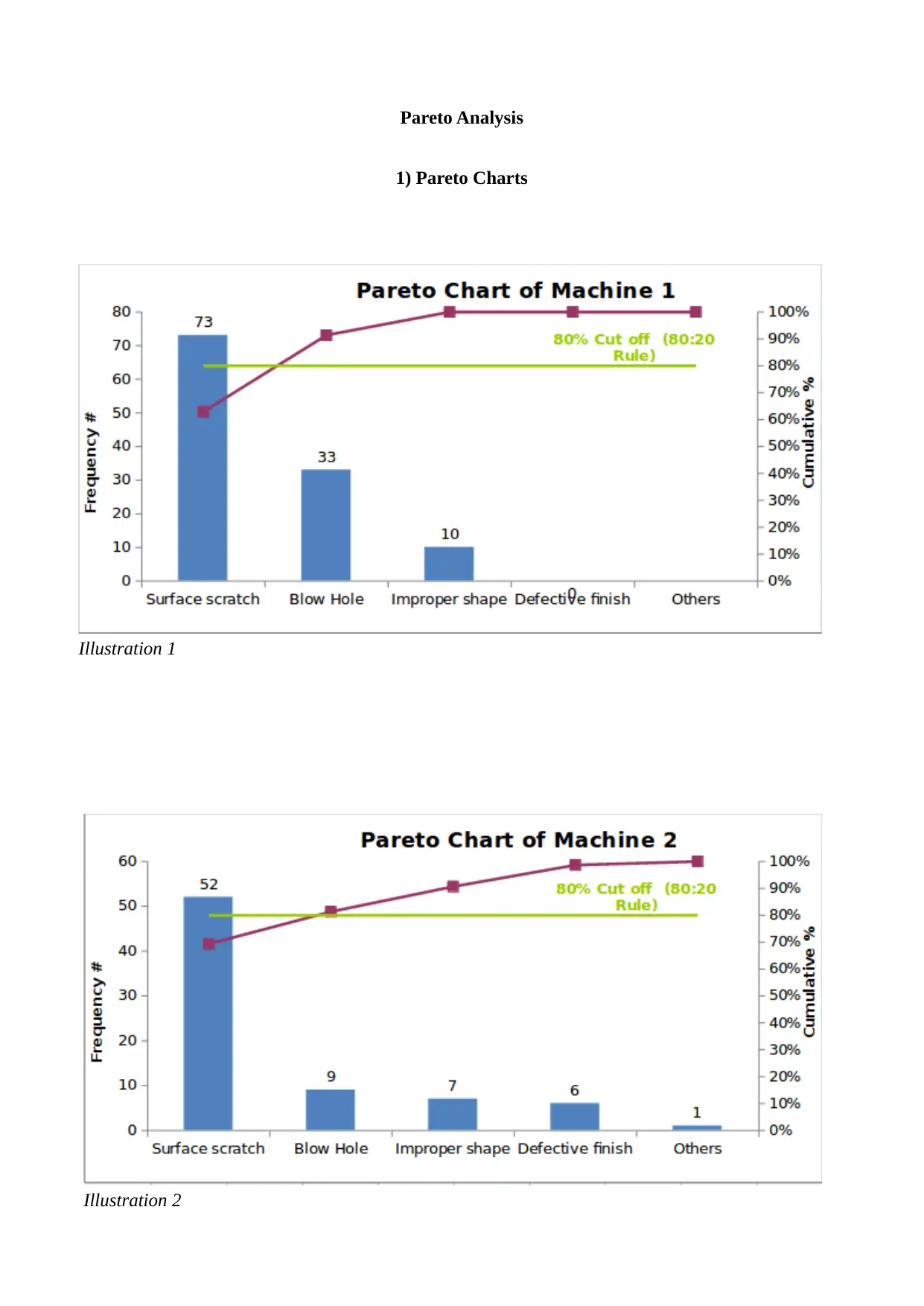
Overall, machine 1 contributes most of the problems experienced at the facility, with the highest
count of the total experienced problems at 116 for 60.75 of the problems, while machine 2
contributes a total count of 75 of the problems, representing 39.3% of the total. For both machines,
the biggest problem area is surface scratches to the finished product, which account for more than
80% of the problems in all machines (88%). Blow holes is the next major problem, at 40% for
machine 1 and just 14% for machine 2. The rest of the problems (improper shapes and defective
finish, and others are not significant problems, being below 20% for both machines. Looking at the
charts, the graphs show that surface scratches are the biggest contributors to the manufacturing
problems: the cumulative line is also rising steeply towards the right, showing that the problems
represented by bars on the left side are the biggest contributors to problems incrementally. 80% of
the problems are thus caused by surface scratches to the finished products for both machines, ad
machine 1 has the highest count of problems.
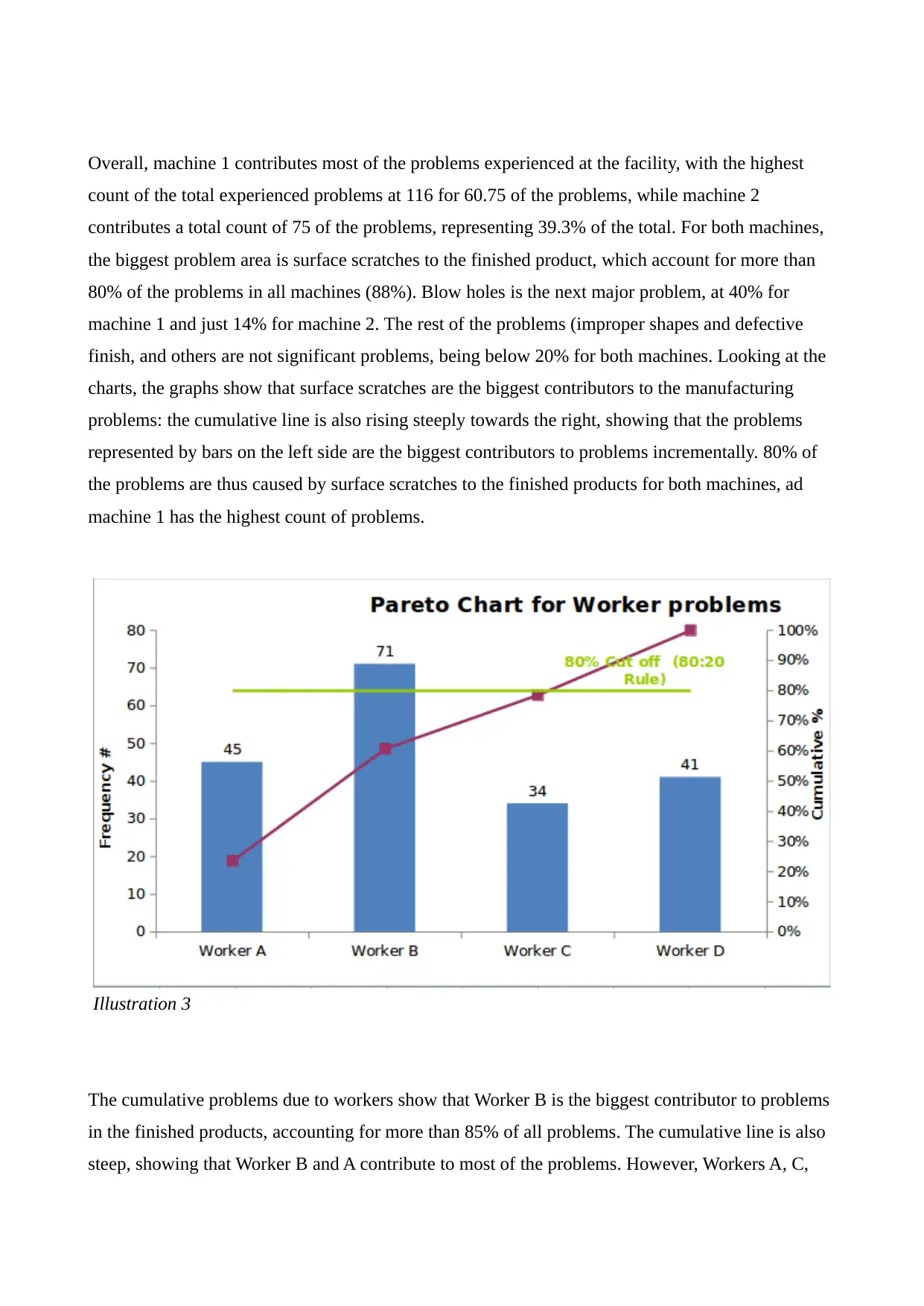
The cumulative problems due to workers show that Worker B is the biggest contributor to problems
in the finished products, accounting for more than 85% of all problems. The cumulative line is also
steep, showing that Worker B and A contribute to most of the problems. However, Workers A, C,
Illustration 3
count of the total experienced problems at 116 for 60.75 of the problems, while machine 2
contributes a total count of 75 of the problems, representing 39.3% of the total. For both machines,
the biggest problem area is surface scratches to the finished product, which account for more than
80% of the problems in all machines (88%). Blow holes is the next major problem, at 40% for
machine 1 and just 14% for machine 2. The rest of the problems (improper shapes and defective
finish, and others are not significant problems, being below 20% for both machines. Looking at the
charts, the graphs show that surface scratches are the biggest contributors to the manufacturing
problems: the cumulative line is also rising steeply towards the right, showing that the problems
represented by bars on the left side are the biggest contributors to problems incrementally. 80% of
the problems are thus caused by surface scratches to the finished products for both machines, ad
machine 1 has the highest count of problems.
The cumulative problems due to workers show that Worker B is the biggest contributor to problems
in the finished products, accounting for more than 85% of all problems. The cumulative line is also
steep, showing that Worker B and A contribute to most of the problems. However, Workers A, C,
Illustration 3
⊘ This is a preview!⊘
Do you want full access?
Subscribe today to unlock all pages.

Trusted by 1+ million students worldwide

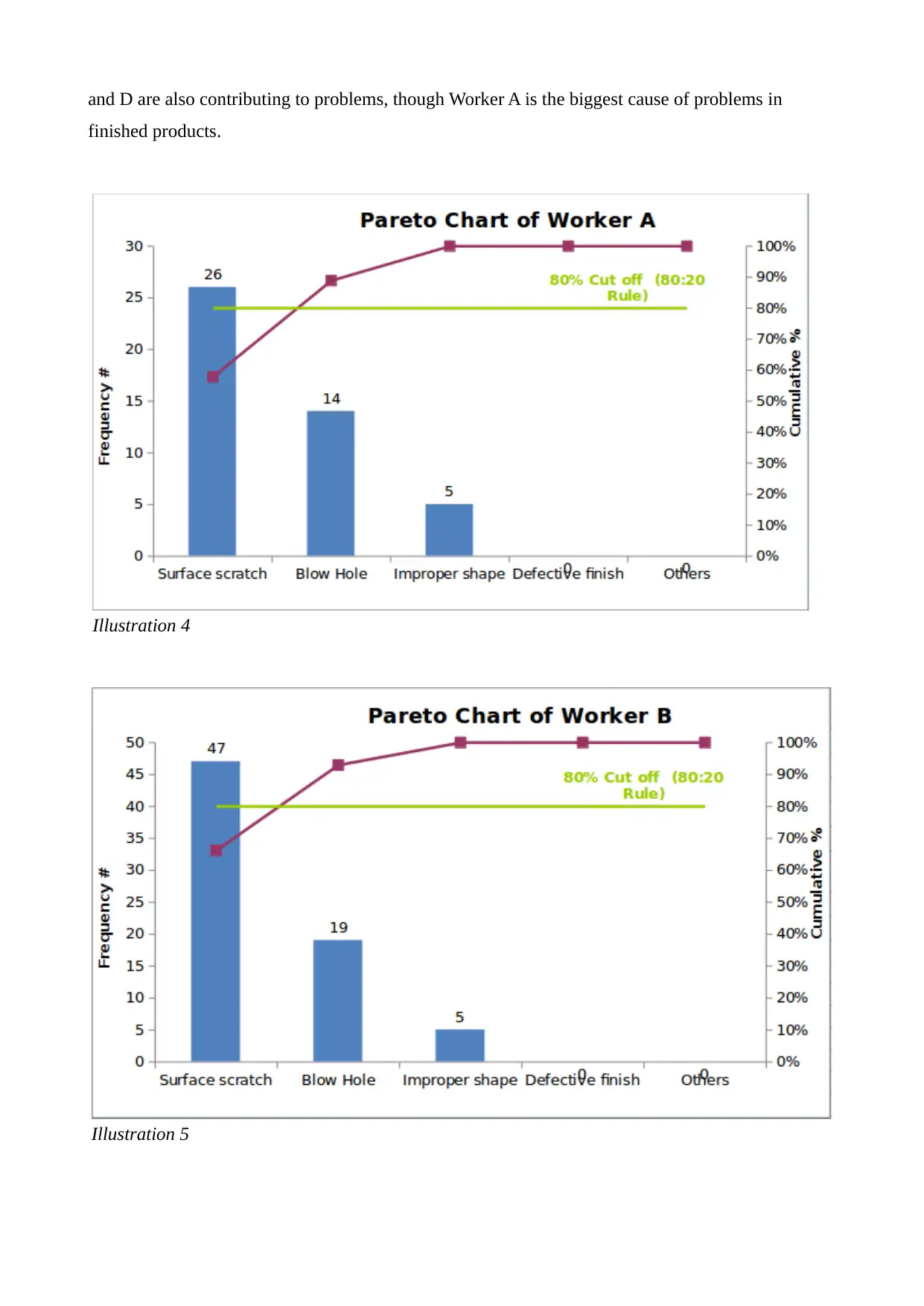
and D are also contributing to problems, though Worker A is the biggest cause of problems in
finished products.
Illustration 4
Illustration 5
finished products.
Illustration 4
Illustration 5
Paraphrase This Document
Need a fresh take? Get an instant paraphrase of this document with our AI Paraphraser

Illustration 6

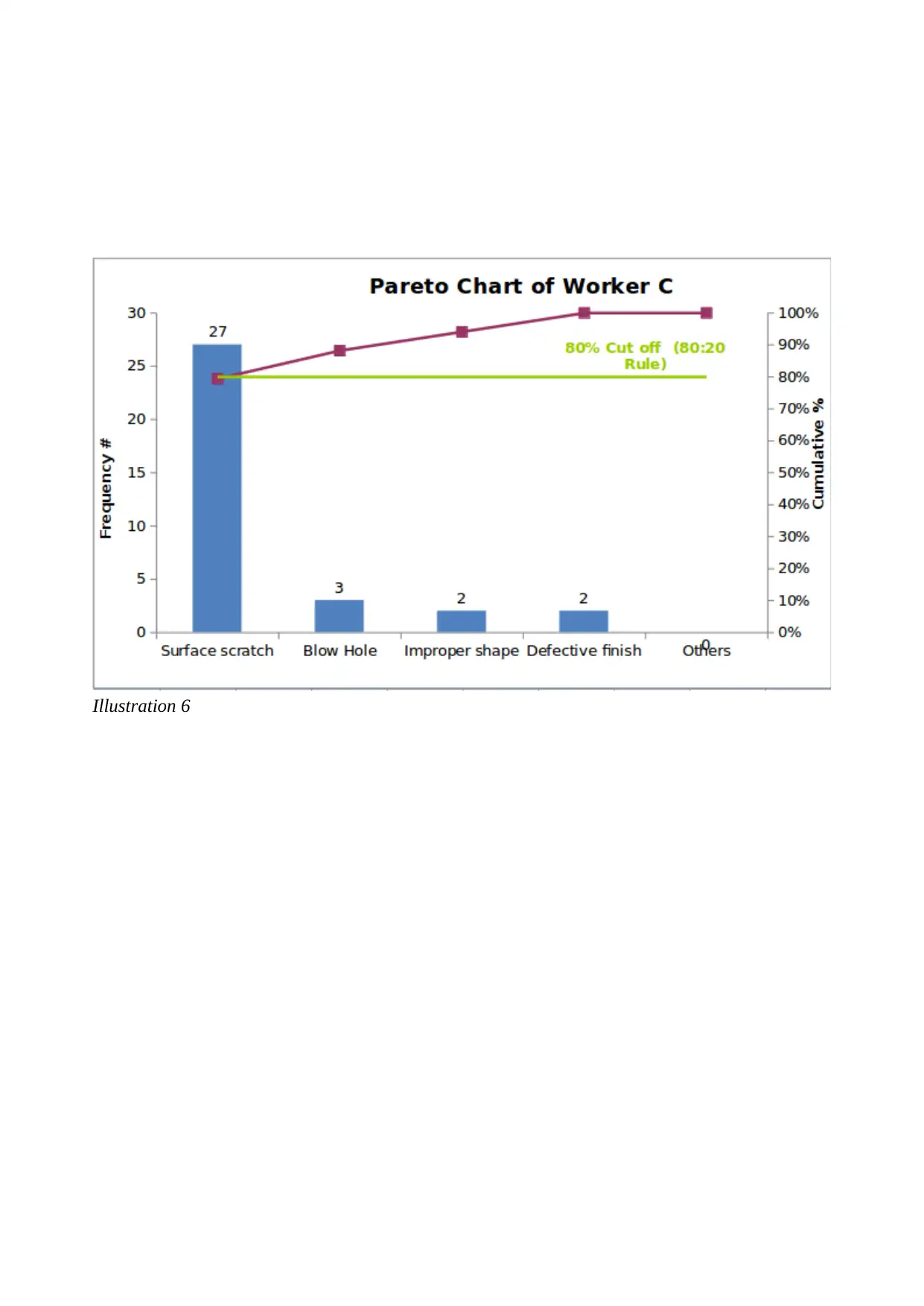
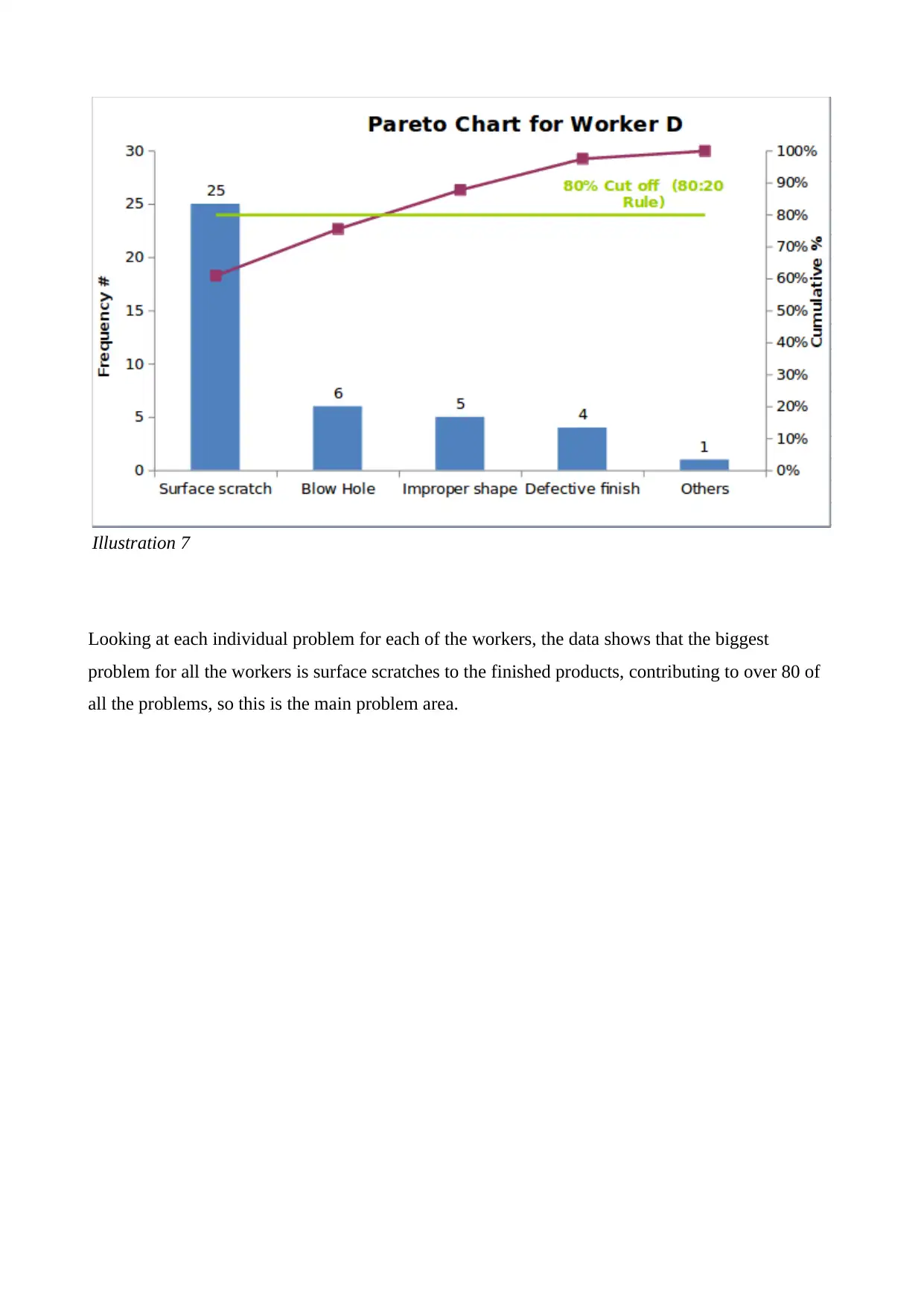
Looking at each individual problem for each of the workers, the data shows that the biggest
problem for all the workers is surface scratches to the finished products, contributing to over 80 of
all the problems, so this is the main problem area.
Illustration 7
problem for all the workers is surface scratches to the finished products, contributing to over 80 of
all the problems, so this is the main problem area.
Illustration 7
⊘ This is a preview!⊘
Do you want full access?
Subscribe today to unlock all pages.

Trusted by 1+ million students worldwide

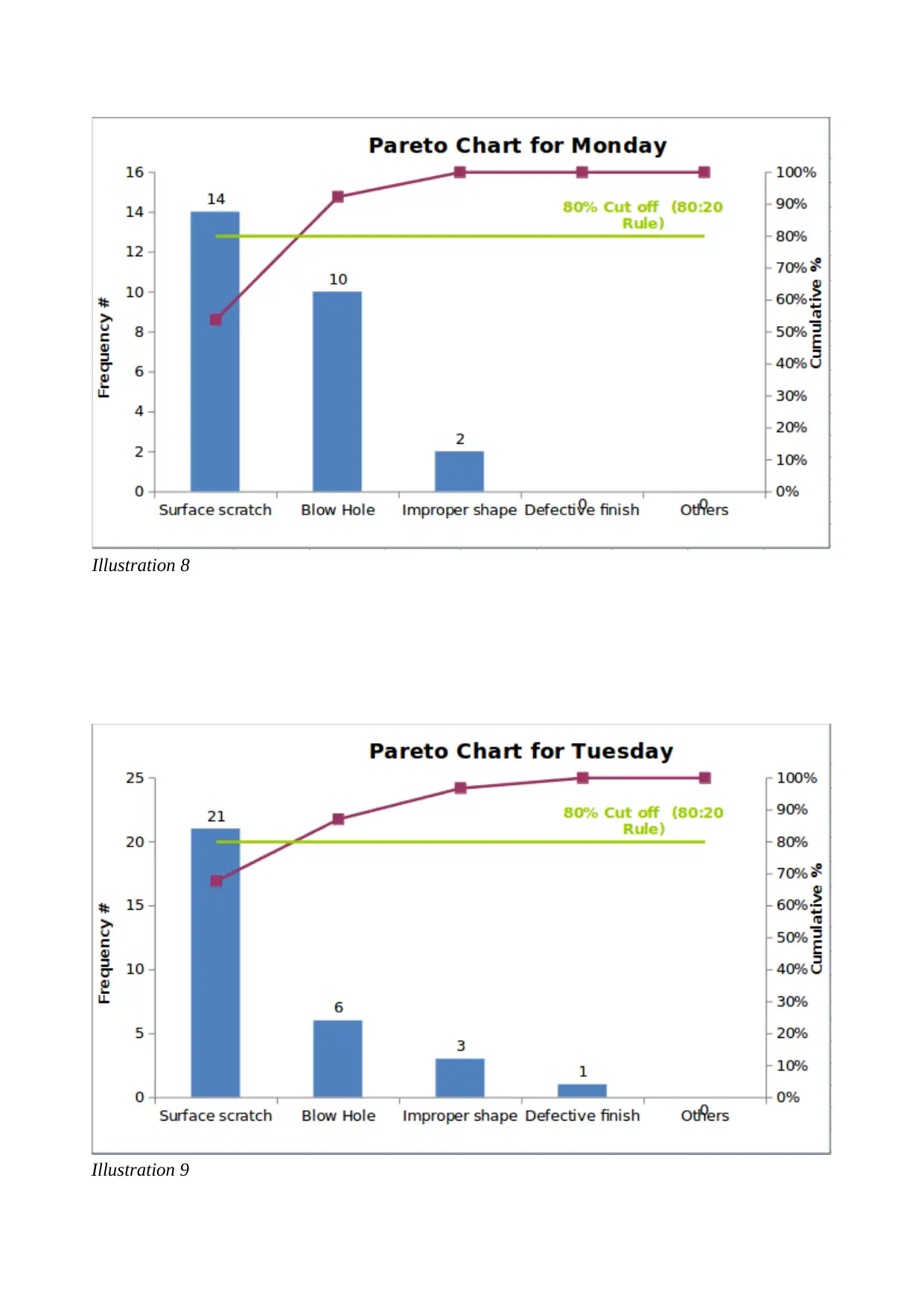
Illustration 8
Illustration 9
Illustration 9
Paraphrase This Document
Need a fresh take? Get an instant paraphrase of this document with our AI Paraphraser

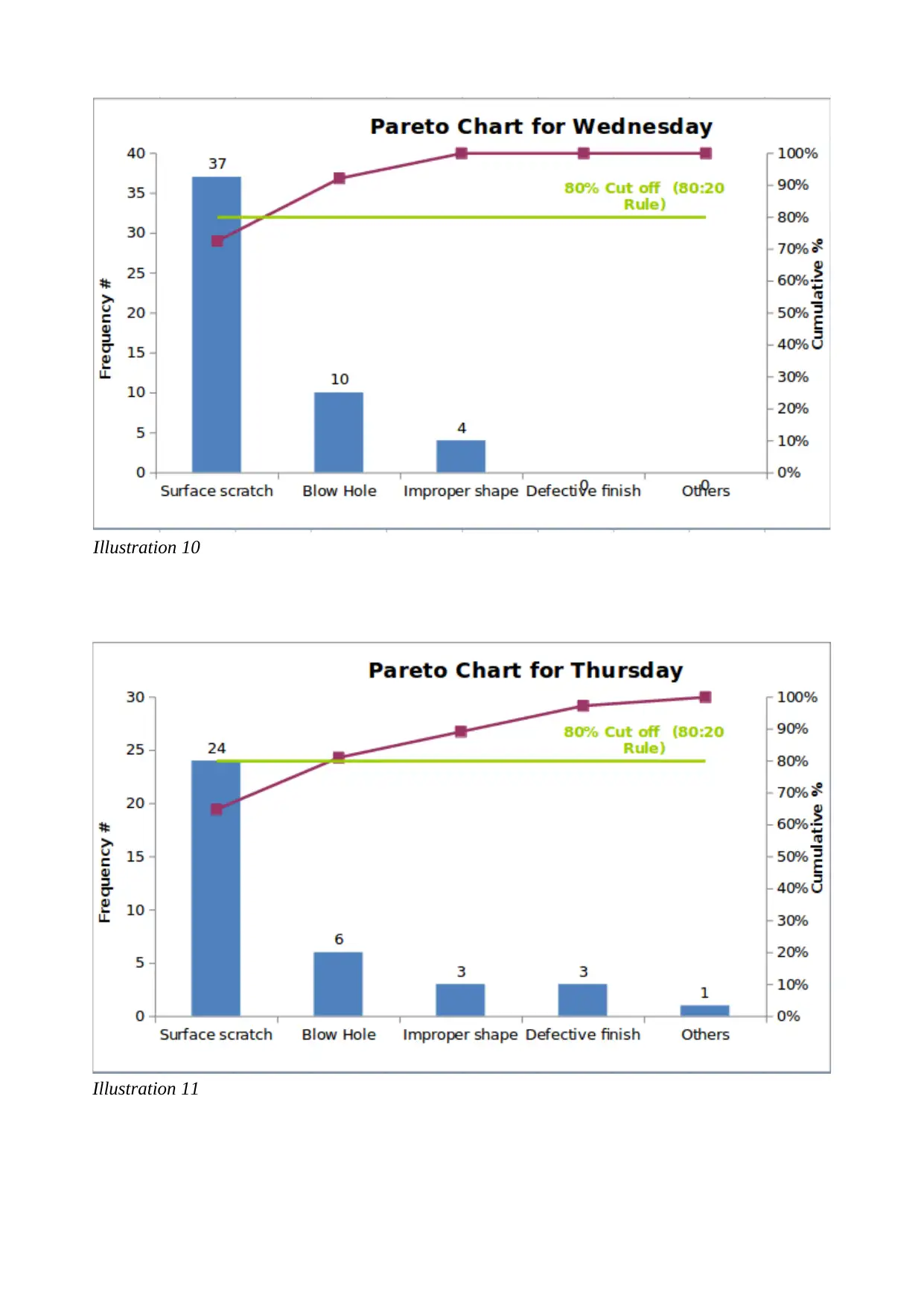
Illustration 10
Illustration 11
Illustration 11

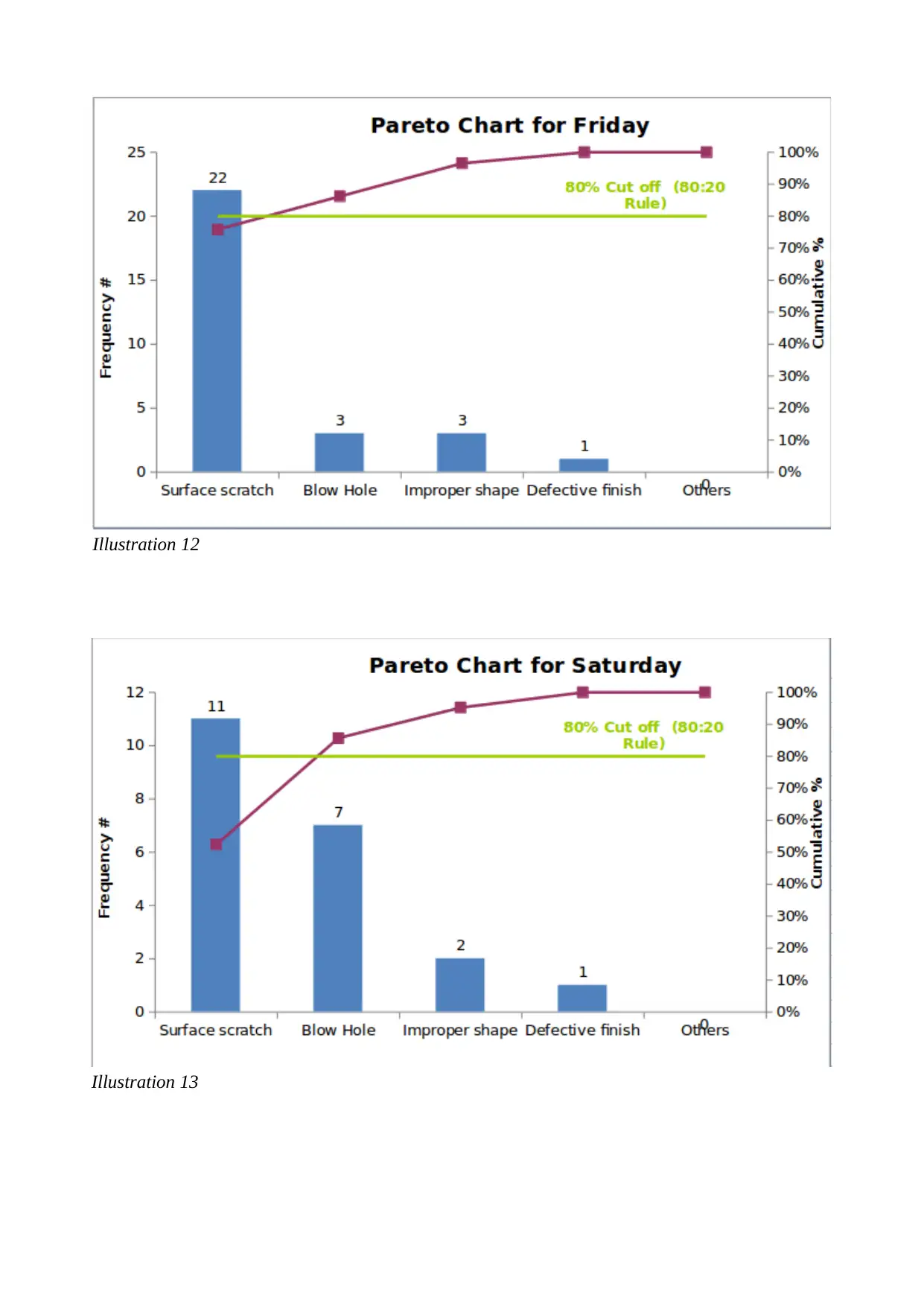
Illustration 12
Illustration 13
Illustration 13
⊘ This is a preview!⊘
Do you want full access?
Subscribe today to unlock all pages.

Trusted by 1+ million students worldwide
1 out of 21
Your All-in-One AI-Powered Toolkit for Academic Success.
+13062052269
info@desklib.com
Available 24*7 on WhatsApp / Email
Unlock your academic potential
Copyright © 2020–2025 A2Z Services. All Rights Reserved. Developed and managed by ZUCOL.