Employee Relations: Reward and Motivation Strategies at Time Warner
VerifiedAdded on 2023/01/13
|15
|4853
|74
Report
AI Summary
This report provides a comprehensive analysis of employee relations, reward, and motivation strategies, using Time Warner Inc. as a case study. The report begins with an introduction to the importance of employee motivation and workforce development, followed by a detailed overview of Time Warner's business operations, employee demographics, and current HR policies. It examines the company's engagement and reward strategies, including salary, benefits, and other incentives, and analyzes job resources and demands within the organization. The core of the report critically evaluates the proposition that employee engagement is key to business success, assessing the contribution of reward management to enhancing engagement. Finally, it offers recommendations to senior management for driving employee engagement, incorporating discussions of Maslow's hierarchy of needs, employee engagement factors, and the importance of creating a positive work environment. The report concludes by emphasizing the importance of employee engagement for achieving business success and proposes various strategies for improving employee satisfaction and productivity.
HR - EMPLOYEE RELATIONS – REWARD AND
MOTIVATION
Page | 1
MOTIVATION
Page | 1

Paraphrase This Document
Need a fresh take? Get an instant paraphrase of this document with our AI Paraphraser
Table of Contents
Introduction:...............................................................................................................................3
Part A: Research and analysis of chosen company’s engagement:............................................3
A.1 Briefing of the chosen organisation:................................................................................3
A.2 Analysis of company’s current engagement and reward strategies:................................4
A.3 Job resources and job demands in this company:............................................................5
Part B: Critical evaluation and recommendation:......................................................................6
Task 1: Discussing the proposition that employee engagement is a key element of
achieving business success:....................................................................................................6
Task 2: Evaluating the contribution reward management can make to enhancing
engagement:............................................................................................................................9
Task 3: Recommendation to senior management to drive employee engagement up in the
company:..............................................................................................................................10
Conclusion:..............................................................................................................................12
Reference list:...........................................................................................................................13
Page | 2
Introduction:...............................................................................................................................3
Part A: Research and analysis of chosen company’s engagement:............................................3
A.1 Briefing of the chosen organisation:................................................................................3
A.2 Analysis of company’s current engagement and reward strategies:................................4
A.3 Job resources and job demands in this company:............................................................5
Part B: Critical evaluation and recommendation:......................................................................6
Task 1: Discussing the proposition that employee engagement is a key element of
achieving business success:....................................................................................................6
Task 2: Evaluating the contribution reward management can make to enhancing
engagement:............................................................................................................................9
Task 3: Recommendation to senior management to drive employee engagement up in the
company:..............................................................................................................................10
Conclusion:..............................................................................................................................12
Reference list:...........................................................................................................................13
Page | 2
Introduction:
Employee motivation and workforce development is a key activity for each organisation,
because all organisational activities are dependent on employee workforce level. Therefore, it
is necessary for all organisations to have proper human resource policies to meet employees’
perceived demand level. Towards the continuation of this study, the researcher has chosen
Time Warner Inc, which is a telecommunication company based in USA. The company is a
cable connection provider and successfully gained more than 4 million subscribers. In this
study, the researcher has criticised the human resource policies of the chosen company and
recommended for further development towards employee workforce development.
Part A: Research and analysis of chosen company’s engagement:
Every organisation is based and running by the workforce contribution of employees and
workers. Nevertheless, the companies recruit their employees or workers based on their
required work level; along with that, companies check the skill and experience level of the
employees or workers (Zhang and Liao, 2018). However, it is necessary for the companies to
take care of the needs of those employees, so that their workforce level can be maintained. In
this part, the researcher has stated the current strategies and policies taken by the company for
employee benefit.
A.1 Briefing of the chosen organisation:
Time Warner Inc is a foremost media and entertainment company in USA. The company has
a successful merger with America Online Inc. With the merger, Time Warner has expanded
their cable connection business along with high-speed data services. On the other side, the
company has diversified their services into television services like feature film shows, short
house video production, broadcast networking services and publishing of magazines and
books. From last annual report of the company, it has found that, the company is currently
employing more than 90000 employees to meet their business objectives. The company is
leading the local market with its successful brands like TNT, TBS, Adult swim, Cartoon
network, CNN, HBO, Warner Bros, Cinemax etcetera (Sec.gov, 2019).
The company Time Warner has segregated its business works in three categories like Turner,
Home Box Office and Warner Bros. Therefore, the company also diversified their workforce
level according to the business activities. With the diversified business process, the company
has earned revenue of $7.9 billion (approx) during the financial year 2018; which indicated
Page | 3
Employee motivation and workforce development is a key activity for each organisation,
because all organisational activities are dependent on employee workforce level. Therefore, it
is necessary for all organisations to have proper human resource policies to meet employees’
perceived demand level. Towards the continuation of this study, the researcher has chosen
Time Warner Inc, which is a telecommunication company based in USA. The company is a
cable connection provider and successfully gained more than 4 million subscribers. In this
study, the researcher has criticised the human resource policies of the chosen company and
recommended for further development towards employee workforce development.
Part A: Research and analysis of chosen company’s engagement:
Every organisation is based and running by the workforce contribution of employees and
workers. Nevertheless, the companies recruit their employees or workers based on their
required work level; along with that, companies check the skill and experience level of the
employees or workers (Zhang and Liao, 2018). However, it is necessary for the companies to
take care of the needs of those employees, so that their workforce level can be maintained. In
this part, the researcher has stated the current strategies and policies taken by the company for
employee benefit.
A.1 Briefing of the chosen organisation:
Time Warner Inc is a foremost media and entertainment company in USA. The company has
a successful merger with America Online Inc. With the merger, Time Warner has expanded
their cable connection business along with high-speed data services. On the other side, the
company has diversified their services into television services like feature film shows, short
house video production, broadcast networking services and publishing of magazines and
books. From last annual report of the company, it has found that, the company is currently
employing more than 90000 employees to meet their business objectives. The company is
leading the local market with its successful brands like TNT, TBS, Adult swim, Cartoon
network, CNN, HBO, Warner Bros, Cinemax etcetera (Sec.gov, 2019).
The company Time Warner has segregated its business works in three categories like Turner,
Home Box Office and Warner Bros. Therefore, the company also diversified their workforce
level according to the business activities. With the diversified business process, the company
has earned revenue of $7.9 billion (approx) during the financial year 2018; which indicated
Page | 3
⊘ This is a preview!⊘
Do you want full access?
Subscribe today to unlock all pages.

Trusted by 1+ million students worldwide
an increase of 3% compared to previous financial year 2017. Along with this, the net income
of the company was approx $1.6 billion in 2018, which was also increment of 15% compared
to previous financial year 2017. That means employees are also contributing their efforts for
business development. However, company’s operating income is reduced by 10% during the
financial year 2018 compared to previous financial year (Sec.gov, 2019).
A.2 Analysis of company’s current engagement and reward strategies:
As it has been stated that the company has diversified their services into television services
like feature film shows, short house video production, broadcast networking services and
publishing of magazines and books. From last annual report of the company, it has found
that, the company is currently employing more than 90000 employees to meet their business
objectives. The company is leading the local market with its successful brands like TNT,
TBS, Adult swim, Cartoon network, CNN, HBO, Warner Bros, Cinemax etcetera. As per the
government report, the company is providing the following benefits for employee interests:
a) Average salary of each employee approx $100000
b) Paid holiday facilities for employees
c) Paid vacation policies
d) Medical facilities and benefits
e) Child education benefits
f) Retirement benefits
Through the above policies, it has been clear that Time Warner has structured their employee
policies in all angles so that each employee should get all possible benefits along with their
salaries. In the words of Kuranchie-Mensah and Amponsah-Tawiah (2016), all employees
have their own expectations from their employers; therefore, it is necessary for employers to
have direct interaction with employees to know their perceived needs. As per the Maslow’s
hierarchy model, each person will be satisfied when his / her each level need will be fulfilled
successfully.
In this support, Faisal Ahammad et al. (2015) stated that employers should take the
responsibility of all employees and their basic needs, so that needs should not be left towards
fulfilling company objectives. Nevertheless, when an employee is providing his/her effort to
the company, it is employer’s duty to fulfil their all needs. Therefore, Ibrahim and Brobbey
(2015) commented that company should have a policy where the employees will report their
Page | 4
of the company was approx $1.6 billion in 2018, which was also increment of 15% compared
to previous financial year 2017. That means employees are also contributing their efforts for
business development. However, company’s operating income is reduced by 10% during the
financial year 2018 compared to previous financial year (Sec.gov, 2019).
A.2 Analysis of company’s current engagement and reward strategies:
As it has been stated that the company has diversified their services into television services
like feature film shows, short house video production, broadcast networking services and
publishing of magazines and books. From last annual report of the company, it has found
that, the company is currently employing more than 90000 employees to meet their business
objectives. The company is leading the local market with its successful brands like TNT,
TBS, Adult swim, Cartoon network, CNN, HBO, Warner Bros, Cinemax etcetera. As per the
government report, the company is providing the following benefits for employee interests:
a) Average salary of each employee approx $100000
b) Paid holiday facilities for employees
c) Paid vacation policies
d) Medical facilities and benefits
e) Child education benefits
f) Retirement benefits
Through the above policies, it has been clear that Time Warner has structured their employee
policies in all angles so that each employee should get all possible benefits along with their
salaries. In the words of Kuranchie-Mensah and Amponsah-Tawiah (2016), all employees
have their own expectations from their employers; therefore, it is necessary for employers to
have direct interaction with employees to know their perceived needs. As per the Maslow’s
hierarchy model, each person will be satisfied when his / her each level need will be fulfilled
successfully.
In this support, Faisal Ahammad et al. (2015) stated that employers should take the
responsibility of all employees and their basic needs, so that needs should not be left towards
fulfilling company objectives. Nevertheless, when an employee is providing his/her effort to
the company, it is employer’s duty to fulfil their all needs. Therefore, Ibrahim and Brobbey
(2015) commented that company should have a policy where the employees will report their
Page | 4
Paraphrase This Document
Need a fresh take? Get an instant paraphrase of this document with our AI Paraphraser
requirement levels and the company will try to fulfil possible requirements to motivate and
enhance employees’ attention towards organisational activities.
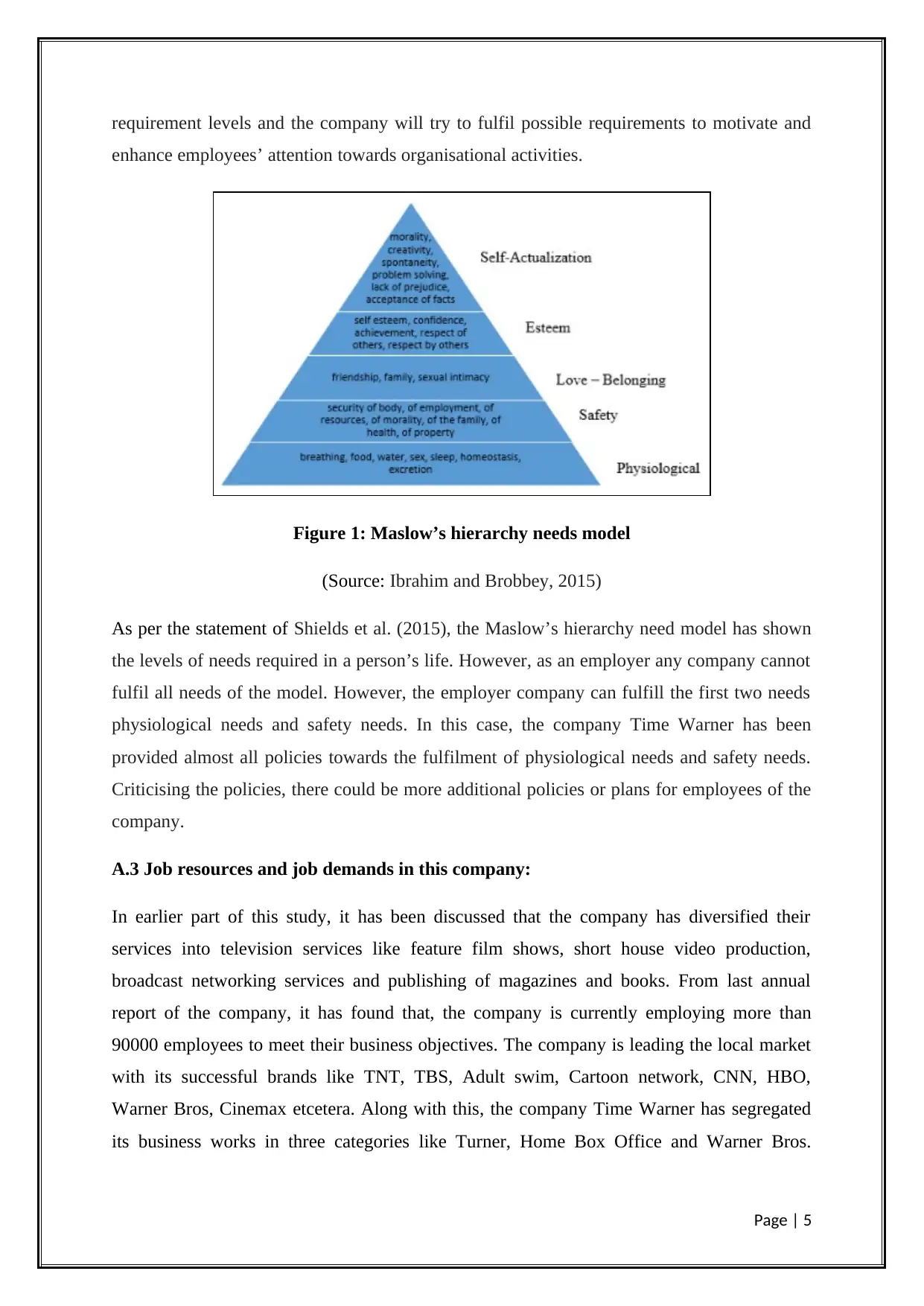
Figure 1: Maslow’s hierarchy needs model
(Source: Ibrahim and Brobbey, 2015)
As per the statement of Shields et al. (2015), the Maslow’s hierarchy need model has shown
the levels of needs required in a person’s life. However, as an employer any company cannot
fulfil all needs of the model. However, the employer company can fulfill the first two needs
physiological needs and safety needs. In this case, the company Time Warner has been
provided almost all policies towards the fulfilment of physiological needs and safety needs.
Criticising the policies, there could be more additional policies or plans for employees of the
company.
A.3 Job resources and job demands in this company:
In earlier part of this study, it has been discussed that the company has diversified their
services into television services like feature film shows, short house video production,
broadcast networking services and publishing of magazines and books. From last annual
report of the company, it has found that, the company is currently employing more than
90000 employees to meet their business objectives. The company is leading the local market
with its successful brands like TNT, TBS, Adult swim, Cartoon network, CNN, HBO,
Warner Bros, Cinemax etcetera. Along with this, the company Time Warner has segregated
its business works in three categories like Turner, Home Box Office and Warner Bros.
Page | 5
enhance employees’ attention towards organisational activities.
Figure 1: Maslow’s hierarchy needs model
(Source: Ibrahim and Brobbey, 2015)
As per the statement of Shields et al. (2015), the Maslow’s hierarchy need model has shown
the levels of needs required in a person’s life. However, as an employer any company cannot
fulfil all needs of the model. However, the employer company can fulfill the first two needs
physiological needs and safety needs. In this case, the company Time Warner has been
provided almost all policies towards the fulfilment of physiological needs and safety needs.
Criticising the policies, there could be more additional policies or plans for employees of the
company.
A.3 Job resources and job demands in this company:
In earlier part of this study, it has been discussed that the company has diversified their
services into television services like feature film shows, short house video production,
broadcast networking services and publishing of magazines and books. From last annual
report of the company, it has found that, the company is currently employing more than
90000 employees to meet their business objectives. The company is leading the local market
with its successful brands like TNT, TBS, Adult swim, Cartoon network, CNN, HBO,
Warner Bros, Cinemax etcetera. Along with this, the company Time Warner has segregated
its business works in three categories like Turner, Home Box Office and Warner Bros.
Page | 5
Therefore, the company also diversified their workforce level according to the business
activities.
That means there are several job opportunities and demands within the company. Employing
around 90000 employees is not a small factor; the business diversification and employee
number have clearly indicated the job resources and job demand in this company. According
to Nguyen et al. (2017), only business related activities are not the job resources; there could
be other works within an organisation, where job demand can be created for job seekers.
Therefore, it can be concluded that the company can be a place for job resource and job
demand.
Part B: Critical evaluation and recommendation:
This section is totally reflects the necessity of employee engagement for business
development and required plans needed to take by the company for employees’ workforce
development. Time Warner has provided several policies for employee benefits, but there are
more gaps, which should be fulfilled with more policies that are attractive. Here, the
researcher has stated the possible plans and strategies towards more employee engagement up
in the company.
Task 1: Discussing the proposition that employee engagement is a key element of
achieving business success:
Employees are the key factors for completing business level activities. Along with this, a
perfect leader also depends on engagement of employees in decision – making process. In the
words of Akhter et al. (2016), no employees, managers, or leaders might have all quality that
is necessary for decision – making process. A company should not compromise in business
development, so it is necessary to have perfection in decisions. In opposed to that Hitka et al.
(2015) stated involvement of numbers of employees in one decision – making process could
create conflict situation and that could be hazardous. Nevertheless, involvement of employees
in decision – making process or other business activities are necessary for achieving business
success. Here, few points are given in favour of employee engagement:
i. Engaging employees in business decision – making process could be critical for
managers or leaders, but it will reduce the employee hiring cost for the employees.
Recruiting employees continuously could increase number of employees compared to
business activities (De Gieter and Hofmans, 2015).
Page | 6
activities.
That means there are several job opportunities and demands within the company. Employing
around 90000 employees is not a small factor; the business diversification and employee
number have clearly indicated the job resources and job demand in this company. According
to Nguyen et al. (2017), only business related activities are not the job resources; there could
be other works within an organisation, where job demand can be created for job seekers.
Therefore, it can be concluded that the company can be a place for job resource and job
demand.
Part B: Critical evaluation and recommendation:
This section is totally reflects the necessity of employee engagement for business
development and required plans needed to take by the company for employees’ workforce
development. Time Warner has provided several policies for employee benefits, but there are
more gaps, which should be fulfilled with more policies that are attractive. Here, the
researcher has stated the possible plans and strategies towards more employee engagement up
in the company.
Task 1: Discussing the proposition that employee engagement is a key element of
achieving business success:
Employees are the key factors for completing business level activities. Along with this, a
perfect leader also depends on engagement of employees in decision – making process. In the
words of Akhter et al. (2016), no employees, managers, or leaders might have all quality that
is necessary for decision – making process. A company should not compromise in business
development, so it is necessary to have perfection in decisions. In opposed to that Hitka et al.
(2015) stated involvement of numbers of employees in one decision – making process could
create conflict situation and that could be hazardous. Nevertheless, involvement of employees
in decision – making process or other business activities are necessary for achieving business
success. Here, few points are given in favour of employee engagement:
i. Engaging employees in business decision – making process could be critical for
managers or leaders, but it will reduce the employee hiring cost for the employees.
Recruiting employees continuously could increase number of employees compared to
business activities (De Gieter and Hofmans, 2015).
Page | 6
⊘ This is a preview!⊘
Do you want full access?
Subscribe today to unlock all pages.
Trusted by 1+ million students worldwide
ii. On the other hand, engagement of employees in decision – making process would be
helpful for their productivity and workforce development. Involvement in business
process would provide practical knowledge to the employees. In this process, the
managers or leaders will be able to identify the next talent to be as manager within the
organisation (Zhang et al. 2015).
iii. Employee engagement does not mean talking and discussing on table or working hour
after hour for high incentive; it means to involve and understand the critical situation
of business and make necessary strategies to debug the issues in business (Kanama
and Nishikawa, 2017). However, the managers or team leaders should encourage the
employees to take their part as decision-makers.
iv. Setting company goals and distribute the works according to the employees’
experience level is most important. Along with this, it is necessary to provide right to
the employees to take decisions by their own; this will increase their confidence level
and will make them potential towards their job roles (Noe et al. 2017).
v. On the other hand, the new employees are not confident enough to put their efforts or
discuss anything with teammates or team leaders. In that case, the team leader would
need to acknowledge them for their involvement in their roles and take part in
decision – making process (Sankar, 2015). On the other hand, the employees should
become enough responsible towards their roles and duties towards company.
vi. According to recent trend, the global companies are focusing on employee rewarding
system in monetary and non-monetary form. In this process, companies provide
possible rewards or bonus according to their performance level; so the upcoming or
junior employees become motivated for performing in better way (Lee, Back and
Chan, 2015).
vii. According to Gelard and Rezaei (2016), employees should be treated as robots in
workplace. After providing necessary work and information to complete any specific
work, the managers should provide comfortable space and time to complete assigned
task; because along with motivation mental stability is necessary for workforce
development.
viii. As per the statement of Bassous (2015), creating an effective working environment is
also necessary for employee engagement. In hazardous working situation, employees
cannot focus on assigned works. On the other hand, a participative working
environment should be there for continuous support to a new employee. Along with
this, transparent working condition is necessary to have better result.
Page | 7
helpful for their productivity and workforce development. Involvement in business
process would provide practical knowledge to the employees. In this process, the
managers or leaders will be able to identify the next talent to be as manager within the
organisation (Zhang et al. 2015).
iii. Employee engagement does not mean talking and discussing on table or working hour
after hour for high incentive; it means to involve and understand the critical situation
of business and make necessary strategies to debug the issues in business (Kanama
and Nishikawa, 2017). However, the managers or team leaders should encourage the
employees to take their part as decision-makers.
iv. Setting company goals and distribute the works according to the employees’
experience level is most important. Along with this, it is necessary to provide right to
the employees to take decisions by their own; this will increase their confidence level
and will make them potential towards their job roles (Noe et al. 2017).
v. On the other hand, the new employees are not confident enough to put their efforts or
discuss anything with teammates or team leaders. In that case, the team leader would
need to acknowledge them for their involvement in their roles and take part in
decision – making process (Sankar, 2015). On the other hand, the employees should
become enough responsible towards their roles and duties towards company.
vi. According to recent trend, the global companies are focusing on employee rewarding
system in monetary and non-monetary form. In this process, companies provide
possible rewards or bonus according to their performance level; so the upcoming or
junior employees become motivated for performing in better way (Lee, Back and
Chan, 2015).
vii. According to Gelard and Rezaei (2016), employees should be treated as robots in
workplace. After providing necessary work and information to complete any specific
work, the managers should provide comfortable space and time to complete assigned
task; because along with motivation mental stability is necessary for workforce
development.
viii. As per the statement of Bassous (2015), creating an effective working environment is
also necessary for employee engagement. In hazardous working situation, employees
cannot focus on assigned works. On the other hand, a participative working
environment should be there for continuous support to a new employee. Along with
this, transparent working condition is necessary to have better result.
Page | 7
Paraphrase This Document
Need a fresh take? Get an instant paraphrase of this document with our AI Paraphraser
ix. Employee engagement depends on few important factors like perceived salary,
flexible work, and transparency of work, perceived incentives, career development
opportunity, reliability and sound working environment (Kuranchie-Mensah and
Amponsah-Tawiah, 2016). The presences of these factors are important to make an
employee competent enough towards company goals.
x. Employee engagement is consisting of four areas like commitment, motivation, trust
and loyalty. Here, the commitment should come from both side employee and
employer. The employer should motivate the employees to stand with the
commitment and should build trust as a support. Then only the employer will have
loyalty from the employee and will have engagement in business process.
Figure 2: Factors of employee engagement
(Source: Bassous, 2015)
The overall discussion has clearly stated the importance of employee engagement for
achieving business success. Along with this, the researcher has stated different scenarios,
which would be helpful for encouraging employees to put their efforts in business activities
and decision-making process. On the other hand, some critical factors are also discussed,
which could be the reason to make employees unmotivated. Moreover, the researcher has
stated the important factors important for employee motivation and workforce development.
Page | 8
flexible work, and transparency of work, perceived incentives, career development
opportunity, reliability and sound working environment (Kuranchie-Mensah and
Amponsah-Tawiah, 2016). The presences of these factors are important to make an
employee competent enough towards company goals.
x. Employee engagement is consisting of four areas like commitment, motivation, trust
and loyalty. Here, the commitment should come from both side employee and
employer. The employer should motivate the employees to stand with the
commitment and should build trust as a support. Then only the employer will have
loyalty from the employee and will have engagement in business process.
Figure 2: Factors of employee engagement
(Source: Bassous, 2015)
The overall discussion has clearly stated the importance of employee engagement for
achieving business success. Along with this, the researcher has stated different scenarios,
which would be helpful for encouraging employees to put their efforts in business activities
and decision-making process. On the other hand, some critical factors are also discussed,
which could be the reason to make employees unmotivated. Moreover, the researcher has
stated the important factors important for employee motivation and workforce development.
Page | 8
Task 2: Evaluating the contribution reward management can make to enhancing
engagement:
Reward management is a common policy taken by every organisation for motivating and
enhancing the workforce level of employees. The rewards can be monetary and non-
monetary. However, there should be having option for employees to choose their rewarding
system. As per the statement of Ismail and Ahmed (2015), rewards management system
acknowledges the employee contribution towards organisation objective fulfilment. Along
with this, rewards and credit management motivate the employees for decision-making
process in critical situations in business. The contributions of reward management system
towards employee engagement are discussed below:
(a) Rewards provide mental satisfaction to employees: All employees and workers want to
be happy after providing their efforts to the organisation. Therefore, it is essential for the
organisations to take care of their monetary and non-monetary needs. The reward system also
increases the moral values of employees and the company can earn employee loyalty (Gubler,
Larkin and Pierce, 2016). The employees and workers in all organisations work just for
monetary and non-monetary support and it is the duty of those organisations to fulfil their
demand. Providing reward to the employees can encourage them for extra efforts towards
company objective fulfilment.
(b) Developing the productivity and contribution: As it has been discussed that the
employees and workers in all organisations work just for monetary and non-monetary support
and it is the duty of those organisations to fulfil their demand, therefore, a reward system can
increase the contribution level of employees. In some cases, the employees become ready to
take risks in business just for having perceived rewards from company (Bavik et al. 2018).
On the other hand, with the contribution of employees, company surely gain profit from
market; so company’s first priority should be employees for whom the profitability becomes
possible.
(c) Reward increases reliability: Companies examine everything before recruiting the
employees in organisation and the managers check the reliability level of those employees
before sharing company information. Same wise, it is essential for the companies to build
reliability towards employees by providing monetary and non-monetary support (Nerstad et
al. 2018). According to US Labour Bureau report, the reasons behind job leaves of maximum
employees are disrespect and lack of trust from higher authority. Thus, it is important to have
Page | 9
engagement:
Reward management is a common policy taken by every organisation for motivating and
enhancing the workforce level of employees. The rewards can be monetary and non-
monetary. However, there should be having option for employees to choose their rewarding
system. As per the statement of Ismail and Ahmed (2015), rewards management system
acknowledges the employee contribution towards organisation objective fulfilment. Along
with this, rewards and credit management motivate the employees for decision-making
process in critical situations in business. The contributions of reward management system
towards employee engagement are discussed below:
(a) Rewards provide mental satisfaction to employees: All employees and workers want to
be happy after providing their efforts to the organisation. Therefore, it is essential for the
organisations to take care of their monetary and non-monetary needs. The reward system also
increases the moral values of employees and the company can earn employee loyalty (Gubler,
Larkin and Pierce, 2016). The employees and workers in all organisations work just for
monetary and non-monetary support and it is the duty of those organisations to fulfil their
demand. Providing reward to the employees can encourage them for extra efforts towards
company objective fulfilment.
(b) Developing the productivity and contribution: As it has been discussed that the
employees and workers in all organisations work just for monetary and non-monetary support
and it is the duty of those organisations to fulfil their demand, therefore, a reward system can
increase the contribution level of employees. In some cases, the employees become ready to
take risks in business just for having perceived rewards from company (Bavik et al. 2018).
On the other hand, with the contribution of employees, company surely gain profit from
market; so company’s first priority should be employees for whom the profitability becomes
possible.
(c) Reward increases reliability: Companies examine everything before recruiting the
employees in organisation and the managers check the reliability level of those employees
before sharing company information. Same wise, it is essential for the companies to build
reliability towards employees by providing monetary and non-monetary support (Nerstad et
al. 2018). According to US Labour Bureau report, the reasons behind job leaves of maximum
employees are disrespect and lack of trust from higher authority. Thus, it is important to have
Page | 9
⊘ This is a preview!⊘
Do you want full access?
Subscribe today to unlock all pages.
Trusted by 1+ million students worldwide
respect and trust towards the employees and provide reward based on their performance
along with good interaction. Then only, the employees can provide their best efforts to fulfil
company objectives.
(d) Reward is better than punishment for motivation: Punishment does not work to motivate
or encourage or accelerate someone’s workforce level. Due to punishment, an employee can
never develop the productivity and it reduces the moral values of that employee. Mistakes
may happen in workplace, but that does not mean to punish employees; because punishment
would create mental dissatisfaction and the employee can never get motivation (Moon, 2018).
That does not mean to reward any employee after any mistake, but it is necessary to motivate
the employee for not making further mistakes and rewarding for better performance. This
also indicates a good quality of a leader and manager.
(e) Designing a perfect reward system for employees: Global organisations have effective
process or system to evaluate employee performance level. In some cases, companies discuss
with employees in annual meeting about the design of reward system and that is perfect
(Maheshwari and Vohra, 2018). In this process, the company would be able to recognise the
perceived level of employees. There could be different reward facilities for employees like
bonus, salary increment, free food facility, car facility, medical insurance, and children study
loan etcetera (Hicks, 2018). In this process, the employees will have job satisfaction and
mental satisfaction as well. However, companies should provide this kind of plans for all
levels of employees.
The above discussion has stated the importance of employee rewarding system for their
motivation and engagement. Along with this, it is necessary to maintain an effective
relationship between employee and employer. Throughout the overall discussion, it is clear
that contribution of reward management is able to enhance employee engagement.
Task 3: Recommendation to senior management to drive employee engagement up in
the company:
The overall study has stated the importance of employee engagement towards business
development process and in the context of how the managers and team leaders can motivate
employees to part. In the words of Okay‐Somerville and Scholarios (2019), employee
contribution in business activities is very dependent on work culture and managerial
interaction level. However, towards meeting organisational objectives the managers cannot
Page | 10
along with good interaction. Then only, the employees can provide their best efforts to fulfil
company objectives.
(d) Reward is better than punishment for motivation: Punishment does not work to motivate
or encourage or accelerate someone’s workforce level. Due to punishment, an employee can
never develop the productivity and it reduces the moral values of that employee. Mistakes
may happen in workplace, but that does not mean to punish employees; because punishment
would create mental dissatisfaction and the employee can never get motivation (Moon, 2018).
That does not mean to reward any employee after any mistake, but it is necessary to motivate
the employee for not making further mistakes and rewarding for better performance. This
also indicates a good quality of a leader and manager.
(e) Designing a perfect reward system for employees: Global organisations have effective
process or system to evaluate employee performance level. In some cases, companies discuss
with employees in annual meeting about the design of reward system and that is perfect
(Maheshwari and Vohra, 2018). In this process, the company would be able to recognise the
perceived level of employees. There could be different reward facilities for employees like
bonus, salary increment, free food facility, car facility, medical insurance, and children study
loan etcetera (Hicks, 2018). In this process, the employees will have job satisfaction and
mental satisfaction as well. However, companies should provide this kind of plans for all
levels of employees.
The above discussion has stated the importance of employee rewarding system for their
motivation and engagement. Along with this, it is necessary to maintain an effective
relationship between employee and employer. Throughout the overall discussion, it is clear
that contribution of reward management is able to enhance employee engagement.
Task 3: Recommendation to senior management to drive employee engagement up in
the company:
The overall study has stated the importance of employee engagement towards business
development process and in the context of how the managers and team leaders can motivate
employees to part. In the words of Okay‐Somerville and Scholarios (2019), employee
contribution in business activities is very dependent on work culture and managerial
interaction level. However, towards meeting organisational objectives the managers cannot
Page | 10
Paraphrase This Document
Need a fresh take? Get an instant paraphrase of this document with our AI Paraphraser
solve business related issues alone, they need contribution of employees and workers;
therefore, it is necessary to have proper support to them. On the other hand, few
recommendations have been provided below to senior management to make employee
engagement up in the company:
a) It is essential for the organisations to take care of their monetary and non-monetary
needs and it is the duty of those organisations to fulfil their demand. Providing reward
to the employees can encourage them for extra efforts towards company objective
fulfilment.
b) Employees and workers are providing their efforts and time for fulfilment of company
objectives. Based on that, companies are earning profit. Therefore, sharing a portion
of profit with profit or rewarding a percentage of profit to the best employee would
increase their productivity and engagement.
c) On the other hand, managers should maintain effective relationship with employees;
in short, managers should rely on employees and should maintain their trust on
employees. This is necessary so that employees can feel safe working within the
organisation’ and this is necessary for engagement.
d) Company Time Warner should provide different reward facilities for employees like
bonus, salary increment, free food facility, car facility, medical insurance, and
children study loan etcetera for increasing employee engagement in business
activities.
e) A periodic increment should apply for enhancing employee motivation and their
workforce level. Along with this, this process would create employee attention on
company objectives. This would be important, because employees will understand
their importance in organisation.
f) Nevertheless, continuous motivation is important for increasing employee
productivity and engagement towards business activities. Here, the company should
avoid tough punishment for minor mistakes by employees or workers; instead
managers or team leaders should communicate with them and make understand about
problems from such mistakes.
Page | 11
therefore, it is necessary to have proper support to them. On the other hand, few
recommendations have been provided below to senior management to make employee
engagement up in the company:
a) It is essential for the organisations to take care of their monetary and non-monetary
needs and it is the duty of those organisations to fulfil their demand. Providing reward
to the employees can encourage them for extra efforts towards company objective
fulfilment.
b) Employees and workers are providing their efforts and time for fulfilment of company
objectives. Based on that, companies are earning profit. Therefore, sharing a portion
of profit with profit or rewarding a percentage of profit to the best employee would
increase their productivity and engagement.
c) On the other hand, managers should maintain effective relationship with employees;
in short, managers should rely on employees and should maintain their trust on
employees. This is necessary so that employees can feel safe working within the
organisation’ and this is necessary for engagement.
d) Company Time Warner should provide different reward facilities for employees like
bonus, salary increment, free food facility, car facility, medical insurance, and
children study loan etcetera for increasing employee engagement in business
activities.
e) A periodic increment should apply for enhancing employee motivation and their
workforce level. Along with this, this process would create employee attention on
company objectives. This would be important, because employees will understand
their importance in organisation.
f) Nevertheless, continuous motivation is important for increasing employee
productivity and engagement towards business activities. Here, the company should
avoid tough punishment for minor mistakes by employees or workers; instead
managers or team leaders should communicate with them and make understand about
problems from such mistakes.
Page | 11
Conclusion:
Towards the continuation of this study, the researcher has found company Time Warner’s
employee retention strategies for their workforce development. Along with this, the
importance of employee engagement is also critically discussed in this study. On the other
hand, the researcher has concluded in the context of how employee engagement can be
improved for better business results. The provided recommendations would be helpful for the
company for developing new strategies for employee engagement.
Page | 12
Towards the continuation of this study, the researcher has found company Time Warner’s
employee retention strategies for their workforce development. Along with this, the
importance of employee engagement is also critically discussed in this study. On the other
hand, the researcher has concluded in the context of how employee engagement can be
improved for better business results. The provided recommendations would be helpful for the
company for developing new strategies for employee engagement.
Page | 12
⊘ This is a preview!⊘
Do you want full access?
Subscribe today to unlock all pages.
Trusted by 1+ million students worldwide

1 out of 15


Related Documents


Your All-in-One AI-Powered Toolkit for Academic Success.
+13062052269
info@desklib.com
Available 24*7 on WhatsApp / Email
![[object Object]](/_next/static/media/star-bottom.7253800d.svg)
Unlock your academic potential
Copyright © 2020–2026 A2Z Services. All Rights Reserved. Developed and managed by ZUCOL.