Human Resource Management Report: M&S, Recruitment, and Practices
VerifiedAdded on 2020/10/22
|18
|5326
|370
Report
AI Summary
This report provides a comprehensive analysis of Human Resource Management (HRM) practices at Marks and Spencer (M&S). It begins with an introduction to the purpose and functions of HRM, emphasizing its role in maximizing employee productivity and achieving organizational goals. The report then delves into different approaches to recruitment and selection, comparing internal and external methods, and analyzing their respective strengths and weaknesses. Furthermore, it explores the benefits of various HRM practices for both employers and employees, including employee retention, profitability, career development, and professional growth. The report also examines the effectiveness of HRM practices in increasing organizational profit and productivity, highlighting the importance of employee relations and the impact of employment legislation. Finally, it discusses the application of HRM practices within a work-related context, using M&S as a case study, and concludes with a summary of the key findings and recommendations.

HUMAN RESOURCE
MANAGEMENT
MANAGEMENT

Paraphrase This Document
Need a fresh take? Get an instant paraphrase of this document with our AI Paraphraser
TABLE OF CONTENTS
INTRODUCTION...........................................................................................................................3
TASK 1............................................................................................................................................3
P1. Purpose and the functions of HRM.......................................................................................3
P2 Different approaches of recruitment and selection and analysing strength and weakness of
those approaches.........................................................................................................................5
P3 Benefits of different HRM practices to the employer and employee....................................7
P4 Effectiveness Influence of HRM practices in increasing organisational profit and
productivity ................................................................................................................................9
TASK 2..........................................................................................................................................10
P5. Importance of Employee Relation......................................................................................10
P6. key elements of employment legislation and its impact upon HRM decision making.......11
P7. the application of HRM practices in a work-related context..............................................13
CONCLUSION..............................................................................................................................14
REFERENCES..............................................................................................................................15
INTRODUCTION...........................................................................................................................3
TASK 1............................................................................................................................................3
P1. Purpose and the functions of HRM.......................................................................................3
P2 Different approaches of recruitment and selection and analysing strength and weakness of
those approaches.........................................................................................................................5
P3 Benefits of different HRM practices to the employer and employee....................................7
P4 Effectiveness Influence of HRM practices in increasing organisational profit and
productivity ................................................................................................................................9
TASK 2..........................................................................................................................................10
P5. Importance of Employee Relation......................................................................................10
P6. key elements of employment legislation and its impact upon HRM decision making.......11
P7. the application of HRM practices in a work-related context..............................................13
CONCLUSION..............................................................................................................................14
REFERENCES..............................................................................................................................15
INTRODUCTION
Human Resource is regarded to be as one of the important aspect of a company.
Therefore, for achieving effective outcome, it is very important to manage workers in an
effective manner. Hence, HRM department focuses on developing certain strategies which can
be planned in an effective way for handling employees. Through providing various facilities that
can facilitate them for providing effective contribution to economy. They play an effective role
through creating, providing, utilising as well as motivating workers for accomplishment of
organisational goals. This department focuses on integrating individual and also groups for
ensuring effectiveness of company. Also, works for employing skill of workforce efficiently. It
formulates strategies for satisfying workers. Also, ensures for protecting employees from
unlawful practices related to employment or inequalities. They recognise several policies that
values contribution of employees and facilitating by providing conditions for stable working
This report includes purpose and functions of HRM. Strength and weaknesses of several
approaches of section and recruitment has been depicted. Benefits of human resource practices is
discussed. Also, their effectiveness is evaluated accordingly. Apart from that, importance of
employee relation and its influence on decision making is also described. Application of HRM
practices in work related context has been discussed. The chosen organisation is Marks and
Spencer, which is a well-known retail brand.
TASK 1
P1. Purpose and the functions of HRM
Human Resource Management has an essential role in every company. As it has some
purposes as well as functions that usually helps higher authorities to manage their work force in
an effective manner.
The Human Resource management is used for managing the employees and they behave
in such a way that it tends to achieve the main objective of organization. Purpose of HRM is to
maximise the productivity of labours so that they could contribute towards the achievement of
organizational goal. It is basically crucial department of industry which deals with the workforce
and their effective productivity. Human resource management plays the role of planner,
developer and administrator of the enterprise (Goldstein and et.al., 2017). Manager of HRM
organises and manages employees of the firm in order to get proper planning of workforce. They
3
Human Resource is regarded to be as one of the important aspect of a company.
Therefore, for achieving effective outcome, it is very important to manage workers in an
effective manner. Hence, HRM department focuses on developing certain strategies which can
be planned in an effective way for handling employees. Through providing various facilities that
can facilitate them for providing effective contribution to economy. They play an effective role
through creating, providing, utilising as well as motivating workers for accomplishment of
organisational goals. This department focuses on integrating individual and also groups for
ensuring effectiveness of company. Also, works for employing skill of workforce efficiently. It
formulates strategies for satisfying workers. Also, ensures for protecting employees from
unlawful practices related to employment or inequalities. They recognise several policies that
values contribution of employees and facilitating by providing conditions for stable working
This report includes purpose and functions of HRM. Strength and weaknesses of several
approaches of section and recruitment has been depicted. Benefits of human resource practices is
discussed. Also, their effectiveness is evaluated accordingly. Apart from that, importance of
employee relation and its influence on decision making is also described. Application of HRM
practices in work related context has been discussed. The chosen organisation is Marks and
Spencer, which is a well-known retail brand.
TASK 1
P1. Purpose and the functions of HRM
Human Resource Management has an essential role in every company. As it has some
purposes as well as functions that usually helps higher authorities to manage their work force in
an effective manner.
The Human Resource management is used for managing the employees and they behave
in such a way that it tends to achieve the main objective of organization. Purpose of HRM is to
maximise the productivity of labours so that they could contribute towards the achievement of
organizational goal. It is basically crucial department of industry which deals with the workforce
and their effective productivity. Human resource management plays the role of planner,
developer and administrator of the enterprise (Goldstein and et.al., 2017). Manager of HRM
organises and manages employees of the firm in order to get proper planning of workforce. They
3
⊘ This is a preview!⊘
Do you want full access?
Subscribe today to unlock all pages.

Trusted by 1+ million students worldwide
work to utilize the effective resources of the company to get the effective and efficient
contribution for the development of the business. Managers of HRM are considered as
professionals who are responsible for planning and development of the wide range of resources.
It involves forecasting the requirements of human resources and effectively using their efforts
according to their potential. The functions of HRM plays an important part in searching the best
talent for a particular task and using the same for the growth and development of the firm.
Functions of HRM are discussed below:
Employee Management- This department has many key purposes. The productivity of
Marks and Spencer can mainly rely on quality of workers This department focuses on managing
and implementing several processes as well as policies that are necessary for attracting,
recruiting and retaining effective workforce (Anita, 2014). HR has direct relationship with
financial performance of the firm. Compensation, benefits of employees and structure of team
strategies is developed by HRM department.
Formulating rules for Employability- There are several legal issues which can be
faced by workers working in a company. Human Resource department ensures that there is
complete compliance of every laws and acts which are related to interest of employer as well as
employees. Company hires and also terminates workers that involves certain procedures for
understanding employment related state and federal laws. There is certain retirement plan,
associated benefits and also conflict resolution that are formulated by Human resource
department.
Metrics- It interacts with every level of workers of a company. HRM usually weighs on
matters which are related to strategies, budgets as well as goals related to performance. When
firm suffers hike in turnover rate then human resource management focuses on evaluating and
offering many solutions that facilitating hiring and retaining of employees (Armstrong and
Taylor, 2014). Outcomes of effective performance and conditions which provide desired results
is evaluated by Human Resource Management through several metric methods.
4
contribution for the development of the business. Managers of HRM are considered as
professionals who are responsible for planning and development of the wide range of resources.
It involves forecasting the requirements of human resources and effectively using their efforts
according to their potential. The functions of HRM plays an important part in searching the best
talent for a particular task and using the same for the growth and development of the firm.
Functions of HRM are discussed below:
Employee Management- This department has many key purposes. The productivity of
Marks and Spencer can mainly rely on quality of workers This department focuses on managing
and implementing several processes as well as policies that are necessary for attracting,
recruiting and retaining effective workforce (Anita, 2014). HR has direct relationship with
financial performance of the firm. Compensation, benefits of employees and structure of team
strategies is developed by HRM department.
Formulating rules for Employability- There are several legal issues which can be
faced by workers working in a company. Human Resource department ensures that there is
complete compliance of every laws and acts which are related to interest of employer as well as
employees. Company hires and also terminates workers that involves certain procedures for
understanding employment related state and federal laws. There is certain retirement plan,
associated benefits and also conflict resolution that are formulated by Human resource
department.
Metrics- It interacts with every level of workers of a company. HRM usually weighs on
matters which are related to strategies, budgets as well as goals related to performance. When
firm suffers hike in turnover rate then human resource management focuses on evaluating and
offering many solutions that facilitating hiring and retaining of employees (Armstrong and
Taylor, 2014). Outcomes of effective performance and conditions which provide desired results
is evaluated by Human Resource Management through several metric methods.
4
Paraphrase This Document
Need a fresh take? Get an instant paraphrase of this document with our AI Paraphraser
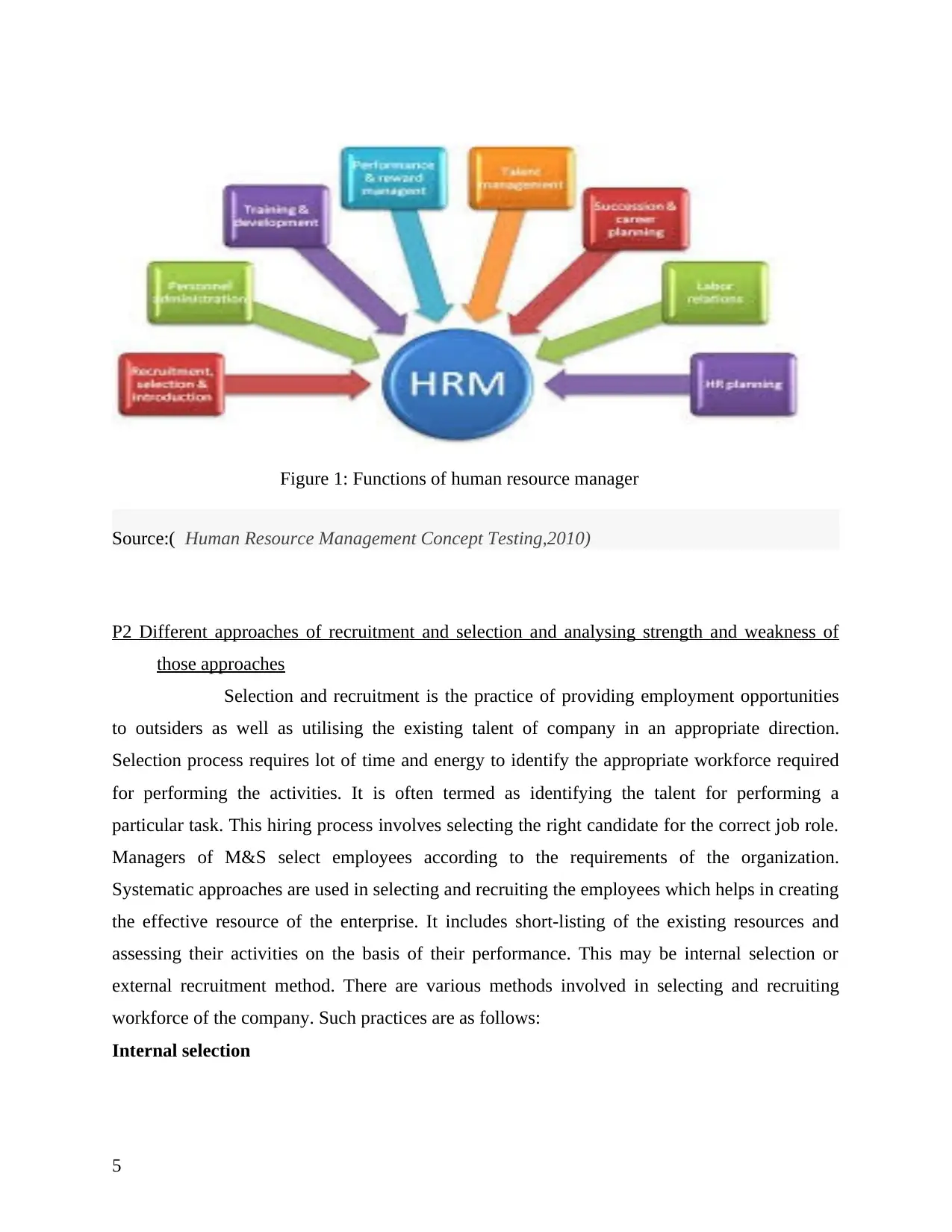
Figure 1: Functions of human resource manager
Source:( Human Resource Management Concept Testing,2010)
P2 Different approaches of recruitment and selection and analysing strength and weakness of
those approaches
Selection and recruitment is the practice of providing employment opportunities
to outsiders as well as utilising the existing talent of company in an appropriate direction.
Selection process requires lot of time and energy to identify the appropriate workforce required
for performing the activities. It is often termed as identifying the talent for performing a
particular task. This hiring process involves selecting the right candidate for the correct job role.
Managers of M&S select employees according to the requirements of the organization.
Systematic approaches are used in selecting and recruiting the employees which helps in creating
the effective resource of the enterprise. It includes short-listing of the existing resources and
assessing their activities on the basis of their performance. This may be internal selection or
external recruitment method. There are various methods involved in selecting and recruiting
workforce of the company. Such practices are as follows:
Internal selection
5
Source:( Human Resource Management Concept Testing,2010)
P2 Different approaches of recruitment and selection and analysing strength and weakness of
those approaches
Selection and recruitment is the practice of providing employment opportunities
to outsiders as well as utilising the existing talent of company in an appropriate direction.
Selection process requires lot of time and energy to identify the appropriate workforce required
for performing the activities. It is often termed as identifying the talent for performing a
particular task. This hiring process involves selecting the right candidate for the correct job role.
Managers of M&S select employees according to the requirements of the organization.
Systematic approaches are used in selecting and recruiting the employees which helps in creating
the effective resource of the enterprise. It includes short-listing of the existing resources and
assessing their activities on the basis of their performance. This may be internal selection or
external recruitment method. There are various methods involved in selecting and recruiting
workforce of the company. Such practices are as follows:
Internal selection
5
Internal selection refers to recruiting the existing employees of the organization. This
practice is performed to provide fair chances of promotions to existing talent in the firm. It is
done to occupy vacant position of the business taking the already skilled workforce into
consideration. This may be possible by various internal selection methods of M&S. It may be
possible through various methods:
Promotions: This activity is performed to provide the fair chances to those who are
already working in M&S since longer time (Taylor, 2014). It can be considered as
enhancing their role and job in order to promote employee at higher level.
Transfer: It is referred as shifting employees from one place into another. It does not
determine the changes in their authorities and responsibilities of the labour.
Advantages of internal selection
Improves satisfaction and morale: This encourages the already existing employees and
improves their motivation. This will be result in the effective productivity of the
workforce.
Less cost consumed: selecting the employees from the premises itself is the best way to
use their resources in effectively. No need to provide trainings to those who are already
familiar with the environment and working procedure of M&S Self-development: It
increases the motivation among the employees. Delegation of authorities to the workers
lead to the increase in their responsibility which will be result in growth and development
of the employees.
Easy decisions: Managers of M&S has already known the capabilities of their workforce.
It eases their decision making for offering them new responsibilities.
Disadvantages of internal selection Lack of new ideas: Recruiting the workers from their existing jobs is the best way to
promote the existing talent of M& S. Demotivation of fresh talent: less job opportunities to new comers demotivate them to a
great extent. It increases unemployment in country.
Limited choices: if Managers of M&S uses their existing employees so in providing jobs.
So it results in limited choices of using their resources and results in lack of innovations
in the company.
6
practice is performed to provide fair chances of promotions to existing talent in the firm. It is
done to occupy vacant position of the business taking the already skilled workforce into
consideration. This may be possible by various internal selection methods of M&S. It may be
possible through various methods:
Promotions: This activity is performed to provide the fair chances to those who are
already working in M&S since longer time (Taylor, 2014). It can be considered as
enhancing their role and job in order to promote employee at higher level.
Transfer: It is referred as shifting employees from one place into another. It does not
determine the changes in their authorities and responsibilities of the labour.
Advantages of internal selection
Improves satisfaction and morale: This encourages the already existing employees and
improves their motivation. This will be result in the effective productivity of the
workforce.
Less cost consumed: selecting the employees from the premises itself is the best way to
use their resources in effectively. No need to provide trainings to those who are already
familiar with the environment and working procedure of M&S Self-development: It
increases the motivation among the employees. Delegation of authorities to the workers
lead to the increase in their responsibility which will be result in growth and development
of the employees.
Easy decisions: Managers of M&S has already known the capabilities of their workforce.
It eases their decision making for offering them new responsibilities.
Disadvantages of internal selection Lack of new ideas: Recruiting the workers from their existing jobs is the best way to
promote the existing talent of M& S. Demotivation of fresh talent: less job opportunities to new comers demotivate them to a
great extent. It increases unemployment in country.
Limited choices: if Managers of M&S uses their existing employees so in providing jobs.
So it results in limited choices of using their resources and results in lack of innovations
in the company.
6
⊘ This is a preview!⊘
Do you want full access?
Subscribe today to unlock all pages.
Trusted by 1+ million students worldwide
External selection
It is considered as selecting or hiring employees from outside of the campus. External
selection provides various opportunities for the people and it also promotes the fresh talent in the
company. It may include several methods for taking the candidate from outside of premises.
Such methods are as follows:
Advertisements: it is very popularly used technique used for inviting the potential
candidates for job. If company requires workers with a specific skill then they advertise
their requirement using television, newspapers journals etc.
Employment exchanges: In this method, employees are provided employment. Here
employees are being appointed for the another job services (Brewster and Hegewisch,
2017). Government of the particular area performs the particular functions.
Placements of fresher’s: This is done by providing placements to the fresher’s.
Organizations often selects the required candidate by visiting the college campus. They
provide job opportunities to recently passed graduate students on the basis of their
potential.
Merits of external recruitment
Promoting a fresh talent: it brings the innovative ideas to the company and
promotes the fresh talent of society.
Brings new ideas: outsiders are more familiar with the competitive companies.
This bring the new perceptions and ideas to M&S.
New job opportunities: selecting the candidate from outside of campus promotes
new minds and employment in company.
Demerits of external recruitment More cost and energy: This process requires lot of time of HR managers such as
interview of candidates and finding the capabilities of the employees. New workforce
need a brief explanation about working procedure of M&S. It requires lot of energy and
time of HR professionals. Lots of paper work: if the new candidates are selected they need to provide their basic
and personal formalities. These formalities are done to verify candidate's background and
7
It is considered as selecting or hiring employees from outside of the campus. External
selection provides various opportunities for the people and it also promotes the fresh talent in the
company. It may include several methods for taking the candidate from outside of premises.
Such methods are as follows:
Advertisements: it is very popularly used technique used for inviting the potential
candidates for job. If company requires workers with a specific skill then they advertise
their requirement using television, newspapers journals etc.
Employment exchanges: In this method, employees are provided employment. Here
employees are being appointed for the another job services (Brewster and Hegewisch,
2017). Government of the particular area performs the particular functions.
Placements of fresher’s: This is done by providing placements to the fresher’s.
Organizations often selects the required candidate by visiting the college campus. They
provide job opportunities to recently passed graduate students on the basis of their
potential.
Merits of external recruitment
Promoting a fresh talent: it brings the innovative ideas to the company and
promotes the fresh talent of society.
Brings new ideas: outsiders are more familiar with the competitive companies.
This bring the new perceptions and ideas to M&S.
New job opportunities: selecting the candidate from outside of campus promotes
new minds and employment in company.
Demerits of external recruitment More cost and energy: This process requires lot of time of HR managers such as
interview of candidates and finding the capabilities of the employees. New workforce
need a brief explanation about working procedure of M&S. It requires lot of energy and
time of HR professionals. Lots of paper work: if the new candidates are selected they need to provide their basic
and personal formalities. These formalities are done to verify candidate's background and
7
Paraphrase This Document
Need a fresh take? Get an instant paraphrase of this document with our AI Paraphraser
identity. Employees proper information are required to be collected by the HR managers
M&S. So it increases the documentation work which is hard to manage.
Proper trainings of new workforce: new workforce need proper trainings about the
working procedure of company. It occupies more time and energy of training and
development department.
P3 Benefits of different HRM practices to the employer and employee
Human resource practices are performed to manage and control the human
resources in order to achieve the organizational goals. Employers are those who provide
employment in order to achieve the objectives of the enterprise. Employees are referred as
workers of the company who performs operational activities for M&S (Hunter and et.al., 2017).
These activities are beneficiary to both employer and employee. It is considered as most essential
practices of M&S, where skilled staff of the enterprise are utilised to produce the desired
outcome.
Benefits to employer
Employee retention: It helps to develop the strong interpersonal relationship in the
company. It promotes healthy environment. Business environment keeps the trust and
faith of the skilled employees towards the organization. It results in retention of
employees’ company for longer duration.
Profitability: Employers are benefited as they earn desired profits of the enterprise.
Employers manages the tasks and activities of the workers and therefore they optimum
profit is generated accordingly. HRM practices are generally performed to manage
human resources and coordinate their activities so managers mainly focus their activities
to achieve the profitability of M&S.
Strong relationship with staff members: As an employer, it is considered as the basic duty
of human resource manager to satisfy employees and therefore, they produce the
effective plans as well as policies. A good human resource manager needs to maintain the
healthy environment and this promotes the human behaviour which provides a suitable
working environment.
8
M&S. So it increases the documentation work which is hard to manage.
Proper trainings of new workforce: new workforce need proper trainings about the
working procedure of company. It occupies more time and energy of training and
development department.
P3 Benefits of different HRM practices to the employer and employee
Human resource practices are performed to manage and control the human
resources in order to achieve the organizational goals. Employers are those who provide
employment in order to achieve the objectives of the enterprise. Employees are referred as
workers of the company who performs operational activities for M&S (Hunter and et.al., 2017).
These activities are beneficiary to both employer and employee. It is considered as most essential
practices of M&S, where skilled staff of the enterprise are utilised to produce the desired
outcome.
Benefits to employer
Employee retention: It helps to develop the strong interpersonal relationship in the
company. It promotes healthy environment. Business environment keeps the trust and
faith of the skilled employees towards the organization. It results in retention of
employees’ company for longer duration.
Profitability: Employers are benefited as they earn desired profits of the enterprise.
Employers manages the tasks and activities of the workers and therefore they optimum
profit is generated accordingly. HRM practices are generally performed to manage
human resources and coordinate their activities so managers mainly focus their activities
to achieve the profitability of M&S.
Strong relationship with staff members: As an employer, it is considered as the basic duty
of human resource manager to satisfy employees and therefore, they produce the
effective plans as well as policies. A good human resource manager needs to maintain the
healthy environment and this promotes the human behaviour which provides a suitable
working environment.
8
Customer satisfaction: if the employees are satisfied in the company then they produce
quality based product. Desired quality output provides high level of satisfaction to
customer and it will increase the sale of the commodity.
Advantages to employees
Career development: Human resource management focuses on individual development
and also provides career guidelines. These activities aid growth and development of
employees.
Professional and personal development: Management of human resource activities helps
to improve the growth and professional attitude of the employees.
More incentives: it satisfies the monetary needs of the employees and hence motivates
their morale. This motivation will turn the employees’ efforts into effective productivity.
P4 Effectiveness of HRM practices in increasing organisational profit and productivity
HRM practices leads to increase productivity as well as profit of Marks and Spencer
through following ways.
Improving performance of employees- All those practices which are adopted by human
resource management focuses on motivating workers to introduce certain creative and innovative
ideas which can improve performance and productivity of the company. Apart from that, several
strategies are implemented which can result in maximising level of performance of every
employee in M&S. Several training and career development sessions are organised that helps to
enhance their skills. This leads to enlighten them to follow a particular path which can facilitate
them for serving effective performance (Ingram and et.al., 2015). With enhanced performance of
employees, Marks and Spencer can increase their quality sales. It directly affects profit making
ability of a firm.
Execution and Directional Settings- HRM serves many guidelines and provides
mentors to those who need guidance in working. With proper guidance as well as availability of
trainers, execution of every task in business activities are effectively achieved. Also, errors get
reduced which enhance the quality of productivity. When services are delivered in efficacious
way customers gets attracted. Therefore, profitability gets maximised.
Team goals- Human resource management helps every employee by setting up their
individual as well as team objective. For increasing the aspect of productivity in M&S they
provide some targets which are needed to be achieved by a team within specific time period.
9
quality based product. Desired quality output provides high level of satisfaction to
customer and it will increase the sale of the commodity.
Advantages to employees
Career development: Human resource management focuses on individual development
and also provides career guidelines. These activities aid growth and development of
employees.
Professional and personal development: Management of human resource activities helps
to improve the growth and professional attitude of the employees.
More incentives: it satisfies the monetary needs of the employees and hence motivates
their morale. This motivation will turn the employees’ efforts into effective productivity.
P4 Effectiveness of HRM practices in increasing organisational profit and productivity
HRM practices leads to increase productivity as well as profit of Marks and Spencer
through following ways.
Improving performance of employees- All those practices which are adopted by human
resource management focuses on motivating workers to introduce certain creative and innovative
ideas which can improve performance and productivity of the company. Apart from that, several
strategies are implemented which can result in maximising level of performance of every
employee in M&S. Several training and career development sessions are organised that helps to
enhance their skills. This leads to enlighten them to follow a particular path which can facilitate
them for serving effective performance (Ingram and et.al., 2015). With enhanced performance of
employees, Marks and Spencer can increase their quality sales. It directly affects profit making
ability of a firm.
Execution and Directional Settings- HRM serves many guidelines and provides
mentors to those who need guidance in working. With proper guidance as well as availability of
trainers, execution of every task in business activities are effectively achieved. Also, errors get
reduced which enhance the quality of productivity. When services are delivered in efficacious
way customers gets attracted. Therefore, profitability gets maximised.
Team goals- Human resource management helps every employee by setting up their
individual as well as team objective. For increasing the aspect of productivity in M&S they
provide some targets which are needed to be achieved by a team within specific time period.
9
⊘ This is a preview!⊘
Do you want full access?
Subscribe today to unlock all pages.
Trusted by 1+ million students worldwide
Several sessions are conducted in order provide every worker guidance regarding strategy
building and determining ways for goals achievements.
Non-Monetary Factors- There are certain factors which are needed to be focused for
making employee to be satisfied. In order to retain employees as well as decrease attrition rate in
Marks and Spencer. Therefore, Human resource management decides several strategies for
providing non-monetary benefits to employees that aims to enhance their motivation. Privileges
which are provided to them on the basis of their performance and task achievement can be
promotion, praising, gifts as well as authorities. These helps to make every employee to consider
themselves as the important part of organisation and tries to contribute more for the company.
This directly impacts productivity in a positive way.
Updating Employees Skills- HRM focuses constantly on improving skills and
knowledge of employees by providing them various trainings for updating their capabilities and
potentials. This makes competency of firm to be stronger that provides competitive advantages in
market. Apart from that, external environment is very dynamic and is mostly surrounded by new
trends which affects productivity of a company (Recruitment & Selection Process, 2018).
Therefore, human resource management focuses on these new changes. This department
formulates plans for developing new skills in order to tackle these factors in an effective manner.
With this, productivity of M&S is not affected by any of these external aspects.
Sharing and Collaboration- Human resource management focuses on providing
peaceful working surrounding to every employee. This helps them to concentrate on their work
in an effective manner. Hence, atmosphere of company becomes more collaborative which
means that coordination and controlling of individuals can be done easily. It helps to accomplish
goals of organisation timely (Goldstein and et.al., 2017). Apart from that, services are delivered
on time and productivity remains efficacious.
TASK 2
P5. Importance of Employee Relation.
Healthy Employee relation is very essential to maintain in a company. Strong relations
of employees are required for high productivity as well as human satisfaction. This concept
generally deals with resolving and avoiding problems concerned with people that might
influences work scenario. Effective employee relation is dependent upon healthy as well as
10
building and determining ways for goals achievements.
Non-Monetary Factors- There are certain factors which are needed to be focused for
making employee to be satisfied. In order to retain employees as well as decrease attrition rate in
Marks and Spencer. Therefore, Human resource management decides several strategies for
providing non-monetary benefits to employees that aims to enhance their motivation. Privileges
which are provided to them on the basis of their performance and task achievement can be
promotion, praising, gifts as well as authorities. These helps to make every employee to consider
themselves as the important part of organisation and tries to contribute more for the company.
This directly impacts productivity in a positive way.
Updating Employees Skills- HRM focuses constantly on improving skills and
knowledge of employees by providing them various trainings for updating their capabilities and
potentials. This makes competency of firm to be stronger that provides competitive advantages in
market. Apart from that, external environment is very dynamic and is mostly surrounded by new
trends which affects productivity of a company (Recruitment & Selection Process, 2018).
Therefore, human resource management focuses on these new changes. This department
formulates plans for developing new skills in order to tackle these factors in an effective manner.
With this, productivity of M&S is not affected by any of these external aspects.
Sharing and Collaboration- Human resource management focuses on providing
peaceful working surrounding to every employee. This helps them to concentrate on their work
in an effective manner. Hence, atmosphere of company becomes more collaborative which
means that coordination and controlling of individuals can be done easily. It helps to accomplish
goals of organisation timely (Goldstein and et.al., 2017). Apart from that, services are delivered
on time and productivity remains efficacious.
TASK 2
P5. Importance of Employee Relation.
Healthy Employee relation is very essential to maintain in a company. Strong relations
of employees are required for high productivity as well as human satisfaction. This concept
generally deals with resolving and avoiding problems concerned with people that might
influences work scenario. Effective employee relation is dependent upon healthy as well as
10
Paraphrase This Document
Need a fresh take? Get an instant paraphrase of this document with our AI Paraphraser
safe environment. It demands involvement and commitment of workers towards the organisation.
Strong employee relation results in more efficient, productive and motivated employees that can
increases productivity of company. Employee relation is very important aspect of Marks and
Spenser due to following reason:
Productivity- Strong Employee relation provides creation of pleasant working
surrounding in the company. It leads to increase level of employee motivation that can also be
achieved through improvement in employee morale. Organisation that have mostly invested in
maintenance of employee relation have usually experienced improvement in their productivity
that has led to maximises amount of profit generated. With this, HRM can make certain
strategies which can be easily adopted for increasing productivity.
Employee Loyalty- Creation of productive as well as pleasant working atmosphere can
create a drastic effect on loyalty of employees and develops workforce which is highly
coordinative. Having such kind of employees generally leads to improve retention of workers as
a result cost related to recruitment, training as well as hiring can be drastically reduced. Apart
from that, the cost involved in organising employee relation programs is decreased. It provides
effective attainment of workers.
Conflict Resolution- When working atmosphere is efficient as well as friendly, matters
related to conflict gets reduced. Lesser disputes among employees that affects functionality of
the company. If any conflict occurs, it can be easily solved through negotiation and dos not
consumes much time. Effective conflict resolution due to strong employee relation can be
regarded as a key to successful business. Several exercises are conducted by human resource
management department for making bonds between employees to be more strong so that they
can have a good level of understanding. This would result in less conflicts among them. Several
decisions can be taken easily by HR department for resolving any kind of disputes. It helps them
to implement their strategies effectively.
High Motivation- For maintaining constant level of energy among employees, it is very
essential to build up motivation level of employees. When an effective relation is maintained it
generally concentrates on making individual to feel secure as well as confident in order to deliver
their best. Human resource management seeks for all those tactics which can inspire and
influence individual to give quality performance. For this, they provide them certain monetary as
well as non-monetary benefits in order to build up morale of employees that are working in an
11
Strong employee relation results in more efficient, productive and motivated employees that can
increases productivity of company. Employee relation is very important aspect of Marks and
Spenser due to following reason:
Productivity- Strong Employee relation provides creation of pleasant working
surrounding in the company. It leads to increase level of employee motivation that can also be
achieved through improvement in employee morale. Organisation that have mostly invested in
maintenance of employee relation have usually experienced improvement in their productivity
that has led to maximises amount of profit generated. With this, HRM can make certain
strategies which can be easily adopted for increasing productivity.
Employee Loyalty- Creation of productive as well as pleasant working atmosphere can
create a drastic effect on loyalty of employees and develops workforce which is highly
coordinative. Having such kind of employees generally leads to improve retention of workers as
a result cost related to recruitment, training as well as hiring can be drastically reduced. Apart
from that, the cost involved in organising employee relation programs is decreased. It provides
effective attainment of workers.
Conflict Resolution- When working atmosphere is efficient as well as friendly, matters
related to conflict gets reduced. Lesser disputes among employees that affects functionality of
the company. If any conflict occurs, it can be easily solved through negotiation and dos not
consumes much time. Effective conflict resolution due to strong employee relation can be
regarded as a key to successful business. Several exercises are conducted by human resource
management department for making bonds between employees to be more strong so that they
can have a good level of understanding. This would result in less conflicts among them. Several
decisions can be taken easily by HR department for resolving any kind of disputes. It helps them
to implement their strategies effectively.
High Motivation- For maintaining constant level of energy among employees, it is very
essential to build up motivation level of employees. When an effective relation is maintained it
generally concentrates on making individual to feel secure as well as confident in order to deliver
their best. Human resource management seeks for all those tactics which can inspire and
influence individual to give quality performance. For this, they provide them certain monetary as
well as non-monetary benefits in order to build up morale of employees that are working in an
11
organisation. Good relationship between employees encourages human resource manager to
make changes in policies and rules.
P6. key elements of employment legislation and its impact upon HRM decision making
There are certain rules and regulations which has been developed for governing relation
between employer and employee as well as their basic rights at workplace. Some of the most
important legislation related to employment and its impact on human resource decision making
are:
The Employment Rights Act- this law is amended by ERA of 1999 and 2003 and serves
to provide a huge range of laws associated with contractual rights for employees. That includes
Entitlement to a pay statement
Entitlement to National Minimum Wages
Good terms and conditions for working which must be in written format
Protection from unfair means at work.
This act helps Human resource management by providing criteria for deciding basic
rights, wages and favourable environment to employees for effective working.
The Sex Discrimination Act, 1975- It focuses on providing protection against
discrimination on the aspect of gender, selecting workers for jobs, promotion of employees and
also opportunities related to training and development of career. Apart from that, no individual
has the right to discriminate a person on the basis of sexual orientation. This act enables HRM of
company to formulate strategies for protecting individuals from these practices and avoiding
such kind of situations in firms.
The Equal Pay Act of 1970- It says that men and women should receive deserve
amount on the basis of their performance of similar type of work or should be ranked as same
value for any kind of achievement. Under this act, HRM decides equivalent amount of salary
for every employee working on same profile without any discrimination.
The Disability Discrimination Act, 1995- This act applies to the company having over
20 employees. They are required for accommodating needs of disabled. Also, establishes rights
related to access for those individual who are disabled in transportation, higher education or
other areas. This defines the concept of discrimination in relation to disability when these people
are treated in less favourable manner by discriminator. Every individual is needed to be treated
12
make changes in policies and rules.
P6. key elements of employment legislation and its impact upon HRM decision making
There are certain rules and regulations which has been developed for governing relation
between employer and employee as well as their basic rights at workplace. Some of the most
important legislation related to employment and its impact on human resource decision making
are:
The Employment Rights Act- this law is amended by ERA of 1999 and 2003 and serves
to provide a huge range of laws associated with contractual rights for employees. That includes
Entitlement to a pay statement
Entitlement to National Minimum Wages
Good terms and conditions for working which must be in written format
Protection from unfair means at work.
This act helps Human resource management by providing criteria for deciding basic
rights, wages and favourable environment to employees for effective working.
The Sex Discrimination Act, 1975- It focuses on providing protection against
discrimination on the aspect of gender, selecting workers for jobs, promotion of employees and
also opportunities related to training and development of career. Apart from that, no individual
has the right to discriminate a person on the basis of sexual orientation. This act enables HRM of
company to formulate strategies for protecting individuals from these practices and avoiding
such kind of situations in firms.
The Equal Pay Act of 1970- It says that men and women should receive deserve
amount on the basis of their performance of similar type of work or should be ranked as same
value for any kind of achievement. Under this act, HRM decides equivalent amount of salary
for every employee working on same profile without any discrimination.
The Disability Discrimination Act, 1995- This act applies to the company having over
20 employees. They are required for accommodating needs of disabled. Also, establishes rights
related to access for those individual who are disabled in transportation, higher education or
other areas. This defines the concept of discrimination in relation to disability when these people
are treated in less favourable manner by discriminator. Every individual is needed to be treated
12
⊘ This is a preview!⊘
Do you want full access?
Subscribe today to unlock all pages.
Trusted by 1+ million students worldwide

1 out of 18


Related Documents


Your All-in-One AI-Powered Toolkit for Academic Success.
+13062052269
info@desklib.com
Available 24*7 on WhatsApp / Email
![[object Object]](/_next/static/media/star-bottom.7253800d.svg)
Unlock your academic potential
Copyright © 2020–2026 A2Z Services. All Rights Reserved. Developed and managed by ZUCOL.