Financial Reporting: Assessing 2018 IASB Framework Changes Impact
VerifiedAdded on 2023/04/21
|16
|4117
|383
Report
AI Summary
This financial reporting assignment analyzes the changes made to the IASB Conceptual Framework in 2018, focusing on alterations to definitions and recognition criteria of financial reporting elements. The report examines the nature of these changes, including modifications to the definitions of assets, liabilities, and the removal of probability and reliable measurement thresholds for recognition. It investigates the implications of these changes on the recognition of assets and liabilities, emphasizing how the new framework affects the valuation and presentation in financial statements. Additionally, the assignment assesses the impact on reported profits, particularly concerning guidance on measurement, presentation, and disclosure of profit/loss and other comprehensive income. Finally, it discusses the perceived benefits of these changes for financial statement users, aiming to provide more useful information for their decision-making processes. The report incorporates research from IASB materials and relevant accounting literature to provide a comprehensive analysis.

Running head: FINANCIAL REPORTING
Financial Reporting
Name of the Student:
Name of the University:
Author’s Note:
Course ID:
Financial Reporting
Name of the Student:
Name of the University:
Author’s Note:
Course ID:

Paraphrase This Document
Need a fresh take? Get an instant paraphrase of this document with our AI Paraphraser
1FINANCIAL REPORTING
Table of Contents
Introduction:....................................................................................................................................2
1. The nature of changes that is made to the conceptual framework in 2018 and providing the
rationale for the changes:.................................................................................................................2
2. Identifying the implications the changes have on the assets and liabilities that is recognized
within the financial statements:.......................................................................................................6
3. Identifying the implications that will change the reported profits:..............................................7
4. Identifying the perceived benefits the changes will create for readers of the financial
statements in terms of enabling them to receive information, which is useful for respective
decisions:.........................................................................................................................................9
Conclusion:....................................................................................................................................11
References and Bibliography:........................................................................................................12
Table of Contents
Introduction:....................................................................................................................................2
1. The nature of changes that is made to the conceptual framework in 2018 and providing the
rationale for the changes:.................................................................................................................2
2. Identifying the implications the changes have on the assets and liabilities that is recognized
within the financial statements:.......................................................................................................6
3. Identifying the implications that will change the reported profits:..............................................7
4. Identifying the perceived benefits the changes will create for readers of the financial
statements in terms of enabling them to receive information, which is useful for respective
decisions:.........................................................................................................................................9
Conclusion:....................................................................................................................................11
References and Bibliography:........................................................................................................12
2FINANCIAL REPORTING
Introduction:
The assessment aims in evaluating the changes that has been made in the IASB
conceptual framework for the financial year of 2018. The financial conceptual framework mainly
allows the organization to determine the accurate level of measure that needs to be taken by the
company for formulating their financial report. In addition, the assessment also evaluates
rationale for the change that has been made in the conceptual framework of the IASB. Lastly, the
benefits that is being imposed by the new amended conceptual framework on the users of the
financial statement is directly highlighted in the assessment.
1. The nature of changes that is made to the conceptual framework in 2018 and providing
the rationale for the changes:
There are relevant eight chapters that needs to be evaluated for identifying the changes
that has been made by IASB in the conceptual framework during 2018. The conceptual
framework directly highlights the changes in objectives of general purposes financial reports,
qualitative characteristics of useful financial information, financial statements & reporting entity,
elements of financial statements, recognition & derecognition, measurement, presentation &
disclosure, and concept of capital & capital maintenance. These highlighted change in the current
conceptual framework of Financial reporting has directly impact on the annual report
presentation of the company. Walton (2018) mentioned that changes in the financial conceptual
framework is conducted for improving the reporting conditions of the company, where adequate
improvements can increase the reliability of the annual report presented by the companies.
Introduction:
The assessment aims in evaluating the changes that has been made in the IASB
conceptual framework for the financial year of 2018. The financial conceptual framework mainly
allows the organization to determine the accurate level of measure that needs to be taken by the
company for formulating their financial report. In addition, the assessment also evaluates
rationale for the change that has been made in the conceptual framework of the IASB. Lastly, the
benefits that is being imposed by the new amended conceptual framework on the users of the
financial statement is directly highlighted in the assessment.
1. The nature of changes that is made to the conceptual framework in 2018 and providing
the rationale for the changes:
There are relevant eight chapters that needs to be evaluated for identifying the changes
that has been made by IASB in the conceptual framework during 2018. The conceptual
framework directly highlights the changes in objectives of general purposes financial reports,
qualitative characteristics of useful financial information, financial statements & reporting entity,
elements of financial statements, recognition & derecognition, measurement, presentation &
disclosure, and concept of capital & capital maintenance. These highlighted change in the current
conceptual framework of Financial reporting has directly impact on the annual report
presentation of the company. Walton (2018) mentioned that changes in the financial conceptual
framework is conducted for improving the reporting conditions of the company, where adequate
improvements can increase the reliability of the annual report presented by the companies.
⊘ This is a preview!⊘
Do you want full access?
Subscribe today to unlock all pages.

Trusted by 1+ million students worldwide
3FINANCIAL REPORTING
Chapter 4 provides information regarding the changes that has been made on the
elements of the financial elements such as asset, liability, equity and expenses. The definition of
both asset and liability has been changed under the new conceptual framework, where benefits
generated from economic resources in future is not been included in assets. However, definitions
of the other elements remain unchanged leaving assets and liabilities. The chapter mainly
provides adequate information regarding the economic resource is mainly the potential to
produce economic benefits to the organization be considered to be an asset. In addition, liability
conditions are an obligation, where the entity transfers the economic resources, as a result of past
event. Hence, the framework no only focuses on the existence of a right or an obligation ta has a
potential to produce economic benefits and does not include about the expected flow of
economic benefits (Iasplus.com 2019).
Further information regarding the asset is provided where Componentization of rights is
also consistent with the IABS recent discussion on recognition of right to use asset in IFRS 16
Leases. The new framework provides information regarding the assets, which is not considered
as rights and allow the entity to right to use, sell, or pledge the object, as well as other undefined
rights. In addition, equity is defined as the residual interest in the asset of the entity after
deducting all its liabilities. Moreover, income is considered to the result of increment in assets
and decline in liabilities, where the equity holders do not contribute.
There are specific changes in the definition of liability, as the new framework indicates
that the obligation is a duty or responsibility of the entity, where there is no possibility of
avoidance. The framework also provides information regarding the new legislations, which after
enacted can only create obligation for the entity after obtaining the economic benefit within the
Chapter 4 provides information regarding the changes that has been made on the
elements of the financial elements such as asset, liability, equity and expenses. The definition of
both asset and liability has been changed under the new conceptual framework, where benefits
generated from economic resources in future is not been included in assets. However, definitions
of the other elements remain unchanged leaving assets and liabilities. The chapter mainly
provides adequate information regarding the economic resource is mainly the potential to
produce economic benefits to the organization be considered to be an asset. In addition, liability
conditions are an obligation, where the entity transfers the economic resources, as a result of past
event. Hence, the framework no only focuses on the existence of a right or an obligation ta has a
potential to produce economic benefits and does not include about the expected flow of
economic benefits (Iasplus.com 2019).
Further information regarding the asset is provided where Componentization of rights is
also consistent with the IABS recent discussion on recognition of right to use asset in IFRS 16
Leases. The new framework provides information regarding the assets, which is not considered
as rights and allow the entity to right to use, sell, or pledge the object, as well as other undefined
rights. In addition, equity is defined as the residual interest in the asset of the entity after
deducting all its liabilities. Moreover, income is considered to the result of increment in assets
and decline in liabilities, where the equity holders do not contribute.
There are specific changes in the definition of liability, as the new framework indicates
that the obligation is a duty or responsibility of the entity, where there is no possibility of
avoidance. The framework also provides information regarding the new legislations, which after
enacted can only create obligation for the entity after obtaining the economic benefit within the
Paraphrase This Document
Need a fresh take? Get an instant paraphrase of this document with our AI Paraphraser
4FINANCIAL REPORTING
scope of the legislation. Hence, it is also disclosed that enacting a new legislation is not an
adequate reason for increasing the obligation of an entity.
Moreover, chapter 4 also provides adequate information regarding the new changes that
has been introduced in the conceptual framework of 2018. In addition, the IASB has indicated
that the asset is not to be considered as a physical asset instead it needs to be stated as the sets of
rights. Furthermore, the definitions of assets and liabilities are no longer considered as the
expected inflows or outflows. In addition, the IASB has stated that the economic resources refer
to the potential of an asset/liability produce/to require a transfer of economic benefits. The IASB
also distinguish between the liabilities and equity, which is not part of the new framework, where
it is characteristics of equity (Iasplus.com 2019). The IASB has not changed how an entity
distinguishes between liabilities and equity instruments.
Chapter 5 provides information regarding the recognition and derecognition, where the
standard indicates that the definition of asset, liability or equity is recognized in the financial
statements, where the items that meet the definition of expenses or income is also recognized. In
addition, the recognition also needs to be conducted on faithful representation of the assets,
liability, income, expense and changes in equity. The conceptual framework has indicated that
recognition allows the financial users to understand the relevant information and faithful
representation (Iasplus.com 2019). Moreover, the recognition criteria do not include a probability
or a reliable measurement threshold, while recognizing an asset or liability. There the probability
and reliable measurement criteria has been removed by the IASB. The chapter also highlights
about the derecognition, which needs to be conducted faithfully after an asset or liability retained
after the transaction that led to the derecognition. Furthermore, derecognition also occurs when
change in entity’s asset and liabilities occur due to the result of transactions.
scope of the legislation. Hence, it is also disclosed that enacting a new legislation is not an
adequate reason for increasing the obligation of an entity.
Moreover, chapter 4 also provides adequate information regarding the new changes that
has been introduced in the conceptual framework of 2018. In addition, the IASB has indicated
that the asset is not to be considered as a physical asset instead it needs to be stated as the sets of
rights. Furthermore, the definitions of assets and liabilities are no longer considered as the
expected inflows or outflows. In addition, the IASB has stated that the economic resources refer
to the potential of an asset/liability produce/to require a transfer of economic benefits. The IASB
also distinguish between the liabilities and equity, which is not part of the new framework, where
it is characteristics of equity (Iasplus.com 2019). The IASB has not changed how an entity
distinguishes between liabilities and equity instruments.
Chapter 5 provides information regarding the recognition and derecognition, where the
standard indicates that the definition of asset, liability or equity is recognized in the financial
statements, where the items that meet the definition of expenses or income is also recognized. In
addition, the recognition also needs to be conducted on faithful representation of the assets,
liability, income, expense and changes in equity. The conceptual framework has indicated that
recognition allows the financial users to understand the relevant information and faithful
representation (Iasplus.com 2019). Moreover, the recognition criteria do not include a probability
or a reliable measurement threshold, while recognizing an asset or liability. There the probability
and reliable measurement criteria has been removed by the IASB. The chapter also highlights
about the derecognition, which needs to be conducted faithfully after an asset or liability retained
after the transaction that led to the derecognition. Furthermore, derecognition also occurs when
change in entity’s asset and liabilities occur due to the result of transactions.
5FINANCIAL REPORTING
The chapter 5 also provides information regarding the uncertainty about the existence of
an asset or liability or a low probability that delivers economic benefits are mainly distinguished
as the circumstances in the annual report, as the liability or assets is not recognized adequately.
Hence, the assets and liability can only be recognized after conducting the adequate
measurement, which actually helps in estimating the uncertainty present in the asset. The chapter
also highlights that the assets are not recognized when they comprise of high uncertainties, as the
valuation of the asset becomes unrealistic. The measurement required in the recognition is
mainly conducted to determine the level of assets that is currently present within an organization,
while detecting its current value. The uncertainties used in the recognition criteria also include
existence, outcome and measurement, which directly affect the recognition conditions of the
definition. However, no detailed guidance that is provided by IASB, as several factors needs to
be used for assessing each asset. The recognition method is complemented with the measurement
that is required for deriving the uncertainties of an asset or liability. Therefore, measurement is
required to determine whether the asset needs to be recognized in the annual report or noted as
circumstance.
Derecognition is mainly conducted for detecting the assets, which is partially disposed by
the organization. The chapter also indicates that when the disclosures are not sufficient to meet
both aims then the organization needs to continue the recognition process of the transferred
components in the annual report. The derecognition criteria requires the control approach and the
risks-and-rewards approach for evaluating the current assets of the organization. The
derecognition criteria is simple, as it only requires to meet both the aims established by IASB for
derecognizing the assets of an entity. Therefore, derecognition is mainly needed by the
organization for supporting the transactions conducted in asset or liabilities.
The chapter 5 also provides information regarding the uncertainty about the existence of
an asset or liability or a low probability that delivers economic benefits are mainly distinguished
as the circumstances in the annual report, as the liability or assets is not recognized adequately.
Hence, the assets and liability can only be recognized after conducting the adequate
measurement, which actually helps in estimating the uncertainty present in the asset. The chapter
also highlights that the assets are not recognized when they comprise of high uncertainties, as the
valuation of the asset becomes unrealistic. The measurement required in the recognition is
mainly conducted to determine the level of assets that is currently present within an organization,
while detecting its current value. The uncertainties used in the recognition criteria also include
existence, outcome and measurement, which directly affect the recognition conditions of the
definition. However, no detailed guidance that is provided by IASB, as several factors needs to
be used for assessing each asset. The recognition method is complemented with the measurement
that is required for deriving the uncertainties of an asset or liability. Therefore, measurement is
required to determine whether the asset needs to be recognized in the annual report or noted as
circumstance.
Derecognition is mainly conducted for detecting the assets, which is partially disposed by
the organization. The chapter also indicates that when the disclosures are not sufficient to meet
both aims then the organization needs to continue the recognition process of the transferred
components in the annual report. The derecognition criteria requires the control approach and the
risks-and-rewards approach for evaluating the current assets of the organization. The
derecognition criteria is simple, as it only requires to meet both the aims established by IASB for
derecognizing the assets of an entity. Therefore, derecognition is mainly needed by the
organization for supporting the transactions conducted in asset or liabilities.
⊘ This is a preview!⊘
Do you want full access?
Subscribe today to unlock all pages.
Trusted by 1+ million students worldwide
6FINANCIAL REPORTING
2. Identifying the implications the changes have on the assets and liabilities that is
recognized within the financial statements:
The current conceptual framework has mainly altered the definitions of assets and
liabilities, where income, expense and equity are continued to be defined in relation to the assets
and liabilities. In addition, the definition of both asset and liability has changed, where it is
directly stating that present economic resources, which is controlled by the entity is known as
assets. On the other hand, the present obligations of the entity, where economic resources are
transferred to other entity are known as liability. The change in the definition of the assets and
liability will have low impact on the financial statement of the organization. However, the
change in definition will allow the organization to detect the accurate level of assets and
liabilities that can be listed in their financial statements.
The second alteration that is been conducted in the conceptual framework regarding the
asset and liabilities is their recognition and derecognition. There is a specific standard that is
mentioned by the IASB, which helps in detecting the accurate recognition of the assets and
liabilities in an organization. This change in the measurement will have direct impact on the
financial report of the company, which will in turn change total assets that is been acquired by
the company. The recognition method changes the recognition of the asset by using relevance
and faithful representation, where it needs to be detected that the cost needs to be proportional to
the benefits. Hence, the changes in the recognition is been conducted, where asset and liability
are no longer relying on the concept of probability nor on the criteria of reliable measurement
(Ey.com 2019).
2. Identifying the implications the changes have on the assets and liabilities that is
recognized within the financial statements:
The current conceptual framework has mainly altered the definitions of assets and
liabilities, where income, expense and equity are continued to be defined in relation to the assets
and liabilities. In addition, the definition of both asset and liability has changed, where it is
directly stating that present economic resources, which is controlled by the entity is known as
assets. On the other hand, the present obligations of the entity, where economic resources are
transferred to other entity are known as liability. The change in the definition of the assets and
liability will have low impact on the financial statement of the organization. However, the
change in definition will allow the organization to detect the accurate level of assets and
liabilities that can be listed in their financial statements.
The second alteration that is been conducted in the conceptual framework regarding the
asset and liabilities is their recognition and derecognition. There is a specific standard that is
mentioned by the IASB, which helps in detecting the accurate recognition of the assets and
liabilities in an organization. This change in the measurement will have direct impact on the
financial report of the company, which will in turn change total assets that is been acquired by
the company. The recognition method changes the recognition of the asset by using relevance
and faithful representation, where it needs to be detected that the cost needs to be proportional to
the benefits. Hence, the changes in the recognition is been conducted, where asset and liability
are no longer relying on the concept of probability nor on the criteria of reliable measurement
(Ey.com 2019).
Paraphrase This Document
Need a fresh take? Get an instant paraphrase of this document with our AI Paraphraser

7FINANCIAL REPORTING
The changes in the asset and liability of the organization will drastically alter the relevant
valuation of the total assets and liabilities in the annual report. In addition, the changes in annual
report will represent the cost that needs to be proportionate to the benefits that will be provided
to the organization. These recognition criteria will eventually change the annual report valuation
of the company, as the drastic change in the recognition pattern will alter the financial reports of
the organization. Therefore, the changes in recognition method directly indicates that both assets
and liabilities must satisfy the fundamental characteristics of useful financial information in the
financial statements, where supporting the cost constraints. Moreover, derecognition of assets
and liabilities can be conducted on total or partial, where the substance of the transaction is the
key to the analysis. Hence, alterations in the valuation of both assets and liabilities of the
organization will change the level of assets and liabilities that has been valued in previous fiscal
years. Therefore, the distinction between the liabilities and equity has been removed from the
annual report, which will change the valuation and total liabilities in the financial report (Gornik-
Tomaszewski and Choi 2018).
3. Identifying the implications that will change the reported profits:
The current conceptual framework has mainly provided information regarding the
reported profits, which needs to be conducted on the financial report. The guidance on the
measurement, prevention and disclosure of the profit/loss and other comprehensive income is
mainly conducted in the conceptual framework. There is specific guidance on the classification
of income and expenses for the board to decide when to include or exclude from the profit or loss
statement. Therefore, it could be assumed that all income and expenses should be included in the
statement of profit and loss by the organization. Moreover, adequate guidance is mainly depicted
The changes in the asset and liability of the organization will drastically alter the relevant
valuation of the total assets and liabilities in the annual report. In addition, the changes in annual
report will represent the cost that needs to be proportionate to the benefits that will be provided
to the organization. These recognition criteria will eventually change the annual report valuation
of the company, as the drastic change in the recognition pattern will alter the financial reports of
the organization. Therefore, the changes in recognition method directly indicates that both assets
and liabilities must satisfy the fundamental characteristics of useful financial information in the
financial statements, where supporting the cost constraints. Moreover, derecognition of assets
and liabilities can be conducted on total or partial, where the substance of the transaction is the
key to the analysis. Hence, alterations in the valuation of both assets and liabilities of the
organization will change the level of assets and liabilities that has been valued in previous fiscal
years. Therefore, the distinction between the liabilities and equity has been removed from the
annual report, which will change the valuation and total liabilities in the financial report (Gornik-
Tomaszewski and Choi 2018).
3. Identifying the implications that will change the reported profits:
The current conceptual framework has mainly provided information regarding the
reported profits, which needs to be conducted on the financial report. The guidance on the
measurement, prevention and disclosure of the profit/loss and other comprehensive income is
mainly conducted in the conceptual framework. There is specific guidance on the classification
of income and expenses for the board to decide when to include or exclude from the profit or loss
statement. Therefore, it could be assumed that all income and expenses should be included in the
statement of profit and loss by the organization. Moreover, adequate guidance is mainly depicted
8FINANCIAL REPORTING
regarding the other comprehensive income that can be recycled to the profit or loss statement
(Dennis 2018). The further implications are mainly identified on the profits that are being
reported by the company after the financial year of 2018.
The Chapter 5 mainly provides relevant information regarding the recognition and
derecognition of the assets and liabilities in the annual report. The organization has to utilize
adequate information for deeming an asset recognizable in its annual report. The conceptual
framework has adequately highlighted the requirements of the recognition method that needs to
be used by organizations for correctly addressing their assets and liabilities in the balance sheet.
The new conceptual framework has allowed IASB for reducing the occurrence of invalid asset
and liabilities in the report, which can manipulate the actual financial strength of an organization.
The information provided in the conceptual framework also provides relevant information
regarding the changes that needs to be made by the organization in the annual report. Kohler and
Le (2018) indicated that with the implementation of the new conceptual framework organization
cannot use any kind of manipulations to inflate their annual report. The IASB has provided
adequate information regarding the exercise of prudence, which does not imply asymmetry
between recognizing assets and liabilities. The companies are not allowed to use the probability
method any long in recognizing an asset or liability, which was previously provided to an
organization.
The recognition criteria disclosed in the conceptual framework provides information
regarding different types of uncertainties that needs to be taken under consideration, which
deeming the asset to be included in the annual report. Therefore, it can be understood that the
high measurement of uncertainties present within assets and liabilities will eventually lead to
unrecognition. In addition, the different level of uncertainties is also provided in the recognition,
regarding the other comprehensive income that can be recycled to the profit or loss statement
(Dennis 2018). The further implications are mainly identified on the profits that are being
reported by the company after the financial year of 2018.
The Chapter 5 mainly provides relevant information regarding the recognition and
derecognition of the assets and liabilities in the annual report. The organization has to utilize
adequate information for deeming an asset recognizable in its annual report. The conceptual
framework has adequately highlighted the requirements of the recognition method that needs to
be used by organizations for correctly addressing their assets and liabilities in the balance sheet.
The new conceptual framework has allowed IASB for reducing the occurrence of invalid asset
and liabilities in the report, which can manipulate the actual financial strength of an organization.
The information provided in the conceptual framework also provides relevant information
regarding the changes that needs to be made by the organization in the annual report. Kohler and
Le (2018) indicated that with the implementation of the new conceptual framework organization
cannot use any kind of manipulations to inflate their annual report. The IASB has provided
adequate information regarding the exercise of prudence, which does not imply asymmetry
between recognizing assets and liabilities. The companies are not allowed to use the probability
method any long in recognizing an asset or liability, which was previously provided to an
organization.
The recognition criteria disclosed in the conceptual framework provides information
regarding different types of uncertainties that needs to be taken under consideration, which
deeming the asset to be included in the annual report. Therefore, it can be understood that the
high measurement of uncertainties present within assets and liabilities will eventually lead to
unrecognition. In addition, the different level of uncertainties is also provided in the recognition,
⊘ This is a preview!⊘
Do you want full access?
Subscribe today to unlock all pages.
Trusted by 1+ million students worldwide
9FINANCIAL REPORTING
which are existence, outcome and measurement, which can have negative impact on the
performance of the organization. However, the revised recognition criteria are considered to be
too subjective and abstract, which can lead to different interpretations provided by the
organizations. This would eventually increase concern or the faithful representation of the
information provided by the organization in the annual report. The information provided by
IASB regarding the changes in conceptual framework lack some specific guidance, which can
increase diversity in practice. However, IASB indicated that the change made in the recognition
criteria is aligned with the principle-based (Van and Katsuo 2018).
4. Identifying the perceived benefits the changes will create for readers of the financial
statements in terms of enabling them to receive information, which is useful for respective
decisions:
The alterations made in the conceptual framework mainly came after a long time, where
after the three years of exposure draft relevant changes were made to the conceptual framework
of IASB, which helps in making relevant improvements in the current financial representation of
the organization. In addition, the changes in recognition criteria is mainly conducted to represent
the accurate financial performance of an organization, while reducing any kind of lack that might
have formed over the period of its inception. The conceptual framework has been same since its
inception in 1989, where only in 2010 the changes in conceptual framework was proposed, while
in 2015 adequate exposure draft was prepared. Since the preparation of the exposure draft the
relevant changes in the conceptual framework was mainly initiated in 2018 March (Lennard
2018).
which are existence, outcome and measurement, which can have negative impact on the
performance of the organization. However, the revised recognition criteria are considered to be
too subjective and abstract, which can lead to different interpretations provided by the
organizations. This would eventually increase concern or the faithful representation of the
information provided by the organization in the annual report. The information provided by
IASB regarding the changes in conceptual framework lack some specific guidance, which can
increase diversity in practice. However, IASB indicated that the change made in the recognition
criteria is aligned with the principle-based (Van and Katsuo 2018).
4. Identifying the perceived benefits the changes will create for readers of the financial
statements in terms of enabling them to receive information, which is useful for respective
decisions:
The alterations made in the conceptual framework mainly came after a long time, where
after the three years of exposure draft relevant changes were made to the conceptual framework
of IASB, which helps in making relevant improvements in the current financial representation of
the organization. In addition, the changes in recognition criteria is mainly conducted to represent
the accurate financial performance of an organization, while reducing any kind of lack that might
have formed over the period of its inception. The conceptual framework has been same since its
inception in 1989, where only in 2010 the changes in conceptual framework was proposed, while
in 2015 adequate exposure draft was prepared. Since the preparation of the exposure draft the
relevant changes in the conceptual framework was mainly initiated in 2018 March (Lennard
2018).
Paraphrase This Document
Need a fresh take? Get an instant paraphrase of this document with our AI Paraphraser
10FINANCIAL REPORTING
The alternations in the recognition criteria have increased the benefits of its users, as it is
currently providing additional information regarding the current financial performance of the
organization. The conceptual framework will allow its users such as investors and other
stakeholders of the organization to determine the accurate level of assets and liability that is
being generated during the financial year. This improvement in the financial information that is
presented by the conceptual framework will eventually improve the decision-making capability
of the investors. Kabir and Rahman (2018) mentioned that the financial report is the major
source of information that is used by investors to determine the accurate level of company’s
financial performance during the financial year.
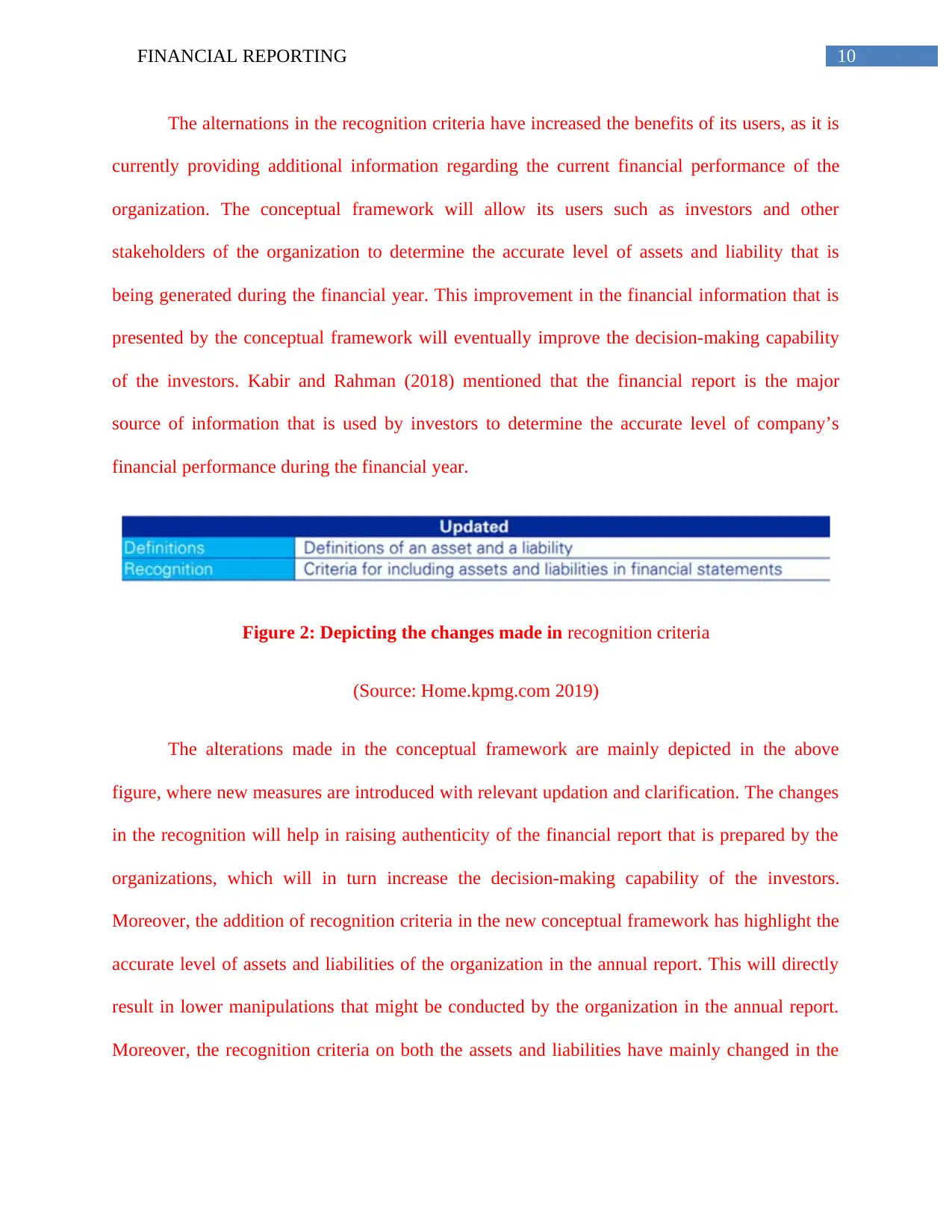
Figure 2: Depicting the changes made in recognition criteria
(Source: Home.kpmg.com 2019)
The alterations made in the conceptual framework are mainly depicted in the above
figure, where new measures are introduced with relevant updation and clarification. The changes
in the recognition will help in raising authenticity of the financial report that is prepared by the
organizations, which will in turn increase the decision-making capability of the investors.
Moreover, the addition of recognition criteria in the new conceptual framework has highlight the
accurate level of assets and liabilities of the organization in the annual report. This will directly
result in lower manipulations that might be conducted by the organization in the annual report.
Moreover, the recognition criteria on both the assets and liabilities have mainly changed in the
The alternations in the recognition criteria have increased the benefits of its users, as it is
currently providing additional information regarding the current financial performance of the
organization. The conceptual framework will allow its users such as investors and other
stakeholders of the organization to determine the accurate level of assets and liability that is
being generated during the financial year. This improvement in the financial information that is
presented by the conceptual framework will eventually improve the decision-making capability
of the investors. Kabir and Rahman (2018) mentioned that the financial report is the major
source of information that is used by investors to determine the accurate level of company’s
financial performance during the financial year.
Figure 2: Depicting the changes made in recognition criteria
(Source: Home.kpmg.com 2019)
The alterations made in the conceptual framework are mainly depicted in the above
figure, where new measures are introduced with relevant updation and clarification. The changes
in the recognition will help in raising authenticity of the financial report that is prepared by the
organizations, which will in turn increase the decision-making capability of the investors.
Moreover, the addition of recognition criteria in the new conceptual framework has highlight the
accurate level of assets and liabilities of the organization in the annual report. This will directly
result in lower manipulations that might be conducted by the organization in the annual report.
Moreover, the recognition criteria on both the assets and liabilities have mainly changed in the
11FINANCIAL REPORTING
new conceptual framework. The changes in the current financial performance of the organization
will mainly be conducted for making adequate investment decisions (Neag and Pascan 2018).
Conclusion:
The new conceptual framework that was depicted during March of 2018 relevantly holds
all the changes that was necessary for improving the financial reports presentation of the
organization. In addition, the conceptual framework mainly changes the measurement of assets
and liabilities, which mainly represents the accurate position of the company. Furthermore, the
recognition criteria have allowed the organization to provide the relevant financial statements.
Therefore, all the relevant information regarding the changes that has been made in the new
conceptual framework has been depicted accordingly in the new article. Hence, the additional
changes are also required, which will be conducted by IASB in future for improving the
reliability of the conceptual framework and increase authenticity of the data presented in the
annual report. Therefore, it can be understood that the changes made in recognition criteria can
alter the levels of assets and liabilities that was previously held by the organization.
new conceptual framework. The changes in the current financial performance of the organization
will mainly be conducted for making adequate investment decisions (Neag and Pascan 2018).
Conclusion:
The new conceptual framework that was depicted during March of 2018 relevantly holds
all the changes that was necessary for improving the financial reports presentation of the
organization. In addition, the conceptual framework mainly changes the measurement of assets
and liabilities, which mainly represents the accurate position of the company. Furthermore, the
recognition criteria have allowed the organization to provide the relevant financial statements.
Therefore, all the relevant information regarding the changes that has been made in the new
conceptual framework has been depicted accordingly in the new article. Hence, the additional
changes are also required, which will be conducted by IASB in future for improving the
reliability of the conceptual framework and increase authenticity of the data presented in the
annual report. Therefore, it can be understood that the changes made in recognition criteria can
alter the levels of assets and liabilities that was previously held by the organization.
⊘ This is a preview!⊘
Do you want full access?
Subscribe today to unlock all pages.
Trusted by 1+ million students worldwide

1 out of 16


Related Documents


Your All-in-One AI-Powered Toolkit for Academic Success.
+13062052269
info@desklib.com
Available 24*7 on WhatsApp / Email
![[object Object]](/_next/static/media/star-bottom.7253800d.svg)
Unlock your academic potential
Copyright © 2020–2026 A2Z Services. All Rights Reserved. Developed and managed by ZUCOL.