Plagiarism and Fundamental Values of Academic Integrity: A Report
VerifiedAdded on 2021/02/20
|5
|1464
|44
Report
AI Summary
This report delves into the critical issues of plagiarism and academic integrity within the realm of education. It examines the importance of originality in student work, analyzing various research methodologies, including qualitative and quantitative approaches, as well as primary and secondary data collection methods. The report highlights the perspectives of key authors like Tracy Bretag, Marilyn Price-Mitchell, and Xin Guo, who emphasize the significance of academic integrity, the impact of plagiarism, and strategies to foster a culture of ethical behavior among students and educators. It explores the common forms of plagiarism, as shown in Table 1, and offers insights into how to address and mitigate these issues. The report concludes by underscoring the need for educators to promote integrity and ethical practices to ensure student success and maintain the credibility of academic institutions. This report is a valuable resource, and Desklib provides similar solved assignments for student success.
Plagiarism and fundamental values of academic integrity
A. Tracy Bretag, B. Marilyn Price-Mitchell and C. Xin Guo
Tracy Bretag, Marilyn Price-Mitchell and Xin Guo
Tracy Bretag, Australia
Marilyn Price-Mitchel, USA.
Xin Guo, UK
Keywords: Academic Integrity; fundamental values of academic integrity; plagiarism;
plagiarism in education; student plagiarism; supportive approach.
Aim:
To ensure and uphold the morality of education by promoting the concept of originality
in own work.
Objective:
To analyse the effectiveness of implementing originality in own work.
To analyse various ways that aid in promoting the concept of originality in work.
To ascertain the relationship between originality in work as well as the morality of
education.
Research Methodology
It is defined as a particular procedure or techniques which is used to find, choose, process
and examine data of specific topic (Shirley, 2016). In order to conduct research methodology in a
proper manner, there are two types of a method by which data can be collected i.e. qualitative
and quantitative.
Qualitative: In this type of data collection, information is collected in a theoretical
manner so that relevant and accurate data can be gathered. This research is conducted through a
focus group, face to face interaction and others by which the research is able to determine client
behaviour towards them. The main advantage of this research is that in this researcher get in-
depth details regarding their topic and they are able to gather accurate and relevant information.
Quantitative: In this type of research, information is gathered in a numerical form so
that it can be transformed into useful statistics. This research can be conducted through, mobile
surveys, online surveys, telephone interviews and so on. But in this research, it is not sure that
data collected by the researcher is correct and is as per their need as well as requirement.
A. Tracy Bretag, B. Marilyn Price-Mitchell and C. Xin Guo
Tracy Bretag, Marilyn Price-Mitchell and Xin Guo
Tracy Bretag, Australia
Marilyn Price-Mitchel, USA.
Xin Guo, UK
Keywords: Academic Integrity; fundamental values of academic integrity; plagiarism;
plagiarism in education; student plagiarism; supportive approach.
Aim:
To ensure and uphold the morality of education by promoting the concept of originality
in own work.
Objective:
To analyse the effectiveness of implementing originality in own work.
To analyse various ways that aid in promoting the concept of originality in work.
To ascertain the relationship between originality in work as well as the morality of
education.
Research Methodology
It is defined as a particular procedure or techniques which is used to find, choose, process
and examine data of specific topic (Shirley, 2016). In order to conduct research methodology in a
proper manner, there are two types of a method by which data can be collected i.e. qualitative
and quantitative.
Qualitative: In this type of data collection, information is collected in a theoretical
manner so that relevant and accurate data can be gathered. This research is conducted through a
focus group, face to face interaction and others by which the research is able to determine client
behaviour towards them. The main advantage of this research is that in this researcher get in-
depth details regarding their topic and they are able to gather accurate and relevant information.
Quantitative: In this type of research, information is gathered in a numerical form so
that it can be transformed into useful statistics. This research can be conducted through, mobile
surveys, online surveys, telephone interviews and so on. But in this research, it is not sure that
data collected by the researcher is correct and is as per their need as well as requirement.
Paraphrase This Document
Need a fresh take? Get an instant paraphrase of this document with our AI Paraphraser

For conducting this research, qualitative method of data collection is an effective method.
It is because it provides in-depth details of research as well as also consist of accurate and
relevant data or information.
It is further divided into approaches i.e. primary and secondary data collection approach.
Primary: In this type of research, approach data is collected with the help of face to face
interview, surveys ad other sources (Lum, 2013). This research is time-consuming and also it
incurs high cost. In addition to this, by conducting primary research investigator gets instant
results from their clients which help them to understand their behavior in a more effective
manner.
Secondary: In this research data is collected from other sources such as articles,
newspapers, internet and many more (Binkley, 2014). It is cost-effective and also saves the time
of the researcher. But in this research, the researcher needs to wait for the client response through
which they are not able to determine their behavior. Due to this, their result gets delayed.
In order to conduct research in an effective way, the secondary research approach is more
suitable. There is various article which helps to promote the concept of originality in work. This
is done through secondary research and it has been determined that articles from authors such as
Tracy Bretag, 2013, Xin Guo, 2011 and Marilyn Price-Mitchell Ph.D., 2015 focus to encourage
the thought of originality in work.
Plagiarism in Education
As per the Tracy Bretag, academic integrity includes a number of values such as honesty,
honor, trust and many more. It also ensures that in research, teaching as well as learning for both
workers and students act in a proper manner (Challenges in Addressing Plagiarism in Education,
2013). Academic integrity also ensures public trust by providing scholarships at all levels of
education which are included in the research process and its results. According to the fact that at
levels of scholarship, student plagiarism takes place. Plagiarism undermines the integrity of
education at levels of award.
Integrity in the Classroom
According to Marilyn Price-Mitchell, there are five ways by which help teachers to
develop a culture of integrity (Integrity in the Classroom, 2019). These are to enhance
vocabulary through responsibility, trust, fairness and other fundamental values of academic
It is because it provides in-depth details of research as well as also consist of accurate and
relevant data or information.
It is further divided into approaches i.e. primary and secondary data collection approach.
Primary: In this type of research, approach data is collected with the help of face to face
interview, surveys ad other sources (Lum, 2013). This research is time-consuming and also it
incurs high cost. In addition to this, by conducting primary research investigator gets instant
results from their clients which help them to understand their behavior in a more effective
manner.
Secondary: In this research data is collected from other sources such as articles,
newspapers, internet and many more (Binkley, 2014). It is cost-effective and also saves the time
of the researcher. But in this research, the researcher needs to wait for the client response through
which they are not able to determine their behavior. Due to this, their result gets delayed.
In order to conduct research in an effective way, the secondary research approach is more
suitable. There is various article which helps to promote the concept of originality in work. This
is done through secondary research and it has been determined that articles from authors such as
Tracy Bretag, 2013, Xin Guo, 2011 and Marilyn Price-Mitchell Ph.D., 2015 focus to encourage
the thought of originality in work.
Plagiarism in Education
As per the Tracy Bretag, academic integrity includes a number of values such as honesty,
honor, trust and many more. It also ensures that in research, teaching as well as learning for both
workers and students act in a proper manner (Challenges in Addressing Plagiarism in Education,
2013). Academic integrity also ensures public trust by providing scholarships at all levels of
education which are included in the research process and its results. According to the fact that at
levels of scholarship, student plagiarism takes place. Plagiarism undermines the integrity of
education at levels of award.
Integrity in the Classroom
According to Marilyn Price-Mitchell, there are five ways by which help teachers to
develop a culture of integrity (Integrity in the Classroom, 2019). These are to enhance
vocabulary through responsibility, trust, fairness and other fundamental values of academic

integrity. In addition to this, to respond appropriately when plagiarism occurs and help students
to believe themselves through which dishonesty and disrespect will be no longer make any sense.
Understanding Student Plagiarism
As per Xin Guo, the main focus is to find out the concern of student plagiarism in
education, to develop a test so that it can influence the behaviour of student plagiarism and
recommend professionals to reduce the incidence of student plagiarism (Understanding Student
Plagiarism: An Empirical Study in Accounting Education, 2019). There are various factors that
indicate student plagiarism such as the impact of culture, gender and so on. Therefore, the author
concludes by the indication that it is the responsibility of educators to apply a supportive
approach to encourage students to be consistent as well as ethical in the academic experience.
RESULT
From the above research conducted regarding how plagiarism in education is impacted.
By applying secondary research method, there are various articles which are written by well-
known authors about plagiarism in education that will affect students honesty, trust, and other
factors. In addition to this, to understand student plagiarism, the main purpose is to develop a test
that brings impact on student behaviours. Along with this, it is the duty of professional educators
to adopt effective approach through which they can motivate students to be consistent, ethical
and maintain integrity in their academics. This will help them to get positive results of their
research and will reduce possibilities of negative consequences
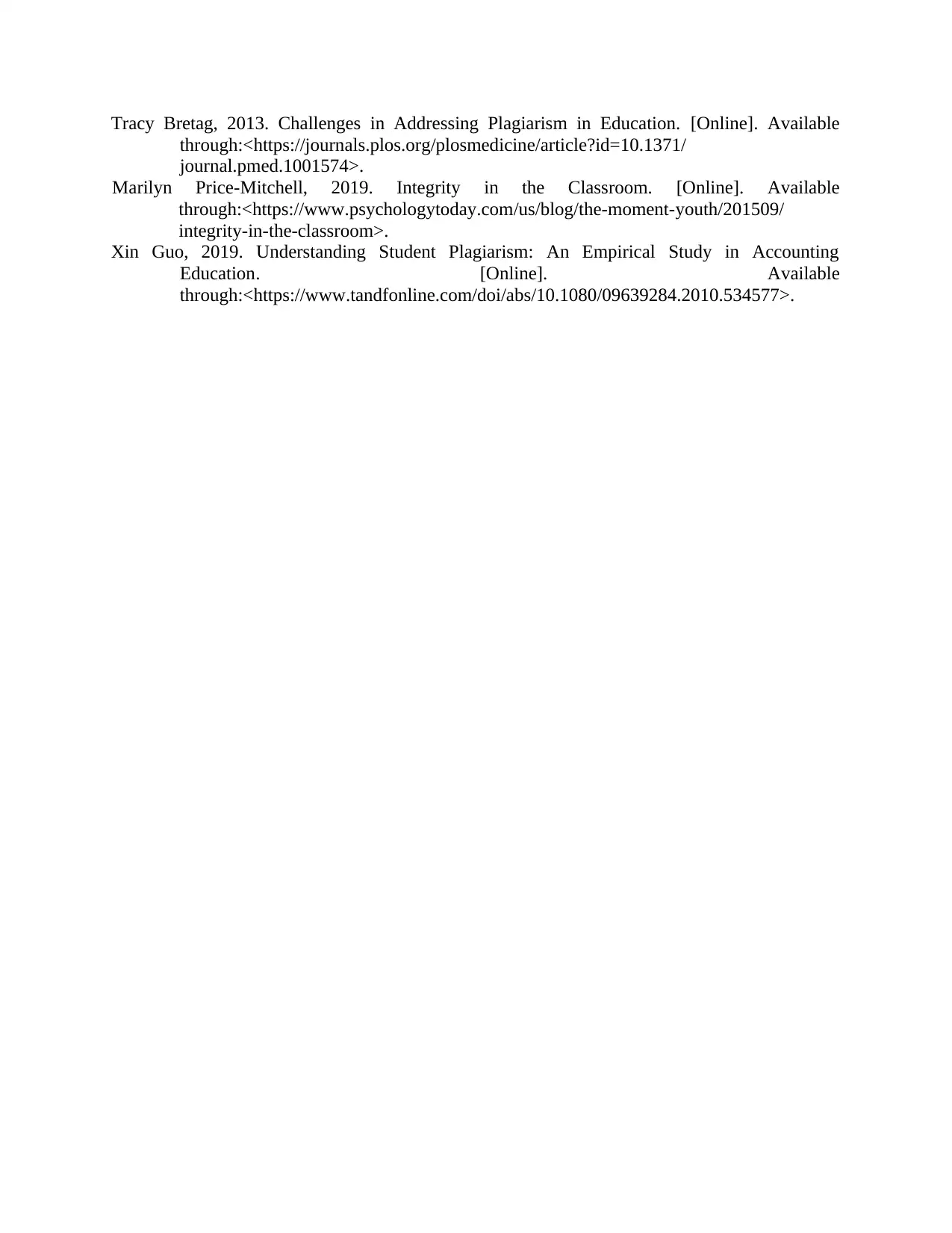
Table 1: Most Common Forms of Plagiarism and Attribution Issues in Research
Paraphrasing 75.00%
Respective Research 71.00%
Secondary source 69.00%
Duplication 63.00%
Verbatim 59.00%
to believe themselves through which dishonesty and disrespect will be no longer make any sense.
Understanding Student Plagiarism
As per Xin Guo, the main focus is to find out the concern of student plagiarism in
education, to develop a test so that it can influence the behaviour of student plagiarism and
recommend professionals to reduce the incidence of student plagiarism (Understanding Student
Plagiarism: An Empirical Study in Accounting Education, 2019). There are various factors that
indicate student plagiarism such as the impact of culture, gender and so on. Therefore, the author
concludes by the indication that it is the responsibility of educators to apply a supportive
approach to encourage students to be consistent as well as ethical in the academic experience.
RESULT
From the above research conducted regarding how plagiarism in education is impacted.
By applying secondary research method, there are various articles which are written by well-
known authors about plagiarism in education that will affect students honesty, trust, and other
factors. In addition to this, to understand student plagiarism, the main purpose is to develop a test
that brings impact on student behaviours. Along with this, it is the duty of professional educators
to adopt effective approach through which they can motivate students to be consistent, ethical
and maintain integrity in their academics. This will help them to get positive results of their
research and will reduce possibilities of negative consequences
Table 1: Most Common Forms of Plagiarism and Attribution Issues in Research
Paraphrasing 75.00%
Respective Research 71.00%
Secondary source 69.00%
Duplication 63.00%
Verbatim 59.00%
⊘ This is a preview!⊘
Do you want full access?
Subscribe today to unlock all pages.

Trusted by 1+ million students worldwide

(Source: Researchers identify most common forms of plagiarism, 2019 )
CONCLUSION
From the above research, it is concluded that plagiarism in education will act as a source
of demotivation to students as through this, they will not be able to enhance their skills and
abilities. Though to reduce plagiarism, it is the duty of educators to build integrity culture and
adopt fundamental values such as trust, honesty and so on. Along with this, professors also make
effective use of approaches that will motivate students in terms of ethics, consistency and other
factors. Therefore, reduction in integrity on education will help students minimize their negative
consequences and will also develop their credibility as well as reputation. Therefore it is
necessary to maintain in education so that it does not affect student trust, fairness, responsibility
and other values which demotivate them and lead in adverse results.
REFERENCES
Books and Journals
Shirley, D. (2016). The new imperatives of educational change: Achievement with integrity.
Routledge.
Lum, J. (2013). Peace education: past, present, and future.
Binkley, S. (2014). Happiness as enterprise: An essay on neoliberal life. Suny Press.
Moordiningsih, M. (2013). Why Harmony, not integrity? Character building and happiness in
Javanese Perspectives.
Senge, P. (2016). EDUCATION FOR SUSTAINABILITY. Education for Sustainable
Happiness and Well-Being. 85.
Online
Figure 1: Researchers identify most common forms of plagiarism
(Source: Researchers identify most common forms of plagiarism, 2019 )
CONCLUSION
From the above research, it is concluded that plagiarism in education will act as a source
of demotivation to students as through this, they will not be able to enhance their skills and
abilities. Though to reduce plagiarism, it is the duty of educators to build integrity culture and
adopt fundamental values such as trust, honesty and so on. Along with this, professors also make
effective use of approaches that will motivate students in terms of ethics, consistency and other
factors. Therefore, reduction in integrity on education will help students minimize their negative
consequences and will also develop their credibility as well as reputation. Therefore it is
necessary to maintain in education so that it does not affect student trust, fairness, responsibility
and other values which demotivate them and lead in adverse results.
REFERENCES
Books and Journals
Shirley, D. (2016). The new imperatives of educational change: Achievement with integrity.
Routledge.
Lum, J. (2013). Peace education: past, present, and future.
Binkley, S. (2014). Happiness as enterprise: An essay on neoliberal life. Suny Press.
Moordiningsih, M. (2013). Why Harmony, not integrity? Character building and happiness in
Javanese Perspectives.
Senge, P. (2016). EDUCATION FOR SUSTAINABILITY. Education for Sustainable
Happiness and Well-Being. 85.
Online
Figure 1: Researchers identify most common forms of plagiarism
(Source: Researchers identify most common forms of plagiarism, 2019 )
Paraphrase This Document
Need a fresh take? Get an instant paraphrase of this document with our AI Paraphraser

Tracy Bretag, 2013. Challenges in Addressing Plagiarism in Education. [Online]. Available
through:<https://journals.plos.org/plosmedicine/article?id=10.1371/
journal.pmed.1001574>.
Marilyn Price-Mitchell, 2019. Integrity in the Classroom. [Online]. Available
through:<https://www.psychologytoday.com/us/blog/the-moment-youth/201509/
integrity-in-the-classroom>.
Xin Guo, 2019. Understanding Student Plagiarism: An Empirical Study in Accounting
Education. [Online]. Available
through:<https://www.tandfonline.com/doi/abs/10.1080/09639284.2010.534577>.
through:<https://journals.plos.org/plosmedicine/article?id=10.1371/
journal.pmed.1001574>.
Marilyn Price-Mitchell, 2019. Integrity in the Classroom. [Online]. Available
through:<https://www.psychologytoday.com/us/blog/the-moment-youth/201509/
integrity-in-the-classroom>.
Xin Guo, 2019. Understanding Student Plagiarism: An Empirical Study in Accounting
Education. [Online]. Available
through:<https://www.tandfonline.com/doi/abs/10.1080/09639284.2010.534577>.
1 out of 5
Related Documents
Your All-in-One AI-Powered Toolkit for Academic Success.
+13062052269
info@desklib.com
Available 24*7 on WhatsApp / Email
Unlock your academic potential
Copyright © 2020–2026 A2Z Services. All Rights Reserved. Developed and managed by ZUCOL.