ECO 802: International Finance and Banking - US Finance Crisis
VerifiedAdded on 2023/01/17
|13
|3563
|54
Report
AI Summary
This report examines the crisis of finance-led capitalism in the United States, tracing its roots from the post-World War II economic boom to the financial instability of the late 20th century. It highlights key factors such as the decline of Fordist production, rising labor costs, and increased international competition, alongside shifts in monetary policy and deregulation. The report identifies problems like rising inflation, declining dollar value, and the rise of financial liberalization. It analyzes the phases of economic growth, emphasizing the impact of monetary policies and the role of foreign investment. The report provides a detailed analysis of the US economic landscape, the contributing factors and proposes recommendations for mitigating future financial crises.
Running head: International finance and banking-The crisis of finance-led capitalism in the
United States
International finance and banking-The crisis of finance-led capitalism in the United States
Name of the student:
Student ID:
Course name:
Course ID:
United States
International finance and banking-The crisis of finance-led capitalism in the United States
Name of the student:
Student ID:
Course name:
Course ID:

Paraphrase This Document
Need a fresh take? Get an instant paraphrase of this document with our AI Paraphraser
1
International finance and banking-The crisis of finance-led capitalism in the United States
Table of Contents
Introduction......................................................................................................................................2
Background of the case study..........................................................................................................2
Identification of the problem in the case study................................................................................6
Recommendation.............................................................................................................................8
Conclusion.......................................................................................................................................9
Reference list.................................................................................................................................10
International finance and banking-The crisis of finance-led capitalism in the United States
Table of Contents
Introduction......................................................................................................................................2
Background of the case study..........................................................................................................2
Identification of the problem in the case study................................................................................6
Recommendation.............................................................................................................................8
Conclusion.......................................................................................................................................9
Reference list.................................................................................................................................10
2
International finance and banking-The crisis of finance-led capitalism in the United States
Introduction
The whole study is going to identify the reasons that are mainly incorporating the
financial problems leading to the financial crisis that will not only allow the development of
better policies from the government end. The main aim of this study is to identify the finance led
crisis that is happening to the economy of US. The study is important in the sense that with the
growth in the trade and commerce is actually growing the capital stock within the country and
that is actually creating lots of crisis in the US economy. Through the identification of the crisis
matters, the study will be willing to identify the policies that can be taken by the government so
that the financial crisis can be mitigated. It is important aspects in the sense that mitigation of the
crisis will be helpful for the development of economy as the government will be able to allocate
the resources that will increase the overall production ability of the US economy.
Background of the case study
In the given case study, it has been seen that US economy even after 25 years of Second
World War, the economy was gaining continuous growth and has been continuously contributing
to the world GDP. Fordist technology of mass production that was implemented before the war
started to gain their momentum and they started to increase the productivity of the economy as
well as the intensity of the labor. Successful formation of labor unions increased the real wages
of the employees to increase and the demand of the internal economy started to rise. Even the
industries and commercial firms started to gain the earnings from the increased growth of the
fixed investments (Hein, Detzer & Dodig, 2016). Through the increase in the rate of investment,
the loan able capacity of the economy is going to increase by huge margin. External finance was
obtained from financial sectors that were remaining under financial constraint since 1929 crisis.
International finance and banking-The crisis of finance-led capitalism in the United States
Introduction
The whole study is going to identify the reasons that are mainly incorporating the
financial problems leading to the financial crisis that will not only allow the development of
better policies from the government end. The main aim of this study is to identify the finance led
crisis that is happening to the economy of US. The study is important in the sense that with the
growth in the trade and commerce is actually growing the capital stock within the country and
that is actually creating lots of crisis in the US economy. Through the identification of the crisis
matters, the study will be willing to identify the policies that can be taken by the government so
that the financial crisis can be mitigated. It is important aspects in the sense that mitigation of the
crisis will be helpful for the development of economy as the government will be able to allocate
the resources that will increase the overall production ability of the US economy.
Background of the case study
In the given case study, it has been seen that US economy even after 25 years of Second
World War, the economy was gaining continuous growth and has been continuously contributing
to the world GDP. Fordist technology of mass production that was implemented before the war
started to gain their momentum and they started to increase the productivity of the economy as
well as the intensity of the labor. Successful formation of labor unions increased the real wages
of the employees to increase and the demand of the internal economy started to rise. Even the
industries and commercial firms started to gain the earnings from the increased growth of the
fixed investments (Hein, Detzer & Dodig, 2016). Through the increase in the rate of investment,
the loan able capacity of the economy is going to increase by huge margin. External finance was
obtained from financial sectors that were remaining under financial constraint since 1929 crisis.
⊘ This is a preview!⊘
Do you want full access?
Subscribe today to unlock all pages.

Trusted by 1+ million students worldwide
3
International finance and banking-The crisis of finance-led capitalism in the United States
During that period the US economy faced lots of trade and commerce with many developed
countries. This happened mainly due to stable growth of the internal monetary policies based on
US dollar and fixed exchange rates. On the other hand, through the sublime development of the
internal monetary policy will be willing to introduce the development of the business in an
effective manner (Hein, Detzer & Dodig, 2016). During the period of late 1960, the US army
faced defeat in the jungles of South-East Asia and the financial crisis started to ignite slowly.
Even after the implementation of the fordist model and increase in the investment, the labor
productivity was not increasing by that much.
The young employees living in the economy those who had not faced the mass
unemployment of 1930 was not ready to change their demands for rising wages, and along with
the industrial conflicts, the profitability started to decline by huge amount. On the other hand,
during the period of 1970, the international economies started to demand primary goods and
commodities that immediately increased the price of the products (Hein, Detzer & Dodig, 2016).
Moreover, in the US economy the firms who were once a giant started to face challenge by the
firms operating in Europe and Japan. Adding to the woes, the US trade balance faced a strong
deterioration that immediately forced their current account to face deficit. It is important in the
sense that responding to this situation, the US government took the decision not to convert the
huge quantity of dollars to gold (Hein, Detzer & Dodig, 2016). This is proving to be one of the
biggest issues in the economy. After 1973, the US economy literally abolished the fixed
exchange rate. This was done mainly to devalue the dollar, so that they can cheap their exports
so that they can compete with their competitors.
However, in the second half of 1970, the US economy took expansive fiscal policies so
that they can increase the internal demand of the country. They decided to promote the exporters
International finance and banking-The crisis of finance-led capitalism in the United States
During that period the US economy faced lots of trade and commerce with many developed
countries. This happened mainly due to stable growth of the internal monetary policies based on
US dollar and fixed exchange rates. On the other hand, through the sublime development of the
internal monetary policy will be willing to introduce the development of the business in an
effective manner (Hein, Detzer & Dodig, 2016). During the period of late 1960, the US army
faced defeat in the jungles of South-East Asia and the financial crisis started to ignite slowly.
Even after the implementation of the fordist model and increase in the investment, the labor
productivity was not increasing by that much.
The young employees living in the economy those who had not faced the mass
unemployment of 1930 was not ready to change their demands for rising wages, and along with
the industrial conflicts, the profitability started to decline by huge amount. On the other hand,
during the period of 1970, the international economies started to demand primary goods and
commodities that immediately increased the price of the products (Hein, Detzer & Dodig, 2016).
Moreover, in the US economy the firms who were once a giant started to face challenge by the
firms operating in Europe and Japan. Adding to the woes, the US trade balance faced a strong
deterioration that immediately forced their current account to face deficit. It is important in the
sense that responding to this situation, the US government took the decision not to convert the
huge quantity of dollars to gold (Hein, Detzer & Dodig, 2016). This is proving to be one of the
biggest issues in the economy. After 1973, the US economy literally abolished the fixed
exchange rate. This was done mainly to devalue the dollar, so that they can cheap their exports
so that they can compete with their competitors.
However, in the second half of 1970, the US economy took expansive fiscal policies so
that they can increase the internal demand of the country. They decided to promote the exporters
Paraphrase This Document
Need a fresh take? Get an instant paraphrase of this document with our AI Paraphraser
4
International finance and banking-The crisis of finance-led capitalism in the United States
so that they can weaken up the dollar values. This policy was handy for a certain period but as
the inflation within the economy started to rise, the policy too became unsustainable. Due to
steady decline of the dollar value, the stakeholders decided to minimize the rate of investments in
the economy. The economy was having less amount of the investment and was bothering about
the rate of economic growth within the economy. The development of the high capital returns
will be attracted more for the short-term return but they forget the associated risks that are having
with them. On the other hand, the unprecedented level of the interest rates has led to the collapse
of investment and have initiated period of recession from 1980-1982 (Hein, Detzer & Dodig,
2016). Rise in the unemployment has strictly broken the backbone of the labor unions
demanding for high wages. On the other hand, the sharp rise in the interest rate and sharp decline
in the commodity price has not allowed many banks to pay the price of the loans and they were
not interested in investing in the country.
The phase of capitalism in the US economy has started from the period of 1980 and the
characteristics were mainly the weaker labor sections. On the other hand, the unemployment was
increasing continuously in the economy. In the period of 1979, the unemployment was about
5.9% and the number increased straight to about 9.8% in 1982. However, on the verge of the
capital growth in the economy, the country was not focusing on the development of the resource
distribution that will be mainly aiming to increase the capacity of the economy. High inflation in
the country was mainly eroding of the wages of the economy but the main concern of the
employees was to keep their jobs intact (Hein, Detzer & Dodig, 2016). Task of many corporate
takeover, downsizing and outsourcing has forced the fear among the employees to keep their
jobs. Banking act of 1993 regulated the monitoring of the financial activities that is mainly
helping in the development of the business. Through the separation of commercial and
International finance and banking-The crisis of finance-led capitalism in the United States
so that they can weaken up the dollar values. This policy was handy for a certain period but as
the inflation within the economy started to rise, the policy too became unsustainable. Due to
steady decline of the dollar value, the stakeholders decided to minimize the rate of investments in
the economy. The economy was having less amount of the investment and was bothering about
the rate of economic growth within the economy. The development of the high capital returns
will be attracted more for the short-term return but they forget the associated risks that are having
with them. On the other hand, the unprecedented level of the interest rates has led to the collapse
of investment and have initiated period of recession from 1980-1982 (Hein, Detzer & Dodig,
2016). Rise in the unemployment has strictly broken the backbone of the labor unions
demanding for high wages. On the other hand, the sharp rise in the interest rate and sharp decline
in the commodity price has not allowed many banks to pay the price of the loans and they were
not interested in investing in the country.
The phase of capitalism in the US economy has started from the period of 1980 and the
characteristics were mainly the weaker labor sections. On the other hand, the unemployment was
increasing continuously in the economy. In the period of 1979, the unemployment was about
5.9% and the number increased straight to about 9.8% in 1982. However, on the verge of the
capital growth in the economy, the country was not focusing on the development of the resource
distribution that will be mainly aiming to increase the capacity of the economy. High inflation in
the country was mainly eroding of the wages of the economy but the main concern of the
employees was to keep their jobs intact (Hein, Detzer & Dodig, 2016). Task of many corporate
takeover, downsizing and outsourcing has forced the fear among the employees to keep their
jobs. Banking act of 1993 regulated the monitoring of the financial activities that is mainly
helping in the development of the business. Through the separation of commercial and
5
International finance and banking-The crisis of finance-led capitalism in the United States
investment banks, the US economy wanted to expand the financial business that has enabled the
development of the better quality of the business.
The main aim of these banking regulations it is important for the banking sectors innovations in
the banking technology was introduced so that the development of the investment will increase
investment in the economy. Through the development of the better innovations in the banking,
industry the government of the US economy will be able to identify the innovations that will be
increasing the production ability of the government to increase the resource distribution. On the
other hand, through the innovative design of the products, it is important for the country like US
to indulge in safe business. Process of financial liberalization took place in the economy in the
year 1933 (Abedifar, Ebrahim, Molyneux & Tarazi, 2015). It is aimed to make the interest rate
fixed to the ceiling rate so that no mismatch of the data will be able to identify the gaps among
the resource utilization. The banking commission removed many restrictions from the savings
and loans associations (S&L) so that they can increase the development of the banking industry.
It is aiming the improvement of the financial conditions that is prevailing in the economy will
definitely pull the country from the deep crisis in the form of financial mismatch. This is
important in the sense that through the incorporation of financial moderation the government will
be able to highlight the gaps in the policies that the economy is aiming to indulge so that the long
run growths can be highly achieved (Buch & Goldberg, 2015).
Under this scheme of the policy, the S&L started to expand their business by overlooking
the loss of financial crisis that actually hampered the US economy during the period of late
1980’s and early 1990’s. However, the government aimed at increasing the resource distribution
and came to rescue the banking sector from drowning by injecting help of about $150 billion.
The development of the financial sectors in the economy of US was having deep impact on the
International finance and banking-The crisis of finance-led capitalism in the United States
investment banks, the US economy wanted to expand the financial business that has enabled the
development of the better quality of the business.
The main aim of these banking regulations it is important for the banking sectors innovations in
the banking technology was introduced so that the development of the investment will increase
investment in the economy. Through the development of the better innovations in the banking,
industry the government of the US economy will be able to identify the innovations that will be
increasing the production ability of the government to increase the resource distribution. On the
other hand, through the innovative design of the products, it is important for the country like US
to indulge in safe business. Process of financial liberalization took place in the economy in the
year 1933 (Abedifar, Ebrahim, Molyneux & Tarazi, 2015). It is aimed to make the interest rate
fixed to the ceiling rate so that no mismatch of the data will be able to identify the gaps among
the resource utilization. The banking commission removed many restrictions from the savings
and loans associations (S&L) so that they can increase the development of the banking industry.
It is aiming the improvement of the financial conditions that is prevailing in the economy will
definitely pull the country from the deep crisis in the form of financial mismatch. This is
important in the sense that through the incorporation of financial moderation the government will
be able to highlight the gaps in the policies that the economy is aiming to indulge so that the long
run growths can be highly achieved (Buch & Goldberg, 2015).
Under this scheme of the policy, the S&L started to expand their business by overlooking
the loss of financial crisis that actually hampered the US economy during the period of late
1980’s and early 1990’s. However, the government aimed at increasing the resource distribution
and came to rescue the banking sector from drowning by injecting help of about $150 billion.
The development of the financial sectors in the economy of US was having deep impact on the
⊘ This is a preview!⊘
Do you want full access?
Subscribe today to unlock all pages.
Trusted by 1+ million students worldwide
6
International finance and banking-The crisis of finance-led capitalism in the United States
non-financial institutes. The investors of the institution were putting pressure on the non-
financial corporation’s regarding the profitability within the economy. Through the development
of the government presence, the economy was able to identify the increasing gaps. Companies in
the US economy that failed to meet the guidelines was threatened about the share holders selling
their shares. On the other hand, through the innovation in the product design was able to
highlight the incorporation of the development of better banking industry. The non-financial
firms started to buy back their own shares so that they can strengthen their prices taking the
guard against the share prices of the commodity. It is important in the sense that through the
open minded communication with the shareholders, the economy will be looking for the
development in the technologies that will not only improve the development of the banking
industry but this will bring the development of the resources that will be effective in order to
increase the involvement of the stakeholders.
Identification of the problem in the case study
The phases of the economic growth in the US economy can be classified into four phases.
The first phase of the economic development is mainly for the time of 1983-1989. The main
reason for the development of this phase is the expansionary monetary policy that the
government has taken. During this point of time, the US economy increased the spending on the
military and cut the business taxes. The decrease in the business tax aimed at increasing the
amount of the business and the investments in the US economy started to flourish.
International finance and banking-The crisis of finance-led capitalism in the United States
non-financial institutes. The investors of the institution were putting pressure on the non-
financial corporation’s regarding the profitability within the economy. Through the development
of the government presence, the economy was able to identify the increasing gaps. Companies in
the US economy that failed to meet the guidelines was threatened about the share holders selling
their shares. On the other hand, through the innovation in the product design was able to
highlight the incorporation of the development of better banking industry. The non-financial
firms started to buy back their own shares so that they can strengthen their prices taking the
guard against the share prices of the commodity. It is important in the sense that through the
open minded communication with the shareholders, the economy will be looking for the
development in the technologies that will not only improve the development of the banking
industry but this will bring the development of the resources that will be effective in order to
increase the involvement of the stakeholders.
Identification of the problem in the case study
The phases of the economic growth in the US economy can be classified into four phases.
The first phase of the economic development is mainly for the time of 1983-1989. The main
reason for the development of this phase is the expansionary monetary policy that the
government has taken. During this point of time, the US economy increased the spending on the
military and cut the business taxes. The decrease in the business tax aimed at increasing the
amount of the business and the investments in the US economy started to flourish.
Paraphrase This Document
Need a fresh take? Get an instant paraphrase of this document with our AI Paraphraser
7
International finance and banking-The crisis of finance-led capitalism in the United States
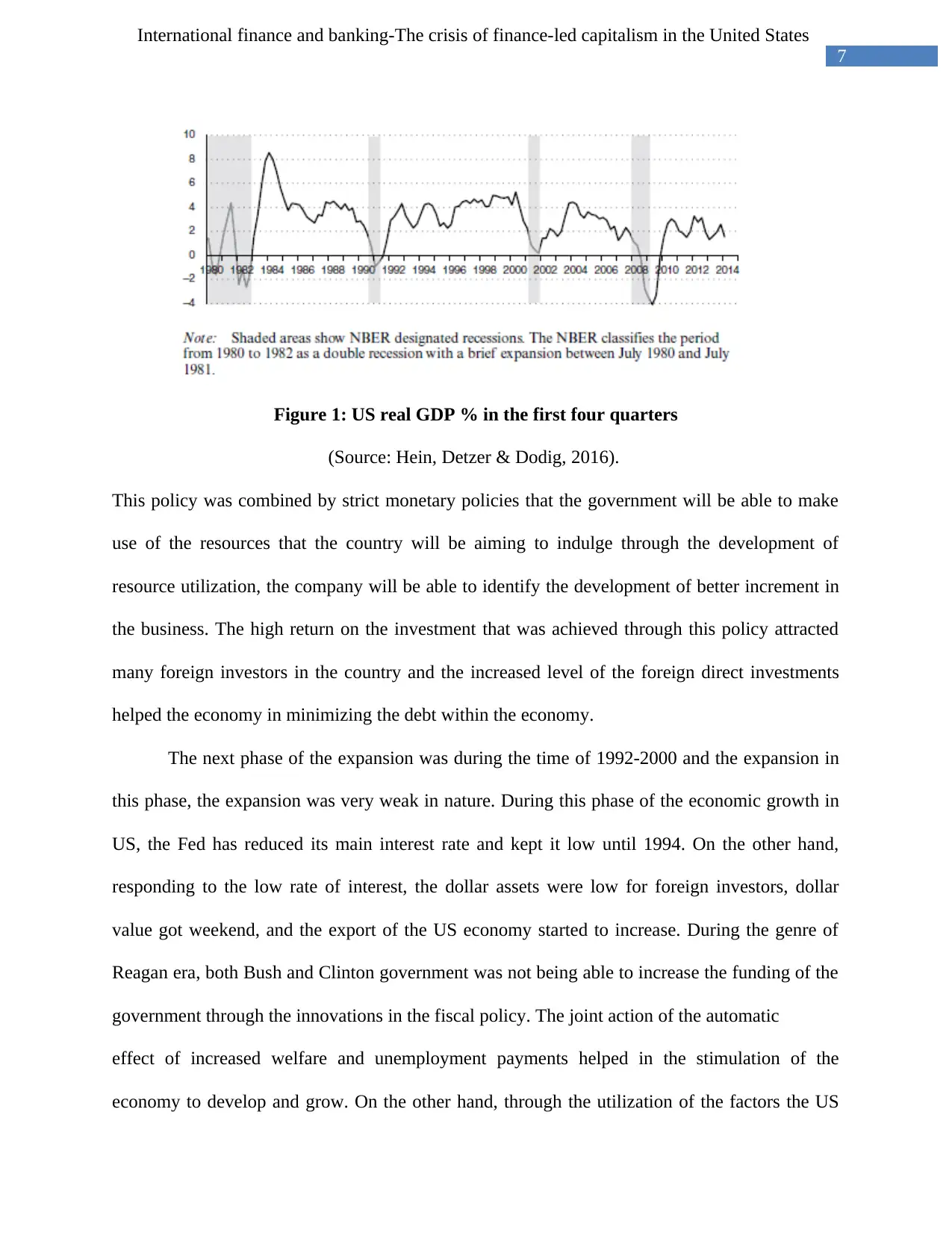
Figure 1: US real GDP % in the first four quarters
(Source: Hein, Detzer & Dodig, 2016).
This policy was combined by strict monetary policies that the government will be able to make
use of the resources that the country will be aiming to indulge through the development of
resource utilization, the company will be able to identify the development of better increment in
the business. The high return on the investment that was achieved through this policy attracted
many foreign investors in the country and the increased level of the foreign direct investments
helped the economy in minimizing the debt within the economy.
The next phase of the expansion was during the time of 1992-2000 and the expansion in
this phase, the expansion was very weak in nature. During this phase of the economic growth in
US, the Fed has reduced its main interest rate and kept it low until 1994. On the other hand,
responding to the low rate of interest, the dollar assets were low for foreign investors, dollar
value got weekend, and the export of the US economy started to increase. During the genre of
Reagan era, both Bush and Clinton government was not being able to increase the funding of the
government through the innovations in the fiscal policy. The joint action of the automatic
effect of increased welfare and unemployment payments helped in the stimulation of the
economy to develop and grow. On the other hand, through the utilization of the factors the US
International finance and banking-The crisis of finance-led capitalism in the United States
Figure 1: US real GDP % in the first four quarters
(Source: Hein, Detzer & Dodig, 2016).
This policy was combined by strict monetary policies that the government will be able to make
use of the resources that the country will be aiming to indulge through the development of
resource utilization, the company will be able to identify the development of better increment in
the business. The high return on the investment that was achieved through this policy attracted
many foreign investors in the country and the increased level of the foreign direct investments
helped the economy in minimizing the debt within the economy.
The next phase of the expansion was during the time of 1992-2000 and the expansion in
this phase, the expansion was very weak in nature. During this phase of the economic growth in
US, the Fed has reduced its main interest rate and kept it low until 1994. On the other hand,
responding to the low rate of interest, the dollar assets were low for foreign investors, dollar
value got weekend, and the export of the US economy started to increase. During the genre of
Reagan era, both Bush and Clinton government was not being able to increase the funding of the
government through the innovations in the fiscal policy. The joint action of the automatic
effect of increased welfare and unemployment payments helped in the stimulation of the
economy to develop and grow. On the other hand, through the utilization of the factors the US
8
International finance and banking-The crisis of finance-led capitalism in the United States
economy was aiming to indulge the development of better business environment that has not
only helped in the development of the business but will also increase the innovations in the
economy. Through the utilization of the resources in form of both capital and human will indulge
the development of the business. Since 1970, the unemployment in the economy fell and the real
wage started to increase. During this period, the payments were so strong that it gave rise to the
surplus in the government budget. On the other hand, the expansion was highly dependent on the
borrowings of non-financial corporations. Through the improvement in the resource utilization,
the US economy will be mainly looking for the development of better fiscal and monetary
policies. The main problem that was highlighted in the study is regarding the development of
better implementation of the programme and most of the phase has seen the mismatch of the
data. On the other hand, through the resource utilization, the government of the US economy will
be able to identify the development of resources. On the other hand, the economy will be looking
forward to implement the development of the gaps. Expansion of the buyback policy will be
helping the company in order to implement the technologies in the economy. On the other hand,
the development of resource utilization will be helping in the improvement of the factor
resolution that will indulge the development of investment. One of the major problems that have
been highlighted from the study is that the employees and the banking sectors are not clear about
the rules and regulations and the policies that are mainly brought into the economy. The abiding
of the rules and regulations has brought in lots of hamper from the development of the business
and government came to rescue the drowning government sectors.
Recommendation
It is required for the government to increase the resources utilization and they should take
both the fiscal and monetary policy. It is important for the government to increase the resource
International finance and banking-The crisis of finance-led capitalism in the United States
economy was aiming to indulge the development of better business environment that has not
only helped in the development of the business but will also increase the innovations in the
economy. Through the utilization of the resources in form of both capital and human will indulge
the development of the business. Since 1970, the unemployment in the economy fell and the real
wage started to increase. During this period, the payments were so strong that it gave rise to the
surplus in the government budget. On the other hand, the expansion was highly dependent on the
borrowings of non-financial corporations. Through the improvement in the resource utilization,
the US economy will be mainly looking for the development of better fiscal and monetary
policies. The main problem that was highlighted in the study is regarding the development of
better implementation of the programme and most of the phase has seen the mismatch of the
data. On the other hand, through the resource utilization, the government of the US economy will
be able to identify the development of resources. On the other hand, the economy will be looking
forward to implement the development of the gaps. Expansion of the buyback policy will be
helping the company in order to implement the technologies in the economy. On the other hand,
the development of resource utilization will be helping in the improvement of the factor
resolution that will indulge the development of investment. One of the major problems that have
been highlighted from the study is that the employees and the banking sectors are not clear about
the rules and regulations and the policies that are mainly brought into the economy. The abiding
of the rules and regulations has brought in lots of hamper from the development of the business
and government came to rescue the drowning government sectors.
Recommendation
It is required for the government to increase the resources utilization and they should take
both the fiscal and monetary policy. It is important for the government to increase the resource
⊘ This is a preview!⊘
Do you want full access?
Subscribe today to unlock all pages.
Trusted by 1+ million students worldwide
9
International finance and banking-The crisis of finance-led capitalism in the United States
utilization, the country will be aiming to increase the development of the business as better and
effective policies will be bringing in effective business environment that has highlighted the
incorporation of the business. It has been seen in the study, that in order to indulge better policies
through better communication. However, it has been seen that in order to bring more
effectiveness to the business organizations, the bank will have to predict the future. This is
important in the sense that innovations in the business will be helpful for the incorporation of
services that will be indulging the improvement. It has been seen that in order to allocate the
resources to the desired level of the business it is important to indulge better policies.
Conclusion
The study will be aiming at increasing the involvement of the government regarding the
monetary and fiscal policies that will definitely allow the information to be spread so that the
banking and financial institutes will be aiming to indulge deeply regarding the incorporation of
better business environment. On the other hand, through the involvement of better monetary
policies the study has claimed to increase the monitoring power of the government and financial
institutions.
International finance and banking-The crisis of finance-led capitalism in the United States
utilization, the country will be aiming to increase the development of the business as better and
effective policies will be bringing in effective business environment that has highlighted the
incorporation of the business. It has been seen in the study, that in order to indulge better policies
through better communication. However, it has been seen that in order to bring more
effectiveness to the business organizations, the bank will have to predict the future. This is
important in the sense that innovations in the business will be helpful for the incorporation of
services that will be indulging the improvement. It has been seen that in order to allocate the
resources to the desired level of the business it is important to indulge better policies.
Conclusion
The study will be aiming at increasing the involvement of the government regarding the
monetary and fiscal policies that will definitely allow the information to be spread so that the
banking and financial institutes will be aiming to indulge deeply regarding the incorporation of
better business environment. On the other hand, through the involvement of better monetary
policies the study has claimed to increase the monitoring power of the government and financial
institutions.
Paraphrase This Document
Need a fresh take? Get an instant paraphrase of this document with our AI Paraphraser
10
International finance and banking-The crisis of finance-led capitalism in the United States
Reference list
Abedifar, P., Ebrahim, S. M., Molyneux, P., & Tarazi, A. (2015). Islamic banking and finance:
Recent empirical literature and directions for future research. Journal of Economic
Surveys, 29(4), 637-670.
Avdjiev, S., McCauley, R. N., & Shin, H. S. (2016). Breaking free of the triple coincidence in
international finance. Economic Policy, 31(87), 409-451.
Ban, C., Seabrooke, L., & Freitas, S. (2016). Grey matter in shadow banking: international
organizations and expert strategies in global financial governance. Review of
International Political Economy, 23(6), 1001-1033.
Berrospide, J., Correa, R., Goldberg, L., & Niepmann, F. (2016). International banking and
cross-border effects of regulation: lessons from the United States (No. w22645). National
Bureau of Economic Research.
Buch, C. M., & Goldberg, L. S. (2015). International banking and liquidity risk transmission:
Lessons from across countries. IMF Economic Review, 63(3), 377-410.
Caglayan, M., & Talavera, O. (2016). Dollarization, liquidity and performance: Evidence from
Turkish banking.
Chen, R. (2017). Essays on International Trade and Finance: An Empirical Assessment of Food
Safety and Banking Crises.
Cranston, R. (2018). Principles of banking law. Oxford University Press.
Cumming, D., Filatotchev, I., Knill, A., Reeb, D. M., & Senbet, L. (2017). Law, finance, and the
international mobility of corporate governance.
Dungey, M., & Gajurel, D. (2015). Contagion and banking crisis–International evidence for
2007–2009. Journal of Banking & Finance, 60, 271-283.
International finance and banking-The crisis of finance-led capitalism in the United States
Reference list
Abedifar, P., Ebrahim, S. M., Molyneux, P., & Tarazi, A. (2015). Islamic banking and finance:
Recent empirical literature and directions for future research. Journal of Economic
Surveys, 29(4), 637-670.
Avdjiev, S., McCauley, R. N., & Shin, H. S. (2016). Breaking free of the triple coincidence in
international finance. Economic Policy, 31(87), 409-451.
Ban, C., Seabrooke, L., & Freitas, S. (2016). Grey matter in shadow banking: international
organizations and expert strategies in global financial governance. Review of
International Political Economy, 23(6), 1001-1033.
Berrospide, J., Correa, R., Goldberg, L., & Niepmann, F. (2016). International banking and
cross-border effects of regulation: lessons from the United States (No. w22645). National
Bureau of Economic Research.
Buch, C. M., & Goldberg, L. S. (2015). International banking and liquidity risk transmission:
Lessons from across countries. IMF Economic Review, 63(3), 377-410.
Caglayan, M., & Talavera, O. (2016). Dollarization, liquidity and performance: Evidence from
Turkish banking.
Chen, R. (2017). Essays on International Trade and Finance: An Empirical Assessment of Food
Safety and Banking Crises.
Cranston, R. (2018). Principles of banking law. Oxford University Press.
Cumming, D., Filatotchev, I., Knill, A., Reeb, D. M., & Senbet, L. (2017). Law, finance, and the
international mobility of corporate governance.
Dungey, M., & Gajurel, D. (2015). Contagion and banking crisis–International evidence for
2007–2009. Journal of Banking & Finance, 60, 271-283.
11
International finance and banking-The crisis of finance-led capitalism in the United States
Emmenegger, P. (2015). The long arm of justice: US structural power and international
banking. Business and Politics, 17(3), 473-493.
Frieden, J. (2016). The governance of international finance. Annual Review of Political
Science, 19, 33-48.
Hein, E., Detzer, D., & Dodig, N. (Eds.). (2016). Financialisation and the financial and
economic crises: country studies. Edward Elgar Publishing.
Hoffmann, M., Maslov, E., Sørensen, B. E., & Stewen, I. (2018). 11 Shocks and risk sharing in
the EMU: Lessons for Banking and Capital Market Union. Bretton Woods, Brussels, and
Beyond, 85.
Hussain, M., Shahmoradi, A., & Turk, R. (2016). An overview of Islamic finance. Journal of
International Commerce, Economics and Policy, 7(01), 1650003.
Ichiue, H., & Lambert, F. (2016). Post-crisis International Banking: An analysis with new
regulatory survey data. International Monetary Fund.
Kammer, M. A., Norat, M. M., Pinon, M. M., Prasad, A., Towe, M. C. M., & Zeidane, M. Z.
(2015). Islamic finance: Opportunities, challenges, and policy options (No. 15).
International Monetary Fund.
McCauley, R. N., Bénétrix, A. S., McGuire, P. M., & von Peter, G. (2019). Financial
deglobalisation in banking?. Journal of International Money and Finance, 94, 116-131.
Naceur, M. S. B., Barajas, M. A., & Massara, M. A. (2015). Can Islamic banking increase
financial inclusion? (No. 15-31). International Monetary Fund.
Sosa-Padilla, C. (2018). Sovereign defaults and banking crises. Journal of Monetary
Economics, 99, 88-105.
International finance and banking-The crisis of finance-led capitalism in the United States
Emmenegger, P. (2015). The long arm of justice: US structural power and international
banking. Business and Politics, 17(3), 473-493.
Frieden, J. (2016). The governance of international finance. Annual Review of Political
Science, 19, 33-48.
Hein, E., Detzer, D., & Dodig, N. (Eds.). (2016). Financialisation and the financial and
economic crises: country studies. Edward Elgar Publishing.
Hoffmann, M., Maslov, E., Sørensen, B. E., & Stewen, I. (2018). 11 Shocks and risk sharing in
the EMU: Lessons for Banking and Capital Market Union. Bretton Woods, Brussels, and
Beyond, 85.
Hussain, M., Shahmoradi, A., & Turk, R. (2016). An overview of Islamic finance. Journal of
International Commerce, Economics and Policy, 7(01), 1650003.
Ichiue, H., & Lambert, F. (2016). Post-crisis International Banking: An analysis with new
regulatory survey data. International Monetary Fund.
Kammer, M. A., Norat, M. M., Pinon, M. M., Prasad, A., Towe, M. C. M., & Zeidane, M. Z.
(2015). Islamic finance: Opportunities, challenges, and policy options (No. 15).
International Monetary Fund.
McCauley, R. N., Bénétrix, A. S., McGuire, P. M., & von Peter, G. (2019). Financial
deglobalisation in banking?. Journal of International Money and Finance, 94, 116-131.
Naceur, M. S. B., Barajas, M. A., & Massara, M. A. (2015). Can Islamic banking increase
financial inclusion? (No. 15-31). International Monetary Fund.
Sosa-Padilla, C. (2018). Sovereign defaults and banking crises. Journal of Monetary
Economics, 99, 88-105.
⊘ This is a preview!⊘
Do you want full access?
Subscribe today to unlock all pages.
Trusted by 1+ million students worldwide

1 out of 13


Related Documents


Your All-in-One AI-Powered Toolkit for Academic Success.
+13062052269
info@desklib.com
Available 24*7 on WhatsApp / Email
![[object Object]](/_next/static/media/star-bottom.7253800d.svg)
Unlock your academic potential
Copyright © 2020–2026 A2Z Services. All Rights Reserved. Developed and managed by ZUCOL.