Data Analytics Report: Internet Use Impact on Health and Education
VerifiedAdded on 2023/05/28
|18
|3336
|432
Report
AI Summary
This data analytics report investigates the impact of internet use on health and education, based on a sample of 1959 responses from the United Kingdom. The research explores the background of internet use and its influence on health and education, outlining a conceptual framework and developing two hypotheses. The methodology involves exploratory research using primary and secondary data, including questionnaires and peer-reviewed journals. The data analysis employs descriptive statistics, correlation analysis, and regression analysis to examine the relationships between internet use, state of health, and state of education. The statistical analysis reveals a weak and negative correlation between internet use and the state of education, which is not statistically significant. A negative correlation is found between the state of health and internet use, and this correlation is statistically significant at the 5% level. The report concludes with a discussion of the findings, highlighting the implications of internet use on health and education, and providing recommendations for future research.
Running head: DATA ANALYTICS
Data Analytics
Name of the Student
Name of the University
Course ID
Data Analytics
Name of the Student
Name of the University
Course ID
Paraphrase This Document
Need a fresh take? Get an instant paraphrase of this document with our AI Paraphraser

1DATA ANALYTICS
Table of Contents
1. Introduction..................................................................................................................................2
1.1 Background of research.........................................................................................................2
1.2 Research aim..........................................................................................................................3
2. The conceptual framework..........................................................................................................3
2.1 Hypotheses.............................................................................................................................5
3. Methodology................................................................................................................................5
4. Data Analysis...............................................................................................................................6
4.1 Statistical description.............................................................................................................7
4.2 Descriptive Statistics...........................................................................................................10
4.3 Correlation analysis.............................................................................................................11
4.4 Regression analysis..............................................................................................................12
5. Discussion and Conclusion........................................................................................................14
6. References..................................................................................................................................16
Table of Contents
1. Introduction..................................................................................................................................2
1.1 Background of research.........................................................................................................2
1.2 Research aim..........................................................................................................................3
2. The conceptual framework..........................................................................................................3
2.1 Hypotheses.............................................................................................................................5
3. Methodology................................................................................................................................5
4. Data Analysis...............................................................................................................................6
4.1 Statistical description.............................................................................................................7
4.2 Descriptive Statistics...........................................................................................................10
4.3 Correlation analysis.............................................................................................................11
4.4 Regression analysis..............................................................................................................12
5. Discussion and Conclusion........................................................................................................14
6. References..................................................................................................................................16

2DATA ANALYTICS
1. Introduction
1.1 Background of research
Internet is the global system representing an interconnected network of computers. Today
internet plays an important role in performing day to day work of people worldwide. It has now
become a common way of engagement especially among adolescent and young. Several studies
have found that in a significant portion of youth in different nations use internet several times a
week (George and Elisavet 2018). A significant time has been invested to find out the role of
internet use on the healthcare sector. Some studies have showed evidenced of government
intervention in the health care sector indicating a beneficial effect of internet on health. However,
in the absence of such interventions, addiction towards internet use worsens the mental and
physical health condition. Today, internet is considered not only as the means of proving
information, but is also regarded as a communication tool and as it tends to boost interaction
among people in the different social platform (Kuss and Lopez-Fernandez 2016). Excessive
internet use is associated with several physical and mental health problem especially among
young who tend to be more engaged in different activities in the internet.
The impact of the internet is not limited to its effects on physical and mental health, but it
also affects the state of education in a nation. Spread of the internet connectivity seems to be one
of the largest innovation in field of learning and teaching (Mir and Paray 2018). The report on
World Internet Users and Population Statistics revealed that the number of internet users reached
to 3.8 billion in 2017 (Ravizza, Hambrick and Fenn 2014). Worldwide students constitute a
greater percentage of total internet users relative to general people. In USA, among the total
internet users, there are 86 percent students with percentage of general public being 56 percent.
The advent of the internet is considered to have an impact on academic performance of students
1. Introduction
1.1 Background of research
Internet is the global system representing an interconnected network of computers. Today
internet plays an important role in performing day to day work of people worldwide. It has now
become a common way of engagement especially among adolescent and young. Several studies
have found that in a significant portion of youth in different nations use internet several times a
week (George and Elisavet 2018). A significant time has been invested to find out the role of
internet use on the healthcare sector. Some studies have showed evidenced of government
intervention in the health care sector indicating a beneficial effect of internet on health. However,
in the absence of such interventions, addiction towards internet use worsens the mental and
physical health condition. Today, internet is considered not only as the means of proving
information, but is also regarded as a communication tool and as it tends to boost interaction
among people in the different social platform (Kuss and Lopez-Fernandez 2016). Excessive
internet use is associated with several physical and mental health problem especially among
young who tend to be more engaged in different activities in the internet.
The impact of the internet is not limited to its effects on physical and mental health, but it
also affects the state of education in a nation. Spread of the internet connectivity seems to be one
of the largest innovation in field of learning and teaching (Mir and Paray 2018). The report on
World Internet Users and Population Statistics revealed that the number of internet users reached
to 3.8 billion in 2017 (Ravizza, Hambrick and Fenn 2014). Worldwide students constitute a
greater percentage of total internet users relative to general people. In USA, among the total
internet users, there are 86 percent students with percentage of general public being 56 percent.
The advent of the internet is considered to have an impact on academic performance of students
⊘ This is a preview!⊘
Do you want full access?
Subscribe today to unlock all pages.

Trusted by 1+ million students worldwide

3DATA ANALYTICS
and hence influence the state of education. The effect of internet usage on education can either
be positive or negative. For students using the internet as a means to access educational resources
beyond their textbooks. The internet use likely to improve academic performance. However, for
those who are addicted to the internet for mostly social networking or gaming purpose, the
internet use likely to burnout educational performance.
1.2 Research aim
The paper aims to find out the relation of health and education status with internet use.
The paper is arranged into following sections. In the first section, the paper provides a
brief introduction about the research topic along with background of research. The introductory
section has followed by the conceptual framework, research methodology, data analysis, and
discussion and conclusion section.
2. The conceptual framework
and hence influence the state of education. The effect of internet usage on education can either
be positive or negative. For students using the internet as a means to access educational resources
beyond their textbooks. The internet use likely to improve academic performance. However, for
those who are addicted to the internet for mostly social networking or gaming purpose, the
internet use likely to burnout educational performance.
1.2 Research aim
The paper aims to find out the relation of health and education status with internet use.
The paper is arranged into following sections. In the first section, the paper provides a
brief introduction about the research topic along with background of research. The introductory
section has followed by the conceptual framework, research methodology, data analysis, and
discussion and conclusion section.
2. The conceptual framework
Paraphrase This Document
Need a fresh take? Get an instant paraphrase of this document with our AI Paraphraser

4DATA ANALYTICS
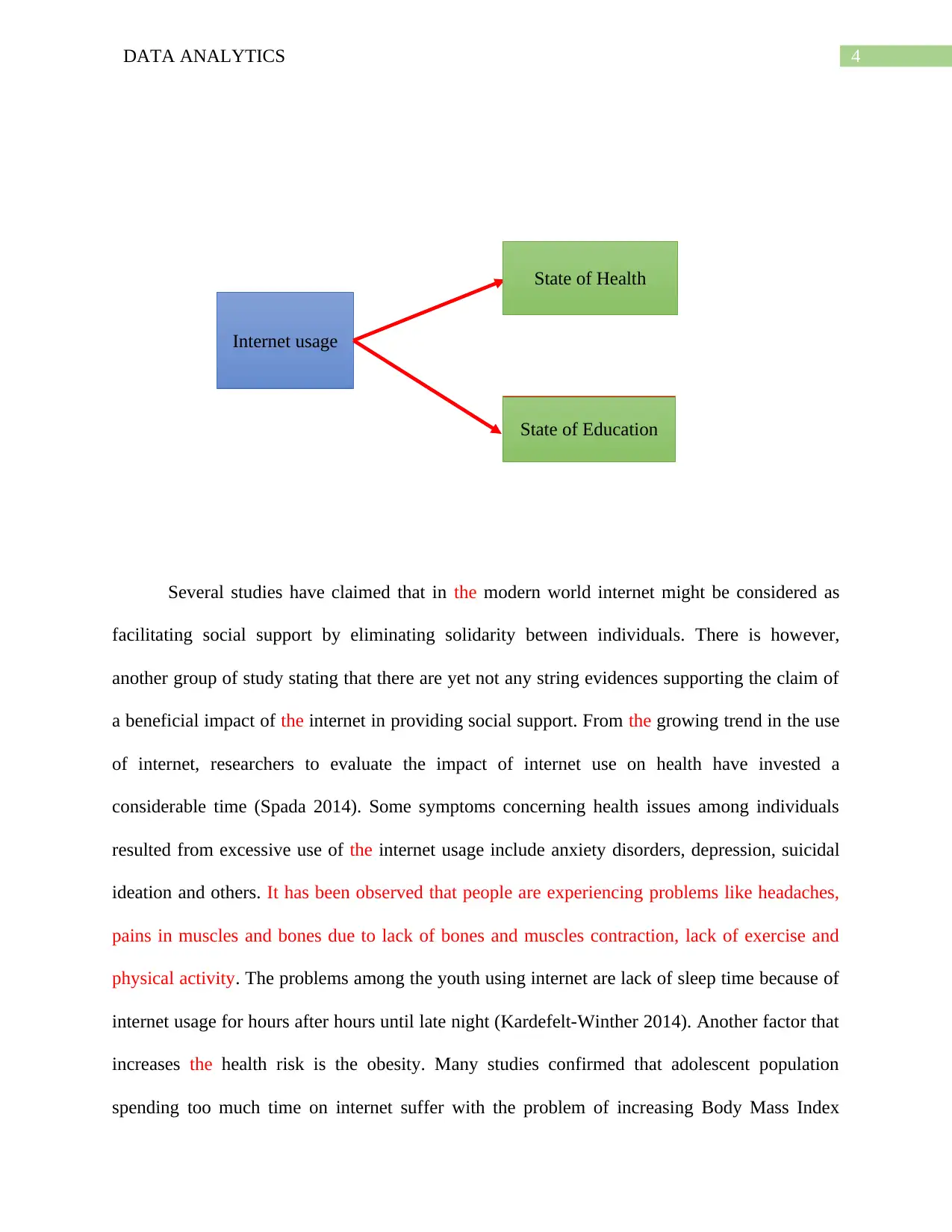
Internet usage
State of Health
State of Education
Several studies have claimed that in the modern world internet might be considered as
facilitating social support by eliminating solidarity between individuals. There is however,
another group of study stating that there are yet not any string evidences supporting the claim of
a beneficial impact of the internet in providing social support. From the growing trend in the use
of internet, researchers to evaluate the impact of internet use on health have invested a
considerable time (Spada 2014). Some symptoms concerning health issues among individuals
resulted from excessive use of the internet usage include anxiety disorders, depression, suicidal
ideation and others. It has been observed that people are experiencing problems like headaches,
pains in muscles and bones due to lack of bones and muscles contraction, lack of exercise and
physical activity. The problems among the youth using internet are lack of sleep time because of
internet usage for hours after hours until late night (Kardefelt-Winther 2014). Another factor that
increases the health risk is the obesity. Many studies confirmed that adolescent population
spending too much time on internet suffer with the problem of increasing Body Mass Index
Internet usage
State of Health
State of Education
Several studies have claimed that in the modern world internet might be considered as
facilitating social support by eliminating solidarity between individuals. There is however,
another group of study stating that there are yet not any string evidences supporting the claim of
a beneficial impact of the internet in providing social support. From the growing trend in the use
of internet, researchers to evaluate the impact of internet use on health have invested a
considerable time (Spada 2014). Some symptoms concerning health issues among individuals
resulted from excessive use of the internet usage include anxiety disorders, depression, suicidal
ideation and others. It has been observed that people are experiencing problems like headaches,
pains in muscles and bones due to lack of bones and muscles contraction, lack of exercise and
physical activity. The problems among the youth using internet are lack of sleep time because of
internet usage for hours after hours until late night (Kardefelt-Winther 2014). Another factor that
increases the health risk is the obesity. Many studies confirmed that adolescent population
spending too much time on internet suffer with the problem of increasing Body Mass Index

5DATA ANALYTICS
(BMI). Young people now spend less and less time for sports and physical activity. There is
common observation indicating a growing tendency of health problem despite rapid progress in
medical science and technology. In USA cardiovascular disease is a growing among adulthood.
Studies found that body weight has a strong association of such heart disease. The use of internet
and associated impact on health thus has become an import area of research.
In order to evaluate impact of the internet use on education one study has been conducted
in the Lafayette, US. The paper evaluated relation between internet usage and academic
performance of students in high schools. The result found that excessive use internet reduces the
probability of obtaining top grades (Arkorful and Abaidoo 2015). The moderate use on the other
hand found to have a positive impact on internet usage. One study conducted in 2015 on public
university in the Malaysian university reported that high internet use among the student indeed
result in higher academic performance. Another study has been conducted on internet use and
academic performance of students in North America. The result of this paper revealed that using
the internet as a tool of entertainment during the teaching process has a beneficial effect on
academic achievement (Blank and Groselj 2014). There are however, several areas that need to
analyzed to establish the relation between internet use and state of education indicating
considerable research opportunities in this area.
2.1 Hypotheses
In reference to past studies following two hypotheses are developed to accomplish the
research objectives.
Hypothesis 1
(BMI). Young people now spend less and less time for sports and physical activity. There is
common observation indicating a growing tendency of health problem despite rapid progress in
medical science and technology. In USA cardiovascular disease is a growing among adulthood.
Studies found that body weight has a strong association of such heart disease. The use of internet
and associated impact on health thus has become an import area of research.
In order to evaluate impact of the internet use on education one study has been conducted
in the Lafayette, US. The paper evaluated relation between internet usage and academic
performance of students in high schools. The result found that excessive use internet reduces the
probability of obtaining top grades (Arkorful and Abaidoo 2015). The moderate use on the other
hand found to have a positive impact on internet usage. One study conducted in 2015 on public
university in the Malaysian university reported that high internet use among the student indeed
result in higher academic performance. Another study has been conducted on internet use and
academic performance of students in North America. The result of this paper revealed that using
the internet as a tool of entertainment during the teaching process has a beneficial effect on
academic achievement (Blank and Groselj 2014). There are however, several areas that need to
analyzed to establish the relation between internet use and state of education indicating
considerable research opportunities in this area.
2.1 Hypotheses
In reference to past studies following two hypotheses are developed to accomplish the
research objectives.
Hypothesis 1
⊘ This is a preview!⊘
Do you want full access?
Subscribe today to unlock all pages.

Trusted by 1+ million students worldwide

6DATA ANALYTICS
Null Hypothesis (H10): Use of the internet does not have any statistically significant influence on
state of health.
Alternative Hypothesis (H11): Use of the internet has a statistically significant influence on the
state of health.
Hypothesis 2
Null Hypothesis (H20): Use of the internet does not have any statistically significant influence on
state of education
Alternative Hypothesis (H12): Use of the internet has a statistically significant influence on state
of education.
3. Methodology
In any research study, the research methodology has an important role to play. The
research methodology includes the collection of data and relevant evidences and analysis of
collected data which is the crucial part of research findings. The exploratory research has been
conducted in order to address a research problem that lacks clear research and operational
description (Bedford and Malmi 2015). The exploratory research methodology helps to explore
the relationship between two or more variables. The collected data are of two types – primary
and secondary. In order to collect primary data, a set of questionnaire has been designed and
responses are collected from a targeted population (McCusker and Gunaydin 2015). For this
purpose, qualitative data are collected on different parameters. The secondary data has been
collected from different peer reviewed journals, the internet and other periodicals. For this paper
a sample of 1959 responses are collected from United Kingdom following the method of non-
Null Hypothesis (H10): Use of the internet does not have any statistically significant influence on
state of health.
Alternative Hypothesis (H11): Use of the internet has a statistically significant influence on the
state of health.
Hypothesis 2
Null Hypothesis (H20): Use of the internet does not have any statistically significant influence on
state of education
Alternative Hypothesis (H12): Use of the internet has a statistically significant influence on state
of education.
3. Methodology
In any research study, the research methodology has an important role to play. The
research methodology includes the collection of data and relevant evidences and analysis of
collected data which is the crucial part of research findings. The exploratory research has been
conducted in order to address a research problem that lacks clear research and operational
description (Bedford and Malmi 2015). The exploratory research methodology helps to explore
the relationship between two or more variables. The collected data are of two types – primary
and secondary. In order to collect primary data, a set of questionnaire has been designed and
responses are collected from a targeted population (McCusker and Gunaydin 2015). For this
purpose, qualitative data are collected on different parameters. The secondary data has been
collected from different peer reviewed journals, the internet and other periodicals. For this paper
a sample of 1959 responses are collected from United Kingdom following the method of non-
Paraphrase This Document
Need a fresh take? Get an instant paraphrase of this document with our AI Paraphraser

7DATA ANALYTICS
probability random sampling. Random sampling is considered as a consistent method of drawing
the sample from a large population.
After collection of the data, the next important task is to analyze the collected data. For
the purpose of analysis techniques of quantitative data analysis has been employed. First analysis
has been done regarding the shape and nature of the distribution. The descriptive statistics has
been computed to have an idea regarding mean, median and volatility of the distribution.
Correlation analysis helps to have a rough idea regarding the relationship between the selected
variables (Nardi 2018). Finally, attempts have been taken to examine any statistically valid
relation between internet use and that of health and education.
4. Data Analysis
This section consists of detailed discussion regarding the various statistical techniques
used to analyze the collected data.
4.1 Statistical description
Prior to conducting detailed analysis, focus has been given to examine whether the
targeted data distribution follows the standard statistical assumption such as normality, linearity,
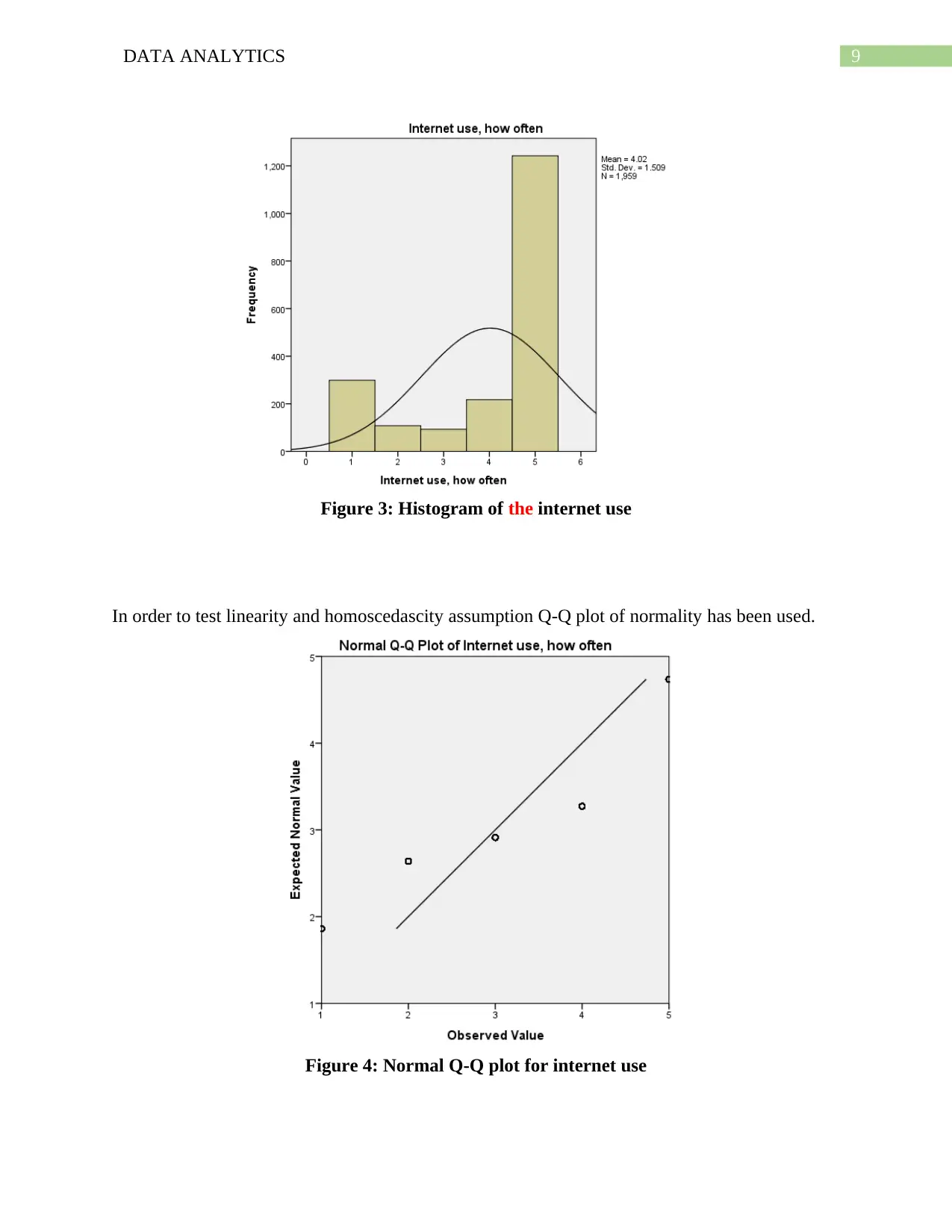
homoscedasticity and multicollinearity. In order to test the normality assumption, histograms are
used. As obtained from the histogram, the distribution of state of education and state of health
are bell shaped that is normally distributed. For internet use, the distribution however is
negatively skewed.
probability random sampling. Random sampling is considered as a consistent method of drawing
the sample from a large population.
After collection of the data, the next important task is to analyze the collected data. For
the purpose of analysis techniques of quantitative data analysis has been employed. First analysis
has been done regarding the shape and nature of the distribution. The descriptive statistics has
been computed to have an idea regarding mean, median and volatility of the distribution.
Correlation analysis helps to have a rough idea regarding the relationship between the selected
variables (Nardi 2018). Finally, attempts have been taken to examine any statistically valid
relation between internet use and that of health and education.
4. Data Analysis
This section consists of detailed discussion regarding the various statistical techniques
used to analyze the collected data.
4.1 Statistical description
Prior to conducting detailed analysis, focus has been given to examine whether the
targeted data distribution follows the standard statistical assumption such as normality, linearity,
homoscedasticity and multicollinearity. In order to test the normality assumption, histograms are
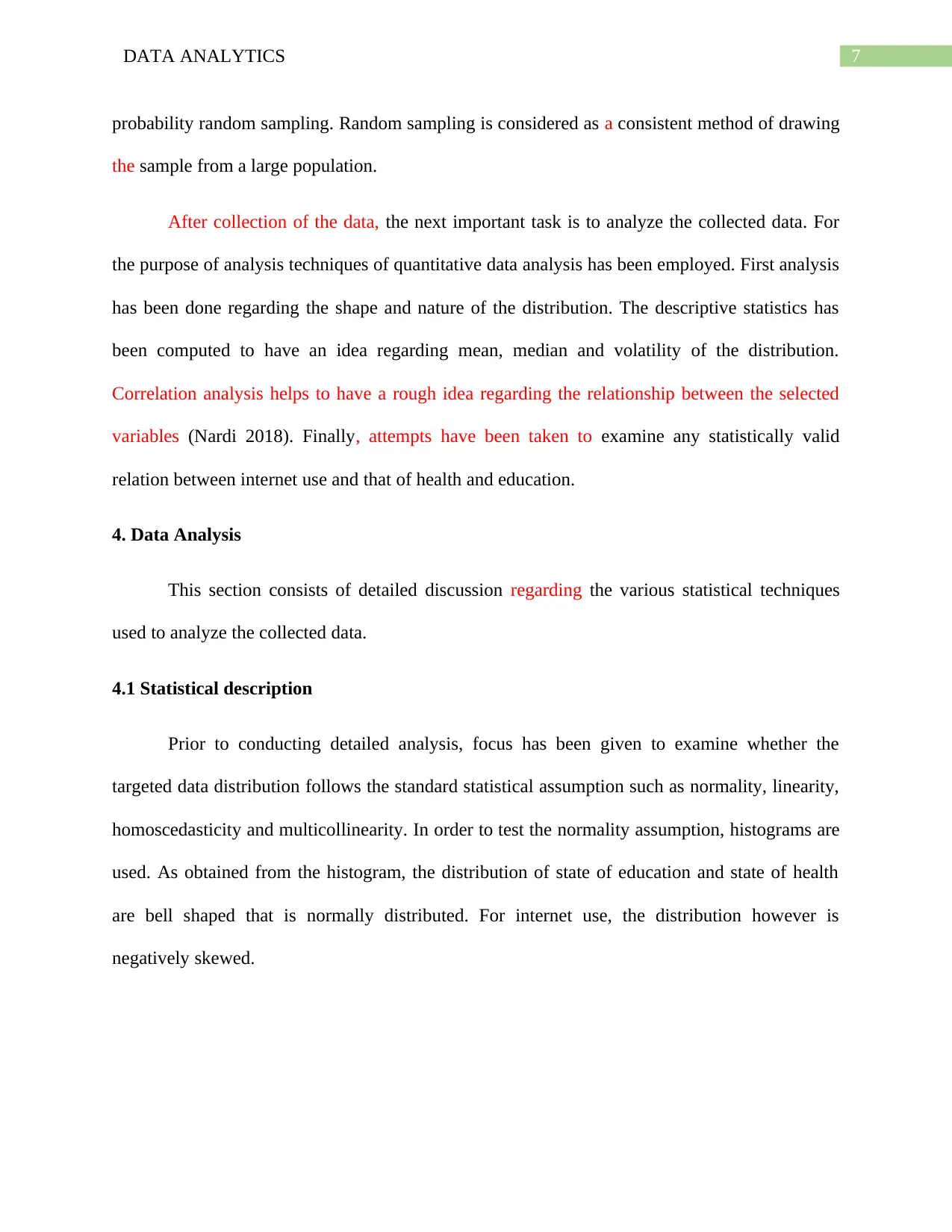
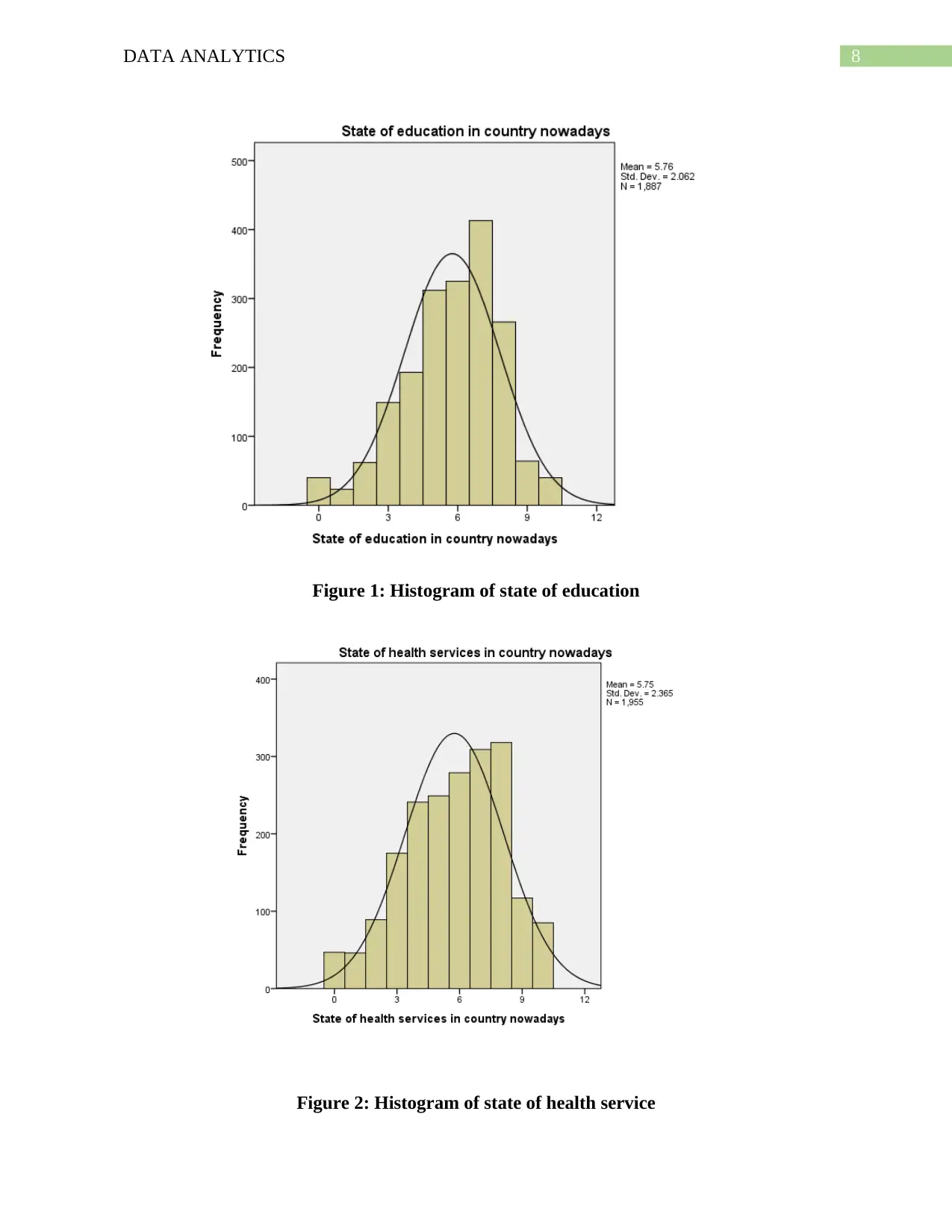
used. As obtained from the histogram, the distribution of state of education and state of health
are bell shaped that is normally distributed. For internet use, the distribution however is
negatively skewed.

8DATA ANALYTICS
Figure 1: Histogram of state of education
Figure 2: Histogram of state of health service
Figure 1: Histogram of state of education
Figure 2: Histogram of state of health service
⊘ This is a preview!⊘
Do you want full access?
Subscribe today to unlock all pages.

Trusted by 1+ million students worldwide

9DATA ANALYTICS
Figure 3: Histogram of the internet use
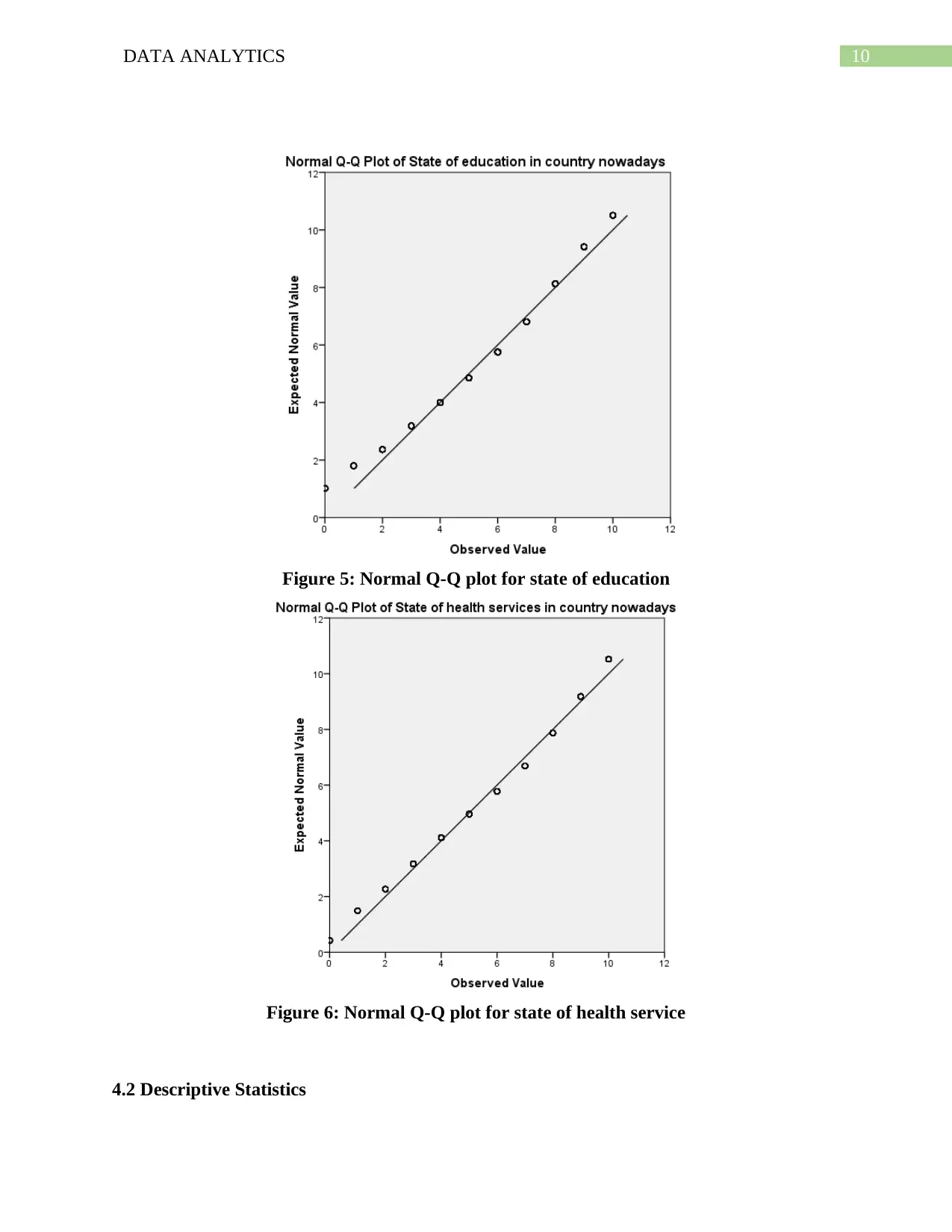
In order to test linearity and homoscedascity assumption Q-Q plot of normality has been used.
Figure 4: Normal Q-Q plot for internet use
Figure 3: Histogram of the internet use
In order to test linearity and homoscedascity assumption Q-Q plot of normality has been used.
Figure 4: Normal Q-Q plot for internet use
Paraphrase This Document
Need a fresh take? Get an instant paraphrase of this document with our AI Paraphraser

10DATA ANALYTICS
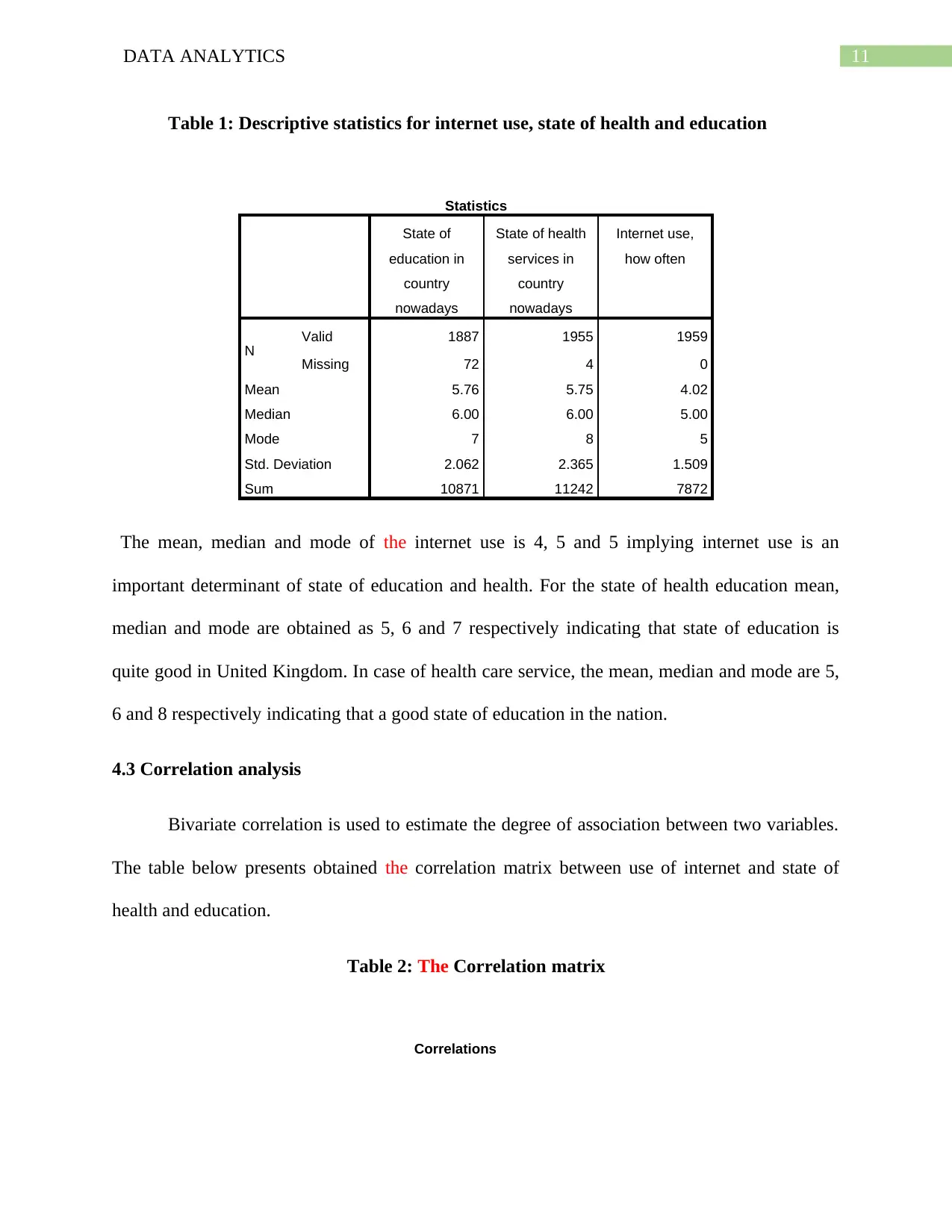
Figure 5: Normal Q-Q plot for state of education
Figure 6: Normal Q-Q plot for state of health service
4.2 Descriptive Statistics
Figure 5: Normal Q-Q plot for state of education
Figure 6: Normal Q-Q plot for state of health service
4.2 Descriptive Statistics

11DATA ANALYTICS
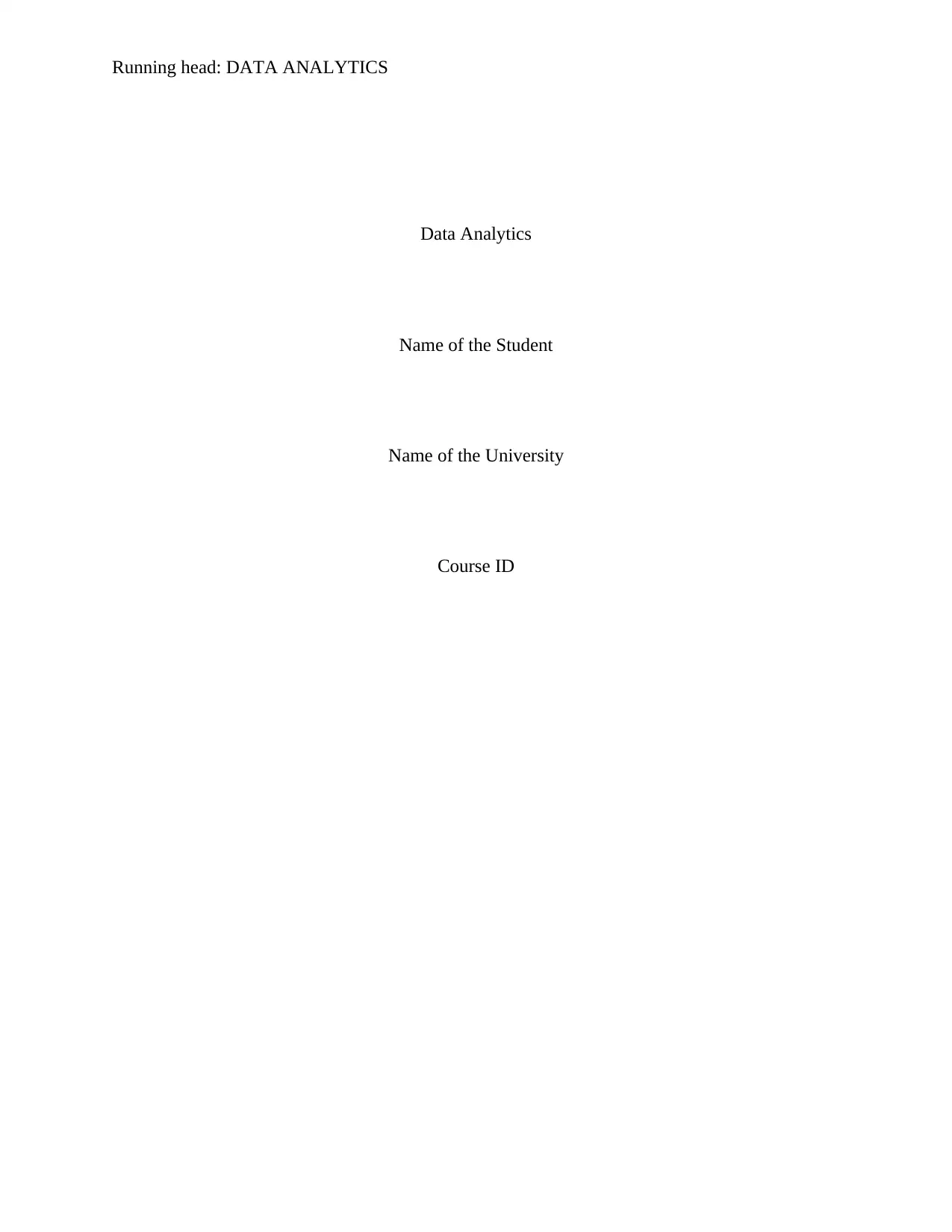
Table 1: Descriptive statistics for internet use, state of health and education
Statistics
State of
education in
country
nowadays
State of health
services in
country
nowadays
Internet use,
how often
N Valid 1887 1955 1959
Missing 72 4 0
Mean 5.76 5.75 4.02
Median 6.00 6.00 5.00
Mode 7 8 5
Std. Deviation 2.062 2.365 1.509
Sum 10871 11242 7872
The mean, median and mode of the internet use is 4, 5 and 5 implying internet use is an
important determinant of state of education and health. For the state of health education mean,
median and mode are obtained as 5, 6 and 7 respectively indicating that state of education is
quite good in United Kingdom. In case of health care service, the mean, median and mode are 5,
6 and 8 respectively indicating that a good state of education in the nation.
4.3 Correlation analysis
Bivariate correlation is used to estimate the degree of association between two variables.
The table below presents obtained the correlation matrix between use of internet and state of
health and education.
Table 2: The Correlation matrix
Correlations
Table 1: Descriptive statistics for internet use, state of health and education
Statistics
State of
education in
country
nowadays
State of health
services in
country
nowadays
Internet use,
how often
N Valid 1887 1955 1959
Missing 72 4 0
Mean 5.76 5.75 4.02
Median 6.00 6.00 5.00
Mode 7 8 5
Std. Deviation 2.062 2.365 1.509
Sum 10871 11242 7872
The mean, median and mode of the internet use is 4, 5 and 5 implying internet use is an
important determinant of state of education and health. For the state of health education mean,
median and mode are obtained as 5, 6 and 7 respectively indicating that state of education is
quite good in United Kingdom. In case of health care service, the mean, median and mode are 5,
6 and 8 respectively indicating that a good state of education in the nation.
4.3 Correlation analysis
Bivariate correlation is used to estimate the degree of association between two variables.
The table below presents obtained the correlation matrix between use of internet and state of
health and education.
Table 2: The Correlation matrix
Correlations
⊘ This is a preview!⊘
Do you want full access?
Subscribe today to unlock all pages.

Trusted by 1+ million students worldwide
1 out of 18
Related Documents
Your All-in-One AI-Powered Toolkit for Academic Success.
+13062052269
info@desklib.com
Available 24*7 on WhatsApp / Email
Unlock your academic potential
Copyright © 2020–2026 A2Z Services. All Rights Reserved. Developed and managed by ZUCOL.