Unit 2: Marketing Essentials - Tesco Marketing Analysis Report
VerifiedAdded on 2023/01/13
|22
|1886
|78
Report
AI Summary
This report delves into the core concepts of marketing, examining current and future trends, and outlining the marketing processes. It evaluates the various responsibilities and roles of the marketing department at Tesco, considering its interactions with the marketing environment. The analysis includes an examination of the interrelationships between marketing functions and other operational units within Tesco, such as finance, production, research & development, human resources, customer service, and legal departments. The report also assesses the impact of marketing on the company's overall performance, highlighting areas for improvement and emphasizing the importance of collaboration between departments to achieve strategic goals. The report concludes with an overview of the marketing process within Tesco and offers recommendations for optimizing its marketing strategies.
Marketing Essentials
Paraphrase This Document
Need a fresh take? Get an instant paraphrase of this document with our AI Paraphraser

TABLE OF CONTENTS
INTRODUCTION
Concepts of Marketing along with its current and future trends
Marketing Processes
Evaluating the various responsibilities and roles of Marketing department at TESCO
Evaluating marketing responsibilities with regards to marketing environment at TESCO
Analysing the interrelationships of various marketing functions with other operational
units of TESCO
CONCLUSION
REFERENCES
INTRODUCTION
Concepts of Marketing along with its current and future trends
Marketing Processes
Evaluating the various responsibilities and roles of Marketing department at TESCO
Evaluating marketing responsibilities with regards to marketing environment at TESCO
Analysing the interrelationships of various marketing functions with other operational
units of TESCO
CONCLUSION
REFERENCES

INTRODUCTION
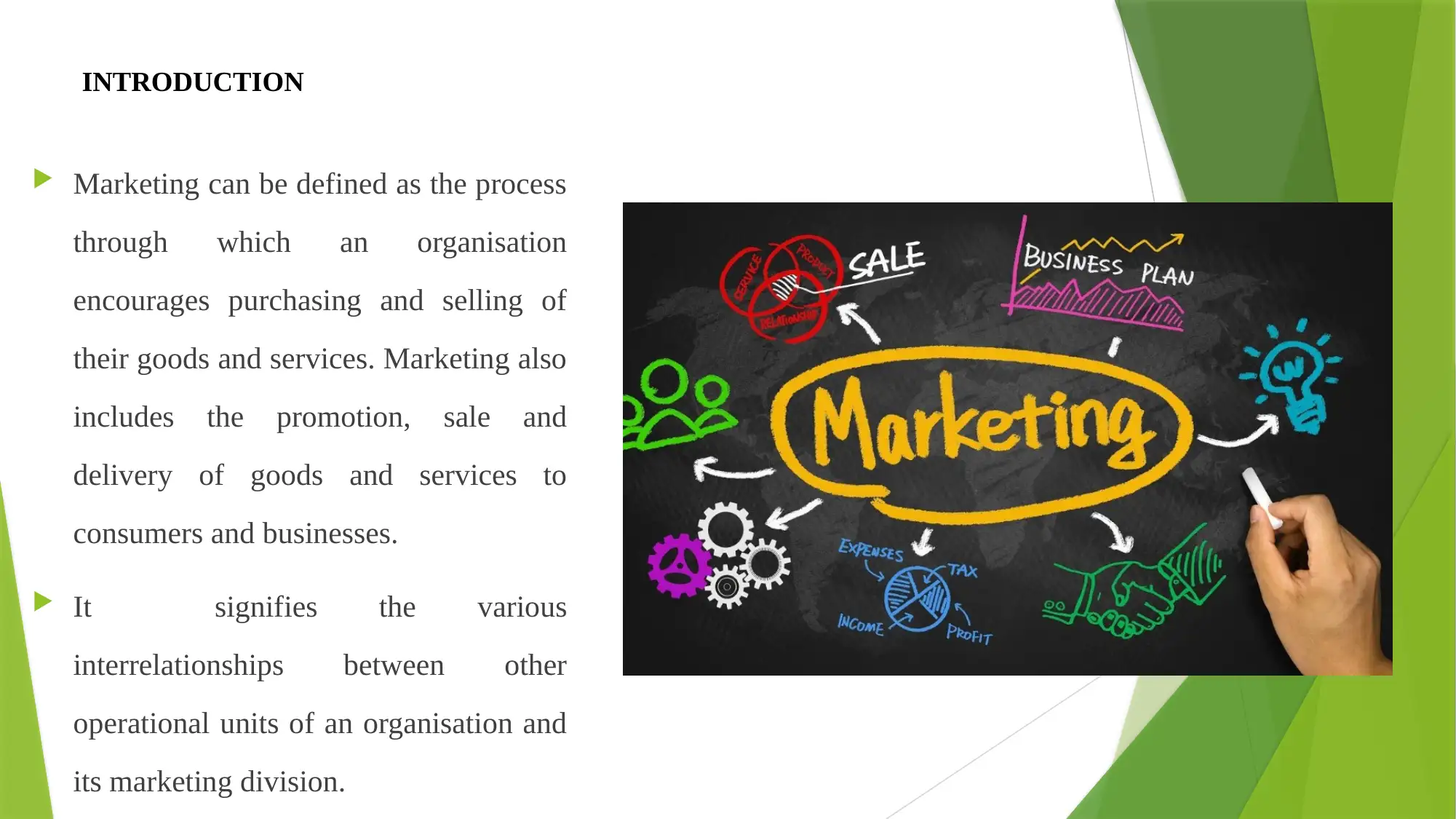
Marketing can be defined as the process
through which an organisation
encourages purchasing and selling of
their goods and services. Marketing also
includes the promotion, sale and
delivery of goods and services to
consumers and businesses.
It signifies the various
interrelationships between other
operational units of an organisation and
its marketing division.
Marketing can be defined as the process
through which an organisation
encourages purchasing and selling of
their goods and services. Marketing also
includes the promotion, sale and
delivery of goods and services to
consumers and businesses.
It signifies the various
interrelationships between other
operational units of an organisation and
its marketing division.
⊘ This is a preview!⊘
Do you want full access?
Subscribe today to unlock all pages.

Trusted by 1+ million students worldwide

Concepts of Marketing along with its
current and future trends
Marketing is the process of purchasing and selling goods and services in order to help the
organisation achieve its objectives and goals.
It acts as the face of an organisation which interacts with the public, prepares and
produces all the materials through which the organisation is represented to the public in
market.
Its the function of an organisation's marketing division to interact with investors,
customers, partners etc. by constructing an image which highlights the organisation in a
positive light and represents all the values and ethics that TESCO represents.
current and future trends
Marketing is the process of purchasing and selling goods and services in order to help the
organisation achieve its objectives and goals.
It acts as the face of an organisation which interacts with the public, prepares and
produces all the materials through which the organisation is represented to the public in
market.
Its the function of an organisation's marketing division to interact with investors,
customers, partners etc. by constructing an image which highlights the organisation in a
positive light and represents all the values and ethics that TESCO represents.
Paraphrase This Document
Need a fresh take? Get an instant paraphrase of this document with our AI Paraphraser

CONT.
In today's digital age, marketing trends change frequently but one of the most useful and beneficial
marketing trend to arise, has been the creation and implementation of marketing tools and strategies in order
to improve upon current marketing processes and optimise marketing operations to increase productivity.
Currently there exists three distinct types of marketing tools to aid marketers:
1) Product Management Tools, which can track projects and collect customer's feedbacks
2) Marketing Automation Tools, which aid in managing and scheduling all processes related to user's
marketing campaign strategies
3) Product Information Management Tools (PIM), which aid in analysing, storing, collecting and
distribution of all relevant product information.
In today's digital age, marketing trends change frequently but one of the most useful and beneficial
marketing trend to arise, has been the creation and implementation of marketing tools and strategies in order
to improve upon current marketing processes and optimise marketing operations to increase productivity.
Currently there exists three distinct types of marketing tools to aid marketers:
1) Product Management Tools, which can track projects and collect customer's feedbacks
2) Marketing Automation Tools, which aid in managing and scheduling all processes related to user's
marketing campaign strategies
3) Product Information Management Tools (PIM), which aid in analysing, storing, collecting and
distribution of all relevant product information.

Marketing Processes
The marketing process primarily consists of following elements:
Strategic Marketing Analysis: This analysis helps an organisation evaluate the market, to
discover opportunities that might be present. Opportunities discovered relates to customer's
requirements currently unfulfilled by the competition. Organisation also performs necessary
market research and selects a preferred target market to service based upon the opportunities
present.
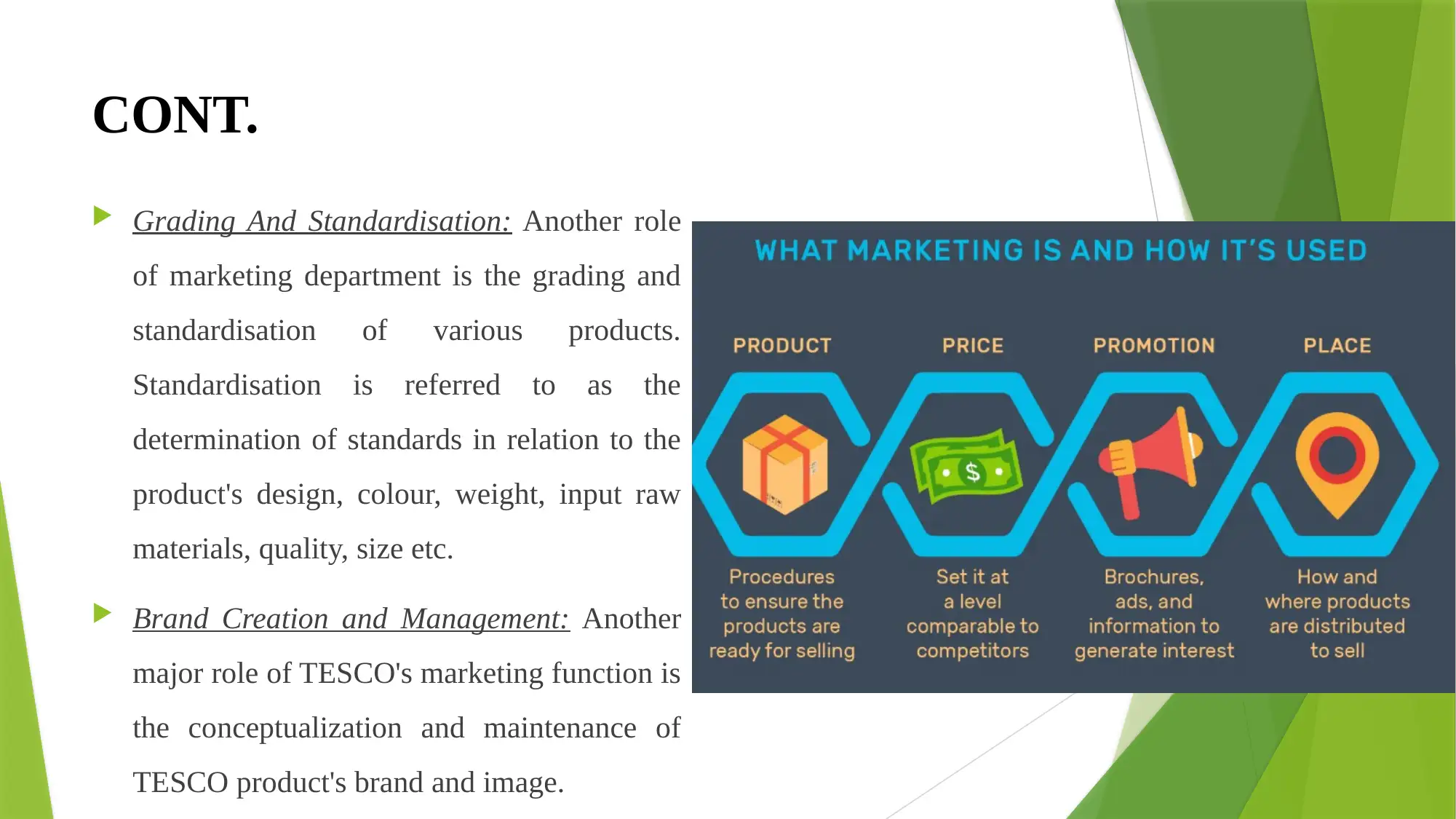
Developing Marketing Mix: After strategic marketing analysis, organisation moves to
planning its marketing mix, which is made up of four P's (product, price, place and promotion)
of market.
The marketing process primarily consists of following elements:
Strategic Marketing Analysis: This analysis helps an organisation evaluate the market, to
discover opportunities that might be present. Opportunities discovered relates to customer's
requirements currently unfulfilled by the competition. Organisation also performs necessary
market research and selects a preferred target market to service based upon the opportunities
present.
Developing Marketing Mix: After strategic marketing analysis, organisation moves to
planning its marketing mix, which is made up of four P's (product, price, place and promotion)
of market.
⊘ This is a preview!⊘
Do you want full access?
Subscribe today to unlock all pages.

Trusted by 1+ million students worldwide

CONT.
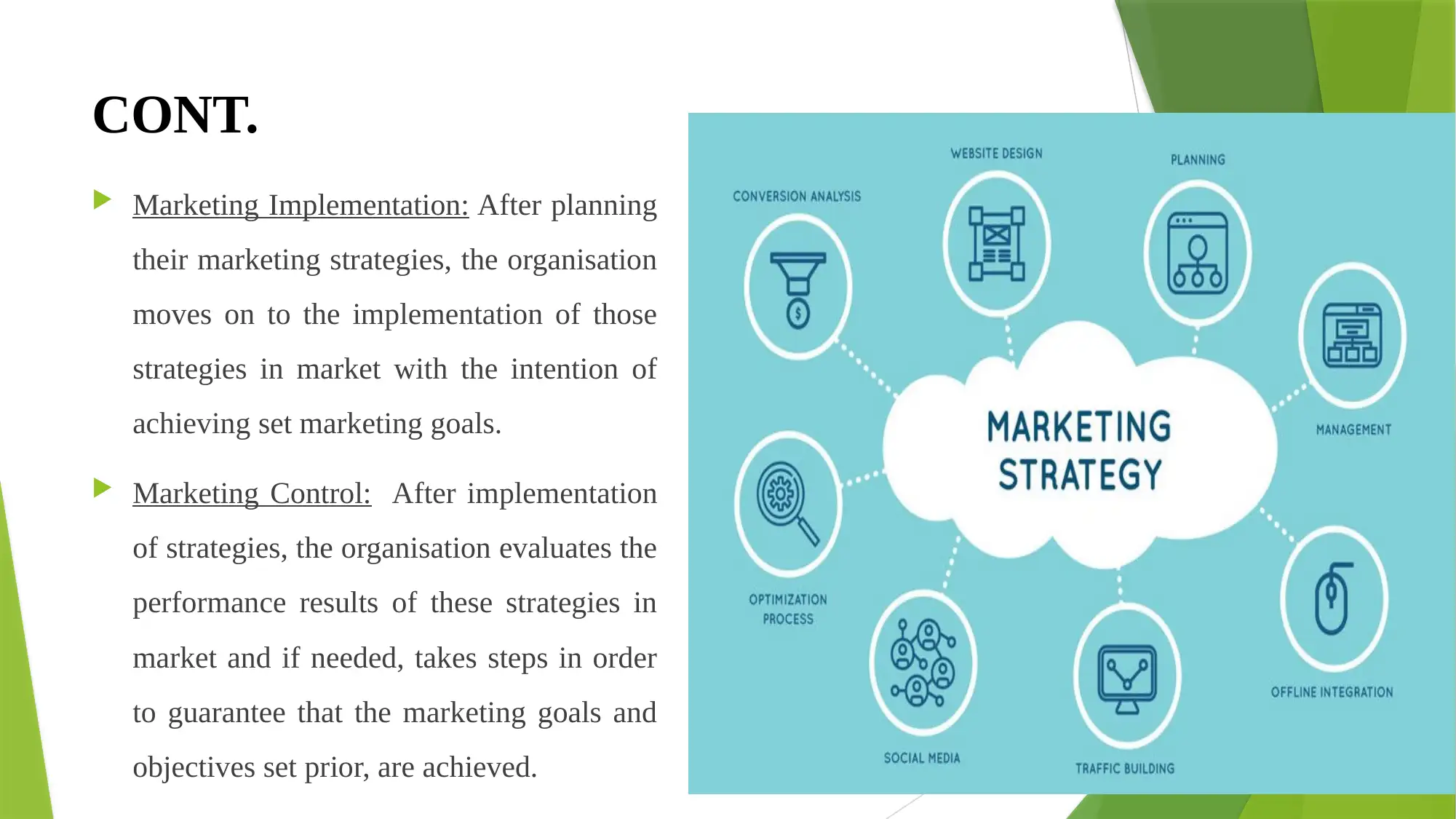
Marketing Implementation: After planning
their marketing strategies, the organisation
moves on to the implementation of those
strategies in market with the intention of
achieving set marketing goals.
Marketing Control: After implementation
of strategies, the organisation evaluates the
performance results of these strategies in
market and if needed, takes steps in order
to guarantee that the marketing goals and
objectives set prior, are achieved.
Marketing Implementation: After planning
their marketing strategies, the organisation
moves on to the implementation of those
strategies in market with the intention of
achieving set marketing goals.
Marketing Control: After implementation
of strategies, the organisation evaluates the
performance results of these strategies in
market and if needed, takes steps in order
to guarantee that the marketing goals and
objectives set prior, are achieved.
Paraphrase This Document
Need a fresh take? Get an instant paraphrase of this document with our AI Paraphraser

Evaluating the various responsibilities and roles of
Marketing department at TESCO
There are various key roles and responsibilities of the marketing function in relation to the
marketing environment in TESCO, most important of which are as follows:
Collecting and Evaluating Market Information: One of the most important functions of the
marketing division of TESCO is the collection and evaluation of market information. Through
this, TESCO can try to understand the needs, requirements and expectations of their customers.
It also informs TESCO of other customer attributes such as their purchasing power, preferences
in relation of quantity purchased , quality expected and promotion or advertisement preferences
in order for TESCO to better service them.
Marketing department at TESCO
There are various key roles and responsibilities of the marketing function in relation to the
marketing environment in TESCO, most important of which are as follows:
Collecting and Evaluating Market Information: One of the most important functions of the
marketing division of TESCO is the collection and evaluation of market information. Through
this, TESCO can try to understand the needs, requirements and expectations of their customers.
It also informs TESCO of other customer attributes such as their purchasing power, preferences
in relation of quantity purchased , quality expected and promotion or advertisement preferences
in order for TESCO to better service them.

CONT.
Design And Development: The designing and development of products is another major
responsibility of TESCO's marketing division and plays a huge part in the operations of the
organisation and selling of products.
Product Promotion: Another major responsibility of TESCO's marketing department is the
promotion of products in market. Promotion is the process through which customers are informed
about all the products an organisation sells and are encouraged to buy them in order to satisfy their
needs.
Design And Development: The designing and development of products is another major
responsibility of TESCO's marketing division and plays a huge part in the operations of the
organisation and selling of products.
Product Promotion: Another major responsibility of TESCO's marketing department is the
promotion of products in market. Promotion is the process through which customers are informed
about all the products an organisation sells and are encouraged to buy them in order to satisfy their
needs.
⊘ This is a preview!⊘
Do you want full access?
Subscribe today to unlock all pages.

Trusted by 1+ million students worldwide

CONT.
Grading And Standardisation: Another role
of marketing department is the grading and
standardisation of various products.
Standardisation is referred to as the
determination of standards in relation to the
product's design, colour, weight, input raw
materials, quality, size etc.
Brand Creation and Management: Another
major role of TESCO's marketing function is
the conceptualization and maintenance of
TESCO product's brand and image.
Grading And Standardisation: Another role
of marketing department is the grading and
standardisation of various products.
Standardisation is referred to as the
determination of standards in relation to the
product's design, colour, weight, input raw
materials, quality, size etc.
Brand Creation and Management: Another
major role of TESCO's marketing function is
the conceptualization and maintenance of
TESCO product's brand and image.
Paraphrase This Document
Need a fresh take? Get an instant paraphrase of this document with our AI Paraphraser

CONT.
Social Media: Marketing division should also make use of current technology to cater
to as many customers as possible through the use of social media platforms. TESCO's
social media page are a great way of interacting with the customers in addressing any
of their needs or for promotion of existing and new products.
Labelling And Packaging: Another responsibility of TESCO's marketing division is the
proper labelling and packaging of its products. Labelling is the process of attaching a
slip, cover or seal to the product which gives all relevant product information needed
by the consumer for its operations.
Social Media: Marketing division should also make use of current technology to cater
to as many customers as possible through the use of social media platforms. TESCO's
social media page are a great way of interacting with the customers in addressing any
of their needs or for promotion of existing and new products.
Labelling And Packaging: Another responsibility of TESCO's marketing division is the
proper labelling and packaging of its products. Labelling is the process of attaching a
slip, cover or seal to the product which gives all relevant product information needed
by the consumer for its operations.

CONT.
Transportation: As product
manufacturing, sale and consumption
usually take place at separate locations,
the transportation of goods and services
for physical distribution is another key
responsibility of TESCO's marketers.
Customer Service: It is one of the chief
responsibilities of TESCO's marketing
division to provide service to their
customers in providing whatever help
they require in relation to the product.
Transportation: As product
manufacturing, sale and consumption
usually take place at separate locations,
the transportation of goods and services
for physical distribution is another key
responsibility of TESCO's marketers.
Customer Service: It is one of the chief
responsibilities of TESCO's marketing
division to provide service to their
customers in providing whatever help
they require in relation to the product.
⊘ This is a preview!⊘
Do you want full access?
Subscribe today to unlock all pages.

Trusted by 1+ million students worldwide
1 out of 22
Related Documents
Your All-in-One AI-Powered Toolkit for Academic Success.
+13062052269
info@desklib.com
Available 24*7 on WhatsApp / Email
Unlock your academic potential
Copyright © 2020–2026 A2Z Services. All Rights Reserved. Developed and managed by ZUCOL.