Creating an Engaging Preschool Environment for Child Development
VerifiedAdded on 2023/05/30
|17
|3408
|52
Essay
AI Summary
This essay details the design of a 'dream space' preschool classroom, emphasizing the importance of creating a nurturing and stimulating environment for children's development. It addresses key aspects such as fostering emotional connections, leveraging color psychology to enhance attention, and designing the space to meet children's physical and emotional needs. The design incorporates five dimensions of teaching and learning—purpose, student engagement, curriculum and pedagogy, assessment of student learning, and classroom environment and culture—to support collaborative learning and create a sense of wonder. The plan includes strategies for parent involvement, reflection of cultural practices, and the provision of materials that encourage exploration and experimentation. The ultimate goal is to communicate an image of the child as a capable learner and a valued member of the community.

Running head: CREATING THE DREAM SPACE
CREATING THE DREAM SPACE
CREATING THE DREAM SPACE

Paraphrase This Document
Need a fresh take? Get an instant paraphrase of this document with our AI Paraphraser
2
CREATING THE DREAM SPACE
Table of Contents
Picture of Preschool.........................................................................................................................3
Science Classroom...........................................................................................................................4
Examples of the three dimensions used to support children............................................................9
Inviting space for a parent to participation and involvement........................................................10
How will the environment reflect on each child, family, social and cultural practices and
traditions?......................................................................................................................................11
What would you include in your classroom to create a sense of wonder and encourage
exploration, experimentation, and learning?.................................................................................12
What are some of the materials you would provide? Comment on how you would organize and
store documents for the children's use that reflect a child-centered perspective...........................13
How does the space you created reflect your understanding of who children are as learners and
citizenship?....................................................................................................................................14
How might your environment communicate the image of the child as a mighty learner?............14
Reference List................................................................................................................................16
CREATING THE DREAM SPACE
Table of Contents
Picture of Preschool.........................................................................................................................3
Science Classroom...........................................................................................................................4
Examples of the three dimensions used to support children............................................................9
Inviting space for a parent to participation and involvement........................................................10
How will the environment reflect on each child, family, social and cultural practices and
traditions?......................................................................................................................................11
What would you include in your classroom to create a sense of wonder and encourage
exploration, experimentation, and learning?.................................................................................12
What are some of the materials you would provide? Comment on how you would organize and
store documents for the children's use that reflect a child-centered perspective...........................13
How does the space you created reflect your understanding of who children are as learners and
citizenship?....................................................................................................................................14
How might your environment communicate the image of the child as a mighty learner?............14
Reference List................................................................................................................................16
3
CREATING THE DREAM SPACE
Picture of Preschool
CREATING THE DREAM SPACE
Picture of Preschool
⊘ This is a preview!⊘
Do you want full access?
Subscribe today to unlock all pages.

Trusted by 1+ million students worldwide
4
CREATING THE DREAM SPACE
Science Classroom
CREATING THE DREAM SPACE
Science Classroom
Paraphrase This Document
Need a fresh take? Get an instant paraphrase of this document with our AI Paraphraser
5
CREATING THE DREAM SPACE
his Book is developed to broaden the knowledge of learners, regarding appropriate
room designing for children. Researchers have identified the importance of proper
room planning in improving various aspects of children. It is observed that
emotional detachment with parents/ teachers/ caregivers have become a significant issue in
modern day context. Multiple reasons have been found behind the incapability of parents/
teachers/ caregivers to bridge an emotional link with children (Rathus, 2013). These include
financial strain, depression, the parent in attendance and much more. This behaviour of parents/
teachers/ caregivers creates a sense of neglect amongst children. Abandonment can be perceived
from different shapes such are lack of housing, food, and love (Baker, 2017). Hence, my planned
room will feed the physical and emotional needs of children in a positive manner.
T
Figure 1: Causes of Negligence
(Source: Baker, 2017)
Neglect
Financial
strain
DepressionInattention
CREATING THE DREAM SPACE
his Book is developed to broaden the knowledge of learners, regarding appropriate
room designing for children. Researchers have identified the importance of proper
room planning in improving various aspects of children. It is observed that
emotional detachment with parents/ teachers/ caregivers have become a significant issue in
modern day context. Multiple reasons have been found behind the incapability of parents/
teachers/ caregivers to bridge an emotional link with children (Rathus, 2013). These include
financial strain, depression, the parent in attendance and much more. This behaviour of parents/
teachers/ caregivers creates a sense of neglect amongst children. Abandonment can be perceived
from different shapes such are lack of housing, food, and love (Baker, 2017). Hence, my planned
room will feed the physical and emotional needs of children in a positive manner.
T
Figure 1: Causes of Negligence
(Source: Baker, 2017)
Neglect
Financial
strain
DepressionInattention
6
CREATING THE DREAM SPACE
Attention has been considered as one of the major components that is needed for the
development of children. It is identified that caregivers and parents/ teachers/ caregivers should
create a schedule for conducting a focused interaction with children. This room will provide the
space to parents/ teachers/ caregivers and caregivers for spending quality time with children. I
can say that my designed room will test the creativity and flexibility of parents/ teachers/
caregivers properly.
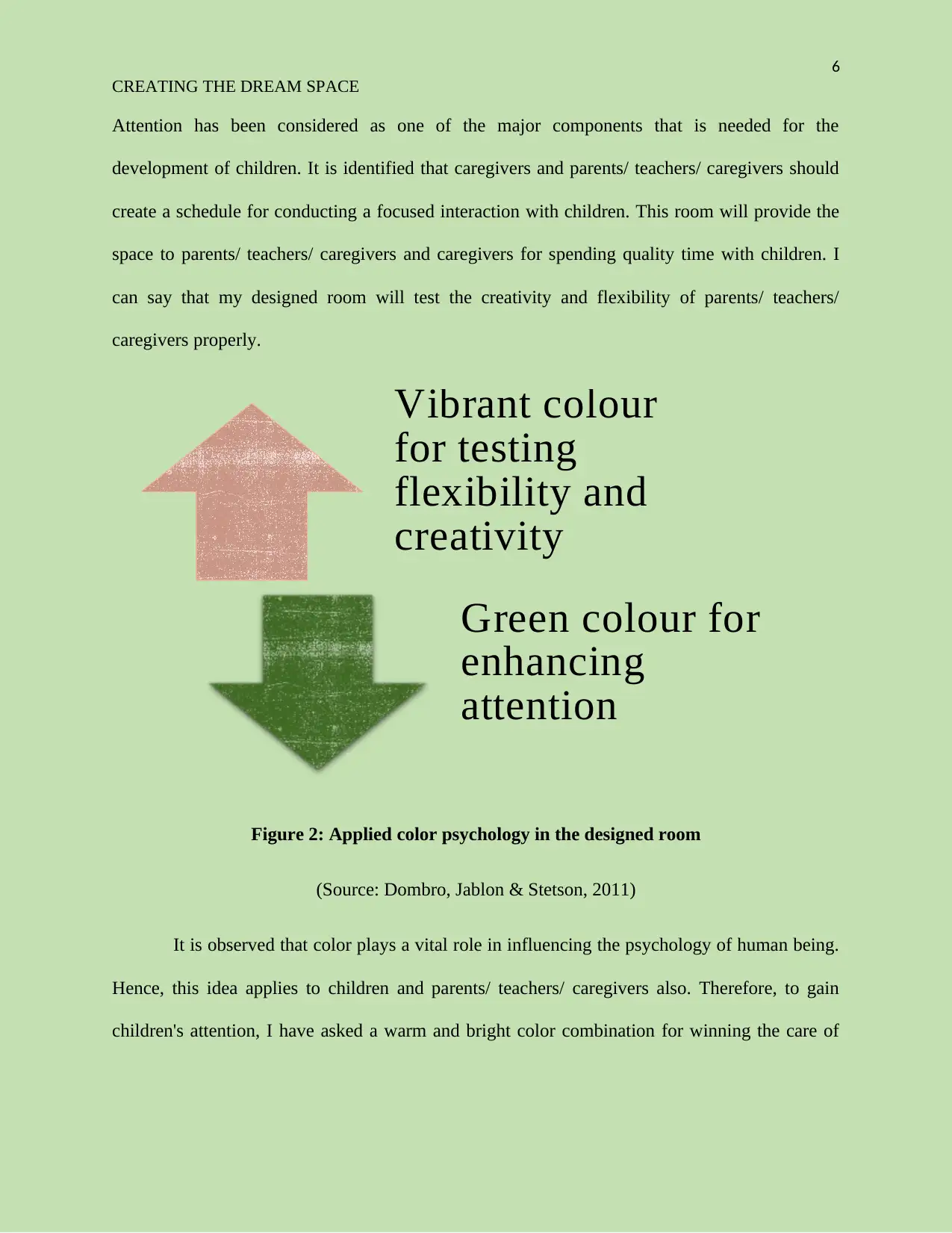
Figure 2: Applied color psychology in the designed room
(Source: Dombro, Jablon & Stetson, 2011)
It is observed that color plays a vital role in influencing the psychology of human being.
Hence, this idea applies to children and parents/ teachers/ caregivers also. Therefore, to gain
children's attention, I have asked a warm and bright color combination for winning the care of
Vibrant colour
for testing
flexibility and
creativity
Green colour for
enhancing
attention
CREATING THE DREAM SPACE
Attention has been considered as one of the major components that is needed for the
development of children. It is identified that caregivers and parents/ teachers/ caregivers should
create a schedule for conducting a focused interaction with children. This room will provide the
space to parents/ teachers/ caregivers and caregivers for spending quality time with children. I
can say that my designed room will test the creativity and flexibility of parents/ teachers/
caregivers properly.
Figure 2: Applied color psychology in the designed room
(Source: Dombro, Jablon & Stetson, 2011)
It is observed that color plays a vital role in influencing the psychology of human being.
Hence, this idea applies to children and parents/ teachers/ caregivers also. Therefore, to gain
children's attention, I have asked a warm and bright color combination for winning the care of
Vibrant colour
for testing
flexibility and
creativity
Green colour for
enhancing
attention
⊘ This is a preview!⊘
Do you want full access?
Subscribe today to unlock all pages.
Trusted by 1+ million students worldwide
7
CREATING THE DREAM SPACE
children. Simultaneously, the application of green color on the north side of this room will
enhance the attraction of both children and parents/ teachers/ caregivers.
I have also left space for parents/ teachers/ caregivers and children to eliminate issues of
understanding. From a recent report, it is observed that children hesitate to disclose personal
problems with their mentors, because of lack of trust. It is identified that this lack of confidence
can increase from the fear of punishment. It is noticed that children at the preschool stage tend to
develop learning through the form of scattered writing or painting (Childcareframework, 2014).
Therefore, I have planned to apply a different type of covering that would disallow children to
spoil the essence of any wall. As a result, it will develop a sense of trust between children and
their mentors. Also, this book will also fulfill the physical needs of children in an appropriate
manner. It is observed that adequate shelter and sleep are two significant factors that nourish the
physical development of children. Hence, this room will critically help children to gain much
space for early physical activities. For this reason, a minimum number of daily stuff will ensure
my dream program environment (Garbrino, 2017).
CREATING THE DREAM SPACE
children. Simultaneously, the application of green color on the north side of this room will
enhance the attraction of both children and parents/ teachers/ caregivers.
I have also left space for parents/ teachers/ caregivers and children to eliminate issues of
understanding. From a recent report, it is observed that children hesitate to disclose personal
problems with their mentors, because of lack of trust. It is identified that this lack of confidence
can increase from the fear of punishment. It is noticed that children at the preschool stage tend to
develop learning through the form of scattered writing or painting (Childcareframework, 2014).
Therefore, I have planned to apply a different type of covering that would disallow children to
spoil the essence of any wall. As a result, it will develop a sense of trust between children and
their mentors. Also, this book will also fulfill the physical needs of children in an appropriate
manner. It is observed that adequate shelter and sleep are two significant factors that nourish the
physical development of children. Hence, this room will critically help children to gain much
space for early physical activities. For this reason, a minimum number of daily stuff will ensure
my dream program environment (Garbrino, 2017).
Paraphrase This Document
Need a fresh take? Get an instant paraphrase of this document with our AI Paraphraser
8
CREATING THE DREAM SPACE
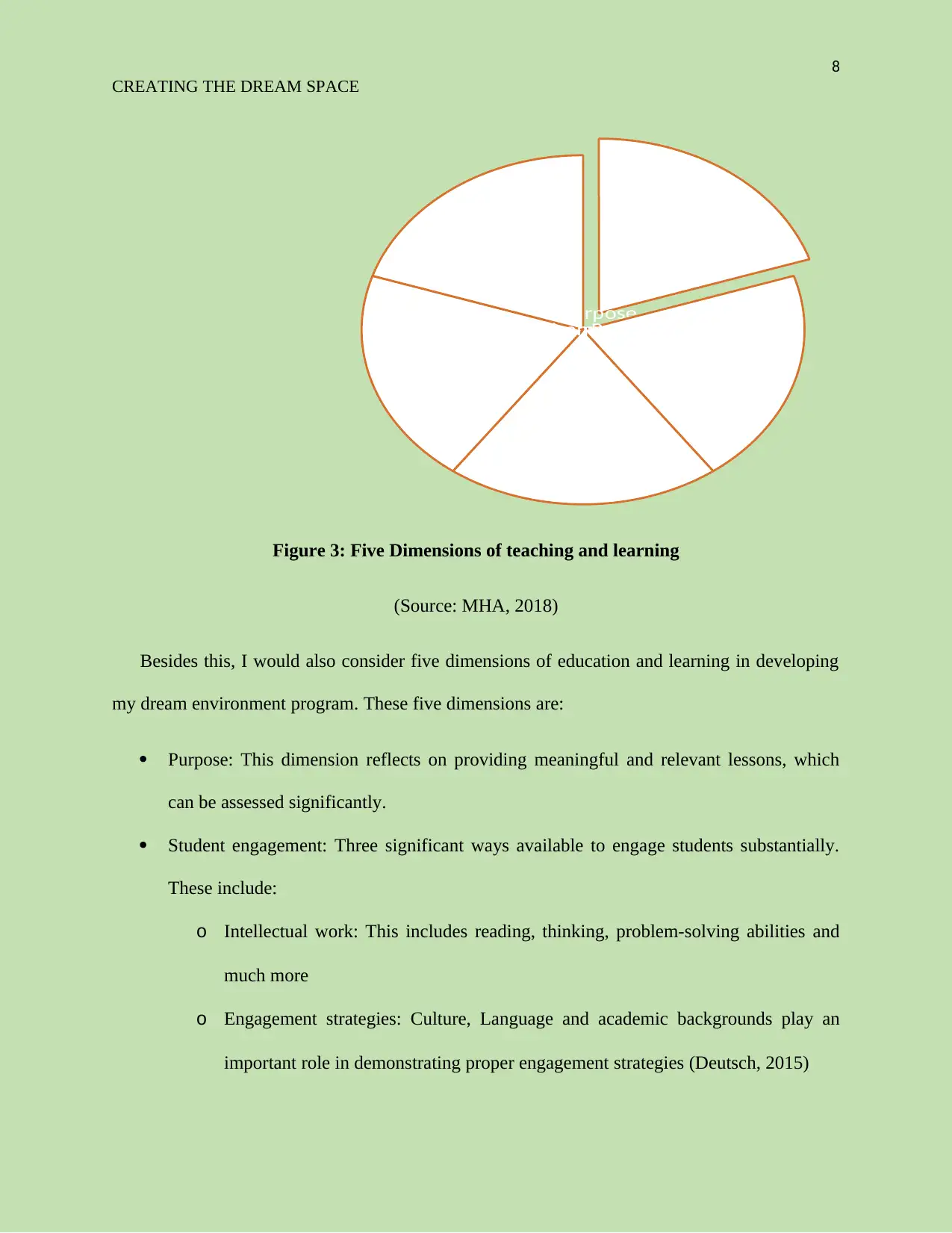
Figure 3: Five Dimensions of teaching and learning
(Source: MHA, 2018)
Besides this, I would also consider five dimensions of education and learning in developing
my dream environment program. These five dimensions are:
Purpose: This dimension reflects on providing meaningful and relevant lessons, which
can be assessed significantly.
Student engagement: Three significant ways available to engage students substantially.
These include:
o Intellectual work: This includes reading, thinking, problem-solving abilities and
much more
o Engagement strategies: Culture, Language and academic backgrounds play an
important role in demonstrating proper engagement strategies (Deutsch, 2015)
Purpose
Student EngagementCurricualm PedagogyStudent Learning AssessmentClassroom environment and culture
CREATING THE DREAM SPACE
Figure 3: Five Dimensions of teaching and learning
(Source: MHA, 2018)
Besides this, I would also consider five dimensions of education and learning in developing
my dream environment program. These five dimensions are:
Purpose: This dimension reflects on providing meaningful and relevant lessons, which
can be assessed significantly.
Student engagement: Three significant ways available to engage students substantially.
These include:
o Intellectual work: This includes reading, thinking, problem-solving abilities and
much more
o Engagement strategies: Culture, Language and academic backgrounds play an
important role in demonstrating proper engagement strategies (Deutsch, 2015)
Purpose
Student EngagementCurricualm PedagogyStudent Learning AssessmentClassroom environment and culture
9
CREATING THE DREAM SPACE
o Talk: It is observed that interaction needs to be adequately conducted as it helps to
eliminate multiple issues like confidence, trust and much more. Therefore, the
elimination of such problems is a significant sub-dimension of teaching and
learning development (Clark, 2017).
Curriculum and Pedagogy: Instructional materials can be listed in this section. It is
observed that this dimension allows teachers to relate to a larger unit of learners. As
identified by Dombro, Jablon & Stetson (2011), this dimension can be enhanced through
the implementation of proper instructional strategies.
Assessment of student learning: This dimension is crucial as it ensures teachers to assess
the learning process of students. Furthermore, application of observable systems and
routine for recordings are also vital for implementing this step successfully (EQI, 2018).
Classroom environment and culture: This dimension is highly dependent on the physical
arrangement of rooms as it is crucial for conductive learning of any student. Also,
classroom interactions also play a pivotal role in developing the teaching and learning
process of children (Steinberg & Darling, 2017).
Examples of the three dimensions used to support children
Appropriate engagement of students is necessary for developing a collaborative environment
in a classroom scenario (Epstein et al. 2018). Communication has been interpreted as a
significant factor that ensures better engagement of individuals. This idea is also applicable in
this context. Interaction with children often becomes tough for teachers or parents due to specific
reasons. As identified by Ross (2016), professional development and emotional intelligence are
two significant factors that allow teachers to interact with children properly. Hence, this room
CREATING THE DREAM SPACE
o Talk: It is observed that interaction needs to be adequately conducted as it helps to
eliminate multiple issues like confidence, trust and much more. Therefore, the
elimination of such problems is a significant sub-dimension of teaching and
learning development (Clark, 2017).
Curriculum and Pedagogy: Instructional materials can be listed in this section. It is
observed that this dimension allows teachers to relate to a larger unit of learners. As
identified by Dombro, Jablon & Stetson (2011), this dimension can be enhanced through
the implementation of proper instructional strategies.
Assessment of student learning: This dimension is crucial as it ensures teachers to assess
the learning process of students. Furthermore, application of observable systems and
routine for recordings are also vital for implementing this step successfully (EQI, 2018).
Classroom environment and culture: This dimension is highly dependent on the physical
arrangement of rooms as it is crucial for conductive learning of any student. Also,
classroom interactions also play a pivotal role in developing the teaching and learning
process of children (Steinberg & Darling, 2017).
Examples of the three dimensions used to support children
Appropriate engagement of students is necessary for developing a collaborative environment
in a classroom scenario (Epstein et al. 2018). Communication has been interpreted as a
significant factor that ensures better engagement of individuals. This idea is also applicable in
this context. Interaction with children often becomes tough for teachers or parents due to specific
reasons. As identified by Ross (2016), professional development and emotional intelligence are
two significant factors that allow teachers to interact with children properly. Hence, this room
⊘ This is a preview!⊘
Do you want full access?
Subscribe today to unlock all pages.
Trusted by 1+ million students worldwide
10
CREATING THE DREAM SPACE
has been designed by focusing on the matter of student engagement. Henceforth, my dream
environment would allow children to:
1. Identify the learning opportunities
2. Develop a relationship with teachers and parents
3. Achieve benefit through this dimension
Pedagogy and curriculum is also a significant aspect of the teaching and learning principle
(Bolman & Deal, 2017). Hence, I have applied the cooperative learning strategy to ensure a
better classroom environment. Therefore, this room is segregated into three subsections, which
will allow teachers to create small groups. It is identified that creating small groups would help
children to achieve a common goal.
Despite these two dimensions, I have also focused on enhancing the classroom environment
and culture, which researchers have identified as a significant aspect of this discussed dimension.
According to Rosenbarg (2015), an elementary classroom requires a proper demonstration of
knowledge of psychology and creativity. Hence, classroom design has been considered as crucial
as they influence the psychological probe of children. For this reason, I have correctly arranged
furniture like table, chair, blackboard, projector and many more to gain the attention of children.
The primary idea behind the appropriate arrangement of furniture and creating a dream
environment is to correlate with the behavioral activities of children.
Inviting space for a parent to participation and involvement
Parent involvement during the education of children has been identified as a significant
agenda for modern day teachers. A recent survey has determined that almost two-thirds of the
teachers have identified that engagement of parents plays a decisive role in developing the
CREATING THE DREAM SPACE
has been designed by focusing on the matter of student engagement. Henceforth, my dream
environment would allow children to:
1. Identify the learning opportunities
2. Develop a relationship with teachers and parents
3. Achieve benefit through this dimension
Pedagogy and curriculum is also a significant aspect of the teaching and learning principle
(Bolman & Deal, 2017). Hence, I have applied the cooperative learning strategy to ensure a
better classroom environment. Therefore, this room is segregated into three subsections, which
will allow teachers to create small groups. It is identified that creating small groups would help
children to achieve a common goal.
Despite these two dimensions, I have also focused on enhancing the classroom environment
and culture, which researchers have identified as a significant aspect of this discussed dimension.
According to Rosenbarg (2015), an elementary classroom requires a proper demonstration of
knowledge of psychology and creativity. Hence, classroom design has been considered as crucial
as they influence the psychological probe of children. For this reason, I have correctly arranged
furniture like table, chair, blackboard, projector and many more to gain the attention of children.
The primary idea behind the appropriate arrangement of furniture and creating a dream
environment is to correlate with the behavioral activities of children.
Inviting space for a parent to participation and involvement
Parent involvement during the education of children has been identified as a significant
agenda for modern day teachers. A recent survey has determined that almost two-thirds of the
teachers have identified that engagement of parents plays a decisive role in developing the
Paraphrase This Document
Need a fresh take? Get an instant paraphrase of this document with our AI Paraphraser
11
CREATING THE DREAM SPACE
learning process of children. Hence, I have crafted several ideas, which could invite parents to
participate in the learning process of children.
Presenting parents as the individual class readers: It is observed that reading has been
interpreted as one of the significant activities that allow children to grow significantly. To
engage parents in the classroom setting, I left some spaces for parents, from where they can
understand the learning process of their children. However, it is also important to know that it
would become tough for parents to attend the learning progress of their children. To overcome
this issue, I have applied wireless interest connectivity in this room, which in a way ensures the
importance of the presence of parents online.
Besides this, I have also focused on the significance of the physical appearance of parents
in the classroom. To achieve my aim, I have shifted my plan from weekdays (Monday to Friday)
to the weekend (Saturday). This learning class will be conducted during lunch when the parents
might attend the classes. Besides this, I have also developed a plan for parents’ room, where
parents can come and discuss with teachers about the collaborative learning procedure of
children. This will help parents to review the development process of children in a helpful
manner.
How will the environment reflect on each child, family, social and cultural
practices and traditions?
The home environment has been approved as a significant factor that influences the
cultural and social well-being of children significantly. It is observed that the home environment
and classroom environment plays a decisive role in the personality development of children.
While home environment reflects on the healthy aspects, classroom environment feeds the
CREATING THE DREAM SPACE
learning process of children. Hence, I have crafted several ideas, which could invite parents to
participate in the learning process of children.
Presenting parents as the individual class readers: It is observed that reading has been
interpreted as one of the significant activities that allow children to grow significantly. To
engage parents in the classroom setting, I left some spaces for parents, from where they can
understand the learning process of their children. However, it is also important to know that it
would become tough for parents to attend the learning progress of their children. To overcome
this issue, I have applied wireless interest connectivity in this room, which in a way ensures the
importance of the presence of parents online.
Besides this, I have also focused on the significance of the physical appearance of parents
in the classroom. To achieve my aim, I have shifted my plan from weekdays (Monday to Friday)
to the weekend (Saturday). This learning class will be conducted during lunch when the parents
might attend the classes. Besides this, I have also developed a plan for parents’ room, where
parents can come and discuss with teachers about the collaborative learning procedure of
children. This will help parents to review the development process of children in a helpful
manner.
How will the environment reflect on each child, family, social and cultural
practices and traditions?
The home environment has been approved as a significant factor that influences the
cultural and social well-being of children significantly. It is observed that the home environment
and classroom environment plays a decisive role in the personality development of children.
While home environment reflects on the healthy aspects, classroom environment feeds the
12
CREATING THE DREAM SPACE
psychological needs of children (Dombro, Jablon & Stetson, 2011). This developed science room
would also reflect on the family, social and cultural practices of every child. In modern day
world, discrimination has been termed as a harmful practice that influences the overall progress
of any country. Examples can be drawn from developing countries like India, Pakistan, and
Bangladesh, where gender and ethnic discrimination issue have taken the form of a plague. The
same has been cited in the developed countries also. For instance, UK is also known for racial
discrimination in workplace and education. Hence, to eliminate such possibilities, I would paint
the name of different cultures and their importance. This will help students to respect every
religion and culture significantly. Also, a weekly discussion organized by classroom teachers
will also improve the environment significantly.
What would you include in your classroom to create a sense of wonder and
encourage exploration, experimentation, and learning?
It is found that a good educator creates wonder among the children by presenting
unexpected to children. According to Pecora et al. (2017), admiration motivates students to learn
any subject or topic mostly. This sense of wonder also generates the attention of students in a
significant manner. Hence, to create the sense of wonder, encouragement, exploration and
learning amongst children in the classroom, I would develop creative stuff to amaze children. I
believe that wonder can be generated from small and intriguing behaviours of children. Hence, I
can create a marshmallow challenge or any arcade activities to develop curiosity and
encouragement among children. Besides this, I would also encourage students by promoting
play, which is also essential for the development of cognitive skills of children.
CREATING THE DREAM SPACE
psychological needs of children (Dombro, Jablon & Stetson, 2011). This developed science room
would also reflect on the family, social and cultural practices of every child. In modern day
world, discrimination has been termed as a harmful practice that influences the overall progress
of any country. Examples can be drawn from developing countries like India, Pakistan, and
Bangladesh, where gender and ethnic discrimination issue have taken the form of a plague. The
same has been cited in the developed countries also. For instance, UK is also known for racial
discrimination in workplace and education. Hence, to eliminate such possibilities, I would paint
the name of different cultures and their importance. This will help students to respect every
religion and culture significantly. Also, a weekly discussion organized by classroom teachers
will also improve the environment significantly.
What would you include in your classroom to create a sense of wonder and
encourage exploration, experimentation, and learning?
It is found that a good educator creates wonder among the children by presenting
unexpected to children. According to Pecora et al. (2017), admiration motivates students to learn
any subject or topic mostly. This sense of wonder also generates the attention of students in a
significant manner. Hence, to create the sense of wonder, encouragement, exploration and
learning amongst children in the classroom, I would develop creative stuff to amaze children. I
believe that wonder can be generated from small and intriguing behaviours of children. Hence, I
can create a marshmallow challenge or any arcade activities to develop curiosity and
encouragement among children. Besides this, I would also encourage students by promoting
play, which is also essential for the development of cognitive skills of children.
⊘ This is a preview!⊘
Do you want full access?
Subscribe today to unlock all pages.
Trusted by 1+ million students worldwide

1 out of 17


Your All-in-One AI-Powered Toolkit for Academic Success.
+13062052269
info@desklib.com
Available 24*7 on WhatsApp / Email
![[object Object]](/_next/static/media/star-bottom.7253800d.svg)
Unlock your academic potential
Copyright © 2020–2026 A2Z Services. All Rights Reserved. Developed and managed by ZUCOL.