Assessment 3 Business Report: Organizational Structure Analysis
VerifiedAdded on 2023/03/30
|12
|2218
|169
Report
AI Summary
This business report assesses the organizational structure of Sig-Processing Systems Pty Ltd, a manufacturer of high-end technology systems. The report identifies the limitations of the company's traditional management structure in the context of a dynamic global market and recommends the implementation of a matrix organizational structure to foster adaptability and organic design. The analysis, based on the organizing function of management, highlights the importance of organizational structure for achieving company goals and navigating rapid environmental changes. The report emphasizes the need for flexibility, employee empowerment, and effective communication to enhance innovation and competitiveness. It also provides recommendations for the implementation of the matrix structure, including a pilot test, cultural changes, and performance evaluations to ensure its successful adoption and integration within the company.

Running head: ASSESSMENT 3 BUSINESS REPORT 1
Assessment 3 Business Report
Name
Institution
Assessment 3 Business Report
Name
Institution

Paraphrase This Document
Need a fresh take? Get an instant paraphrase of this document with our AI Paraphraser
ASSESSMENT 3 BUSINESS REPORT 2
Executive Summary
The problem in Sig-Processing Systems Pty Ltd organizational structure can be better
addressed by implementing matrix structure. The failure of being dynamic will pose the risk of
the company facing a future crisis and deterioration. The analysis is based on the organizing
function of management. Organizing aim at a demonstration of the importance of organizational
structure as a means by which company goals are achieved. While exploring on how to enhance
the traditional management structure in the global market, it will be learned that application of
matrix organizational structure, adaptive and organic design that are critical to the organization
in the face of rapid environmental changes. The report recommends the company to focus on the
implementation of matric organizational structure. However, it warns of all the contingencies
that might be associated with its application.
Executive Summary
The problem in Sig-Processing Systems Pty Ltd organizational structure can be better
addressed by implementing matrix structure. The failure of being dynamic will pose the risk of
the company facing a future crisis and deterioration. The analysis is based on the organizing
function of management. Organizing aim at a demonstration of the importance of organizational
structure as a means by which company goals are achieved. While exploring on how to enhance
the traditional management structure in the global market, it will be learned that application of
matrix organizational structure, adaptive and organic design that are critical to the organization
in the face of rapid environmental changes. The report recommends the company to focus on the
implementation of matric organizational structure. However, it warns of all the contingencies
that might be associated with its application.
ASSESSMENT 3 BUSINESS REPORT 3
Table of Contents
Executive Summary.......................................................................................................................2
Assessment 3 Business Report......................................................................................................4
1.0 Introduction..........................................................................................................................4
2.0 Defining and Framing the Issues........................................................................................4
3.0 Addressing the Issue............................................................................................................6
3.1 Adaptive and Organic Structure....................................................................................6
3.2 Matric Structure..............................................................................................................7
4.0 Conclusion............................................................................................................................9
5.0 Recommendations................................................................................................................9
References.....................................................................................................................................11
Table of Contents
Executive Summary.......................................................................................................................2
Assessment 3 Business Report......................................................................................................4
1.0 Introduction..........................................................................................................................4
2.0 Defining and Framing the Issues........................................................................................4
3.0 Addressing the Issue............................................................................................................6
3.1 Adaptive and Organic Structure....................................................................................6
3.2 Matric Structure..............................................................................................................7
4.0 Conclusion............................................................................................................................9
5.0 Recommendations................................................................................................................9
References.....................................................................................................................................11
⊘ This is a preview!⊘
Do you want full access?
Subscribe today to unlock all pages.

Trusted by 1+ million students worldwide
ASSESSMENT 3 BUSINESS REPORT 4
Assessment 3 Business Report
1.0 Introduction
A Sig-Processing Systems Pty Ltd is a manufacturer and a distributor of high performing
and high-end technology systems using micro-electronics. Given that Sig-Processing Systems
Pty Ltd is a growing company and owing to the current trends within and in the global market, if
the company fail to manage changes to its structure, it might face a crisis in future. As the
organization increases in size, quality, and production processes, its internal and external
complexities in structure also increases, which might pose a management crisis (Sor, 2004).
Therefore, it is essential for the management to keep watch of both internal and external factors
changes to adapt accordingly. This report will use organizing functions of management in
framing and analysis the issues as well as devising strategies for Sig-Processing Systems Pty Ltd
(Schermerhorn, 2014). As such, this report will evaluate and recommend the position of the
company to see its need for adaptive changes to its environment.
2.0 Defining and Framing the Issues
Organizational change is pervasive today. Organizations are struggling to adapt or face a
decline in the volatile environments in global economy and politics. At the same time, the global
market competition in the high-tech industry is intense. Thus, the rapid changes in the industry
call for a focused, flexible, and dynamic management strategies. The organizing and planning
functions of management is a valuable tool for preparing and responding to market turbulence in
the future and hence ensure the company sustain and grow boost sales and innovation. Sig-
Processing Systems Pty Ltd has continued to use traditional management structure. Although this
approach is tested and proved as adequate, it might not be applicable when the company expands
to the global market. Also, the method might not withstand the rapid changes in the high-tech
Assessment 3 Business Report
1.0 Introduction
A Sig-Processing Systems Pty Ltd is a manufacturer and a distributor of high performing
and high-end technology systems using micro-electronics. Given that Sig-Processing Systems
Pty Ltd is a growing company and owing to the current trends within and in the global market, if
the company fail to manage changes to its structure, it might face a crisis in future. As the
organization increases in size, quality, and production processes, its internal and external
complexities in structure also increases, which might pose a management crisis (Sor, 2004).
Therefore, it is essential for the management to keep watch of both internal and external factors
changes to adapt accordingly. This report will use organizing functions of management in
framing and analysis the issues as well as devising strategies for Sig-Processing Systems Pty Ltd
(Schermerhorn, 2014). As such, this report will evaluate and recommend the position of the
company to see its need for adaptive changes to its environment.
2.0 Defining and Framing the Issues
Organizational change is pervasive today. Organizations are struggling to adapt or face a
decline in the volatile environments in global economy and politics. At the same time, the global
market competition in the high-tech industry is intense. Thus, the rapid changes in the industry
call for a focused, flexible, and dynamic management strategies. The organizing and planning
functions of management is a valuable tool for preparing and responding to market turbulence in
the future and hence ensure the company sustain and grow boost sales and innovation. Sig-
Processing Systems Pty Ltd has continued to use traditional management structure. Although this
approach is tested and proved as adequate, it might not be applicable when the company expands
to the global market. Also, the method might not withstand the rapid changes in the high-tech
Paraphrase This Document
Need a fresh take? Get an instant paraphrase of this document with our AI Paraphraser
ASSESSMENT 3 BUSINESS REPORT 5
industry. If the company trust the traditional structure and choose to perpetuate it through
without room for flexibility, it risks limitations performance.
The traditional management structure is characterized by mechanical design. Hence it is
bureaucratic in application and experiences challenges in the context of dynamic environments
full of uncertainties. Notably, Sig-Processing Systems Pty Ltd is at the maturity stage. The
continued use of traditional structure at this stage of the company requires continuous creativity
and innovation to avoid becoming complacent. However, the company may not have a
competitive advantage since the structure is bureaucratic to stability and hence lead it to
deterioration.
Organizations are using current core values in their management structures in the bid to
increase innovation and hence become competitive. While this might be the case to some
management structures, it is not the case with the traditional organization structure. The structure
is not adaptive to the modern day dynamics in the global market (Bharadwaj, El Sawy, Pavlou,
& Venkatraman, 2013). Therefore, better structure and new strategies are necessary to ensure the
company continues being productive and innovative.
Communication is critical in organization management. It is the role of the management
team to have effective communication. It ensures that all departments get access to quality
information and that employees are updated and consistent with the current trends (Noe,
Hollenbeck, Gerhart, & Wright, 2017). It will enhance creativity and innovation for improved
performance. Notably, the company has to rethink on its global strategies as it aims to harness a
broader market for competitiveness. The company should come up with an adaptive structure
that is responsive to the global environment.
industry. If the company trust the traditional structure and choose to perpetuate it through
without room for flexibility, it risks limitations performance.
The traditional management structure is characterized by mechanical design. Hence it is
bureaucratic in application and experiences challenges in the context of dynamic environments
full of uncertainties. Notably, Sig-Processing Systems Pty Ltd is at the maturity stage. The
continued use of traditional structure at this stage of the company requires continuous creativity
and innovation to avoid becoming complacent. However, the company may not have a
competitive advantage since the structure is bureaucratic to stability and hence lead it to
deterioration.
Organizations are using current core values in their management structures in the bid to
increase innovation and hence become competitive. While this might be the case to some
management structures, it is not the case with the traditional organization structure. The structure
is not adaptive to the modern day dynamics in the global market (Bharadwaj, El Sawy, Pavlou,
& Venkatraman, 2013). Therefore, better structure and new strategies are necessary to ensure the
company continues being productive and innovative.
Communication is critical in organization management. It is the role of the management
team to have effective communication. It ensures that all departments get access to quality
information and that employees are updated and consistent with the current trends (Noe,
Hollenbeck, Gerhart, & Wright, 2017). It will enhance creativity and innovation for improved
performance. Notably, the company has to rethink on its global strategies as it aims to harness a
broader market for competitiveness. The company should come up with an adaptive structure
that is responsive to the global environment.
ASSESSMENT 3 BUSINESS REPORT 6
Moreover, employees’ sense of identity and autonomy is critical in building an
innovative work environment (Giebels, de Reuver, Rispens, & Ufkes, 2016). As such, the
management needs to provide comfortable and relaxed working conditions. The function of
organizing can be used by the administration to achieve human resource management goals
(Keegan, Bitterling, Sylva, & Hoeksema, 2018). Organizing decides on the most appropriate
organizational structure that fit the company’s strategic plans and an unpredictable business
environment it operates.
3.0 Addressing the Issue
3.1 Adaptive and Organic Structure
Globalization and technologies have continued to expose the limitations of bureaucratic
structures such as traditional organization method (Eriksen, 2018). The forces and actors in the
global market have made it highly competitive, and hence requiring companies to be adaptive
and dynamic. As a result, adaptive and organic designs have become the new trend in
organizational structures. The new approaches to management enable reconfiguration of the
company structure. Thus, the company becomes more horizontal to allow flexibility and speedy
execution of tasks which focus on the company objectives.
The use of adaptive design allows the management to apply less bureaucracy. In such
cases, the organization operational culture encourages employee empowerment and participation
(Fullan, 2014). Besides, adaptive design can also be used as organic design through which the
company becomes more personalized in the coordination of tasks. The organic design allows
informal structures and connections using interpersonal contacts. The authority is more
decentralized, and rules and procedures are not strictly followed. Hence, the model has less
division of labor and a broader span of control. The management becomes flexible enough to
make decisions as per the prevailing circumstances.
Moreover, employees’ sense of identity and autonomy is critical in building an
innovative work environment (Giebels, de Reuver, Rispens, & Ufkes, 2016). As such, the
management needs to provide comfortable and relaxed working conditions. The function of
organizing can be used by the administration to achieve human resource management goals
(Keegan, Bitterling, Sylva, & Hoeksema, 2018). Organizing decides on the most appropriate
organizational structure that fit the company’s strategic plans and an unpredictable business
environment it operates.
3.0 Addressing the Issue
3.1 Adaptive and Organic Structure
Globalization and technologies have continued to expose the limitations of bureaucratic
structures such as traditional organization method (Eriksen, 2018). The forces and actors in the
global market have made it highly competitive, and hence requiring companies to be adaptive
and dynamic. As a result, adaptive and organic designs have become the new trend in
organizational structures. The new approaches to management enable reconfiguration of the
company structure. Thus, the company becomes more horizontal to allow flexibility and speedy
execution of tasks which focus on the company objectives.
The use of adaptive design allows the management to apply less bureaucracy. In such
cases, the organization operational culture encourages employee empowerment and participation
(Fullan, 2014). Besides, adaptive design can also be used as organic design through which the
company becomes more personalized in the coordination of tasks. The organic design allows
informal structures and connections using interpersonal contacts. The authority is more
decentralized, and rules and procedures are not strictly followed. Hence, the model has less
division of labor and a broader span of control. The management becomes flexible enough to
make decisions as per the prevailing circumstances.
⊘ This is a preview!⊘
Do you want full access?
Subscribe today to unlock all pages.
Trusted by 1+ million students worldwide
ASSESSMENT 3 BUSINESS REPORT 7
Therefore, adaptive and organic design elements give a horizontal structure. The structure
is flexible and can be used by the company to sail through changing demand environments
(Hambrick, Humphrey, & Gupta, 2015). In so doing, it increases responsiveness to demand and
work on the strong teamwork that is customer oriented and responsive. The company become
adaptive to both external and internal changing environments. Thus, it gains a competitive
advantage with adaptive management, which will subsequently increase company performance.
3.2 Matric Structure
The adoption of matric structure is the other step by Sig-Possessing Systems towards
achieving a horizontal management structure. The structure allows flexibility and ease of
problem-solving in its pursuit of equalizing the authorities. It is a company structure through
which reporting relationships are set at the grid than in the traditional hierarchy. The use of the
structure ensures that employees have dual reporting relationships.
Therefore, adaptive and organic design elements give a horizontal structure. The structure
is flexible and can be used by the company to sail through changing demand environments
(Hambrick, Humphrey, & Gupta, 2015). In so doing, it increases responsiveness to demand and
work on the strong teamwork that is customer oriented and responsive. The company become
adaptive to both external and internal changing environments. Thus, it gains a competitive
advantage with adaptive management, which will subsequently increase company performance.
3.2 Matric Structure
The adoption of matric structure is the other step by Sig-Possessing Systems towards
achieving a horizontal management structure. The structure allows flexibility and ease of
problem-solving in its pursuit of equalizing the authorities. It is a company structure through
which reporting relationships are set at the grid than in the traditional hierarchy. The use of the
structure ensures that employees have dual reporting relationships.
Paraphrase This Document
Need a fresh take? Get an instant paraphrase of this document with our AI Paraphraser
ASSESSMENT 3 BUSINESS REPORT 8
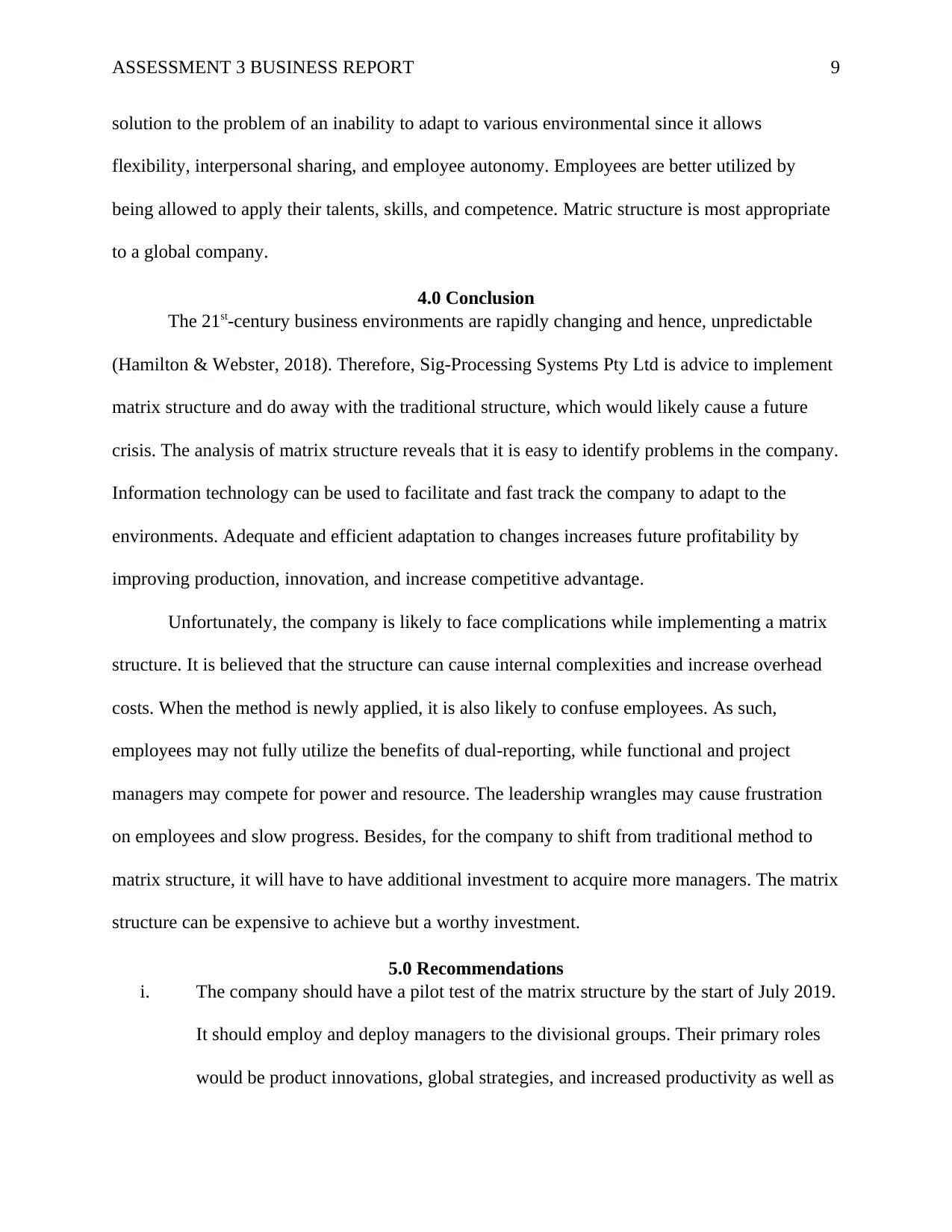
Figure 1: Simple matrix organization. Project Management Institute. The Matric Organization.
Retrieved from https://www.pmi.org/learning/library/matrix-organization-structure-reason-
evolution-1837
Unlike traditional structure, where employees are arranged in departments, matrix
structure organizes employees in two formal groups, including functional group and divisional
group (Hanover Research, 2013). The approach allows cross-functional reporting and integration
of roles as well as expertise while focusing on a particular project. The method increases
productivity.
Figure 1 above represents a simple matrix structure and how dual reporting exists (Hall,
2013). Functional managers are presented on the columns, and the rows depict project managers.
Employees are at the intersections of the rows and the columns. The dual reporting happen
because when working on a project, the employee can either report to the functional manager or
the project manager. The grid provides a shorter chain of command where there is continuous
contact between the employee and the managers. It increases the reporting on project progress
and communications from the department (Hanover Research, 2013). The method is unlike the
traditional organizational structure. As such, management can make decisions fast more
efficiently. As a result, there will be increased productivity and problem-solving since decisions
are made at the team level, and employees are well-informed. The management can focus on
other vital issues that affect the company strategic goals.
Sig-Processing Systems Pty Ltd is a large and growing company, and matrix structure
may cause problems. As the size of the company increases, so does the complexity in its
structure. Therefore, the span of control is low, owing to the vertical structure. The structure is
not suitable in a dynamic environment that the company has. The use of matrix structure is the
Figure 1: Simple matrix organization. Project Management Institute. The Matric Organization.
Retrieved from https://www.pmi.org/learning/library/matrix-organization-structure-reason-
evolution-1837
Unlike traditional structure, where employees are arranged in departments, matrix
structure organizes employees in two formal groups, including functional group and divisional
group (Hanover Research, 2013). The approach allows cross-functional reporting and integration
of roles as well as expertise while focusing on a particular project. The method increases
productivity.
Figure 1 above represents a simple matrix structure and how dual reporting exists (Hall,
2013). Functional managers are presented on the columns, and the rows depict project managers.
Employees are at the intersections of the rows and the columns. The dual reporting happen
because when working on a project, the employee can either report to the functional manager or
the project manager. The grid provides a shorter chain of command where there is continuous
contact between the employee and the managers. It increases the reporting on project progress
and communications from the department (Hanover Research, 2013). The method is unlike the
traditional organizational structure. As such, management can make decisions fast more
efficiently. As a result, there will be increased productivity and problem-solving since decisions
are made at the team level, and employees are well-informed. The management can focus on
other vital issues that affect the company strategic goals.
Sig-Processing Systems Pty Ltd is a large and growing company, and matrix structure
may cause problems. As the size of the company increases, so does the complexity in its
structure. Therefore, the span of control is low, owing to the vertical structure. The structure is
not suitable in a dynamic environment that the company has. The use of matrix structure is the
ASSESSMENT 3 BUSINESS REPORT 9
solution to the problem of an inability to adapt to various environmental since it allows
flexibility, interpersonal sharing, and employee autonomy. Employees are better utilized by
being allowed to apply their talents, skills, and competence. Matric structure is most appropriate
to a global company.
4.0 Conclusion
The 21st-century business environments are rapidly changing and hence, unpredictable
(Hamilton & Webster, 2018). Therefore, Sig-Processing Systems Pty Ltd is advice to implement
matrix structure and do away with the traditional structure, which would likely cause a future
crisis. The analysis of matrix structure reveals that it is easy to identify problems in the company.
Information technology can be used to facilitate and fast track the company to adapt to the
environments. Adequate and efficient adaptation to changes increases future profitability by
improving production, innovation, and increase competitive advantage.
Unfortunately, the company is likely to face complications while implementing a matrix
structure. It is believed that the structure can cause internal complexities and increase overhead
costs. When the method is newly applied, it is also likely to confuse employees. As such,
employees may not fully utilize the benefits of dual-reporting, while functional and project
managers may compete for power and resource. The leadership wrangles may cause frustration
on employees and slow progress. Besides, for the company to shift from traditional method to
matrix structure, it will have to have additional investment to acquire more managers. The matrix
structure can be expensive to achieve but a worthy investment.
5.0 Recommendations
i. The company should have a pilot test of the matrix structure by the start of July 2019.
It should employ and deploy managers to the divisional groups. Their primary roles
would be product innovations, global strategies, and increased productivity as well as
solution to the problem of an inability to adapt to various environmental since it allows
flexibility, interpersonal sharing, and employee autonomy. Employees are better utilized by
being allowed to apply their talents, skills, and competence. Matric structure is most appropriate
to a global company.
4.0 Conclusion
The 21st-century business environments are rapidly changing and hence, unpredictable
(Hamilton & Webster, 2018). Therefore, Sig-Processing Systems Pty Ltd is advice to implement
matrix structure and do away with the traditional structure, which would likely cause a future
crisis. The analysis of matrix structure reveals that it is easy to identify problems in the company.
Information technology can be used to facilitate and fast track the company to adapt to the
environments. Adequate and efficient adaptation to changes increases future profitability by
improving production, innovation, and increase competitive advantage.
Unfortunately, the company is likely to face complications while implementing a matrix
structure. It is believed that the structure can cause internal complexities and increase overhead
costs. When the method is newly applied, it is also likely to confuse employees. As such,
employees may not fully utilize the benefits of dual-reporting, while functional and project
managers may compete for power and resource. The leadership wrangles may cause frustration
on employees and slow progress. Besides, for the company to shift from traditional method to
matrix structure, it will have to have additional investment to acquire more managers. The matrix
structure can be expensive to achieve but a worthy investment.
5.0 Recommendations
i. The company should have a pilot test of the matrix structure by the start of July 2019.
It should employ and deploy managers to the divisional groups. Their primary roles
would be product innovations, global strategies, and increased productivity as well as
⊘ This is a preview!⊘
Do you want full access?
Subscribe today to unlock all pages.
Trusted by 1+ million students worldwide
ASSESSMENT 3 BUSINESS REPORT 10
achieving a competitive advantage. The pilot structure should run for two months,
after which all employees would have been being oriented with the structure for
official adoption.
ii. Besides implementing the new structure in the company, there is a need for change in
the company culture (Fullan, 2014). It calls for new core values which will align with
the matrix structure. The company employees should be trained on the new structure
and values before they sign the company’s commitment to integrity and adherence to
values.
iii. By the end of September 2019, the company will evaluate the structure
implementation process and performance indicators. A team responsible for its
implementation should also ensure employees are proficient in its standards and
procedures. To further reinforce the structure and its culture, the company should
have programs such as team-building which create interpersonal and team
connections. Regular reviews will be necessary.
achieving a competitive advantage. The pilot structure should run for two months,
after which all employees would have been being oriented with the structure for
official adoption.
ii. Besides implementing the new structure in the company, there is a need for change in
the company culture (Fullan, 2014). It calls for new core values which will align with
the matrix structure. The company employees should be trained on the new structure
and values before they sign the company’s commitment to integrity and adherence to
values.
iii. By the end of September 2019, the company will evaluate the structure
implementation process and performance indicators. A team responsible for its
implementation should also ensure employees are proficient in its standards and
procedures. To further reinforce the structure and its culture, the company should
have programs such as team-building which create interpersonal and team
connections. Regular reviews will be necessary.
Paraphrase This Document
Need a fresh take? Get an instant paraphrase of this document with our AI Paraphraser
ASSESSMENT 3 BUSINESS REPORT 11
References
Bharadwaj, A., El Sawy, O. A., Pavlou, P. A., & Venkatraman, N. (2013). Digital business
strategy: Toward the next generation of insights. MIS Quarterly, 471-482.Burns, T., &
Stalker, G., (1994). The Management of Innovation. Oxford University Press.
Eriksen, T. H., (2018). Globalization. In Handbook of Political Anthropology. Edward Elgar
Publishing.
Fullan, M., (2014). Leading in a culture of change, personal action guide, and workbook. Boston:
John Wiley & Sons.
Giebels, E., de Reuver, R. S., Rispens, S., & Ufkes, E. G. (2016). The critical roles of task
conflict and job autonomy in the relationship between proactive personalities and
innovative employee behavior. The Journal of applied behavioral science, 52(3), 320-
341.
Hamilton, L., & Webster, P., (2018). The international business environment. Oxford University
Press.
Hambrick, D. C., Humphrey, S. E., & Gupta, A. (2015). Structural interdependence within top
management teams: A key moderator of upper echelons predictions. Strategic
Management Journal, 36(3), 449-461.
Hanover Research, (2013). Best Practices in Matrix Organizational Structures. Washington, DC:
District Administration Practice.
Hall, K., (2013). Making the Matrix Work: How Matrix Managers Engage People and Cut
Through Complexity. Boston: Nicholas Brealey Publishing.
Keegan, A., Bitterling, I., Sylva, H., & Hoeksema, L. (2018). Organizing the HRM function:
Responses to paradoxes, variety, and dynamism. Human Resource Management, 57(5),
1111-1126.
References
Bharadwaj, A., El Sawy, O. A., Pavlou, P. A., & Venkatraman, N. (2013). Digital business
strategy: Toward the next generation of insights. MIS Quarterly, 471-482.Burns, T., &
Stalker, G., (1994). The Management of Innovation. Oxford University Press.
Eriksen, T. H., (2018). Globalization. In Handbook of Political Anthropology. Edward Elgar
Publishing.
Fullan, M., (2014). Leading in a culture of change, personal action guide, and workbook. Boston:
John Wiley & Sons.
Giebels, E., de Reuver, R. S., Rispens, S., & Ufkes, E. G. (2016). The critical roles of task
conflict and job autonomy in the relationship between proactive personalities and
innovative employee behavior. The Journal of applied behavioral science, 52(3), 320-
341.
Hamilton, L., & Webster, P., (2018). The international business environment. Oxford University
Press.
Hambrick, D. C., Humphrey, S. E., & Gupta, A. (2015). Structural interdependence within top
management teams: A key moderator of upper echelons predictions. Strategic
Management Journal, 36(3), 449-461.
Hanover Research, (2013). Best Practices in Matrix Organizational Structures. Washington, DC:
District Administration Practice.
Hall, K., (2013). Making the Matrix Work: How Matrix Managers Engage People and Cut
Through Complexity. Boston: Nicholas Brealey Publishing.
Keegan, A., Bitterling, I., Sylva, H., & Hoeksema, L. (2018). Organizing the HRM function:
Responses to paradoxes, variety, and dynamism. Human Resource Management, 57(5),
1111-1126.
ASSESSMENT 3 BUSINESS REPORT 12
Noe, R. A., Hollenbeck, J. R., Gerhart, B., & Wright, P. M. (2017). Human resource
management: Gaining a competitive advantage. New York, NY: McGraw-Hill
Education.
Sor, R., (2004). Information technology and organizational structure: Vindicating theories from
the past. Management Decision, 42(2), 316-329.
https://doi.org/10.1108/00251740410513854 Permanent link to this document:
https://doi.org/10.1108/00251740410513854
Schermerhorn, J., (2014). Organizing. In J. R. Schermerhorn, Management (pp. 235 - 270).
Milton: John Wiley & Sons, Inc., New York, United States of America.
Noe, R. A., Hollenbeck, J. R., Gerhart, B., & Wright, P. M. (2017). Human resource
management: Gaining a competitive advantage. New York, NY: McGraw-Hill
Education.
Sor, R., (2004). Information technology and organizational structure: Vindicating theories from
the past. Management Decision, 42(2), 316-329.
https://doi.org/10.1108/00251740410513854 Permanent link to this document:
https://doi.org/10.1108/00251740410513854
Schermerhorn, J., (2014). Organizing. In J. R. Schermerhorn, Management (pp. 235 - 270).
Milton: John Wiley & Sons, Inc., New York, United States of America.
⊘ This is a preview!⊘
Do you want full access?
Subscribe today to unlock all pages.
Trusted by 1+ million students worldwide

1 out of 12


Related Documents


Your All-in-One AI-Powered Toolkit for Academic Success.
+13062052269
info@desklib.com
Available 24*7 on WhatsApp / Email
![[object Object]](/_next/static/media/star-bottom.7253800d.svg)
Unlock your academic potential
Copyright © 2020–2026 A2Z Services. All Rights Reserved. Developed and managed by ZUCOL.