Pathology and Treatment: Comprehensive Analysis of Disease and Therapy

Verified

Added on  2022/12/19

|8
|2116
|1
Report
AI Summary
This report delves into the field of pathology, exploring the study of diseases, their causes, and treatments. It covers key aspects like pathobiology, which investigates the origins and effects of diseases, including who is affected and the long-term prognosis. The report also examines diagnostic methods, detailing the main symptoms of various diseases and the types of tests used to reach a diagnosis. Furthermore, it discusses current treatment options, how they work at a molecular level (molecular mechanism of action), and potential reasons why treatments might not be offered. The report touches upon specific diseases like Hepatitis B and Alzheimer's, providing insights into their diagnosis and treatment approaches. Additionally, it highlights the significance of advanced technologies and various types of medications used in the treatment of diseases. The conclusion emphasizes the importance of pathology in patient care, from diagnostics to advanced treatments and disease prevention.
Document Page
PATHOLOGY AND
TREATMENT
Table of Contents
INTRODUCTION .................................................................. 3
tabler-icon-diamond-filled.svg

Paraphrase This Document

Need a fresh take? Get an instant paraphrase of this document with our AI Paraphraser
Document Page
I Pathobiology the origin cause or set of causes which bring about the disease state who might be
affected and what is the long term prognosis....................... 3
ii Diagnosis what are the main symptoms of the disease what type of tests are used and how is
the diagnosis reached.................................................... 4
iii Treatment what current treatment options are available and how to do these treatments work
are there any reasons why treatment might not be offered............... 5
iv Molecular Mechanism of Action this is the heart of pharmacology how does the treatment
work at the molecular level........................... 5
CONCLUSION.................................................................... 7
REFERENCES.................................................................... 8
INTRODUCTION
This report contains the details of pathology and its treatments. Simply, pathology is the
study of disease. It is the structure between science and medicine. It understands all aspects of
patient care, from diagnostic tests and treatment advice to using cutting-edge genetic
technologies and preventing any infections. Heath cares professionals such as scientists and
doctors are experts in disease and illness. Pathologists play a critical role in research, advanced
medicine, and developing new treatments to fight infections, viruses, and diseases like cancer. It
is really important to check what kind of virus is making the patient sick after collecting the
blood sample from the body, how it develops, what is the effect of the infection on cells, and
Document Page
what will be an outcome of the infection. (Martinez, 2019.) The illness that studies the cellular
pathology, cell death, wound healing, cell necrosis, cancer formation, and inflammation. It helps
to find out how the disease is increasing in the cell or tissues. The report provides the details of pathology
and treatment, pathology is the study of medical science and concerning the effects of disease or injury.
Studies the origin and nature of the viruses. It examines the organs, tissues, bodily fluids, and post
mortem examination to study and diagnose the disease. It helps to study a wide range of biology research
fields and medical practices. For all the diseases and viruses there are advanced technology is used to test
the infections in the body.
Pathobiology the origin cause or set of causes that bring about the disease state who might be
affected and what is the long term prognosis
The main cause of pathogenesis will be infectious diseases which are caused by
organisms such as fungi, viruses, bacteria, or parasites. Thousands of organisms live in the
bodies some of them are usually harmless or even helpful. but certain organisms may cause
infections. The main cause of path-biology is ethology. Ethology is referred to the cause of
disease, there can be more than one etiology and one etiology can to lead more than one disease.
A mechanistic chemical and cellular way to develop through a series of disease entities.
(Abramoff, and Caldera 2020.) Changes in function or structure of an organism at the clinical
level are called pathogenesis and it is a step by step molecular abnormal condition leading to
changes in tissue and cellular functions. The main causes of diseases are cancer, stroke it is
cerebrovascular disease, diabetes, chronic lower respiratory diseases, accidents, Alzheimer’s
disease, suicide intentional self-harm and nephrotic syndrome, nephrosis, and pneumonia.
Hepatitis B is a contagious liver disease that results infection with the Hepatitis B can be acute or
chronic. It can’t be spread by sharing the saliva spit nor even by sharing food or drinks or spoon
or fork. Hepatitis B can be treated it has vaccine so in future the disease won’t occur in the body.
The pathogenic of disease are set in motion by the underlying causes, which can be controlled
and allow the disease to be prevented. It’s rare to identify the potential causes by epidemiological
observations before a pathological link is drawn between the cause and the disease. Certain
diseases can affect the body and start destroying the body cells and tissues. (Webster and et. al.
Document Page
2018.) Health and disease is always being have a concern of society. It is really important to
improve the quality of living and maintaining health without any disease. Nowadays with help of
advanced technology conducting medical tests and all easy.
ii Diagnosis what are the main symptoms of the disease what type of tests are used and how is
the diagnosis reached
The diagnosis is depended on laboratory reports or test results, instead of the physical test
of the patient. For example, a proper diagnosis of disease or infections is required to examine the
symptoms and signs, pathogens are involved in the laboratory test results. There are four
different types of pathogens: the most common types viruses, bacteria, fungi, and parasites.
Diagnosis of a disease illness will be identifying the disease from its symptoms and signs,
diagnosis is done by the doctor or lab-technician, analysis the cause of the condition, situation, or
problem diagnosis.
If the patients is suffering from hepatitis B the patients should avoiding certain food high fat
dairy products, sour cream, fried meals, alcohol and packaged baked goods. The patients should
go for regular blood test to check the liver status if there are symptoms of inflammation the
doctor will start the course of antiviral medication. The doctors diagnose infectious diseases by
using various laboratory tests. After collecting the sample from the patient’s body such as urine,
blood, stool, mucus, or other body fluids for the examination and provide information used in the
diagnostic test. Sometimes the doctors use the microscope to identify infectious organisms.
(Hegde Mahabalagiri and Hegde's ) The most common disease are muscle ache, fever or cold,
diarrhea, coughing, fatigue or over obesity, vomiting, and many more these are symptoms of the
disease. The different signs will be weight loss, hyperpigmentation, etc. Most of the time to
identify the presence of bacteria and understanding the extent of conditions like X-ray, MRI
Scan, CT Scan, Tissue Culture, Bone Scan, and bone biopsy and blood test. Antibiotics are
frequently used for treating bacterial infections. Antibiotics are that medications that affect the
growth of bacteria. The diagnosis is a very important tool for the patient and doctor. The
diagnosis treatment helps to find out future health risks.
tabler-icon-diamond-filled.svg

Paraphrase This Document

Need a fresh take? Get an instant paraphrase of this document with our AI Paraphraser
Document Page
iii Treatment what current treatment options are available and how to do these treatments work
are there any reasons why treatment might not be offered.
Treatment is a term that refers to cure someone with help of medicine, therapy, care,
surgery. There are different treatments for various diseases and some particular tests for the
body. Some of the patients need emergency care to handle medical emergencies and major point
is to take less serious problems. (Akhtar, Bishnoi and Sah, 2020,) Critical care is for extremely
ill or injured patients. Pathogen helps to identify the disease infectious. For cancer treatment
first, it will be surgery with chemotherapy and radiation therapy these are the most common
therapy is used for cancer. Other treatments include such as hormonal therapy, laser, targeted
therapy, and many others. For various cancer, there are different types of treatment and the bad
side effects also like hair loss, loss in weight, constipation, bleeding and bruising, infection and
neutropenia, memory or concentration problems, and mouth and throat problems and many
others. There are 4 types of cancer stages, the last stage is the most horrible cancer to treat, it will
be hard to treat. Alzheimer’s disease is a brain disorder that destroys human memory power and
thinking skills. (Verbeke and et. al. 2018.) The hepatitis B is in found in blood, semen and
vaginal secretion of an infected person. It is easier to catch than HIV because it can be 100 times
more concentrated in an infected persons blood. Even HIV can be treated, there is no vaccine for
HIV but for Hepatitis B. It occurs in the mid-60s. Treating Alzheimer’s disease is a bit hard for
medications called cholinesterase inhibitors are prescribed. There are types of drugs that are used
to treat Alzheimer’s disease and it helps to control certain habits
iv Molecular Mechanism of Action this is the heart of pharmacology how does the treatment
work at the molecular level
The chronic Hepatitis B infection is divide in four phase; immune-tolerant phase, immune-active
phase, immune-control phase and immune clearance. Bleach can disinfectant and other pathogens.The
molecular mechanism of action is medicine for molecular interactions between the treatment and
its biological target that produce the physiological response. There are different cardiovascular
disease problems that include heart disease, arrhythmias, and hypertension. There are various
devasting conditions that affect the heart or the vasculature, that can lead to the high demand for
Document Page
cardiovascular drug use. (Arias and et. al. 2020.) They focus on therapeutic targets so the use of
the cardiovascular system according to the level of molecular and the drugs used to combat
cardiovascular disease. There are some medical drugs that are used to treat heart disease. Drug
therapy like atenolol, acebutolol, betaxolol, and many others. Some of the six big medicine
which is used to heart diseases such as statins for lower LDL cholesterol, aspirin to prevent
blood clots in the body, clopidogrel, warfarin, and beta-blockers to treat heart attack and heart
failure and sometimes to use to treat lower blood pressure. (Webster and et. al. 2018.) These are
medicine or drugs that used to check the molecule level of the cardiovascular system so, it can
prevent heart disease.
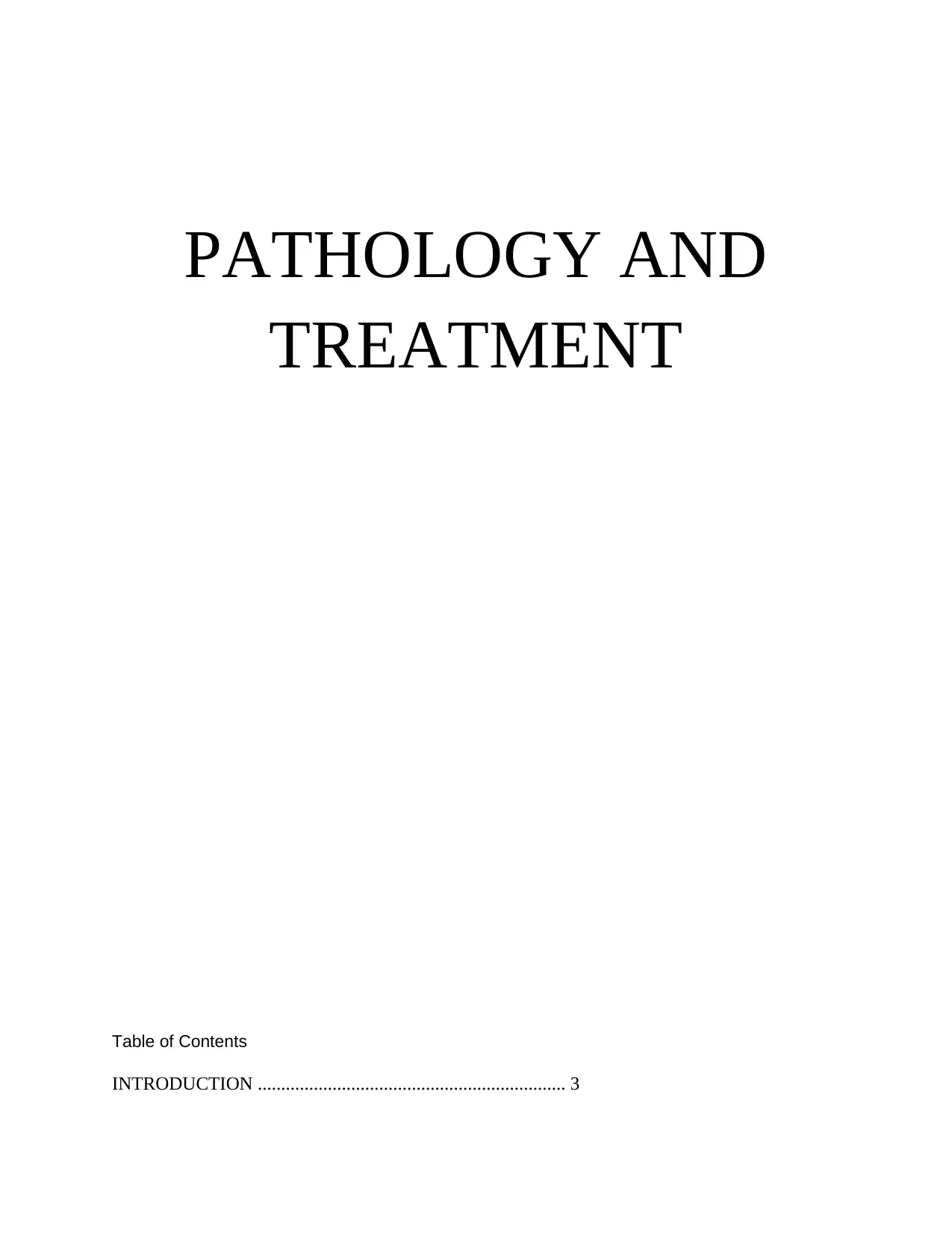
v) Layout This is a key element of the task diagrams or images to support your text is
encouraged, however these must be correctly cited.
CONCLUSION
After the analyzing the above the report it concluded that how pathology is important to
diagnosis any test in the human body and how its treating different disease, various types of
infections and disease, it understands the all aspect of patient care, from diagnostic test and
treatment advice to using cutting edge genetic technologies and preventing from any infections.
Various types of tests are conducted to check the bacteria in the body, understanding a variety of
Document Page
symptoms and signs and how it can be treated in the human body and what are the types of
drugs, therapy, medication is used in the patients.
REFERENCES
Books and authors
Martinez, 2019. Free-living amebas: natural history, prevention, diagnosis, pathology, and treatment of
disease. CRC Press.
Abramoff, and Caldera 2020. Osteoarthritis: pathology, diagnosis, and treatment options. Medical
Clinics, 104(2), pp.293-311.
Hegde Mahabalagiri and Hegde's pocketguide to treatment in speech-language pathology. Plural
Publishing, 2018.
tabler-icon-diamond-filled.svg

Paraphrase This Document

Need a fresh take? Get an instant paraphrase of this document with our AI Paraphraser
Document Page
Verbeke and et. al. 2018. Pathology assessment of pancreatic cancer following neoadjuvant treatment:
Time to move on. Pancreatology, 18(5), pp.467-476.
Akhtar, Bishnoi and Sah, 2020. Sodium orthovanadate improves learning and memory in the
intracerebroventricular-streptozotocin rat model of Alzheimer’s disease through modulation of brain
insulin resistance induced tau pathology. Brain Research Bulletin, 164, pp.83-97.
Arias and et. al. 2020. The liver: biology and pathobiology. John Wiley & Sons.
Webster and et. al. 2018. Speech‐language pathology care and short‐and long‐term outcomes of
oropharyngeal cancer treatment in the elderly. The Laryngoscope, 128(6), pp.1403-1411.
chevron_up_icon
1 out of 8
circle_padding
hide_on_mobile
zoom_out_icon
[object Object]