Functional Proteins and Genes: Phosphofructokinase Analysis, Biology
VerifiedAdded on 2023/01/10
|6
|947
|48
Homework Assignment
AI Summary
This assignment analyzes the protein phosphofructokinase (Pfk), identified by the code 1ZXX, from Lactobacillus delbrueckii. The assignment details the protein's function in glycolysis, converting fructose-6-phosphate to fructose 1,6-biphosphate, and its regulation by ATP. The structural features of Pfk are described, including its monomeric nature, amino acid composition, and secondary structure with alpha and beta helices. The assignment then compares Pfk to haemoglobin, highlighting similarities in globular form and differences in subunit composition. Finally, it discusses the protein's resistance to heat denaturation, explaining that Pfk unfolds around 60°C, but can resist heat denaturation in the presence of phosphate.
Running head: FUNCTIONAL PROTEINS AND GENES 1
FUNCTIONAL PROTEINS AND GENES
Paraphrase This Document
Need a fresh take? Get an instant paraphrase of this document with our AI Paraphraser

Running head: FUNCTIONAL PROTEINS AND GENES 2
Contents
Q1 - What is the name of the protein?.......................................................................................3
Q2 - What does the protein do?.................................................................................................3
Q3 - What are the structural features of the protein?.................................................................3
Q4 - What are two features of your protein’s structure that makes it different OR similar to
haemoglobin?.............................................................................................................................5
Q5-Based on the structural properties of your protein, how resistant (or sensitive) would your
protein be to heat denaturation and why?..................................................................................5
References:.................................................................................................................................6
Contents
Q1 - What is the name of the protein?.......................................................................................3
Q2 - What does the protein do?.................................................................................................3
Q3 - What are the structural features of the protein?.................................................................3
Q4 - What are two features of your protein’s structure that makes it different OR similar to
haemoglobin?.............................................................................................................................5
Q5-Based on the structural properties of your protein, how resistant (or sensitive) would your
protein be to heat denaturation and why?..................................................................................5
References:.................................................................................................................................6

Running head: FUNCTIONAL PROTEINS AND GENES 3
Q1 - What is the name of the protein?
The given protein code is 1ZXX. The name of this protein is phosphofructokinase which is
shortly known as Pfk from lactobacillus delbrueckii
Q2 - What does the protein do?
The enzyme which is named as phosphofructokinase controls the maximum quantity of
glucose which are generally produced from the glycolysis (Villalobos et al. 2016). Glycolysis
is a process where it generally converts fructose-6-phosphate into D fructose 1,6 biphosphate
with the help of ATP. The equation is as follows.
D fructose 6 phosphate + ATP D fructose 1, 6 biphosphate + ADP
In the process of D frustose 6 phosphate phosphorylation ATP is the one who provides
adequate amount of phosphate group to complete this process. In the mean time it performed
as negative loop to subpress the action of the Pfk only when adequate amount of energy are
producing which a cell can use to do their action (Gong et al. 2016).
Q3 - What are the structural features of the protein?
Pfk is considered as a monomer. It is primarily made up of amino acids which forms a
peptide chain.
Q1 - What is the name of the protein?
The given protein code is 1ZXX. The name of this protein is phosphofructokinase which is
shortly known as Pfk from lactobacillus delbrueckii
Q2 - What does the protein do?
The enzyme which is named as phosphofructokinase controls the maximum quantity of
glucose which are generally produced from the glycolysis (Villalobos et al. 2016). Glycolysis
is a process where it generally converts fructose-6-phosphate into D fructose 1,6 biphosphate
with the help of ATP. The equation is as follows.
D fructose 6 phosphate + ATP D fructose 1, 6 biphosphate + ADP
In the process of D frustose 6 phosphate phosphorylation ATP is the one who provides
adequate amount of phosphate group to complete this process. In the mean time it performed
as negative loop to subpress the action of the Pfk only when adequate amount of energy are
producing which a cell can use to do their action (Gong et al. 2016).
Q3 - What are the structural features of the protein?
Pfk is considered as a monomer. It is primarily made up of amino acids which forms a
peptide chain.
⊘ This is a preview!⊘
Do you want full access?
Subscribe today to unlock all pages.

Trusted by 1+ million students worldwide

Running head: FUNCTIONAL PROTEINS AND GENES 4
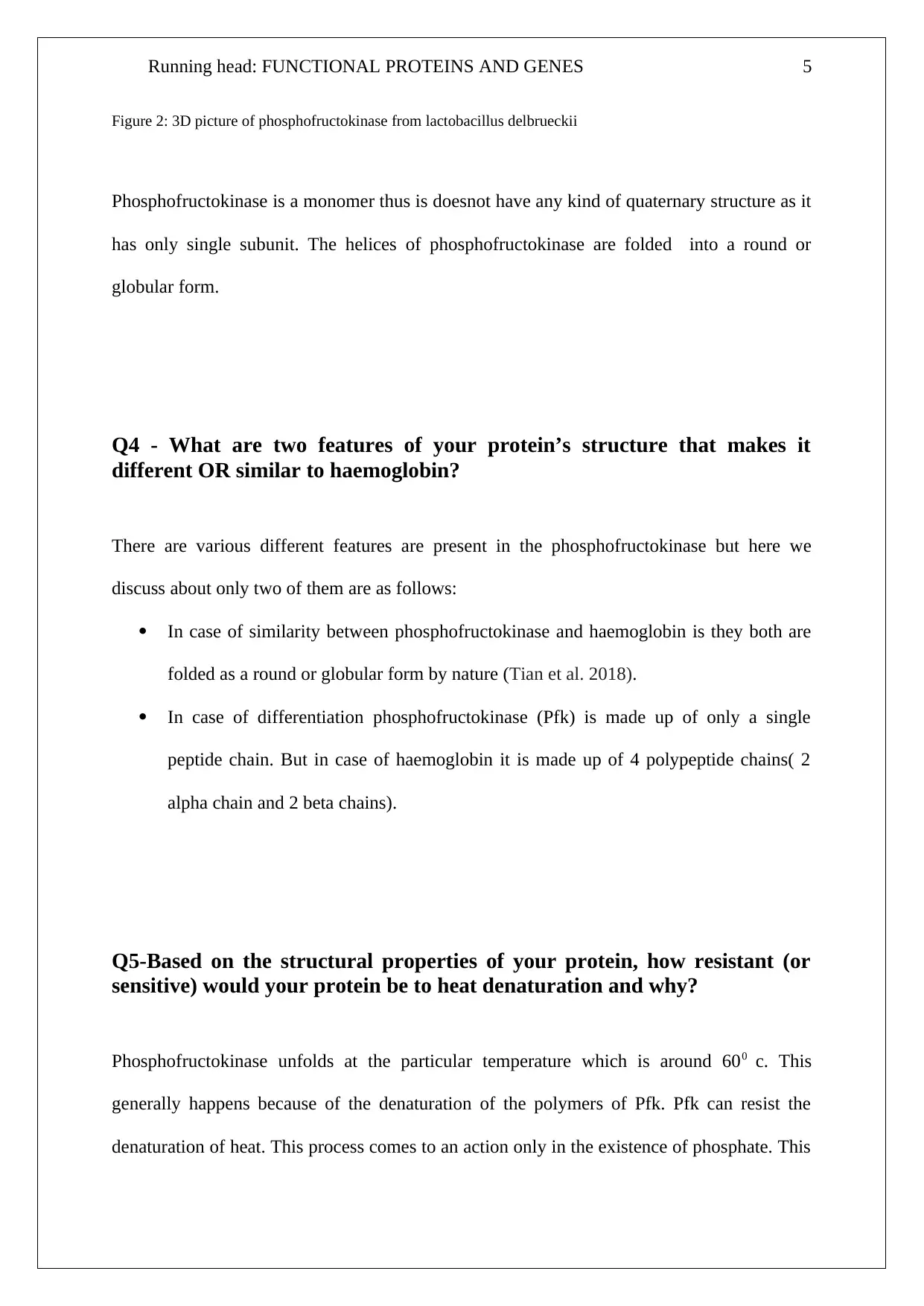
Figure 1: polypepetide chain of phosphofructokinase
More than over 319 amino acid residues are present in the secondary structure of Pfk.in that
secondary structure there are more than 40 percent alpha helices and almost 20 percent beta
helices are present. Inside that 14 strands are made up of more than 140 amino acid residues
and over 10 strands are made up of around 60 amino acid residues (Webb et al. 2015).
Figure 1: polypepetide chain of phosphofructokinase
More than over 319 amino acid residues are present in the secondary structure of Pfk.in that
secondary structure there are more than 40 percent alpha helices and almost 20 percent beta
helices are present. Inside that 14 strands are made up of more than 140 amino acid residues
and over 10 strands are made up of around 60 amino acid residues (Webb et al. 2015).
Paraphrase This Document
Need a fresh take? Get an instant paraphrase of this document with our AI Paraphraser

Running head: FUNCTIONAL PROTEINS AND GENES 5
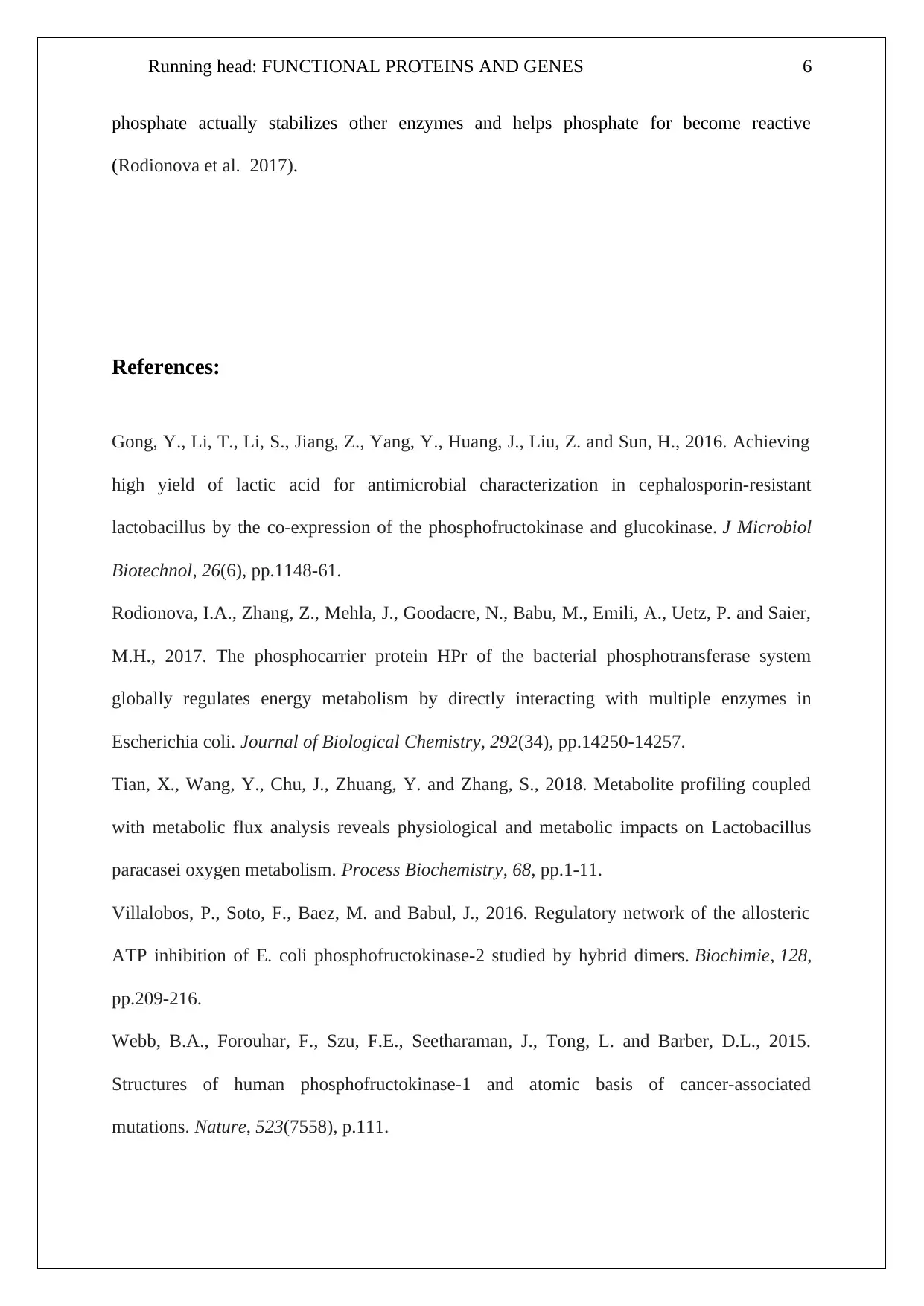
Figure 2: 3D picture of phosphofructokinase from lactobacillus delbrueckii
Phosphofructokinase is a monomer thus is doesnot have any kind of quaternary structure as it
has only single subunit. The helices of phosphofructokinase are folded into a round or
globular form.
Q4 - What are two features of your protein’s structure that makes it
different OR similar to haemoglobin?
There are various different features are present in the phosphofructokinase but here we
discuss about only two of them are as follows:
In case of similarity between phosphofructokinase and haemoglobin is they both are
folded as a round or globular form by nature (Tian et al. 2018).
In case of differentiation phosphofructokinase (Pfk) is made up of only a single
peptide chain. But in case of haemoglobin it is made up of 4 polypeptide chains( 2
alpha chain and 2 beta chains).
Q5-Based on the structural properties of your protein, how resistant (or
sensitive) would your protein be to heat denaturation and why?
Phosphofructokinase unfolds at the particular temperature which is around 600 c. This
generally happens because of the denaturation of the polymers of Pfk. Pfk can resist the
denaturation of heat. This process comes to an action only in the existence of phosphate. This
Figure 2: 3D picture of phosphofructokinase from lactobacillus delbrueckii
Phosphofructokinase is a monomer thus is doesnot have any kind of quaternary structure as it
has only single subunit. The helices of phosphofructokinase are folded into a round or
globular form.
Q4 - What are two features of your protein’s structure that makes it
different OR similar to haemoglobin?
There are various different features are present in the phosphofructokinase but here we
discuss about only two of them are as follows:
In case of similarity between phosphofructokinase and haemoglobin is they both are
folded as a round or globular form by nature (Tian et al. 2018).
In case of differentiation phosphofructokinase (Pfk) is made up of only a single
peptide chain. But in case of haemoglobin it is made up of 4 polypeptide chains( 2
alpha chain and 2 beta chains).
Q5-Based on the structural properties of your protein, how resistant (or
sensitive) would your protein be to heat denaturation and why?
Phosphofructokinase unfolds at the particular temperature which is around 600 c. This
generally happens because of the denaturation of the polymers of Pfk. Pfk can resist the
denaturation of heat. This process comes to an action only in the existence of phosphate. This

Running head: FUNCTIONAL PROTEINS AND GENES 6
phosphate actually stabilizes other enzymes and helps phosphate for become reactive
(Rodionova et al. 2017).
References:
Gong, Y., Li, T., Li, S., Jiang, Z., Yang, Y., Huang, J., Liu, Z. and Sun, H., 2016. Achieving
high yield of lactic acid for antimicrobial characterization in cephalosporin-resistant
lactobacillus by the co-expression of the phosphofructokinase and glucokinase. J Microbiol
Biotechnol, 26(6), pp.1148-61.
Rodionova, I.A., Zhang, Z., Mehla, J., Goodacre, N., Babu, M., Emili, A., Uetz, P. and Saier,
M.H., 2017. The phosphocarrier protein HPr of the bacterial phosphotransferase system
globally regulates energy metabolism by directly interacting with multiple enzymes in
Escherichia coli. Journal of Biological Chemistry, 292(34), pp.14250-14257.
Tian, X., Wang, Y., Chu, J., Zhuang, Y. and Zhang, S., 2018. Metabolite profiling coupled
with metabolic flux analysis reveals physiological and metabolic impacts on Lactobacillus
paracasei oxygen metabolism. Process Biochemistry, 68, pp.1-11.
Villalobos, P., Soto, F., Baez, M. and Babul, J., 2016. Regulatory network of the allosteric
ATP inhibition of E. coli phosphofructokinase-2 studied by hybrid dimers. Biochimie, 128,
pp.209-216.
Webb, B.A., Forouhar, F., Szu, F.E., Seetharaman, J., Tong, L. and Barber, D.L., 2015.
Structures of human phosphofructokinase-1 and atomic basis of cancer-associated
mutations. Nature, 523(7558), p.111.
phosphate actually stabilizes other enzymes and helps phosphate for become reactive
(Rodionova et al. 2017).
References:
Gong, Y., Li, T., Li, S., Jiang, Z., Yang, Y., Huang, J., Liu, Z. and Sun, H., 2016. Achieving
high yield of lactic acid for antimicrobial characterization in cephalosporin-resistant
lactobacillus by the co-expression of the phosphofructokinase and glucokinase. J Microbiol
Biotechnol, 26(6), pp.1148-61.
Rodionova, I.A., Zhang, Z., Mehla, J., Goodacre, N., Babu, M., Emili, A., Uetz, P. and Saier,
M.H., 2017. The phosphocarrier protein HPr of the bacterial phosphotransferase system
globally regulates energy metabolism by directly interacting with multiple enzymes in
Escherichia coli. Journal of Biological Chemistry, 292(34), pp.14250-14257.
Tian, X., Wang, Y., Chu, J., Zhuang, Y. and Zhang, S., 2018. Metabolite profiling coupled
with metabolic flux analysis reveals physiological and metabolic impacts on Lactobacillus
paracasei oxygen metabolism. Process Biochemistry, 68, pp.1-11.
Villalobos, P., Soto, F., Baez, M. and Babul, J., 2016. Regulatory network of the allosteric
ATP inhibition of E. coli phosphofructokinase-2 studied by hybrid dimers. Biochimie, 128,
pp.209-216.
Webb, B.A., Forouhar, F., Szu, F.E., Seetharaman, J., Tong, L. and Barber, D.L., 2015.
Structures of human phosphofructokinase-1 and atomic basis of cancer-associated
mutations. Nature, 523(7558), p.111.
⊘ This is a preview!⊘
Do you want full access?
Subscribe today to unlock all pages.

Trusted by 1+ million students worldwide
1 out of 6
Related Documents
Your All-in-One AI-Powered Toolkit for Academic Success.
+13062052269
info@desklib.com
Available 24*7 on WhatsApp / Email
Unlock your academic potential
Copyright © 2020–2025 A2Z Services. All Rights Reserved. Developed and managed by ZUCOL.