Product Portfolio Management and PLC Analysis of Colgate-Palmolive
VerifiedAdded on 2020/02/03
|18
|4570
|568
Report
AI Summary
This report provides a comprehensive analysis of Colgate-Palmolive's product portfolio management (PPM) strategy. It delves into the company's current performance, examining sales trends and the impact of competition from companies like Clorox and Procter & Gamble. The report explores pricing decisions within the context of the product life cycle (PLC) and how external macro-level factors influence the industry. It applies tools such as the BCG matrix to assess product positioning and offers recommendations for optimizing the product portfolio, including marketing strategies for specific customer segments within the PLC. The analysis covers various aspects of Colgate-Palmolive's product offerings, particularly toothpaste, and provides insights into managing product lifecycles to maximize profitability and market competitiveness. The report concludes with actionable recommendations for enhancing the company's product portfolio and ensuring sustainable growth in the consumer goods industry.
PRODUCT PORTFOLIO
MANAGEMENT
MANAGEMENT

Paraphrase This Document
Need a fresh take? Get an instant paraphrase of this document with our AI Paraphraser
Table of Contents
INTRODUCTION...........................................................................................................................................4
Product portfolio management (PPM)....................................................................................................4
Analysis of Colgate-Palmolive’s current performance.............................................................................6
Pricing decisions in the context of PPM & PLC........................................................................................7
Impact of competition on PPM and PLC..................................................................................................7
Macro-level, external effects on the industry & its relations to PPM & PLC............................................8
Influence of PPM & PLC in product development....................................................................................8
BCG matrix...............................................................................................................................................9
Length of the PLC at Colgate-Palmolive.................................................................................................11
Marketing to specific customer segments of PLC..................................................................................14
RECOMMENDATIONS................................................................................................................................15
CONCLUSION.............................................................................................................................................16
REFERENCES..............................................................................................................................................18
INTRODUCTION...........................................................................................................................................4
Product portfolio management (PPM)....................................................................................................4
Analysis of Colgate-Palmolive’s current performance.............................................................................6
Pricing decisions in the context of PPM & PLC........................................................................................7
Impact of competition on PPM and PLC..................................................................................................7
Macro-level, external effects on the industry & its relations to PPM & PLC............................................8
Influence of PPM & PLC in product development....................................................................................8
BCG matrix...............................................................................................................................................9
Length of the PLC at Colgate-Palmolive.................................................................................................11
Marketing to specific customer segments of PLC..................................................................................14
RECOMMENDATIONS................................................................................................................................15
CONCLUSION.............................................................................................................................................16
REFERENCES..............................................................................................................................................18
Table of Figures
Figure 1 Colgate Palmolive's product portfolio...........................................................................................5
Figure 2 Colgate Palmolive quarterly sales V/s Estimates...........................................................................6
Figure 3 BCG matrix of Colgate-Palmolive................................................................................................9
Figure 4 Stages of product life cycle (PLC) and its characteristics............................................................11
Figure 5 Colgate-Palmolive's product life cycle stages..............................................................................12
Figure 6 Linkage between PLC and BCG matrix for the product portfolio management..........................13
Figure 7 Innovation adoption lifecycle......................................................................................................14
Figure 8 Marketing mix strategies in different PLC stages........................................................................15
Figure 1 Colgate Palmolive's product portfolio...........................................................................................5
Figure 2 Colgate Palmolive quarterly sales V/s Estimates...........................................................................6
Figure 3 BCG matrix of Colgate-Palmolive................................................................................................9
Figure 4 Stages of product life cycle (PLC) and its characteristics............................................................11
Figure 5 Colgate-Palmolive's product life cycle stages..............................................................................12
Figure 6 Linkage between PLC and BCG matrix for the product portfolio management..........................13
Figure 7 Innovation adoption lifecycle......................................................................................................14
Figure 8 Marketing mix strategies in different PLC stages........................................................................15
⊘ This is a preview!⊘
Do you want full access?
Subscribe today to unlock all pages.

Trusted by 1+ million students worldwide
INTRODUCTION
Product portfolio is regarded as the collection of number of products and services that is
provided by the company to its consumers. Now-a-days, with the internationalization of the
businesses, establishments started opreating at the multinational countries which rose
competition in the corporate sector. It becomes essential for the coroprations to offer muiltiple
range of products to the consumers so that they can attract milennial audience base from all
around the globe and maximize their competitiveness to reach their organizational targets
successfully. For every business regardless their sizes, it becomes essential for them to
effectively and efficiently manage their product portfolio so as to reach global market and
compete succsfully with their rivalry organizations. The current project report emphasizes on the
development & management of product portfolio in consumer goods industry based on Colgate-
Palmolive. It is an American establishment listed on NYSE and headquartered in NewYork, US.
It had developed an excellent portfolio comprising househld goods, health care items & other
hygiene goods i.e. toothpaste, toothbrushes, colgate, bathing soaps, detergents and many others.
For the current assignment, toothpaste has been selected which position will be examined in the
current market. Moreover, different tools and techniques like product life cycle (PLC), product
portfolio management (PPM), Boston Matrix and others will be applied. With this, convincing
judgemental decisions will be made to recommend the enterprise to implement changes and
drive progress.
Product portfolio management (PPM)
PPM is regarded as a process of managing the goods portfolio of a business entity by
allocating resources optimally to all the goods and services that creates the portfolio (Jugend and
da Silva, 2014). In the global corporate scenario, it is highly important for the decision-makers to
allocate their resources optimally for ensuring the smooth functioning. Recent years witnessed
and tracked heightened interest of the establishments in the portfolio management so as to gain
brand popularity (Hair and Lukas, 2014).The main target of the PPM is value maxmization,
having a balanced product portfolio assists business to manage a right balance between risk &
return across different market areas and leads to bring high success. Colgate-Palmolive is one of
the leading organization operating in the consumer goods industry and serve their offerings all
Product portfolio is regarded as the collection of number of products and services that is
provided by the company to its consumers. Now-a-days, with the internationalization of the
businesses, establishments started opreating at the multinational countries which rose
competition in the corporate sector. It becomes essential for the coroprations to offer muiltiple
range of products to the consumers so that they can attract milennial audience base from all
around the globe and maximize their competitiveness to reach their organizational targets
successfully. For every business regardless their sizes, it becomes essential for them to
effectively and efficiently manage their product portfolio so as to reach global market and
compete succsfully with their rivalry organizations. The current project report emphasizes on the
development & management of product portfolio in consumer goods industry based on Colgate-
Palmolive. It is an American establishment listed on NYSE and headquartered in NewYork, US.
It had developed an excellent portfolio comprising househld goods, health care items & other
hygiene goods i.e. toothpaste, toothbrushes, colgate, bathing soaps, detergents and many others.
For the current assignment, toothpaste has been selected which position will be examined in the
current market. Moreover, different tools and techniques like product life cycle (PLC), product
portfolio management (PPM), Boston Matrix and others will be applied. With this, convincing
judgemental decisions will be made to recommend the enterprise to implement changes and
drive progress.
Product portfolio management (PPM)
PPM is regarded as a process of managing the goods portfolio of a business entity by
allocating resources optimally to all the goods and services that creates the portfolio (Jugend and
da Silva, 2014). In the global corporate scenario, it is highly important for the decision-makers to
allocate their resources optimally for ensuring the smooth functioning. Recent years witnessed
and tracked heightened interest of the establishments in the portfolio management so as to gain
brand popularity (Hair and Lukas, 2014).The main target of the PPM is value maxmization,
having a balanced product portfolio assists business to manage a right balance between risk &
return across different market areas and leads to bring high success. Colgate-Palmolive is one of
the leading organization operating in the consumer goods industry and serve their offerings all
Paraphrase This Document
Need a fresh take? Get an instant paraphrase of this document with our AI Paraphraser
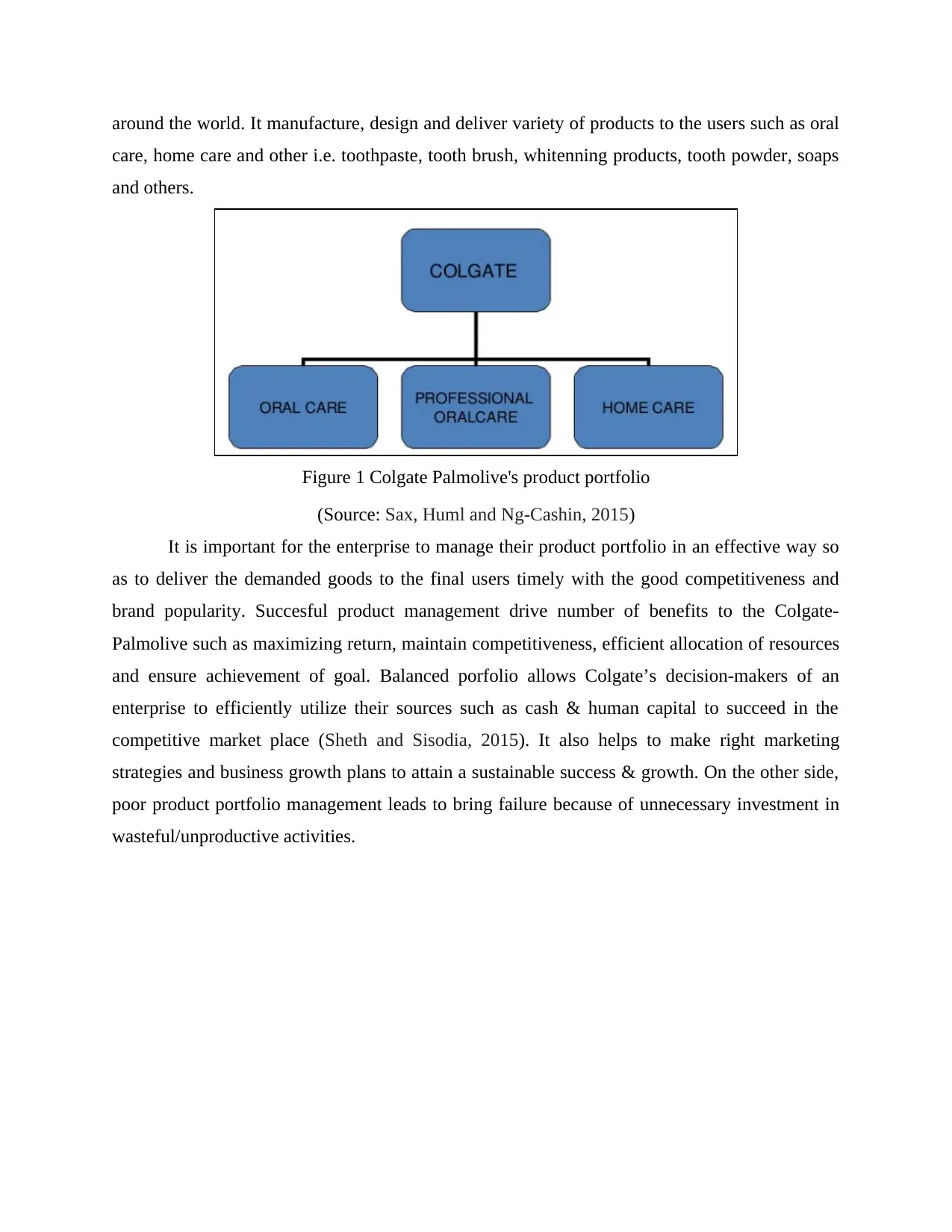
around the world. It manufacture, design and deliver variety of products to the users such as oral
care, home care and other i.e. toothpaste, tooth brush, whitenning products, tooth powder, soaps
and others.
Figure 1 Colgate Palmolive's product portfolio
(Source: Sax, Huml and Ng-Cashin, 2015)
It is important for the enterprise to manage their product portfolio in an effective way so
as to deliver the demanded goods to the final users timely with the good competitiveness and
brand popularity. Succesful product management drive number of benefits to the Colgate-
Palmolive such as maximizing return, maintain competitiveness, efficient allocation of resources
and ensure achievement of goal. Balanced porfolio allows Colgate’s decision-makers of an
enterprise to efficiently utilize their sources such as cash & human capital to succeed in the
competitive market place (Sheth and Sisodia, 2015). It also helps to make right marketing
strategies and business growth plans to attain a sustainable success & growth. On the other side,
poor product portfolio management leads to bring failure because of unnecessary investment in
wasteful/unproductive activities.
care, home care and other i.e. toothpaste, tooth brush, whitenning products, tooth powder, soaps
and others.
Figure 1 Colgate Palmolive's product portfolio
(Source: Sax, Huml and Ng-Cashin, 2015)
It is important for the enterprise to manage their product portfolio in an effective way so
as to deliver the demanded goods to the final users timely with the good competitiveness and
brand popularity. Succesful product management drive number of benefits to the Colgate-
Palmolive such as maximizing return, maintain competitiveness, efficient allocation of resources
and ensure achievement of goal. Balanced porfolio allows Colgate’s decision-makers of an
enterprise to efficiently utilize their sources such as cash & human capital to succeed in the
competitive market place (Sheth and Sisodia, 2015). It also helps to make right marketing
strategies and business growth plans to attain a sustainable success & growth. On the other side,
poor product portfolio management leads to bring failure because of unnecessary investment in
wasteful/unproductive activities.
Analysis of Colgate-Palmolive’s current performance
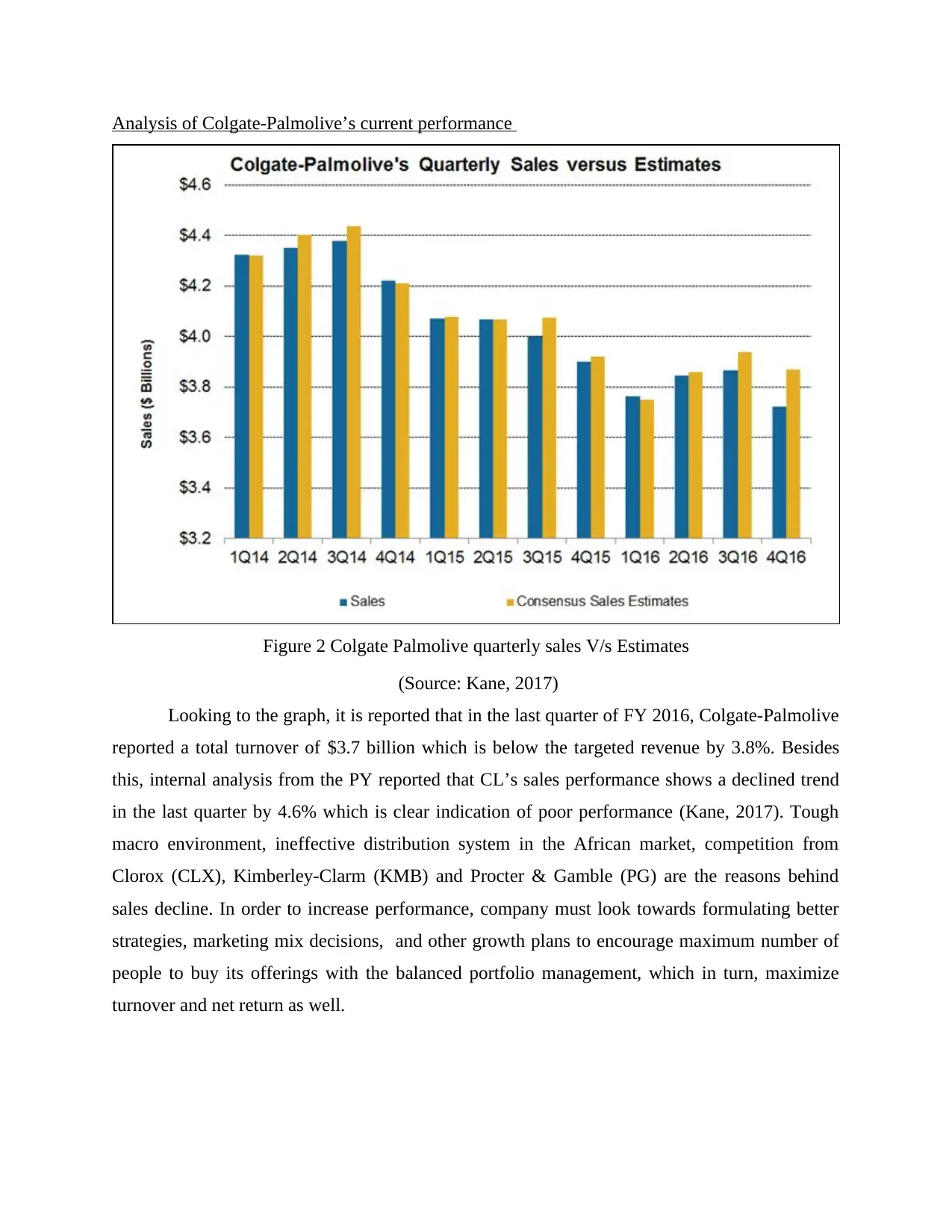
Figure 2 Colgate Palmolive quarterly sales V/s Estimates
(Source: Kane, 2017)
Looking to the graph, it is reported that in the last quarter of FY 2016, Colgate-Palmolive
reported a total turnover of $3.7 billion which is below the targeted revenue by 3.8%. Besides
this, internal analysis from the PY reported that CL’s sales performance shows a declined trend
in the last quarter by 4.6% which is clear indication of poor performance (Kane, 2017). Tough
macro environment, ineffective distribution system in the African market, competition from
Clorox (CLX), Kimberley-Clarm (KMB) and Procter & Gamble (PG) are the reasons behind
sales decline. In order to increase performance, company must look towards formulating better
strategies, marketing mix decisions, and other growth plans to encourage maximum number of
people to buy its offerings with the balanced portfolio management, which in turn, maximize
turnover and net return as well.
Figure 2 Colgate Palmolive quarterly sales V/s Estimates
(Source: Kane, 2017)
Looking to the graph, it is reported that in the last quarter of FY 2016, Colgate-Palmolive
reported a total turnover of $3.7 billion which is below the targeted revenue by 3.8%. Besides
this, internal analysis from the PY reported that CL’s sales performance shows a declined trend
in the last quarter by 4.6% which is clear indication of poor performance (Kane, 2017). Tough
macro environment, ineffective distribution system in the African market, competition from
Clorox (CLX), Kimberley-Clarm (KMB) and Procter & Gamble (PG) are the reasons behind
sales decline. In order to increase performance, company must look towards formulating better
strategies, marketing mix decisions, and other growth plans to encourage maximum number of
people to buy its offerings with the balanced portfolio management, which in turn, maximize
turnover and net return as well.
⊘ This is a preview!⊘
Do you want full access?
Subscribe today to unlock all pages.
Trusted by 1+ million students worldwide
Pricing decisions in the context of PPM & PLC
For the effective portfolio manageement, Colgate-Palmolive’s production manager
examine the product life cycle of the toothpaste and accordingly, pricing decisions needs to be
made for effective portfolio management.
At the first stage of introduction of new toothpaste, CL must adopt cost-plus mark up
pricing method in which, prices must be set at costs adding a fixed or reasonable mark-up
to ensure return.
Thereafter, at the growth stage of Colgate Total Toothpaste, firm must choose penetration
pricing which will be extremely useful to attract potential buyers by delivering them the
product comparatively at low prices. It helps to take away the consumers from the rival
firms like KMB, PG, CLX & others.
Currently, its toothpaste varieties, Max fresh, Active Salt and other stands at maturity
phase, here, and competitive pricing mechanism should be followed to beat the
competitive organizations by adding more value to the offered product.
Lastly, decline is the phase of product out from the market wherein in order to dispose of
the available stock, CL must follow price cutting strategy by offering big discount offers
to the public from the selected outlets only.
Impact of competition on PPM and PLC
In the today’s era, colgate is facing tough competition from the multinational business
units like Clorox (CLX), Kimberley-Clarm (KMB) and Procter & Gamble (PG) and others. It has
a strong effect on the product portfolio mangement activities because with the immense
competitive pressure, business must look towards introducing unique offerings that is different
from the competitors. Moreover, not only the new product development but also they need to
bring innovations in the current offerings by adding more value to it for retaining the buyers and
attract more and more audiences to beat rivals. At the introduction phase of PLC for the
toothpaste, competition is very less because it is the point of new product development in the
market. However, growth stage shows a steady growth in the sales and profit, which attract new
enterpreneurs to start their own business, as a result, competition becomes tougher. With regards
to Colgate-Palmolive, Colgate Total Toothpaste is competing with the CLX, KMB, UL & PG.
Although, it is facing stiff competition, however, its dominance in the oral care and large product
portfolio makes it really hard for the new entity to enter into the market with similiar kind of
For the effective portfolio manageement, Colgate-Palmolive’s production manager
examine the product life cycle of the toothpaste and accordingly, pricing decisions needs to be
made for effective portfolio management.
At the first stage of introduction of new toothpaste, CL must adopt cost-plus mark up
pricing method in which, prices must be set at costs adding a fixed or reasonable mark-up
to ensure return.
Thereafter, at the growth stage of Colgate Total Toothpaste, firm must choose penetration
pricing which will be extremely useful to attract potential buyers by delivering them the
product comparatively at low prices. It helps to take away the consumers from the rival
firms like KMB, PG, CLX & others.
Currently, its toothpaste varieties, Max fresh, Active Salt and other stands at maturity
phase, here, and competitive pricing mechanism should be followed to beat the
competitive organizations by adding more value to the offered product.
Lastly, decline is the phase of product out from the market wherein in order to dispose of
the available stock, CL must follow price cutting strategy by offering big discount offers
to the public from the selected outlets only.
Impact of competition on PPM and PLC
In the today’s era, colgate is facing tough competition from the multinational business
units like Clorox (CLX), Kimberley-Clarm (KMB) and Procter & Gamble (PG) and others. It has
a strong effect on the product portfolio mangement activities because with the immense
competitive pressure, business must look towards introducing unique offerings that is different
from the competitors. Moreover, not only the new product development but also they need to
bring innovations in the current offerings by adding more value to it for retaining the buyers and
attract more and more audiences to beat rivals. At the introduction phase of PLC for the
toothpaste, competition is very less because it is the point of new product development in the
market. However, growth stage shows a steady growth in the sales and profit, which attract new
enterpreneurs to start their own business, as a result, competition becomes tougher. With regards
to Colgate-Palmolive, Colgate Total Toothpaste is competing with the CLX, KMB, UL & PG.
Although, it is facing stiff competition, however, its dominance in the oral care and large product
portfolio makes it really hard for the new entity to enter into the market with similiar kind of
Paraphrase This Document
Need a fresh take? Get an instant paraphrase of this document with our AI Paraphraser
toothpaste offerings (Morgan, 2015). Its e-commerce operations and digital advertisement enable
CL to make their consumer base loyal. Its Colgate max fresh, active salt, cavity protection are
currently at growth stage where marketing department must look towards introducing necessary
modifications and improvements in the current offerings and marketing plan as well to derive
competitiv advantages over the rivalries. Here, it is an opportunity for the CL to provide online
dental services & aware the users for oral hygiene as well for the brighter success. Lastly, colgate
toothpaste powder is gone away from the market thus, sales promotion plans must be reduced to
a minimal level to reduce unnecessary costs occurrence for the profitability management
purpose.
Macro-level, external effects on the industry & its relations to PPM & PLC
In the external market, tough competition in the US consumer goods industry, innovation
& advancement, information & communication technology advancement through online
presence and modern marketing mediums are the externalities which created pressure on the CL
to introduce uniquness. Besides this, awareness among customers regarding their oral hygiene is
also a factor that provides opportunity to the firm to provide variety of products in different
ranges to the users in their PPM. External market also have a relation to the PLC as initially,
when a new toothpaste is introduced then there is no substitue exists in the market, however,
with the growth in sales, competitors also started delivering similar product at growth & maturity
phases. Lastly, with the weak market growth in sales, such item is totally removed from the
production line of CL to minimize spendings. At this stage, new product development strategy
developed to not lose the audience base & market share by lauching a new item in product
portfolio.
Influence of PPM & PLC in product development
PPM is a centralized system of different methods, processes and techniques that top
managerial authorities used to manage their current as well as prospective projects based on
different characteristics. However, on the other side, continual progress of the deliverables iin the
market through is called as PLC which is directly associated with the change in the market
environment and affects company’s marketing strategy and mix decisions to a great extent. Here,
PPM is discussed here by analyzing the current position of the CL through BCG matrix,
mentioned below:
CL to make their consumer base loyal. Its Colgate max fresh, active salt, cavity protection are
currently at growth stage where marketing department must look towards introducing necessary
modifications and improvements in the current offerings and marketing plan as well to derive
competitiv advantages over the rivalries. Here, it is an opportunity for the CL to provide online
dental services & aware the users for oral hygiene as well for the brighter success. Lastly, colgate
toothpaste powder is gone away from the market thus, sales promotion plans must be reduced to
a minimal level to reduce unnecessary costs occurrence for the profitability management
purpose.
Macro-level, external effects on the industry & its relations to PPM & PLC
In the external market, tough competition in the US consumer goods industry, innovation
& advancement, information & communication technology advancement through online
presence and modern marketing mediums are the externalities which created pressure on the CL
to introduce uniquness. Besides this, awareness among customers regarding their oral hygiene is
also a factor that provides opportunity to the firm to provide variety of products in different
ranges to the users in their PPM. External market also have a relation to the PLC as initially,
when a new toothpaste is introduced then there is no substitue exists in the market, however,
with the growth in sales, competitors also started delivering similar product at growth & maturity
phases. Lastly, with the weak market growth in sales, such item is totally removed from the
production line of CL to minimize spendings. At this stage, new product development strategy
developed to not lose the audience base & market share by lauching a new item in product
portfolio.
Influence of PPM & PLC in product development
PPM is a centralized system of different methods, processes and techniques that top
managerial authorities used to manage their current as well as prospective projects based on
different characteristics. However, on the other side, continual progress of the deliverables iin the
market through is called as PLC which is directly associated with the change in the market
environment and affects company’s marketing strategy and mix decisions to a great extent. Here,
PPM is discussed here by analyzing the current position of the CL through BCG matrix,
mentioned below:
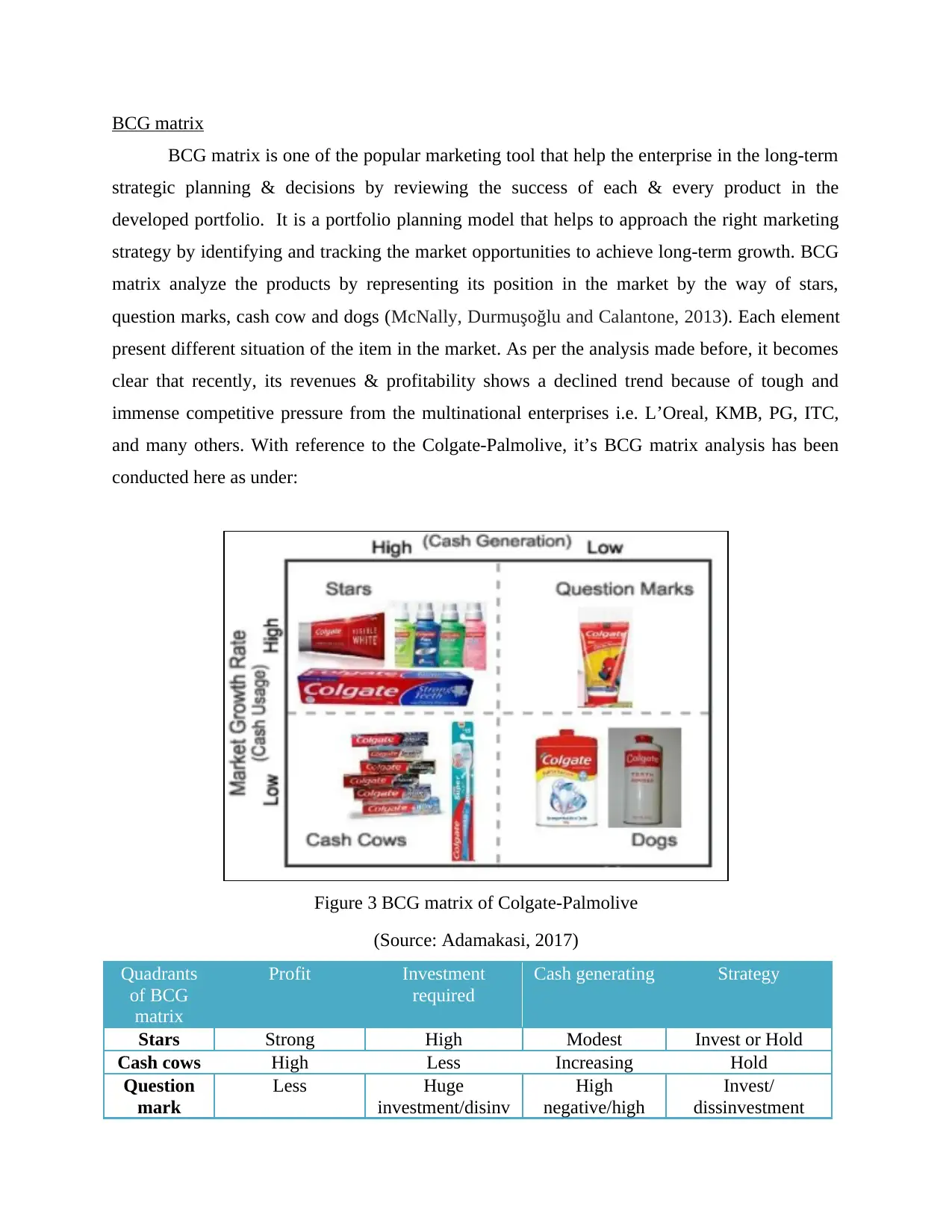
BCG matrix
BCG matrix is one of the popular marketing tool that help the enterprise in the long-term
strategic planning & decisions by reviewing the success of each & every product in the
developed portfolio. It is a portfolio planning model that helps to approach the right marketing
strategy by identifying and tracking the market opportunities to achieve long-term growth. BCG
matrix analyze the products by representing its position in the market by the way of stars,
question marks, cash cow and dogs (McNally, Durmuşoğlu and Calantone, 2013). Each element
present different situation of the item in the market. As per the analysis made before, it becomes
clear that recently, its revenues & profitability shows a declined trend because of tough and
immense competitive pressure from the multinational enterprises i.e. L’Oreal, KMB, PG, ITC,
and many others. With reference to the Colgate-Palmolive, it’s BCG matrix analysis has been
conducted here as under:
Figure 3 BCG matrix of Colgate-Palmolive
(Source: Adamakasi, 2017)
Quadrants
of BCG
matrix
Profit Investment
required
Cash generating Strategy
Stars Strong High Modest Invest or Hold
Cash cows High Less Increasing Hold
Question
mark
Less Huge
investment/disinv
High
negative/high
Invest/
dissinvestment
BCG matrix is one of the popular marketing tool that help the enterprise in the long-term
strategic planning & decisions by reviewing the success of each & every product in the
developed portfolio. It is a portfolio planning model that helps to approach the right marketing
strategy by identifying and tracking the market opportunities to achieve long-term growth. BCG
matrix analyze the products by representing its position in the market by the way of stars,
question marks, cash cow and dogs (McNally, Durmuşoğlu and Calantone, 2013). Each element
present different situation of the item in the market. As per the analysis made before, it becomes
clear that recently, its revenues & profitability shows a declined trend because of tough and
immense competitive pressure from the multinational enterprises i.e. L’Oreal, KMB, PG, ITC,
and many others. With reference to the Colgate-Palmolive, it’s BCG matrix analysis has been
conducted here as under:
Figure 3 BCG matrix of Colgate-Palmolive
(Source: Adamakasi, 2017)
Quadrants
of BCG
matrix
Profit Investment
required
Cash generating Strategy
Stars Strong High Modest Invest or Hold
Cash cows High Less Increasing Hold
Question
mark
Less Huge
investment/disinv
High
negative/high
Invest/
dissinvestment
⊘ This is a preview!⊘
Do you want full access?
Subscribe today to unlock all pages.
Trusted by 1+ million students worldwide
estment positive
Dogs Negative or less Disinvestment Disposal of such
operation drive
cash into the
business
Dissinvestment
strategy
Cash Cows: In this stage, an item that is offered by the business becomes a source of
sustainable income by having a large market share but with less growth rate. As per the matrix
presented above, it can be seen that from the Colgate’s product portfolio, its variety of tooth
pastes had achieved a steady growth in earning from past few years. Although the financial
downturn created a high impact on the consumption, still, the market demand of toothpaste
remained unchanged. They are enough mature in the global market and generating good return,
which in turn, enable Colgate-Palmolive to become a benchmark firm for the entire industry
(Tolonen and et.al., 2015). Currently, the global consumer demand for the items Colgamte max
fresh, Colgate total, advanced fresh are in high demand.
Stars: Products that falls in this group are highly strong because it presents high share
and high rate of market growth which is a clear indication that earning from the sell of such
items will grow at a high rate. In context to Colgate, it is offering variety of mouth wash ranges
to the consumers which represents a significant share in the worldwide market and also expected
to grow earnings in the future period in oral healthcare sector (Adamakasi, 2017). Besides this,
teeth whitenning pastes that are delivering currently experiencing a rising demand and becoming
a leading source of its success and financial progress.
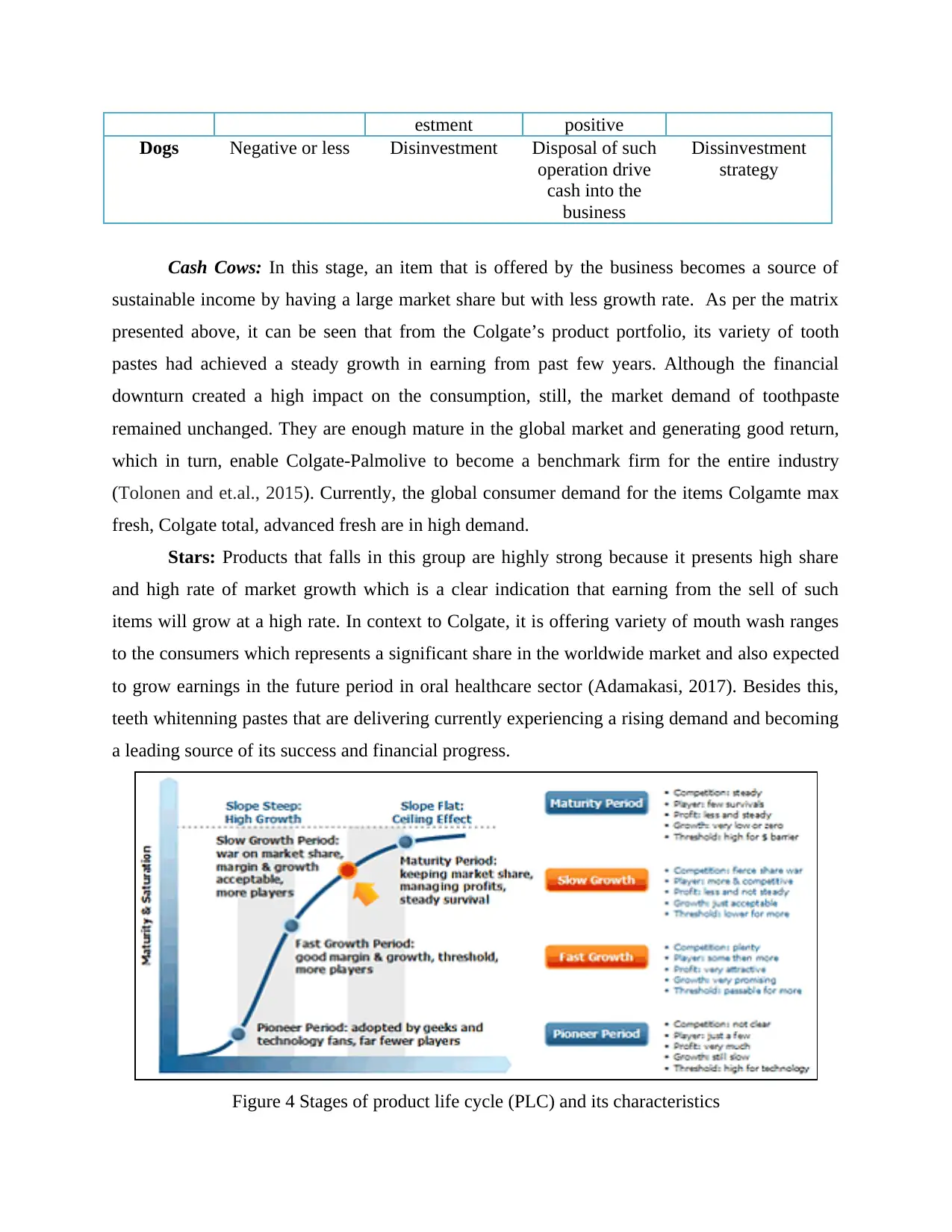
Figure 4 Stages of product life cycle (PLC) and its characteristics
Dogs Negative or less Disinvestment Disposal of such
operation drive
cash into the
business
Dissinvestment
strategy
Cash Cows: In this stage, an item that is offered by the business becomes a source of
sustainable income by having a large market share but with less growth rate. As per the matrix
presented above, it can be seen that from the Colgate’s product portfolio, its variety of tooth
pastes had achieved a steady growth in earning from past few years. Although the financial
downturn created a high impact on the consumption, still, the market demand of toothpaste
remained unchanged. They are enough mature in the global market and generating good return,
which in turn, enable Colgate-Palmolive to become a benchmark firm for the entire industry
(Tolonen and et.al., 2015). Currently, the global consumer demand for the items Colgamte max
fresh, Colgate total, advanced fresh are in high demand.
Stars: Products that falls in this group are highly strong because it presents high share
and high rate of market growth which is a clear indication that earning from the sell of such
items will grow at a high rate. In context to Colgate, it is offering variety of mouth wash ranges
to the consumers which represents a significant share in the worldwide market and also expected
to grow earnings in the future period in oral healthcare sector (Adamakasi, 2017). Besides this,
teeth whitenning pastes that are delivering currently experiencing a rising demand and becoming
a leading source of its success and financial progress.
Figure 4 Stages of product life cycle (PLC) and its characteristics
Paraphrase This Document
Need a fresh take? Get an instant paraphrase of this document with our AI Paraphraser
(Source: Stark, 2015)
Question marks: Products prevails under this stage has an uncertain future which either
can succeed in the market or may be a reason of failure. Their market share is less but the growth
rate is expected to be high. In the oral healthcare offerings by the Colgate, it did not achieved a
strong position in the market for toothpaste for kids as that of toothpaste for the adults. Success
of these endevaour can change the product position into star through adopting and implementing
unique and innovative promotional plan targeting the actual needs and demands of the buyers
(Shanbhag, Dutt and Bagwe, 2016).
Dogs: It represents weak share in the market and their cash generation is too low. They
do not help in the solid financial progress and do not provide better value to the consumers. It is
just a burden to the company and indicates unproductive and unnecessary activities. With the
introduction of toothpastes in different range, Colgate toothpowder demand significantly
decreased due to low interest (Tao and Shi, 2016). As a result, company may be decide to stop
investment in colgate powder because of decreased reveunue & market share. Besides this,
raising issues regarding its quality such as occurrence of Mesothelioma which imposed a penalty
of $13m to the entity brought dog position for such goods (Tolonen and et.al., 2015).
Length of the PLC at Colgate-Palmolive
Every products flows & progress in the market through a life cycle chain ranging from
the introduction, growth, maturity and decline stages. This continuing sequence is called as PLC
which is directly associated with the change in the market environment and affects company’s
marketing strategy and mix decisions to a great extent. Product life cycle management (PLM) is
regarded as a process of administrating and managing the products over various stages so as to
achieve sustainable growth (Picard, 2014). Alternatively, PLM can be defined as a succession of
business strategies & decisions with the progress of the product in different stages. In today’s
time, marketing decisions are extremely important for the success of the business unit, however,
with the shifting in the external market and PLC stage, Colgate-Palmolive must have to update
and innovate their marketing mix & promotional strategies so as to retain the product in the
market for the succesful growth (Stark, 2015)
Question marks: Products prevails under this stage has an uncertain future which either
can succeed in the market or may be a reason of failure. Their market share is less but the growth
rate is expected to be high. In the oral healthcare offerings by the Colgate, it did not achieved a
strong position in the market for toothpaste for kids as that of toothpaste for the adults. Success
of these endevaour can change the product position into star through adopting and implementing
unique and innovative promotional plan targeting the actual needs and demands of the buyers
(Shanbhag, Dutt and Bagwe, 2016).
Dogs: It represents weak share in the market and their cash generation is too low. They
do not help in the solid financial progress and do not provide better value to the consumers. It is
just a burden to the company and indicates unproductive and unnecessary activities. With the
introduction of toothpastes in different range, Colgate toothpowder demand significantly
decreased due to low interest (Tao and Shi, 2016). As a result, company may be decide to stop
investment in colgate powder because of decreased reveunue & market share. Besides this,
raising issues regarding its quality such as occurrence of Mesothelioma which imposed a penalty
of $13m to the entity brought dog position for such goods (Tolonen and et.al., 2015).
Length of the PLC at Colgate-Palmolive
Every products flows & progress in the market through a life cycle chain ranging from
the introduction, growth, maturity and decline stages. This continuing sequence is called as PLC
which is directly associated with the change in the market environment and affects company’s
marketing strategy and mix decisions to a great extent. Product life cycle management (PLM) is
regarded as a process of administrating and managing the products over various stages so as to
achieve sustainable growth (Picard, 2014). Alternatively, PLM can be defined as a succession of
business strategies & decisions with the progress of the product in different stages. In today’s
time, marketing decisions are extremely important for the success of the business unit, however,
with the shifting in the external market and PLC stage, Colgate-Palmolive must have to update
and innovate their marketing mix & promotional strategies so as to retain the product in the
market for the succesful growth (Stark, 2015)
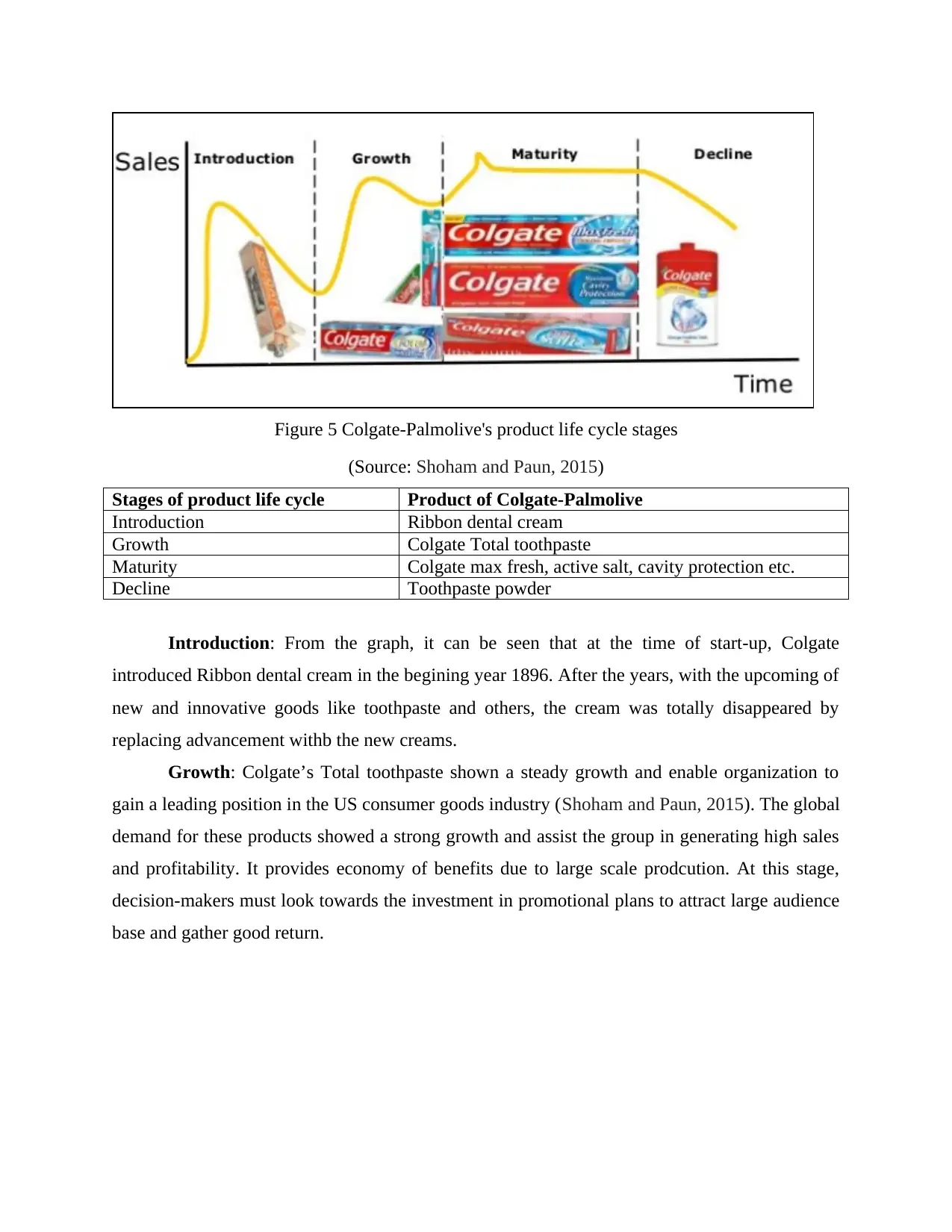
Figure 5 Colgate-Palmolive's product life cycle stages
(Source: Shoham and Paun, 2015)
Stages of product life cycle Product of Colgate-Palmolive
Introduction Ribbon dental cream
Growth Colgate Total toothpaste
Maturity Colgate max fresh, active salt, cavity protection etc.
Decline Toothpaste powder
Introduction: From the graph, it can be seen that at the time of start-up, Colgate
introduced Ribbon dental cream in the begining year 1896. After the years, with the upcoming of
new and innovative goods like toothpaste and others, the cream was totally disappeared by
replacing advancement withb the new creams.
Growth: Colgate’s Total toothpaste shown a steady growth and enable organization to
gain a leading position in the US consumer goods industry (Shoham and Paun, 2015). The global
demand for these products showed a strong growth and assist the group in generating high sales
and profitability. It provides economy of benefits due to large scale prodcution. At this stage,
decision-makers must look towards the investment in promotional plans to attract large audience
base and gather good return.
(Source: Shoham and Paun, 2015)
Stages of product life cycle Product of Colgate-Palmolive
Introduction Ribbon dental cream
Growth Colgate Total toothpaste
Maturity Colgate max fresh, active salt, cavity protection etc.
Decline Toothpaste powder
Introduction: From the graph, it can be seen that at the time of start-up, Colgate
introduced Ribbon dental cream in the begining year 1896. After the years, with the upcoming of
new and innovative goods like toothpaste and others, the cream was totally disappeared by
replacing advancement withb the new creams.
Growth: Colgate’s Total toothpaste shown a steady growth and enable organization to
gain a leading position in the US consumer goods industry (Shoham and Paun, 2015). The global
demand for these products showed a strong growth and assist the group in generating high sales
and profitability. It provides economy of benefits due to large scale prodcution. At this stage,
decision-makers must look towards the investment in promotional plans to attract large audience
base and gather good return.
⊘ This is a preview!⊘
Do you want full access?
Subscribe today to unlock all pages.
Trusted by 1+ million students worldwide

1 out of 18


Related Documents


Your All-in-One AI-Powered Toolkit for Academic Success.
+13062052269
info@desklib.com
Available 24*7 on WhatsApp / Email
![[object Object]](/_next/static/media/star-bottom.7253800d.svg)
Unlock your academic potential
Copyright © 2020–2026 A2Z Services. All Rights Reserved. Developed and managed by ZUCOL.